35 Different Types of Lettuce (With Pictures, and Care Tips)
I used to think lettuce was just “the green stuff” under a burger. That changed the day I grew my first row of Little Gem next to a head of iceberg. The difference in crunch, sweetness, and color was so obvious that I never looked at a seed catalog the same way again.
Lettuce (Lactuca sativa) is the most widely consumed leafy green in the United States. It belongs to the daisy family, Asteraceae, alongside chicory, sunflower, and artichoke.
According to the USDA Economic Research Service, lettuce made up nearly one-fifth of the $21.8 billion American growers earned from vegetable and melon sales in 2022, with romaine, iceberg, and leaf lettuce each contributing well over a billion dollars in cash receipts.
That is a staggering amount of salad. Yet most shoppers can name only three or four varieties. This guide covers 35 distinct types of lettuce, grouped by their true botanical and horticultural classification, so you can identify, grow, or cook with confidence.
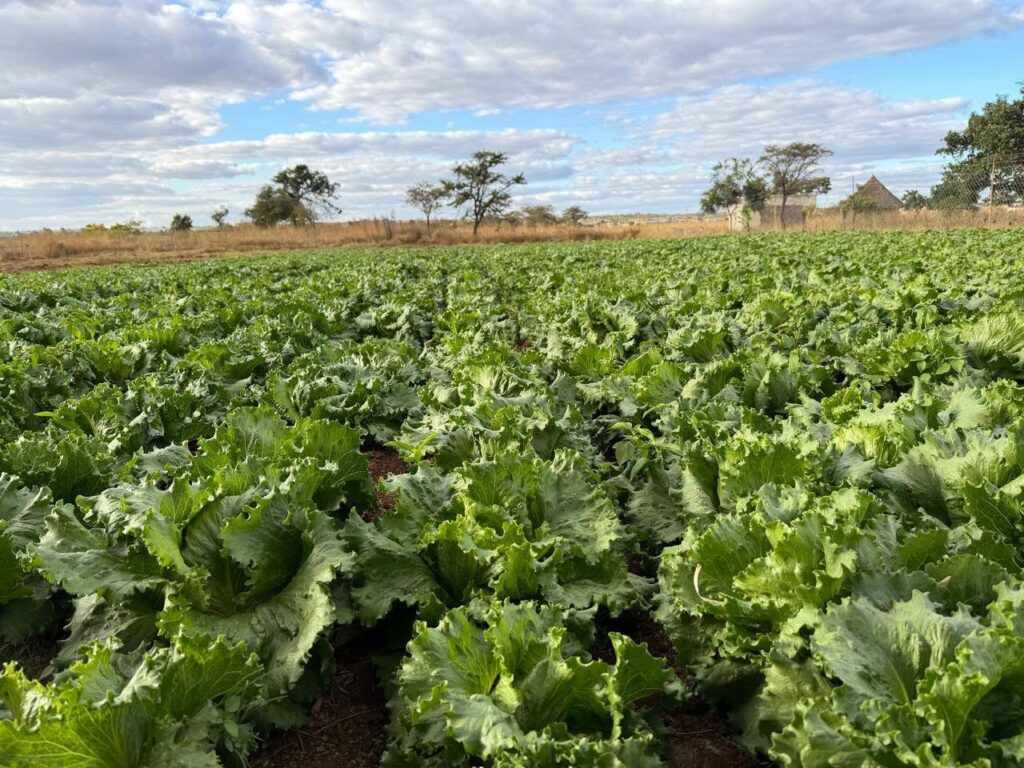
A Brief History Worth Knowing
Lettuce is not a modern invention. Ancient Egyptians cultivated it over 4,000 years ago, originally for its oil-rich seeds rather than its leaves. The plant we recognize today, with soft edible foliage, developed gradually through selective breeding across Mediterranean and Middle Eastern farms.
Lettuce reached American soil during colonial times, and its popularity grew sharply in the early 1900s when refrigerated rail cars made it possible to ship crisphead varieties across the country without wilting. That single shipping innovation is largely why iceberg became the default American lettuce for most of the twentieth century.
Consumption patterns have shifted noticeably since then. Fresh head lettuce availability per person fell 54% from its 1989 peak of 28.6 pounds, while romaine and leaf lettuce availability climbed from just 3.3 pounds per person in 1985 to 12.5 pounds by 2017, according to USDA food availability data.
Packaged salad greens deserve much of the credit for that shift, since they made romaine and leaf blends as convenient as a bagged head of iceberg.
ALSO READ: 35 Types of Spinach Worth Growing (With Pictures)
How Botanists Actually Classify Lettuce
Before jumping into the list, it helps to understand the framework. Plant patent records filed with the U.S. Patent and Trademark Office describe seven recognized morphological types of lettuce: crisphead, butterhead, romaine (cos), leaf, Latin, stem, and oilseed. Britannica’s horticultural entry narrows this to four dominant cultivated groups for everyday use: crisphead, butterhead, leaf (curled), and cos.
I like to think of these groups as different “personalities.” Crisphead is the reliable, crunchy workhorse. Butterhead is the soft-spoken, buttery type. Romaine stands tall and holds its shape. Leaf lettuce is the wild, ruffled cousin that never quite forms a head.
Penn State’s College of Agricultural Sciences confirms that four types dominate U.S. commercial production — crisphead, cos, leaf, and butterhead — while stem and Latin types remain rare outside specialty markets and Asian grocery stores.
Lettuce Nutrition: The Numbers That Matter
Lettuce earns its reputation as a diet-friendly food, but not every type offers the same nutritional punch. USDA FoodData Central figures reveal a wide gap between varieties.
- Romaine lettuce delivers roughly 436 micrograms of vitamin A and 102 micrograms of vitamin K per 100 grams — about 85% of the daily value for vitamin K alone.
- Iceberg lettuce, by comparison, provides only about 25 micrograms of vitamin A and 24 micrograms of vitamin K for the same serving size.
- Research comparing lettuce types found iceberg contains roughly 7 to 17 times less vitamin A than butterhead and romaine, respectively.
- Nearly all lettuce varieties are 94 to 96% water, which explains why a full cup rarely tops 15 calories.
- Darker and red-leafed cultivars tend to carry higher anthocyanin and phenolic content than pale green types, according to comparative studies on wild, traditional, and commercial lettuce cultivars.
I find that fact genuinely useful at the grocery store. If you are buying lettuce purely as a crunchy vehicle for dressing, iceberg works fine. If you want nutrients, reach for darker romaine, red leaf, or butterhead instead.
The 35 Types of Lettuce
A quick note before diving in: lettuce is an annual, not a perennial, so it does not carry a true USDA hardiness zone the way a shrub or tree does. Instead, gardeners talk about the zones where it grows well as a cool-season crop, generally USDA zones 2 through 11, planted in spring and fall (or through winter in the mildest zones) rather than left in the ground year-round.
I have included that seasonal guidance for every entry below, alongside the plant characteristics and care details that make each variety worth growing.
Group 1: Crisphead (Iceberg) Types
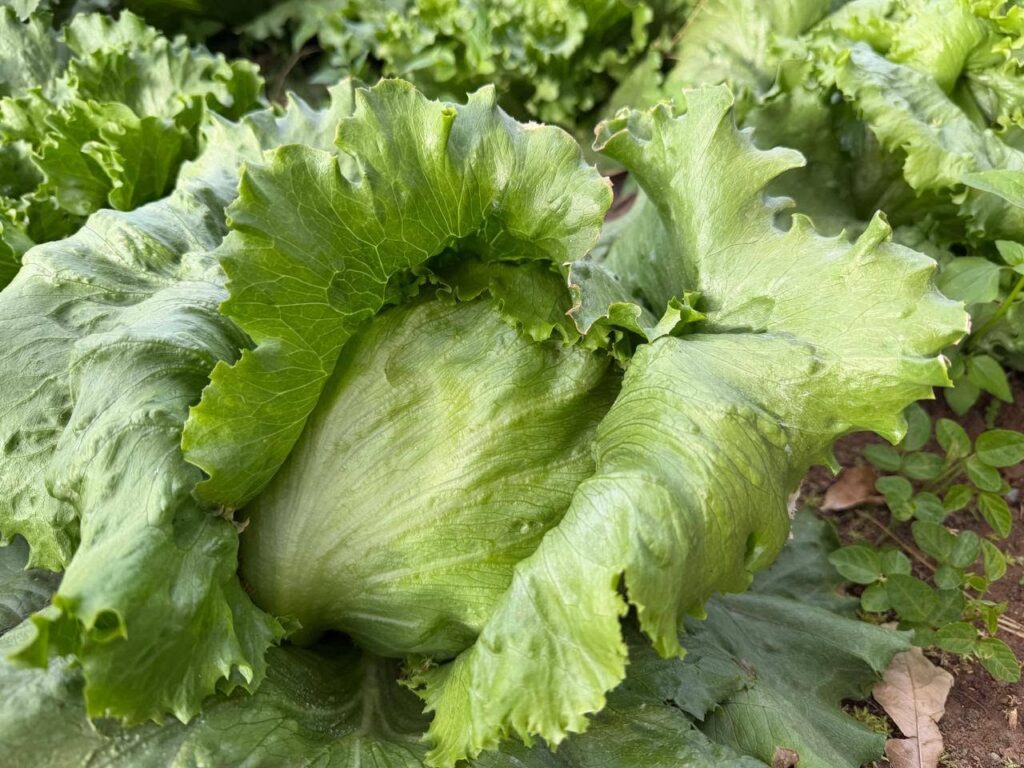
Crisphead lettuce forms a tight, dense head that resembles a small cabbage. It is the most commercially dominant type in the United States, prized for its long shelf life and ability to survive cross-country shipping.
These types generally need the longest, coolest growing window of any lettuce group, since heat during head formation causes internal tip-burn.
1. Iceberg
The classic pale-green, tightly wrapped head with a mild, watery crunch and a pale, almost white heart. USDA data show head lettuce production totaled 41.8 million hundredweight in 2024, valued at $1.67 billion, making it the single largest lettuce category by volume.
Plants take 70 to 85 days to mature and need consistently cool weather, ideally between 60°F and 65°F (15°C to 18°C), to form a firm head. Grow it as a spring or fall annual in USDA zones 2 through 10.
Space plants 12 to 14 inches apart, water evenly to prevent tip-burn, and harvest as soon as the head feels firm when squeezed, since iceberg turns bitter quickly once temperatures climb past 80°F (27°C).
2. Great Lakes
A heat-tolerant crisphead bred specifically for warm-season growing, holding its head shape better than standard iceberg once summer temperatures rise. The outer leaves are a slightly darker green with a wavy edge.
It reaches maturity in about 80 days and tolerates more heat stress than most crispheads, making it a reliable choice for USDA zones 3 through 9 during a longer spring planting window. Keep soil consistently moist and thin seedlings early, since crowding slows head formation and increases the risk of rot at the base.
3. Ithaca
Developed through Cornell University breeding programs, this variety resists tip-burn and bolts more slowly than older crisphead lines, with a dense, medium-sized head and crisp, pale-green leaves.
Ithaca matures in roughly 70 to 75 days and performs well in USDA zones 3 through 8. It handles minor temperature swings better than heirloom crispheads, so gardeners in variable spring climates often prefer it. Side-dress with compost at the three-week mark to support strong head development.
4. Summertime
A slow-bolting crisphead built specifically for late-summer harvests, when heat usually forces lettuce to flower before it forms a usable head. Leaves are a bright, glossy green with a firmer rib than standard iceberg.
Days to maturity run about 70 days, and it is best suited to USDA zones 4 through 9 for a summer-into-fall crop. Mulch heavily around the base to keep soil temperatures down, since root-zone heat is what triggers early bolting in this variety.
5. Sisco
A commercial crisphead valued for uniform heads and strong disease resistance, especially against downy mildew and tip-burn. It is common in large-scale California and Arizona field operations because of its shipping durability.
Maturity is reached in about 75 to 80 days, and it grows best in USDA zones 5 through 10 under drip irrigation. Consistent watering is essential; irregular moisture is the most common cause of misshapen or hollow heads in this variety.
ALSO READ: 35 Types of Cabbage Explained (With Pictures, and Care Tips
Group 2: Batavian / Summer Crisp Types
Sometimes classified as loose-heading crispheads, Batavian types split the difference between iceberg’s crunch and leaf lettuce’s tenderness. They generally tolerate heat far better than true crisphead varieties, which makes them a smart substitute for gardeners in warmer zones.
6. Nevada
A green Batavian type known for holding its crisp texture even in warm gardens, forming a loose, open head rather than a tight ball. It is popular with home growers who struggle with bolting in traditional iceberg.
Nevada matures in about 50 to 55 days, notably faster than true crisphead types, and performs well across USDA zones 3 through 10. It tolerates light frost, so it can be sown slightly earlier in spring than most crispheads.
7. Sierra
A red-tinged summer crisp variety with excellent heat tolerance and a slightly sweeter bite than standard iceberg. The leaf margins blush red under strong sun, adding visual interest to a mixed bed.
It reaches harvest size in roughly 55 days and suits USDA zones 4 through 10. Full sun intensifies the red coloring, so gardeners chasing color should avoid overly shaded planting beds.
8. Cherokee
A deep-red Batavian type that adds strong color contrast to a salad bowl while keeping a satisfying crunch. The head stays looser than iceberg but firmer than most loose-leaf types.
Cherokee matures in about 55 to 60 days and grows well in USDA zones 4 through 9. It is one of the more bolt-resistant red lettuces available, making it a dependable choice for early-summer harvests.
Group 3: Butterhead Types
Butterhead lettuce forms a small, loose head with soft, almost oily-textured leaves. Growers in Europe favor it heavily, and it remains one of the most popular home-garden types worldwide thanks to its forgiving nature and compact footprint.
9. Boston
Pale green, cupped leaves with a delicate, buttery flavor and a loosely folded rosette shape. It is often sold in supermarkets with the root ball still attached, which helps the leaves stay fresh longer after purchase.
Boston matures in about 65 to 70 days and grows comfortably in USDA zones 3 through 9. It prefers partial afternoon shade in warmer zones, since direct heat causes the tender leaves to wilt and turn bitter.
10. Bibb
A smaller, more compact butterhead with a richer, almost nutty flavor than Boston, originally developed in Kentucky during the 1800s. The tightly cupped leaves form a neat rosette about the size of a fist.
It reaches maturity in 55 to 65 days, slightly faster than Boston, and suits USDA zones 3 through 9. Because the head stays small, Bibb works well in containers and raised beds with limited space.
11. Buttercrunch
An All-America Selections winner from 1963, still grown today for its thick, sweet, notably heat-tolerant leaves. The rosette is dense, dark green, and holds up better in warm weather than most butterhead types.
Buttercrunch matures in about 55 days and performs across USDA zones 3 through 10, including warmer summer plantings where other butterheads would bolt. It is widely considered one of the easiest lettuces for beginner gardeners.
12. Tom Thumb
A miniature butterhead that produces single-serving heads about the size of a tennis ball, ideal for small gardens, container growing, or windowsill setups.
It matures quickly, in about 50 days, and grows well in USDA zones 2 through 9. Because each head is so small, gardeners often plant it in tight succession, harvesting a fresh head every few days through the season.
13. Four Seasons (Merveille des Quatre Saisons)
A French heirloom butterhead with red-tinged outer leaves and a creamy, pale heart, grown across multiple seasons as the name suggests. It is one of the more ornamental butterhead varieties, with color that deepens as temperatures cool.
Maturity runs about 55 to 60 days, and it grows in USDA zones 3 through 9. It handles both light frost and moderate heat better than most heirlooms, which explains its long history in French kitchen gardens.
ALSO READ: 30 Different Types of Kale: Variety With Pictures Explained
Group 4: Romaine (Cos) Types
Romaine forms an upright, elongated head with sturdy, slightly bitter outer leaves and a sweeter, crisp heart. It is a staple of Caesar salad and, according to ERS data, accounted for 39% of all harvested lettuce acreage in 2024 — more than any other type.
14. Parris Island Cos
The industry-standard commercial romaine, tall and dark green with a firm rib structure that holds dressing well without wilting. Heads typically stand 8 to 10 inches tall at harvest.
It matures in 65 to 75 days and grows across USDA zones 2 through 10. It tolerates cooler soil better than most romaine types, making it a strong choice for early spring sowing.
15. Little Gem
A compact, sweet romaine hybrid, roughly half the size of standard romaine, often called a “cocktail romaine” because of its small, single-serving size. The heart is noticeably sweeter than full-sized cos types.
Little Gem matures fast, in about 50 to 55 days, and grows well in USDA zones 3 through 10. Its small footprint makes it a favorite for container gardens and intensive raised-bed planting.
16. Rouge d’Hiver
A French heirloom romaine with bronze-red outer leaves, bred specifically to tolerate cool weather better than most cos types. The color deepens noticeably as temperatures drop in autumn.
It reaches maturity in about 60 days and suits USDA zones 3 through 9, particularly for fall harvests. Light frost actually improves its flavor, sweetening the leaves rather than damaging them.
17. Freckles
A speckled romaine with maroon spots scattered across bright green leaves, as visually striking as it is crisp. The pattern becomes more pronounced with increased sun exposure.
Freckles matures in roughly 60 to 65 days and grows in USDA zones 3 through 9. Full sun intensifies both the speckling and the sweetness of the heart, so avoid heavy shade if color is a priority.
18. Cimmaron (Red Romaine)
A deep burgundy romaine variety, sweeter than green romaine and notably rich in anthocyanins, the same pigments responsible for its dark color. Heads grow slightly shorter and wider than Parris Island.
It matures in about 65 to 70 days and performs well in USDA zones 3 through 10. Consistent watering keeps the ribs crisp; drought stress makes this variety more prone to bitterness than green romaine.
19. Jericho
A heat-tolerant romaine bred in Israel, known for resisting bolting during long, warm growing seasons far better than European or American cos varieties.
Jericho reaches maturity in 55 to 60 days and is well suited to USDA zones 5 through 11, including warmer regions where standard romaine struggles. It is a strong pick for late-spring and summer plantings.
Group 5: Loose-Leaf Types
Leaf lettuce never forms a true head. Instead, it grows as a loose rosette of curled, frilled, or flat leaves. This group is prized for tenderness, fast growth, and continuous “cut-and-come-again” harvesting, where outer leaves are picked while the center keeps producing.
20. Black Seeded Simpson
One of the oldest American leaf lettuce cultivars, dating back to the 1850s, still a favorite for its fast growth and mild, sweet flavor. Leaves are light green, crinkled, and tender.
It matures in about 45 days and can be sown across USDA zones 2 through 10. Because it tolerates light frost, it is often the first lettuce sown in spring and the last harvested in fall.
21. Red Sails
A ruffled, bronze-red leaf lettuce that resists bolting longer than most red varieties, with a soft texture and mild, slightly sweet taste. It was an All-America Selections winner in 1985.
Red Sails matures in about 45 to 50 days and grows well in USDA zones 3 through 9. Its bolt resistance makes it one of the more forgiving red lettuces for gardeners in unpredictable spring climates.
22. Oak Leaf (Green Oak Leaf)
Named for its lobed, oak-shaped leaves, this variety has a tender texture and mild taste that holds up well in mixed salad blends.
It reaches harvest size in about 40 to 50 days and suits USDA zones 2 through 10. Its deep, lobed leaf shape sheds water efficiently, which helps reduce fungal issues in humid climates.
23. Red Oak Leaf
The red-pigmented sibling of Oak Leaf, offering the same lobed shape with a deeper color and a slightly nuttier flavor. It adds strong visual contrast in cut-and-come-again beds.
Maturity runs 40 to 50 days, and it grows across USDA zones 3 through 9. Like most red lettuces, stronger sun exposure deepens its color without affecting flavor significantly.
24. Lollo Rossa
An Italian variety with tightly curled, ruffled deep-red leaves. I always find it looks almost too decorative to eat, more like a garnish than a salad base, yet the flavor is pleasantly mild.
It matures in about 55 days and grows in USDA zones 4 through 9. Its dense, curled leaf structure benefits from good airflow, so avoid overcrowding to reduce the risk of rot at the base.
25. Lollo Bionda
The green counterpart to Lollo Rossa, sharing the same frilly, curled texture without the red pigment. It has a slightly crisper bite than typical loose-leaf types.
Lollo Bionda matures in roughly 50 to 55 days and performs well in USDA zones 4 through 9. Regular harvesting of outer leaves encourages continued production through a longer season.
26. Salad Bowl
A light-green, deeply lobed leaf lettuce bred for slow bolting and continuous harvest through a full season. It was one of the first All-America Selections winners for lettuce, back in 1952.
It matures in about 50 days and adapts to USDA zones 2 through 10. Because it resists bolting so well, it remains one of the most reliable choices for a long summer harvest window.
27. Tango
A frizzy, bright-green leaf lettuce with a mild peppery note, popular in commercial baby-leaf salad mixes because of its dense, curly texture.
Tango matures quickly, in about 45 days, and grows in USDA zones 3 through 9. It is well suited to baby-leaf harvesting, where young leaves are cut just two to three weeks after germination.
Group 6: Latin Type
Latin lettuce looks like a cross between romaine and butterhead, with elongated leaves that fold gently rather than forming a tight head. It remains uncommon in the United States but is gaining ground among heirloom growers who want something between the two more familiar groups.
28. Winter Density
A cold-hardy Latin type that combines the sweetness of butterhead with the crunch of romaine, forming a dense, upright rosette of dark green leaves.
It matures in 55 to 60 days and is notably cold-tolerant, performing well in USDA zones 3 through 8 for late fall and even overwintering in mild climates under row cover. It is one of the few lettuce types that genuinely improves in flavor after a light frost.
29. Grandpa Admire’s
A rare heirloom Latin lettuce, valued for tolerating both cold snaps and moderate heat better than standard cos types. The leaves are soft near the center but sturdier toward the outer rosette.
Maturity runs about 60 days, and it grows in USDA zones 4 through 9. Its wide temperature tolerance makes it a good candidate for gardeners who want a single variety to carry them from spring into early summer.
Group 7: Specialty and Stem Types
30. Celtuce (Stem Lettuce)
Grown mainly for its thick, celery-like stem rather than its leaves, celtuce is common in Chinese cuisine, where the peeled stem is stir-fried, pickled, or eaten raw in thin slices. The upper leaves are edible too, though notably more bitter than standard lettuce.
It takes longer to mature than most lettuce, around 70 to 85 days, and grows in USDA zones 3 through 9. Harvest once the stem reaches at least an inch in diameter, and peel away the tough outer skin before cooking.
31. Salanova
A patented multi-leaf lettuce bred so each head releases dozens of small, ready-to-eat leaves when cut once at the base, cutting labor significantly for commercial salad packers. It is available in both green and red, butterhead and oakleaf-type leaf shapes.
Salanova matures in about 50 to 55 days and grows in USDA zones 3 through 10. Because each head yields so many uniform small leaves, it is an efficient choice for home gardeners who want restaurant-style salad mix without buying pre-packaged bags.
32. Oilseed Lettuce
A rarely seen type grown specifically for its large seeds, which are pressed to extract oil rather than harvested for leaves. It is seldom found outside specialty agricultural research or historical seed collections.
Growing time runs long, since the plant must fully flower and set seed, often 90 days or more, and it is best suited to USDA zones 4 through 9 with a full, uninterrupted growing season. It is not typically grown in home vegetable gardens.
Group 8: Wild and Ornamental Relatives
These are not commercial salad crops, but they belong to the same genus and often get mistaken for cultivated lettuce during foraging or gardening. None should be treated as a direct substitute for garden lettuce in the kitchen.
33. Wild Lettuce (Lactuca virosa)
A tall, bitter-leafed wild relative that can grow 3 to 5 feet high, historically used in folk remedies rather than eaten as a salad green. Its milky sap darkens on exposure to air, a trait that distinguishes it from garden lettuce.
It grows as a biennial across USDA zones 4 through 9, often along roadsides and disturbed ground. It self-seeds readily and is generally treated as a weed rather than cultivated intentionally.
34. Prickly Lettuce (Lactuca serriola)
A common roadside weed with spiny leaf edges and a distinctive habit of orienting its leaves vertically, north to south, in strong sunlight. It is considered the likely wild ancestor of cultivated lettuce.
It thrives as an annual or biennial across USDA zones 3 through 10 and tolerates poor, dry soil far better than any cultivated lettuce type. It is rarely, if ever, deliberately planted.
35. Woodland Lettuce (Lactuca floridana)
Also called Florida blue lettuce, this native North American plant grows in moist woodlands from Manitoba to Florida, reaching 2 to 7 feet tall with lavender-blue flowers. The Missouri Botanical Garden notes that young basal leaves can be added raw to salads, though the plant carries a noticeably bitter flavor compared to garden lettuce.
It grows as an annual or biennial in USDA zones 4 through 9, preferring part shade and consistently moist soil, unlike the full-sun preference of cultivated lettuce. Older leaves are typically cooked rather than eaten raw, since maturity intensifies the bitterness.
Quick Comparison: Which Type Should You Buy?
- Best for crunch and shelf life: Iceberg, Great Lakes, Cherokee
- Best for salads and sandwiches: Romaine, Little Gem, Parris Island Cos
- Best for delicate, buttery flavor: Bibb, Boston, Buttercrunch
- Best for color on the plate: Lollo Rossa, Red Sails, Freckles
- Best for small gardens: Tom Thumb, Little Gem, Salad Bowl
- Best for cooking, not just salad: Celtuce, stem lettuce
I keep coming back to this rule of thumb: darker leaves generally mean better nutrition, while paler, tighter heads generally mean longer storage. Knowing your priority makes the produce aisle far less confusing.
Where Most U.S. Lettuce Comes From
Production geography shifts with the seasons. From mid-November through early April, most lettuce sold in the U.S. is grown in the irrigated desert valleys of Southern California’s Imperial County and the Yuma area of Arizona.
From late April through mid-November, growing shifts to Central California, according to the USDA Economic Research Service. Roughly 85% of the lettuce Americans eat is grown domestically, with the remainder arriving through imports, mostly from Mexico and Canada.
Arizona’s romaine acreage has grown at about 7% annually since 2010, gradually taking share from California during the winter harvest window.
Storage Tips by Type
Different lettuce types spoil at different rates, and I learned this the hard way after losing an entire bag of butterhead to a soggy crisper drawer.
- Romaine and loose-leaf types should be washed, dried, and stored in a sealed container. They typically last about seven days refrigerated.
- Butterhead and leaf types are more delicate and generally last only two to three days once cut or bruised.
- Iceberg and crisphead types hold up the longest thanks to their dense structure and lower surface area exposure.
Always look for crisp, bright leaves. Avoid heads with sunken spots or slimy discoloration, since these are early signs of spoilage.
Growing Notes Worth Knowing
Lettuce is a cool-season crop. According to horticultural guidance from the Missouri Botanical Garden, seed should be started indoors six to eight weeks before the last spring frost, or sown directly outdoors about two weeks before that date.
Dry soil conditions often trigger premature bolting, which turns leaves bitter almost overnight.
If you are growing at home, succession planting every two weeks extends your harvest window well into early summer, and a second round of seed sown in late summer produces a reliable fall crop.
Matching Lettuce to the Right Dish
I have ruined more than one salad by grabbing whatever lettuce was closest instead of thinking about the dish first. A little planning goes a long way.
- For sandwiches and burgers, you want structure that survives sauce and pressure without wilting. Iceberg and romaine hold up best here because their ribs stay firm even when damp.
- For a Caesar salad, romaine is not optional — it is the entire point. The firm rib gives the classic crunch, while the slightly bitter edge balances the rich, salty dressing.
- For a delicate side salad, reach for butterhead. Bibb or Boston leaves cup gently around light vinaigrettes without overwhelming other ingredients.
- For visual impact at a dinner party, mix in Lollo Rossa, Red Sails, or Freckles. Color contrast on a plate does more for presentation than most people expect.
- For stir-fries and cooked dishes, celtuce is the obvious choice. Its stem behaves more like celery or kohlrabi than a typical salad green, and it holds texture even after a few minutes in a hot wok.
- For wraps in place of bread, look for large, pliable butterhead or romaine leaves. Crisphead leaves tend to crack when folded tightly.
Frequently Asked Questions
How many types of lettuce are there in total? Botanists generally recognize seven morphological groups, but breeders have produced well over a thousand named cultivars within those groups, according to plant variety patent filings.
Which lettuce is the healthiest? Romaine consistently ranks among the most nutrient-dense common varieties, offering significantly more vitamin A, vitamin K, and folate than iceberg per serving.
Is celtuce really a lettuce? Yes. Celtuce is Lactuca sativa var. augustana, the same species as garden lettuce, grown for its stem rather than its leaves.
Why does my lettuce turn bitter? Bitterness usually signals bolting, which happens when a plant is stressed by heat or dry soil and begins producing a flower stalk.
Is red lettuce more nutritious than green lettuce? Not always in every nutrient, but red varieties generally carry more anthocyanins and total phenolic compounds, according to comparative studies on commercial and heirloom cultivars. Green varieties often edge ahead slightly in vitamin C. Choosing a mix of both colors is the simplest way to cover your bases.
What is the difference between romaine and cos lettuce? There is no difference. “Cos” is simply the older, British name for the same variety group now commonly called romaine in North America. Both terms describe Lactuca sativa var. longifolia.
Can you eat wild lettuce? Technically yes, but it is not recommended as a food source. Wild lettuce (Lactuca virosa) and prickly lettuce (Lactuca serriola) are bitter, tough, and historically used for other purposes rather than as salad greens. Stick to cultivated Lactuca sativa varieties for eating.
How long does it take to grow lettuce from seed? Most loose-leaf varieties are ready to harvest in 30 to 45 days, while head-forming types like iceberg and romaine typically need 60 to 85 days, depending on temperature and variety.
Final Thoughts
Thirty-five varieties sounds like a lot until you realize each one solves a different problem on your plate — crunch for a sandwich, sweetness for a slaw, structure for a wrap, or color for a dinner party. I no longer buy lettuce on autopilot, and after reading this guide, I doubt you will either.
References
- U.S. Department of Agriculture, Economic Research Service. Romaine and Leaf Lettuces Almost as Popular as Head Lettuce. https://www.ers.usda.gov/data-products/chart-gallery/gallery/chart-detail/?chartId=93321
- U.S. Department of Agriculture, Economic Research Service. U.S. Lettuce Production Shifts Regionally by Season. https://www.ers.usda.gov/data-products/charts-of-note/chart-detail?chartId=106516
- U.S. Department of Agriculture, National Agricultural Statistics Service. Vegetables 2024 Summary. https://www.nass.usda.gov/Publications/Todays_Reports/reports/vegean25.pdf
- U.S. Department of Agriculture, FoodData Central. Lettuce, Cos or Romaine, Raw — Nutrient Profile. https://fdc.nal.usda.gov/food-details/169247/nutrients
- Oregon State University, College of Agricultural Sciences. Lettuce (Lactuca sativa) Production Guide. https://horticulture.oregonstate.edu/oregon-vegetables/lettuce-0
- Missouri Botanical Garden. Lactuca sativa — Plant Finder. https://www.missouribotanicalgarden.org/PlantFinder/PlantFinderDetails.aspx?kempercode=a679
- Agricultural Marketing Resource Center, Iowa State University. Lettuce. https://www.agmrc.org/commodities-products/vegetables/lettuce

Tim M Dave is a gardening expert with a passion for houseplants, particularly cacti and succulents. With a degree in plant biology from the University of California, Berkeley, he has vast experience in gardening. Over the years, he has cultivated a vast collection of desert plants and learned a great deal about how to grow and care for these unique companions.