35 Types of Spinach Worth Growing (With Pictures, and Care Tips)
Spinach looks simple at the grocery store. One green bag, one green bunch. But once you start digging, as I did while researching this guide, you realize spinach is a much bigger world than most people assume.
There are crinkled types, flat types, baby leaf types, red-veined types, and a whole family of “spinach” plants that are not even related to true spinach at all. That last part surprises almost everyone I mention it to.
This guide covers 35 types of spinach, organized in a way that actually makes sense: true botanical spinach first, then the global substitutes that borrow the name. I have grown and cooked with many of these myself, and I will flag the ones worth seeking out.
By the end, you will know exactly which spinach to buy for a salad, which to grow in a hot climate, and which “spinach” is really a completely different vegetable wearing a disguise.
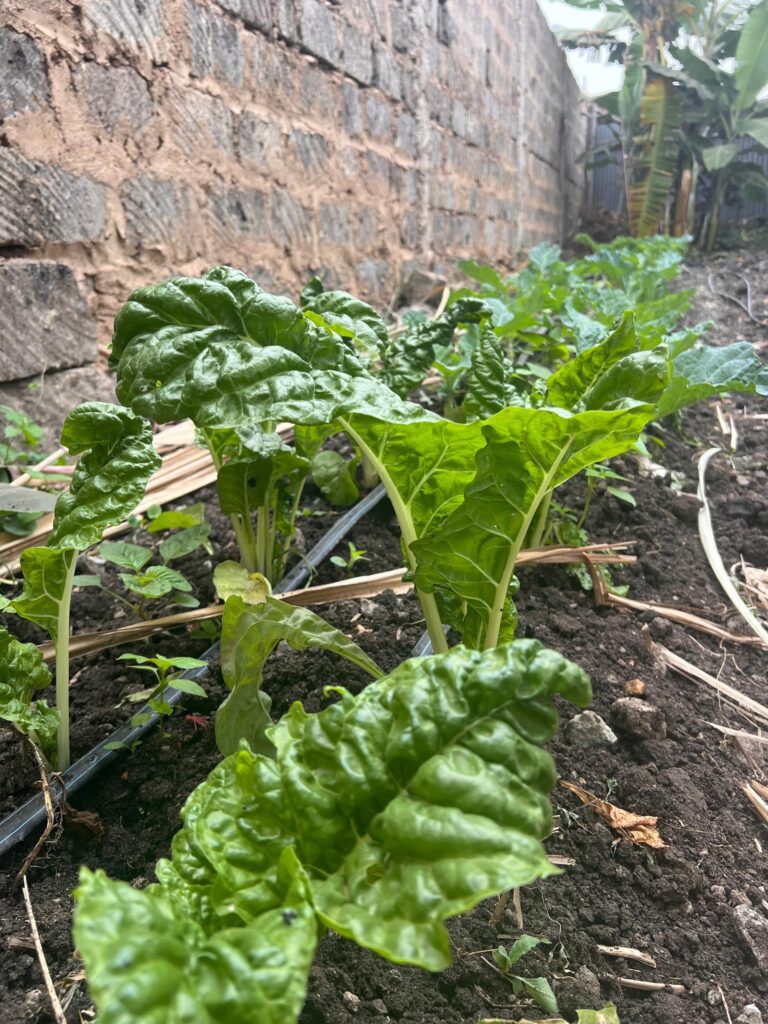
A Brief History of Spinach
Spinach traces back to ancient Persia, in what is now Iran, according to horticultural records compiled by specialty produce researchers. From there, it spread eastward into India, Nepal, and China before the year 647 CE.
Arab traders carried spinach westward into Italy around 827 CE. By the tenth century it had reached the wider Mediterranean, and by the thirteenth through sixteenth centuries, European breeders were actively developing new domesticated varieties.
Spinach became fashionable among European nobility during that period, prized as much for status as for flavor. Colonists later carried it to the New World, and by the 19th century it was a fixture in American home gardens.
That long breeding history explains why modern spinach comes in so many forms. Centuries of selection across different climates naturally produced the savoy, semi-savoy, and flat-leaf lines we grow today.
What Counts as “True” Spinach?
True spinach is a single species: Spinacia oleracea, a member of the Amaranthaceae family. The Missouri Botanical Garden’s Plant Finder confirms it is an annual, cool-season herb native to parts of Asia, now grown worldwide in USDA hardiness zones 2 through 11.
Botanists and seed growers split true spinach into three structural categories: savoy, semi-savoy, and flat-leaf (smooth). Every named variety on the market fits into one of these three buckets.
The University of Wisconsin-Madison’s Horticulture Extension notes that savoy types have less oxalic acid than smooth-leaf types, which affects how well your body absorbs calcium and magnesium from the leaves. That is a detail most grocery shoppers never hear.
I will walk through each category, then move into the wider “spinach family” of unrelated plants that share the name for taste or appearance reasons.
ALSO READ: 35 Types of Cabbage Explained (With Pictures, and Care Tips
Category 1: Savoy Spinach Varieties (Crinkled-Leaf Types)
Savoy spinach has thick, deeply crinkled leaves. It handles cold weather better than any other type, but the wrinkles trap dirt, so washing takes real effort.
1. Bloomsdale
This is the classic. Bloomsdale has thick, blistered, dark green leaves and has been a garden staple since the early 1900s. It handles frost better than almost anything else you can plant, and I still consider it the benchmark for flavor.
- Growing zone: USDA zones 2–9, grown as a cool-season annual
- Days to maturity: Roughly 45 to 50 days from seed
- Plant characteristics: Upright rosette to about 6 inches tall, thick succulent leaves with heavy blistering, deep green color that holds well after harvest
- Care tips: Sow directly in rich, well-drained soil as soon as it can be worked in spring. Thin seedlings to 3 to 4 inches apart, and mulch lightly to keep the soil cool once temperatures start climbing.
2. Winter Bloomsdale
A cold-hardy improvement on the original Bloomsdale. Breeders selected it specifically for overwintering in high tunnels, which extends the harvest window into the coldest months.
- Growing zone: USDA zones 4–9, with reliable overwintering under cover
- Days to maturity: About 40 to 45 days for full leaves, faster for baby leaf
- Plant characteristics: Compact, dark green rosette with dense, crinkled foliage that resists frost damage better than the standard Bloomsdale
- Care tips: Plant in late summer or early fall for a winter harvest. A row cover or unheated tunnel dramatically improves survival through hard freezes.
3. America
An heirloom savoy variety that won an All-America Selections award back in 1952. It resists mildew, tolerates heat and drought better than most savoy types, and is still sold by seed companies today.
- Growing zone: USDA zones 3–9
- Days to maturity: Around 50 days to full maturity
- Plant characteristics: Small, deeply crinkled, dark green leaves with a compact, slow-bolting growth habit
- Care tips: Because it tolerates heat unusually well for a savoy type, it is a solid choice for a slightly later spring planting than most heirlooms allow.
4. Melody
A hybrid savoy spinach with thick, dark green, wrinkled leaves. It grows fast and produces a heavy yield, which makes it popular with home gardeners who want a lot of spinach from a small bed.
- Growing zone: USDA zones 2–9
- Days to maturity: About 40 to 45 days
- Plant characteristics: Vigorous, upright growth with large, thick, moderately crinkled leaves and strong disease tolerance
- Care tips: Space plants slightly wider than other savoy types, around 4 to 6 inches, since Melody plants grow noticeably larger than average.
5. Regiment
This F1 hybrid that matures in around 37 days. It resists downy mildew and produces tender leaves even when they grow large, which is unusual for savoy types.
- Growing zone: USDA zones 3–9
- Days to maturity: 37 days, one of the faster savoy hybrids available
- Plant characteristics: High-yielding with deep green, moderately blistered leaves that stay tender past the size where most savoy types toughen up
- Care tips: Its speed makes it a good choice for succession planting. Harvest outer leaves regularly to keep the plant productive longer.
6. Badger Savoy
Developed at the University of Wisconsin-Madison in the late 1950s for blue mold resistance. It is largely a historical variety now, but it shaped modern disease-resistant breeding programs.
- Growing zone: USDA zones 3–8, matching its Midwestern breeding origin
- Days to maturity: Approximately 45 to 50 days
- Plant characteristics: Classic heavily savoyed leaf structure with strong resistance to blue mold, the disease that plagued mid-century Wisconsin spinach crops
- Care tips: Seed is difficult to find commercially today, so gardeners interested in growing it usually source it through heirloom seed exchanges or university germplasm collections.
ALSO READ: 30 Different Types of Kale: Variety With Pictures Explained
Category 2: Semi-Savoy Spinach Varieties
Semi-savoy spinach is a hybrid cross between flat-leaf and savoy types. The leaves have a light crinkle, which means less grit than full savoy but more texture than flat-leaf.
I find semi-savoy the easiest all-around choice for a home garden. It is forgiving, cleans up reasonably fast, and still holds its shape when cooked.
7. Tyee
Tyee is a fast-growing type with thick, dark leaves and an upright habit that keeps the foliage cleaner. It resists downy mildew races 1 and 3 and is very slow to bolt.
- Growing zone: USDA zones 2–9
- Days to maturity: About 39 days
- Plant characteristics: Tall, upright growth habit with thick, dark green, lightly crinkled leaves that stay off the soil surface
- Care tips: Its upright habit means it tolerates slightly closer spacing than sprawling savoy types. Harvest from the outside in to extend the plant’s productive life.
8. Space
Space is a smooth-to-semi-savoy, bolt-resistant variety good for both baby leaf and mature harvests. Its thick leaf resists bruising, which matters if you are harvesting by hand.
- Growing zone: USDA zones 2–9
- Days to maturity: About 39 days
- Plant characteristics: Smooth to lightly crinkled, glossy dark green leaves on a compact, uniform plant
- Care tips: Because it is one of the slower-bolting types available, Space is a strong pick for later spring or early summer plantings where other varieties would flower prematurely.
9. Regal
Suited to dense plantings, regal is meant for baby-leaf harvest. It carries resistance to downy mildew races 1 through 7, according to Wisconsin Horticulture Extension records.
- Growing zone: USDA zones 3–9
- Days to maturity: About 30 days for baby leaf
- Plant characteristics: Compact, upright rosette with lightly savoyed leaves bred specifically for dense, mechanized baby-leaf plantings
- Care tips: Sow thickly if you intend a baby-leaf cut-and-come-again harvest, then thin gradually as plants mature if you want some to reach full size.
10. Avon
Avon is undoubtedly an early-spring semi-savoy hybrid. It grows fast, with baby leaves ready in about 25 days, and it is notably slow to bolt for such a quick-maturing plant.
- Growing zone: USDA zones 2–9
- Days to maturity: 25 days for baby leaf, about 45 days for mature leaf
- Plant characteristics: Quick, vigorous growth with medium green, semi-crinkled leaves and a compact rosette form
- Care tips: Because it germinates and matures quickly, it is well suited to the very first spring sowing, before soil has fully warmed.
11. Crocodile
Bred for heat tolerance, which is rare in spinach. If your summers are brutal, Crocodile is one of the few semi-savoy types that will not immediately bolt on you.
- Growing zone: USDA zones 3–10, including warmer summer climates
- Days to baturity: 25 to 55 days depending on desired leaf size
- Plant characteristics: Large, upright foliage with a semi-savoyed texture and unusually strong tolerance to warm-season stress
- Care tips: Take advantage of its heat tolerance by planting it as a bridge crop between spring and fall harvests, when most other spinach types would already be bolting.
12. Kolibri
Kolibri is bred with strong downy mildew resistance and suited for baby-leaf production. In warmer zones, it needs partial shade to avoid bolting too early.
- Growing zone: USDA zones 9–10 with partial shade, cooler zones in full sun
- Days to maturity: About 25 to 30 days for baby leaf
- Plant characteristics: Semi-savoy leaves with strong germination vigor and broad downy mildew resistance
- Care tips: In hot regions, provide afternoon shade cloth to delay bolting and stretch the harvest window by several extra weeks.
13. Correnta
Correnta is a vigorous, disease-resistant hybrid with strong germination. Commercial growers favor it for uniform harvests across large plantings.
- Growing zone: USDA zones 2–9
- Days to maturity: About 42 days
- Plant characteristics: Deeply crinkled semi-savoy leaves with exceptionally uniform germination and growth across a planting
- Care tips: Its consistency makes it forgiving for beginner gardeners since plants tend to mature together rather than staggering unpredictably.
Category 3: Flat-Leaf (Smooth) Spinach Varieties
Flat-leaf spinach has smooth, unwrinkled leaves. It is the easiest type to clean, which is why it dominates the frozen food aisle and canned spinach production.
14. Giant Nobel
A tall, large-leafed heirloom variety popular for both fresh eating and canning. Its size makes it a heavy producer per plant.
- Growing zone: USDA zones 2–9
- Days to maturity: About 45 days
- Plant characteristics: Tall, upright plant with very large, smooth, light to medium green leaves and a substantial yield per square foot
- Care tips: Give it slightly more room than compact varieties, since its large leaf size needs airflow to avoid fungal issues in humid conditions.
15. Renegade
A dark green, disease-resistant hybrid bred for consistent commercial performance across multiple growing seasons.
- Growing zone: USDA zones 2–9
- Days to maturity: About 40 to 45 days
- Plant characteristics: Smooth, dark green, oval leaves with an erect growth habit and strong tolerance to common leaf diseases
- Care tips: Its reliability makes it a good default choice if you want one dependable flat-leaf variety rather than experimenting across several.
16. Corvair
A baby-leaf hybrid known for its smooth texture and quick regrowth after cutting, which suits repeated harvests from the same planting.
- Growing zone: USDA zones 2–9
- Days to maturity: About 25 to 30 days for baby leaf
- Plant characteristics: Smooth, dark green, spade-shaped leaves with rapid regrowth after cutting
- Care tips: Use the cut-and-come-again method: harvest leaves an inch above the crown and the plant will regenerate for two or three additional cuttings.
17. Double Choice
Rust-resistant with large, thick, mild-tasting leaves. It matures in around 35 to 40 days, which is fast for a flat-leaf variety.
- Growing zone: USDA zones 2–9
- Days to maturity: 35 to 40 days
- Plant characteristics: Large, thick, smooth leaves with a mild flavor and solid resistance to leaf rust
- Care tips: Because the leaves are thick despite being flat, this variety holds up reasonably well in cooking as well as fresh salads.
18. Double Take
A hybrid with large, smooth, dark green leaves shaped like a goosefoot. It also carries downy mildew resistance, which extends its useful growing window.
- Growing zone: USDA zones 2–9
- Days to maturity: About 40 days
- Plant characteristics: Large, glossy, dark green leaves with a distinctive arrow or goosefoot shape and broad disease resistance
- Care tips: Its mildew resistance makes it a dependable choice for damp spring conditions when fungal pressure tends to be highest.
19. Seaside
A three-season smooth-leaf variety suited for spring, summer, and fall production. Its flattened leaves are fairly easy to wash.
- Growing zone: USDA zones 2–10
- Days to maturity: About 40 to 45 days
- Plant characteristics: Flattened, smooth leaves on a productive, adaptable plant that tolerates a wider temperature range than most flat-leaf types
- Care tips: Its adaptability makes it a good option if you only want to plant one variety and harvest across multiple seasons.
20. Viroflay (Monstrueux de Viroflay)
A French heirloom with very large, arrow-shaped leaves. It has almost no disease resistance by modern standards, so breeders now use it mainly as a research baseline rather than a commercial crop.
- Growing zone: USDA zones 2–9
- Days to maturity: About 45 to 50 days
- Plant characteristics: Very large, arrow-shaped, smooth leaves that can grow significantly bigger than most modern hybrids
- Care tips: Grow it in cooler weather only, since it lacks the mildew resistance bred into newer varieties and struggles under disease pressure.
21. Olympia
A slow-bolting smooth-leaf variety, useful for extending the harvest into warmer months without the plant flowering prematurely.
- Growing zone: USDA zones 2–9
- Days to maturity: About 45 days
- Plant characteristics: Smooth, medium green, oval leaves with notably delayed bolting compared to older smooth-leaf types
- Care tips: Use it for late spring or early summer sowings when other flat-leaf varieties would already be heading toward flower.
ALSO READ: 15 Easy Vegetables to Plant and Harvest This Summer: Best Varieties That Grow Fast in Heat
Category 4: Specialty, Heirloom, and Colored-Stem Spinach
These varieties stand out for color, flavor, or a specific disease-resistance trait rather than leaf texture alone.
22. Bordeaux
A baby-leaf variety with striking red veins and deep red stems. It looks beautiful in a salad but bolts faster than green-leafed types, so harvest it young.
- Growing zone: USDA zones 2–9
- Days to maturity: About 21 to 25 days for baby leaf
- Plant characteristics: Smooth, dark green leaves with vivid red veining and deep burgundy stems, smaller overall than standard green cultivars
- Care tips: Harvest early and often. Because it bolts quickly once weather warms, treat it as a short-window specialty crop rather than a season-long producer.
23. Red Kitten
Similar in concept to Bordeaux, with reddish veining on tender young leaves. It is bred mainly for the baby-leaf salad market.
- Growing zone: USDA zones 2–9
- Days to maturity: About 25 to 30 days for baby leaf
- Plant characteristics: Small, tender, smooth leaves with light red veining and a mild, slightly sweet flavor
- Care tips: Sow in succession every two weeks through spring, since its short harvest window means a single planting will not last long.
24. Baboon RZ
A commercial hybrid bred for extremely broad disease resistance, including downy mildew races 1 through 17, anthracnose, and fusarium, according to Cornell’s disease-resistant vegetable variety records.
- Growing zone: USDA zones 2–9
- Days to maturity: About 40 to 45 days
- Plant characteristics: Vigorous, upright plant with dark green, semi-savoyed leaves and an unusually wide disease-resistance package
- Care tips: Its resistance profile makes it a strong choice for regions with a history of downy mildew outbreaks, including much of the northeastern United States.
25. Indian Summer
Bred specifically to be slow-bolting even as day length increases, which makes it one of the few varieties reliable for summer plantings.
- Growing zone: USDA zones 2–10
- Days to maturity: About 40 to 45 days
- Plant characteristics: Medium green, semi-savoyed leaves on a plant bred for delayed flowering under long summer days
- Care tips: Combine it with light afternoon shade during peak summer to further delay bolting and stretch your harvest into the hottest weeks of the year.
Category 5: Winter and High-Tunnel Spinach Cultivars
Cold-tolerant breeding has become its own specialty within spinach, driven partly by growing interest in unheated high-tunnel winter production in cold climates.
26. Tundra
Tested extensively in New England high-tunnel trials for winter growth speed and cold tolerance, per UMass Amherst’s Center for Agriculture, Food, and the Environment.
- Growing zone: USDA zones 3–7, primarily grown under winter tunnel protection
- Days to maturity: About 40 to 45 days, slower in low winter light
- Plant characteristics: Dark green, semi-savoyed leaves bred specifically for regrowth speed under cold, low-light winter conditions
- Care tips: Plant in late summer for a fall-through-winter harvest, and use an unheated high tunnel or thick row cover to protect against hard freezes.
27. Shelby
Another cultivar evaluated in the same UMass winter trials, bred with broad downy mildew resistance for unheated tunnel production.
- Growing zone: USDA zones 3–7 under winter protection
- Days to maturity: About 40 to 45 days
- Plant characteristics: Semi-savoy leaf structure with strong cold tolerance and broad-spectrum downy mildew resistance
- Care tips: Because germination can be inconsistent in cold soil, some growers pre-treat seed with a fungicide seed treatment before a winter sowing.
28. Winter Giant
A semi-savoy variety bred for extreme cold hardiness. Growers can harvest it well after frost has settled in for the season.
- Growing zone: USDA zones 3–8
- Days to maturity: About 45 to 50 days
- Plant characteristics: Large, deeply crinkled leaves on a cold-hardy plant that continues producing well below freezing
- Care tips: Sow in early fall so the plant establishes before the coldest weather arrives, then harvest through winter as needed.
Category 6: Plants Called “Spinach” That Are Not True Spinach
Here is where it gets interesting. Many “spinach” plants belong to entirely different genera. They earned the name because of taste, appearance, or how cooks use them, not because of shared ancestry.
I think this is the most useful section for anyone trying to grow greens through a hot summer, since true spinach struggles badly once temperatures climb.
29. New Zealand Spinach (Tetragonia tetragonioides)
Botanically unrelated to true spinach, this heat-tolerant plant sprawls across the ground and produces small, fleshy leaves. It thrives exactly when true spinach fails from summer heat.
- Growing zone: USDA zones 9–11 as a perennial, grown as a warm-season annual elsewhere
- Days to maturity: About 55 to 65 days
- Plant characteristics: Low, sprawling, spreading habit with small, thick, triangular, fleshy leaves that store water well in heat
- Care tips: Soak seeds overnight before sowing to soften the hard seed coat, and give the plant plenty of horizontal space since it spreads two to three feet wide.
30. Malabar Spinach, Green Stem (Basella alba)
A tropical, vining plant with thick, glossy, mucilaginous leaves. It needs a trellis and can climb several feet in a single growing season.
- Growing zone: USDA zones 9–11 as a perennial, grown as an annual vine in cooler zones
- Days to maturity: About 70 days to first harvest
- Plant characteristics: Vigorous climbing vine with thick, glossy, heart-shaped green leaves and a slightly mucilaginous texture when cooked
- Care tips: Provide a sturdy trellis at planting time, since the vine grows quickly and becomes heavy once established. It thrives in genuine summer heat and humidity.
31. Red Malabar Spinach (Basella rubra)
The same species as Malabar spinach but with striking deep red stems and veining. It is often grown as an ornamental edible for its color as much as its flavor.
- Growing zone: USDA zones 9–11 as a perennial, annual elsewhere
- Days to maturity: About 70 days
- Plant characteristics: Climbing vine with deep burgundy-red stems, red-tinged veining, and glossy green leaves
- Care tips: Grow it on an ornamental trellis or arbor where its color can be appreciated, and harvest young leaves regularly to keep growth tender.
32. Ceylon Spinach
Another common name for vine spinach in the Basella genus, used interchangeably with Malabar spinach in many regional markets and cookbooks.
- Growing zone: USDA zones 9–11, matching other Basella types
- Days to maturity: About 65 to 70 days
- Plant characteristics: Vining habit nearly identical to Malabar spinach, with thick, succulent, glossy leaves
- Care tips: Treat exactly as you would Malabar spinach, since regional naming differences do not reflect meaningful growing differences.
33. Water Spinach / Kangkong (Ipomoea aquatica)
A fast-growing aquatic or semi-aquatic vine related to morning glory, not spinach. It is a staple green across Southeast Asian cooking and grows in standing water or wet soil.
- Growing zone: USDA zones 9–11 outdoors, or grown in containers of water elsewhere
- Days to maturity: About 30 to 45 days
- Plant characteristics: Hollow, trailing stems with narrow, arrow-shaped leaves that root readily at each node in wet soil or standing water
- Care tips: Keep the soil consistently saturated or grow it directly in a shallow water container, since it struggles badly in dry conditions.
34. Perpetual Spinach (Beta vulgaris subsp. cicla)
Technically a form of chard, bred to have a milder flavor closer to true spinach. It tolerates heat and cold far better than Spinacia oleracea and rarely bolts.
- Growing zone: USDA zones 3–10, grown as a biennial often treated as an annual
- Days to maturity: About 50 to 60 days
- Plant characteristics: Upright plant with smooth, glossy, deep green leaves on pale green stems, closely resembling chard in structure
- Care tips: Because it resists bolting far longer than true spinach, it is an excellent choice for a continuous summer-long harvest with minimal replanting.
35. Orach / Mountain Spinach (Atriplex hortensis)
An ancient European green with arrow-shaped leaves in shades of green, red, or gold. It handles heat and dry soil much better than true spinach and was a common spinach substitute long before modern breeding existed.
- Growing zone: USDA zones 4–9
- Days to maturity: About 40 to 45 days
- Plant characteristics: Tall, upright plant reaching several feet, with arrow-shaped leaves in green, red, or golden color depending on the cultivar
- Care tips: Harvest young leaves continually to delay the plant’s natural tendency to bolt once summer heat sets in, and use the same recipes you would for true spinach.
Honorable Mentions Worth Knowing
A few more plants regularly show up on “types of spinach” lists because cooks use them the same way, even outside my count of 35.
Egyptian spinach (molokhia), made from Corchorus olitorius leaves, is a thickening green central to Middle Eastern and North African stews. It grows best in USDA zones 9 through 11 as a warm-season annual, reaching maturity in about 60 days, and its leaves release a natural mucilage that thickens soups as they cook.
Strawberry spinach (Chenopodium capitatum) produces edible red berry-like fruit alongside spinach-flavored leaves. It grows in USDA zones 2 through 9, matures in around 50 to 60 days, and prefers cool weather much like true spinach, making it easy to interplant in the same bed.
Tree spinach, also called chaya (Cnidoscolus aconitifolius), is a woody Central American shrub whose leaves must be cooked before eating to neutralize natural toxins. It only survives outdoors year-round in USDA zones 9 through 11, though it can be grown as a container perennial brought indoors for winter in colder regions, and established plants can be harvested repeatedly for years rather than replanted annually.
Good King Henry (Blitum bonus-henricus), sometimes nicknamed poor man’s spinach, is a hardy European perennial in USDA zones 3 through 9. It takes about a year to establish fully but then returns reliably each spring, offering an early, low-maintenance harvest before annual spinach types are even ready to sow.
Spinach Nutrition: The Numbers Behind the Hype
Spinach’s health reputation is not just marketing. According to the USDA FoodData Central database, raw spinach is roughly 93% water by weight, with about 2.9 grams of protein and 3.7 grams of carbohydrates per 100 grams.
That same 100-gram serving carries a striking amount of vitamin K, an important detail for anyone on blood-thinning medication, since spinach can influence how those drugs work.
Cooking changes the math dramatically. Because spinach loses so much volume as water evaporates, roughly 100 grams of raw leaves shrinks down to about 20 to 30 grams once cooked, concentrating the remaining nutrients per gram.
This is also why savoy types, which naturally carry less oxalic acid than smooth-leaf types, are often recommended by extension horticulturists for people watching their mineral absorption closely.
How Big Is the Spinach Industry, Really?
Spinach is a genuinely significant crop in United States agriculture. The USDA’s National Agricultural Statistics Service tracks spinach for both fresh market and processing use every single year in its Vegetables Annual Summary report.
Commercial savoy and semi-savoy spinach production in the U.S. concentrates heavily in California’s Salinas Valley, along with parts of Arizona, Texas, and New Jersey, based on data compiled by specialty produce researchers and USDA regional reporting.
Disease pressure is a real cost driver here too. Cornell University’s vegetable pathology program has documented a resurgence of spinach downy mildew in the northeastern United States since 2014, after roughly 15 years with almost no reported cases in that region.
That resurgence is a major reason so many modern cultivars, from Baboon RZ to Tundra to Kolibri, are now bred specifically for broad-spectrum mildew resistance rather than just yield or flavor.
How to Choose the Right Spinach Type for Your Needs
I always tell people to match the spinach type to the actual task, not the other way around. Here is the quick version.
For fresh salads: choose flat-leaf or smooth semi-savoy types like Space, Olympia, or Corvair. Their thin, tender leaves stay crisp raw and are easier to wash thoroughly.
For cooking, sautéing, or freezing: reach for savoy types like Bloomsdale or Melody. Their thicker leaves hold their structure through heat instead of turning to mush.
For hot climates: skip true spinach altogether during peak summer. New Zealand spinach, Malabar spinach, or orach will keep producing leaves long after Spinacia oleracea has bolted.
For cold climates and winter harvests: Winter Giant, Tundra, and Winter Bloomsdale are built specifically to survive frost and keep growing in unheated tunnels.
Storing and Handling Different Spinach Types
Storage needs actually change depending on which type you buy, something most kitchen guides skip entirely.
Flat-leaf spinach has thinner leaves with more surface area exposed to air, so it wilts fastest. Use it within two to three days for the best texture and flavor.
Savoy and semi-savoy spinach hold up longer thanks to their thicker leaf structure. Properly refrigerated, these types can last four to five days without significant quality loss.
Across every type, the same two rules apply. Keep spinach dry until you are ready to use it, and store it away from ethylene-producing fruits like apples, which speed up spoilage in leafy greens.
A paper towel inside a sealed container absorbs excess moisture and meaningfully extends freshness for any spinach type, whether it came from a garden bed or a grocery bag.
Growing Considerations Across Spinach Types
Nearly every true spinach variety shares the same core preference: cool weather. Ideal growing temperatures sit between roughly 50 and 60°F, and most cultivars are planted about four weeks before the last expected frost.
Soil matters as much as temperature. Spinach performs best in moist, fertile, well-drained soil, and it tolerates partial shade better than many other leafy vegetables, based on guidance from botanical garden horticulturists.
Disease resistance has become the defining trait separating older heirlooms from newer hybrids. Downy mildew alone has more than a dozen documented races, which is why so many modern cultivars are bred against specific numbered races rather than the disease in general.
If you are planning a full season of harvests, stagger your plantings. Sow seeds at two-week intervals, and pair a bolt-resistant summer type with a cold-hardy winter type so your beds stay productive from early spring through late fall.
Frequently Asked Questions
Is baby spinach a different type of spinach? No. Baby spinach is simply any spinach variety harvested young, usually within 15 to 25 days of planting, rather than a distinct cultivar.
Which spinach variety has the least grit? Flat-leaf and smooth semi-savoy types are the easiest to clean since their leaves lack the deep wrinkles that trap soil and sand.
Is Malabar spinach actually spinach? No. Malabar spinach (Basella alba) belongs to a completely different plant family and only shares the name because of its similar taste and appearance.
Why does my spinach bolt so fast in summer? True spinach is a cool-season crop that flowers, or “bolts,” once day length and temperature rise past its comfort zone, based on growing guidance from university extension programs.
What is the healthiest way to eat spinach? Lightly steaming or sautéing spinach briefly preserves more nutrients than boiling it, while still reducing the volume enough to eat a larger, more nutrient-dense portion than you could manage raw.
Final Thoughts
I did not expect, going into this research, just how wide the “spinach” world really is. Thirty-five types later, it is clear this humble green has been bred, adapted, and reinvented across centuries and continents.
Whether you are planting a garden bed, filling a grocery cart, or just trying to win a trivia question, this list should cover nearly every spinach type you will ever come across.
References
- Missouri Botanical Garden. “Spinacia oleracea – Plant Finder.” Missouri Botanical Garden. https://www.missouribotanicalgarden.org/PlantFinder/PlantFinderDetails.aspx?kempercode=e819
- University of Wisconsin-Madison, Division of Extension. “Spinach, Spinacia oleracea.” Wisconsin Horticulture. https://hort.extension.wisc.edu/articles/spinach-spinacia-oleracea/
- Cornell University Cooperative Extension. “Spinach.” Cornell Vegetables. https://www.vegetables.cornell.edu/crops/spinach/
- Cornell University Cooperative Extension. “Disease-Resistant Spinach Varieties.” Cornell Vegetables. https://www.vegetables.cornell.edu/pest-management/disease-factsheets/disease-resistant-vegetable-varieties/disease-resistant-spinach-varieties/
- University of Massachusetts Amherst, Center for Agriculture, Food, and the Environment. “Evaluation of Downy Mildew-Resistant Spinach Cultivars for New England High Tunnel Production, 2019-2020.” https://www.umass.edu/agriculture-food-environment/vegetable/research-reports/evaluation-of-downy-mildew-resistant-spinach-cultivars-for-new-england-high-tunnel-production-2019
- U.S. Department of Agriculture, Agricultural Research Service, Beltsville Human Nutrition Research Center. “FoodData Central.” https://fdc.nal.usda.gov/
- U.S. Department of Agriculture, National Agricultural Statistics Service. “Vegetables Annual Summary.” https://www.nass.usda.gov/Publications/Todays_Reports/reports/vegean25.pdf

Tim M Dave is a gardening expert with a passion for houseplants, particularly cacti and succulents. With a degree in plant biology from the University of California, Berkeley, he has vast experience in gardening. Over the years, he has cultivated a vast collection of desert plants and learned a great deal about how to grow and care for these unique companions.