35 Types of Cabbage Explained (With Pictures, and Care Tips)
Cabbage looks simple on the outside. One round, leafy ball sitting in a produce bin. But once I started digging into this vegetable, I realized how wrong that first impression was.
There are more than 400 cultivated cabbage varieties grown around the world today, according to horticultural trial records from seed breeders and university extension programs. That number surprised me too.
This guide narrows that huge pool down to the 35 most important, distinct, and widely grown types of cabbage you’ll actually encounter — in gardens, in grocery stores, and on dinner tables across the globe.
For each type, I’ll cover its plant characteristics, ideal USDA growing zones, care requirements, and culinary strengths. By the end, you’ll be able to name a cabbage on sight, and you’ll know exactly which one belongs in your garden bed or your next soup pot.
What Exactly Is Cabbage? A Quick Botanical Note
Nearly all the cabbages in this list trace back to one species: Brassica oleracea, a plant native to coastal cliffs of the Mediterranean and Atlantic coasts of Europe. The Missouri Botanical Garden classifies common heading cabbage under the Capitata Group of this species, distinct from broccoli, kale, cauliflower, and Brussels sprouts, which are all technically the same plant bred for different traits.
A second group — the Asian or Chinese cabbages — belongs to a different species, Brassica rapa. These include napa cabbage and bok choy, and they grow, taste, and cook differently from their European cousins.
Almost every cabbage type is a cool-season biennial grown as an annual. Most tolerate USDA hardiness zones 2a through 10b, though the exact planting window shifts depending on your local frost dates rather than the zone number alone. Keeping this in mind will make the care notes below much more useful.
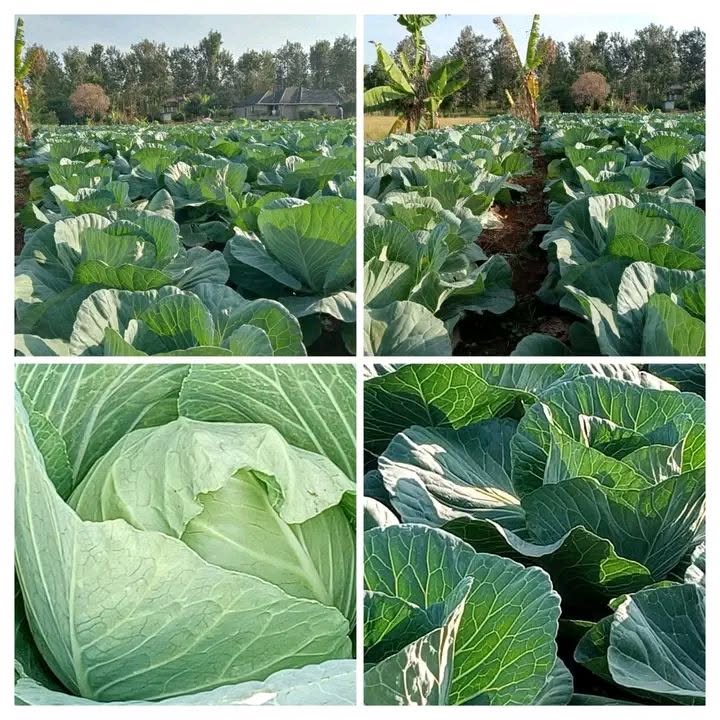
Common Green and White Head Cabbages
1. Green Cabbage
This is the cabbage most people picture first. It has smooth, tightly wrapped pale-green leaves layered around a dense, round head that typically weighs 2 to 8 pounds depending on the cultivar. University of Illinois Extension notes it is grown more widely than red or savoy types.
Plant characteristics: Broad, waxy blue-green outer leaves protect a firm, pale interior head; the plant grows 12 to 15 inches tall and just as wide.
Growing zones and care: Green cabbage grows well in zones 1 through 10, planted in early spring for a summer harvest or in mid-summer for a fall crop. It prefers full sun, consistently moist soil, and a pH between 6.5 and 7.5. Space transplants 12 to 18 inches apart, and rotate the planting site each year to avoid soil-borne disease buildup.
Best use: Raw slaw, braising, roasting, and long fermentation into sauerkraut.
2. Golden Acre Cabbage
A small, early-maturing heirloom with a compact, round head weighing just 2 to 3 pounds, ready in as little as 60 to 65 days.
Plant characteristics: Short, tidy plants with a small leaf footprint, making them one of the most space-efficient cabbages available.
Growing zones and care: Thrives in zones 2 through 9. Because it matures quickly, it’s an excellent choice for gardeners in short-season northern climates who still want a full head before the first hard frost. Space plants 12 inches apart and water evenly to prevent premature bolting in warm weather.
Best use: Fresh eating, quick slaws, and small households that don’t need a giant head.
3. Early Jersey Wakefield
One of the oldest American heirloom cabbages, dating to the 1840s. It forms a pointed, conical head and matures fast, often in 60 to 70 days.
Plant characteristics: Upright, narrow plant habit with a distinctive cone-shaped head rather than a round one, which lets gardeners plant it more densely than round types.
Growing zones and care: Performs best in zones 3 through 9, ideally as an early spring crop, since it bolts quickly once summer heat arrives. Give it rich, well-drained soil and consistent moisture; inconsistent watering is the most common cause of split heads in this variety.
Best use: Early-season fresh eating and classic coleslaw.
4. Charleston Wakefield
A slightly larger cousin of Jersey Wakefield, with the same cone-shaped head but more size and a few extra days to maturity, usually around 70 to 80 days.
Plant characteristics: Slightly more vigorous foliage than Jersey Wakefield, with a firmer, denser head that holds a bit longer in the field before splitting.
Growing zones and care: Suited to zones 3 through 9. It tolerates light frost well, so it can be planted a little earlier in spring than more heat-sensitive types. Standard 12-to-18-inch spacing applies.
Best use: Fresh eating and short-term storage.
5. Copenhagen Market Cabbage
A Danish heirloom prized for its large, round, solid heads and reliable performance across different soils. UF/IFAS Extension lists it among the standard commercial varieties still grown today.
Plant characteristics: Vigorous, uniform plants producing 4-to-6-pound round heads with a mild, sweet flavor.
Growing zones and care: Grows well in zones 2 through 10 and adapts to both spring and fall planting cycles. It benefits from consistent feeding with a balanced fertilizer, since it is a heavier feeder than smaller early types.
Best use: Home gardens, market growing, and general-purpose cooking.
6. Danish Ballhead Cabbage
Bred specifically for long winter storage, this variety forms extremely dense, heavy heads that can weigh up to 8 pounds.
Plant characteristics: Thick, tightly overlapping leaves create a head so dense it feels almost solid when squeezed, which is exactly what gives it its long shelf life.
Growing zones and care: Best suited to zones 3 through 8, planted as a late-summer crop for a fall harvest just before hard frost. It needs a long season, roughly 100 days, so late planting dates must be calculated carefully against your first frost.
Best use: Root cellar storage and long-fermentation sauerkraut.
7. Late Flat Dutch
A giant, flattened round head variety that can weigh well over 10 pounds and stretch 12 inches across.
Plant characteristics: Large, spreading outer leaves and a broad, flattened head shape rather than a true sphere.
Growing zones and care: Grows in zones 3 through 9 but needs generous spacing of 24 to 36 inches between plants because of its size. It needs a long, cool growing season and heavy, fertile soil to reach full size.
Best use: Sauerkraut, large-batch cooking, and winter storage.
8. Brunswick Cabbage
A German heirloom from 1892 that produces six-to-nine-pound “drum” heads roughly 10 inches in diameter.
Plant characteristics: Sturdy, cold-hardy plants with thick, waxy leaves that resist minor frost damage better than many modern hybrids.
Growing zones and care: Especially well suited to zones 3 through 7, where its cold hardiness gives northern growers a reliable option. Space plants 18 inches apart and plan for 85 to 95 days to maturity in either spring or fall plantings.
Best use: Storage cabbage and hearty winter soups.
9. Sugarloaf Cabbage
Named for its tall, cone-like shape resembling a loaf of sugar, this heirloom type is sweeter and more tender than typical round cabbage.
Plant characteristics: Tall, pointed heads with thinner leaves and less fibrous texture than drumhead types.
Growing zones and care: Grows in zones 3 through 9. Because the leaves are more tender, it is somewhat more vulnerable to sunscald in intense summer heat, so afternoon shade helps in warmer zones.
Best use: Raw salads and quick sautés where a sweeter bite matters.
ALSO READ: 15 Types of Garlic Explained: Variety, Flavor, and Uses
Red and Purple Cabbages
10. Red Cabbage
Deep purple-red leaves give this cabbage its signature color, along with a peppery, slightly stronger flavor than green cabbage. The Missouri Botanical Garden notes the pigment comes from anthocyanins, the same antioxidant compounds found in blueberries.
Plant characteristics: Smooth, waxy, deep-red to purple leaves forming a round, dense 2-to-4-pound head; the color intensifies in cooler weather and fades somewhat in heat.
Growing zones and care: Suited to zones 2 through 10. It needs the same care as green cabbage but benefits from slightly acidic soil, since more acidic conditions can deepen the red pigment. Water evenly and avoid heat stress during head formation.
Best use: Slaw, pickling, and braised red cabbage dishes.
11. Mammoth Red Rock Cabbage
A large heirloom variety producing dense red-purple heads that store exceptionally well, often into the winter months.
Plant characteristics: Broad plants with thick leaves and a firm, low-moisture head structure that resists splitting.
Growing zones and care: Grows in zones 3 through 8. It needs a long season of about 90 to 100 days, so it works best as a fall harvest crop planted in mid-summer.
Best use: Red sauerkraut and long-term cold storage.
12. Ruby Perfection Cabbage
A modern hybrid producing 3-to-4-pound red heads in about 80 days, with color that deepens beautifully in cooler fall weather.
Plant characteristics: Compact, uniform plants bred for even head size across a planting, which makes it popular with market growers.
Growing zones and care: Performs well in zones 3 through 9. Standard 12-to-18-inch spacing works, and it holds in the garden a few extra weeks past maturity without splitting, which is unusual for red cabbage.
Best use: Fresh eating and short-to-medium storage.
13. Integro Red Cabbage
A mid-to-late season hybrid bred for both fresh eating and fermenting. Seed trial data from commercial growers rates it highly for flavor balance and storage life.
Plant characteristics: Dense, uniform heads with excellent internal color right to the core, not just on the outer leaves.
Growing zones and care: Suited to zones 3 through 9, with a maturity window around 85 days. It tolerates cool fall temperatures particularly well, which improves both sweetness and color.
Best use: Fresh slaw and red sauerkraut.
14. Kalibos Cabbage
A Polish heirloom with an unusual pointed, conical red head and sweet, tender leaves, instantly recognizable by its shape alone.
Plant characteristics: Narrow, upright plant habit similar to pointed green cabbages, but with the deep red-purple coloring of standard red cabbage.
Growing zones and care: Grows in zones 3 through 8. Because the head is more pointed and less dense than round red cabbage, it matures a bit faster, typically around 75 days, and benefits from slightly closer spacing.
Best use: Fresh salads and quick pickling, thanks to its tender texture.
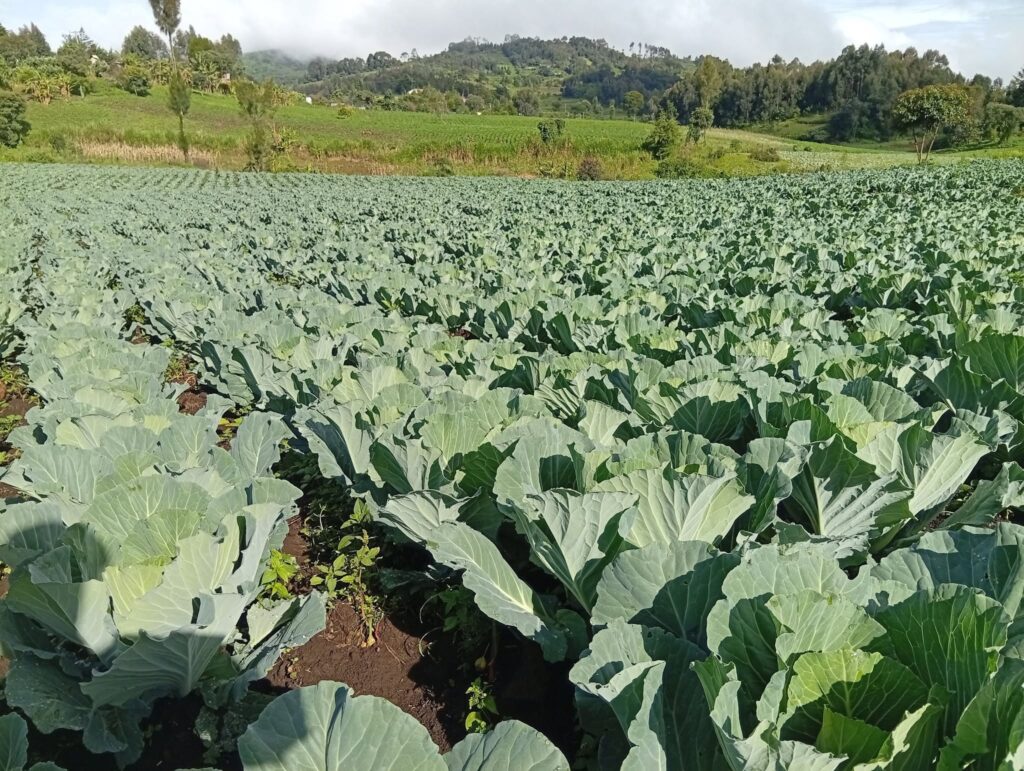
Savoy Cabbages (Crinkled-Leaf Types)
15. Savoy Cabbage
Instantly recognizable by its deeply wrinkled, “savoyed” leaves, this French-Italian type has a milder, sweeter flavor than smooth-leaf cabbage and a looser head structure.
Plant characteristics: Blistered, crinkled dark-green leaves wrapped loosely around a softer, less dense head than standard green cabbage.
Growing zones and care: Grows well in zones 2 through 9. It is notably more cold-tolerant than smooth cabbage, and light frost actually improves its sweetness. Give it rich soil and steady moisture, since the looser head structure is more prone to drying out.
Best use: Cabbage rolls, braising, and soups, since the leaves soften beautifully when cooked.
16. January King Cabbage
A striking savoy variety with blue-green leaves tinged in purple-red, bred specifically to withstand hard frost.
Plant characteristics: Semi-loose, flattened heads with a distinctive frosted, two-tone coloring that becomes more pronounced as temperatures drop.
Growing zones and care: Best suited to zones 3 through 8 as a fall-to-winter crop. It can be left in the ground through several hard frosts, and many growers say the flavor is best after the first freeze.
Best use: Winter soups, stews, and slow-braised dishes.
17. Chieftain Savoy
A reliable mid-season savoy type known for dark green, heavily crinkled leaves and solid, uniform heads that hold well in the field before harvest.
Plant characteristics: More upright and slightly denser than classic savoy types, with good disease tolerance in humid climates.
Growing zones and care: Grows in zones 3 through 9, maturing in roughly 85 days. It tolerates both spring and fall planting windows better than many savoy varieties.
Best use: General cooking and stuffed cabbage recipes.
18. Perfection Drumhead Savoy
An heirloom savoy producing large, rounded heads with classic crinkled texture, favored among home canners and fermenters.
Plant characteristics: Large plants with heavy, blistered foliage and a rounder, more drumhead-like head shape than other savoy types.
Growing zones and care: Suited to zones 3 through 8, with a longer maturity window of about 90 days. It needs generous spacing, around 18 to 24 inches, to develop its full size.
Best use: Fermenting and hearty, long-cooked dishes.
19. Savoy Express
A fast-maturing hybrid savoy, ready in roughly 60 days. Clemson Cooperative Extension lists it among recommended home-garden cabbage cultivars for its speed and reliability.
Plant characteristics: Compact plants with tender, lightly crinkled leaves, smaller than most savoy types.
Growing zones and care: Performs well across zones 2 through 9, and its short maturity window makes it a strong choice for gardeners with a short growing season or those who want a fast succession crop.
Best use: Quick salads and lightly cooked side dishes.
ALSO READ: 30 Different Types of Kale: Variety With Pictures Explained
Pointed and Conical Cabbages
20. Pointed (Sweetheart) Cabbage
Shaped like an arrowhead or heart rather than a ball, this type has thinner, more tender leaves and a naturally sweeter taste than round cabbage.
Plant characteristics: Narrow, upright plants that take up less garden space than round-headed varieties of similar maturity.
Growing zones and care: Grows in zones 3 through 9. It matures faster than round types, generally in 60 to 70 days, and its thinner leaves mean it dries out faster, so consistent watering matters more than usual.
Best use: Raw eating, quick stir-fries, and light salads.
21. Caraflex Cabbage
A popular modern hybrid pointed cabbage. Seed trial notes from commercial growers describe it as tender, sweet, and crunchy, with strong ratings for raw eating and slaws.
Plant characteristics: Small, dense, cone-shaped heads around 2 pounds, with almost no core waste compared to round cabbage.
Growing zones and care: Suited to zones 3 through 10, and it tolerates warmer weather better than many pointed types, extending its planting window into early summer in cooler climates.
Best use: Salads, tacos, and quick pickles.
22. Hispi Cabbage
A British pointed variety, essentially a sibling type to Caraflex, valued for its quick maturity and mild flavor.
Plant characteristics: Small, tightly wrapped conical heads, usually harvested young at around 1 to 2 pounds.
Growing zones and care: Grows in zones 3 through 9, maturing in as little as 55 to 65 days, making it one of the fastest cabbages on this list to reach harvest.
Best use: Fresh eating and lightly steamed side dishes.
Chinese and Asian Cabbages (Brassica rapa Species)
23. Napa Cabbage
Also called Chinese cabbage, napa forms a barrel-shaped, tightly packed head with pale, crinkled leaves and thick white ribs. It’s the standard base for traditional kimchi.
Plant characteristics: Oblong, barrel-shaped heads 12 to 18 inches tall, with leaves that are noticeably thinner and more delicate than European cabbage.
Growing zones and care: Best grown in zones 2 through 10, and Clemson Extension notes it is far more sensitive to temperature swings than standard cabbage, often bolting if exposed to a prolonged cold snap of 35 to 50°F. Fall planting is generally more reliable than spring.
Best use: Kimchi, soups, and stir-fries.
24. Michihili Cabbage
A taller, more upright, cylindrical type of Chinese cabbage compared to napa’s rounder shape.
Plant characteristics: Tall, narrow heads that can reach 12 to 18 inches in height with a much smaller footprint than napa.
Growing zones and care: Suited to zones 3 through 9. Extension guides recommend thinning plants to about 12 inches apart, slightly closer than the 18 inches typically given to napa types, since Michihili’s narrower habit needs less lateral room.
Best use: Stir-fries and Chinese-style pickled cabbage.
25. Bok Choy (Pak Choi)
An open, non-heading type with smooth dark green leaves and thick white or pale-green stalks. It cooks quickly and is a staple in stir-fries across East Asia.
Plant characteristics: Loose rosette of spoon-shaped leaves on crisp, celery-like stalks, rather than a tight head.
Growing zones and care: Grows in zones 2 through 10 and matures quickly, often in 45 to 55 days. It prefers cooler weather and bolts fast in summer heat, so succession planting every few weeks works better than a single large planting.
Best use: Stir-fries, soups, and quick braises.
26. Baby Bok Choy
A miniature version of standard bok choy, harvested young at just a few inches tall.
Plant characteristics: Compact, tender rosettes with delicate stalks; the whole head is usually cooked intact rather than sliced apart.
Growing zones and care: Suited to zones 2 through 10, and its fast 30-to-45-day maturity makes it ideal for container gardening or small raised beds where full-size bok choy would be too large.
Best use: Whole braised or steamed as a single-serving side dish.
27. Tatsoi
A cold-hardy Asian green forming a flat rosette of dark, spoon-shaped leaves, closely related to bok choy but growing low to the ground in a tight cluster.
Plant characteristics: Ground-hugging rosette shape, rarely more than 6 inches tall, with glossy, deep-green leaves.
Growing zones and care: Extremely cold-hardy, performing well in zones 2 through 9 and tolerating frost better than almost any other cabbage relative on this list. It’s often planted specifically as a late-fall or overwintering crop.
Best use: Salads and lightly wilted greens in soup.
28. Choy Sum
Grown mainly for its tender flowering stems and leaves rather than a head, with a slightly mustardy, sweet flavor.
Plant characteristics: Loose, open plant with slender flowering stalks topped by small yellow blossoms, harvested before the flowers fully open.
Growing zones and care: Grows in zones 3 through 10, maturing quickly in about 45 days. Like bok choy, it prefers cool weather and should be harvested promptly once stalks appear to avoid bitterness.
Best use: Lightly steamed or stir-fried with garlic and oyster sauce.
29. Tokyo Bekana
Sometimes called Chinese flat cabbage, this variety forms a loose, frilly, light-green head with very tender leaves.
Plant characteristics: Airy, ruffled leaves closer in texture to lettuce than to typical cabbage, forming a loose rather than dense head.
Growing zones and care: Suited to zones 3 through 9, and its fast 40-to-50-day maturity plus mild flavor make it a favorite for gardeners who want an Asian green usable raw in salads rather than only cooked.
Best use: Raw salads and quick sautés.
30. Joi Choi Pak Choi
A widely grown hybrid pak choi type, noted by Clemson Extension for its uniform growth habit and reliability, making it a top commercial choice among bok choy cultivars.
Plant characteristics: Thick, crisp white stalks with dark green, glossy leaves and notably uniform sizing across a planting.
Growing zones and care: Performs well in zones 3 through 10, and it is more bolt-resistant in warm weather than many other pak choi types, giving it a longer harvest window than average.
Best use: Stir-fries and quick soups.
ALSO READ: 35 Different Types of Banana Plants: Identification, With Pictures
Ornamental, Wild, and Specialty Cabbages
31. Ornamental (Flowering) Cabbage
Grown for its striking rosette of purple, pink, or white-centered leaves rather than for eating. Missouri Botanical Garden notes it belongs to the same species as edible cabbage but is bred purely for landscape color.
Plant characteristics: Low, wide rosettes of ruffled or fringed leaves in vivid two-tone colors that intensify as night temperatures drop.
Growing zones and care: Grows as a cool-season annual in zones 2 through 11, planted in late summer for fall and early winter color. Missouri Botanical Garden notes it grows poorly once daytime temperatures consistently exceed 80°F, so it is strictly a fall or early spring landscape plant.
Best use: Garden borders, containers, and fall landscaping displays through frost.
32. Wild Cabbage
The ancestor of every cultivated cabbage type on this list. Native to European coastal cliffs, it has loose, non-heading leaves and is the source plant that centuries of selective breeding shaped into today’s varieties.
Plant characteristics: Loose, sprawling rosette of thick, waxy, blue-green leaves, with no head formation at all, closer in appearance to a large collard plant.
Growing zones and care: Naturally hardy in coastal, salt-tolerant conditions similar to zones 6 through 9, its native Mediterranean and Atlantic European range. It is rarely cultivated for food today but is preserved in botanical collections for its historical and genetic significance.
Best use: Botanical and historical interest rather than the kitchen.
33. Portuguese Tronchuda Cabbage
Also called Portuguese kale or couve tronchuda, this type has thick, cabbage-flavored leaves with wide white ribs but does not form a tight head.
Plant characteristics: Large, paddle-shaped leaves with broad, flat, celery-like white ribs, growing in an open rosette rather than a compact ball.
Growing zones and care: Grows in zones 6 through 10, tolerating both cool winters and mild heat better than most head cabbage. Harvest outer leaves continuously rather than waiting for a single head, since the plant keeps producing new growth from the center.
Best use: Traditional Portuguese caldo verde soup and braised greens.
34. Mini or Baby Cabbage
A category of compact varieties bred to produce one-to-two-pound heads instead of the usual four-to-eight-pound size.
Plant characteristics: Dwarf plants with the same leaf structure as full-size cabbage, just scaled down, allowing tighter spacing of 8 to 10 inches.
Growing zones and care: Suited to zones 3 through 9, and these varieties are particularly useful in raised beds or containers where a full-size cabbage plant would be impractical. Maturity is usually quick, around 60 to 65 days.
Best use: Small households, single-meal portions, and container gardening.
35. Late Storage Cabbage
A broad category of dense, late-maturing varieties bred specifically to hold in cold storage for months without splitting or rotting.
Plant characteristics: Very dense, heavy heads with tightly packed, low-moisture leaves; the reduced water content is exactly what allows long storage without decay.
Growing zones and care: Grows best in zones 3 through 7, planted in mid-summer for harvest just before the first hard frost. These types need the longest season of any cabbage on this list, often 100 days or more, so accurate timing against your first frost date is essential.
Best use: Root cellar storage, sauerkraut, and winter markets.
Quick Comparison Table
| Cabbage Type | Leaf Texture | Growing Zones | Days to Maturity | Best Use |
| Green Cabbage | Smooth | 1–10 | 60–100 | Slaw, cooking, kraut |
| Red Cabbage | Smooth | 2–10 | 70–85 | Slaw, pickling |
| Savoy Cabbage | Crinkled | 2–9 | 80–90 | Braising, wraps |
| Pointed Cabbage | Smooth, thin | 3–10 | 55–70 | Raw, salads |
| Napa Cabbage | Crinkled, pale | 2–10 | 70–90 | Kimchi, stir-fry |
| Bok Choy | Smooth, open | 2–10 | 45–55 | Stir-fry, soup |
| Ornamental Cabbage | Ruffled | 2–11 | N/A (fall color) | Landscaping only |
Why Cabbage Deserves a Spot in Your Diet
I’ll admit it: cabbage rarely gets the spotlight compared to trendier greens like kale. But the numbers make a strong case for it.
According to the USDA FoodData Central database, a 100-gram serving of raw cabbage contains roughly 25 calories, about 37 milligrams of vitamin C, and 76 micrograms of vitamin K — covering a meaningful share of daily nutrient needs for very little energy cost.
The USDA’s SNAP-Ed Connection program also highlights that cabbage is naturally low-calorie, versatile enough to eat raw, sautéed, steamed, or fermented, and a reliable way to boost the nutrition of soups and stews without adding much cost.
That combination — low calories, high nutrient density, long shelf life, and rock-bottom price — is hard to beat.
Growing Notes Worth Knowing
Cabbage is a cool-season crop that grows across an unusually wide span of USDA hardiness zones, roughly 2a through 11b, though the ideal planting window always depends on local frost dates rather than the zone number alone.
South Dakota State University Extension explains that mature heads can tolerate frost down to around 20°F, while young transplants are far more frost-sensitive and may bolt if exposed to prolonged cold below 50°F.
Spacing matters more than most gardeners expect. For 2-to-3-pound heads, Clemson Extension recommends spacing plants 9 to 12 inches apart in rows roughly 36 to 44 inches wide. Wider spacing produces larger heads, useful for storage or sauerkraut varieties.
Most cabbage prefers a soil pH of 6.5 to 7.5, full sun, and consistent moisture; uneven watering after the head has formed is the leading cause of split heads. Common pests across nearly every type include cabbage worms, cabbage loopers, flea beetles, and aphids, which row covers can help exclude early in the season.
Interestingly, cabbage can also grow to record-breaking sizes under the right conditions. South Dakota State University Extension notes that Alaska’s long summer daylight hours once produced a world-record cabbage weighing 138 pounds in 2012.
Frequently Asked Questions
How many types of cabbage are there in total? Estimates from seed catalogs and breeding programs put the number at over 400 distinct cultivars, though most fall into a much smaller number of recognizable categories like green, red, savoy, napa, and bok choy.
What is the healthiest type of cabbage? All cabbage types are nutrient-dense, but red cabbage contains higher antioxidant (anthocyanin) levels, while napa and bok choy tend to have slightly higher vitamin C content per serving.
Is bok choy technically a cabbage? Yes. Bok choy belongs to Brassica rapa, the same species as napa cabbage, though it doesn’t form a tight head the way most European cabbages do.
Which cabbage is best for sauerkraut? Dense, low-moisture, late-season green cabbages — such as Danish Ballhead or Late Flat Dutch types — are traditionally preferred for fermenting into sauerkraut.
Can ornamental cabbage be eaten? Technically yes, but it’s bred for color rather than taste and is generally quite bitter. It’s best left in the flower bed, not the kitchen.
What USDA zones can cabbage grow in? Most cabbage types tolerate zones 2a through 10b or 11b, but always plan planting dates around your local frost dates rather than the zone number alone, since summer heat and season length matter just as much as winter cold tolerance.
Final Thoughts
Cabbage is one of those vegetables I underestimated for years. Once you look past the plain green ball in the grocery aisle, there’s a genuinely wide, colorful, and flavorful world hiding in this single species.
Whether you’re planning a vegetable garden, hunting for the right cabbage for kimchi, or just trying to win a trivia night, this list of 35 cabbage types should cover nearly every variety, growing zone, and care routine you’ll ever need.
References
- Clemson Cooperative Extension, Home & Garden Information Center. Cabbage & Chinese Cabbage. https://hgic.clemson.edu/factsheet/cabbage-chinese-cabbage/
- University of Illinois Extension. Cabbage – Watch Your Garden Grow. https://web.extension.illinois.edu/veggies/cabbage.cfm
- UF/IFAS Gardening Solutions, University of Florida. Cabbage. https://gardeningsolutions.ifas.ufl.edu/plants/edibles/vegetables/cabbage/
- South Dakota State University Extension. Cabbage: How to Grow It. https://extension.sdstate.edu/cabbage-how-grow-it
- Missouri Botanical Garden, Plant Finder. Brassica oleracea (Capitata Group). https://www.missouribotanicalgarden.org/PlantFinder/PlantFinderDetails.aspx?taxonid=261916
- USDA FoodData Central, Agricultural Research Service. https://fdc.nal.usda.gov/
- USDA SNAP-Ed Connection. Cabbage – Seasonal Produce Guide. https://snaped.fns.usda.gov/resources/nutrition-education-materials/seasonal-produce-guide/cabbage

Tim M Dave is a gardening expert with a passion for houseplants, particularly cacti and succulents. With a degree in plant biology from the University of California, Berkeley, he has vast experience in gardening. Over the years, he has cultivated a vast collection of desert plants and learned a great deal about how to grow and care for these unique companions.