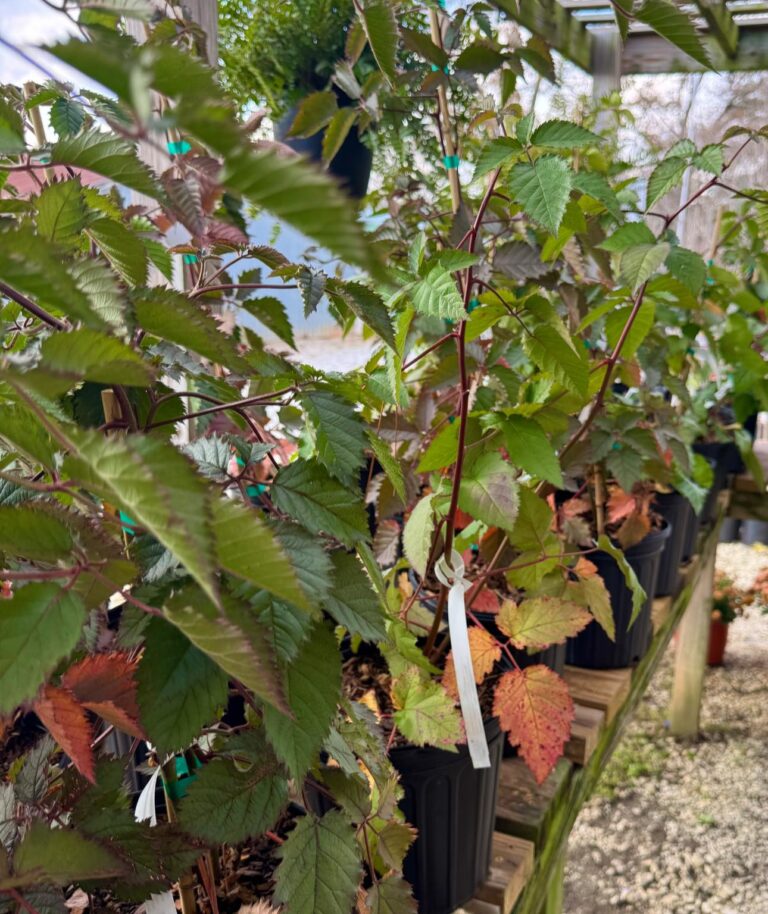
40 Different Types of Watermelon: Identification of Every Variety, Care, and Pictures
Watermelon is not just one fruit. It is a whole family of shapes, colors, and flavors that most shoppers never notice at the grocery store. I have grown a handful of these varieties myself, and I can tell you that the differences go far beyond the stripes on the rind.
In 2024, the United States produced 3.7 billion pounds of watermelon, and the fruit ranked third in fresh fruit availability per person, behind only bananas and apples. Americans now have close to 15 pounds of watermelon available per person each year. That is a lot of melon, and a lot of variety hiding behind a single name.
This guide covers 40 distinct watermelon types, grouped by category so you can find the right one for your garden. Each entry includes the USDA growing zone, plant characteristics, and practical care tips.
So, whether you want a giant heirloom for the county fair or a compact icebox melon for a patio container, there is a match here.
A Quick Word on Growing Zones Before We Begin
Watermelon thrives as a warm-season crop across USDA Hardiness Zones 3 through 11, though it behaves as a true perennial only in zones 10 and 11. Everywhere else, gardeners grow it as an annual.
Soil temperature matters more than the calendar date. Seeds germinate best once soil warms to 70°F (21°C) or higher, with the ideal germination range sitting between 70°F and 95°F. Cold, wet soil is the single most common reason home-grown seeds fail to sprout.
Nighttime temperatures between 65°F and 70°F help the plant convert starches into sugar, which is why melons grown in regions with cool summer nights often taste sweeter than those grown where nights stay hot and humid.
I always tell northern gardeners the same thing: pick a variety bred for a short season. A 70-day melon will reward you. A 95-day melon bred for the Deep South may never ripen before the first frost arrives, no matter how carefully you tend it.
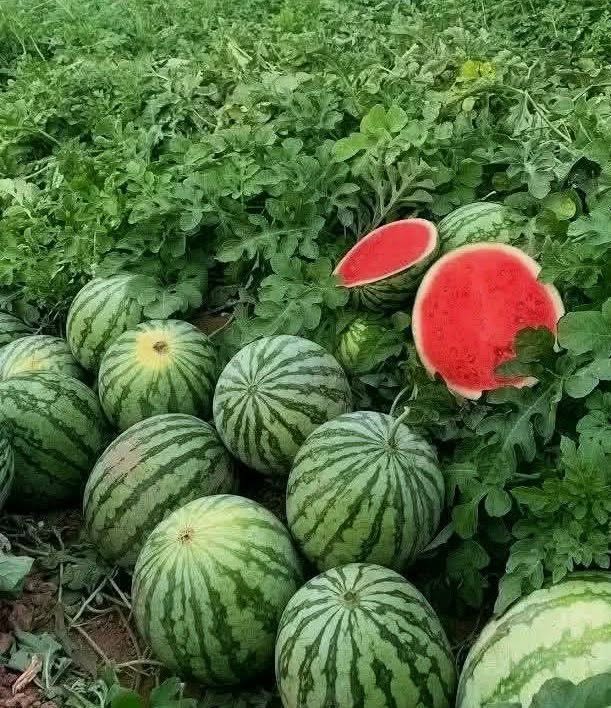
Classic Red-Flesh Varieties (The Backbone of the Watermelon World)
These are the varieties most farmers and home gardeners already know. They form the genetic foundation for many of the newer hybrids on this list, and understanding them makes every other entry easier to follow.
1. Crimson Sweet
Growing zone: 3–10. Origin and characteristics: Developed at Kansas State University in 1963, this variety produces round to oval melons weighing up to 25 pounds, with light green stripes over classic green skin. Sugar content runs near 12 percent, among the sweetest of the traditional types, and the deep red flesh holds together well when sliced.
Crimson Sweet also carries some natural resistance to anthracnose and fusarium wilt, two of the diseases that trouble most cucurbit growers. That resistance is one reason extension programs across the South still recommend it decades after its release.
Care tips: Space vines 4 to 6 feet apart in rows at least 6 feet wide, since the vine spreads aggressively once established. Water deeply once a week during fruit set, then reduce watering as the fruit nears maturity to concentrate sugars.
Watch the tendril closest to the stem; once it dries and browns, the melon is close to ready. This variety stores reasonably well for up to two weeks at room temperature without losing much flavor.
2. Charleston Gray
Growing zone: 4–10. Origin and characteristics: Bred in Charleston, South Carolina, around 1954, this oblong melon carries a tough, light green-gray rind and bright red, crisp flesh with dark seeds scattered throughout. Melons typically reach 30 pounds, and the thick rind has long made this a favorite for pickling.
Commercial growers still value Charleston Gray because it tolerates rough handling during harvest and shipping better than thinner-skinned types, and it shows some resistance to fusarium wilt and anthracnose.
Care tips: Provide full sun and consistent moisture through flowering, then ease off watering in the final ten days before harvest. Because the rind resists cracking, this variety suits gardeners who need to transport melons any real distance to a market or family gathering.
Plan for a full 85 to 90 days to maturity, and avoid crowding plants, since good airflow around the sprawling vines helps prevent gummy stem blight in humid climates.
3. Jubilee
Growing zone: 5–10. Origin and characteristics: Developed at the University of Florida in 1963, Jubilee produces large oval fruit, often 25 to 35 pounds, wrapped in a thick green rind with narrow dark stripes. The flesh is juicy but not overly sugary, which some tasters actually prefer over sweeter hybrids.
This variety became one of the best-selling watermelons in American history, and it later became the genetic parent for several other Florida-bred varieties on this list, including Royal Jubilee and Bush Jubilee.
Care tips: Because vines sprawl widely, give this one at least 8 feet of row space, and consider training it along a fence line if garden space is tight. It needs a longer season, roughly 90 to 100 days, so start seeds indoors in cooler zones three to four weeks before the last frost.
Feed with a balanced fertilizer at planting, then switch to a potassium-heavy feed once flowering begins, since potassium is directly linked to improved sweetness in university trials.
4. Royal Jubilee
Growing zone: 5–10. Origin and characteristics: A hybrid improvement on the original Jubilee, this elongated melon weighs 25 to 30 pounds and carries bright red flesh with a slightly firmer texture than its parent variety. Breeders selected it specifically to resist both fusarium wilt and anthracnose more reliably than older Jubilee lines.
Care tips: Mulch with black plastic to warm the soil early and suppress weeds around the sprawling vines, a technique commercial growers rely on heavily for this type. Keep soil evenly moist, since inconsistent watering can cause the rind to develop small cracks near the blossom end.
Harvest based on the ground spot, the pale patch where the melon rests on soil; it should turn from white to a creamy yellow when the fruit is ripe.
5. Allsweet
Growing zone: 4–10. Origin and characteristics: A commercial favorite with oblong fruit and dependable sweetness, often used as a benchmark variety in extension trials across the South because of its consistent performance across different soil types.
Care tips: This type benefits from consistent fertilization with balanced potassium, which extension research links directly to improved flavor and sugar concentration. Rotate planting beds each season, since Allsweet is susceptible to soilborne diseases if grown in the same spot repeatedly.
Expect a maturity window of about 85 days, and thin fruit to two per vine for the largest, sweetest melons.
6. Black Diamond
Growing zone: 5–10. Origin and characteristics: An heirloom giant, often exceeding 40 pounds and occasionally reaching 50, with nearly black-green rind and deep red flesh that holds a classic, old-fashioned sweetness prized by heirloom gardeners.
Care tips: Because of its size, support the developing fruit on a bed of straw to prevent rot where the melon touches damp soil. Give each vine 10 to 12 feet of space, and limit each plant to one or two fruit so the vine can channel enough energy into each melon.
This variety needs a long, warm season of 90 days or more, so it is best suited to southern gardens or northern gardens that start transplants well ahead of the last frost.
7. Sangria
Growing zone: 5–10. Origin and characteristics: A widely grown commercial hybrid known for uniform, oblong shape and reliable disease tolerance, making it a common choice for large-scale operations that need predictable results field after field.
Care tips: Sangria responds well to drip irrigation, which keeps foliage dry and reduces fungal disease pressure compared with overhead sprinklers. Space plants on raised beds with black plastic mulch for the best early-season growth.
Maturity typically falls around 85 days, and the fruit ships well thanks to its firm rind, so it also suits gardeners who like to share melons with neighbors.
8. Royal Sweet
Growing zone: 5–10. Origin and characteristics: Similar in form to Crimson Sweet but bred for improved rind toughness for commercial handling, with slightly more uniform round shape across the harvest.
Care tips: Harvest based on the dried tendril nearest the stem rather than by sound alone, since a thick rind can mask the classic hollow thump ripeness cue. Keep vines well-watered through fruit set, then taper off as harvest approaches.
Because the rind is so durable, this variety tolerates minor bumps and drops far better than thinner-skinned heirlooms, which makes it forgiving for less experienced growers.
9. Georgia Rattlesnake
Growing zone: 6–10. Origin and characteristics: A 19th-century heirloom with long, striped fruit resembling snake markings, often reaching 25 pounds, prized for old-fashioned sweetness and a flavor many heirloom fans describe as more complex than modern hybrids.
Care tips: This heirloom needs a long, hot season, so it performs best in southern gardens with 90-plus frost-free days. Save seed from your best fruit each year if you want to keep growing this open-pollinated variety true to type.
Give vines plenty of room, at least 8 feet, and avoid excess nitrogen fertilizer, which can push leafy growth at the expense of fruit sweetness.
10. Congo
Growing zone: 6–10. Origin and characteristics: A large striped heirloom with pink-red flesh and a reputation for disease resistance in humid climates, making it a reliable choice for gardeners in the Southeast who battle high humidity every summer.
Care tips: Rotate planting sites every year to reduce soilborne disease buildup, a standard extension recommendation for older open-pollinated types like this one. Provide consistent moisture, since Congo’s larger fruit size demands steady water through the growing season.
Expect a maturity period near 90 days, and check the ground spot color as your main ripeness indicator, since the deep stripes make the classic surface-dulling cue harder to spot.
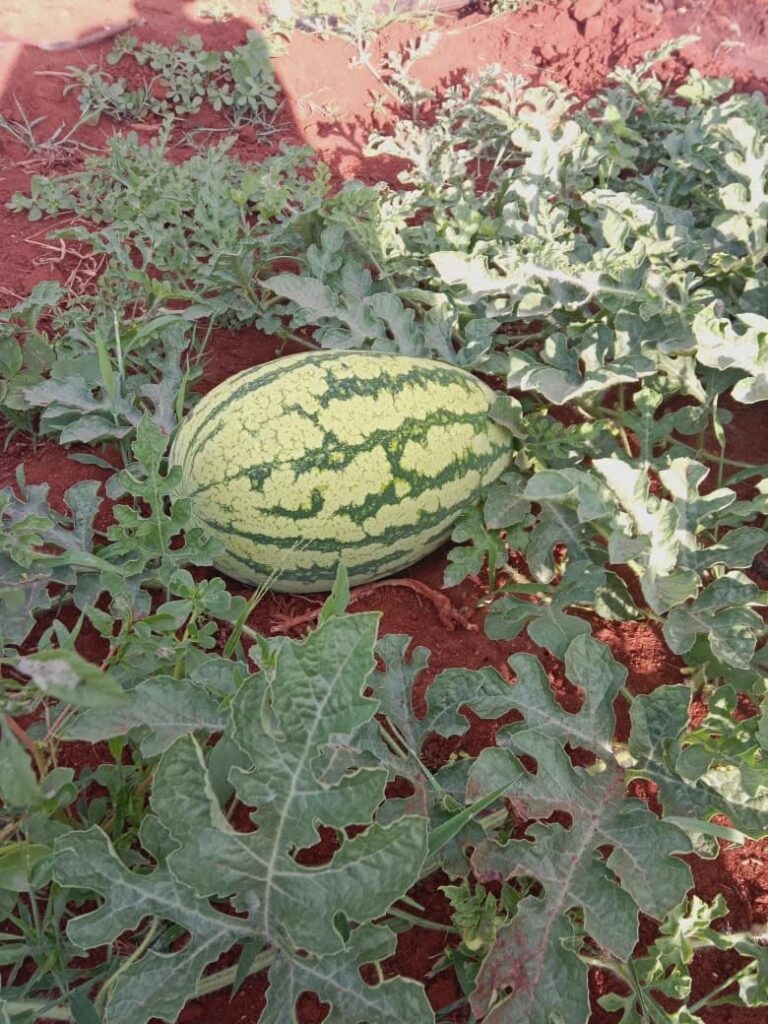
Personal-Size and Icebox Watermelons (Perfect for Small Gardens)
If your garden space or refrigerator is limited, these compact types were bred exactly for you. Most mature faster than the large classics above, which also makes them a smart choice for shorter growing seasons.
11. Sugar Baby
Growing zone: 3–9. Origin and characteristics: A round icebox melon weighing 8 to 10 pounds, with dark green rind and sweet red flesh. It matures in as few as 75 days, which makes it one of the most popular short-season varieties among home gardeners.
Care tips: This is the variety I recommend most to first-time growers in shorter seasons, since it forgives a late start better than most. Train vines vertically on a trellis with fruit slings to save space, and expect each plant to produce two to four melons over the season.
Reduce watering in the final week before harvest, and look for the classic pale ground spot along with a dulled, matte rind surface as your best ripeness signals.
12. Bush Sugar Baby
Growing zone: 3–9. Origin and characteristics: A compact, non-vining version of Sugar Baby, ideal for containers and raised beds with limited spread, since the plant rarely stretches beyond 3 feet in any direction.
Care tips: Because the plant stays compact, feed it more frequently with diluted liquid fertilizer since its smaller root system occupies less soil volume than sprawling types. Use a container of at least 15 gallons if growing on a patio, and keep soil consistently moist since compact roots dry out faster.
Hand-pollinate with a small brush if bee activity seems low in an enclosed patio or balcony setting.
13. Mickylee
Growing zone: 5–10. Origin and characteristics: Bred by the University of Florida’s Leesburg program, this icebox melon weighs about 8 to 10 pounds with classic striped rind and sweet, firm red flesh that holds its texture well after slicing.
Care tips: Harvest promptly at maturity, since icebox types soften faster in storage than large commercial melons and do not benefit from extended shelf time. Space plants about 4 feet apart, and expect maturity around 75 to 80 days.
Keep an eye on fusarium wilt symptoms, since this variety, while improved, still benefits from crop rotation every season.
14. Minilee
Growing zone: 5–10. Origin and characteristics: A personal-size melon from the same Florida breeding program, bred for single-serving portions with sweet red flesh and a rind pattern similar to its larger Jubilee relatives.
Care tips: Space plants closer together than standard vining types, about 3 feet apart, since the vines stay more manageable and productive in tighter spacing. This variety suits gardeners who want several small melons rather than one or two giants.
Water consistently through fruit development, then let the soil dry slightly in the final days before harvest to sharpen the sweetness.
15. Golden Midget
Growing zone: 3–9. Origin and characteristics: Developed at the University of New Hampshire in 1959 by Elwyn Meader and Albert Yeager, this novelty melon weighs only 3 to 5 pounds, with a golden-yellow rind that signals ripeness by color change rather than sound.
Care tips: Watch the rind turn from green to gold; this visual cue removes the guesswork common with larger varieties and makes it an excellent teaching plant for children learning to garden. It matures quickly, often in 65 to 70 days.
Grow it in containers or small raised beds, since the compact vine rarely needs more than 4 feet of space in any direction.
16. Tiger Baby
Growing zone: 4–9. Origin and characteristics: A small striped melon around 6 to 8 pounds, bred for productivity in cooler climates, with sweet red flesh that develops reliably even in shorter, cooler summers.
Care tips: This variety tolerates slightly cooler nights better than most, making it a solid choice for zone 4 and 5 gardens where other watermelons struggle to ripen fully. Keep vines evenly watered, and expect maturity around 80 days.
Mulch around the base to retain soil warmth overnight, since consistent soil temperature helps this variety perform at its best in marginal climates.
17. Sweet Beauty
Growing zone: 4–9. Origin and characteristics: An icebox hybrid producing round, 8-pound melons with deep red interior and reliable sweetness even in shorter seasons, making it a favorite among gardeners in the upper Midwest.
Care tips: Because fruit sets early, apply a phosphorus-rich starter fertilizer at transplanting to support strong root development before the vine begins to sprawl. Expect maturity around 75 days, among the shortest on this list.
Thin to two or three fruit per vine, and provide a straw or cardboard barrier under developing melons to keep the rind clean and prevent ground rot.
18. Little Baby Flower
Growing zone: 5–10. Origin and characteristics: An Asian-bred personal melon, oval-shaped, weighing 3 to 4 pounds, known for crisp texture and a delicate, refreshing sweetness that differs slightly from Western varieties.
Care tips: This variety benefits from raised beds that warm quickly in spring, since it originates from warmer growing regions and prefers consistently warm soil. Space plants 3 feet apart, and expect a maturity window near 80 days.
Because the fruit is small, check ripeness earlier than you would with larger melons, watching closely for the ground spot and tendril color changes.
ALSO READ: 55 Types of Pumpkins (Identification, With Pictures)
Seedless Hybrid Varieties (America’s Favorite Choice)
Seedless watermelon now accounts for roughly 85 percent of total U.S. watermelon shipments, up from about 51 percent in 2003. The science behind it is simple genetics, not modification: crossing a standard 22-chromosome plant with an altered 44-chromosome plant produces sterile, seedless fruit.
19. Crimson Trio
Growing zone: 5–10. Origin and characteristics: A modern triploid seedless hybrid bred from Crimson Sweet genetics, offering consistent size and sweetness with the same green-striped rind pattern gardeners already recognize.
Care tips: Seedless types need a seeded pollenizer variety planted nearby, since triploid plants cannot pollinate themselves and produce no viable pollen of their own. Plant pollenizer seeds about a week before the seedless transplants to synchronize flowering.
Watch for bee activity closely during bloom, since poor pollination is the most common reason seedless plants fail to set fruit.
20. Extazy
Growing zone: 5–10. Origin and characteristics: A commercial seedless variety noted in university variety trials for high soluble solids, meaning above-average sugar content compared with many other seedless entries tested in the same trial year.
Care tips: Plant pollenizer rows at roughly one for every three seedless rows, as recommended in extension seedless trial reports from programs like the University of Delaware. Start seeds as transplants rather than direct seeding, since seedless seed germinates weakly in cool or wet soil.
Feed consistently through the season, since seedless varieties often need slightly more nitrogen early on to establish strong vines before fruit set.
21. Joy Ride
Growing zone: 5–10. Origin and characteristics: A seedless variety that measured among the sweetest entries in a University of Delaware trial, with soluble solids above 12 percent, placing it near the top of tested commercial hybrids.
Care tips: This variety performs best with black plastic mulch to boost early-season soil warmth and speed up establishment. Maintain even soil moisture throughout fruit development, then reduce watering slightly before harvest to sharpen sweetness.
Expect maturity around 85 days from transplant, and monitor pollenizer flowering closely to keep timing aligned.
22. Red Amber
Growing zone: 5–10. Origin and characteristics: Another high-sugar seedless entry from recent trial data, valued for deep red color and firm texture that holds up well during slicing and transport.
Care tips: Avoid overhead watering late in the season, since excess moisture near harvest can dilute sugar concentration and soften the flesh prematurely. Space plants about 5 feet apart in rows with good airflow to limit fungal disease pressure.
This variety responds well to standard commercial spacing and fertilization programs used for most triploid hybrids.
23. Dark Knight
Growing zone: 5–10. Origin and characteristics: A seedless variety with notably dark green rind and rich flavor, performing well in replicated trials for both sweetness and marketable yield per acre.
Care tips: This type benefits from bee activity monitoring; extension guides suggest checking for at least one bee visit per ten flowers during bloom to confirm adequate pollination. If activity is low, consider renting a bumblebee hive, a practice some commercial growers use successfully.
Keep the pollenizer variety blooming at the same time as Dark Knight for the most reliable fruit set.
24. Fascination
Growing zone: 5–10. Origin and characteristics: A seedless hybrid recognized for both yield and sugar content in recent commercial trials, with fruit that holds a fairly uniform round-to-oval shape across the harvest.
Care tips: Thin fruit to two or three melons per vine to concentrate the plant’s energy into fewer, sweeter fruits rather than spreading resources across many smaller melons. Water deeply but infrequently once vines are established, encouraging deeper root growth.
This variety tends to perform consistently across a range of soil types, which makes it forgiving for less experienced growers trying seedless types for the first time.
25. Prime
Growing zone: 5–10. Origin and characteristics: A dependable seedless commercial standard, bred for uniform shape suited to retail display, with a classic striped rind that closely resembles familiar seeded types.
Care tips: Because seedless seeds germinate weakly, most growers start this variety from transplants rather than direct seeding, using heat mats set to 75 to 80°F for the best germination rates. Harden off transplants for several days before moving them to the garden.
Provide the same pollenizer ratio guidance as other seedless types, roughly one pollenizer plant for every three Prime plants.
ALSO READ: 25 Types of Avocado Trees (Identification, With Pictures)
Yellow, Orange, and Novelty Flesh Watermelons
Not every watermelon is red inside. These varieties surprise first-time growers and dinner guests alike, and several rank among the sweetest melons of any color.
26. Yellow Crimson
Growing zone: 5–10. Origin and characteristics: A yellow-flesh sport of Crimson Sweet, sharing the same striped rind but with honey-sweet yellow interior that tastes noticeably different despite the identical growing habit.
Care tips: Grow it the same way as standard Crimson Sweet; the flesh color difference does not change cultural requirements or disease resistance. Reduce watering slightly before harvest, since this seems to intensify the honeyed flavor many gardeners notice in yellow-flesh types.
Because the flesh color makes ripeness harder to judge by appearance alone, rely on the ground spot and dried tendril for accurate timing.
27. Yellow Doll
Growing zone: 4–9. Origin and characteristics: A compact icebox hybrid, around 6 to 8 pounds, with bright yellow flesh and a short 68-day maturity window, one of the fastest-maturing yellow varieties available.
Care tips: Its early maturity makes it one of the better yellow-flesh choices for zones 4 and 5, where the growing season is short. Space plants 4 feet apart, and provide consistent moisture through the compressed growing window.
Because this variety matures so quickly, avoid heavy nitrogen fertilization, which can delay fruiting in favor of vine growth.
28. Orangeglo
Growing zone: 5–10. Origin and characteristics: An heirloom variety with vivid orange flesh and exceptionally high sugar content, often praised as one of the sweetest heirlooms available, with a flavor some describe as tropical compared with standard red-flesh melons.
Care tips: Give this variety a long, warm season of at least 90 days, since it matures slower than most hybrids and needs sustained heat to develop full sweetness. Support the large vines with wide spacing, at least 8 feet, and limit fruit count to two per plant.
Because the orange color can look ripe early, confirm maturity with the ground spot and tendril before cutting into the melon.
29. Desert King
Growing zone: 4–9. Origin and characteristics: A drought-tolerant yellow-flesh variety bred for arid growing regions with limited irrigation, developed to perform reliably where water access is inconsistent.
Care tips: Reduce watering frequency once vines are established; overwatering this variety can reduce its natural drought hardiness advantage and may even reduce flavor concentration. Mulch heavily to conserve soil moisture between waterings.
This variety suits gardeners in hot, dry climates who want a lower-maintenance watermelon option that still delivers good flavor.
30. Sunshine
Growing zone: 5–10. Origin and characteristics: A yellow-fleshed hybrid with smooth pale rind, bred primarily for fresh-cut retail markets, where its bright color and consistent sweetness make it popular for pre-packaged fruit trays.
Care tips: Harvest slightly earlier than red-flesh types, since yellow flesh can appear ripe before full sugar development completes. Keep consistent moisture through fruit set, then taper watering in the final week.
Because this variety was bred with commercial handling in mind, it also tolerates minor bumps during home harvest and storage reasonably well.
Heirloom and Specialty Varieties (For the Curious Gardener)
31. Moon and Stars
Growing zone: 4–10. Origin and characteristics: A striking heirloom dating to the 1920s, with dark green rind speckled by small yellow dots (the “stars”) and one larger yellow patch (the “moon”). Flesh is deep red or occasionally yellow, and even the leaves often carry the same speckled pattern.
Care tips: Vines are long and vigorous, so give this variety generous trellis or ground space, at least 8 to 10 feet, since it can outgrow a small garden bed quickly. Expect a longer maturity window near 90 to 100 days.
Because this heirloom is open-pollinated, save seed from your best fruit if you want to preserve its unusual speckled pattern for future seasons.
32. Ali Baba
Growing zone: 6–10. Origin and characteristics: A heirloom from the Middle East and Africa, producing oblong melons up to 25 pounds with pale rind and crisp, very sweet red flesh that many gardeners describe as some of the best-tasting on this entire list.
Care tips: This variety tolerates heat exceptionally well, so it performs best in long, hot southern seasons with at least 90 frost-free days. Provide deep, infrequent watering rather than frequent shallow watering, which matches its drought-adapted origins.
Give vines wide spacing, since this variety can sprawl aggressively once established in warm soil.
33. Blacktail Mountain
Growing zone: 3–9. Origin and characteristics: Bred specifically for short, cool growing seasons at high elevation, this small, round melon matures in as little as 70 days, developed originally in the mountains of Idaho.
Care tips: This is one of the best choices for mountain gardeners or northern climates, since it was bred at altitude and tolerates cooler nights better than most other varieties on this list. Start seeds indoors three to four weeks before the last frost to maximize the short season.
Keep an eye on soil moisture, since compact plants in cooler climates can dry out faster than expected during unseasonably warm afternoons.
34. Cream of Saskatchewan
Growing zone: 3–8. Origin and characteristics: A Russian-Canadian heirloom bred for cold climates, with pale rind and unusually creamy white flesh that is still sweet despite its unusual color, making it a conversation piece at any summer gathering.
Care tips: Choose this variety if you garden in zone 3 or 4, since few other watermelons handle cool summers this well. Use black plastic mulch and row covers early in the season to maximize soil warmth in short, cool growing regions.
Because the white flesh gives fewer visual ripeness cues, rely heavily on the ground spot and dried tendril to time your harvest correctly.
35. Klondike Striped
Growing zone: 5–10. Origin and characteristics: An early 20th-century heirloom with elongated striped fruit and firm, sweet red flesh once common in American markets before modern hybrids took over commercial production.
Care tips: Because it is an older open-pollinated variety, save seed from the best fruit each year to maintain quality and consistency across future plantings. Rotate planting locations to reduce disease pressure, since older heirlooms often carry less built-in resistance than modern hybrids.
Give the vine ample room, around 8 feet, and expect a maturity period close to 90 days.
36. Densuke
Growing zone: 6–10. Origin and characteristics: A rare Japanese variety with a nearly black rind and famously high market value, sometimes selling for hundreds of dollars per melon in Japan due to limited annual production and strict quality grading.
Care tips: This variety demands very warm, long seasons and intensive care, making it a challenge project rather than a beginner crop. Limit each vine to a single fruit to concentrate all of the plant’s energy and achieve the size and quality this variety is known for.
Because of its high value and delicate handling requirements in its home market, treat harvest and storage with extra care to avoid bruising the thin, dark rind.
37. Carolina Cross
Growing zone: 6–10. Origin and characteristics: A giant exhibition variety capable of exceeding 200 pounds, famous on the competitive growing circuit and responsible for several record-breaking weigh-ins at state fairs across the country.
Care tips: Growing record-size fruit requires heavy feeding, wide spacing of 12 feet or more, and removing all but one fruit per vine so all of the plant’s resources funnel into a single melon. Support the massive fruit on plywood or a raised platform to prevent ground rot as it grows.
Expect a long season of 100 days or more, and be prepared to water and fertilize heavily throughout, since a fruit this size demands far more resources than a standard melon.
38. Picnic
Growing zone: 5–10. Origin and characteristics: Introduced in 1972 by Asgrow Seed Company, this mid-season variety offers mildly sweet pink flesh inside a hard, durable rind that has made it a longtime favorite for outdoor gatherings, hence the name.
Care tips: The tough rind makes it a good choice for transporting melons to gatherings without bruising, so plan on this variety if you regularly bring watermelon to parties or picnics. Expect maturity around 85 days, and water consistently through fruit development.
Because the flesh is milder than some newer hybrids, this variety appeals to those who prefer a less intensely sweet melon.
39. Starbrite
Growing zone: 5–10. Origin and characteristics: A commercial hybrid bred for uniform round shape and reliable disease resistance across varied soil types, making it popular with growers who need predictable results across multiple fields.
Care tips: This variety adapts well to plasticulture systems with drip irrigation, a standard commercial approach that home gardeners can replicate on a smaller scale with black plastic mulch and soaker hoses. Expect a maturity window near 85 days.
Rotate planting locations yearly, and monitor for common cucurbit pests like striped and spotted cucumber beetles, which can spread disease if left unchecked.
40. Smokylee
Growing zone: 5–10. Origin and characteristics: Another University of Florida Leesburg introduction, valued for disease resistance and dependable sweetness in humid growing regions where fungal pressure runs high through most of the season.
Care tips: Rotate this crop with non-cucurbit plants every season to limit the buildup of fusarium and other soilborne pathogens that can linger in the soil for years. Space plants generously, around 6 feet apart, to encourage airflow in humid climates.
This variety performs best with drip irrigation rather than overhead watering, since keeping foliage dry is one of the most effective ways to manage disease pressure in wet southern summers.
General Care Principles That Apply Across Nearly Every Type
I have noticed that most watermelon problems, regardless of variety, trace back to just a few missed basics.
Sunlight matters most. Watermelon needs a minimum of 6 to 8 hours of direct sun daily. Shade slows sugar development no matter how good the genetics are, and it is the first thing I check when a melon disappoints.
Bees are not optional. All watermelon relies on bee pollination, and flowers stay receptive for only the day they open. Extension guidance recommends checking for at least one bee visit per ten flowers during bloom, and considering a rented hive if activity is consistently low.
Water deeply, then taper off. Consistent moisture during vine growth and flowering matters, but reducing water in the final two weeks before harvest concentrates sugars and improves flavor across nearly every variety on this list.
Rotate your soil. Watermelon belongs to the cucurbit family, so avoid planting it in the same soil as melons, squash, or cucumbers from the prior year to reduce fusarium wilt and anthracnose risk.
Maturity beats calendar guessing. The dried tendril nearest the fruit’s stem, along with a dulled rind sheen and a pale yellow “ground spot” where the melon touches soil, are more reliable ripeness signs than the classic thump test.
Feed with purpose. Balanced fertilizer at planting supports early vine growth, but switching to a potassium-rich feed once flowering begins is directly linked, in extension research, to sweeter, better-quality fruit at harvest.
Frequently Asked Questions
How many watermelon varieties exist worldwide? Breeders and seed banks recognize well over 1,200 documented watermelon varieties globally, though most home gardeners and shoppers regularly encounter only a few dozen of these.
What is the sweetest watermelon variety? Orangeglo and Crimson Sweet consistently rank among the sweetest, with sugar readings often exceeding 12 percent soluble solids in university trials, though several seedless hybrids like Joy Ride test just as high.
Which watermelon grows best in a short season? Blacktail Mountain, Sugar Baby, and Golden Midget all mature in 70 to 75 days, making them dependable choices for zones 3 through 6, where longer-season melons often fail to ripen before frost.
Do seedless watermelons need a pollinator plant nearby? Yes. Triploid seedless varieties are sterile and require a seeded variety planted nearby to supply pollen, along with active bee visitation, typically at a ratio of one pollenizer plant for every three seedless plants.
How can I tell when any watermelon is ripe without cutting it open? Check the tendril nearest the stem for browning, look for the ground spot to shift from white to creamy yellow, and note whether the rind surface has lost its glossy shine, since these three signs together are more reliable than sound alone.
Final Thoughts
Forty varieties barely scratch the surface of what watermelon breeders and heirloom seed savers have produced over the centuries. Still, this list covers the range you are most likely to grow, buy, or taste in a single season, from a 3-pound Golden Midget to a 200-pound Carolina Cross.
My honest suggestion: start with one proven variety suited to your zone, then experiment with a novelty type each year. That is exactly how I built my own appreciation for how varied this fruit really is, and I suspect it will do the same for you.
References
- Oklahoma State University Extension. Watermelon Production. https://extension.okstate.edu/fact-sheets/watermelon-production-2
- Mississippi State University Extension Service. Watermelons. https://extension.msstate.edu/agriculture/crops/watermelons
- Texas A&M AgriLife Extension, Aggie Horticulture. Suggested Watermelon Varieties for Texas. https://aggie-horticulture.tamu.edu/vegetable/watermelon/suggested-varieties-for-texas/
- University of Delaware, College of Agriculture and Natural Resources. Seedless Watermelon Variety Trial Results 2021. https://www.udel.edu/content/dam/udelImages/canr/pdfs/extension/sustainable-agriculture/Watermelon_report_2021_final_2-7-22.pdf
- USDA Economic Research Service. U.S. Watermelon Production Reached 3.7 Billion Pounds in 2024, With Florida Leading Output. https://www.ers.usda.gov/data-products/charts-of-note/chart-detail?chartId=112972
- Penn State Extension. Watermelon Production in the United States. https://extension.psu.edu/watermelon-production-in-the-united-states
- Colorado State University, Food Source Information. Watermelon. https://www.chhs.colostate.edu/fsi/food-articles/produce/watermelon/

Tim M Dave is a gardening expert with a passion for houseplants, particularly cacti and succulents. With a degree in plant biology from the University of California, Berkeley, he has vast experience in gardening. Over the years, he has cultivated a vast collection of desert plants and learned a great deal about how to grow and care for these unique companions.