Beginner: How to Water a Vegetable Garden in Summer
Ask any vegetable gardener what they worry about most in July and August, and the answer is almost always the same — water. Not too little. Not too much. Just enough, at the right time, in the right place.
Summer watering is genuinely one of the most nuanced skills in vegetable gardening. Get it right, and your plants stay productive, resilient, and healthy through the heat. Get it wrong and you end up with wilted crops, split tomatoes, blossom drop, root rot, or a garden that simply stops producing in its most important season.
This guide covers everything: how much water your vegetables actually need in summer, the best times and methods to water, how different crops behave differently, and how to read your garden so you can respond to what it tells you rather than following a rigid schedule.
Why Summer Watering Is More Demanding Than Any Other Season
Summer is not just warmer. For vegetable gardens, it is a fundamentally different growing environment compared to spring or autumn.
Heat accelerates water loss from the soil. On a hot summer day — particularly one with low humidity or any wind — exposed soil can lose moisture far faster than plant roots can absorb it. Shallow-rooted vegetables such as lettuce and spinach are especially vulnerable because their roots cannot reach deeper, cooler, moist soil layers.
Transpiration increases dramatically in heat. Plants lose water through their leaves in a process called transpiration, which acts like the plant’s cooling system. On a 35°C (95°F) day, a large tomato plant may transpire several litres of water.
If the soil cannot replenish that water quickly enough, the plant wilts — first as a temporary midday response, then permanently if the deficit continues.
Crop development peaks in summer. Most vegetables are flowering, setting fruit, and reaching their most productive stages during summer. Water stress at these critical moments causes lasting damage — blossom drop in tomatoes and peppers, hollow or bitter cucumbers, bolting in leafy greens, and poor root development in carrots and beets.
Inconsistent watering creates specific problems. Alternating between too dry and too wet is particularly damaging in summer. It causes blossom end rot in tomatoes, tip burn in lettuce, and cracking in tomatoes and peppers. Consistency is not just a preference — it is essential for quality produce.
Understanding these pressures helps explain why summer watering demands a different level of attention than watering in cooler months.
How Much Water Do Vegetables Need in Summer?
The general guideline cited by most extension services and horticultural researchers is that vegetable gardens need approximately 2.5 centimetres (1 inch) of water per week during the growing season.
In summer, particularly during heatwaves or in hot, dry climates, this can increase to 3.5 to 5 centimetres (1.5 to 2 inches) per week.
However, this is a starting point — not a fixed rule. Actual water needs depend on several factors.
Soil type matters enormously. Sandy soils drain quickly and need more frequent watering. Clay soils hold water longer but can become waterlogged. Loamy soil with good organic matter content — the ideal growing medium — holds moisture well and drains at a moderate rate. Knowing your soil type tells you how often to water, not just how much.
Mulch changes the equation completely. A well-mulched garden can reduce watering frequency by 50 percent or more compared to bare soil. More on this shortly.
Container and raised beds dry out faster than in-ground gardens. Raised beds with good drainage may need daily watering during peak summer heat. Containers — particularly small pots — may need watering twice per day in extreme conditions.
Plant size and growth stage affect demand. A newly transplanted seedling needs far less total water than a fully established tomato plant loaded with developing fruit. Calibrate your approach to where your plants are in their growth cycle.
The Best Time to Water a Vegetable Garden in Summer
Timing is one of the most important — and most frequently mishandled — aspects of summer vegetable garden watering.
Water in the Morning: The Non-Negotiable Rule
The ideal time to water your vegetable garden is early morning, between 5:00 and 10:00 a.m. This is the recommendation of virtually every horticultural extension service, and for good reason.
Morning watering gives plants time to absorb moisture before the heat of the day increases demand. Any water that reaches foliage has time to dry before evening, reducing the risk of fungal diseases — which is particularly important for tomatoes, squash, and cucumbers that are prone to issues like powdery mildew and early blight.
Morning-watered soil also loses less water to evaporation. When water is applied to cool morning soil and then covered with mulch, it penetrates deeply before the sun’s heat drives surface evaporation.
Why Midday Watering Is Wasteful — But Not Dangerous
There is a persistent myth that watering plants in midday sun scorches their leaves. This is not true. Water droplets on leaves do not act as magnifying glasses in any practical sense that causes leaf burn.
However, midday watering is inefficient. A significant portion of the water you apply will evaporate from the soil surface before plants can use it. During peak summer heat, evaporation rates can be dramatic. You end up using considerably more water for the same result.
If your only option is midday watering — due to work schedules, water pressure restrictions, or other constraints — it is far better than not watering at all. Just direct water at the soil, not the foliage, and apply more than you would in the morning to compensate for losses.
Evening Watering: Acceptable but Not Ideal
Watering in the early evening — before the air cools too much — is the second-best option after morning. Evaporation is lower than midday. The problem is that any water on foliage stays wet overnight, creating ideal conditions for fungal diseases.
If you water in the evening, use a drip system or soaker hose that delivers water directly to the root zone without wetting leaves. Avoid overhead watering by sprinkler in the evening during summer.
Summer Watering Methods: Choosing the Right Approach
How you deliver water is just as important as when and how much. Different watering methods have very different impacts on plant health, water efficiency, and practicality.
Drip Irrigation: The Gold Standard
Drip irrigation delivers water slowly and directly to the root zone of each plant through a network of tubes and emitters. It is the most water-efficient method available to home gardeners, typically using 30 to 50 percent less water than overhead sprinklers for the same result.
The benefits in summer are considerable. Water goes exactly where roots need it. Foliage stays dry, reducing disease pressure. The slow, steady delivery allows soil to absorb water without run-off.
Drip systems can be combined with timers to deliver water automatically in the early morning — arguably the most hands-off, effective summer watering setup possible.
The initial setup cost and installation time are the main barriers. But for any serious vegetable garden in a hot climate, drip irrigation repays that investment quickly in water savings and improved crop performance.
Soaker Hoses: Affordable and Effective
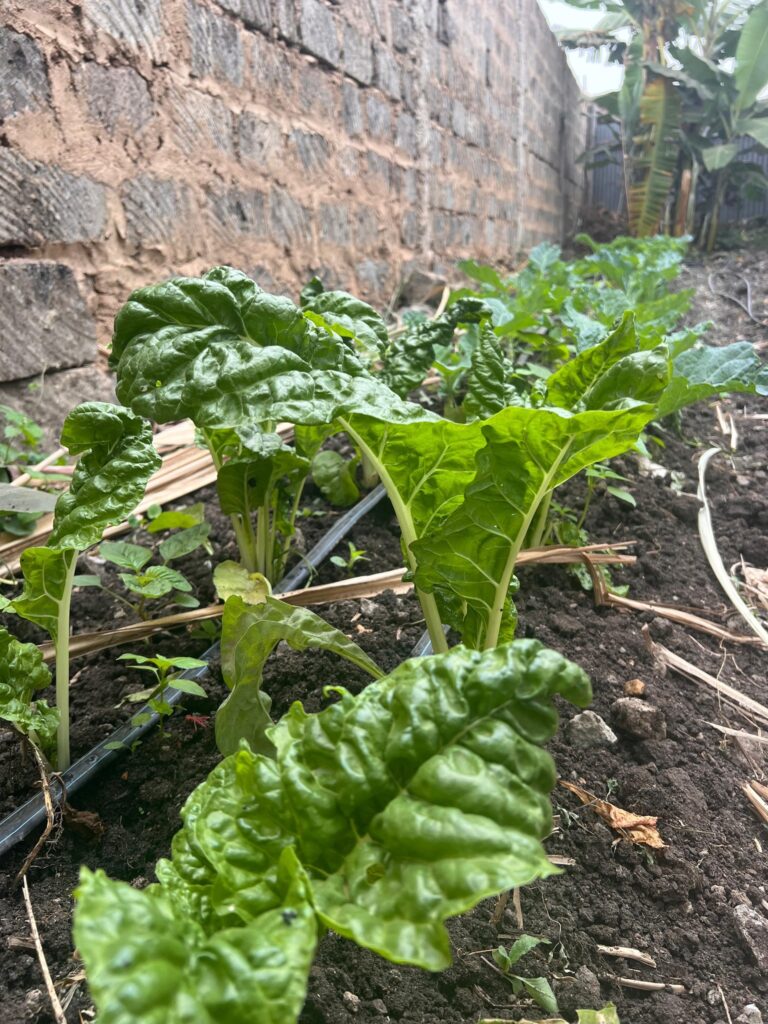
Soaker hoses are porous hoses that sweat water slowly along their entire length. They are less precise than drip emitters but far more affordable and easier to install. Laid along planting rows and covered with mulch, soaker hoses provide consistent, deep, root-zone watering throughout summer.
They work particularly well in row-planted gardens — beans, carrots, beets, corn — where rows of plants follow the hose’s path naturally. For irregular planting layouts, drip emitters placed individually are more versatile.
Hand Watering with a Wand or Hose
Hand watering is the most common method for home vegetable gardeners, and it is entirely adequate when done correctly. The key is directing water at the base of plants, not overhead onto the foliage, and watering slowly enough that the soil absorbs it rather than letting it run off.
Use a watering wand or a hose with a gentle-flow attachment. Water each plant at its base for long enough that moisture penetrates at least 15 to 20 centimetres (6 to 8 inches) into the soil. Shallow watering — a quick pass over the garden — encourages shallow root development, making plants more vulnerable to heat and drought.
I have seen gardeners water their tomato plants for 30 seconds and consider the job done. That is not watering — that is dampening the surface. Deep, thorough watering is what builds resilient plants.
Overhead Sprinklers
Sprinklers are the least efficient summer watering method for vegetable gardens. Water loss to evaporation is high, foliage gets wet (increasing disease risk), and water distribution is often uneven. However, they are practical for large gardens where installing drip systems is impractical, and for crops grown in wide beds such as corn or cover crops.
If using sprinklers, run them in the early morning only, and ensure coverage is even — check by placing straight-sided containers around the garden to measure how much water different areas receive.
How to Water Different Vegetables in Summer
Different vegetables have different root depths, water needs, and sensitivities. Understanding these differences allows you to prioritise and tailor your watering accordingly.
Tomatoes
Tomatoes are the most water-sensitive vegetable in most home gardens. They need consistent, deep watering — roughly 3 to 5 centimetres (1.5 to 2 inches) per week in summer, more during fruit development. Inconsistency causes blossom end rot and fruit cracking.
Water at the base of the plant, never overhead. Allow the top 2.5 centimetres of soil to dry slightly between waterings, but never let the plant wilt. Deep-rooted established tomatoes can tolerate brief dry spells better than newly transplanted ones.
Peppers
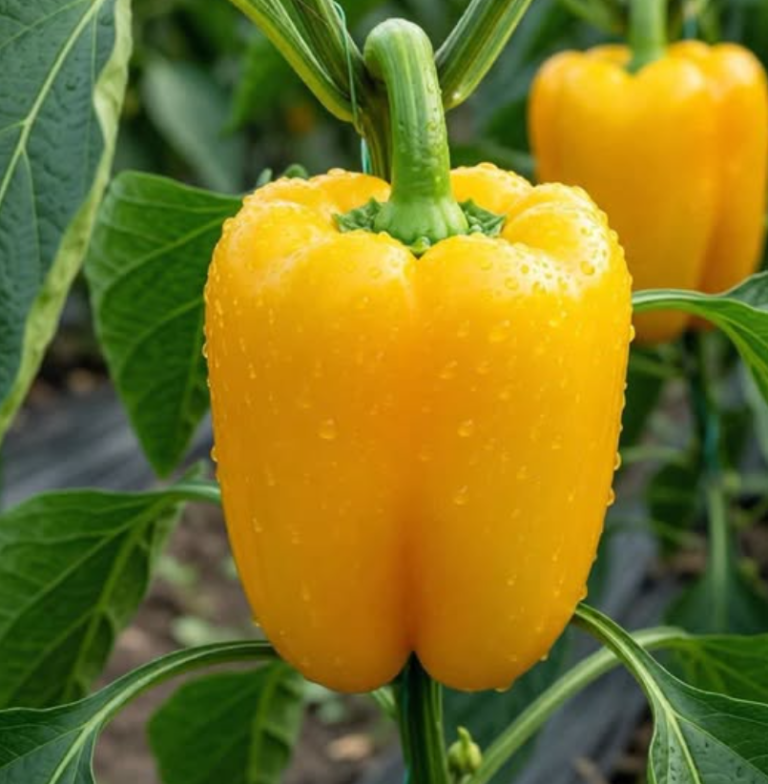
Peppers share many of tomatoes’ water preferences. They need steady moisture but are somewhat more drought-tolerant. Water stress during flowering causes blossom drop, which directly reduces your yield. Keep watering consistent from flowering through fruit set.
Cucumbers
Cucumbers are fast-growing and thirsty. They need consistent moisture — allow the soil to dry slightly between waterings but not completely. Bitter cucumbers are almost always the result of water stress. In peak summer heat, cucumbers may need watering every one to two days.
Zucchini and Summer Squash
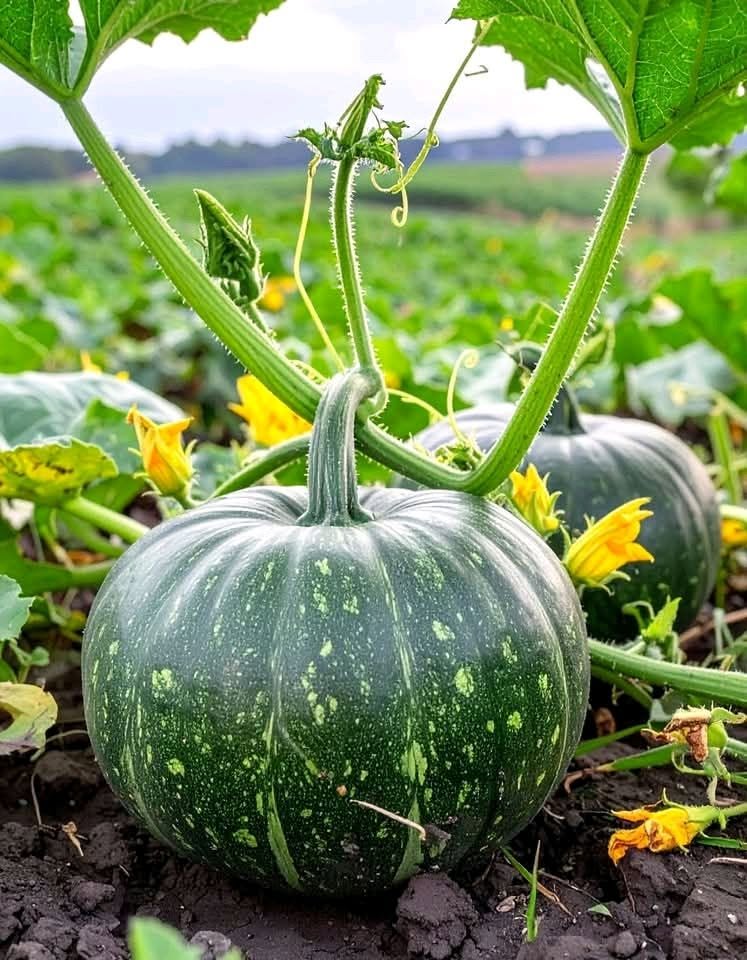
Despite their large leaves — which lose water quickly through transpiration — zucchini and summer squash have deep root systems that can access moisture from a wider soil volume. Water deeply once or twice per week rather than shallowly more often. Wet foliage combined with heat causes powdery mildew; always water at the base.
Beans
Bush beans and pole beans need consistent moisture from planting through harvest. Water stress during pod development leads to tough, stringy beans. Water at the soil level to avoid promoting bean rust, a common fungal disease on wet foliage.
Lettuce and Leafy Greens
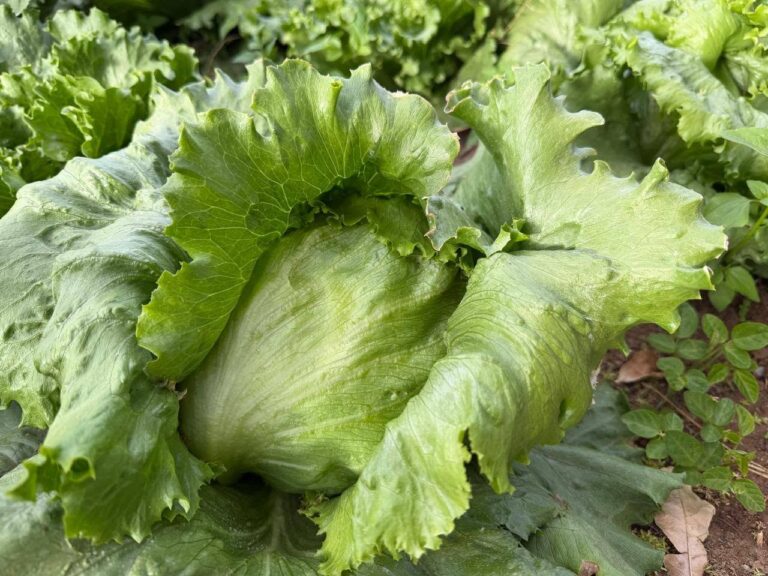
Lettuce, spinach, and other leafy greens have shallow root systems. In summer, they dry out quickly and are highly heat-sensitive. Water frequently — potentially daily during extreme heat — and consider providing afternoon shade using a shade cloth or taller companion plants.
Afternoon wilting in lettuce during a heatwave does not always indicate lack of water; the plant may recover once temperatures drop. Check soil moisture before adding more water.
Root Vegetables (Carrots, Beets, Radishes)
Consistent moisture is essential for root crops. Irregular watering produces forked, cracked, or woody roots. Water deeply and consistently. Once root vegetables are established, they can tolerate slightly drier conditions than leafy crops, but not during active root development.
Corn
Corn is particularly sensitive to water stress during tasselling and silk formation — the pollination stage. Moisture stress at this point directly reduces kernel development and yield. Water deeply during this period, aiming for consistent soil moisture throughout the root zone.
The Role of Mulch in Summer Watering
If there is one practice that transforms summer garden water management more than any other, it is mulching. A 7 to 10 centimetre (3 to 4 inch) layer of organic mulch around vegetable plants can reduce water evaporation from the soil by 50 to 70 percent.
Good mulch materials for vegetable gardens include:
- Straw: Clean, weed-free, and widely available. Excellent insulator and moisture retainer.
- Wood chips or shredded bark: Long-lasting and effective, though not ideal for direct contact with vegetable stems.
- Grass clippings: Free and effective, but apply in thin layers to prevent matting. Avoid clippings from lawns treated with herbicides.
- Compost: Adds nutrients while retaining moisture. Best used in combination with a coarser mulch on top.
- Newspaper or cardboard: Effective weed suppressor and moisture retainer when used as a base layer under other mulch.
Apply mulch after the soil has warmed in late spring or early summer, leaving a small gap of a few centimetres around each plant stem to prevent rot. Replenish mulch throughout summer as it breaks down and compacts.
A well-mulched garden in summer is a genuinely different experience. The soil stays cool, the watering interval stretches, and plant stress visibly decreases. It is one of those interventions that, once you experience it, you will never garden without.
How to Check Soil Moisture: The Most Reliable Method
Watering schedules are useful, but the most reliable guide to when your garden needs water is the soil itself.
The finger test
Push your finger or a trowel into the soil near — but not directly at — the root zone of your plants. If the soil is moist at 5 centimetres deep, most vegetables do not yet need water. If the soil is dry at that depth, it is time to water.
The squeeze test
Take a handful of soil from 7 to 10 centimetres below the surface. Squeeze it firmly. If it holds its shape and feels cool and slightly damp, moisture is adequate. If it crumbles immediately and feels warm, the soil is too dry.
Moisture meters
Inexpensive soil moisture meters are available at garden centres and give quick, reliable readings. They are particularly useful for new gardeners who are still learning to read soil conditions by feel.
Plant wilting as a guide
Wilting in the morning — before temperatures peak — is a reliable sign of water stress. Wilting only in the afternoon heat is often a normal plant response and may not require additional watering. Always check soil moisture before adding more water to an afternoon-wilted plant.
Water Conservation Strategies for the Summer Garden
Summer often coincides with water restrictions in many regions. Beyond drip irrigation and mulching, there are additional ways to make every drop count.
Collect rainwater using barrels connected to downspouts. Even modest rainfall events can fill a barrel quickly, providing free, chlorine-free water for your garden.
Water the plant, not the path. Focussed watering at the root zone rather than broadcasting water across entire beds reduces waste significantly. This is particularly important in row-planted gardens where paths between rows account for a large portion of the total area.
Group plants by water needs. Placing high-water-demand crops (cucumbers, corn, squash) together and lower-demand crops (herbs, Swiss chard, established tomatoes) together allows you to tailor irrigation zones efficiently rather than applying a uniform approach across all beds.
Water deeply and less often rather than shallowly and frequently. Deep watering encourages roots to grow downward, where soil moisture is more stable and temperatures are cooler. Shallow, frequent watering keeps roots near the surface where they are most vulnerable to heat and drying.
Signs of Overwatering vs. Underwatering
One of the most common gardening mistakes is assuming that a struggling plant always needs more water. Overwatering is as damaging as underwatering and produces some similar symptoms.
Signs of underwatering:
- Wilting that does not recover after cooler evening temperatures
- Dry, cracked soil surface
- Yellowing of lower leaves
- Slow growth and small fruit
- Dry, brittle leaf edges
Signs of overwatering:
- Yellowing leaves — particularly on the entire plant, not just lower leaves
- Soft, mushy stems near the soil line
- Fungal growth or algae on the soil surface
- Root rot (visible if you gently examine the root zone)
- Waterlogged, compacted soil that smells sour
When in doubt, check the soil before adding more water. A plant in waterlogged soil needs drainage correction and time to dry out, not more moisture.
Adapting Your Watering During Heatwaves
Extreme heat events — multi-day periods of temperatures above 35°C (95°F) — require a temporary adjustment to your normal summer routine.
Increase watering frequency during heatwaves, but do not abandon deep watering principles. Shallow, more frequent watering is acceptable during extreme heat if your normal deep-watering schedule cannot keep up with plant demand.
Provide temporary shade for heat-sensitive crops using shade cloth, old bedsheets, or shade netting. This reduces the plant’s transpiration demand and therefore its water requirement.
Avoid any activities that stress plants further during a heatwave — do not fertilise, prune heavily, or transplant during extreme heat events. Focus purely on keeping the water supply stable.
Check container plants twice daily. Pots can dry out completely within 24 hours during a heatwave. A plant in a small pot exposed to full sun may need water morning and evening.
Frequently Asked Questions
How long should I water my vegetable garden in summer?
Duration depends on your method and soil type. With a soaker hose or drip irrigation, 30 to 60 minutes every two to three days is typically adequate for most summer vegetables during moderate heat. With hand watering, focus on achieving 15 to 20 centimetres of soil penetration rather than timing — check with your finger.
Is tap water safe for vegetable gardens in summer?
Yes. Tap water is generally safe. Chlorine in municipal water dissipates quickly from soil and does not harm plants. However, very cold tap water applied directly to warm soil can temporarily stress some plants. Filling watering cans and allowing them to sit for a few hours before use reduces this effect.
Should I water vegetable gardens every day in summer?
Not necessarily. Deep, infrequent watering — every two to three days — is better for most established plants than shallow daily watering. Containers, raised beds, and seedlings in very hot conditions may need daily watering. Always let soil moisture, not the calendar, guide you.
Final Thoughts
Summer watering is not complicated, but it does require attention. The plants will tell you what they need — if you know what to look for. Wilting, soil texture, leaf colour, and fruit quality are all signals worth reading.
Start with the fundamentals: water in the morning, water deeply, mulch generously, and choose a delivery method that suits your garden’s layout and your lifestyle. From there, refine based on what you observe.
There is something deeply satisfying about a well-watered summer garden in full production — tomatoes swelling on the vine, beans climbing their poles, cucumbers hanging heavy and cool in the shade of their own leaves. That kind of abundance does not happen by accident. It is built, one careful watering at a time, through a whole season of consistent attention.
This summer, give your vegetable garden the water it deserves. It will give back more than you expect.

Tim M Dave is a gardening expert with a passion for houseplants, particularly cacti and succulents. With a degree in plant biology from the University of California, Berkeley, he has vast experience in gardening. Over the years, he has cultivated a vast collection of desert plants and learned a great deal about how to grow and care for these unique companions.