17 Fruit Trees for Zone 10 (With Growing Details)
Zone 10 sits at the warmer edge of what most of the continental United States experiences. Frost is rare here, if it happens at all, and that opens the door to a genuinely tropical lineup of fruit trees.
I’ve always thought of Zone 10 as the reward zone for gardeners. You get to grow things that would never survive further north, and there’s a real thrill in harvesting mangoes or papayas from your own backyard.
A quick fact worth knowing: according to the USDA Plant Hardiness Zone Map, Zone 10 experiences average annual minimum temperatures between 30°F and 40°F, rarely dipping into true freezing territory.
This guide covers 17 fruit trees well suited to Zone 10 conditions, including what makes each one thrive and what to expect once you plant one.
1. Mango Tree
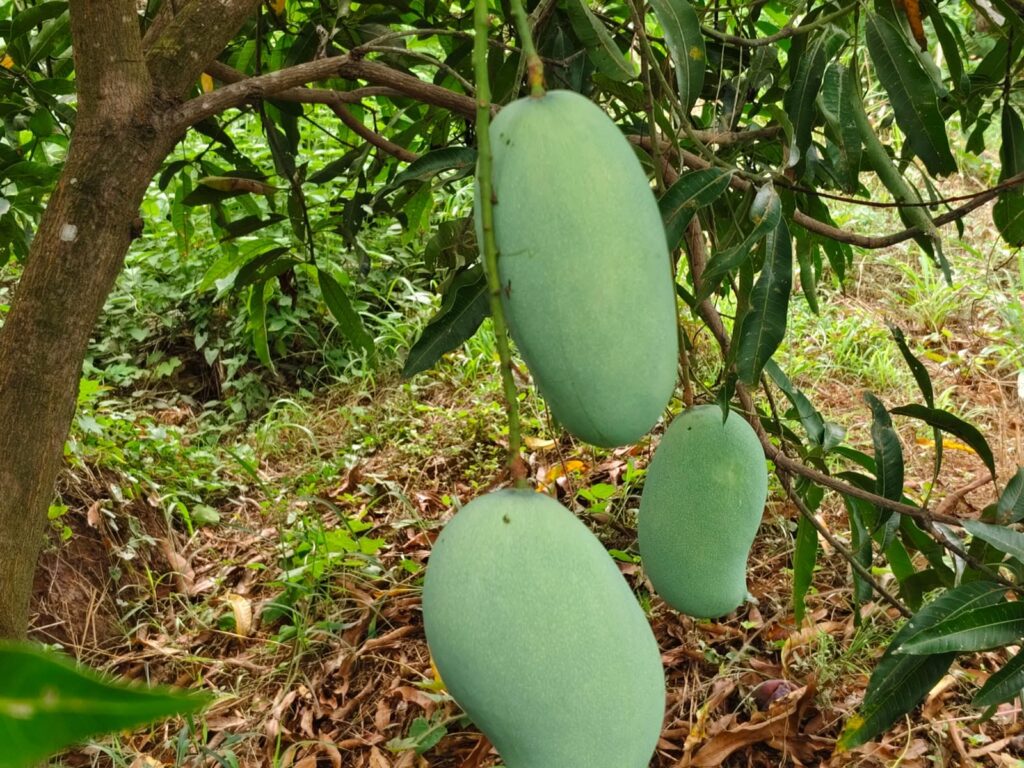
Mango trees are practically the signature fruit tree of Zone 10 gardens. They need warmth, sunshine, and minimal frost exposure, all of which this zone provides in abundance.
A mature mango tree can produce several hundred fruits in a single season, according to agricultural extension data from tropical fruit-growing regions. That kind of yield makes it a rewarding long-term investment for any yard.
I’ve always found mango season genuinely exciting to wait for. There’s a build-up to it, watching the small green fruits slowly swell and ripen, that makes the eventual harvest feel earned.
2. Papaya Tree
Papaya trees grow remarkably fast, often fruiting within a year of planting. Technically more of a large herbaceous plant than a true tree, papayas still belong firmly in any Zone 10 fruit garden discussion.
This plant can produce fruit continuously for two to three years before productivity declines, based on horticultural research on tropical fruiting plants. That speed makes it one of the quickest returns on investment for home gardeners.
I remember being surprised at how quickly a papaya seedling turns into a fruiting plant. It’s almost instant gratification compared to the patience most fruit trees demand.
3. Avocado Tree
Avocado trees thrive in Zone 10’s warm, frost-free climate, particularly varieties suited to tropical and subtropical conditions. This zone allows for a much wider variety selection than cooler regions permit.
Florida-type avocados, which are more heat-tolerant than California varieties, perform especially well here. Trees can reach heights of 30 to 40 feet if left unpruned, according to agricultural extension guidance.
There’s a genuine sense of abundance with avocado trees once they mature. A single productive tree can supply far more fruit than most households can reasonably use in one season.
4. Banana Plant
Banana plants flourish in Zone 10’s humid warmth, growing quickly and producing fruit within 9 to 15 months of planting. Technically an herbaceous perennial, it behaves and looks like a small tree.
A single banana plant can produce a bunch weighing over 100 pounds, according to tropical agriculture research sources. That’s a substantial harvest from a plant that takes up relatively little permanent space.
I find banana plants bring an instant tropical feel to any yard. Even before fruiting, the broad leaves alone make a garden feel like a small slice of the tropics.
5. Guava Tree
Guava trees adapt well to Zone 10’s warmth, producing fragrant, nutrient-rich fruit multiple times throughout the year in ideal conditions. They’re fast-growing and relatively low-maintenance once established.
Guava fruit often contains four times the vitamin C found in oranges, according to nutritional comparisons from agricultural research sources. That nutritional density makes it a genuinely valuable addition to any fruit garden.
The fragrance of a ripening guava always catches me off guard. It’s strong enough to notice from several feet away, filling the surrounding air with a distinct, sweet aroma.
6. Lychee Tree
Lychee trees require warmth and humidity to thrive, both of which Zone 10 offers generously. The fruit itself is small, sweet, and encased in a distinctive bumpy red shell.
Mature lychee trees can take 3 to 5 years before producing their first meaningful harvest, according to tropical fruit cultivation data. Patience is required, but the eventual reward is well worth the wait.
I still remember the first time I tried fresh lychee straight from a tree. It tasted nothing like the canned version I’d grown up with, far more delicate and floral in flavor.
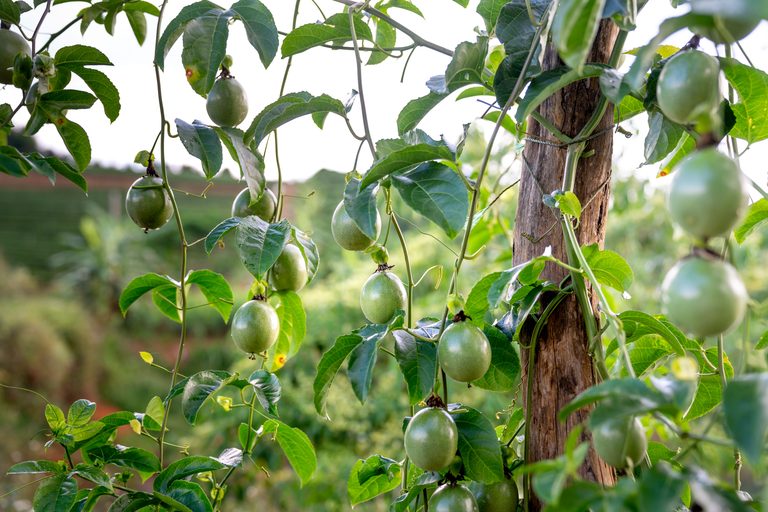
7. Passion Fruit Vine
Passion fruit isn’t a tree in the traditional sense, but this vigorous vine deserves mention given how well it performs in Zone 10. It climbs quickly and produces fruit within the first year.
A single healthy vine can produce dozens of fruits per season, based on horticultural extension observations in warm climates. Its fast growth makes it an excellent option for gardeners wanting quick results.
There’s something almost architectural about a passion fruit vine in full bloom. The flowers themselves are strikingly intricate, arguably more beautiful than the fruit they eventually produce.
8. Star Fruit (Carambola) Tree
Star fruit trees thrive in Zone 10’s warm, humid climate, producing fruit with a distinctive star-shaped cross-section when sliced. They’re relatively compact, making them suitable for smaller yards.
This tree can produce two harvests per year in ideal tropical conditions, according to agricultural extension data on carambola cultivation. That frequency makes it one of the more productive trees on this list.
I’ve always appreciated how visually unique star fruit looks once sliced. It’s one of those fruits that genuinely surprises people who haven’t seen it prepared before.
9. Dragon Fruit (Pitaya)
Dragon fruit grows on a climbing cactus rather than a traditional tree, but it thrives beautifully in Zone 10’s warm, dry stretches. Its striking pink or yellow exterior hides a mildly sweet, seed-speckled flesh.
This plant can begin fruiting within its first year, particularly when grown from cuttings rather than seed, according to tropical horticulture research. It also tends to be relatively drought-tolerant once established.
There’s something almost otherworldly about dragon fruit blooms. They open only at night, large and white, giving the whole garden a brief, surreal atmosphere before closing by morning.
10. Key Lime Tree
Key lime trees are compact, productive, and well suited to Zone 10’s warmth. Their small, intensely flavored fruit is prized for its distinct tartness compared to standard Persian limes.
Key lime trees can produce fruit year-round in the right climate, according to citrus extension guidance from tropical growing regions. This makes them a consistently productive addition to any garden.
I’ve always preferred key limes for their bold, sharp flavor. A single tree can keep a household well-stocked, especially for anyone who enjoys cooking or baking with fresh citrus.
11. Sapodilla Tree
Sapodilla trees are relatively low-maintenance, producing sweet, brown-fleshed fruit with a flavor often compared to brown sugar or caramel. They handle Zone 10’s heat and humidity with ease.
This tree can live for over 100 years, according to tropical agricultural records, making it a genuine long-term addition to any landscape. It also tends to be resistant to most common pests.
The flavor of ripe sapodilla always reminds me slightly of a caramelized pear. It’s an unusual taste that’s hard to compare directly to anything else, which makes it worth trying at least once.
12. Jaboticaba Tree
Jaboticaba trees are known for their unusual fruiting habit, producing grape-like fruit directly on the trunk and main branches rather than on outer twigs. This makes for a genuinely striking visual display.
This tree can produce multiple harvests per year in warm, consistent climates like Zone 10, according to tropical fruit cultivation sources. It’s slow-growing, but the payoff is worth the patience.
I’ve never quite gotten used to seeing fruit growing directly from a trunk. It looks almost unnatural at first glance, which is exactly what makes this tree such a conversation starter.
13. Barbados Cherry (Acerola)
Barbados cherry trees are compact, fast-growing, and remarkably productive, often fruiting multiple times throughout the year in Zone 10’s climate. The fruit itself is small but intensely nutritious.
Acerola cherries contain some of the highest vitamin C concentrations of any fruit, often cited at over 1,000 milligrams per 100 grams, according to nutritional research data. That makes it exceptionally valuable nutritionally.
I find this tree particularly rewarding for small gardens. It stays compact yet produces generously, which makes it a practical choice for anyone without much available space.
14. Longan Tree
Longan trees are closely related to lychee and thrive under similar warm, humid conditions found throughout Zone 10. The fruit has a translucent flesh with a sweet, slightly musky flavor.
Mature longan trees can produce over 100 pounds of fruit annually, according to tropical horticulture extension data. That productivity makes it a worthwhile addition once established.
Longan has always felt like lychee’s quieter, less famous sibling to me. It deserves more attention, especially given how reliably it fruits once the tree matures.
15. Macadamia Tree
Macadamia trees, while primarily grown for nuts rather than traditional fruit, still belong on this list given their strong performance in Zone 10’s climate. They’re slow-growing but long-lived.
A mature macadamia tree can live and produce for over 40 years, according to agricultural extension research on nut tree longevity. That lifespan makes it a genuine multi-generational planting.
There’s a patience required with macadamia trees that I actually appreciate. It’s a reminder that not every rewarding harvest comes quickly, and sometimes waiting makes the payoff feel more meaningful.
16. Sugar Apple Tree
Sugar apple trees produce a sweet, custard-like fruit with a bumpy, segmented exterior. They thrive in Zone 10’s warmth and handle brief dry spells reasonably well once established.
This tree typically begins fruiting within 2 to 3 years of planting, according to tropical fruit cultivation data. That relatively quick timeline makes it an appealing option for newer gardeners.
The texture of sugar apple flesh always reminds me of a rich, creamy custard. It’s an unusual eating experience, spooned out rather than bitten, which makes it fun to introduce to first-time tasters.
17. Calamondin Tree
Calamondin trees are compact citrus trees producing small, tart fruit often used similarly to limes in cooking. They tolerate container growing exceptionally well, making them flexible for smaller Zone 10 spaces.
This tree can fruit nearly year-round in consistently warm climates, according to citrus extension guidance. Its compact size also makes it a popular choice for patios and smaller urban gardens.
I’ve always liked calamondin trees for their versatility. Whether planted in the ground or kept in a container, they seem to adapt without much fuss, which suits gardeners short on space.
ALSO READ: 17 Fruit Trees for Zone 9 (Identification, With Details)
Choosing the Right Fruit Trees for Your Zone 10 Garden
Success in Zone 10 largely depends on matching tree choice to available space and moisture conditions. Tropical trees generally prefer consistent watering, especially during establishment, compared to more drought-tolerant temperate varieties.
Soil drainage remains important even in a warm climate. Many trees on this list, particularly avocado and lychee, dislike waterlogged roots and need well-draining soil to truly thrive.
Finally, consider mature tree size before planting. Mangoes and avocados can grow quite large over time, so spacing decisions made early on will matter significantly down the road.
Final Thoughts
Zone 10 offers one of the most exciting fruit-growing opportunities available in the United States, with a genuinely tropical range of options. From mangoes to dragon fruit, there’s remarkable diversity packed into this single climate zone.
I hope this guide helps you plan a garden that truly takes advantage of Zone 10’s warmth. With thoughtful variety selection, a productive and diverse tropical orchard is well within reach right in your own backyard.
References
- USDA Agricultural Research Service, Plant Hardiness Zone Map — https://planthardiness.ars.usda.gov
- University of Florida, IFAS Extension, Gardening Solutions — https://gardeningsolutions.ifas.ufl.edu
- University of California, Agriculture and Natural Resources — https://ucanr.edu
- University of Hawaii at Manoa, College of Tropical Agriculture and Human Resources — https://www.ctahr.hawaii.edu
- Texas A&M AgriLife Extension, Fruit and Nut Resources — https://aggie-horticulture.tamu.edu/fruit-nut/
- USDA National Institute of Food and Agriculture — https://www.nifa.usda.gov
- University of Florida, IFAS Tropical Research and Education Center — https://trec.ifas.ufl.edu

Tim M Dave is a gardening expert with a passion for houseplants, particularly cacti and succulents. With a degree in plant biology from the University of California, Berkeley, he has vast experience in gardening. Over the years, he has cultivated a vast collection of desert plants and learned a great deal about how to grow and care for these unique companions.