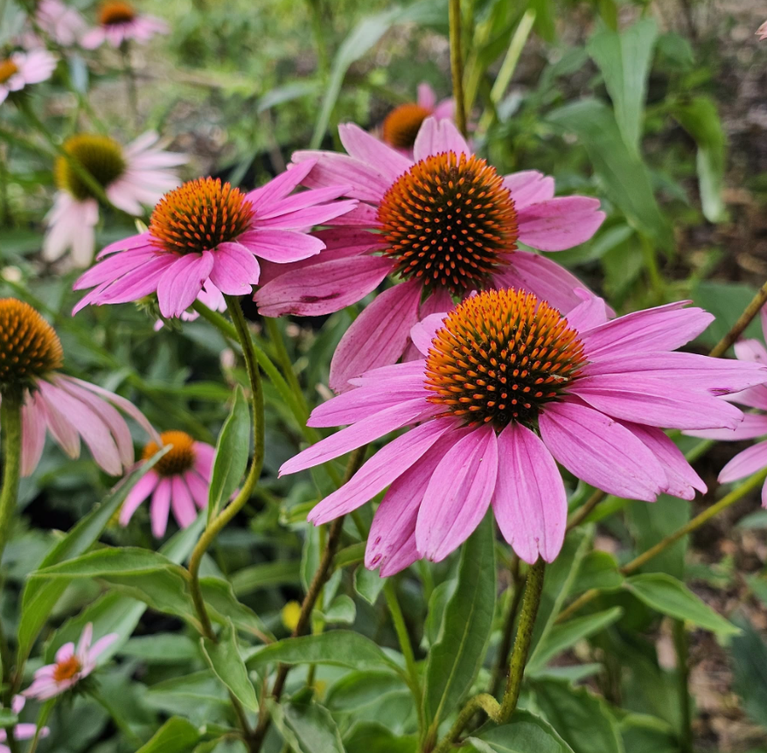
20 Flowers That Rabbits Won’t Eat (Names, With Growing Details)
Few things sting like walking out in the morning to find your young flowers clipped to the ground. I have felt that disappointment myself. One night of nibbling can undo weeks of careful planting.
Rabbits are cute, but they are hard on gardens. The good news is that you do not have to give up on color. Many beautiful flowers are unappealing to rabbits, and this guide shows you 20 of the best.
Why Some Flowers Are Safe from Rabbits
Rabbits choose food by smell, taste, and texture. They usually avoid plants that are strongly scented, hairy, bitter, or toxic. These traits make a flower a poor meal.
Timing matters too. Extension experts at the University of Florida note that rabbits usually prefer young, tender shoots. Their favorites include flowers such as gazania, marigolds, pansies, and petunias.
Many gardeners also ask how to confirm rabbits are the culprits. University of Maryland Extension explains that rabbit damage often shows 45-degree clean cuts, as if someone used pruners. Deer, by contrast, tear plants and leave ragged edges.
An Honest Warning: Nothing Is Rabbit-Proof
I want to be clear with you from the start. No plant is completely rabbit-proof. A hungry rabbit may try almost anything, especially when food is scarce.
The University of Florida also warns that young, curious rabbits may nibble even “rabbit-resistant” plants while they learn what they like. So treat this list as a strong guide, not a guarantee.
Think of these flowers as your first line of defense. Later, I will show you how to combine them with simple barriers for the best results.
20 Flowers That Rabbits Won’t Eat
Plants with natural toxins are some of the safest choices. Rabbits seem to learn quickly to avoid them.
1. Daffodil
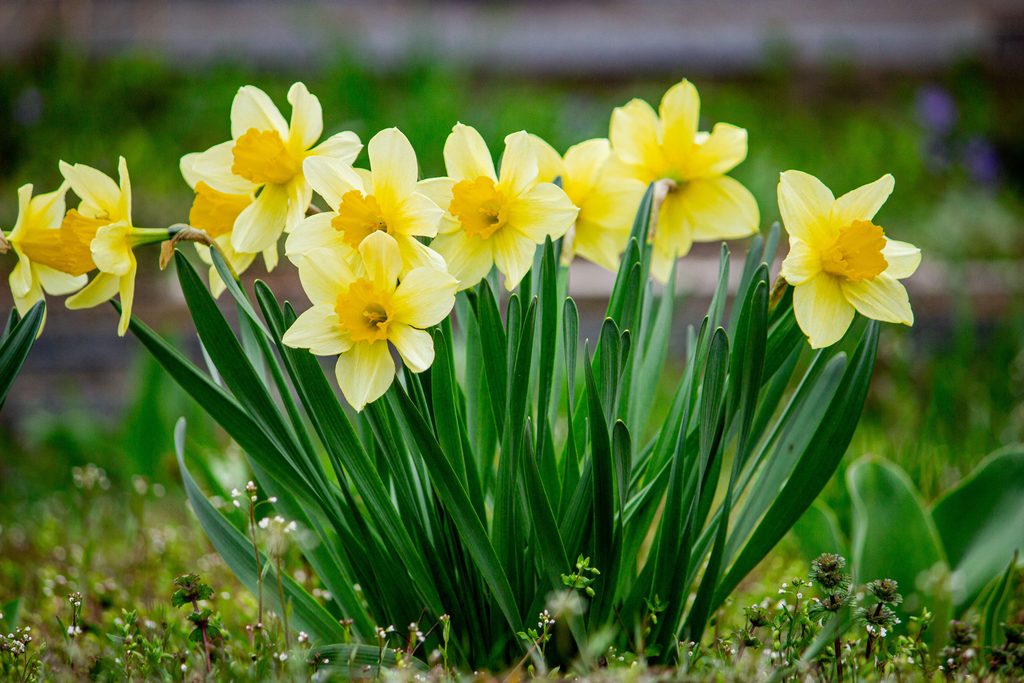
Daffodils are the classic answer for rabbit trouble. The bulbs and leaves contain bitter compounds that animals avoid. Colorado State University Extension Master Gardeners list daffodils among rabbit-resistant plants.
Plant bulbs in autumn, in a sunny or lightly shaded spot. They return and multiply each spring with almost no care.
Remember that daffodils are toxic if eaten. Keep them away from pets that dig and from children.
2. Foxglove
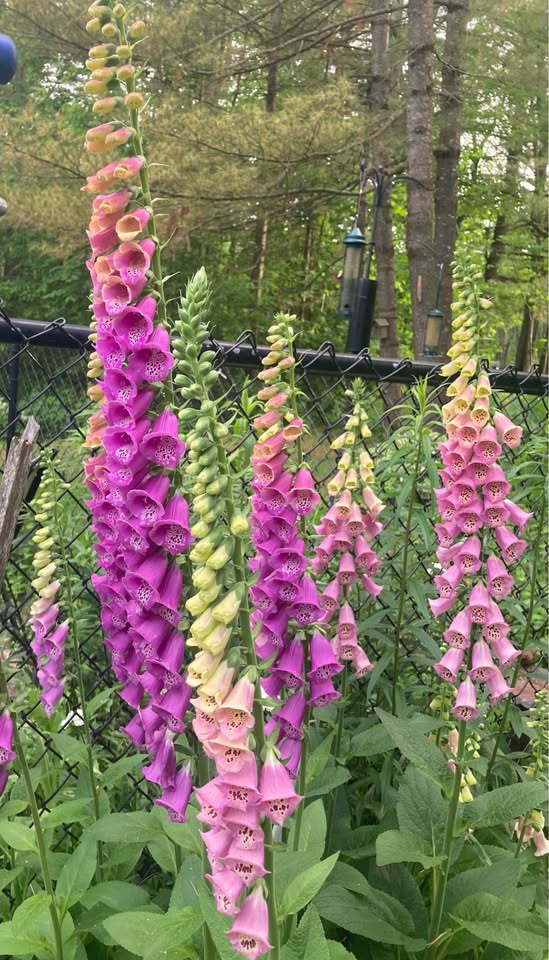
Foxglove (Digitalis) raises tall spikes of tubular flowers in late spring. All parts of the plant are poisonous, which explains why rabbits ignore it.
It thrives in partial shade and moist soil. Colorado State University Extension also names foxglove among rabbit-resistant choices.
Wear gloves when you handle it. It often self-seeds, so you may enjoy new plants each year.
3. Iris
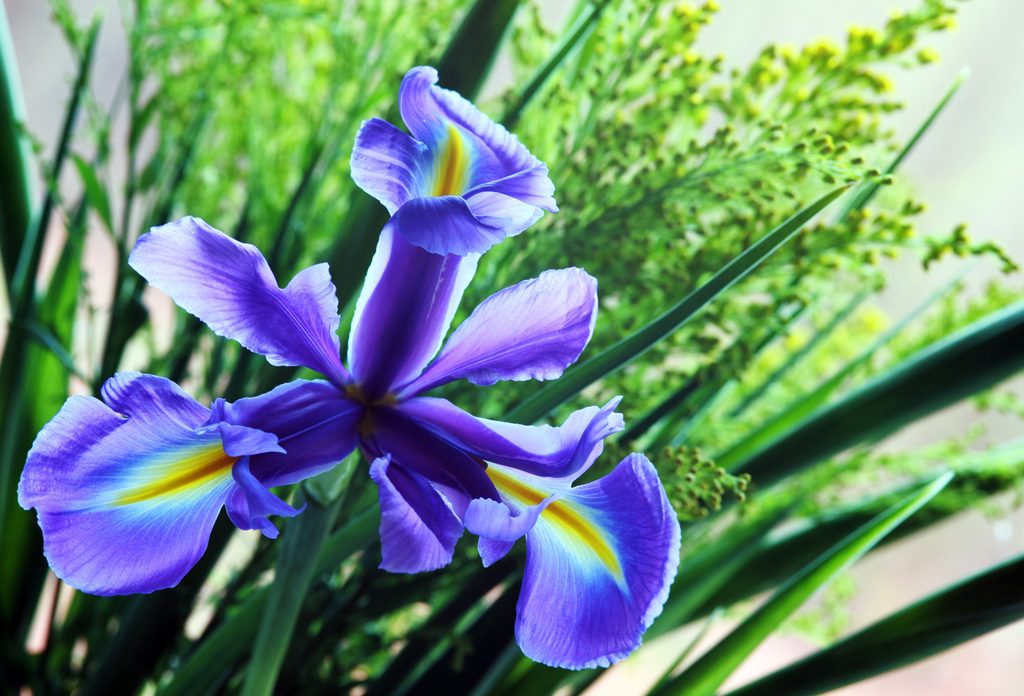
Iris offers dramatic blooms in blue, purple, yellow, and white. The thick rhizomes and sword-like leaves are not appealing to rabbits.
Bearded iris prefers full sun and well-drained soil. Siberian iris handles wetter conditions better.
Divide crowded clumps every three or four years. This keeps the plants healthy and blooming well.
ALSO READ: 35 Flowers That Deer Won’t Eat (Names, With Pictures)
4. Oriental Poppy
Oriental poppies produce huge, papery flowers in vivid orange, red, and pink. The leaves are hairy and bitter, so rabbits tend to skip them.
Colorado State University Extension lists oriental poppy as a rabbit-resistant option. In my view, it is one of the most striking early-summer flowers.
The foliage fades after blooming. Plant a later perennial nearby to cover the gap.
5. Red Hot Poker
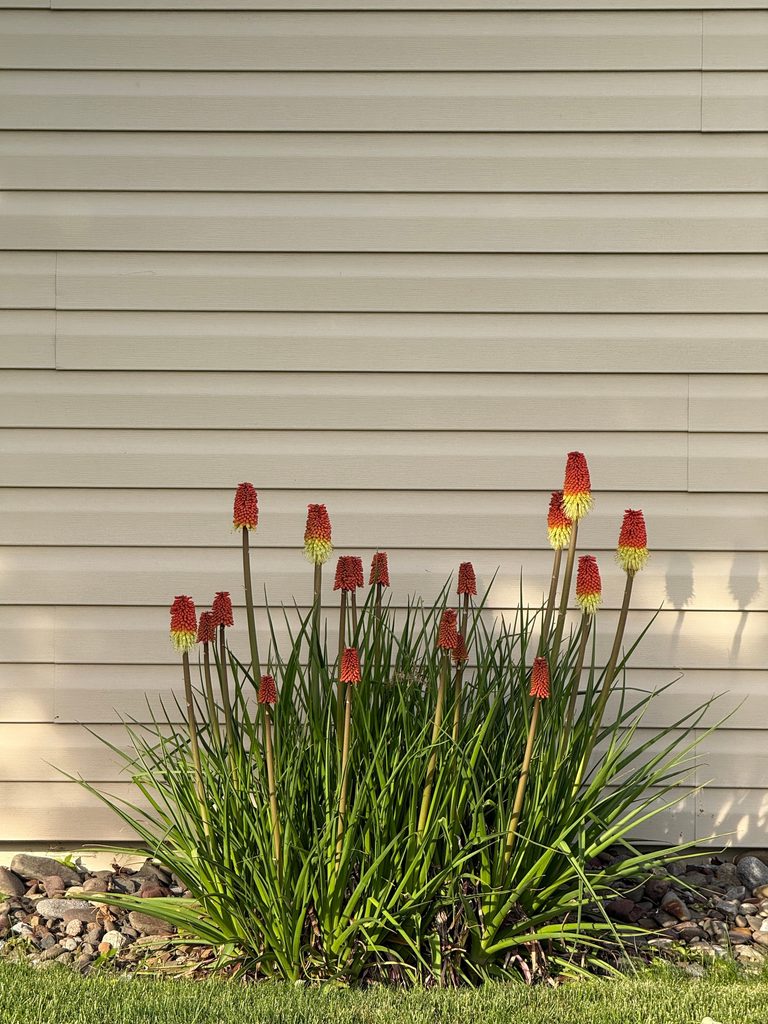
Red hot poker (Kniphofia) pushes up flame-colored spikes in orange, red, and yellow. Hummingbirds adore them. Rabbits do not.
It also appears on the Colorado State University Extension list of rabbit-resistant plants. The tough, grass-like leaves are not tempting.
Give it full sun and good drainage. Wet winter soil is its biggest enemy.
6. Lamb’s Ears
Lamb’s ears (Stachys byzantina) have soft, silvery leaves that feel like velvet. Rabbits dislike the fuzzy texture.
Colorado State University Extension names it among rabbit-resistant plants. Children love to touch it, which makes it a wonderful family garden choice.
Plant it in full sun with sharp drainage. Remove wet, rotting leaves after rainy spells.
7. Yarrow
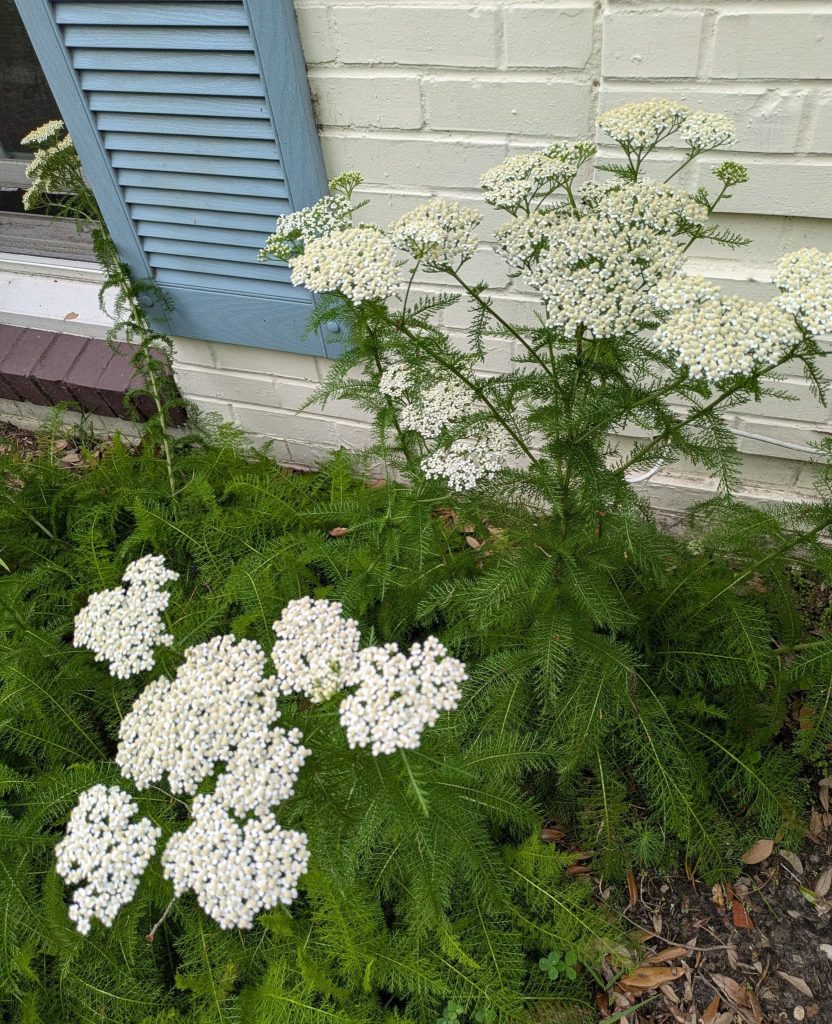
Yarrow (Achillea) has flat flower clusters and feathery, strongly scented leaves. It blooms in yellow, white, pink, and red.
Extension specialists in Colorado list yarrow as rabbit resistant. It is also very drought tolerant.
Avoid rich soil and heavy feeding. Yarrow stands up better when it grows a little lean.
8. Lavender
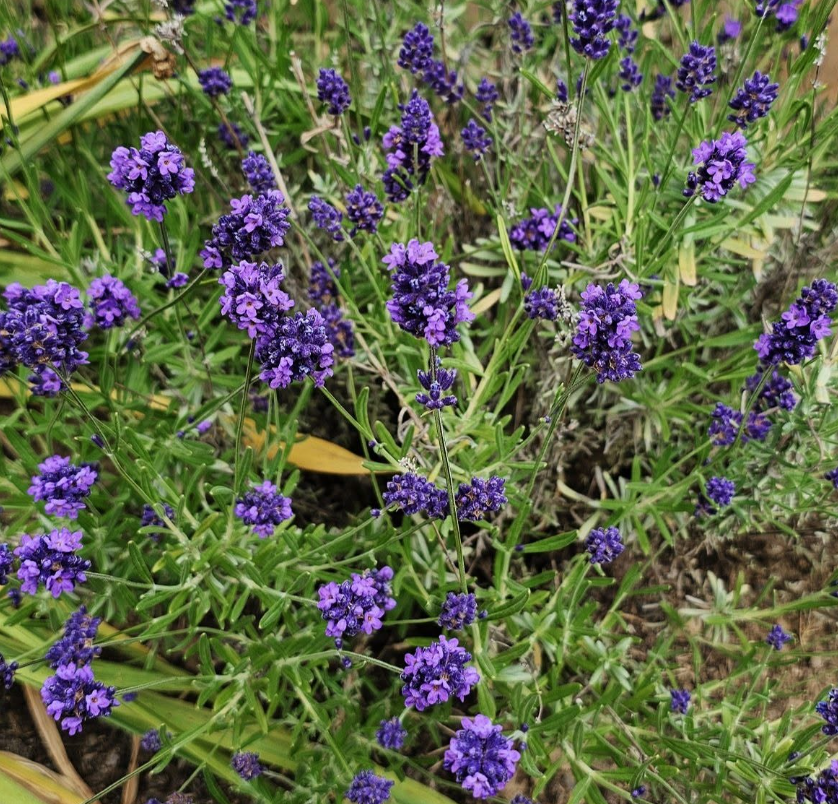
Lavender is loved for its fragrance, and that same scent keeps pests away. Rabbits generally avoid its oily, aromatic leaves.
Bees and butterflies will visit your plants all summer. Plant lavender in full sun and gritty, well-drained soil.
Prune lightly after flowering each year. This prevents the plant from becoming woody and sparse.
9. Bee Balm
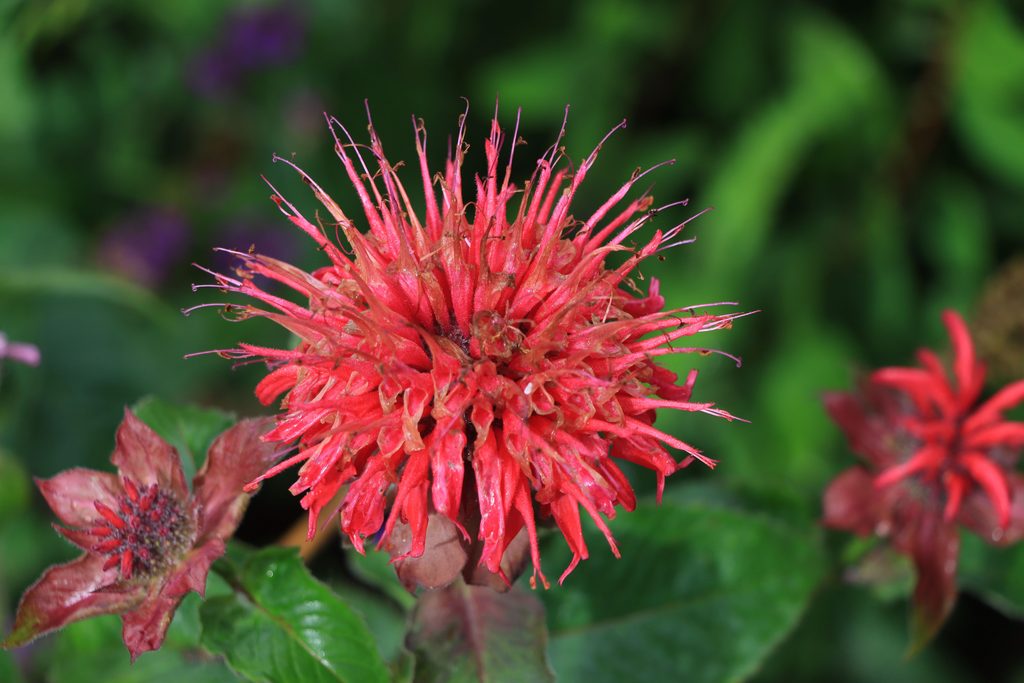
Bee balm (Monarda) has shaggy red, pink, or purple flowers and minty leaves. Hummingbirds visit often. Rabbits rarely do.
It appears on rabbit-resistant plant lists compiled by garden experts. Strong scent is its main protection.
Give it good air flow to prevent mildew. Divide clumps every few years for healthy growth.
10. Sedum
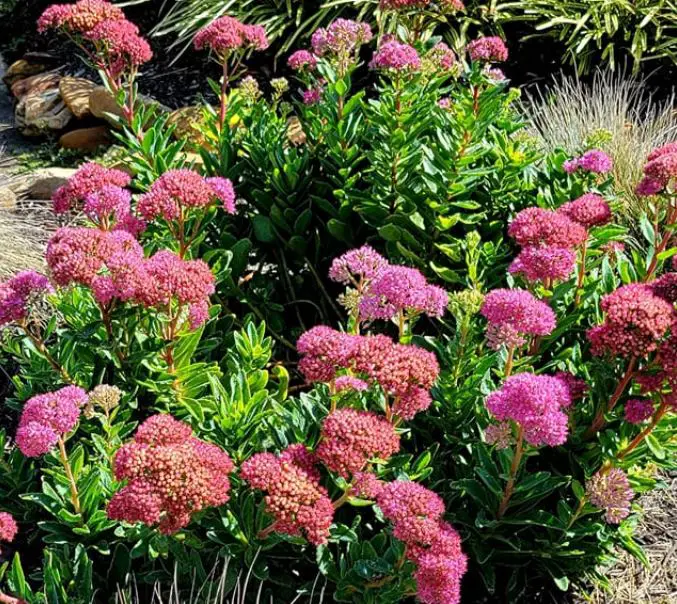
Sedum, or stonecrop, has thick, waxy leaves and late-summer flower heads in pink and rust. Butterflies love it.
Colorado State University Extension lists sedum as rabbit resistant. It is a very low-maintenance plant.
It thrives in sun and poor soil. In my experience, overwatering is the only real way to harm it.
11. Ageratum
Ageratum, also called floss flower, forms fluffy mounds of blue, lavender, or white blooms. The leaves have a scent rabbits find unpleasant.
It is one of the few annuals that flowers well in light shade. It still prefers several hours of sun.
Water during dry spells. Avoid wetting the leaves to reduce the risk of mildew.
12. Sweet Alyssum
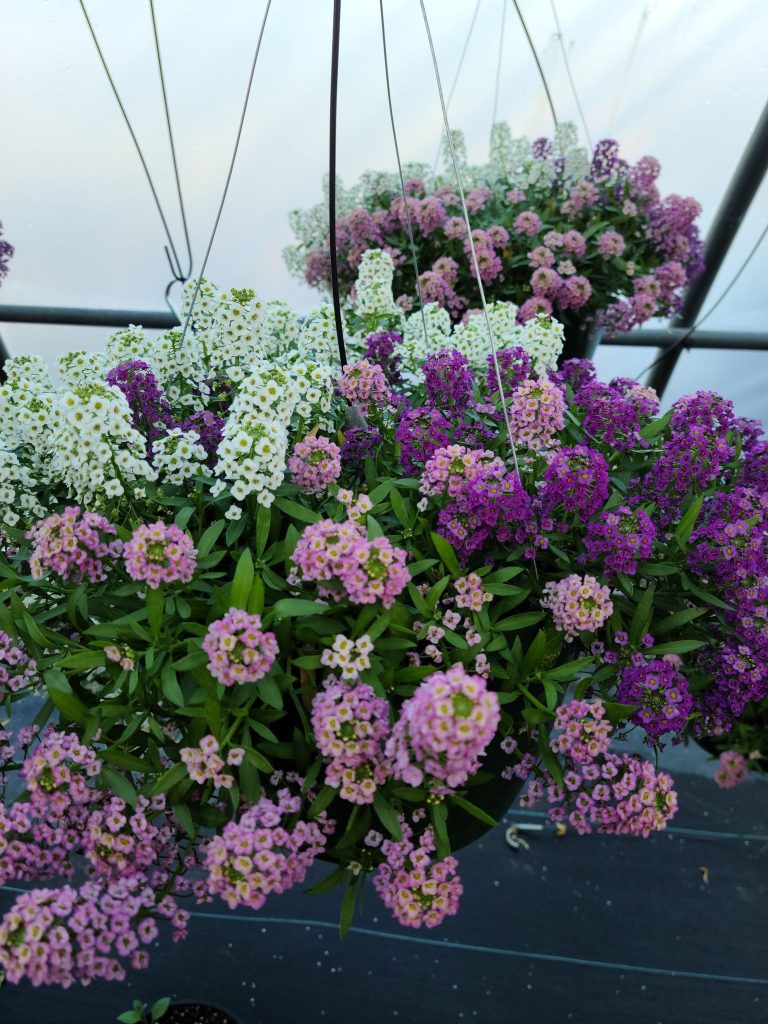
Sweet alyssum (Lobularia maritima) makes a low carpet of tiny, honey-scented flowers. It suits borders, baskets, and containers.
University of Illinois Extension has highlighted alyssum as a helpful companion plant. It also draws small beneficial insects.
Trim it back in midsummer if it slows down. It often rebounds with fresh blooms in fall.
13. Columbine

Columbine (Aquilegia) has delicate, spurred flowers in blue, red, yellow, and pink. Hummingbirds love them.
Garden experts consistently list columbine as rabbit resistant. The foliage is slightly bitter and unappealing.
It grows well in partial shade and self-seeds gently. Over time, you may see surprise color combinations.
14. Bleeding Heart
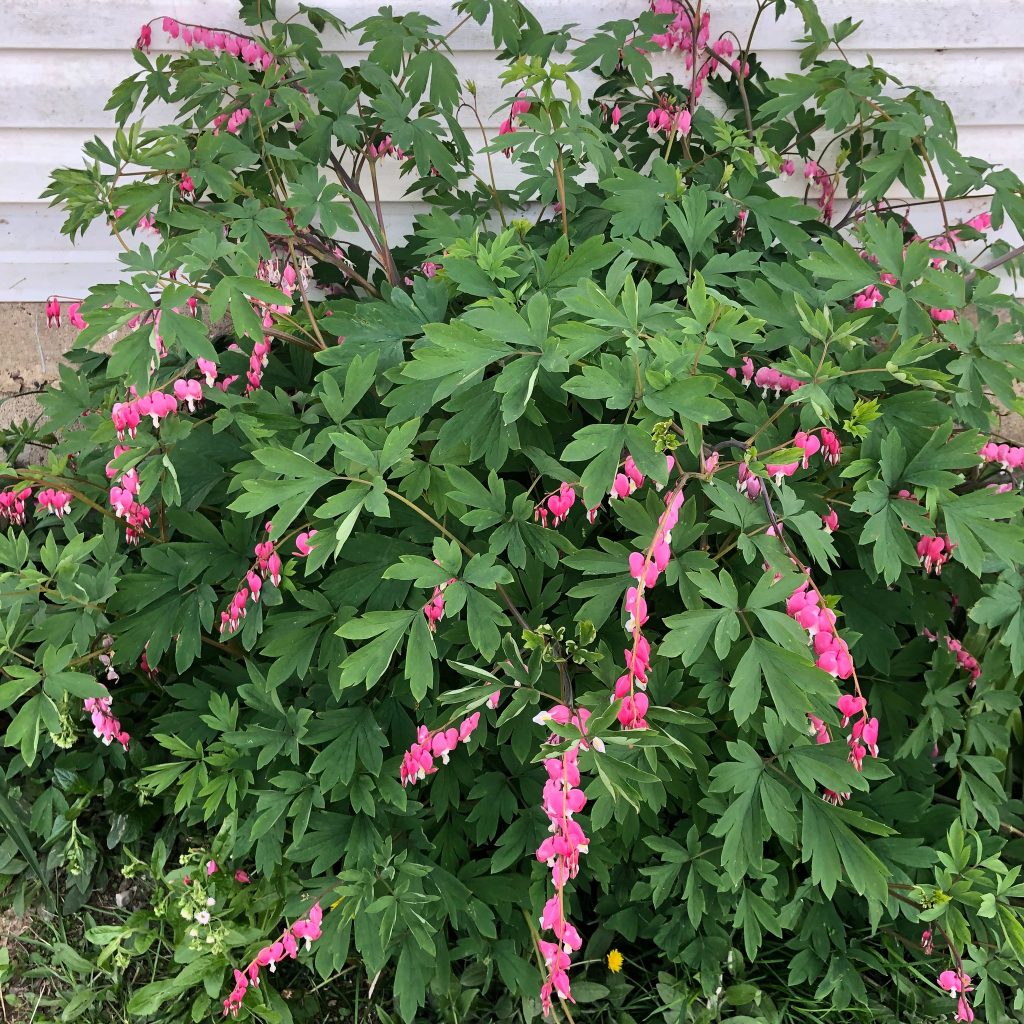
Bleeding heart (Dicentra) dangles pink, heart-shaped flowers along arching stems. It is one of the most romantic spring perennials.
It prospers in shade and moist, rich soil. Rabbits generally leave it alone.
The foliage fades by midsummer. Plant hostas or ferns nearby to fill the empty space.
15. Astilbe
Astilbe forms feathery plumes in pink, red, and white above fern-like leaves. It brightens shady beds in early summer.
Rabbit-resistant plant lists regularly include it. The coarse, textured leaves are not a favorite food.
Keep the soil evenly moist. Astilbe struggles in dry, hot spots.
16. Cardinal Flower
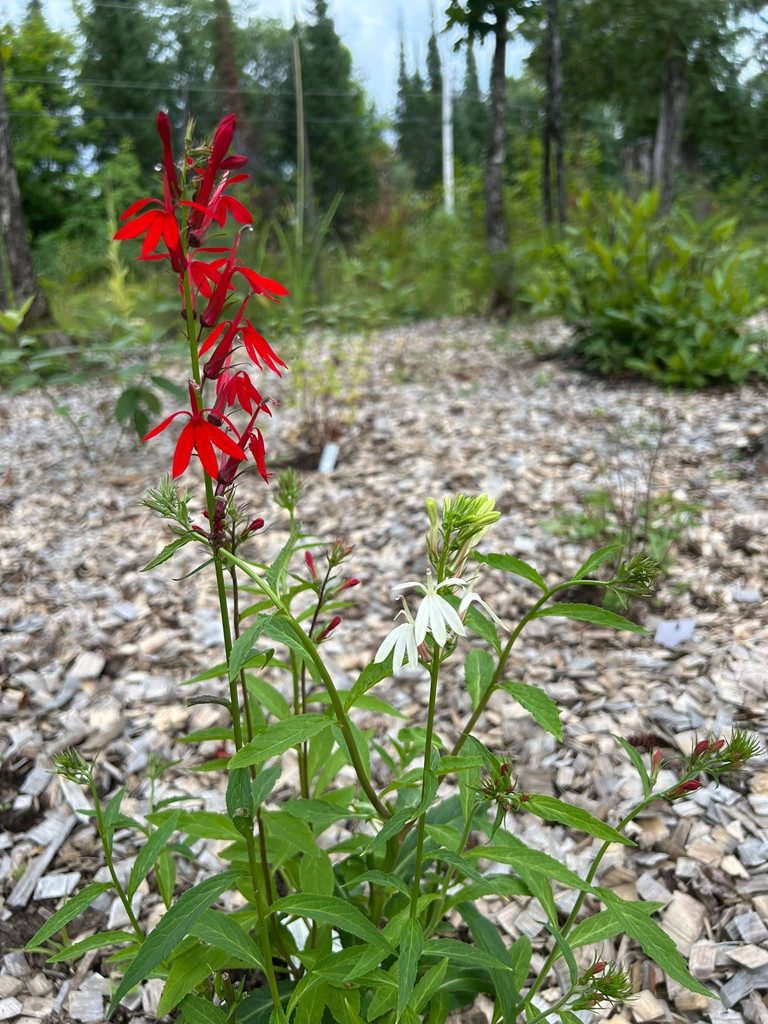
Cardinal flower (Lobelia cardinalis) produces brilliant red spikes in late summer. Hummingbirds are drawn to it.
It likes moist soil and does well near ponds or rain gardens. It is a good choice for damp areas.
The plant contains bitter compounds. These help keep rabbits away.
17. Coreopsis
Coreopsis, or tickseed, covers itself in golden-yellow flowers from early summer until frost. Threadleaf types have fine, airy foliage.
Lists of rabbit-resistant flowers regularly include it. It is a cheerful plant that asks for little.
Shear plants by one-third after the first flush of blooms. This triggers a fresh round of flowers.
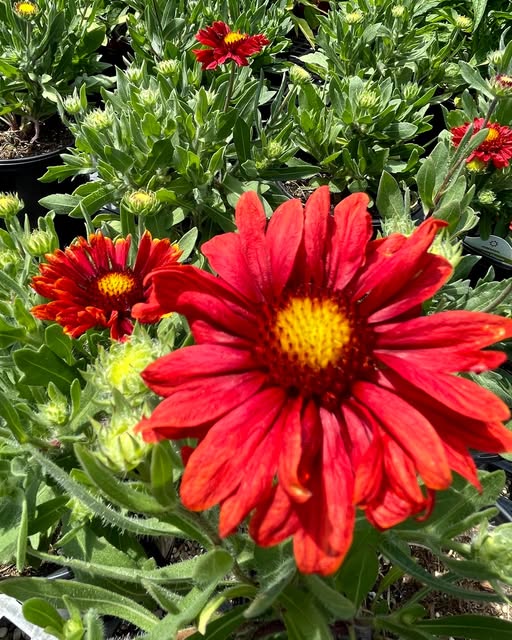
18. Blanket Flower
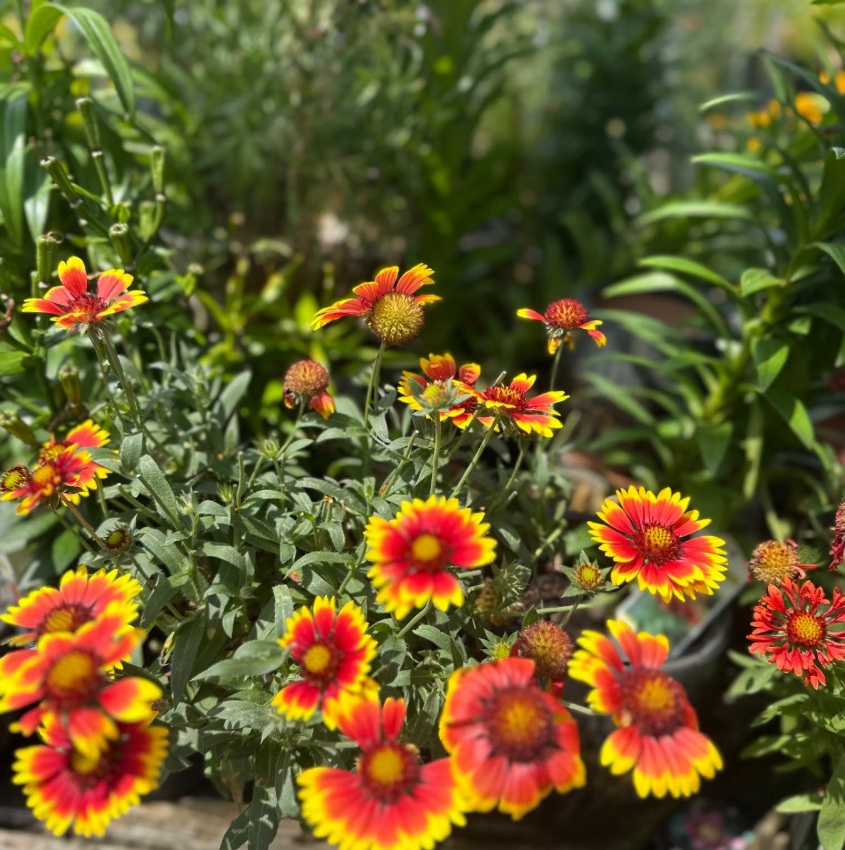
Blanket flower (Gaillardia) shows fiery red-and-yellow daisies for months. The leaves are slightly rough and hairy.
It thrives in heat, wind, and poor soil. Overwatering shortens its life.
Deadhead regularly for continuous color. Butterflies and bees visit it often.
19. Shasta Daisy
Shasta daisy (Leucanthemum x superbum) gives classic white petals around a yellow center. It is hardy in USDA zones 5 through 8, according to horticultural references.
Gardening sources report that rabbits tend to disdain it. It makes an excellent cut flower.
Plant it in full sun. Divide clumps every two or three years to keep them blooming strongly.
20. Cranesbill Geranium
Cranesbill geraniums are hardy perennials, not the pot geraniums sold as annuals. They produce saucer-shaped flowers in blue, pink, and purple.
The leaves carry a distinct scent that rabbits dislike. They also form neat, dense mounds.
They tolerate sun or partial shade. Cut them back after the main bloom to refresh the foliage.
ALSO READ: 25 Flowers Rabbits Can Eat Safely (And Those Not)
How to Protect Your Garden Beyond Plant Choice
Resistant plants help, but strategy matters just as much. Here is what university and wildlife experts recommend.
Use fencing. University of Maryland Extension says exclusion is the most effective management method when damage is significant. It recommends a small chicken wire fence, three to four feet tall, with one-inch holes.
Know how rabbits behave. Montana Fish, Wildlife & Parks notes that rabbits are not good climbers and do not ordinarily jump fences. Buried or bent-out fence bottoms can also help block digging.
Choose non-chemical methods first. Washington State University’s HortSense guide advises planting rabbit-resistant plants and fencing vulnerable gardens as first choices. It says fencing is most effective.
Be careful with repellents. Montana Fish, Wildlife & Parks reports that most chemical repellents have been less than satisfactory. They may help temporarily, but they should not be your only plan.
Plant away from cover. Maryland Extension also suggests keeping gardens far from forest edges. Remove brush piles and tall weeds where rabbits like to hide.
Try a decoy garden. The Connecticut Agricultural Experiment Station suggests growing plants rabbits prefer, well away from your main garden. The idea is to give them somewhere else to eat.
Mix your plants. The University of Florida recommends interplanting favorite plants with ones rabbits dislike. This may encourage rabbits to avoid the whole area.
Seasonal Tips That Make a Difference
Rabbits behave differently through the year. A few timing habits will save you effort.
In spring, protect new shoots and seedlings. Cover them with netting or small wire cages until they grow stronger.
In winter, watch your shrubs and young trees. University of Wisconsin Extension notes that rabbits eat the bark of woody plants in fall and winter. Tree guards or hardware cloth can prevent this damage.
A Note on Responsible Wildlife Control
If damage becomes severe, check local rules first. The New Hampshire Fish and Game Department, for example, says only licensed wildlife control operators may legally remove wildlife from properties.
Laws differ by state and country. Your local extension office or wildlife agency can explain what is allowed in your area.
Final Thoughts
A rabbit-resistant garden does not have to be dull. You can enjoy fragrant lavender, bright daffodils, tall foxglove, and cheerful coreopsis, all with far less worry about nibbling.
My advice is to start with a handful of reliable plants and watch how local rabbits respond. Every neighborhood is different, and a little patience goes a long way.
Combine smart planting with a simple fence, and you will see the difference. Your flowers can finally bloom in peace.
References
- University of Maryland Extension. Eastern Cottontail Rabbits in Gardens and Home Landscapes (FS-2024-0703). https://www.extension.umd.edu/resource/eastern-cottontail-rabbits-gardens-and-home-landscapes-fs-2024-0703
- University of Florida/IFAS Extension, Gardening Solutions. Rabbits. https://gardeningsolutions.ifas.ufl.edu/design/gardening-with-wildlife/rabbits/
- Washington State University Extension, HortSense. Vertebrate: Rabbits. https://hortsense.cahnrs.wsu.edu/fact-sheet/rabbits/
- University of Wisconsin-Madison Extension. Rabbit Ecology and Damage Management. https://hort.extension.wisc.edu/?p=1437
- Montana Fish, Wildlife & Parks. Living with Rabbits. https://fwp.mt.gov/conservation/living-with-wildlife/rabbits
- Connecticut Agricultural Experiment Station (State of Connecticut). Reducing Rabbit Damage in Connecticut. https://PORTAL.CT.GOV/-/media/caes/documents/publications/fact_sheets/forestry_and_horticulture/effectivenessofrabbitrepellentsinctfactsheetmarch2015pdfpdf.pdf
- New Hampshire Fish and Game Department. Nuisance Wildlife. https://www.wildlife.nh.gov/wildlife-and-habitat/nuisance-wildlife

Tim M Dave is a gardening expert with a passion for houseplants, particularly cacti and succulents. With a degree in plant biology from the University of California, Berkeley, he has vast experience in gardening. Over the years, he has cultivated a vast collection of desert plants and learned a great deal about how to grow and care for these unique companions.