15 Edible Cactus Types (Varieties You Can Eat Safety)
Cactus is not only a desert survivor. It is also food. People across the Americas have eaten cactus pads, fruits, flowers, and buds for thousands of years.
Today, interest is growing fast. Dragon fruit sits in supermarkets around the world, and nopales now appear on menus far beyond Mexico.
Still, I understand the hesitation. A cactus looks sharp and unfriendly. Some species taste bland, some are very spiny, and a few are protected by law.
This guide covers 15 edible cactus types, explaining which part to eat, how it tastes, and what to watch for.
One number shows how old this food tradition is. The University of Arizona Campus Arboretum reports that prickly pear cultivation began in Mexico at least 9,000 years ago.
Why Edible Cactus Is Worth Your Attention
Cactus is not a niche crop. A 2014 review of prickly pear research reports that Latin America harvests about 511,035 tons per year. That is more than half of the world’s production, and the fruit is now grown in over 30 countries.
The appeal is practical. Cacti need little water, they grow in poor soil, and they give food when other crops struggle. For dry regions, that matters a great deal.
There is also a flavor reason. Cactus fruits range from sweet to sour, and cactus pads work like a vegetable. One plant family gives you dessert, salad, and sauce.
Quick Nutrition Snapshot
Numbers help you set expectations. Cactus foods are light, hydrating, and gentle on calories.
| Food | Water | Key figures per 100 g |
| Raw nopales (USDA) | About 94% | 16 kcal, 2.2 g fiber, 164 mg calcium |
| White dragon fruit pulp (UF/IFAS) | 89% | 25 mg vitamin C, 6 mg calcium |
| Yellow pitaya pulp (UF/IFAS) | 85% | 10 mg calcium, 4 mg vitamin C |
One caution on calcium. Some researchers note that much of the calcium in nopal pads is bound as calcium oxalate, which the body may not absorb well. Treat cactus as a useful vegetable, not a calcium supplement.
The 15 Best Edible Cactus Types
1. Nopal or Indian Fig Prickly Pear (Opuntia ficus-indica)
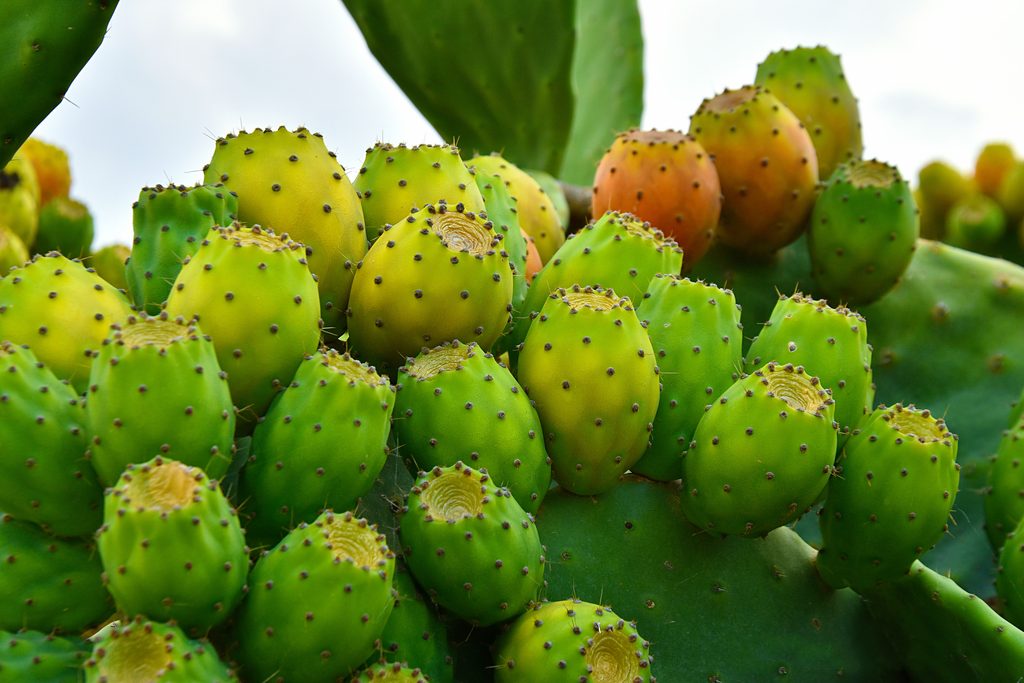
This is the most widely eaten cactus in the world. Its flat green pads are called nopales, and its fruits are called tunas. Mexican cooks use both every day.
The University of Arizona Campus Arboretum says this name covers hundreds of cultivated hybrids. Once the glochids are peeled off, the pads taste a little like green beans. The fruit is watery and lightly sweet.
The nutrition is modest but useful. USDA data list raw nopales at about 16 calories, 2.2 g of fiber, and 164 mg of calcium per 100 g. Young pads are most tender in spring.
The plant grows best in USDA zones 9 to 12. Pads planted in the ground can fruit within 1 to 2 years. In my view, this is the best first cactus for any beginner.
2. Eastern Prickly Pear (Opuntia humifusa)
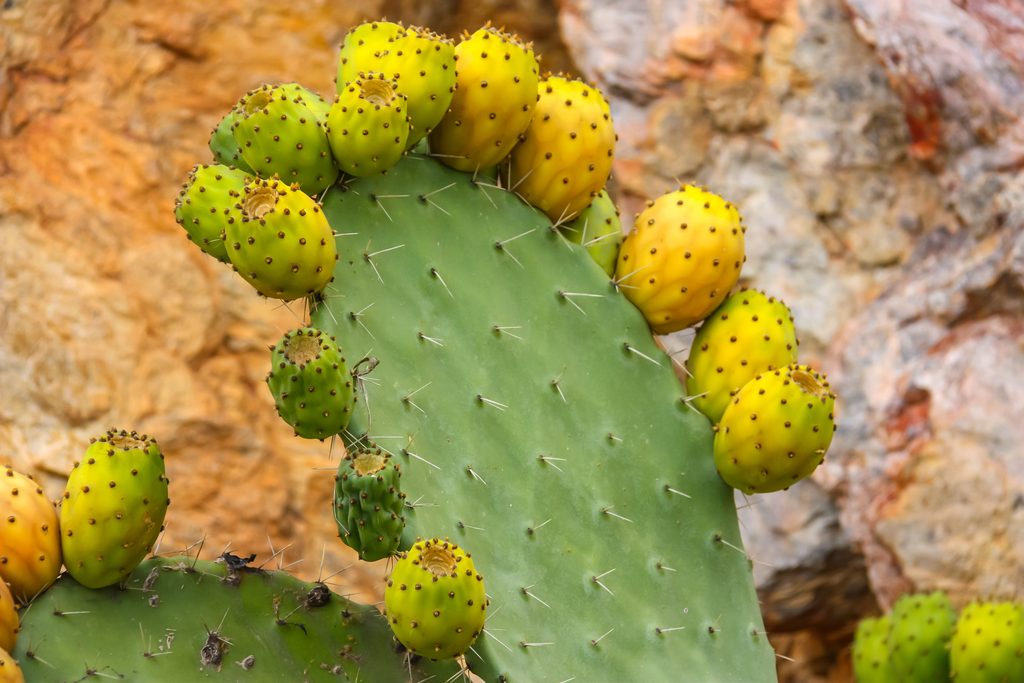
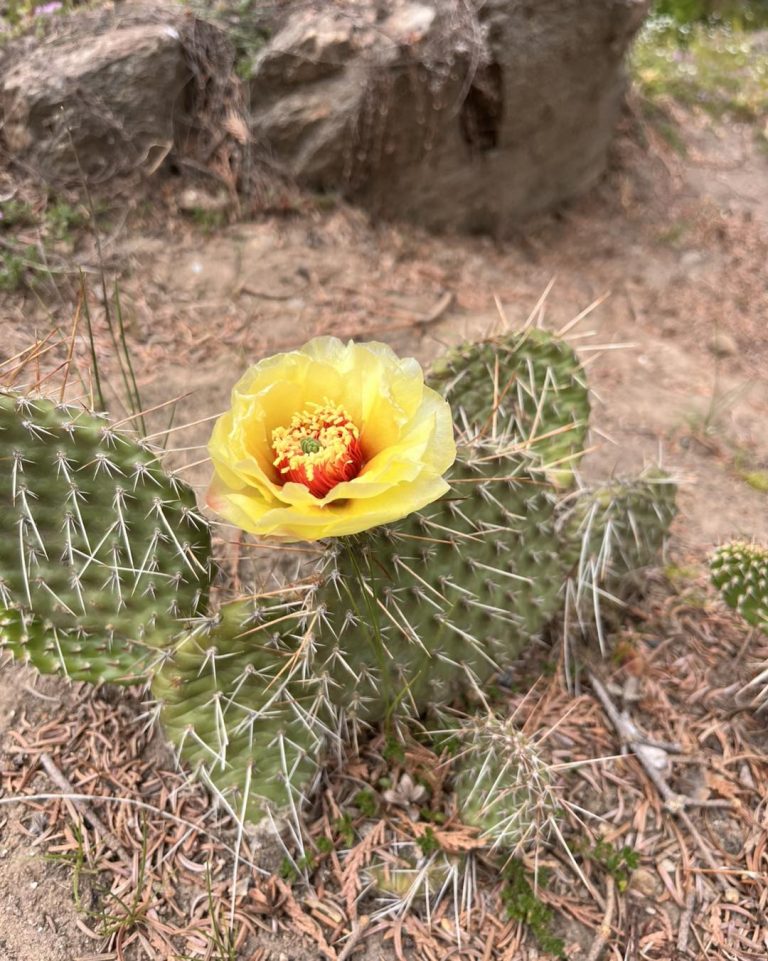
Not every cactus needs a desert. Eastern prickly pear is native to the eastern United States and handles cold well. NC State Extension lists it for USDA zones 4 to 9.
The pads can be eaten raw or cooked, after you remove the bristles. The fruit ripens from green to red or purple in late summer. NC State says the flavor can be bland, sour, or sweet.
People use the fruit to make candy and jam. It is a small fruit, so expect a snack, not a harvest.
The plant stays low, only 6 to 12 inches tall. That makes it a friendly choice for northern gardeners. Wear gloves, because the fine bristles cause irritation.
ALSO READ: Opuntia Flowering Cycle: When Do Prickly Pear Cactus Bloom?
3. Engelmann’s Prickly Pear (Opuntia engelmannii)
This is the common desert prickly pear of the American Southwest. The National Park Service calls it the most common prickly pear at Organ Pipe Cactus National Monument.
Harvesters cut the pads, remove the spines, and slice them to eat raw or cooked. The fruit, called tuna, turns magenta when ripe. It is popular in jams, jellies, candy, and drinks.
The plant is usually waist-high or lower, but it can pass 6 feet (2 m). Its spines include glochids, so handle it with care.
Because it is so common, I see it as a good teacher. Practice your cleaning skills here before you try more difficult species.
4. Xoconostle or Sour Prickly Pear (Opuntia matudae)
Xoconostle is the sour cousin of the sweet tuna. The name comes from the Nahuatl word xococ, which means sour. It is a different taste experience from the sweet red fruit you may know.
The fruit is pear-shaped and has a small seed cavity in the center. Cooks add it to salsas and to the traditional Mexican stew sauce called mole de olla.
It is available from late summer through autumn. Specialty produce growers say the whole fruit keeps up to five days in the refrigerator.
I like it as a natural souring ingredient. Use it in drinks, jams, or sauces where you might otherwise use lime.
5. White-Fleshed Dragon Fruit (Hylocereus undatus)
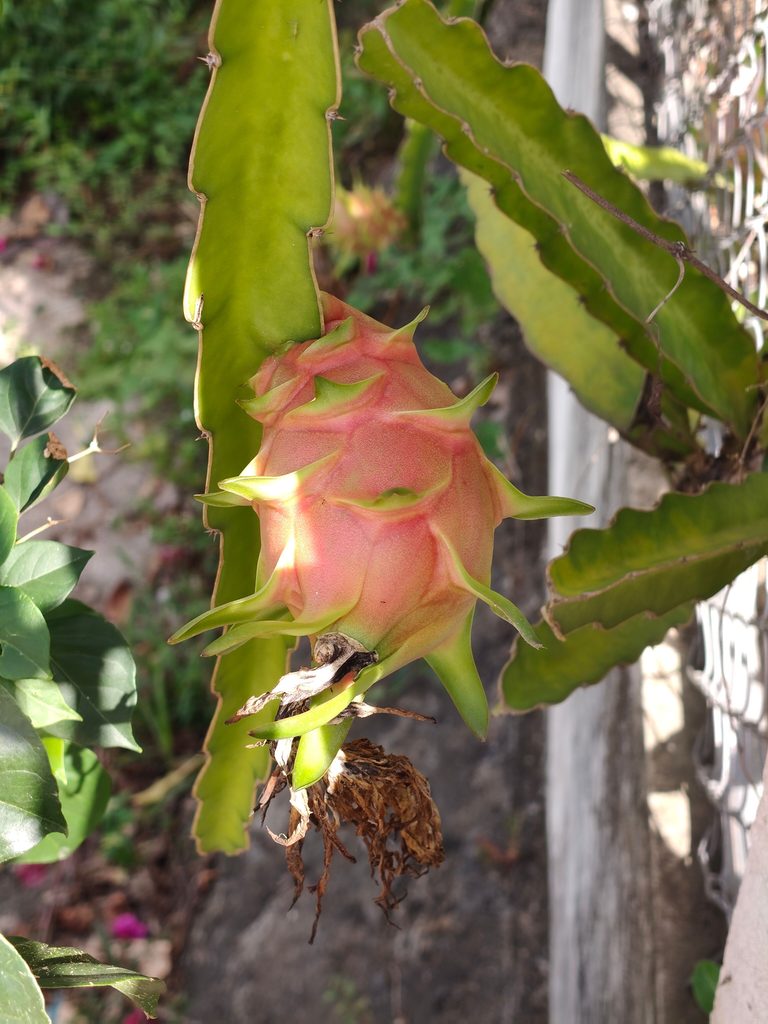
Many people do not realize that dragon fruit is a cactus. It is a vine-like climber that grows on trellises. UF/IFAS reports that it has become the most important export fruit of Vietnam.
The fruit is a berry about 4.5 inches (11 cm) thick. It has a red peel and white pulp dotted with tiny black seeds. UF lists its water content at 89 percent and vitamin C at about 25 mg per 100 g.
UF/IFAS says plants 3 to 4 years old may produce about 220 lb (100 kg) of fruit per year. A planting can last around 20 years.
Ripe fruit keeps 4 to 5 days at room temperature, or several weeks in the refrigerator in plastic bags. Even the unopened flower buds can be cooked as a vegetable.
READ MORE ON: 20 Popular Types of Dragon Fruit: Every Variety Worth Knowing, With Photos
6. Red-Fleshed Pitaya (Hylocereus costaricensis)
Red pitaya has a red peel and red pulp, according to UF/IFAS. Sliced open, it makes a deep pink bowl that looks almost unreal on the table.
Growers should know one detail. UF/IFAS notes that many pitaya cultivars cannot pollinate themselves. Plant two or three different genetic types to improve fruit set and size. Hand pollination at night also works.
Most pitaya is eaten fresh. The frozen pulp is used for ice cream, yogurt, jelly, and juice.
Plants grown from stem cuttings can produce fruit 6 to 9 months after planting. I find the flavor usually milder than the color promises, which is part of its charm.
7. Yellow Pitaya (Selenicereus megalanthus)
Yellow pitaya has a yellow peel and white pulp. UF/IFAS lists it in its pitaya table under an older name, Hylocereus megalanthus. Colombian growers call it pitaya amarilla.
Compared with white dragon fruit, its numbers differ. UF lists about 85 percent water, 10 mg of calcium, and 4 mg of vitamin C per 100 g.
Many pitayas are thorny, and thorny fruit is harder to pick. UF/IFAS recommends leather gloves and long sleeves for harvest.
Use hand clippers to remove the fruit and cut the stem flush with the skin. Only pick well-colored, mature fruit.
8. Saguaro (Carnegiea gigantea)
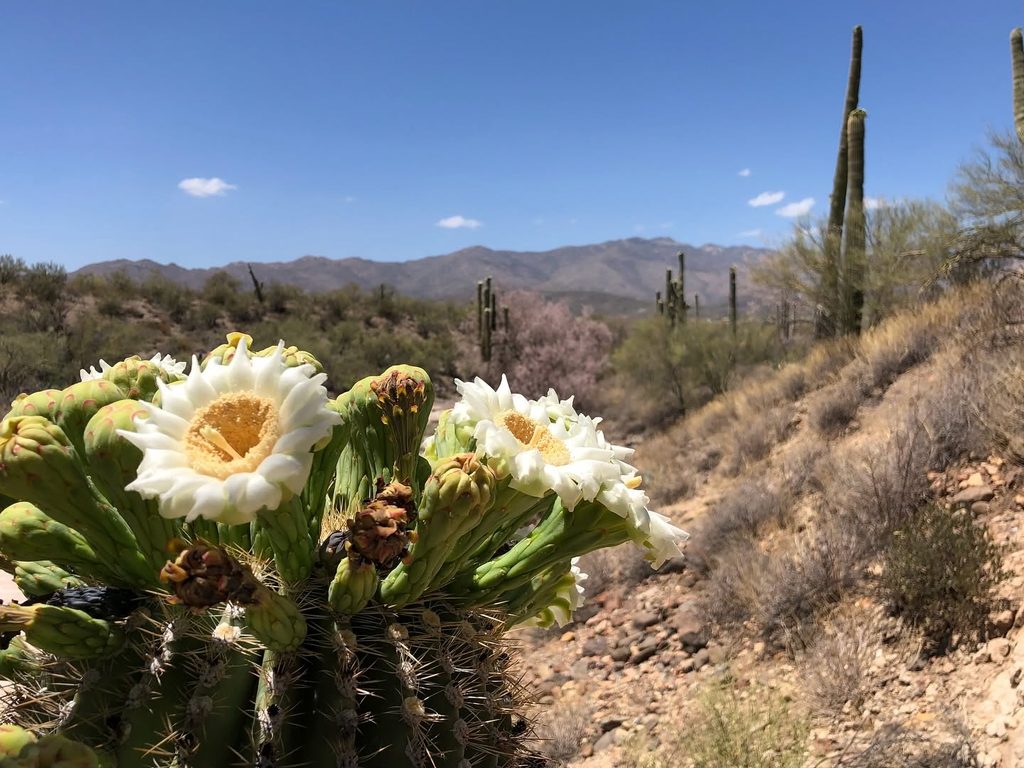
Saguaro fruit is a cornerstone of Sonoran Desert food culture. The National Park Service explains that the Tohono O’odham calendar is built around the harvest of the ripe fruit, called bahidaj.
The fruit ripens in July, as the desert reaches its hottest and driest point. The Desert Botanical Garden reports that one saguaro can produce about 150 fruits, each holding up to 3,500 seeds. The pulp is very sweet and can be eaten raw, cooked into syrup or jam, or dried into cakes.
The plant is extremely slow. The NPS says saguaros flower for the first time at about 65 years and grow their first arms at around 90.
Because of this age and cultural value, never pick wild saguaro fruit without permission. Harvest rules vary by location, and Indigenous harvest is a long-standing tradition.
ALSO READ: Are Saguaro Cactus Protected? What to Know
9. Organ Pipe Cactus (Stenocereus thurberi)
In Mexico, this cactus is called pitayo dulce, which means “sweet cactus.” The University of Arizona Campus Arboretum describes the fruit as extremely sweet and juicy, with a flavor like watermelon.
The Tohono O’odham have harvested the fruit for centuries. They make jams, fruit leather, syrups, juice, and wine. The mashed seeds produce an oily paste that can be used much like butter.
The fruit is round, thin-skinned, reddish, and covered in small spines, according to the NPS. Take care when you pick it.
This cactus is very slow. It blooms for the first time at about 35 years old, and it only survives down to about 25°F (-4°C). Gardeners in cold areas should grow it in pots.
10. Cardón (Pachycereus pringlei)
Cardón is a giant. The University of Arizona records one specimen at 63 feet (19 m), the tallest known cactus in the world. Most mature plants reach 20 to 30 feet.
The fruit is a round red berry about 2 inches wide. Virginia Tech’s dendrology fact sheet describes the flesh as bright red and edible, with short tan spines on the skin.
The San Diego Natural History Museum notes that native peoples used the fruit as a staple. They ground the seeds into a fine flour called pinole and made juice by pouring water through the ground fruit.
You will rarely see cardón fruit in shops. It is mostly eaten where the plant grows, in Baja California and Sonora. I count that as part of its appeal.
11. Cholla Buds (Cylindropuntia species)
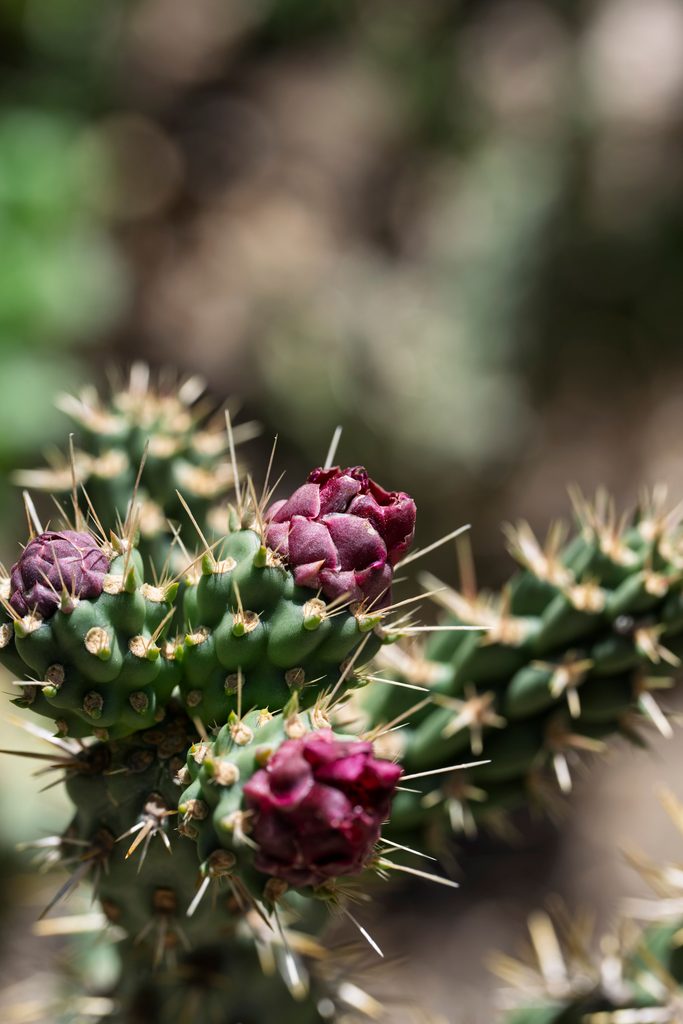
With cholla, people eat the unopened flower buds. The Tohono O’odham call them ciolim. Harvest typically begins in April, according to desert forager Brad Lancaster.
Preparation takes patience. Remove the spines, then boil the buds for 10 to 20 minutes and drain the water. Arizona Public Media reports that cholla buds contain oxalic acid, and that olive-green buds are ready to eat.
Cooks add the buds to salads, sauté them, or pickle them. Lancaster’s rule is clear: do not take more than one-third of the buds from any plant.
The fruit is a different story. The NPS says chain fruit cholla fruit is dry and not favored, though it is very high in calcium. The O’odham ate it during food shortages.
12. Arizona Barrel Cactus (Ferocactus wislizeni)
The barrel cactus is easy to recognize. It is barrel-shaped, usually 3 to 5 feet (1 to 1.5 m) tall, with heavy hooked spines. The NPS notes that these spines were used as fishhooks.
The edible part is the fruit. The NPS says the fruits are yellow and are sought out by both animals and humans.
Writers in Mexico describe a pineapple-like fruit that can ferment as it ripens. It is sometimes called guamiche, or “drunken fruit.”
I would treat this cactus as a fruit-only food. Do not cut into the plant. It grows slowly, and wild plants may be protected where you live, so check local rules first.
13. Hedgehog Cactus (Echinocereus species)
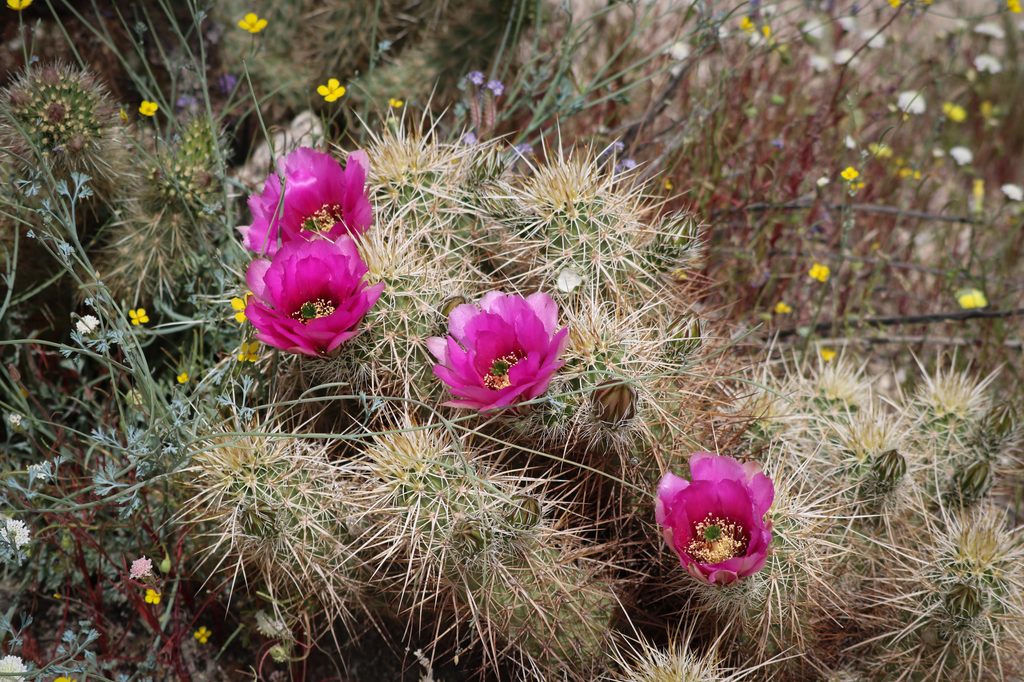
Hedgehog cacti are small and beautiful. The NPS describes them as plants with large blooms and edible fruit. They grow only 3 to 12 inches (8 to 30 cm) tall.
The fruits are typically red to purple. Many species grow in rocky places with full sun, and gardeners often keep them as hardy ornamentals.
Some species are called “strawberry cactus” in the nursery trade. Each plant gives only a few small fruits, so you will get a taste, not a meal.
My advice is simple. Enjoy a fruit or two, and leave the rest for birds and desert animals.
14. Garambullo or Bilberry Cactus (Myrtillocactus geometrizans)
Garambullo is a tall, branching cactus that can reach 15 feet. It makes small, round, dark red to purple fruits that look like blueberries or currants.
In Mexico and Guatemala, the fruit is sold fresh or dried. Dried garambullos look like raisins. Cooks also make jams, gelatins, and liqueurs from the fruit.
A 2018 paper in the journal Agronomy describes the fruit as an important source of betalains, polyphenols, and vitamin C. Betalains are natural pigments that give the fruit its deep color.
The plant is hardy to about 25°F (-4°C). Even its flowers are reported to be edible.
15. Peruvian Apple Cactus (Cereus repandus)
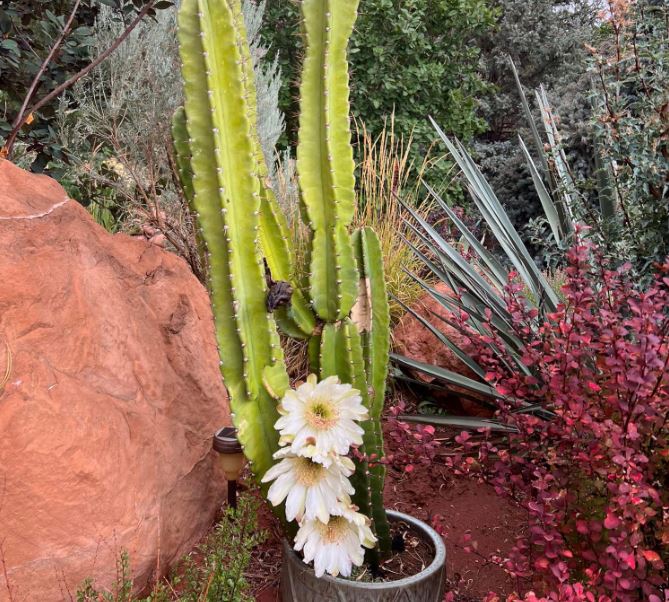
This tall columnar cactus comes from South America. Its fruit is smooth and thornless, with red, purple, or yellow skin. The flesh is white and filled with small, crunchy seeds.
The flavor is mild, lightly sweet, and refreshing. Many growers compare it to dragon fruit. A University of Arizona extension horticulture agent confirms that the fruit is edible.
The same source warns that frost damages the growing tips. The Port St. Lucie Botanical Garden lists it for zones 9a to 11, with a height of 15 to 30 feet.
The large flowers open for just one night. If few night pollinators visit, you may need to pollinate by hand.
Before You Eat Any Cactus: 5 Safety Rules
Please read these rules first. They are short, and they will save you pain.
- Identify the plant with certainty. “Edible” does not mean “tasty,” and it does not mean “safe for every species.” Never eat a cactus you cannot name. Ask a local botanist or extension office if you are unsure.
- Remove spines and glochids. Glochids are tiny barbed hairs on prickly pears and chollas. NC State Extension warns that they can irritate the skin and cause contact dermatitis. Use tongs and thick gloves.
- Harvest legally and sustainably. Some wild cacti are protected, and many grow on public or tribal land. Ask permission first. Take only a small share so wildlife and the plant can recover.
- Start with a small portion. Cactus pads contain a slippery fiber called mucilage. A new food can upset the stomach, so try a few bites before a full plate.
- Talk to your doctor if you manage blood sugar. Some studies suggest prickly pear may lower blood sugar. If you take diabetes medicine, ask your doctor before eating large amounts.
Quick Comparison: Which Cactus Should You Try First?
| Cactus | Edible part | Taste | Difficulty |
| Nopal | Pads, fruit | Green bean, mildly sweet | Easy |
| Eastern prickly pear | Pads, fruit | Bland to sweet | Easy |
| Engelmann’s prickly pear | Pads, fruit | Mild, sweet fruit | Medium |
| Xoconostle | Fruit | Sour | Easy |
| White dragon fruit | Fruit, buds | Mild, juicy | Easy |
| Red pitaya | Fruit | Mild, sweet | Easy |
| Yellow pitaya | Fruit | Sweet | Medium (thorns) |
| Saguaro | Fruit | Very sweet | Restricted |
| Organ pipe | Fruit | Watermelon-like | Hard |
| Cardón | Fruit | Sweet | Hard |
| Cholla | Flower buds | Savory, green | Hard (spines) |
| Barrel cactus | Fruit | Tangy | Hard |
| Hedgehog cactus | Fruit | Sweet, small | Medium |
| Garambullo | Fruit | Berry-like | Easy |
| Peruvian apple | Fruit | Mild, crunchy | Easy |
How to Clean and Prepare Cactus Safely
Preparation decides whether you enjoy cactus or fight it. Follow these steps for pads.
Step 1: Protect your hands. Wear thick gloves and hold the pad with tongs.
Step 2: Scrape off the spines. Use a knife blade, moving away from your body. Trim the thick edge and the base.
Step 3: Rinse and slice. Cut the pad into strips or cubes, and rinse well under cold water.
Step 4: Cook to taste. Boil, grill, sauté, or pickle the pieces. Grilling or searing helps reduce the slippery texture.
For fruit, cut off both ends, slice the skin lengthwise, and peel it away. Wear gloves for this step too.
ALSO READ: 35 Flowering Cactus Varieties (With Pictures, and Growing Details)
Simple Ways to Eat Cactus at Home
You do not need a special recipe. Start with ideas you already know.
- Nopales: Dice the cleaned pads and cook them with eggs, onion, and tomato. Or grill whole pads and serve them as a side dish.
- Prickly pear fruit: Blend the pulp, strain out the seeds, and mix the juice with lime. It also makes a good jam or syrup.
- Dragon fruit: Cut it in half and scoop out the pulp with a spoon. Add it to yogurt or a fruit salad.
- Xoconostle: Chop the sour fruit into salsa, or simmer it in a sauce where you would normally add lime.
- Cholla buds: Boil, drain, and toss with olive oil, salt, and a little chili. Treat them like a pickled vegetable.
Frequently Asked Questions
Are all cacti edible? No. Many cacti make edible fruit, but taste and safety vary, and some are protected. Never eat a plant you cannot identify.
Can you eat cactus pads raw? Yes, once the glochids are removed. NC State and the University of Arizona both note that pads can be eaten raw or cooked.
Where can I buy edible cactus? Look for nopales in Latin American grocery stores, farmers’ markets, and some supermarkets. Dragon fruit is common in large supermarkets.
Is cactus healthy? It is low in calories and gives fiber and calcium. Early research on prickly pear is promising, but more human studies are needed.
Final Thoughts
Edible cacti are more varied than most people expect. You can start with dragon fruit from the supermarket, move on to nopales, and then explore sour xoconostle or wild desert fruits.
My simple advice is to begin small. Learn the cleaning method, respect protected plants, and enjoy each new flavor.
Cactus has fed people for thousands of years. With a little care, it can feed you, too.
References
- University of Florida IFAS Extension. Pitaya (Dragonfruit) Growing in the Florida Home Landscape. https://ask.ifas.ufl.edu/publication/HS303
- University of Arizona Campus Arboretum. Opuntia ficus-indica. https://apps.cals.arizona.edu/arboretum/taxon.aspx?id=891
- University of Arizona Campus Arboretum. Stenocereus thurberi (organ pipe cactus). https://apps.cals.arizona.edu/arboretum/taxon.aspx?id=425
- University of Arizona Campus Arboretum. Pachycereus pringlei (cardón). https://apps.cals.arizona.edu/arboretum/taxon.aspx?id=28
- NC State Extension. Opuntia humifusa (Eastern Prickly Pear Cactus), Plant Toolbox. https://plants.ces.ncsu.edu/plants/opuntia-humifusa/
- National Park Service. Cacti, Organ Pipe Cactus National Monument. https://www.nps.gov/orpi/learn/nature/cacti.htm
- National Park Service. Ajo Mountain Drive Stop 3: A Sonoran Desert Icon. https://www.nps.gov/places/ajo-mountain-drive-stop-3.htm

Tim M Dave is a gardening expert with a passion for houseplants, particularly cacti and succulents. With a degree in plant biology from the University of California, Berkeley, he has vast experience in gardening. Over the years, he has cultivated a vast collection of desert plants and learned a great deal about how to grow and care for these unique companions.