25 Flowers Rabbits Can Eat Safely (And Those Not)
Many rabbit owners ask me the same question. “Can my bunny eat the flowers in my garden?” The short answer is yes, but only some of them.
Flowers can be a healthy, fun treat for your rabbit. They add variety, scent, and natural foraging fun. The wrong flower, however, can make your pet very sick.
This guide covers 25 flowers that rabbits can eat. It also explains how to serve them, how much to give, and which blooms to avoid.
Can Rabbits Eat Flowers?
Yes, rabbits can eat many flowers. In the wild, rabbits graze on grasses, leaves, and flowering plants. Safe blooms are a natural part of that diet.
Flowers should only be a treat, though. Hay is the foundation of a rabbit’s diet. Purdue Extension advises that fresh grass hay and vegetables should make up the bulk of a house rabbit’s food. It also notes that 2 to 4 cups of fresh vegetables daily suit most rabbits, depending on size.
Veterinary guidance from the Royal Veterinary College in London goes further. It says good-quality hay or grass should make up about 75 to 80 percent of the diet. Flowers belong in the small “extras” portion.
Think of flowers as a garnish. A few blooms a day are enough.
25 Flowers That Rabbits Can Eat
The flowers below appear on safe lists from veterinary and rabbit welfare sources. I have added notes where the evidence is thinner or where extra care is needed.
1. Roses
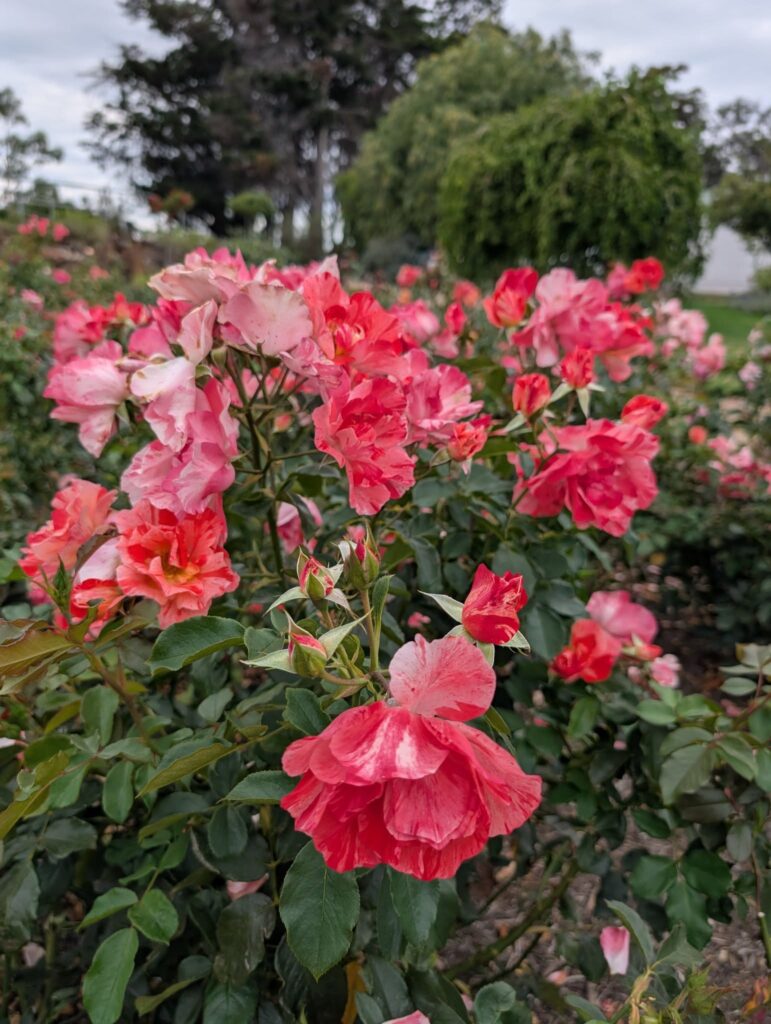
Roses are one of the most popular flowers for rabbits. Most rabbits love the soft petals. They are sweet, fragrant, and easy to find.
Offer the petals and, if you like, the leaves. Always remove the thorny stems. Thorns can scratch your rabbit’s mouth.
Only use roses that you grew without sprays. Florist roses are almost always treated with chemicals. I would never feed those.
2. Nasturtiums
Nasturtiums are a favorite among rabbit keepers. Both the flowers and the leaves are safe. The Royal Veterinary College lists them among safe garden plants.
The blooms have a mild, peppery taste. Many rabbits enjoy this change from bland hay. Orange and yellow flowers tend to disappear fastest.
They are also easy to grow. A pot on your balcony can supply treats all summer.
3. Pansies

Pansies are gentle, colorful, and widely listed as rabbit-safe. They make a pretty treat for a special day. Rabbits usually nibble the whole flower head.
The flavor is soft and slightly sweet. Even fussy rabbits often accept them.
Buy pansy plants only from sellers who confirm they are untreated. Otherwise, grow them from seed in your own pot.
4. Calendula (Pot Marigold)
Calendula is a cheerful orange or yellow flower. It is one of the best choices for rabbits. Rabbit keepers often grow it for this reason.
The petals are safe and easy to digest. Some owners also dry them and add them to hay mixes. Dried petals keep well for winter.
Do not confuse calendula with other “marigold” plants that are not safe. Check the Latin name, Calendula officinalis, before you buy seeds.
5. Marigolds
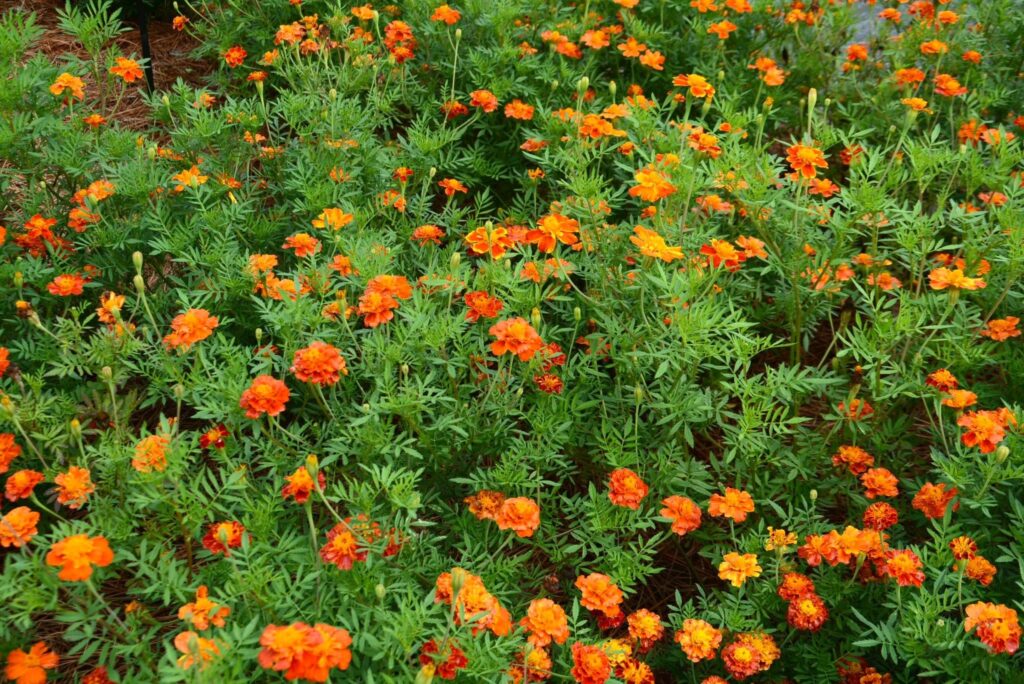
Common garden marigolds appear on many rabbit-safe lists. Rabbits tend to enjoy the bright petals. Both French and African types are often mentioned.
Use only a small amount. The smell is strong, and some rabbits dislike it. If your bunny refuses, do not force it.
Check that the flowers have never been sprayed. Marigolds are often treated in garden centers because they sell so well.
6. Sunflowers
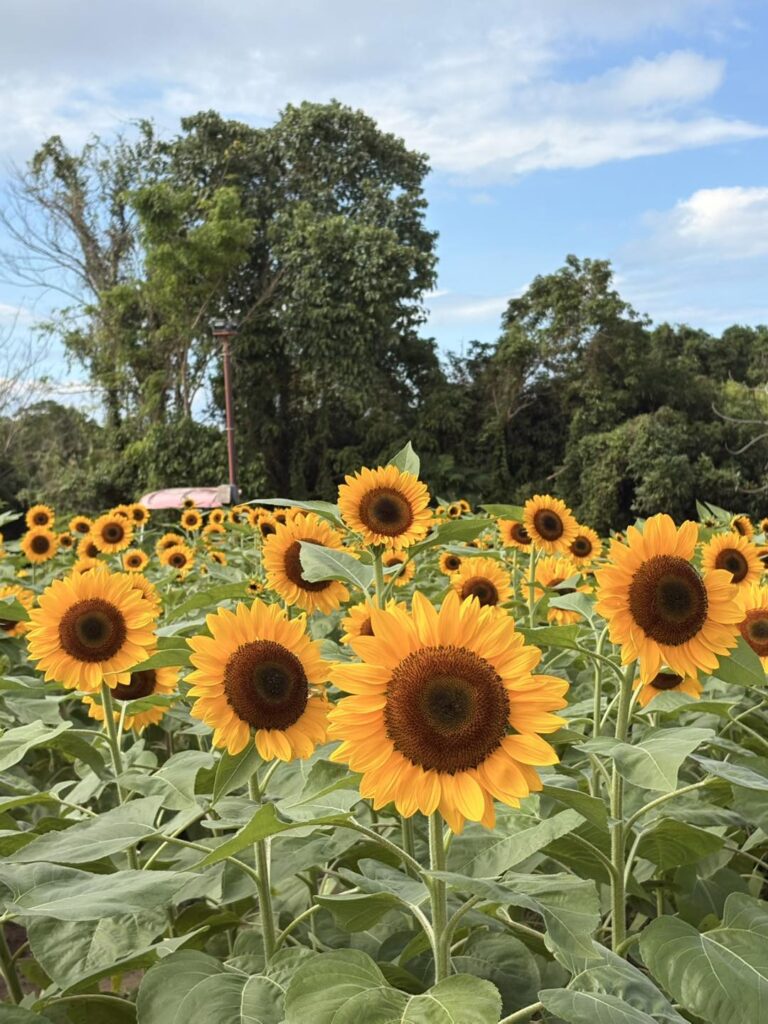
Sunflowers are large, simple, and rabbit-friendly. The petals, young leaves, and even the flower head are safe to nibble. Many rabbits enjoy shredding the soft parts.
Seeds are different. They are high in fat. A few seeds are fine, but too many can upset the gut and add weight.
Let your rabbit enjoy the petals instead. It is a healthier treat.
7. Hibiscus
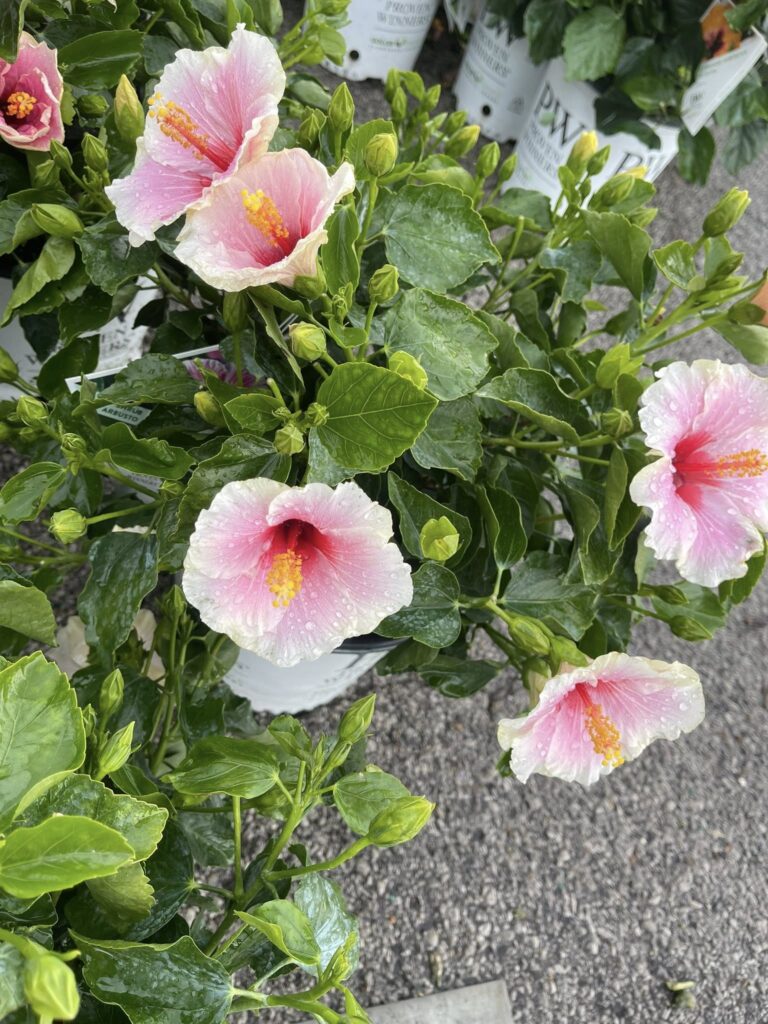
Hibiscus flowers are safe for rabbits and widely recommended. The big, soft petals are easy to chew. Leaves are also commonly offered.
I like hibiscus because it is rich in color and gentle on the stomach. Many rabbits eat it eagerly. It also grows well in warm climates, including much of East Africa.
Remove the center parts and give mostly petals. Wash everything well before serving.
8. Chamomile
Chamomile is a soft, daisy-like herb flower. Rabbits usually like the taste. It has a calming smell that many owners enjoy as well.
Offer fresh or dried flower heads. A small pinch of dried blooms mixed into hay works well. Fresh flowers can be given in small amounts.
Make sure you have true chamomile. Some wild flowers look similar but are not safe.
9. Dandelions
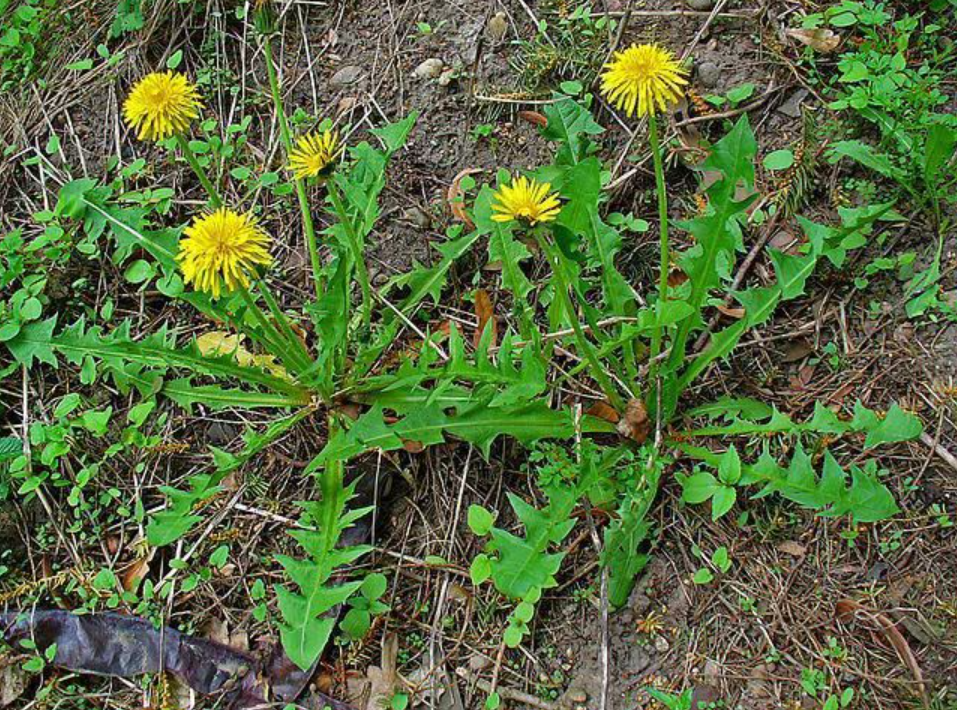
Dandelions are probably the most natural rabbit treat. The yellow flowers, leaves, and stems are all safe. Rabbits in the wild eat them daily.
They are also free. A clean patch of lawn can supply a lot of food. The key word is clean.
Never pick dandelions near roads or from lawns treated with weed killer. University of Minnesota Extension gives the same warning about weeds that may have been sprayed.
10. Clover
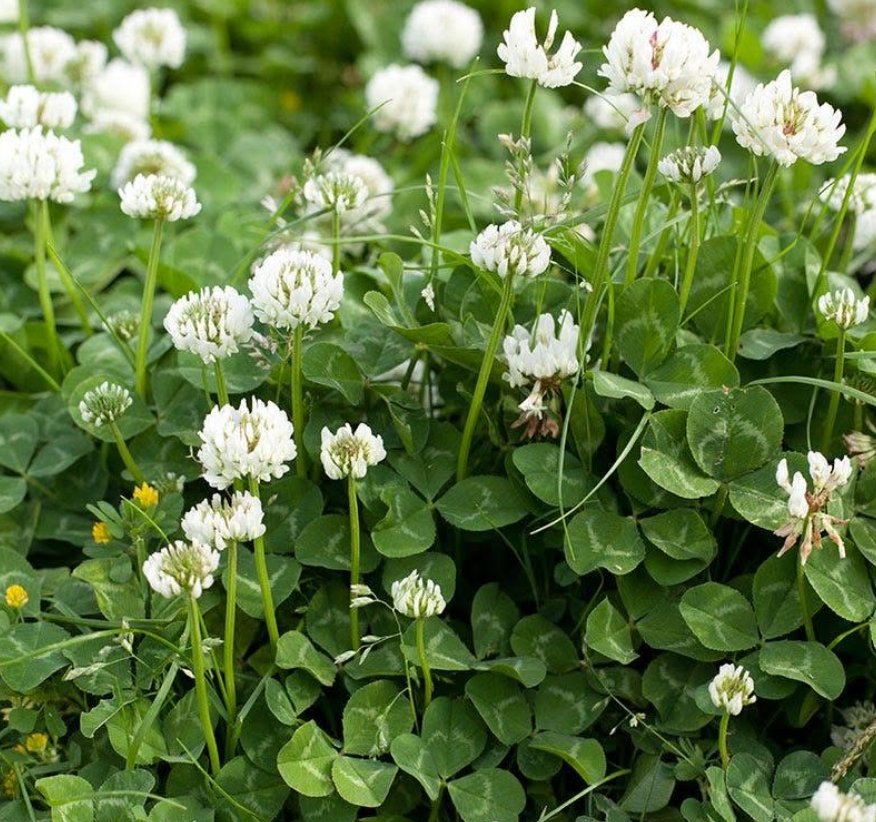
Clover flowers and leaves are safe and popular. The Royal Veterinary College names clover leaves and flowers among rabbit-safe plants. Both red and white clover are commonly used.
Rabbits find the blooms sweet and soft. You can pick them fresh in a pesticide-free garden.
Offer them in small amounts. Clover is rich, and too much may cause loose droppings.
11. Borage
Borage has pretty blue, star-shaped flowers. Rabbit-safe food lists include borage leaves and flowers. The leaves are slightly hairy, but most rabbits do not mind.
The flowers have a cool, fresh taste. They look lovely scattered over a salad of leafy greens.
Borage grows fast and spreads easily. One plant can feed a rabbit for weeks.
12. Cornflowers (Bachelor’s Buttons)
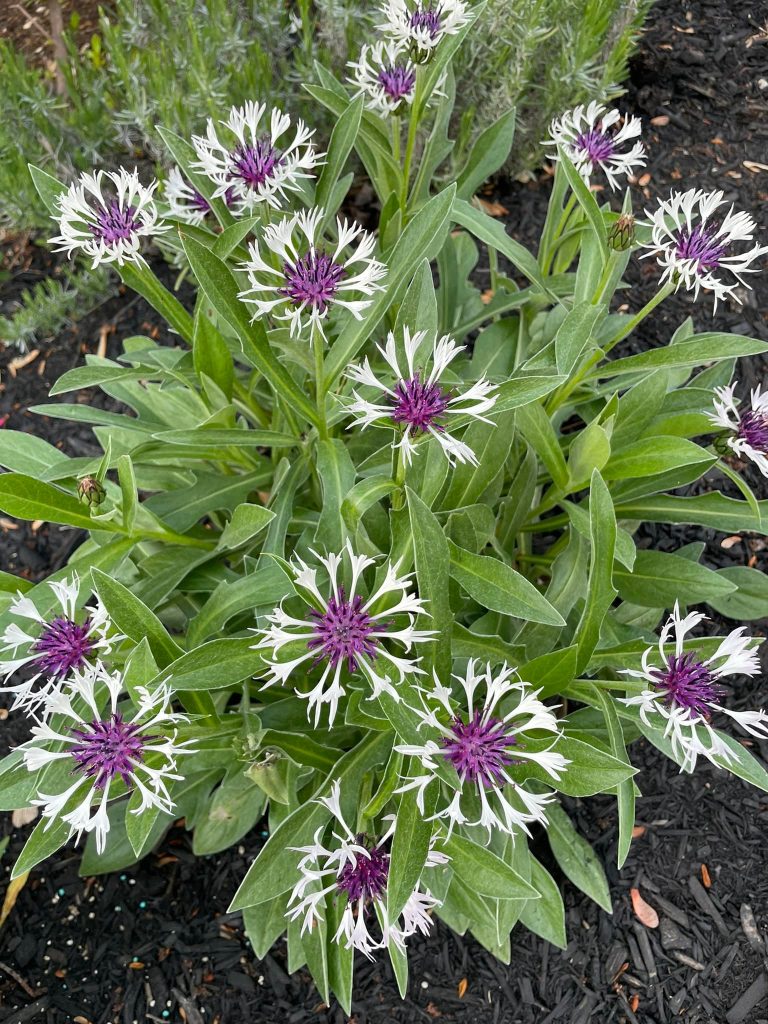
Cornflowers are bright blue and widely grown. University of Minnesota Extension lists bachelor’s button as an edible flower. Rabbit keepers also commonly feed it.
The petals are mild and soft. Rabbits tend to eat them without fuss.
Because these are annuals, you can sow fresh seed every spring. Keep them away from garden chemicals.
13. Asters
Asters are daisy-like flowers in purple, pink, and white. They appear on several rabbit-safe flower lists. Rabbits can eat the blooms in small amounts.
Be careful with names. “Aster” is sometimes used loosely for other daisy-type flowers. Confirm the exact plant before you feed it.
If you are unsure, skip it. There are plenty of safer choices on this list.
14. Carnations
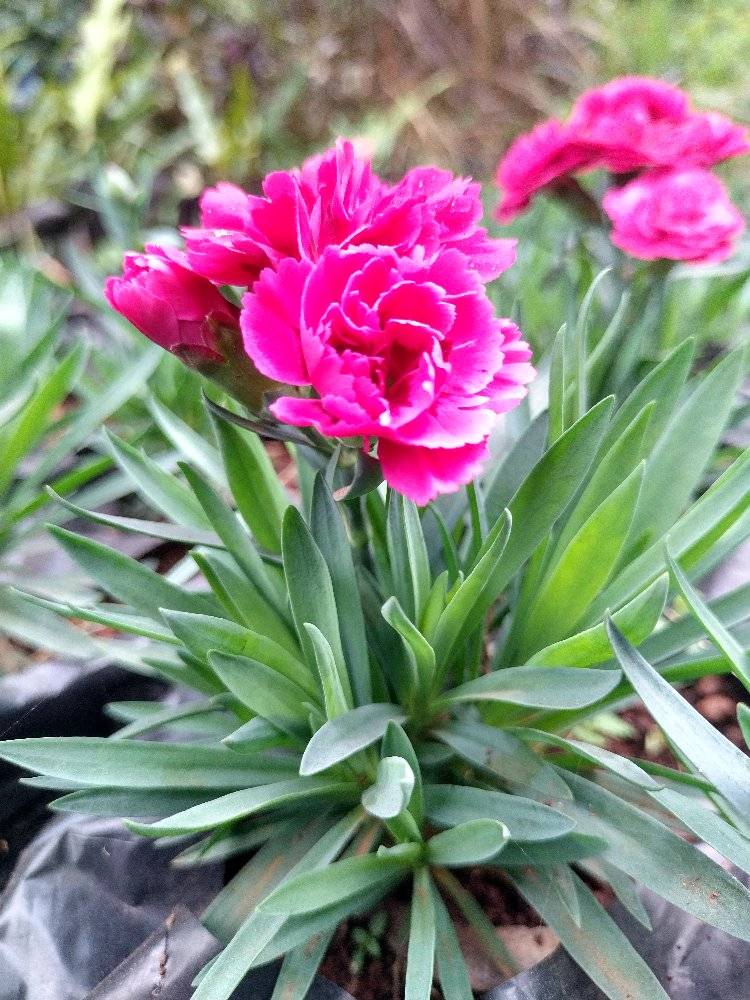
Carnations are a common bouquet flower. Many rabbit guides list the petals as safe. They have a light, spicy scent.
The problem is where you buy them. Florist carnations are usually sprayed and dyed. Do not feed those to your rabbit.
Grow them yourself if you want to use them. Then you know exactly what touched the plant.
ALSO READ: Are Carnations Toxic to Cats?
15. Geraniums
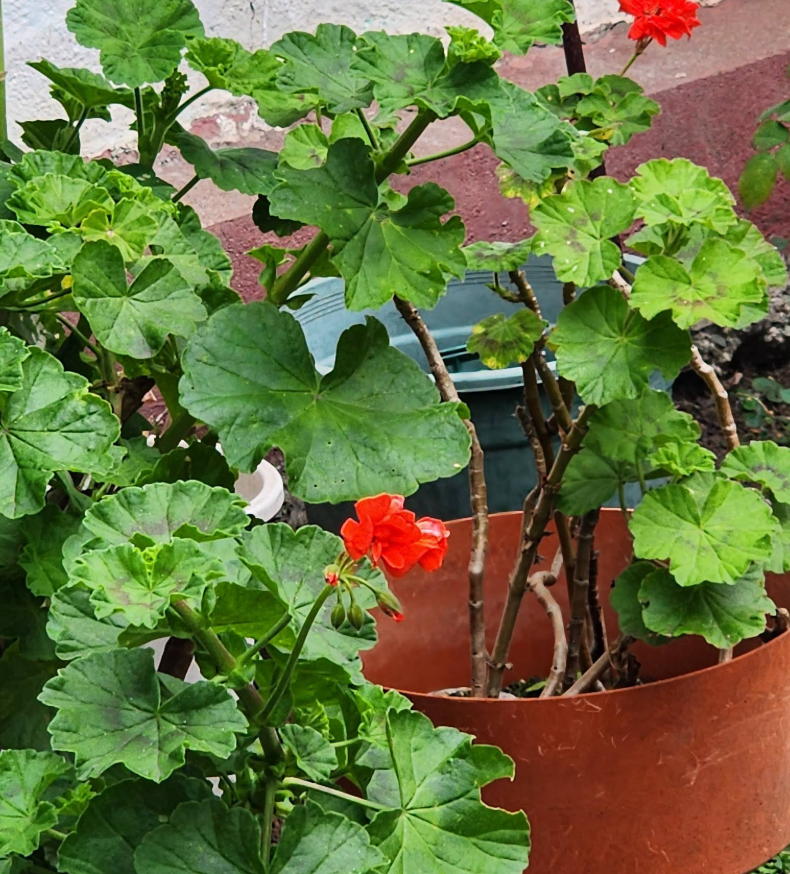
Garden geraniums appear on safe lists for rabbits. The flowers and leaves are both mentioned. Rabbits often like the scented varieties.
Offer only a small amount at first. Strong-smelling leaves can upset sensitive stomachs.
Please note that “geranium” is a confusing name. True hardy geraniums and garden pelargoniums are different plants. Check with a vet if you are unsure about yours.
16. Hollyhocks
Hollyhocks are tall, old-fashioned garden flowers. They are listed as safe for rabbits in several guides. Both the blooms and soft leaves can be eaten.
The big, papery petals are easy to chew. Rabbits often find them tasty.
Hollyhocks are prone to pests, so growers often spray them. Make sure yours are untreated.
ALSO READ: 15 Weeds That Look Like Hollyhocks (Spot The Difference)
17. Violets
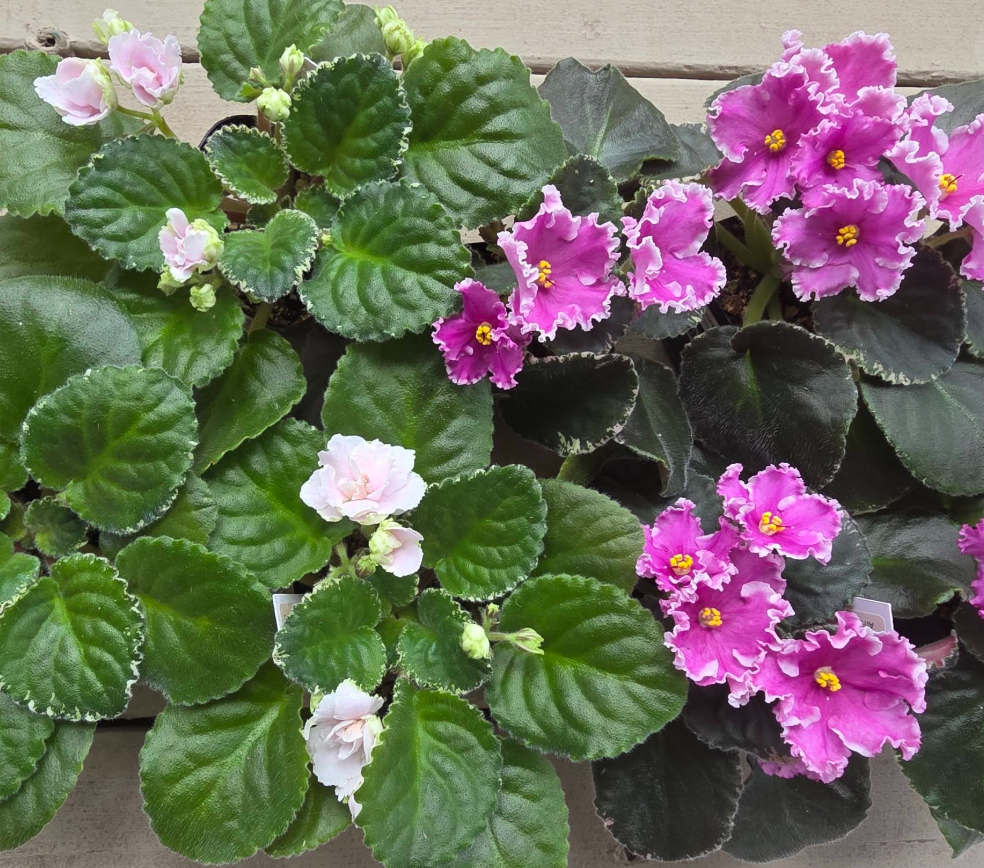
Violets are small and sweet. The flowers and leaves are safe for rabbits. Wild violets often grow in shady corners of the garden.
Rabbits enjoy the mild flavor. A few blooms make a delicate treat.
Do not mix them up with African violets. Those are a houseplant, and all houseplants should be treated as unsafe for rabbits unless you have confirmed otherwise.
18. Snapdragons
Snapdragons are colorful, spiky flowers that many gardeners love. They are commonly considered non-toxic to pets. Some rabbit keepers offer the blooms as a rare treat.
I would put snapdragons in the “less documented” group. Evidence on rabbits specifically is thinner than for roses or nasturtiums. Go slowly.
Offer one flower and watch your pet for a full day.
19. Zucchini (Courgette) Blossoms
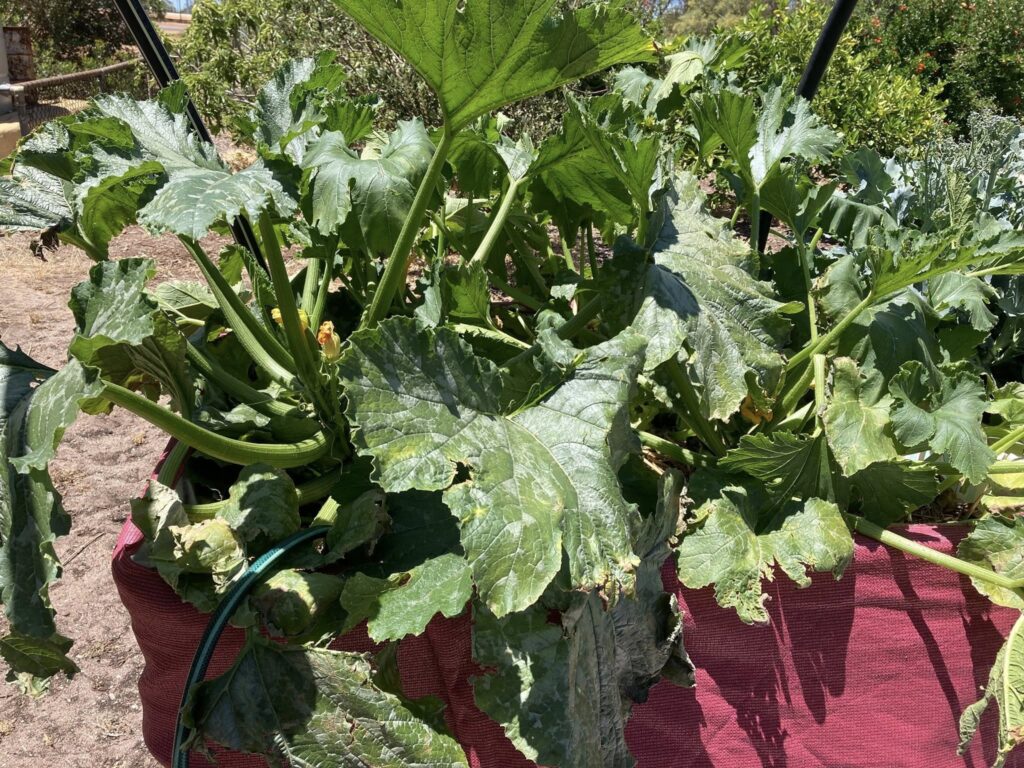
Zucchini flowers are a real treat. The Royal Veterinary College lists courgette flowers as safe for rabbits. They are soft, large, and juicy.
Rabbits tend to love them. Pick the male flowers, which grow on thin stems. This way, you do not reduce your harvest.
The flowers wilt quickly. Feed them fresh on the day you pick them.
20. Lavender
Lavender is fragrant and widely grown. Rabbit keepers often use it in small amounts. Some owners add dried buds to hay for scent and interest.
It is strong, so moderation is essential. A few buds are plenty. Too much may upset the stomach.
Like snapdragons, lavender belongs in the “go slowly” group. Never use lavender oil or scented products near your rabbit.
21. Cosmos
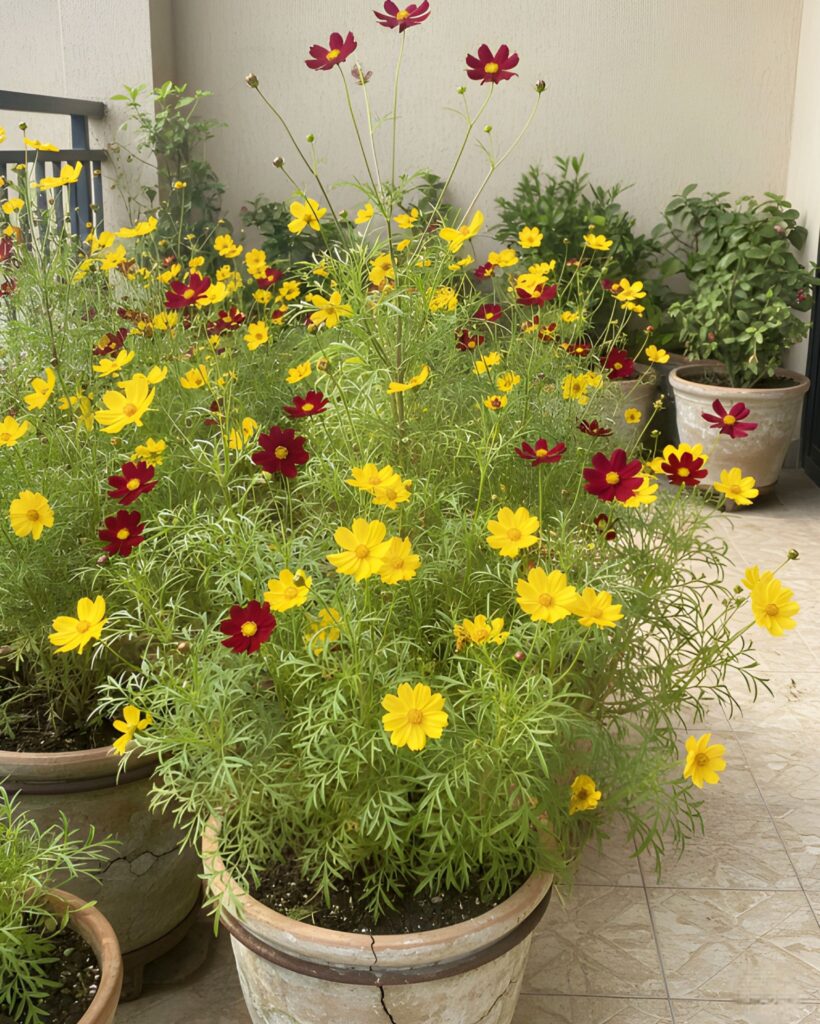
Cosmos has delicate, daisy-like blooms in pink, white, and red. Many gardeners grow it for its long season. It is generally considered non-toxic.
Rabbit-specific advice is limited. I suggest treating it as an occasional treat only. One bloom at a time is enough.
It is easy to grow from seed, so you can control what it is exposed to.
22. Zinnias
Zinnias are bright, sturdy summer flowers. They are widely regarded as non-toxic to pets. Some rabbit owners feed the petals in small amounts.
Again, rabbit-specific research is limited. Use caution and keep portions tiny.
If your rabbit gets soft stools after eating zinnias, remove them from the menu for good.
23. Stocks
Stocks are fragrant flowers in the cabbage family. They appear on rabbit-safe lists. The blooms are mild and easy to nibble.
Because they belong to the cabbage family, they may cause gas in some rabbits. Offer a very small piece first.
Wait a full day before giving more. Some rabbits tolerate them well, and others do not.
24. Basil Flowers
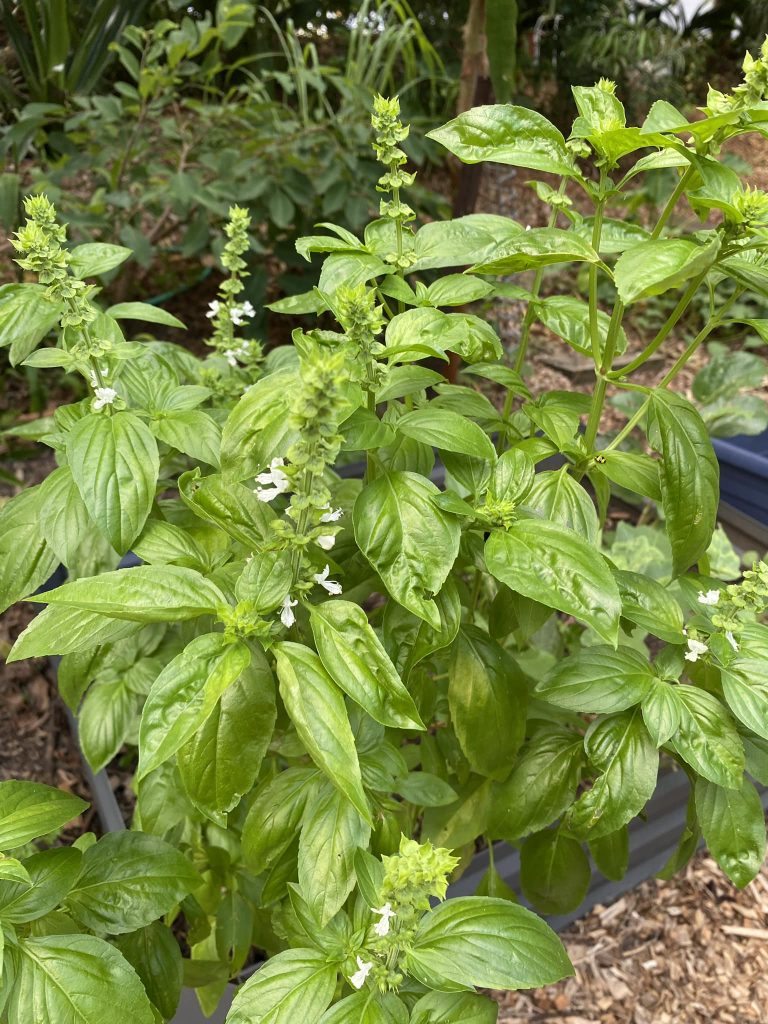
Basil is a popular herb for rabbits. The small white or purple flowers are also fine to offer. Rabbit food lists include basil leaves, and the flowers come from the same plant.
Rabbits often enjoy the strong aroma. The flowers appear when basil starts to bloom.
Pick them fresh from your pot. You can feed the leaves and flowers together.
25. Wallflowers
Wallflowers have clusters of sweet-smelling blooms in warm colors. Rabbit welfare lists name them as safe to feed. They are traditional cottage garden plants.
Like stocks, they belong to the cabbage family. Introduce them slowly and in small amounts.
Wallflowers do best in cooler weather. Grow them in a protected spot and keep them free from sprays.
Flowers Rabbits Must Never Eat
Knowing the safe flowers is only half the story. Please also learn the dangerous ones.
Avoid all of these:
- Bulb flowers, such as tulips, daffodils, hyacinths, and lilies
- Buttercups, which can cause extreme discomfort and may be fatal, according to Wood Green animal charity
- Foxglove, delphinium, and monkshood
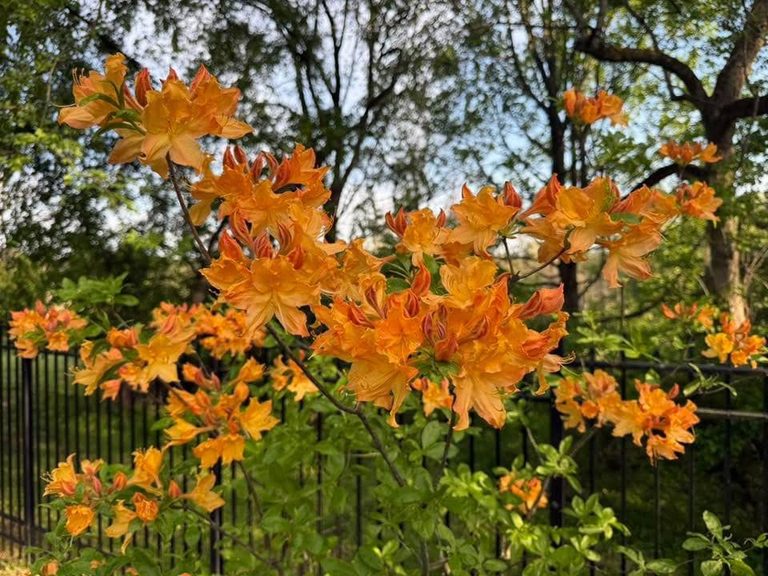
- Rhododendron and azalea
- Bleeding heart
- Oleander
- Poinsettia
- Lily of the valley
The Penn State Master Gardener program documents several of these in its teaching garden of poisonous plants. Monkshood, delphinium, bleeding heart, and rhododendron are all on the list. That garden was built for large animals, but the plants are dangerous for small pets as well.
Also treat houseplants as unsafe by default. Keep them out of your rabbit’s reach.
Some flowers are debated. Daisies, for example, appear on both safe and unsafe lists. When experts disagree, I choose caution. Pick a flower from the clear safe list instead.
ALSO READ: 35 Flowers Poisonous to Cats (Info, With Pictures)
How Many Flowers Can a Rabbit Eat?
Moderation matters. Flowers are not a meal.
A good rule is one to three blooms per day for an average adult rabbit. For a small dwarf rabbit, give less. Always keep hay available all day.
Wood Green suggests that leafy greens and safe plants together make up about 10 percent of the diet. Flowers should be a small slice of that share.
Do not offer flowers to rabbits with ongoing stomach problems without asking your vet. Young rabbits also need extra care.
Before You Feed: 5 Safety Rules
Safe flowers can still cause harm if you handle them badly. Please follow these rules first.
- Choose pesticide-free flowers only. University of Minnesota Extension warns against eating cut flowers or flowers picked from the roadside. The University of Kentucky adds that plants from most florists, garden centers, and nurseries are not pesticide-free.
- Identify every plant with certainty. Many toxic flowers look like safe ones. If you are not 100 percent sure, do not feed it.
- Introduce one new flower at a time. Give a tiny amount first. Wait at least 24 hours and watch the droppings. Soft stool means you should stop.
- Wash the flowers gently. Rinse them in cool water. Remove insects and dirt.
- Keep portions small. One to three blooms per day is a sensible limit for most adult rabbits. Smaller rabbits need even less.
How to Serve Flowers to Your Rabbit
Presentation can make mealtime more fun. Here are simple ways to serve blooms.
- Scatter them in hay. This encourages natural foraging.
- Mix them into a salad of leafy greens.
- Hand-feed a single petal to build trust.
- Dry petals for the winter months. Store them in a cool, dry jar.
University of Minnesota Extension notes that for most edible flowers, the petals are the best part to eat. This is a good rule for rabbits too. Remove hard stems and large centers.
Signs Your Rabbit Reacted Badly
Watch your rabbit closely after any new food. Contact a vet quickly if you see:
- Soft stool or diarrhea
- Bloated belly
- Refusing food or hay
- Drooling, tremors, or unusual tiredness
- No droppings for 12 hours or more
A rabbit that stops eating or pooping is a medical emergency. Do not wait. Call an exotic pet vet right away.
If you believe your rabbit ate a toxic plant, take a sample of the plant with you. It helps the vet act faster.
Growing a Rabbit-Safe Flower Garden
Growing your own flowers is the safest route. You control the seeds, soil, and sprays. It also costs far less than buying treats.
Start with easy plants such as nasturtiums, calendula, sunflowers, and cornflowers. They grow quickly and look beautiful. Use organic compost and avoid chemical sprays.
Keep a separate patch for rabbit food. Label it clearly. Then no family member will accidentally feed the wrong plant.
Frequently Asked Questions
Can rabbits eat flowers every day?
Yes, in small amounts. One to three safe blooms daily is enough for most adults.
Are garden flowers safe for rabbits?
Only if you know the plant is safe and untreated. Many garden flowers are toxic.
Can baby rabbits eat flowers?
Young rabbits have sensitive stomachs. Ask your vet before offering anything beyond hay and pellets.
Can rabbits eat flowers from a bouquet?
No. Bouquet flowers are usually sprayed with chemicals and are not meant for eating.
Final Thoughts
Flowers can bring joy to your rabbit’s day. They add flavor, scent, and natural play. I have always found it rewarding to watch a rabbit carefully choose a petal.
Safety must come first. Use pesticide-free flowers, check each plant twice, and keep portions small. Hay is still the main meal.
If you remember only one thing, let it be this: when in doubt, leave it out. Your rabbit’s health is worth more than any treat.
References
- Purdue University Extension. Pet Rabbit Resource Manual. https://www.extension.purdue.edu/news/county/allen/_docs/Pet-Rabbit-Resource-Manual.pdf
- University of Minnesota Extension. Edible Flowers. https://extension.umn.edu/flowers/edible-flowers
- University of Kentucky Cooperative Extension. Edible Flowers (CCD-CP-69). https://publications.mgcafe.uky.edu/ccd-cp-69
- North Carolina Department of Agriculture & Consumer Services. Produce Safety Regulations for Edible Flowers. https://www.ncagr.gov/divisions/food-drug-protection/produce-safety-program/edible-flowers-factsheet/open
- NC State Extension, Union County. What Flowers Can You Eat? https://union.ces.ncsu.edu/news/what-flowers-can-you-eat/
- Colorado State University Cooperative Extension. Edible Flowers Tips. https://newsmediarelations.colostate.edu/2002/05/28/colorado-state-university-cooperative-extension-tips-52802/
- Penn State, Chester County Master Gardeners. Poisonous Plant Teaching Garden at New Bolton Center. https://abe.psu.edu/programs/master-gardener/counties/chester/master-gardener-projects/community-projects/poisonous-plant-teaching-garden-new-bolton-center

Tim M Dave is a gardening expert with a passion for houseplants, particularly cacti and succulents. With a degree in plant biology from the University of California, Berkeley, he has vast experience in gardening. Over the years, he has cultivated a vast collection of desert plants and learned a great deal about how to grow and care for these unique companions.