25 Cold Hardy Fruit Trees (Varieties That Thrive in Freezing Winters)
Many gardeners believe fruit trees only grow in mild climates. I used to think the same. Then I looked at what cold-climate breeders have achieved, and it changed my mind.
In 1860, the journalist Horace Greeley said you could not grow apples in Minnesota. Since then, University of Minnesota breeders have released more than 400 cold hardy varieties of apples, grapes, trees, flowers, and grasses over 125 years of research. Their work includes the famous Honeycrisp apple.
This guide covers 25 cold hardy fruit trees that handle freezing winters well, with tree’s hardiness zone, fruit quality, and key growing tips.
What “Cold Hardy” Really Means
A cold hardy tree can survive your area’s coldest winter temperatures. Gardeners measure this with the USDA Plant Hardiness Zone Map. It divides North America into 11 zones, and each zone is 10°F warmer or colder than the next.
The latest map was released in December 2023. An earlier update, in 2012, was already about one half-zone (5°F) warmer than the 1990 map in much of the United States. Check your zone again, because it may have shifted.
Hardiness is not only about the trunk. Flower buds are often the weakest part. Minnesota gardening experts note that temperatures below about -20°F can kill the flower buds of peaches and apricots. Without buds, there is no fruit.
For this reason, I recommend choosing trees rated one zone colder than your own. It is a simple safety margin.
How to Choose the Right Tree
Start with your zone, then think about pollination. Most apples, pears, plums, and cherries need a second tree nearby to produce a good crop. Some sour cherries are self-fertile.
Next, check your site. Cold air settles in low spots, so avoid planting at the bottom of a slope. A sunny, well-drained location gives trees the best chance.
Finally, buy from a local nursery when you can. Local growers stock varieties that suit your region.
The 25 Best Cold Hardy Fruit Trees
1. Honeycrisp Apple (Zone 3-4)
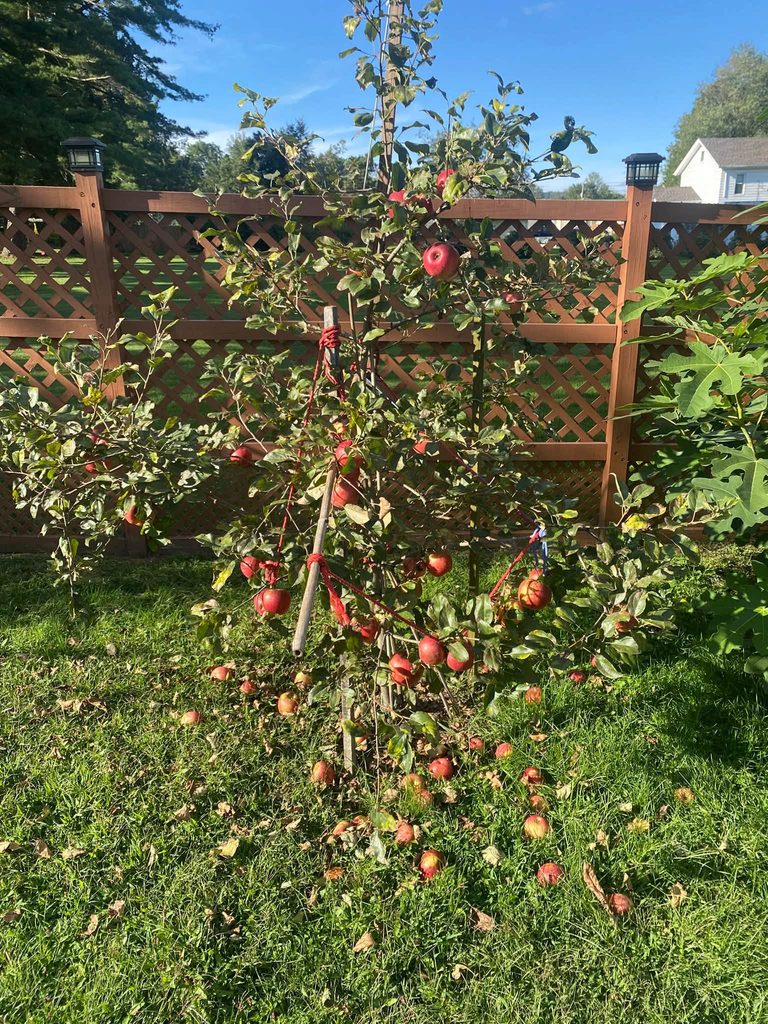
Honeycrisp is the most famous cold hardy apple. The University of Minnesota developed it. Local Master Gardeners generally rate it at USDA Zone 4, and gardeners in zone 3 should plant it in a sheltered spot.
The fruit is large, juicy, and very crisp. It tastes sweet with a light tart edge. Many people say it is the best fresh-eating apple they have tried.
Plant it with another apple variety for pollination. It ripens in September. It stores well for several months in a cool place.
2. Zestar! Apple (Zone 3-4)
Zestar! is an early apple with a sweet-tart, brown-sugar-like flavor. The University of Minnesota says it grows best in zones 3 and 4. It was tested in harsh winters and in laboratory freezers.
It ripens in late August to early September. That is early enough for short-season climates. The apples stay crisp, and refrigerated fruit keeps about two months.
I like Zestar! for lunchboxes and fresh eating. It does not make the best pie, but it is hard to beat for snacking.
3. Haralson Apple (Zone 3)
Haralson is a true workhorse for cold regions. It is extremely hardy and resists fire blight, a common bacterial disease. It suits gardeners who want low-maintenance trees.
The dark red fruit is firm, juicy, and tart. It ripens in September to early October and keeps well. It is excellent for baking and sauces.
Plant a second variety nearby for pollination. Haralson also does well in northern gardens where winters are long.
4. Frostbite Apple (Zone 3)
The name says it all. Frostbite is a very cold hardy apple developed for northern climates. It is a non-commercial variety, so you mostly find it through nurseries and home growers.
The fruit is sweet, with a rich, almost spicy flavor. It also matures on a compact, manageable tree. That makes it a good choice for small yards.
Give it good drainage and full sun. Like most apples, it fruits best with a pollination partner.
5. Liberty Apple (Zone 4)
Liberty is valued for its disease resistance. It resists scab, fire blight, and cedar apple rust better than many older varieties. That means fewer sprays and less worry.
The fruit is crisp and tangy, with a tart-sweet flavor. It ripens in late September and stores well. I find it an easy tree for beginners.
Prune it each winter to open the center. Good airflow reduces disease and improves fruit size.
ALSO READ: 15 Fruit Trees That Can Grow in Pots (With Details)
6. Summercrisp Pear (Zone 3-4)
Summercrisp is a University of Minnesota introduction. It is one of the hardiest pears for cold climates. Pears are often harder to grow in the north, so this tree is a real find.
The fruit is small to medium and crisp, with a mild sweet flavor. It ripens in late summer. Eat it fresh, straight from the tree.
You need two pear varieties for pollination. Plant it with Ure or Patten for best results.
7. Ure Pear (Zone 3)
Ure is a hardy pear from Manitoba, Canada. It handles very cold winters and has a long lifespan. Pears can live for decades, so this is a tree for the long term.
The fruit is firm and slightly gritty, which is common in hardy pears. It is best used for canning, baking, and preserves rather than fresh eating.
It works well as a pollinator for other hardy pears. Plant it within 50 feet of a partner tree.
8. Meteor Cherry (Zone 4)
Meteor is a tart (sour) cherry from the University of Minnesota. Local experts note it is hardy to zone 4 and will grow throughout Minnesota. Tart cherries are far more reliable in cold areas than sweet cherries.
The bright red fruit is perfect for pies, jams, and juice. It ripens in July. The tree is also self-fertile, so one tree can produce a crop.
Birds love these cherries, so be ready. Netting is often the only way to save your harvest.
9. Mesabi Cherry (Zone 4)
Mesabi is another tart cherry that thrives in cold zones. It produces larger, sweeter fruit than many sour types. The color is a deep, glossy red.
The tree is productive and fairly easy to grow. It ripens in mid-summer and can be eaten fresh if you enjoy a tangy taste. Most people cook with it.
Plant it in full sun with well-drained soil. Heavy, wet clay can cause root problems.
10. North Star Cherry (Zone 4)
North Star is a natural dwarf. It grows only about 10 feet tall, according to Minnesota gardening advice. It is a lovely choice for small yards and containers.
The tree is self-fertile and tolerates cold well. The fruit is tart, deep red, and wonderful in desserts. It also looks pretty in spring when covered in white blossoms.
Harvesting is easy because of the low height. Netting the whole tree is simple too.
ALSO READ: 25 Fruit Trees That Grow in Shade (With Details Explained)
11. Evans Bali Cherry (Zone 3)
Evans is a Canadian variety hardy to zone 3. It is one of the toughest cherries you can plant in a cold region. It also self-pollinates, which makes it simple.
The fruit is bright red and sweeter than most sour cherries. You can eat it fresh, but it is also fine for baking. It ripens in mid-summer.
I recommend Evans for prairie and northern gardens. It handles wind and cold with little fuss.
12. Toka Plum (Zone 3-4)
Toka is often called the “bubblegum plum” for its unusual spicy-sweet flavor. It is a cross of hardy plum types. Gardeners also plant it as a pollinator for other plums.
The fruit is medium-sized with orange-red skin. It ripens in late summer. The tree flowers early and looks beautiful in spring.
Plant Toka near a fruiting plum such as Alderman. Together they produce much better crops.
13. Alderman Plum (Zone 3-4)
Alderman produces large, sweet plums and is a popular choice in the north. Minnesota experts describe it as a delicious, medium-sized plum. It needs a good pollinator such as Toka.
The tree is vigorous and productive. It ripens in late August to September. The fruit has red skin with yellow flesh.
Thin the fruit in early summer. This prevents broken branches and gives you larger plums.
14. Superior Plum (Zone 3)
Superior is a hardy hybrid plum known for large, juicy fruit. It was developed for cold-winter regions. Research shows that dormant flower buds on hardy plums can survive temperatures as low as -30°C (-22°F).
The fruit is sweet, with a reddish-purple skin. It is great for eating fresh. It also makes excellent jam.
Plant it with another plum for pollination. Add mulch around the base in winter to protect the roots.
15. Mount Royal Plum (Zone 3-4)
Mount Royal is a European-type blue plum from Canada. It is smaller than Japanese types, but the tree is notably hardy. It is also self-fertile in many cases.
The fruit is dark blue with a sweet, mild flavor. It is excellent for drying, baking, and fresh eating. It ripens in early fall.
The tree is compact and tidy. I find it suits home gardens well.
16. Pawpaw (Zone 5-8)
Pawpaw is North America’s largest native tree fruit. Kentucky State University says it grows best in areas with hot summers and cold winters. It is hardy to about zone 5.
The flesh is creamy and custard-like, with a tropical flavor. Think banana, mango, and vanilla together. Most people are surprised that a tree this hardy tastes so exotic.
Pawpaws need two different trees for cross-pollination. A grafted tree can begin fruiting in 2-3 years, while a seedling may take 4-8 years. Be patient, and protect young trees from strong sun.
17. Moongold Apricot (Zone 3-4)
Moongold is a University of Minnesota apricot. Apricots are hard to grow in the north because they bloom early. A late frost can ruin the entire crop.
Even so, Moongold is one of the hardier apricot options. The fruit is golden, sweet, and juicy. It ripens in mid-summer.
You need a second apricot, such as Sungold, for pollination. Plant them on a slope with good air drainage to reduce frost damage.
18. Harcot Apricot (Zone 4)
Harcot is a Canadian apricot with good hardiness and disease resistance. It resists brown rot better than many types. It is also self-fertile, so you only need one tree.
The fruit is medium-sized and orange with a fine, sweet flavor. It ripens in July. Both fresh and dried apricots are delicious.
Plant it on the north side of a building. This delays blooming and helps avoid late spring frosts.
19. Contender Peach (Zone 4-8)
Contender is one of the best cold hardy peaches. The tree handles winter cold and blooms late. Late blooming helps the buds avoid spring frost.
The fruit is large, with firm, sweet yellow flesh. It ripens in late summer. It is self-fertile, so one tree is enough.
Prune it hard each year to keep it productive. Peaches fruit on one-year-old wood, so regular pruning matters.
ALSO READ: 25 Fast Growing Fruit Trees (With Planting Details)
20. Reliance Peach (Zone 4)
Reliance is famous for surviving very cold winters. Many northern growers call it a standard for hardiness. Its flower buds tolerate more cold than most peaches.
The fruit is medium-sized and juicy, with good flavor. It is best for fresh eating and freezing. It ripens in mid-to-late summer.
It is self-fertile and fairly easy to care for. Give it a protected spot with full sun.
21. American Persimmon (Zone 4-9)
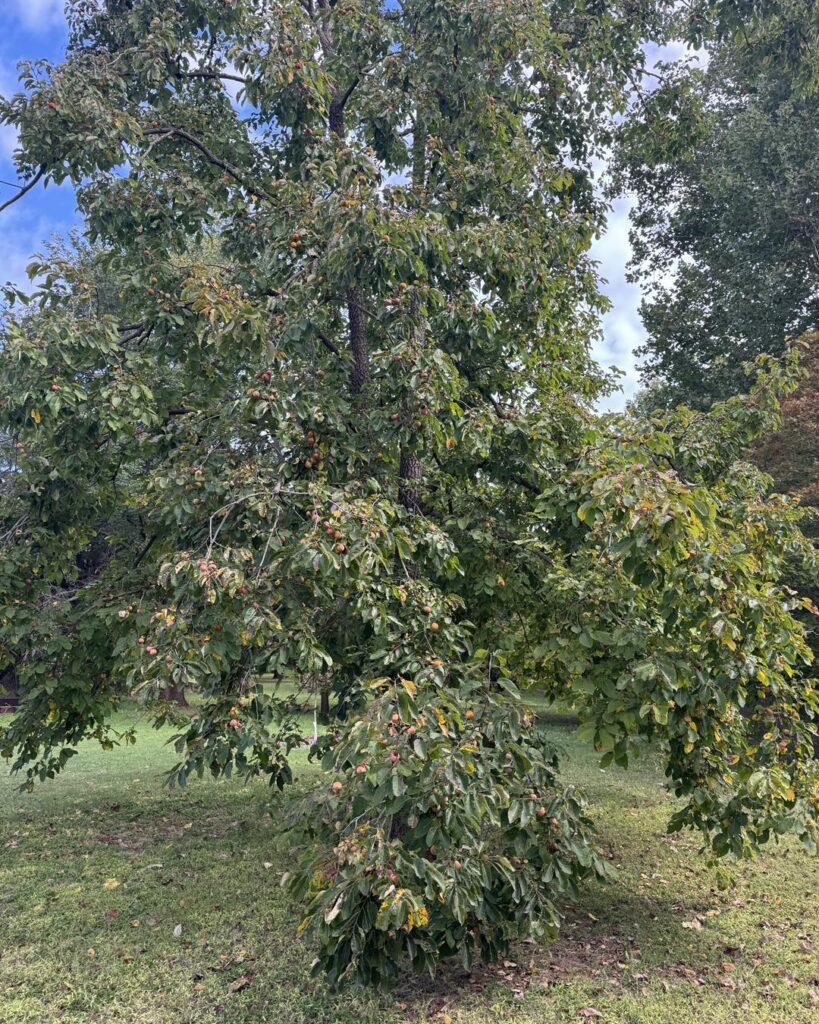
American persimmon is a native tree that grows across a wide range of climates. Some selections, such as Meader, are hardy to zone 4. The tree also tolerates poor soil and drought.
The fruit is small, orange, and very sweet when fully ripe. Do not eat it early, because unripe persimmons are very astringent. Wait until the fruit is soft and wrinkled.
Many varieties need a male and female tree. Meader is self-fertile, which makes it a smart pick.
22. Serviceberry (Zone 2-4)
Serviceberry, also called Saskatoon, is a small tree or large shrub. It is among the hardiest fruit plants you can grow. Some types survive zone 2 winters.
The berries look like blueberries and taste mildly sweet and nutty. They ripen in early summer. You can eat them fresh or bake them into muffins and pies.
The tree also offers spring flowers and bright fall color. It is a good choice if you want beauty and food together.
23. Cornelian Cherry (Zone 4-8)
Cornelian cherry is not a true cherry, but a type of dogwood. It blooms in very early spring, with small yellow flowers. This makes it one of the first trees to bloom in the garden.
The red fruit is tart and slightly sweet. People use it for jam, syrup, and juice. It ripens in late summer.
The tree is long-lived and nearly free of pests. I think it is an underrated choice for cold gardens.
24. Dolgo Crabapple (Zone 3)
Dolgo is a very hardy crabapple. It is also a top pollinator for apple trees. Its long bloom period overlaps with many apple varieties.
The fruit is small, bright red, and tart. It makes beautiful jelly and sauces. It ripens in late summer.
The tree is also an attractive ornamental. It gives spring flowers and colorful fruit that last into fall.
25. Stanley Prune Plum (Zone 4)
Stanley is a classic European prune plum. It is reliable, productive, and self-fertile. Many home orchards include this variety.
The fruit is large and dark blue, with sweet, firm flesh. It is excellent for drying, baking, and eating fresh. It ripens in September.
The tree can set heavy crops. Thin the fruit so branches do not break under the weight.
Planting and Care Tips for Cold Climates
Plant in early spring, as soon as the soil can be worked. This gives roots time to settle before winter. Young trees need extra attention in their first two years.
Mulch around the base, but keep it away from the trunk. A layer 3 to 4 inches deep protects roots from freezing and thawing. Remove it in spring if the soil stays wet.
Protect young trunks with tree guards. Winter sun can crack bark, and rodents like to chew it. A simple plastic or wire guard works well.
Water deeply in late fall before the ground freezes. Well-hydrated trees handle winter better. Prune in late winter, before buds open.
Final Thoughts
Cold winters do not have to end your dream of home-grown fruit. With the right variety, even zone 3 gardeners can pick apples, cherries, plums, and pears. I have seen gardeners in harsh climates succeed with many of these trees.
Start with your hardiness zone, choose pollination partners, and plant in a sheltered spot. Pick two or three varieties to begin with, then expand over time. Your future harvest will be worth the wait.
References
- University of Minnesota. “About MN Hardy.” https://mnhardy.umn.edu/about
- University of Minnesota. “140 Years of Minnesota Plums.” https://fruit.umn.edu/140-years-minnesota-plums
- USDA National Institute of Food and Agriculture. “Breeding and Genetics of Fruit Crops for Cold Climates.” https://portal.nifa.usda.gov/web/crisprojectpages/0001840-breeding-and-genetics-of-fruit-crops-for-cold-climates.html
- University of Wisconsin Extension (Fond du Lac County). “USDA Unveils New Plant Hardiness Zone Map.” https://fonddulac.extension.wisc.edu/usda-unveils-new-plant-hardiness-zone-map
- University of Minnesota Office for Technology Commercialization. “Zestar! Cold Hardy, Early Season Apple Variety.” https://license.umn.edu/product/zestar-cold-hardy-early-season-apple-variety
- Kentucky State University. “Pawpaw FAQ and Contact Information.” https://old.kysu.edu/academics/college-ahnr/school-of-anr/pawpaw/pawpaw-faq-and-contact-information.php
- University of Kentucky Cooperative Extension. “Asimina triloba (Pawpaw).” https://horticulture.ca.uky.edu/sites/horticulture.ca.uky.edu/files/Pawpaw%20-%20Asimina%20triloba.pdf

Tim M Dave is a gardening expert with a passion for houseplants, particularly cacti and succulents. With a degree in plant biology from the University of California, Berkeley, he has vast experience in gardening. Over the years, he has cultivated a vast collection of desert plants and learned a great deal about how to grow and care for these unique companions.