25 Fast Growing Fruit Trees (With Planting Details)
Waiting for fruit is the hardest part of gardening. I have met many people who planted a tree with great hope, then watched it sit for five or six years without a single fruit.
The good news is that some trees move much faster. Several of the trees in this guide can flower within months and fruit within one to three years.
This guide covers 25 trees. For each one, you will see how fast it grows, when it fruits, and what it needs to do well.
Quick answer: The fastest fruit trees are papaya, banana, mulberry, fig, pomegranate, guava, peach, jujube, starfruit and acerola. Papaya and banana can fruit within about one year in warm climates. Most others give a first harvest in two to four years.
What “Fast-Growing” Really Means
A fast-growing fruit tree does two things. It adds height and branches quickly, and it reaches its first harvest sooner than most trees of its kind.
Speed depends on your climate, soil, water and the variety you choose. A grafted tree from a good nursery usually fruits earlier than one grown from seed.
Important: The times in this article are typical ranges, not promises. Your own results may be faster or slower.
Check Your Climate First
Before you buy anything, find out which trees suit your area. In the United States, the USDA Plant Hardiness Zone Map is the standard tool for this.
It is based on the average annual extreme minimum winter temperature. It shows zones in 10-degree Fahrenheit steps, with 5-degree half zones.
Outside the US, you can use the same idea. Ask yourself one question: what is the lowest temperature my tree will face each year?
Tropical trees such as papaya and banana dislike frost. Temperate trees such as peach and apple need a cold winter rest. Planting the wrong tree in the wrong place wastes years.
Quick Comparison of the Fastest Fruit Trees
| Tree | Typical time to first fruit | Best climate |
| Papaya | 7–11 months | Tropical, warm subtropical |
| Banana | 10–24 months | Tropical, warm subtropical |
| Mulberry | 1–2 years | Temperate to subtropical |
| Fig | 1–3 years | Warm temperate to subtropical |
| Pomegranate | 2–3 years | Hot, dry, subtropical |
| Starfruit | 2–3 years | Tropical, subtropical |
| Jujube | 2–3 years | Warm, dry, temperate |
| Acerola | About 2 years | Tropical, warm subtropical |
| Peach | 2–4 years | Temperate, mild winter varieties for warm areas |
| Guava | 2–4 years | Tropical, subtropical |
The 25 Fastest-Growing Fruit Trees
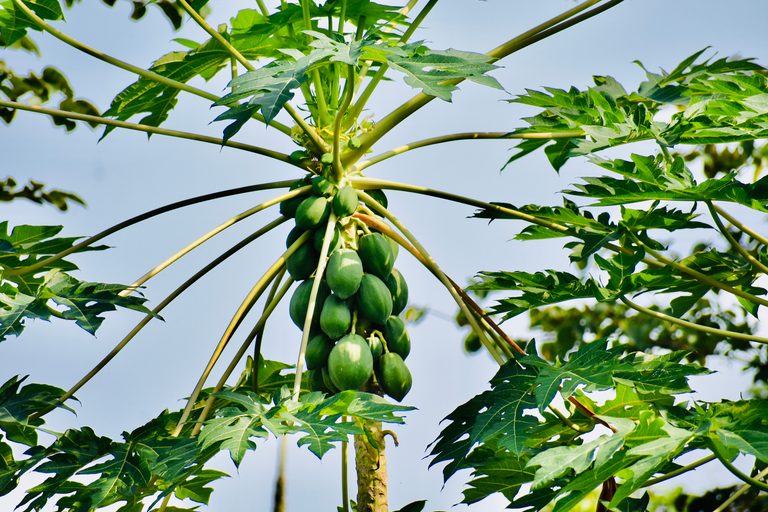
1. Papaya (Carica papaya)
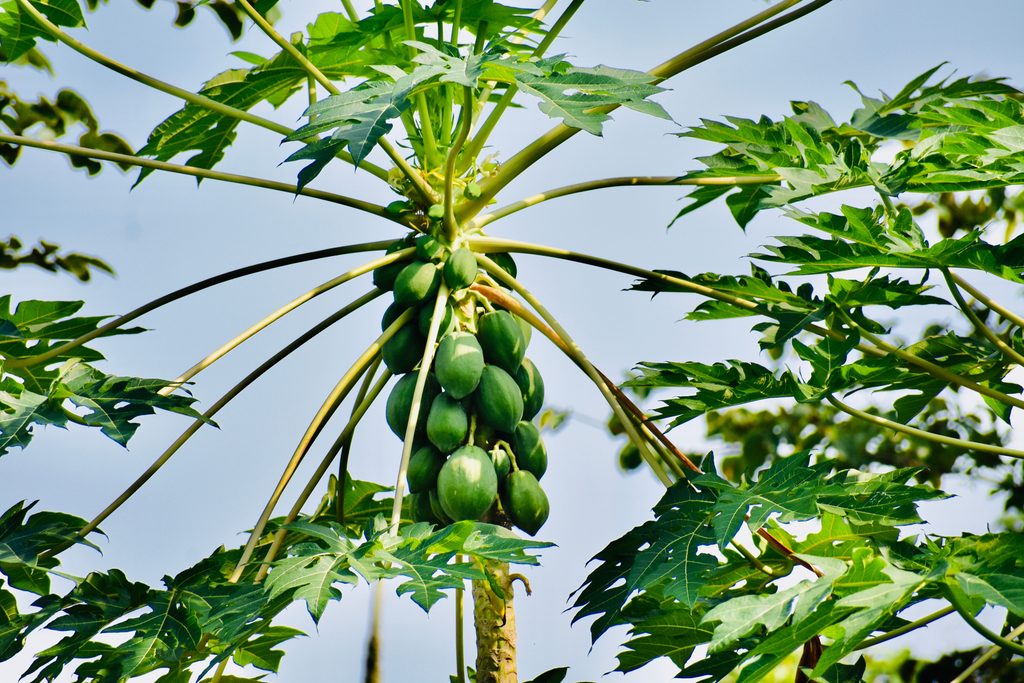
Papaya is the champion of speed. According to UF/IFAS Extension, well-cared-for plants may flower about four months after planting and fruit seven to eleven months after planting.
It can grow into a giant plant of up to 33 feet. It has no true wood, so it is technically a large herbaceous plant. Most home growers still call it a tree.
Yields are impressive: UF/IFAS reports 60 to 80 pounds of fruit per tree over a 12-month period. Plant two or three together, because some seedlings turn out male and will not fruit.
Papaya hates frost, strong wind and wet feet. Give it full sun and well-drained soil. Note that papaya is short-lived, so plan to replant every few years.
2. Banana (Musa species)
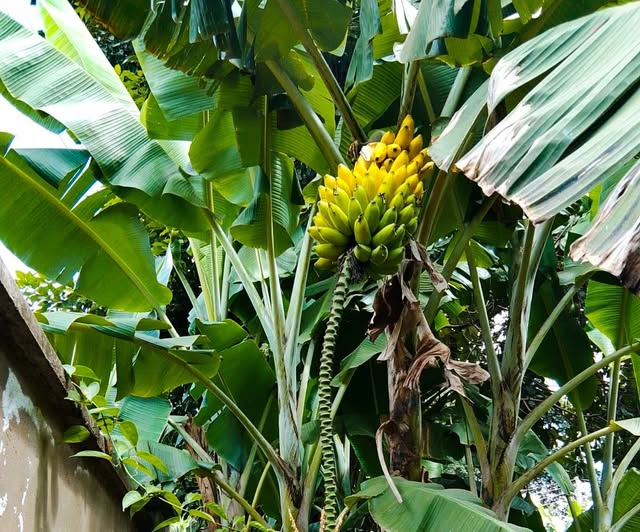
Banana is not a true tree, but it behaves like one and grows very fast. UF/IFAS notes that the flower stalk emerges 10 to 15 months after planting.
From planting a small sucker to harvest takes about 9 to 20 months, depending on temperature and variety. With good care, many home growers see fruit in 10 to 24 months.
A bunch usually weighs 25 to 40 pounds. Well-cared-for plants can produce bunches of up to 100 pounds. That is a lot of fruit from one plant.
Bananas need warmth, water and rich soil. They are sensitive to drought and cannot survive flooding. Plant them in a sunny, wind-sheltered spot and mulch heavily.
3. Mulberry (Morus species)
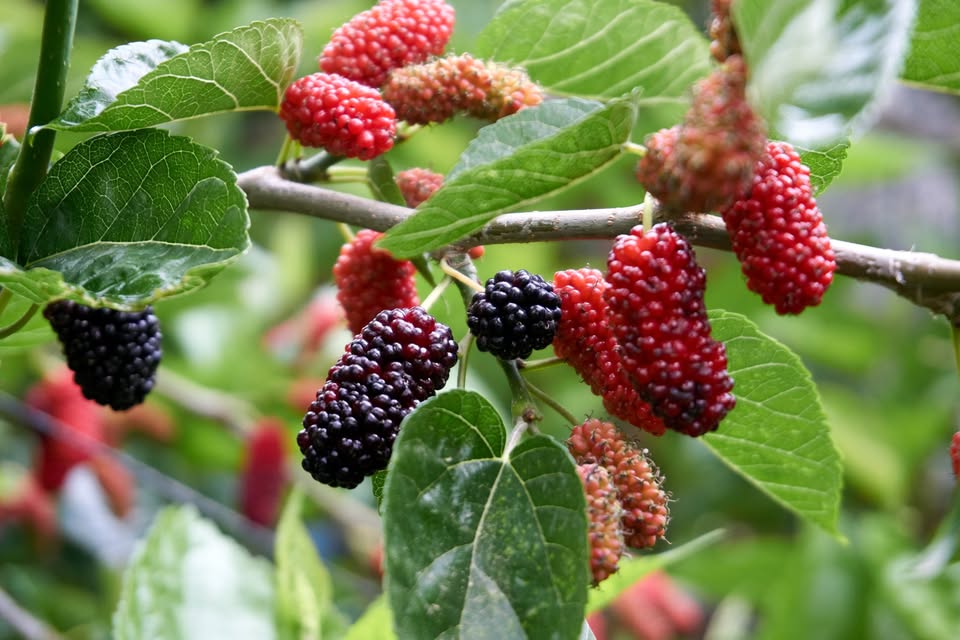
Mulberry is one of the fastest fruit trees for cooler regions. Some varieties can grow several feet in a single season, and many produce fruit in the first one or two years.
Dwarf and “everbearing” types are popular because they stay small and fruit over a long period. The berries are sweet, soft and perfect for jams or eating straight from the tree.
I like mulberry for beginners. It is tough and forgiving, and it adapts to many soils.
One warning: ripe berries stain pavements and clothes. Plant it away from paths and parking areas.
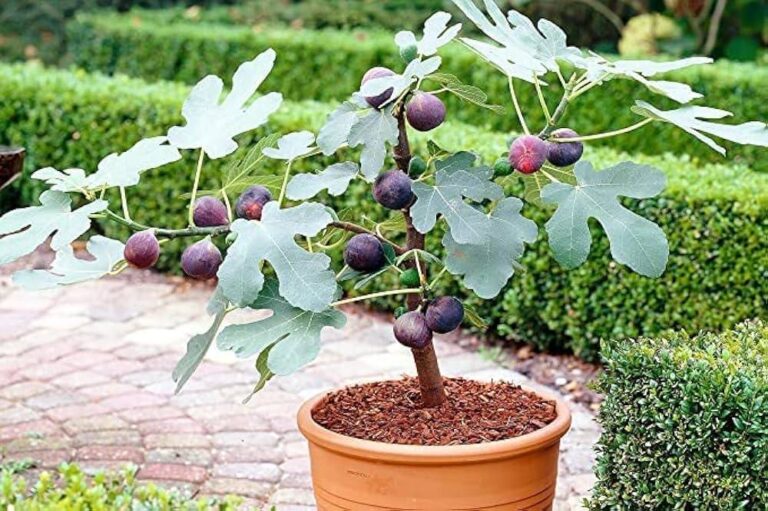
4. Fig (Ficus carica)
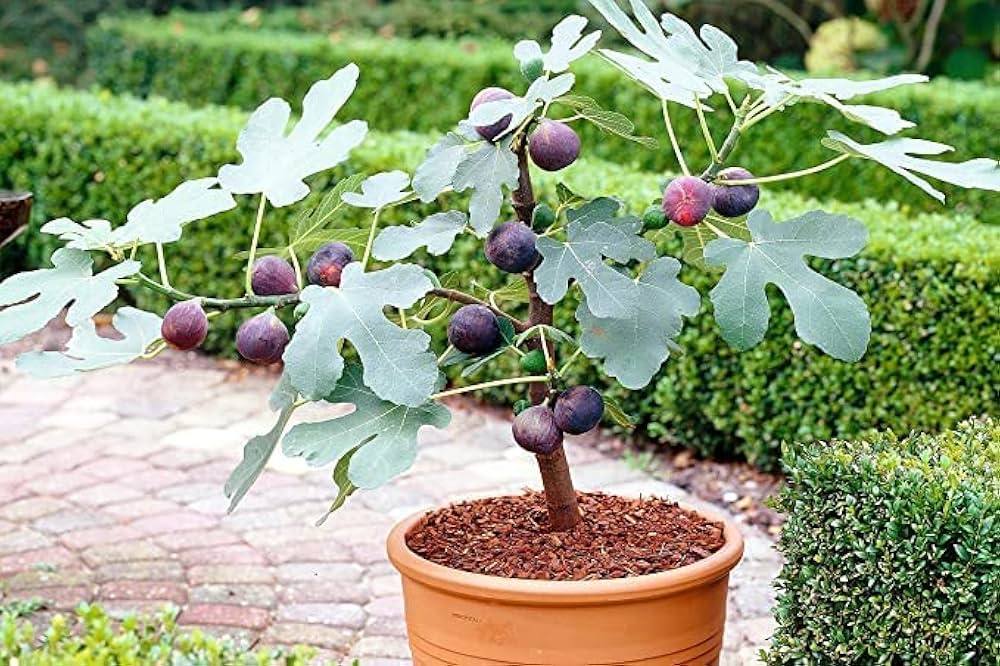
Figs are fast starters and easy to propagate. UGA Extension explains that fig cuttings root early and grow rapidly, and can make good trees for permanent planting within months.
Fruiting time varies. Container figs and rooted cuttings can fruit in one to three years. However, UGA notes that three or four years may pass before some young, vigorous plants mature a crop.
Avoid over-feeding. Too much fertiliser pushes leafy growth and can make fruit drop before it ripens. Give figs at least eight hours of sun and about 1 to 1.5 inches of water per week in summer.
Choose common types that do not need a special wasp for pollination. Varieties such as Brown Turkey and Celeste are widely grown for this reason.
5. Pomegranate (Punica granatum)
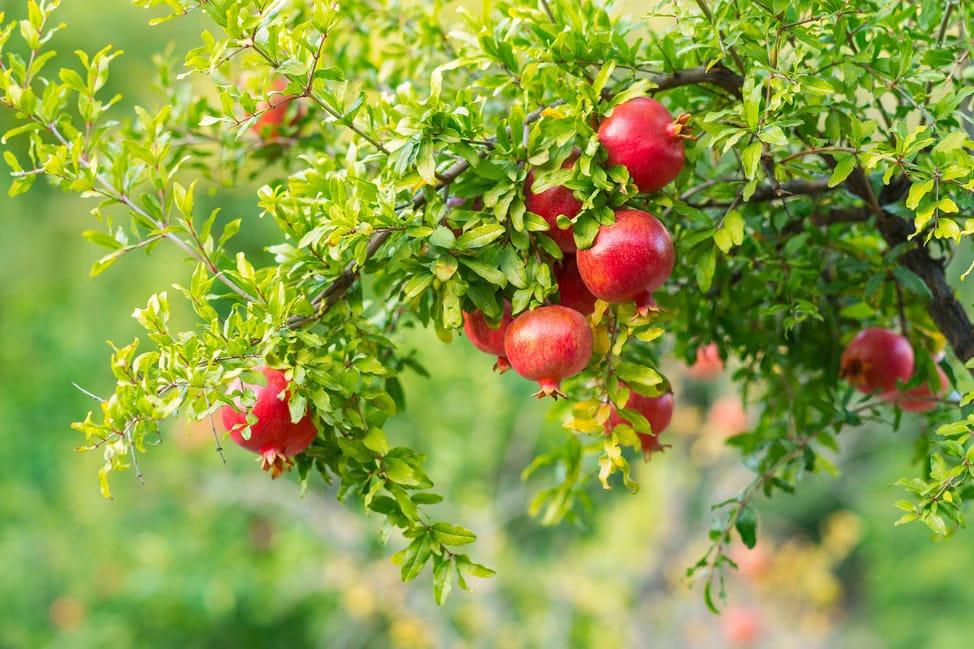
Pomegranates grow fast and handle heat and dry spells well. Many trees give their first fruit in two to three years.
It grows as a large shrub or small tree, usually reaching 8 to 12 feet. It flowers in bright orange-red, which makes it a lovely garden plant as well as a fruit tree.
The fruit is rich in juice and seeds. It stores well, which is a real advantage if you cannot eat everything at once.
Plant it in full sun and avoid soggy soil. Water deeply but not often. Irregular watering can cause the fruit to split.
6. Guava (Psidium guajava)
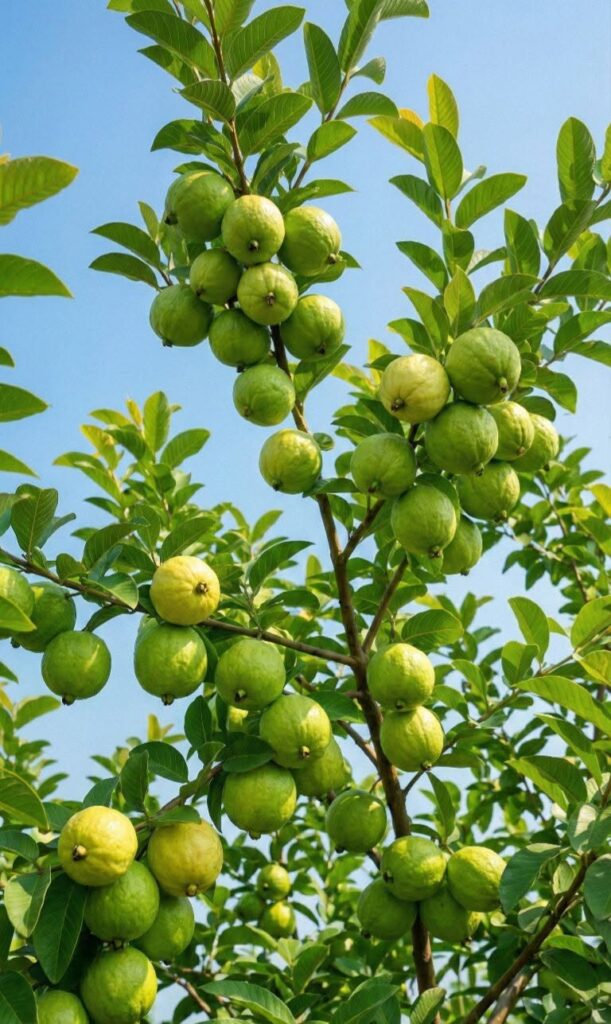
Guava grows quickly and fruits earlier than many tropical trees. Container-grown or air-layered trees often fruit in two to four years.
UF/IFAS reports that guava in Florida may produce two crops a year. The main crop comes in summer, followed by a smaller one in early spring.
The fruit is high in vitamin C and has a strong, sweet smell. Pink-fleshed types are eaten ripe, while white types can be eaten crisp and green.
A caution: In some regions, guava can spread and become invasive. UF/IFAS advises managing it so it does not escape your garden. Check your local rules before planting.
7. Loquat (Eriobotrya japonica)
Loquat is an evergreen tree with large, glossy leaves. It grows steadily and often fruits within two to four years when you plant a grafted tree.
It flowers in autumn or winter and fruits in spring. This gives you fresh fruit at a time when little else is ripe.
The fruit is small, golden and juicy, with a taste somewhere between apricot and citrus. It is excellent fresh or stewed.
Loquat likes full sun and mild winters. It tolerates light frost but may lose flowers in hard freezes. It also makes a good shade tree.
8. Peach (Prunus persica)
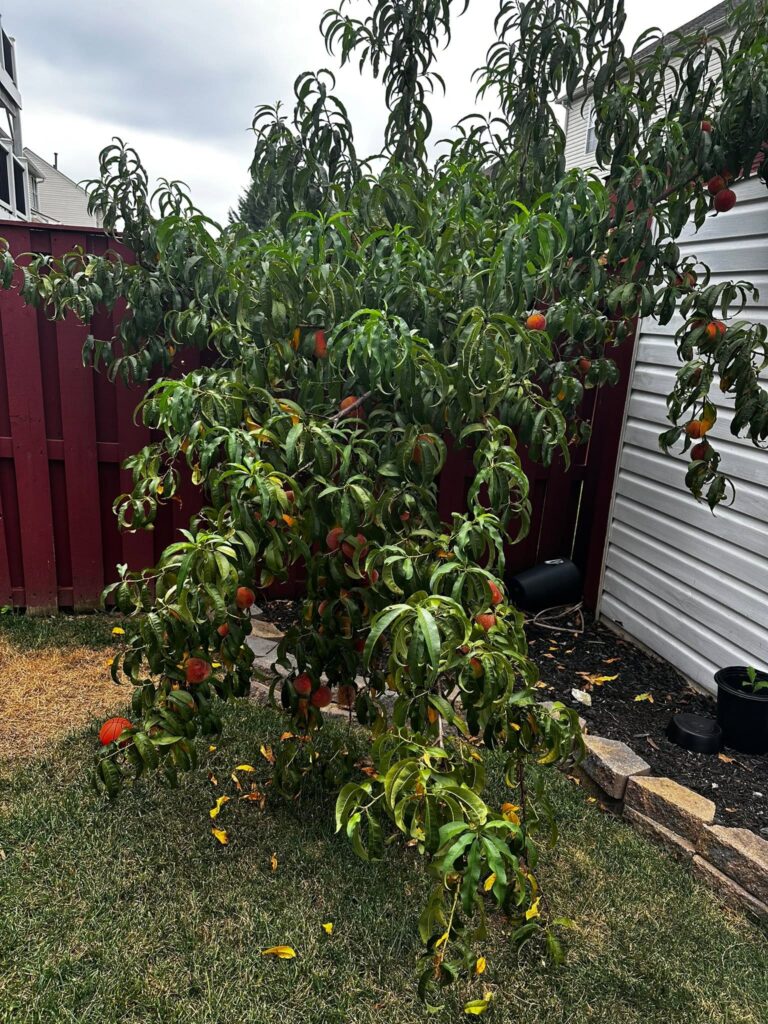
Peach is one of the fastest-fruiting temperate trees. A young tree often gives its first fruit in two to three years.
Peaches grow vigorously. Expect several feet of new growth each year, which is why regular pruning matters.
Choose a variety that matches your winter chill. Some peaches need many cold hours, while others are bred for mild-winter areas. This choice matters more than any other.
Plant in full sun with good drainage. Prune to an open vase shape to let light in and keep the tree low enough to pick easily.
9. Japanese Plum (Prunus salicina)
Japanese plums are quick and generous. They commonly fruit in two to four years, and varieties such as Methley and Santa Rosa are known for early bearing.
The trees grow upright and reach a manageable size. Fruit is sweet, juicy and ripens in early to mid summer.
Many Japanese plums need a second variety nearby for good pollination. Some, like Methley, are partly self-fertile, which helps small gardens.
Thin the young fruit if the branches are heavily loaded. This gives larger plums and protects the limbs from breaking.
10. Jujube (Ziziphus jujuba)
Jujube is a tough, drought-tolerant tree that often fruits in two to three years. It grows well in hot summers and handles poor soil.
The fruit looks like a small apple when fresh and tastes crisp and sweet. When dried, it turns chewy and tastes like a date.
I find jujube underrated. It has few pest problems and needs little care once established.
It drops its leaves in winter, so it does best where summers are warm. Many varieties are self-fertile, so one tree is enough.
ALSO READ: 15 Types of Citrus Trees (Identification, With Pictures)
11. Japanese Persimmon (Diospyros kaki)
Persimmon grows at a good pace and often bears in three to four years from a grafted tree. It is attractive too, with glossy leaves and orange autumn colour.
Choose non-astringent types such as Fuyu if you want to eat the fruit firm and crisp. Astringent types like Hachiya must be fully soft before eating.
Trees are usually self-fertile, so you only need one. Fruit hangs on the branches after the leaves fall, which makes a pretty winter display.
Plant in full sun with deep, well-drained soil. Water in dry spells during fruit development.
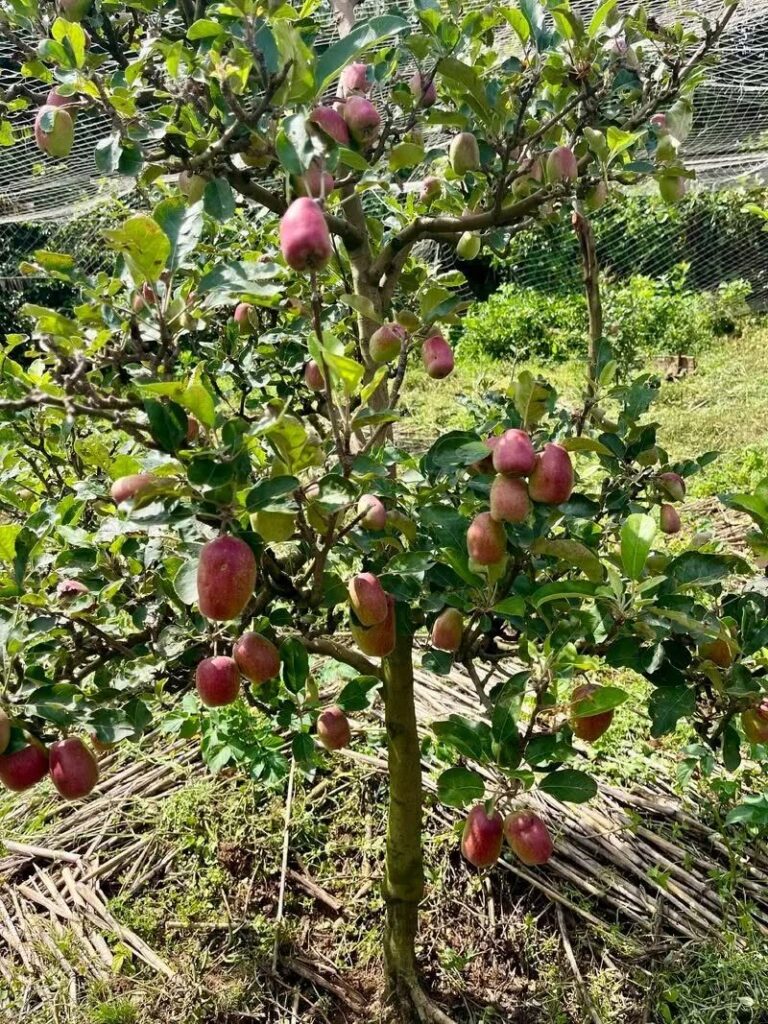
12. Dwarf Apple (Malus domestica)
Standard apple trees are slow. Dwarf and semi-dwarf trees are a different story.
Grafted onto a dwarfing rootstock, an apple tree can fruit in two to four years. The tree stays small, which also makes pruning and picking easier.
Apples need cold winters to rest and flower. They are best suited to temperate areas.
Most varieties need a second apple variety nearby for pollination. Plant two compatible types, or check whether a neighbour has an apple tree.
13. Sour Cherry (Prunus cerasus)
Sour cherries are hardy and reliable. A young tree often fruits within three to four years, which is quicker than sweet cherries.
Most sour cherries are self-fertile. That means a single tree can produce a full crop, which suits small gardens.
The fruit is tart and perfect for pies, jams and juice. Montmorency is the best-known variety.
Plant in full sun with well-drained soil. Protect ripening fruit from birds with netting, or you may lose the whole crop.
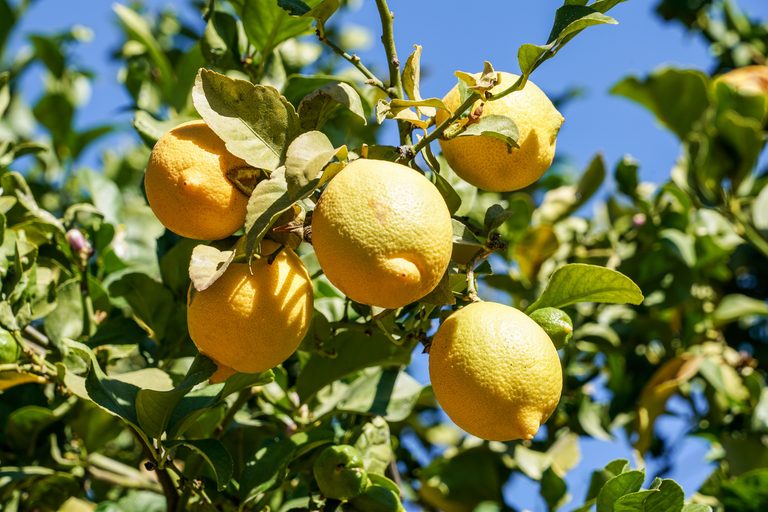
14. Meyer Lemon (Citrus × meyeri)
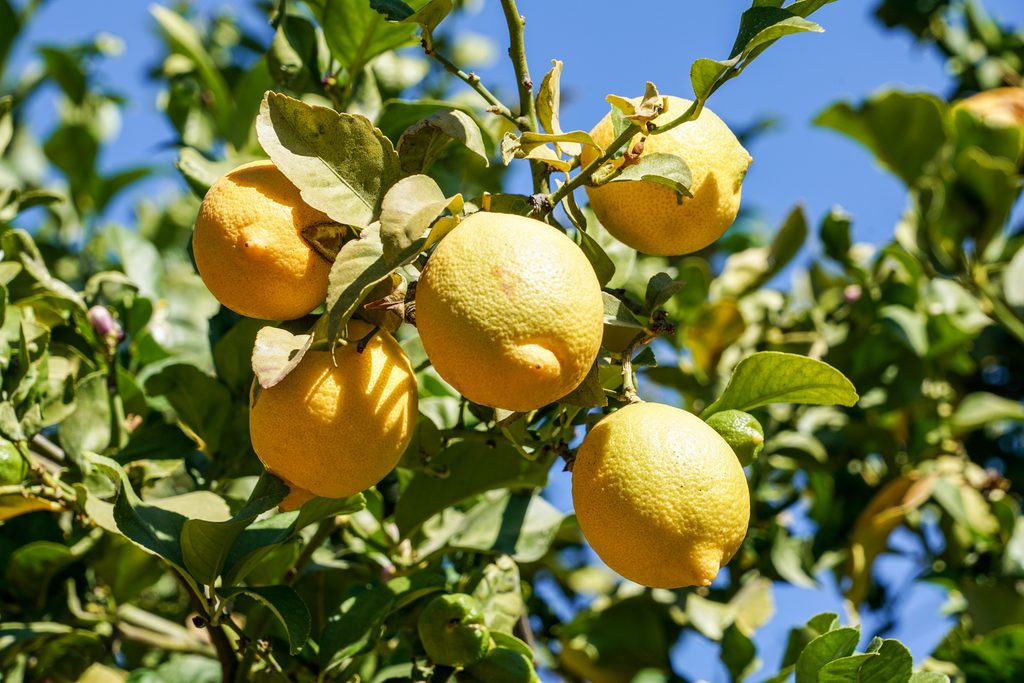
Meyer lemon is a compact, fast citrus that does well in pots. A grafted tree often fruits in two to four years.
The fruit is rounder and sweeter than a regular lemon, with thin, fragrant skin. It can flower and fruit several times a year in warm conditions.
Because it stays small, it suits patios and balconies. In cold areas, grow it in a container and move it indoors for winter.
Give it plenty of sun, a pot with excellent drainage and regular feeding with a citrus fertiliser. Do not let the roots sit in water.
15. Lime (Citrus aurantiifolia and Citrus latifolia)
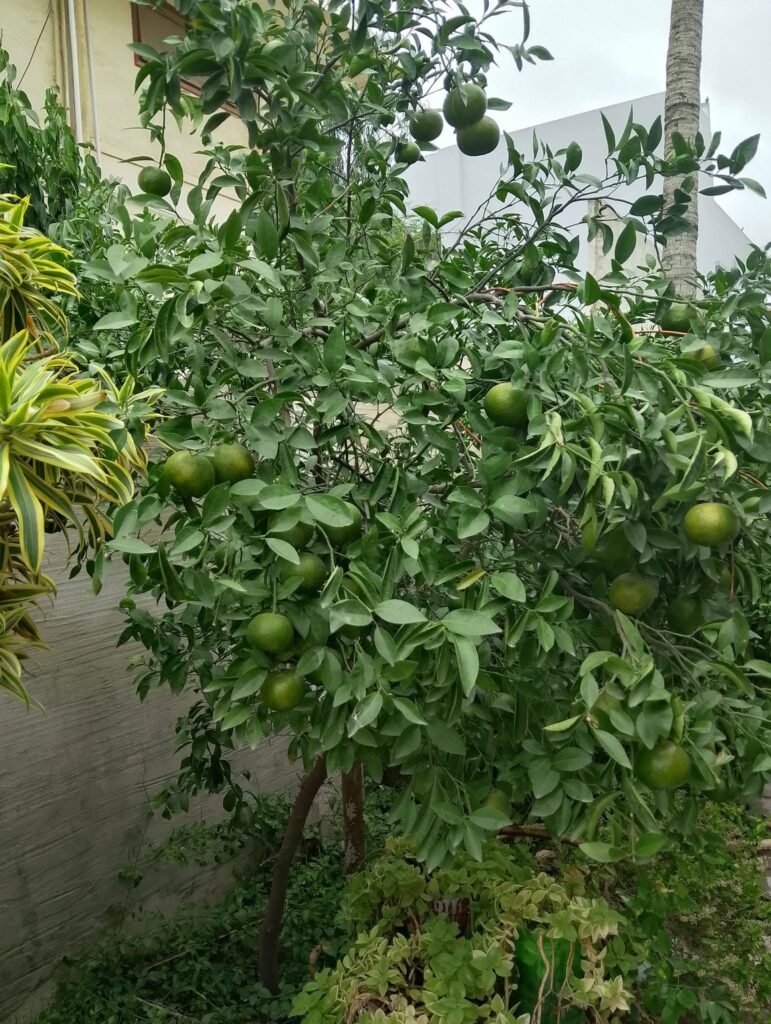
Lime trees grow quickly in warm weather and usually fruit in two to three years. Persian and Key limes are the most popular types.
They flower and fruit almost all year in tropical areas. This steady supply is a big advantage in the kitchen.
Limes are sensitive to cold. Even a light frost can damage young trees, so plant them in the warmest part of the garden.
Feed regularly and water well in dry weather. Watch for leaf miners and scale, and treat early before they spread.
16. Mandarin or Satsuma (Citrus reticulata)
Mandarins and satsumas are some of the faster and hardier citrus trees. Many grafted trees fruit in three to four years.
Satsumas tolerate colder weather better than most citrus. This makes them a smart pick for the cooler edge of the citrus belt.
The fruit is sweet, easy to peel and mostly seedless. Children love it, which makes it a good family tree.
Plant in full sun and shelter from cold wind. Mulch the roots, but keep mulch away from the trunk.
17. Avocado, Grafted (Persea americana)
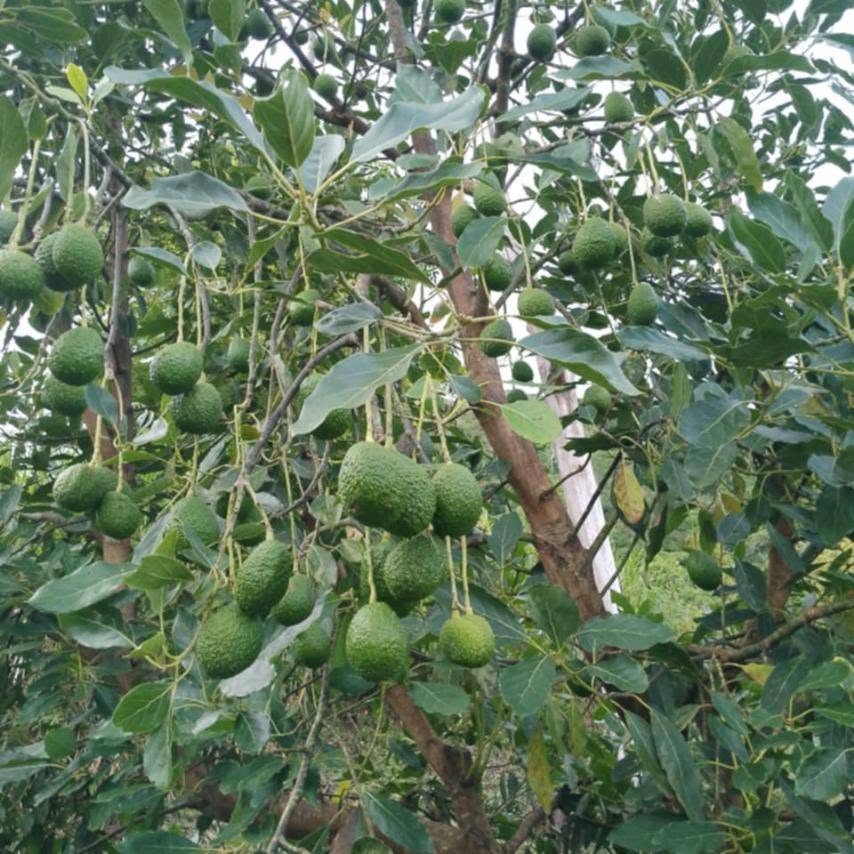
Avocado grown from a pit can take many years to fruit, sometimes more than ten. A grafted tree is far quicker, often bearing in three to four years.
Always buy a grafted tree from a reputable nursery. This is the single most important step.
Avocados need warm weather and excellent drainage. They hate wet soil and can die from root rot.
Many varieties fruit better with a second type nearby. Plant two if you have the space, and choose one suited to your climate.
18. Mango, Grafted (Mangifera indica)
Mango can be slow from seed, but grafted trees can bear in three to five years. Dwarf varieties fruit sooner and are easier to manage.
The tree grows steadily and gives dense shade. In a warm, frost-free climate, it becomes a long-term family tree.
Mango needs full sun, a dry period before flowering and well-drained soil. Heavy rain during flowering can reduce the crop.
Choose a variety known to do well in your area. Local nurseries usually know which ones perform best.
19. Starfruit (Averrhoa carambola)
Starfruit grows quickly and often fruits in two to three years. It can even fruit in its first couple of years in a warm spot.
The tree stays small, usually 15 to 20 feet or less. It flowers and fruits several times a year in tropical conditions.
When sliced, the fruit forms perfect stars, which makes it popular for salads and drinks. It tastes mild and juicy.
Health note: People with kidney problems should avoid starfruit, because it contains a substance that can be harmful to them. If in doubt, ask a doctor.
ALSO READ: 10 Cold Hardy Avocado Trees (Identification, With Growing Details)
20. Sugar Apple or Custard Apple (Annona squamosa)
Sugar apple is a small, fast tree that often fruits in two to three years. Grafted trees may bear even sooner.
The fruit has soft, creamy white flesh with a sweet, custard-like taste. It is best eaten fresh with a spoon.
It enjoys heat and tolerates dry weather once established. It does not like cold or soggy soil.
Hand pollination can improve fruit set in some areas. Using a soft brush to move pollen between flowers is simple and often worth the effort.
21. Soursop (Annona muricata)
Soursop grows fast in humid, tropical weather and often begins to fruit in three to four years. It is a small evergreen tree with shiny leaves.
The fruit is large and spiky, with white, juicy flesh that tastes like a mix of pineapple and strawberry. It is excellent in juices and ice cream.
Soursop needs warmth, humidity and rich, moist soil. It cannot survive frost.
Like sugar apple, it benefits from hand pollination when natural pollinators are few. Protect it from strong wind.
22. Surinam Cherry (Eugenia uniflora)
Surinam cherry is a fast, bushy tree that often fruits within two to three years. It can also be pruned as a hedge.
The fruit is small, ribbed and bright red. It tastes sweet and slightly tart, with a spicy note.
It handles heat, light shade and a range of soils. It also does well in containers, which makes it very flexible.
Bright, glossy new growth makes it attractive year-round. Pick fruit fully ripe, as green ones taste resinous.
23. Acerola or Barbados Cherry (Malpighia emarginata)
Acerola grows fast and can fruit in about two years, sometimes sooner. It is a small, bushy tree with pink flowers.
The fruit is famous for its very high vitamin C content. It is tart when slightly under-ripe and sweeter when fully red.
The plant grows well in pots and tolerates heat. It dislikes frost and needs protection in cooler areas.
Fruit ripens quickly after flowering, and the tree can flower several times a year. Harvest often to keep it productive.
ALSO READ: 10 Cold Hardy Fig Trees (Identification, With Growing Details)
24. Tamarillo or Tree Tomato (Solanum betaceum)
Tamarillo is one of the quickest fruiting trees in cool, frost-free highland climates. It often bears fruit within two years from planting.
The tree grows tall quickly but has soft wood and shallow roots. It needs shelter from strong wind.
The egg-shaped fruit has a tangy, rich flavour. It is delicious in sauces, chutneys and desserts.
Plant it in a sunny, protected spot with fertile soil. It is short-lived, often around ten years, so consider planting a replacement along the way.
25. Jackfruit (Artocarpus heterophyllus)
Jackfruit grows fast and gives big rewards. Grafted trees can start fruiting in three to five years, while seedlings may take longer.
The fruit is the largest tree-borne fruit in the world, often weighing many pounds. One fruit can feed a whole family.
It grows best in warm, humid, frost-free climates with deep soil. The tree becomes large, so give it plenty of room.
Plant it well away from buildings and power lines. Choose a grafted tree if you want fruit sooner.
Honorable Mention: Passion Fruit
Passion fruit is a vine, not a tree, so it is not on the main list. Still, it deserves a mention because it grows so quickly.
UF/IFAS describes it as a short-lived evergreen perennial vine. In south Florida, the subtropical climate lets it grow year-round.
Give it a strong trellis, full sun and regular water. The vines often fruit within a year or two.
How to Make Your Fruit Trees Grow Even Faster
You cannot rush nature, but you can remove the things that slow it down. These steps make a real difference.
Buy grafted or container-grown trees. They are usually more mature than seedlings, and they fruit sooner.
- Choose the sunniest spot. Most fruit trees need at least six to eight hours of direct sun. Fig and papaya do especially well in full sun.
- Prepare the soil. Well-drained soil is vital. If water stands around the roots, growth slows and disease follows.
- Water deeply, not often. Young trees need steady moisture in their first year. Deep watering builds strong roots.
- Mulch the root zone. A layer of 2 to 6 inches of wood chips holds moisture and reduces weeds. Keep it a few inches away from the trunk.
- Feed carefully. Too little food slows growth, but too much can cause leafy trees with little fruit. Follow the label, and test your soil if you can.
- Protect from wind and pests. Wind damages papaya, banana and heavily loaded branches. Check leaves often for early signs of pests.
Common Mistakes to Avoid
The most common mistake is choosing a tree that does not suit the local climate. A tropical fruit tree will not survive a hard freeze, and an apple tree will not fruit well without a cold winter.
Another mistake is planting too deep or too close to other trees. Crowded trees compete for light and fruit later.
Overwatering is just as harmful as drought. Many tropical trees die from root rot caused by wet soil.
Finally, do not forget pollination. Some trees, such as many plums and apples, need a second variety nearby to set a good crop.
Frequently Asked Questions
What is the fastest-growing fruit tree?
Papaya is usually the fastest. UF/IFAS reports that well-cared-for plants may flower at about four months and fruit seven to eleven months after planting. Banana is a close second.
Which fruit tree gives fruit in one year?
Papaya, banana, mulberry, passion fruit and some container figs can fruit within one to two years. Results depend on climate and care.
Which fruit trees grow fast in cold climates?
Mulberry, sour cherry, dwarf apple and peach are good choices for cooler areas. Choose hardy varieties and check your local hardiness zone.
Can I grow fast fruit trees in pots?
Yes. Fig, Meyer lemon, acerola, Surinam cherry, dwarf peach and dwarf mango all grow well in large containers. Use a pot with drainage holes and good-quality potting mix.
Is it better to plant seeds or buy a grafted tree?
A grafted tree is almost always faster. Seed-grown avocado, mango and citrus can take many years to fruit, and the fruit may be different from the parent.
Final Thoughts
Fast-growing fruit trees let you enjoy a harvest much sooner. Papaya and banana lead the way in warm climates, while mulberry, fig, peach and pomegranate suit many other regions.
Start by checking your climate. Then pick two or three trees that match it, buy healthy grafted plants, and give them sun, water and patience.
I would begin with one fast tree and one reliable favourite. Within a year or two, you will likely be picking your own fruit.
References
- U.S. Department of Agriculture, Agricultural Research Service. USDA Plant Hardiness Zone Map. https://planthardiness.ars.usda.gov/
- Balerdi, C. F., and Crane, J. H. Banana Growing in the Florida Home Landscape. University of Florida, UF/IFAS Extension. https://ask.ifas.ufl.edu/publication/MG040
- Crane, J. H. Papaya Growing in the Florida Home Landscape. University of Florida, UF/IFAS Extension. https://ask.ifas.ufl.edu/publication/MG054
- Crane, J. H., and Balerdi, C. F. Guava Growing in the Florida Home Landscape. University of Florida, UF/IFAS Extension. https://ask.ifas.ufl.edu/publication/MG045
- Rezazadeh, A., Bailey, M. T., and Sarkhosh, A. Passion Fruit Problems in the Home Landscape. University of Florida, UF/IFAS Extension. https://ask.ifas.ufl.edu/publication/HS1397
- Westerfield, B. Home Garden Figs (Circular 945). University of Georgia Cooperative Extension. https://fieldreport.caes.uga.edu/publications/C945/home-garden-figs/
- Veltri, J. Why Fig Trees Have a Place in Your Home Landscape. University of Georgia Extension, Fulton County. https://site.extension.uga.edu/fultonag/2025/10/why-fig-trees-have-a-place-in-your-home-landscape

Tim M Dave is a gardening expert with a passion for houseplants, particularly cacti and succulents. With a degree in plant biology from the University of California, Berkeley, he has vast experience in gardening. Over the years, he has cultivated a vast collection of desert plants and learned a great deal about how to grow and care for these unique companions.