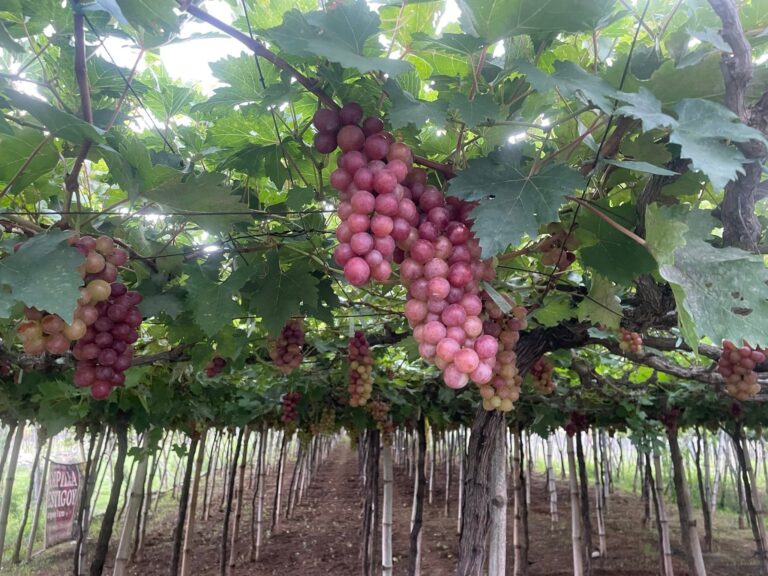
18 Best Fruit Trees to Grow in Michigan (With Planting Details)
Michigan is a fruit state at heart. Along the Lake Michigan shore, orchards stretch for miles. Every spring, the blossoms turn the hills white and pink. Many families keep a few trees in the yard for the same reason.
I have always felt that a backyard apple tree makes autumn better. The smell of fresh fruit, the crunch, the first pie of the season. It feels like a small piece of Michigan on your own land.
But winters here are hard, and spring frosts can be cruel. This guide covers 18 fruit trees that grow well in Michigan, with variety tips, care advice, and honest warnings.
Why Michigan Is a Strong Fruit-Growing State
Michigan has a special advantage: the Great Lakes. Land on the east side of Lake Michigan enjoys a temperature-moderating effect. According to Michigan State University (MSU), this brings long, frost-free autumns and delayed spring bloom. Both are helpful for fruit.
The numbers show the result. Michigan ranks first in the nation for tart cherries and blueberries. Along the Lake Michigan “fruit belt,” about 77% of the nation’s tart cherries are grown. Leelanau County alone has more than 12,000 acres of cherries.
Michigan also leads in variety. Recent statistics show it ranks second only to California in agricultural diversity. That is a good sign for home growers who want many choices.
Still, the climate varies widely. The USDA Plant Hardiness Zone Map is the standard tool for matching plants to a location. It is based on the average annual extreme minimum winter temperature. Michigan ranges from very cold zones in the north to milder zones in the southwest.
ALSO READ: Understanding Bare Root Fruit Trees: When and How to Plant Them
How to Choose the Right Fruit Tree for Your Michigan Yard
Start with sunlight. MSU Extension says a good site has at least eight hours of direct sun. Shade lowers yield and increases disease.
Next, check soil and drainage. Fruit trees grow well in soil with a pH between 6 and 7. Soil should drain well. Wet feet kill many fruit trees.
Think about winter cold and spring frost. Pick hardy varieties, and plant on higher ground where cold air can drain away. Avoid low spots, where frost settles in April and May.
Finally, plan for pollination and pests. Many trees need a second variety nearby. Disease resistance matters too. MSU advises choosing disease- or insect-resistant varieties to reduce pest problems.
The 18 Best Fruit Trees to Grow in Michigan
1. Apple
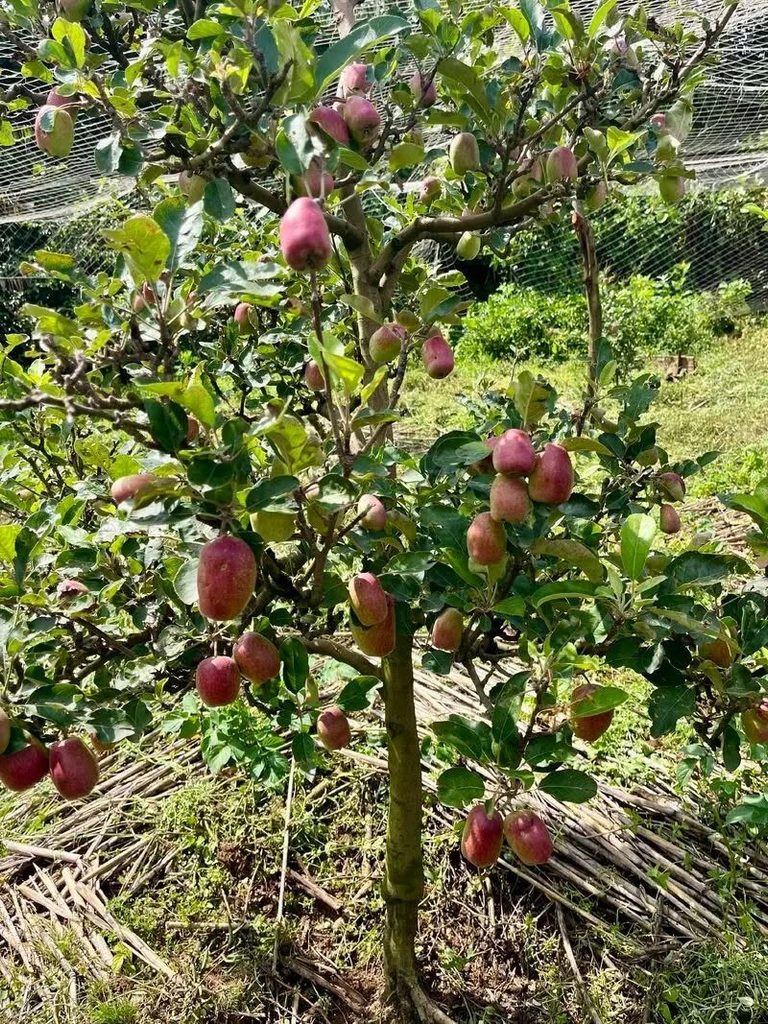
Apples are the classic Michigan fruit tree. They tolerate cold well, and they bear heavily in good years. There is a variety for almost every taste and every part of the state.
Michigan’s humid spring weather brings apple scab, fire blight, and cedar-apple rust. Because of this, MSU Extension recommends cold-hardy, disease-resistant varieties for home growers. Ask your local nursery for scab-resistant types.
You need two different varieties for good pollination. Pairs like Jonagold and Jonathan are proven performers in Michigan. Plant them near each other, and make sure they bloom at the same time.
For small yards, choose dwarf or semi-dwarf trees. MSU suggests buying dwarf trees when possible. They bear earlier, stay manageable, and are easier to spray and pick.
2. Tart (Sour) Cherry
If one fruit tree belongs in a Michigan yard, it is the tart cherry. The state produces roughly 75 to 80% of the U.S. tart cherry supply. Montmorency is the primary variety grown.
Tart cherries are tougher than sweet cherries. They are self-fruitful, so one tree is enough. Freezes in spring also tend to affect them less than sweet cherries.
The fruit is perfect for pies, jams, and juice. It is also a good source of pride at a family dinner. Few things taste better than a pie from your own cherries.
Watch for cherry leaf spot, a common leaf disease. It weakens trees if not managed. Birds love ripe cherries, so use netting near harvest time.
3. Sweet Cherry
Sweet cherries are delicious but demanding. Michigan ranks fourth in the nation for sweet cherry production, behind Washington, Oregon, and California. Commercial growers do best near the lakeshore, where the climate is milder.
In the home yard, sweet cherries face more risk. Flower buds are sensitive to cold, and frost can destroy a crop. MSU reports show freeze damage is often worse in areas away from Lake Michigan.
Most sweet cherries need a second variety for pollination. Some self-fruitful types exist, such as Stella or Lapins. Ask your nursery for cold-hardy selections.
MSU notes sweet cherries are sensitive to copper sprays when green tissue is exposed. Read labels carefully. If you live inland or in the far north, tart cherries may be a safer bet.
READ MORE ON: 50 Different Types of Cherries (Sweet, Tart, and Ornamental Varieties)
4. European Pear
Pears are among the more dependable tree fruits in Michigan. They bloom a bit later than cherries and peaches, which helps them dodge some frost. They also live for many years with decent care.
Bartlett is the best-known variety. Others include Bosc, Seckel, and Harrow Sweet. Seckel is a small, sweet pear that MSU describes as a good choice for home use.
Fire blight is the main danger. Choose resistant varieties when possible. Old Home is noted as quite resistant to fire blight. Avoid heavy nitrogen fertilizer, since it pushes soft growth that the disease loves.
Most pears are self-unfruitful, so you need two compatible varieties. Plant two types within close range. Watch for pear scab and pear psylla each spring.
5. Asian Pear
Asian pears are crisp, round, and juicy. They look like apples but taste like a sweet pear. Many people love them for their crunch and long storage life.
They grow well in much of southern and central Michigan. Like European pears, they usually need a partner tree. Choose two Asian varieties, or ask your nursery about compatible pairs.
Bloom time is a concern. In a warm spring, early flowers can be caught by frost. A site with good air drainage helps a lot.
Thin the fruit for larger size. Prune each year to open the canopy. Watch for fire blight, as with other pears.
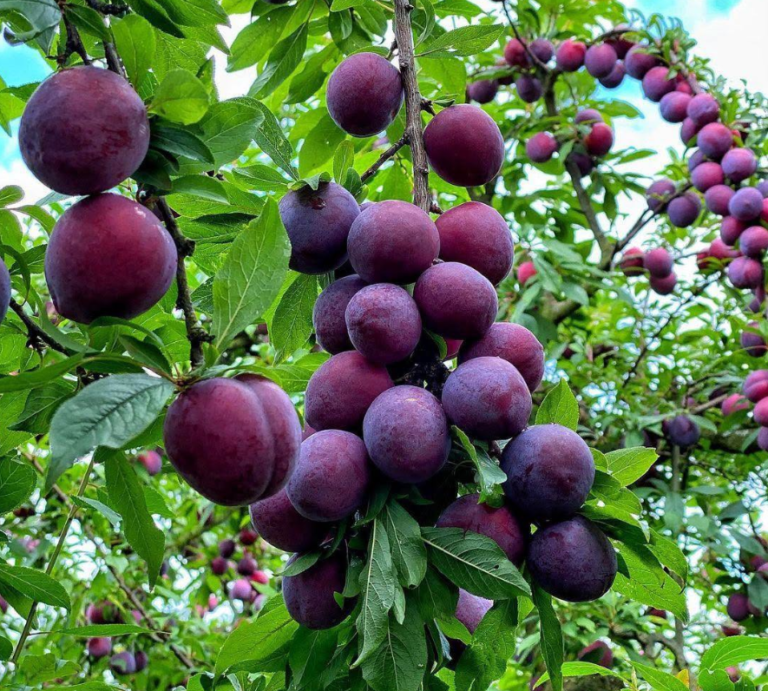
6. European Plum
European plums are among the best stone fruits for Michigan. They are hardy and bloom later than Japanese plums. That makes them safer in unpredictable springs.
Many European plums are used for fresh eating, drying, and baking. Italian prune plums are a favorite. Stanley and Damson are other familiar types.
Some European plums are self-fruitful, but two trees often give better yields. Plant a second tree if you have the space. Ask your nursery about bloom overlap.
Watch for black knot, a fungus that forms black swellings on branches. MSU advises pruning out the knots and disposing of them. Do this every winter or early spring.
7. Japanese Plum
Japanese plums are sweet and juicy, and they ripen in mid-summer. They produce well in many Michigan yards. But they bloom early, so frost is the main risk.
MSU spring reports show early Japanese varieties such as Vanier at white tip while other trees are still dormant. Early flowers are easily hurt by cold nights. Plant on a protected, elevated site.
Japanese plums usually need a pollinator. A second Japanese variety, or a compatible type, will do. Choose varieties known to be cold hardy.
Thin the crop for bigger fruit. Prevent broken limbs by supporting heavy branches. Watch for plum curculio, a common insect pest.
8. Peach
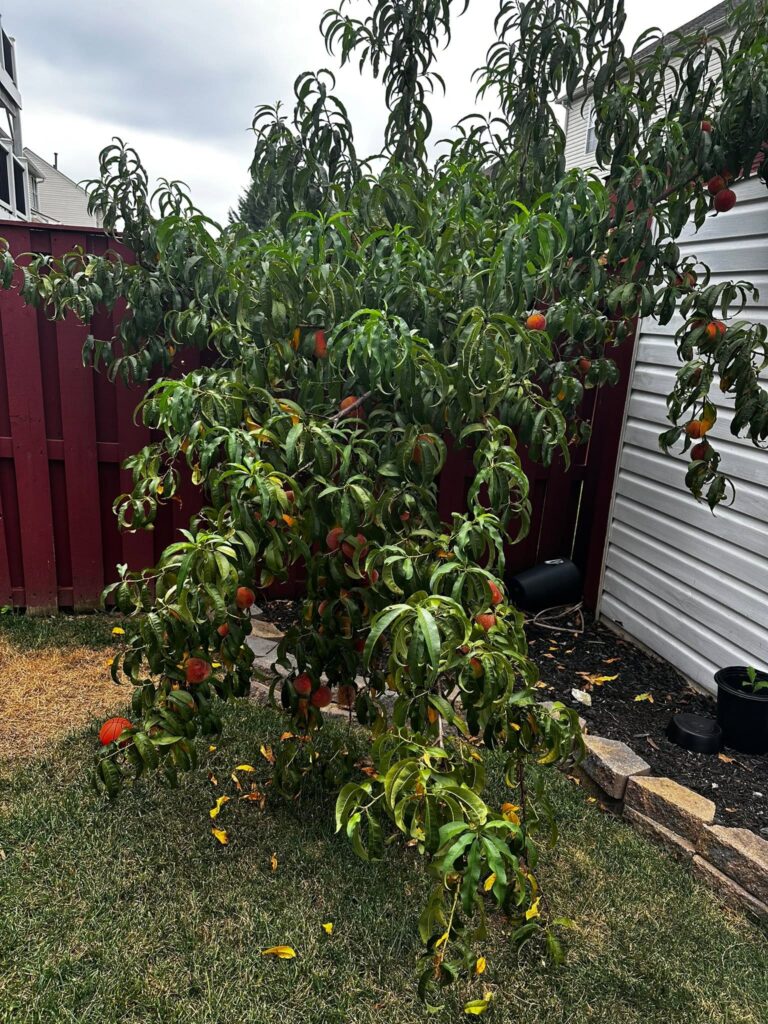
Peaches can be grown in Michigan, but they are not the easiest tree. They are best in the southwest, near Lake Michigan. MSU reports often refer to “good peach sites,” meaning places with good air drainage and lake influence.
Cold winters can damage flower buds. Peach buds with early winter damage appear in some years. If you plant peaches, choose cold-hardy varieties such as Reliance, Redhaven, or Harrow Beauty.
Peaches are self-fruitful, so one tree gives fruit. That is a plus for small yards. Prune to an open center for good light.
Peach leaf curl is common in cool, wet springs. A fungicide spray in late fall or early spring helps. Do not give up if your first years are hard. A good peach is worth the effort.
9. Nectarine
Nectarines are fuzzless peaches. They need similar sites and care. In Michigan, they work best in the southern half of the Lower Peninsula.
They face the same problems as peaches, and a few more. The thin skin attracts insects and rot. Oriental fruit moth and plum curculio can be serious.
MSU Extension notes that showy-bloom types such as Fantasia are grown by local orchardists. Ask your nursery for hardy selections. Choose a warm, sunny spot with good air flow.
Thin the fruit heavily. Spray on schedule, or use covers to protect young fruit. If you want an easier fruit, start with plums or pears first.
10. Apricot
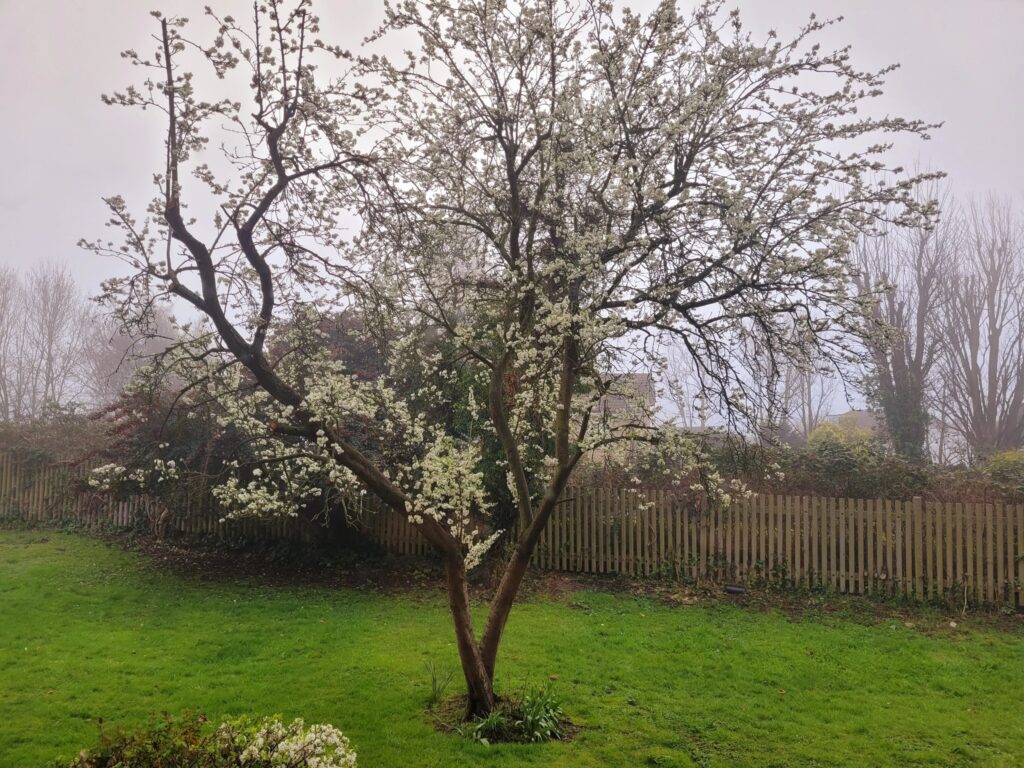
Apricots are a gamble in Michigan, but a lovely one. They bloom very early, often before the last frost. In a bad year, you may get no fruit at all.
Still, hardy types exist. Look for Canadian-bred varieties, such as Harcot and Harglow. Plant them on a high, sheltered site with good drainage.
Apricots are usually self-fruitful, though two trees may improve yield. They do best in the southwest. Inland or northern yards are riskier.
Be patient. In a good year, the fruit is sweet, aromatic, and unforgettable. In a bad year, enjoy the spring flowers. Do not plant more than you can afford to lose.
11. Pawpaw
The pawpaw is North America’s largest native fruit. The flavor is creamy and tropical, like banana and mango. It sounds exotic, but it grows wild in parts of Michigan.
MSU researchers have worked with pawpaws for years. Their team has studied how to improve quality and adaptability for Michigan. Growers want early-fruiting cultivars because the growing season here is short.
You need two genetically different trees for pollination. Flies and beetles often do the work, so some growers hand-pollinate. Plant in rich, moist, well-drained soil.
Young trees like some shade. They have few pest problems, which suits organic gardeners. The fruit is rich in vitamin C and several B vitamins.
12. American Persimmon
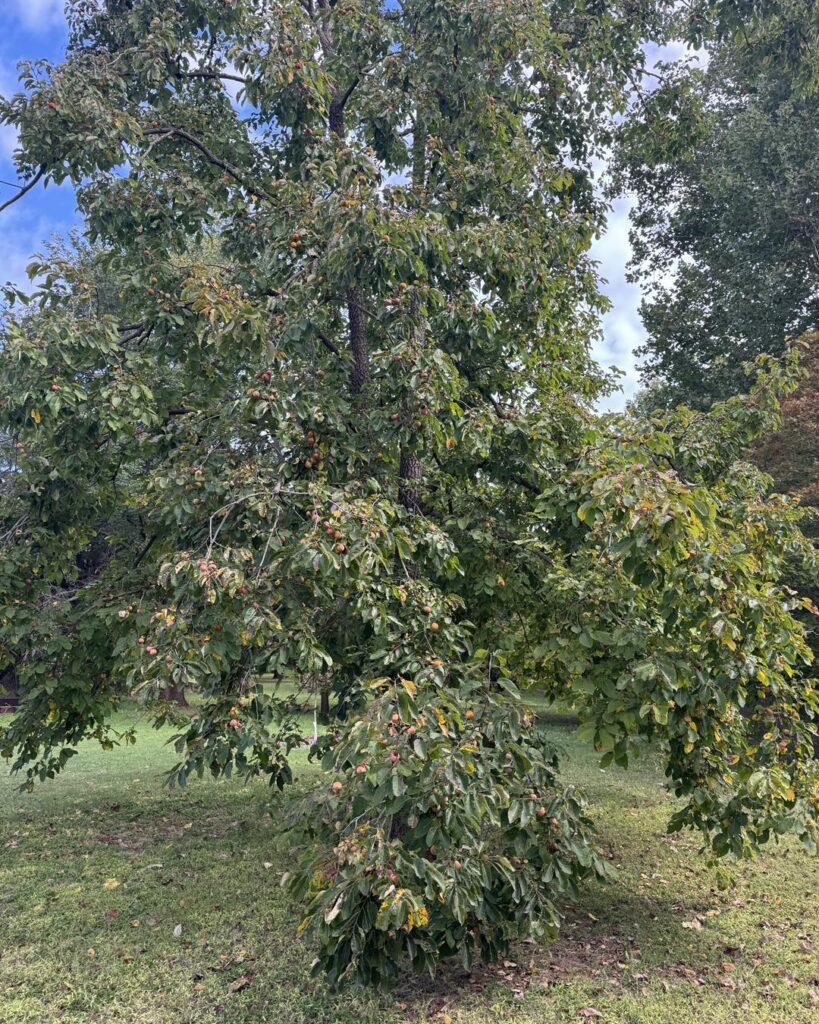
The American persimmon is a native tree that can grow in southern Michigan. MSU Extension lists it among hardy fruit plants, with certain cultivars adapted to the upper Midwest. It is a conversation starter in any yard.
The fruit is small and very astringent until fully ripe. When soft and dark, it tastes like honey and dates. A few frosts help it sweeten.
Choose named cultivars bred for northern climates. Wild trees are usually male or female, so you may need both. Some named types are self-fruitful.
These trees form a long taproot. Plant them where they will stay. Give them full sun and well-drained soil.
13. Mulberry
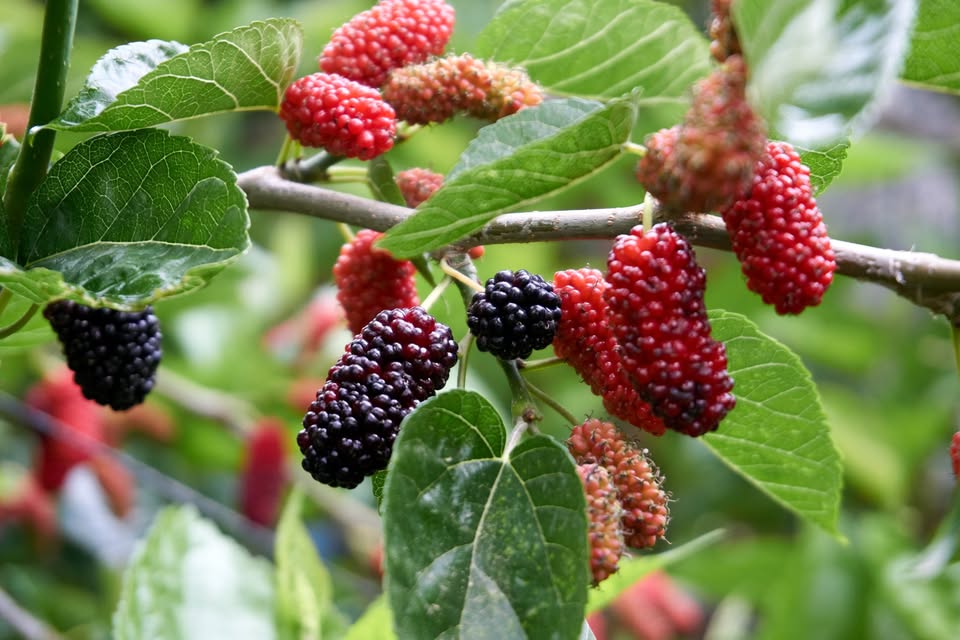
Mulberries are fast-growing and productive. They appear on MSU’s list of hardy fruits for Michigan. White and red mulberries both do well.
The berries are sweet and soft, and they are rarely sold in stores. That is because they bruise easily. Growing your own is the only way to enjoy them fresh.
Be warned: mulberries are messy. The fruit stains sidewalks, cars, and decks. Plant the tree away from patios and driveways.
Birds love mulberries, which can be a plus for wildlife. Choose a named variety for larger berries. Prune to keep the size manageable.
14. Quince
Quince is an old-fashioned fruit that deserves a comeback. MSU Extension lists it among hardy, lesser-known fruits for Michigan. The tree is small and handsome, with pink spring blossoms.
The fruit is hard and fragrant. You cannot eat it raw, but cooked quince turns soft and pink. It makes superb jelly, paste, and baked desserts.
Quince is self-fruitful, so one tree is enough. It stays small, often 10 to 15 feet. That suits small gardens.
Fire blight can affect quince, as with pears. Prune out damaged shoots quickly. Avoid too much nitrogen fertilizer.
15. Serviceberry (Juneberry)

Serviceberry, also called Juneberry, is a tough native small tree. It bears white flowers in spring and sweet purple berries in early summer. The fall color is beautiful too.
MSU’s list of hardy fruits includes Juneberries. The fruit tastes like blueberry with a hint of almond. Eat it fresh, bake it, or freeze it.
The tree is very cold hardy and adaptable. It stays small, usually 15 to 25 feet. It suits small yards and mixed borders.
Birds love the berries, so use netting if you want a share. Plant in sun or light shade. Choose named varieties for bigger fruit.
16. Crabapple
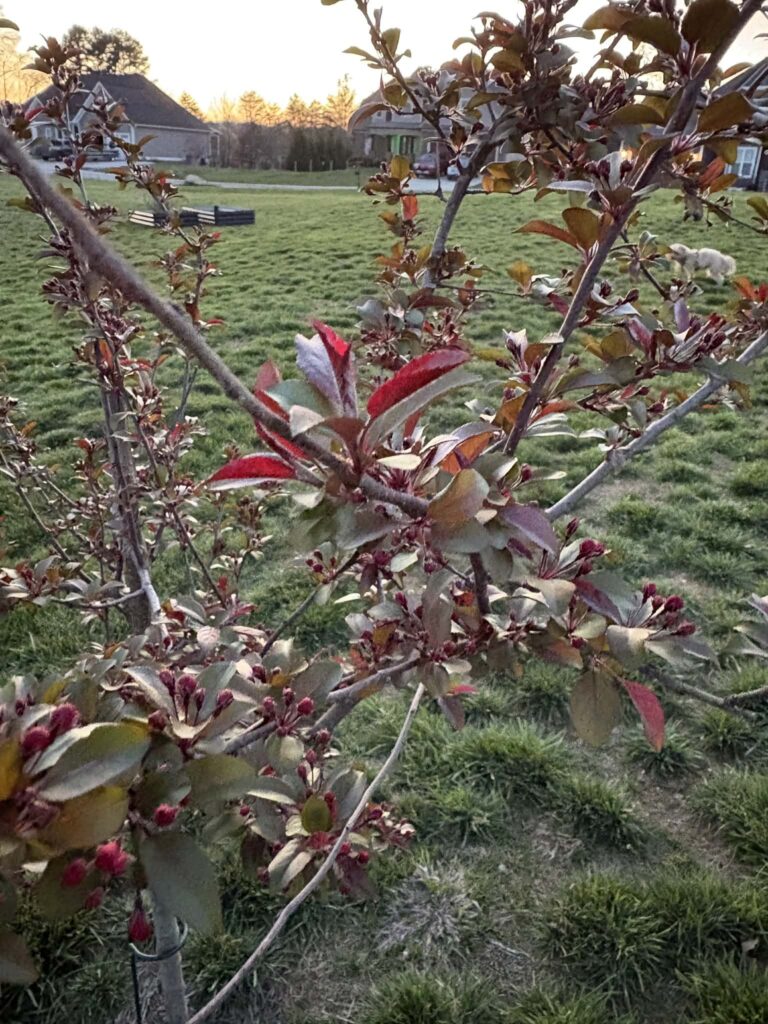
Crabapples are small, hardy, and pretty. Most people grow them for flowers, but many produce edible fruit. The tiny apples make wonderful jelly.
They are very cold hardy and tolerate many soils. They also work as pollinators for regular apple trees. If you have an apple tree, a nearby crabapple can help.
Choose disease-resistant varieties. Some crabapples suffer from scab and fire blight. Ask your nursery for resistant types with large, tasty fruit.
Plant in full sun with good air circulation. Prune lightly each winter. Harvest in fall when the fruit is fully colored.
17. Chinese Chestnut
Chestnuts are not fruit in the strict sense, but they are a valuable orchard tree. They give shade, wildlife food, and a delicious nut. In southern Michigan, hardy Chinese types can do well.
Chinese chestnuts resist the blight that wiped out American chestnuts. They grow into large trees, so you need plenty of space. Expect a mature tree to be 40 feet or more.
You need two different trees for pollination. Plant them close together. The nuts ripen in fall and fall to the ground.
Roast them or boil them. Harvest often so squirrels do not take everything. Choose well-drained soil, and avoid low frost pockets.
18. Cornelian Cherry
The Cornelian cherry is a small, hardy tree with yellow flowers in very early spring. It is not a true cherry. It is actually a dogwood relative. The red fruit is tart and rich, great for jam and syrup.
It is very cold hardy and adapts to many soils. It blooms early, but the flowers handle light frost well. That makes it a reliable bearer in tricky springs.
The tree grows slowly, often to 15 to 20 feet. It lives a long time. Many varieties are self-fruitful, though two trees increase yield.
Few pests bother it. That is a big plus for low-spray gardens. Ask a specialty nursery, since it is not common in garden centers.
ALSO READ: 15 Dwarf Fruit Trees for Garden Beds: A Complete Growing Guide
When and How to Plant Fruit Trees in Michigan
Early spring is the best time to plant in most of Michigan. Plant as soon as the soil can be worked. Bare-root trees do especially well when planted early.
Order trees early. MSU Extension advises that the early order gets the best selection. New and popular varieties sell out fast.
Dig a wide hole, but not deeper than the root ball. Keep the graft union above the soil line. Water well after planting. Your trees will need irrigation during establishment and fruit production.
Mulch around the tree, but keep mulch away from the trunk. Protect young trees from deer and rabbits with guards or fencing. Begin training branches in the first year.
Common Mistakes to Avoid
The first mistake is planting in a frost pocket. Low areas collect cold air and kill blossoms. Choose a higher, open site.
The second is ignoring pollination. People buy one apple or pear and wait years for fruit. Always check if a partner tree is needed.
The third is skipping disease control. Scab, fire blight, and leaf spot are common. Choose resistant varieties and keep up with pruning and spraying.
The last is planting too many tender trees. Peaches, nectarines, apricots, and sweet cherries are riskier here. Mix them with hardy trees like apples, pears, and tart cherries.
ALSO READ: 7 Best Homemade Pesticides for Fruit Trees: Organic Recipes That Actually Work
Frequently Asked Questions
What is the easiest fruit tree to grow in Michigan?
Apples, pears, and tart cherries are among the most dependable. Serviceberry and mulberry are also easy.
Can I grow peaches in Michigan?
Yes, especially in the southwest. Choose cold-hardy varieties and plant on a high, sheltered site.
When should I plant fruit trees in Michigan?
Early spring is best. Plant as soon as the soil can be worked.
Where can I get local advice?
Contact your county MSU Extension office. They can help with varieties, pests, and soil testing.
Final Thoughts
Michigan may not be the warmest state, but it is a wonderful place for fruit. The lakes soften the climate, and the soils are generous. With the right choices, your yard can be a small orchard.
My advice is simple. Start with hardy, proven trees, such as apples, pears, and tart cherries. Learn how they behave on your site. Then try peaches, pawpaws, or persimmons.
Pick a sunny, well-drained spot. Choose disease-resistant varieties. With patience and care, you will enjoy Michigan fruit for many years.
References
- Michigan State University Extension. Michigan Fresh: Growing Tree Fruits at Home (Bulletin E3173). https://www.canr.msu.edu/resources/michigan_fresh_growing_tree_fruits_at_home
- Michigan State University Extension. Ordering Fruit Plants. https://www.canr.msu.edu/news/ordering_fruit_plants
- Michigan State University Extension. Michigan Leads the Nation in the Production of Blueberries and Tart Cherries. https://www.canr.msu.edu/news/michigan_leads_the_nation_in_the_production_of_blueberries_and_tart_cherrie
- Michigan State University Department of Horticulture. Producing Fruit for the Home. https://www.canr.msu.edu/hrt/uploads/535/78649/Fruit-Production-for-the-Home-42515.pdf
- Michigan State University. MSU and the Pawpaw: America’s Best Tasting Fruit. https://spartan.msu.edu/spartan-story-hub/news/2021/07/msu-and-the-pawpaw-americas-best-tasting-fruit
- Michigan State University AgBioResearch. Northwest Michigan Horticulture Research Center. https://www.canr.msu.edu/nwmihort/index
- U.S. Department of Agriculture, Agricultural Research Service. 2023 USDA Plant Hardiness Zone Map. https://planthardiness.ars.usda.gov/

Tim M Dave is a gardening expert with a passion for houseplants, particularly cacti and succulents. With a degree in plant biology from the University of California, Berkeley, he has vast experience in gardening. Over the years, he has cultivated a vast collection of desert plants and learned a great deal about how to grow and care for these unique companions.