18 Best Fruit Trees to Plant in Arizona (With Growing Details)
Many people believe the desert is a poor place for fruit. I used to think so too. Then I saw a backyard in the Valley with oranges, pomegranates, and figs all growing within a few steps of each other.
Arizona is a state of extremes. Summer heat is intense, and rainfall is low. Yet with the right tree and a little planning, you can harvest fresh fruit almost all year.
This guide covers 18 fruit trees that grow well in Arizona. You will find variety suggestions, planting tips, and honest warnings. First, let us look at what makes Arizona different.
Why Growing Fruit Trees in Arizona Is Different
Arizona is not one climate. It has the low desert (Phoenix, Tucson, Yuma), a mid-elevation zone, and a cold high country (Flagstaff, Prescott). A tree that thrives in Yuma may die in Flagstaff.
The USDA Plant Hardiness Zone Map is the standard tool for matching plants to a location. It is based on the average annual extreme minimum winter temperature. Arizona covers a huge range, from cold mountain zones to warm zone 10 in the low desert.
The most important idea for fruit trees here is chill hours. These are the winter hours of cool weather that deciduous trees need to bloom and set fruit. The University of Arizona says most low-desert areas average only 300 to 400 chill hours per year.
That is why a Michigan-style apple often fails in Phoenix. The tree looks healthy, but it never fruits. In the low desert, choose varieties that need less than 400 chill hours.
How to Choose the Right Fruit Tree for Your Arizona Yard
Start with your location and elevation. Check your hardiness zone and your local chill-hour estimate. Your county Cooperative Extension office can help with both.
Next, think about sunlight and heat. Fruit trees need plenty of sun. Extension agents in northern Arizona say fruit trees need eight hours or more of full sun daily. In the low desert, the sun can also burn bark and fruit, so trunk protection matters.
Then consider water. Arizona fruit trees need regular irrigation. Established trees draw water from two to three feet deep, and roots spread beyond the drip line. A light sprinkle will not do.
Finally, check pollination. Many deciduous fruit trees need a second variety nearby. If your yard is small, choose self-pollinating trees like peaches, apricots, figs, and pomegranates.
The 18 Best Fruit Trees to Plant in Arizona
1. Orange
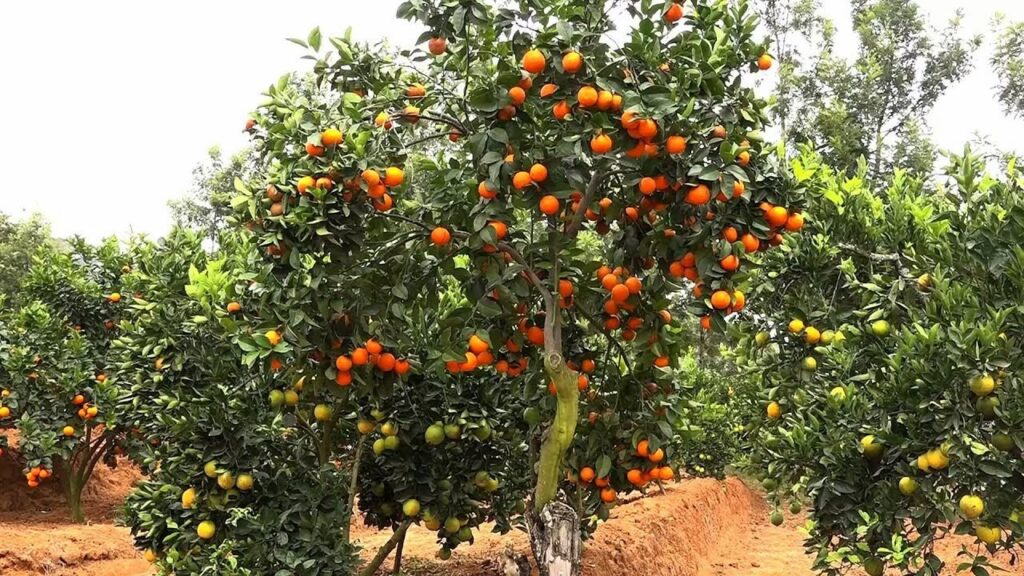
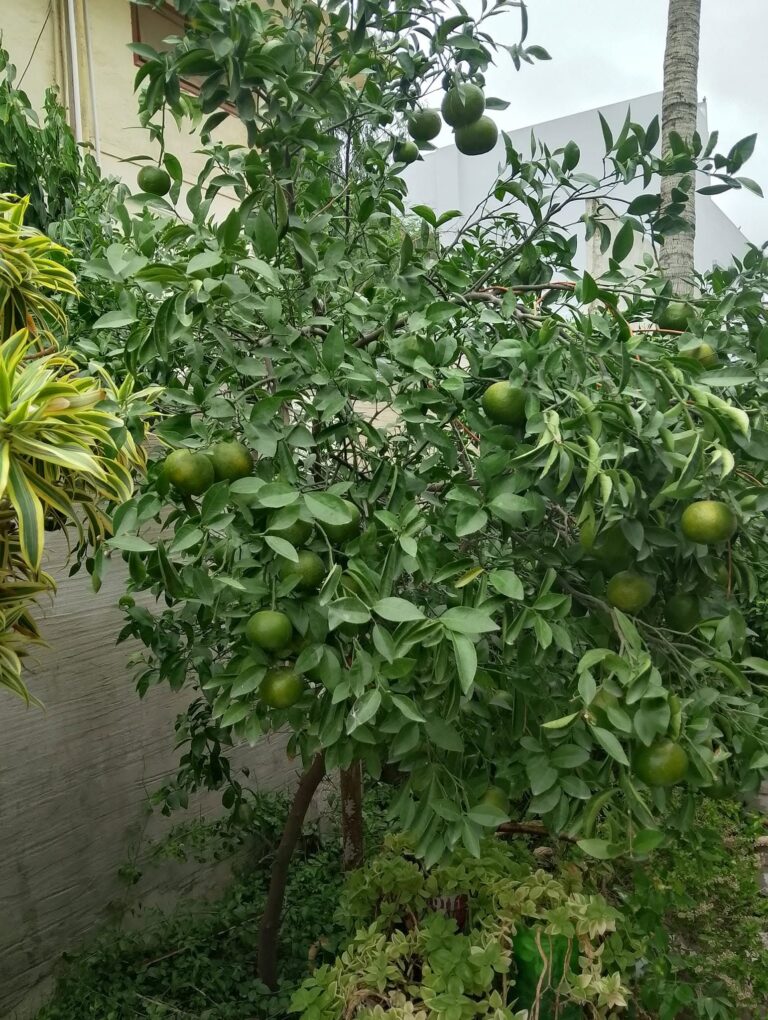
Oranges are the heart of Arizona fruit growing. University of Arizona Cooperative Extension has studied citrus for more than 100 years. In the low desert, a backyard orange tree is almost a tradition.
Navel and Valencia are popular choices. Navels ripen in winter, and Valencias ripen in spring and early summer. Plant one of each, and you can enjoy fresh oranges for many months.
Cold is the main risk. Oranges are only partly cold hardy, so protect young trees during freezes. Plant on the south or west side of a wall that holds winter heat.
Citrus does best in the low desert, not in colder places like Flagstaff or Prescott. Plant in spring after frost danger has passed. Water deeply and keep mulch away from the trunk.
2. Lemon
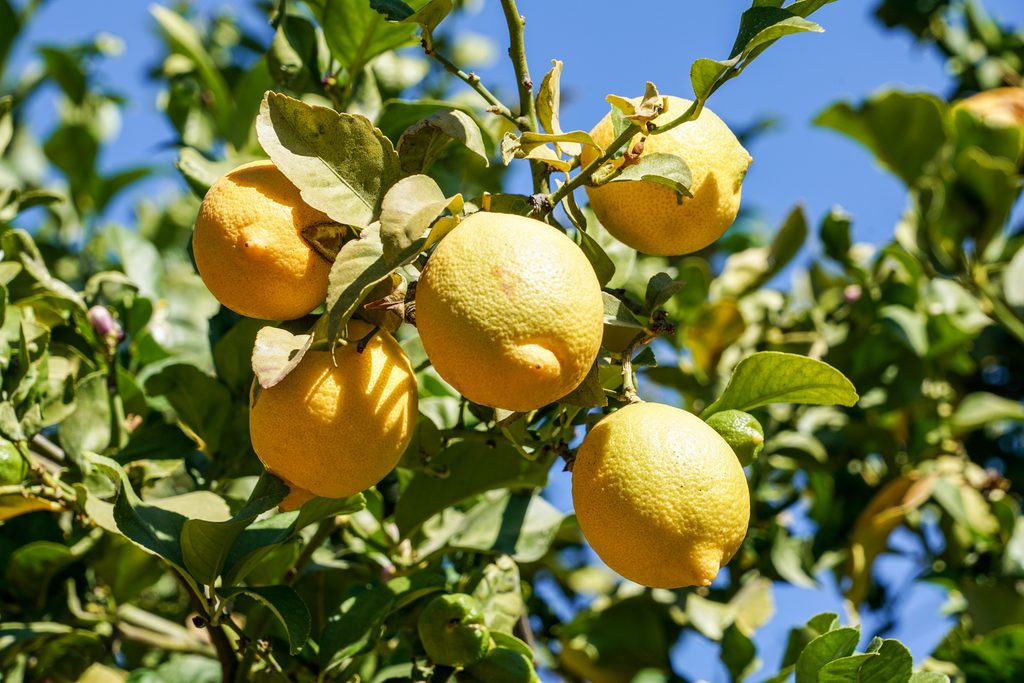
If I could plant only one tree in the desert, I might choose a lemon. It produces fruit for much of the year. A single tree can supply a family with lemonade, cooking, and gifts for neighbors.
Meyer lemons are the favorite for backyards. They are sweeter than regular lemons and handle cold better than many types. Eureka and Lisbon are also common.
Be careful with frost. University of Arizona guidance notes that lemon, lime, and citron trees are the least cold hardy citrus. Wrap young trunks and cover the canopy on freezing nights.
Light frost is defined as 29 to 32°F. A moderate freeze at around 25°F can damage most foliage. Watch your forecast every winter and keep covers ready.
3. Grapefruit
Grapefruit trees love desert heat. The long, hot summers help the fruit become sweet. Many Arizona gardeners say homegrown grapefruit tastes far better than store fruit.
Choose a variety such as Ruby Red or Rio Red for color and flavor. White types also grow well. These trees get large, so give them space of 20 feet or more.
Grapefruit is partly cold hardy, like oranges. Even so, a hard freeze can harm young trees. Use frost cloth, burlap wraps, or string lights during cold snaps.
Water deeply but not too often. Shallow watering leads to weak roots. A basin around the tree and a layer of mulch will help in summer.
4. Mandarin and Tangerine
Mandarins are small, sweet, and easy to peel. They are perfect for families with children. Varieties like Satsuma, Clementine, and Page do well in Arizona.
They are also more cold tolerant than lemons and limes. That makes them a good choice for gardeners near the edge of citrus country. In the right spot, they reward you every winter.
Mandarins often bear heavily every other year. Thin the fruit when the crop is large. Thinning helps the tree stay healthy and gives you bigger fruit.
Use a drip system with a wide watering area. Feed with a citrus fertilizer in spring and early summer. Keep grass away from the roots.
5. Kumquat
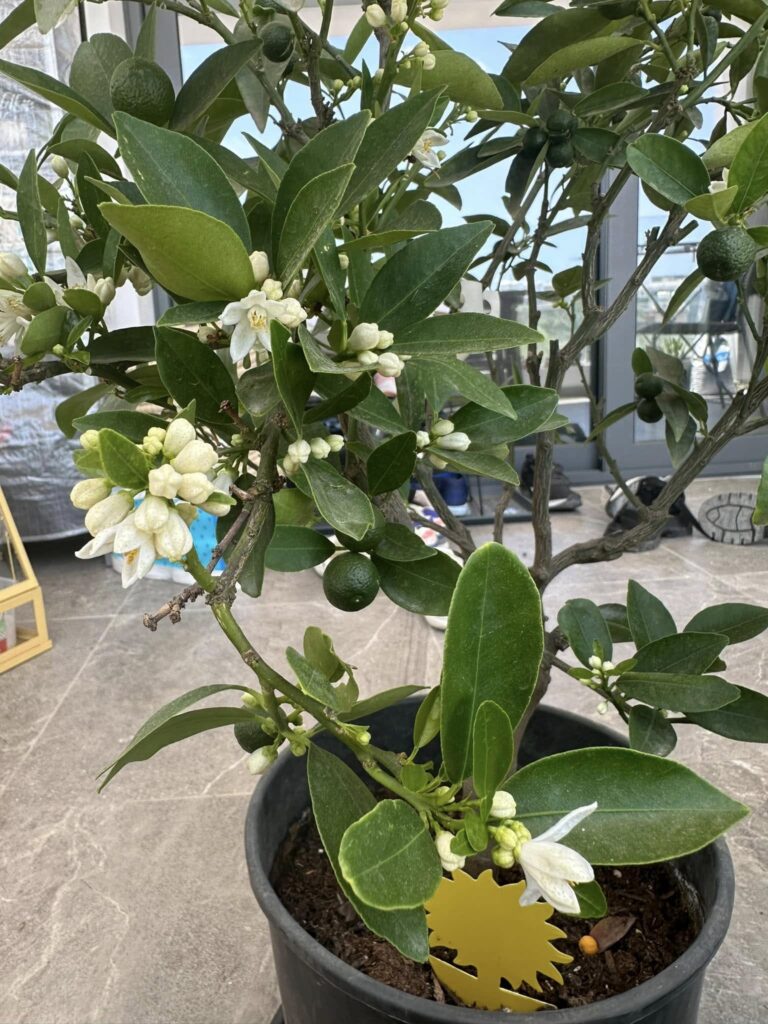
Kumquats are small citrus trees with tiny fruit. You eat the whole fruit, peel included. The skin is sweet and the juice is tart.
They are among the more cold-tolerant citrus plants. That is helpful in lower-desert neighborhoods that get cold nights. They also do well in large pots.
Kumquats stay compact, often under 10 feet. This makes them great for patios and small yards. Nagami is the most common variety.
Use them fresh, in salads, or in marmalade. A kumquat in a container can be moved to a warm spot during a freeze. I find them a lovely first citrus tree.
6. Pomegranate
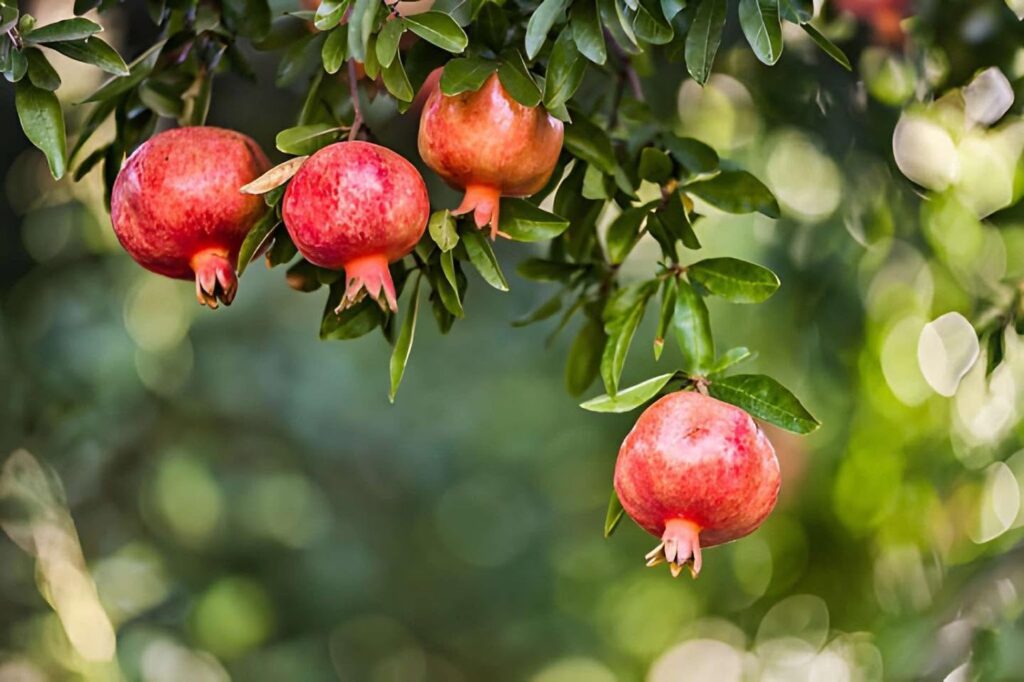
Pomegranates may be the perfect desert fruit. They thrive in heat and need little water once established. They are also self-pollinating, so one tree is enough.
The University of Arizona Campus Arboretum lists the ‘Wonderful’ variety as a standard for the state. A single fruit can contain around 200 seeds, each wrapped in juicy pulp. The fruit ripens in early fall.
These trees need fewer chill hours than many other fruits. They also tolerate poor soil better than citrus. Plant in full sun and give regular water during fruit development.
Uneven watering can make the fruit crack. Use mulch and deep, steady irrigation. Prune lightly to keep the shape open.
7. Fig
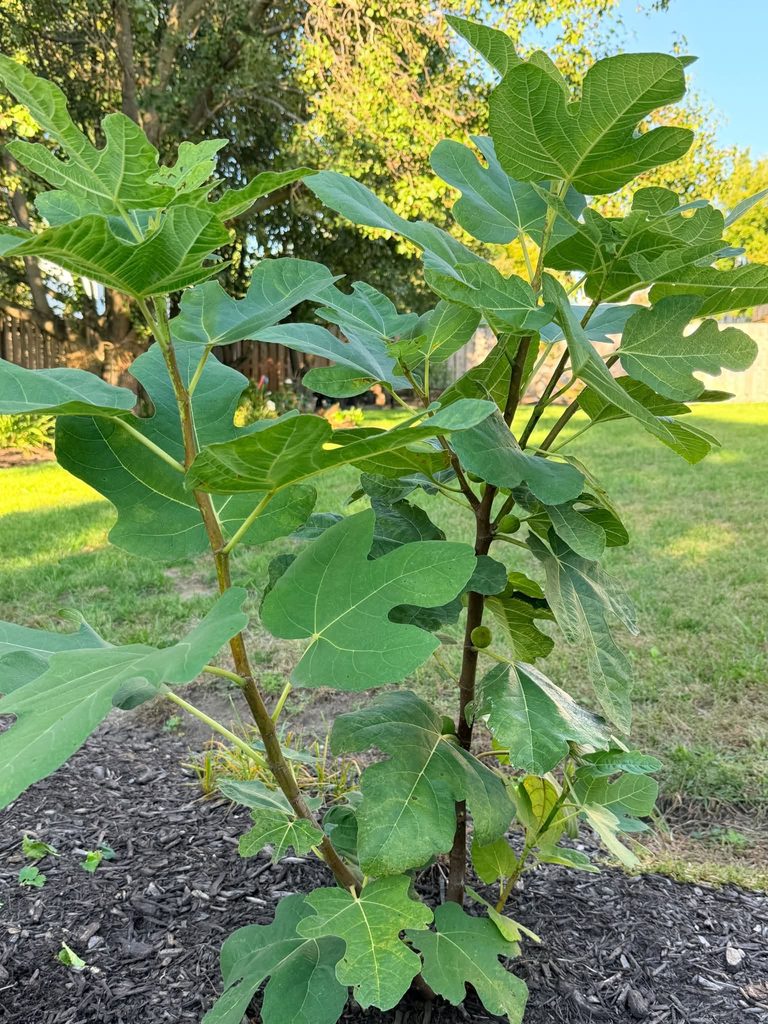
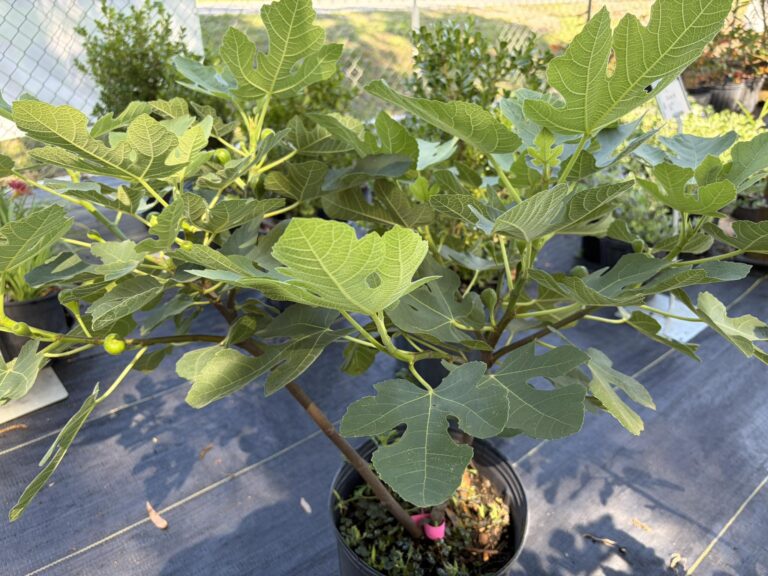
Figs are one of the easiest fruit trees for Arizona. University of Arizona Extension calls them a great choice for the Southern Arizona home gardener. They love heat and need little care.
At maturity, fig trees can reach 10 to 30 feet. Give them room or prune each year. Brown Turkey and Mission are common choices for the low desert.
Figs also suffer less from pests than many other trees. Young trees need frost protection in the first winters. Once established, they are tough.
Fig trees do well in containers too. The tree can live for up to 200 years, according to the University of Arizona Campus Arboretum. Few trees offer such a long reward.
8. Date Palm
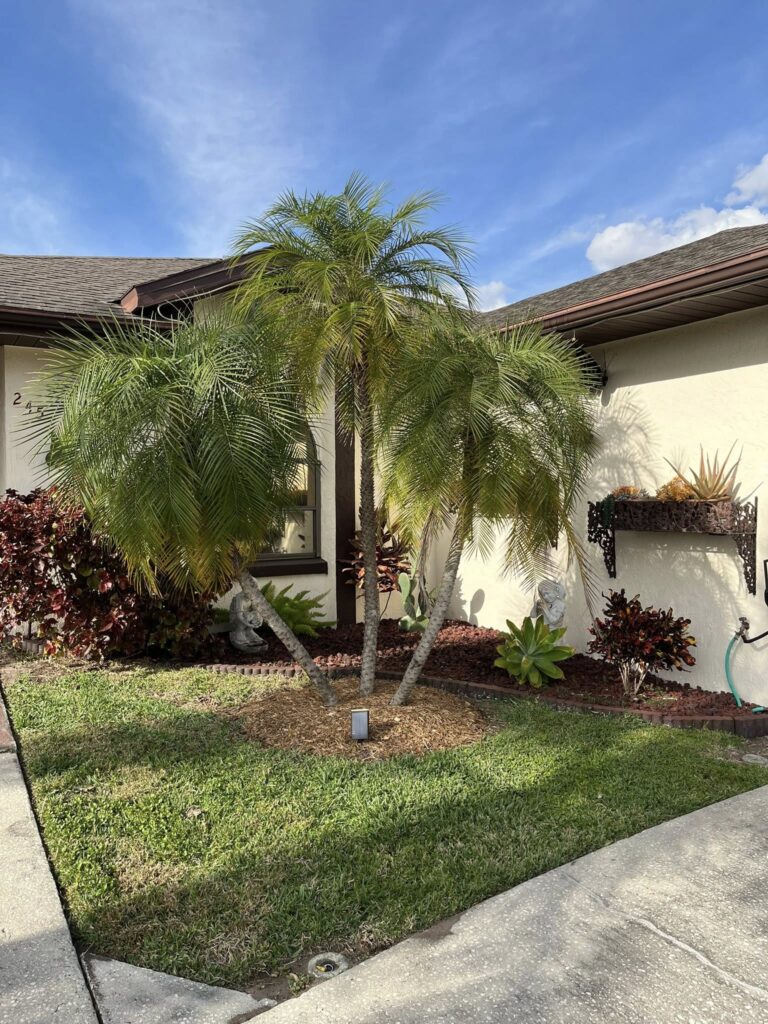
Dates are an old Arizona tradition. The University of Arizona helped develop the date industry here in the late 1800s. Today, date palms are still a proud part of the Salt River Valley.
A mature female tree can produce more than 250 pounds of dates in one season. That is a huge crop. But you need space, since the palms grow tall and wide.
Date palms need both male and female trees for natural pollination. Many home growers hand-pollinate. It takes practice, but it is an interesting task.
Medjool and Deglet Noor are well-known varieties. Wear thick gloves when you work, because the spines are sharp. Plant in full sun and deep soil.
9. Jujube
Jujube is a tough tree with sweet fruit. Some call it the Chinese date. When fresh, the fruit tastes like a crisp apple. When dried, it turns chewy like a date.
University of Arizona Extension notes the tree is well suited to Arizona’s deserts. It appears to have no serious disease or insect pests in the United States. That is rare for a fruit tree.
The tree can reach 40 feet in some places. It also tolerates drought. Even so, regular irrigation is needed for a quality fruit crop.
Most jujube types make some fruit without cross-pollination. Yields are higher with two or more different varieties. Jujubes are not widely sold, so ask local nurseries early.
10. Persimmon
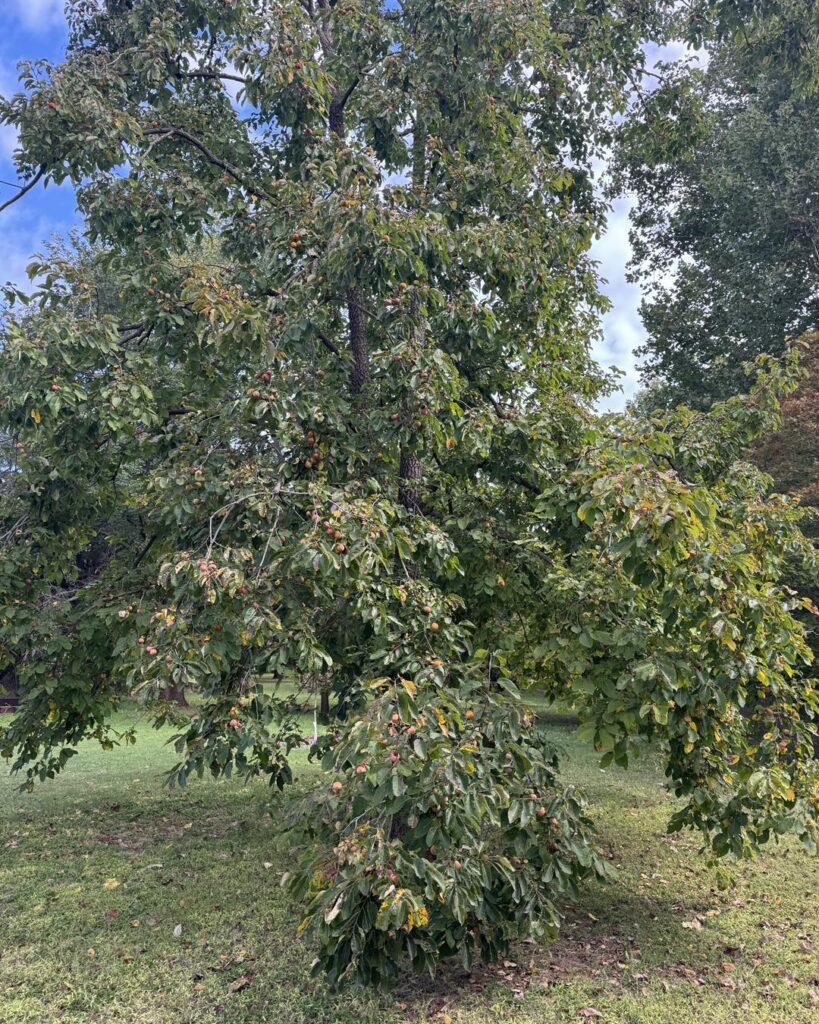
Persimmons are quiet performers in Arizona. They are adaptable, need little pruning, and have few pest problems. In fall, the bright orange fruit glows on bare branches.
Fuyu is the most popular for backyards. You can eat it while it is still firm. Hachiya is astringent until fully soft, so wait for it to ripen.
The University of Arizona describes some persimmons as relatively small trees. That makes them a good choice for backyard use. Many varieties have low chill needs.
Protect the fruit from sunburn in the hottest areas. A bit of shade cloth can help. Water deeply and mulch to keep roots cool.
11. Peach
Peaches can succeed in the low desert if you pick low-chill varieties. This is the most important rule. A peach that needs 800 hours will not set fruit in Phoenix.
University of Arizona Extension lists several good options. Desert Gold needs about 250 chill hours, and Earligrande needs about 275. Florida Grande needs fewer than 100.
Early varieties ripen in April and May, before the worst heat arrives. That timing is a big advantage. Most peaches are self-fruitful, so one tree is enough.
Thin the fruit to about 5 to 8 inches apart. Extension agents recommend thinning for larger, better fruit. It also protects branches from breaking.
12. Apricot
Apricots ripen early, often before summer heat arrives. For many Arizona gardeners, they are the first fruit of the year. The taste of a tree-ripened apricot is hard to beat.
Chill hours matter. The University of Arizona lists Gold Kist as an excellent backyard apricot for warm winter climates. It needs about 300 chill hours.
Apricots bloom early, which makes them sensitive to frost. Spring damage often occurs at 28°F or lower. A gentle slope helps cold air drain away from the tree.
Pick a spot with good drainage. Water deeply during the fruiting season. Prune in summer or fall to keep a manageable size.
13. Plum
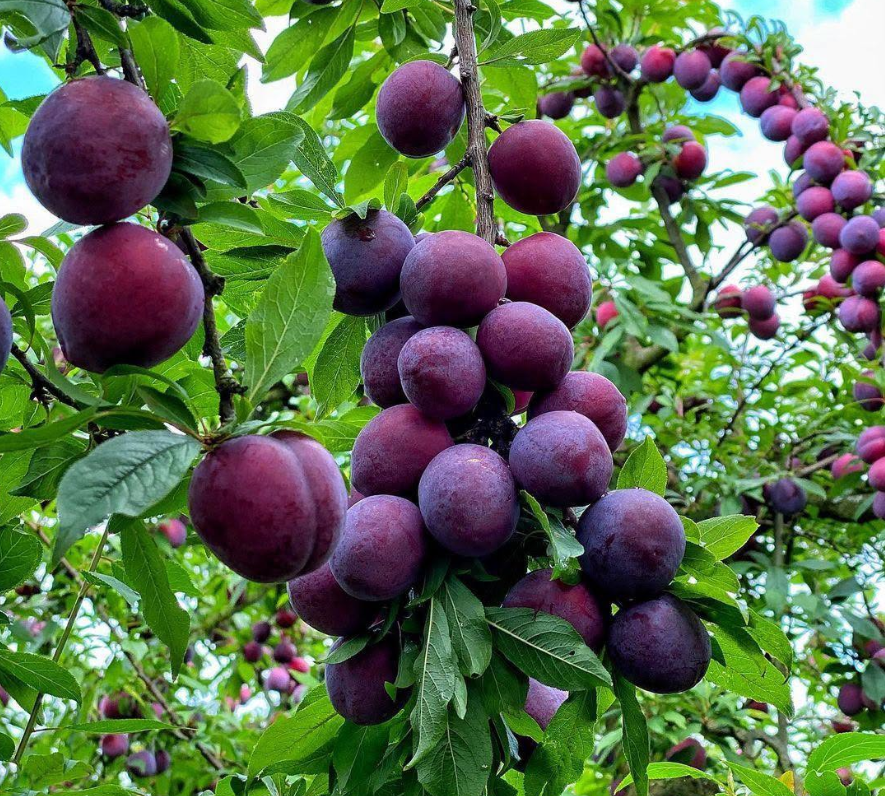
Plums can do well in many parts of Arizona. In the low desert, choose low-chill Japanese types. Santa Rosa is described by the University of Arizona as the most popular plum in California and Arizona.
Pollination depends on the type. Some varieties are self-fruitful, but others need a partner. If you have space for only one tree, extension advice is to choose a self-fruitful Japanese plum or a European prune plum.
Plums are good for fresh eating, jam, and drying. The trees stay moderate in size. They also bring lovely spring flowers.
Thin the fruit to avoid broken limbs. Mulch to hold moisture. Avoid frost pockets, because blossoms are tender.
14. Apple
Apples are possible in Arizona, but variety choice is critical. Most classic apples need far more chilling than the low desert provides. If your apple needs 600 chill hours or more, it will probably fail in Phoenix.
For the low desert, the University of Arizona lists low-chill types. Anna needs about 200 chill hours. Dorsett Golden and Ein Shemer each need about 100.
Two trees give better results. Ein Shemer is noted as a good pollinator for Anna. Plant them close together so bees can move pollen easily.
In higher elevations like Prescott and Flagstaff, many more apples are possible. Plant bare-root trees in early spring there. Protect blossoms from late frost.
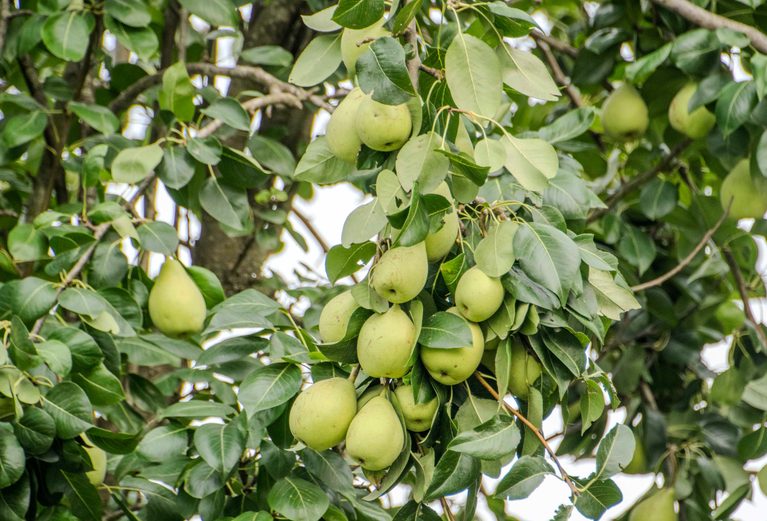
15. Asian Pear
Asian pears are crisp, juicy, and sweet. They are more like an apple in texture. The fruit stores well, which is a nice bonus.
They grow well in much of Arizona. Many varieties need only modest chilling. Choose a low-chill type for the low desert, and ask your nursery for advice.
Most Asian pears need a second variety for good pollination. Plant two different kinds nearby. Bees will do the rest.
Hot sun can scald fruit and bark. Whitewash young trunks with diluted white latex paint. Thin the crop so the fruit grows large.
16. Pecan
Pecans are a classic Southwestern tree. Technically they are nuts, but they fit naturally in any Arizona orchard. The large trees give shade as well as food.
Be honest about space. A mature pecan is huge. It needs a big yard and deep soil. It also needs more water than most trees on this list.
Pecans do best in the warm valleys of southern and central Arizona. Western Schley and Wichita are known varieties. A second variety helps with pollination.
Patience is needed. Trees take years to produce a good crop. But a healthy pecan can last for generations.
17. Olive
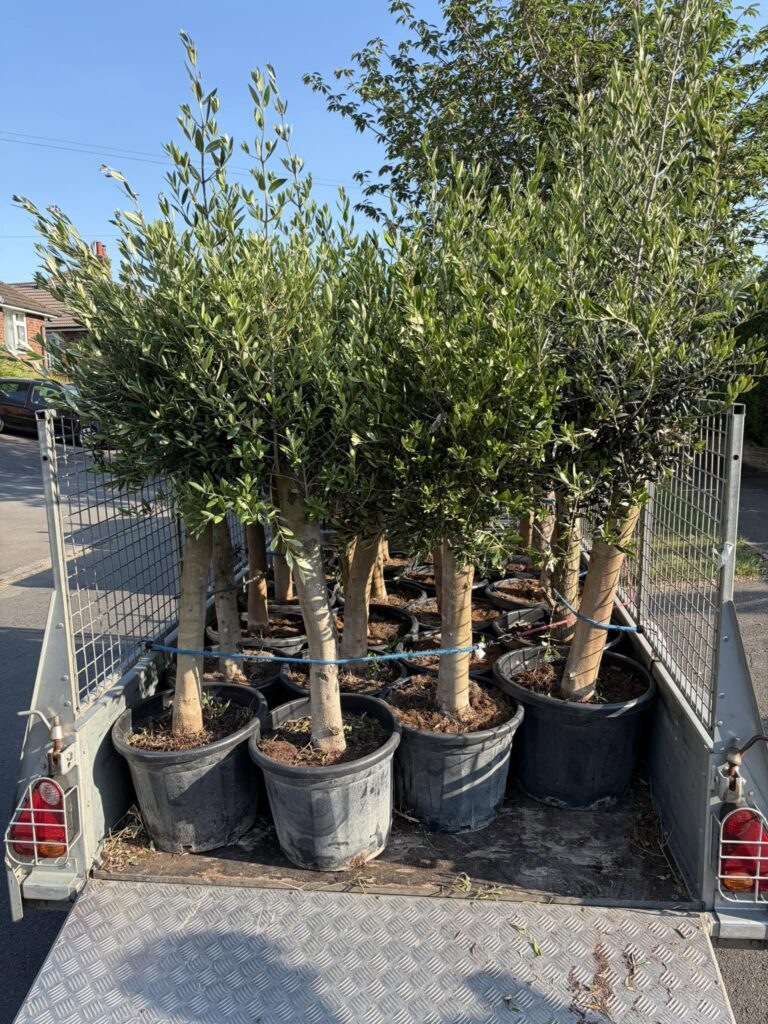
Olive trees look like they belong in Arizona. They have silvery leaves and a natural tolerance for heat and drought. They also give year-round beauty to the landscape.
Olives can be grown for oil or for table fruit. Fresh olives are bitter and must be cured. It is a fun project for anyone who loves kitchen experiments.
Some varieties produce pollen that causes heavy allergies. If anyone in your family has hay fever, ask your nursery about fruitless or low-pollen types. This is an important point in desert cities.
Olives need good drainage and full sun. Water deeply but not often once established. Avoid planting near pools, since the fruit can stain.
18. Loquat
Loquats are evergreen trees with big, glossy leaves. They bring a tropical look to a desert yard. They also fruit in spring, when little else is ripe.
The fruit is small, golden, and sweet-tart. Many people compare it to a mix of apricot and citrus. It is wonderful fresh or in jam.
Frost is the main concern. Flowers appear in fall and winter, so a freeze can destroy the crop. A warm spot near a wall helps a great deal.
Loquats also need shade from the harshest afternoon sun in the hottest areas. Water regularly and mulch well. They make a handsome shade tree even in a year without fruit.
ALSO READ: 15 Fruit Trees That Can Grow in Pots (With Details)
When and How to Plant Fruit Trees in Arizona
Timing depends on the tree. Citrus is best planted in spring, once frost danger has passed. Young trees are sensitive to cold, so avoid planting them in late fall.
For deciduous fruit trees, bare-root planting in late winter or early spring works well in many areas. In northern Arizona, extension agents recommend early spring. Buy from a reputable grower.
Dig a wide hole, but not deeper than the root ball. Set the tree at the same depth it grew before. Water deeply right after planting.
Mulch around the tree, but keep it a few inches from the trunk. Use a drip system and extend irrigation at least two feet beyond the drip line. Avoid summer planting, because heat stress can kill young trees.
Common Mistakes to Avoid
The first mistake is ignoring chill hours. Many gardeners buy a beautiful tree that never fruits. Always check the number before you buy.
The second is forgetting frost protection. A single cold night can damage young citrus. Keep frost cloth and a plan ready before winter starts.
The third is shallow watering. Daily light watering trains roots to stay near the surface. Deep, less frequent watering builds strong trees.
The last is skipping sun protection. Strong sun can scald bark and fruit. Whitewash trunks and use shade cloth when needed.
Frequently Asked Questions
What is the easiest fruit tree to grow in Arizona?
Figs, pomegranates, and jujubes are among the easiest. They tolerate heat and need little spraying.
Can I grow apples in Phoenix?
Yes, but only low-chill types like Anna, Dorsett Golden, or Ein Shemer. Regular apples will not fruit.
When should I plant citrus in Arizona?
Spring is best, after the danger of frost. Protect young trees during their first winters.
Where can I get local advice?
Your county Cooperative Extension office and Master Gardener program can help. They know your local conditions.
Final Thoughts
Arizona may look harsh, but it is generous to gardeners who plan well. From juicy citrus to sweet dates, the choices are wide. The key is to match each tree to your climate.
My advice is simple. Start with two or three easy trees, such as a fig, a pomegranate, and a lemon. Learn how they grow in your yard, then add more.
With good choices and steady care, your backyard can feed you for years. Check your chill hours, protect your trees from frost, and plant with confidence.
References
- University of Arizona Cooperative Extension. Deciduous Fruit and Nuts for the Low Desert (AZ1269). https://extension.arizona.edu/publication/deciduous-fruit-and-nuts-low-desert
- University of Arizona Cooperative Extension. Protecting a Citrus Tree (AZ1222). https://extension.arizona.edu/sites/default/files/2024-08/az1222.pdf
- University of Arizona Cooperative Extension. Citrus Topic Page. https://extension.arizona.edu/topics/citrus
- University of Arizona Cooperative Extension. Fig Trees in Southern Arizona (AZ2106). https://www.extension.arizona.edu/sites/default/files/2025-01/az2106-2024.pdf
- University of Arizona Cooperative Extension, Yavapai County. The Chinese Jujube. https://cales.arizona.edu/yavapai/anr/hort/byg/archive/chinesejujube2018.html
- University of Arizona Cooperative Extension, Yavapai County. Establishing a Home Orchard. https://extension.arizona.edu/sites/default/files/attachment/Orchard.pdf
- U.S. Department of Agriculture, Agricultural Research Service. 2023 USDA Plant Hardiness Zone Map. https://planthardiness.ars.usda.gov/

Tim M Dave is a gardening expert with a passion for houseplants, particularly cacti and succulents. With a degree in plant biology from the University of California, Berkeley, he has vast experience in gardening. Over the years, he has cultivated a vast collection of desert plants and learned a great deal about how to grow and care for these unique companions.