20 Best Fruit Trees to Plant in Georgia (With Growing Details)
Georgia is called the Peach State, but its fruit-growing story is much bigger than peaches. The state has hot summers, mild winters, and plenty of rain. That combination lets home gardeners grow an impressive range of fruit.
I have seen backyards in Georgia with figs by the porch, pears by the fence, and a persimmon tree full of orange fruit in November. It is a rewarding hobby. But success depends on choosing the right tree for the right place.
This guide covers 20 fruit trees that grow well in Georgia, with tips on varieties, pollination, and care.
Why Georgia Is a Great Place to Grow Fruit Trees
Georgia has three broad growing areas. The mountains and Piedmont in the north are cooler. Middle Georgia is warm and humid. The Coastal Plain in the south is mild in winter.
The plant hardiness zone map is the standard tool for matching plants to a location. It is based on the average annual extreme minimum winter temperature, shown in 10-degree zones and 5-degree half zones. Most of Georgia falls in zones 7 to 9.
Rain is another advantage. The state receives about 50 inches of rainfall or more each year. Young trees still need watering in dry spells, but this is a good start.
There is a challenge too. Warm winters followed by late spring freezes can damage blossoms. In 2023, a warm winter and a late-spring freeze wiped out nearly all of the state’s peach production. Choosing hardy varieties and good sites reduces that risk.
How to Choose the Right Fruit Tree for Your Georgia Yard
Start with sunlight. Fruit trees need at least six hours of sun to stay healthy and produce fruit. A shady corner will disappoint you, no matter how good the tree is.
Next, check pollination. Some trees are self-fruitful, so one tree is enough. Others need a partner. Apples need at least two different varieties, and some pears and plums do too.
Think about your region. A tree that thrives in Valdosta may struggle in Blairsville. Always match the variety to your area, and read the plant label before you pay.
Finally, be honest about your time. Peaches, apples, and plums need regular spraying and pruning. If you want easy trees, figs, persimmons, and pomegranates are better choices.
The 20 Best Fruit Trees to Plant in Georgia
1. Peach (Prunus persica)
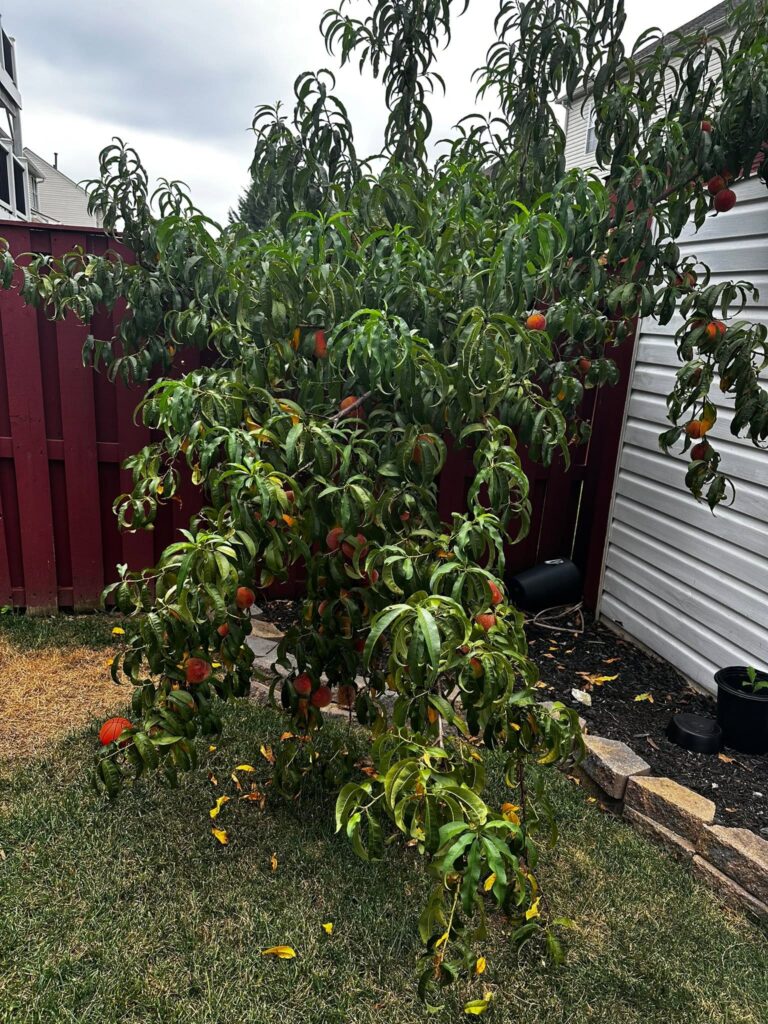
No list of Georgia fruit trees can start anywhere else. Peaches are part of the state’s identity. They grow well in the Piedmont and in middle Georgia, and they can do well in the south with the right varieties.
Peaches are self-fruitful, so a single tree will bear fruit. That makes them perfect for small yards. You do not need a second tree for pollination.
The industry shows how important this fruit is. A normal season produces about 2.5 million bushel boxes, and the 2022 crop was worth $80 million at the farm gate.
For home trees, prune to an open-center shape. This lets light reach the middle and helps the tree carry its fruit. Plant the tree where cold air can drain away on frosty nights, such as a gentle slope.
2. Nectarine
A nectarine is a peach without the fuzz. It grows in the same areas and needs similar care. Many people prefer the smooth skin and slightly firmer bite.
The trade-off is pest pressure. The skin has no fuzz, so insects and brown rot can reach it more easily. I would treat nectarines as an intermediate project, not a beginner tree.
Choose varieties recommended for Georgia and thin the fruit each spring. Thinning gives you larger, tastier nectarines. It also protects the branches from breaking under the load.
3. Japanese Plum
Japanese plums are some of the most dependable fruit trees for Georgia gardens. They bloom early, so site selection matters. Pick a spot that is not in a frost pocket.
Several varieties are recommended for the state. These include Methley, Morris, AU Rubrum, AU Producer, Spring Satin, Byrongold, and Rubysweet. Many of the AU varieties came from Auburn University.
Pollination varies by variety. Some set fruit alone, while others need a second plum nearby. Plant two compatible trees to be safe, and your harvest will usually improve.
Fresh eating is where Japanese plums shine. Japanese types are grown mainly for fresh use. The fruit is sweet, juicy, and ready in early summer.
4. Pear
Pears are among the toughest tree fruits in the state. They are adapted to nearly all of Georgia, and trees up to 50 years old can still produce fruit. That is real staying power.
Variety choice depends on location. For south Georgia, good options include Hood, Floradahome, Baldwin, Spalding, and Warren. In middle and north Georgia, try Orient, Carrick Waite, Kieffer, Magness, Moonglow, Starking Delicious, and Dawn.
Pears are tied to a disease called fire blight. Choose resistant varieties and avoid heavy nitrogen fertilizer. Too much nitrogen pushes soft new growth that the disease loves.
Many pears need a second compatible variety for good fruit set. Plant two different types within a short distance, and bees will do the rest.
5. Asian Pear
Asian pears are crisp and round, more like an apple in texture. They are juicy and very refreshing in the Georgia heat. I find them a lovely change from soft European pears.
They grow in most of the state. Like other pears, they usually need a partner for pollination. Plant two Asian varieties, or pair one with a compatible hybrid pear.
Asian pears also bloom early. In a warm winter, that can expose flowers to a late freeze. A protected, slightly elevated site helps a lot.
Harvest the fruit when it is fully colored and still firm. It stores well in the refrigerator for weeks, which makes the harvest last longer.
6. Apple
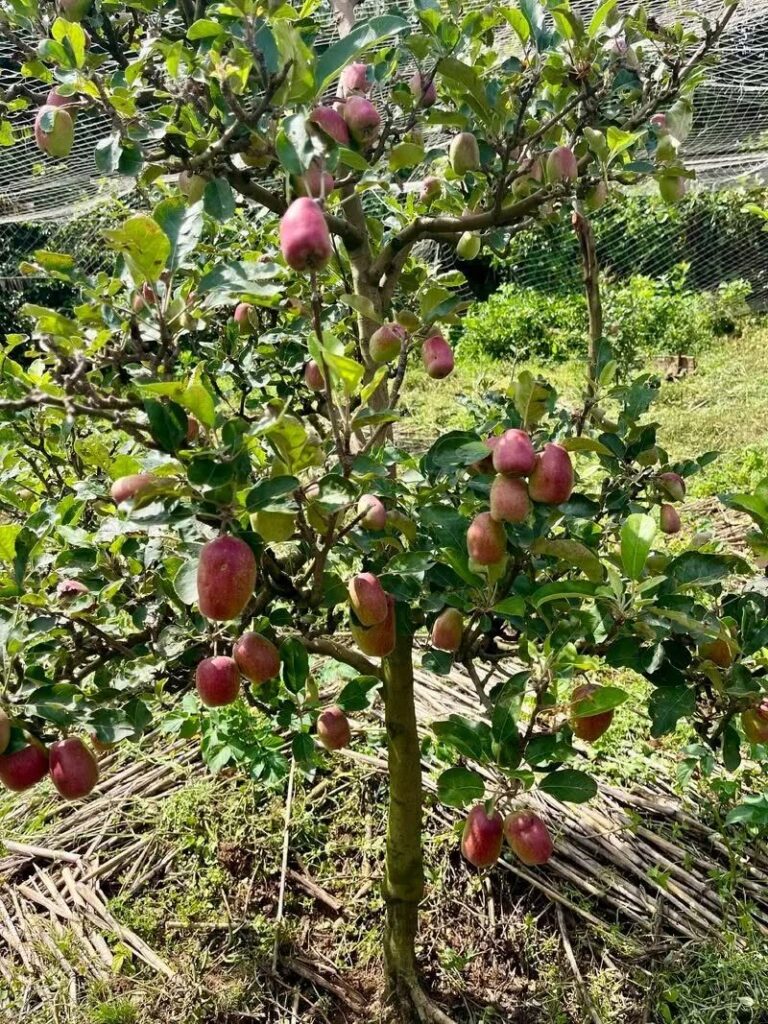
Apples are possible across Georgia, though they do best in the cooler north. If you live in south Georgia, look for Anna or Dorsett Golden. These varieties need fewer cold hours than traditional types.
In the upper two-thirds of the state, there are more choices. Good ones include Ginger Gold, Gala, Mollie’s Delicious, Ozark Gold, Golden Delicious, Mutzu, Yates, and Granny Smith.
You will need two different varieties for cross-pollination. Make sure they bloom at the same time. Ask the nursery to confirm before you buy.
Apples are not the easiest trees to grow organically in our humid climate. Be ready for a spray schedule. A good home-garden apple guide will help you plan it.
7. Fig
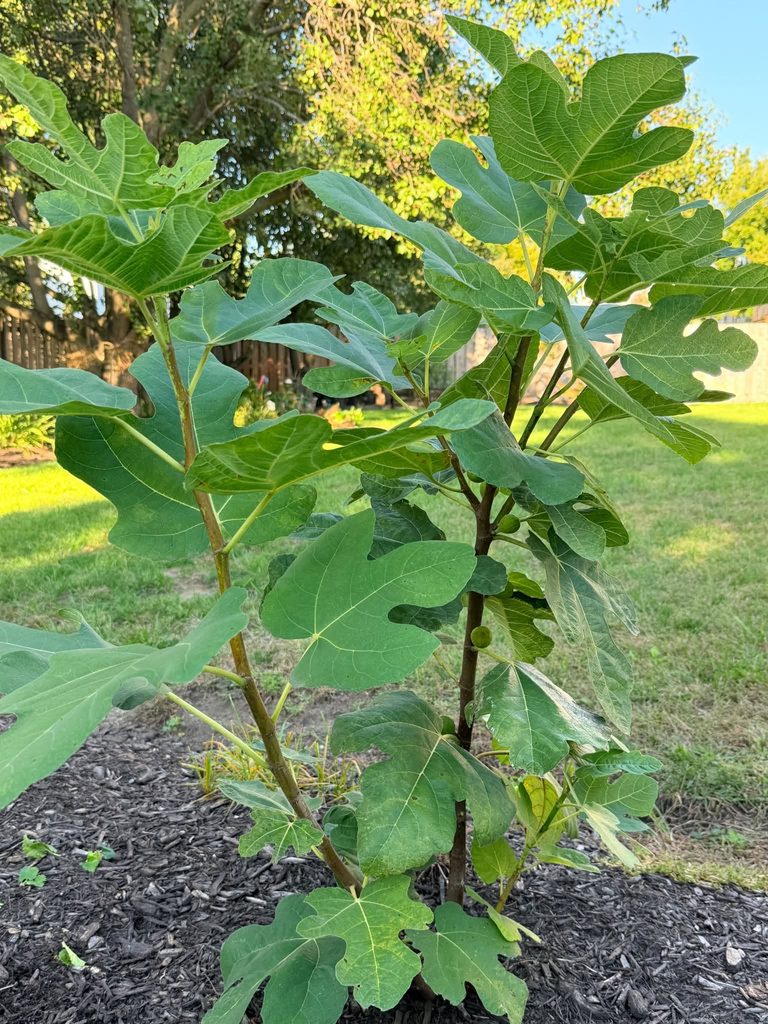
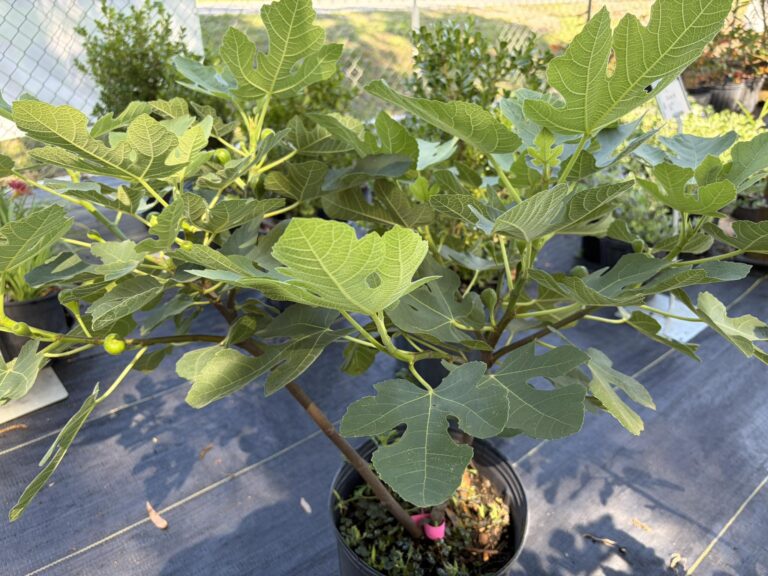
If you are new to fruit trees, start here. Figs are among the easiest fruit trees to grow in Georgia. They love our hot summers and need little care once established.
Several varieties are especially strong. Celeste, Hardy Chicago, and Conadria do well in the Piedmont, and Celeste and Conadria are among the best south of the Fall Line. For a late harvest, add a variety like Alma.
One Atlanta-area gardener reported making over 100 jars of jam in a typical year from a single tree. That story matches what I hear from many growers. One tree can feed a whole neighborhood.
In the mountains, plant figs in a sheltered spot, such as against a south-facing wall. Mulch the roots well before winter. Even if the top freezes, the tree often regrows from the base.
8. Pecan
Pecans are a classic Georgia tree. Technically they bear nuts rather than fruit, but no Georgia orchard list feels complete without them. They also give wonderful shade.
Be realistic about space. Yard and home orchard pecan trees should be spaced at least 60 to 80 feet apart. That is a big footprint, so they suit larger lots.
Choose carefully. Pecans are recommended for the Coastal Plain and Piedmont, but not for the north Georgia mountains. Pick scab-resistant cultivars, because home growers cannot easily run commercial spray equipment.
One example: ‘Elliot’ resists scab well, but it is vulnerable to late spring freezes and should not go in low spots. Patience is needed. Pecan trees take several years to bear.
9. Japanese Persimmon
Japanese persimmons deserve more attention in Georgia. They are beautiful, productive, and mostly free from serious problems. The orange fruit hangs on bare branches in late fall like holiday ornaments.
Two main types exist. Fuyu is non-astringent, so you can eat it while still firm, like an apple. Hachiya is astringent and must be fully soft before eating.
Most varieties are self-fruitful. They grow well from the Piedmont to the coast. Plant them in full sun and well-drained soil, and they will reward you for decades.
Persimmons need little spraying. That makes them good for gardeners who want low-input fruit. The trees stay a manageable size, usually 15 to 25 feet.
10. American Persimmon
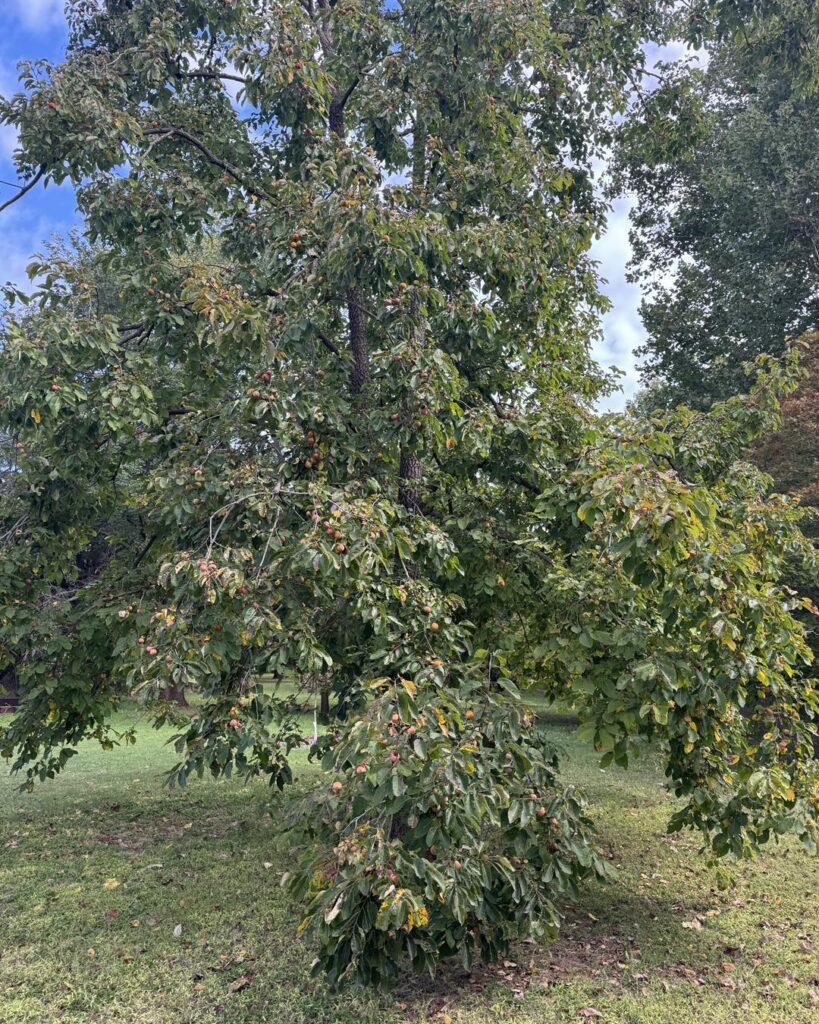
The American persimmon is a native tree that grows wild across Georgia. It is tough, drought-tolerant, and good for wildlife. I like it for naturalized areas and larger properties.
The fruit is smaller than Japanese persimmons. It is also very astringent until fully ripe. When ripe, it tastes rich and sweet, almost like dates.
Native trees are usually male or female, so you may need both for fruit. Some named cultivars are self-fruitful. Ask your nursery which type you are buying.
American persimmons form long taproots. Plant them where they will stay. They resent being moved, so choose a permanent spot from the start.
11. Pomegranate
Pomegranates thrive in Georgia’s hot summers. They handle dry spells well and take little work. In the southern half of the state, they are among the most reliable ornamental fruit trees.
They are really large shrubs or small trees. They grow 8 to 12 feet tall with bright orange-red flowers in late spring. The fruit ripens in early fall.
Cold can be a problem in north Georgia. A harsh winter may kill the branches to the ground. Plant against a warm wall and mulch heavily to improve survival.
Most varieties are self-fruitful. Water deeply during fruit development. Irregular watering can make the fruit split before harvest.
12. Satsuma Mandarin
Citrus in Georgia? Yes, in the right places. Satsuma mandarins are the hardiest common citrus for the southern part of the state. They are a favorite for southern and coastal Georgia.
Satsumas tolerate cold better than oranges or lemons. They ripen in fall, which means the fruit often escapes the worst winter freezes. The fruit is sweet, seedless, and easy to peel.
Plant them in the Coastal Plain or near the coast. Choose a warm site, such as the south side of a house. Cover young trees during hard freezes.
In colder areas, grow satsumas in large containers. Bring them into a garage or sunroom when the temperature drops. It takes extra effort, but fresh homegrown citrus is worth it.
13. Kumquat
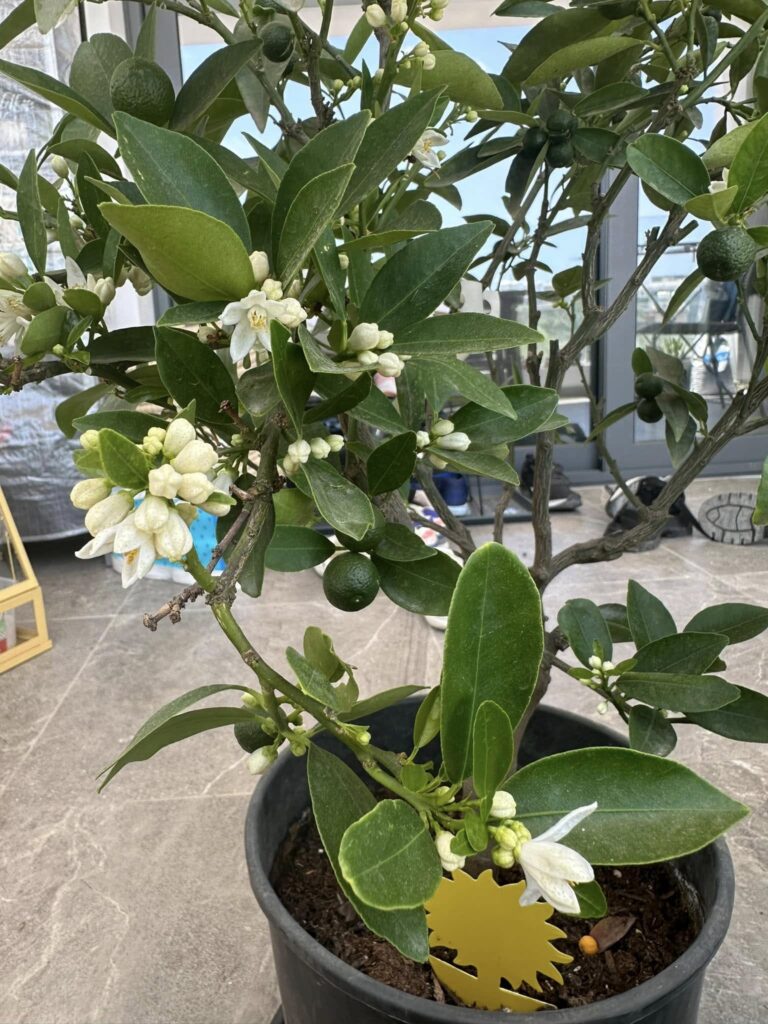
Kumquats are small, cold-hardy citrus trees. You eat the whole fruit, skin included. The peel is sweet and the flesh is tart, so each bite has a nice contrast.
They tolerate cold better than most citrus. In south Georgia, they can grow in the ground with a little winter protection. They also do well in pots.
Kumquats are slow-growing and compact. Many are only 6 to 10 feet tall. That makes them a good choice for patios and small gardens.
Give them full sun and well-drained soil. Feed lightly in spring and summer. Use the fruit fresh, in marmalade, or in salads.
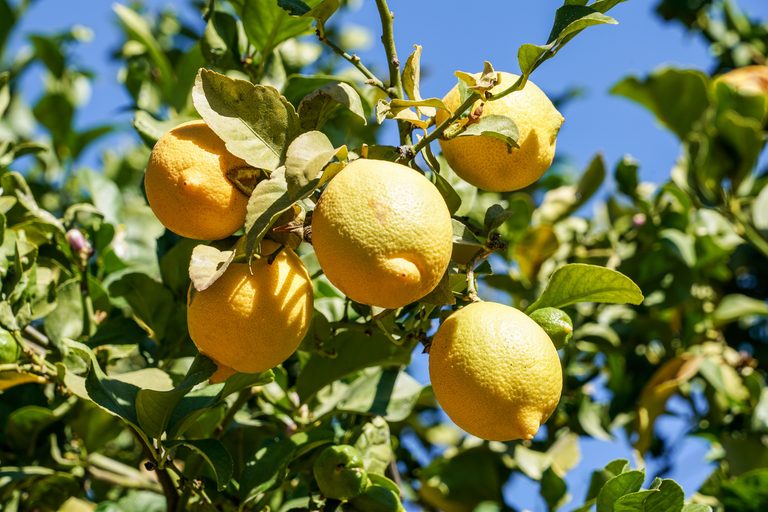
14. Meyer Lemon
Meyer lemons are a cross between a lemon and a mandarin. They are sweeter and less acidic than regular lemons. Many cooks love them for desserts and sauces.
Be careful, though. Meyer lemons are less cold-tolerant than satsumas. In the south and along the coast, they can survive with protection. Elsewhere, treat them as container plants.
Use a large pot with good drainage. Move it indoors or to a protected porch before the first hard freeze. A bright window gives the best results.
Water consistently, but never leave the roots sitting in water. Feed with a citrus fertilizer during the growing season. With care, one tree gives fruit for years.
ALSO READ: 25 Types of Lemon Trees (Different Varieties, With Pictures)
15. Loquat
The loquat is an evergreen tree with large, glossy leaves. It looks tropical and fits well in southern landscapes. It is also one of the earliest fruits of the year, ripening in spring.
The challenge is its bloom time. Loquats flower in fall or winter. A hard freeze can kill the flowers and cost you that year’s crop. That is why they suit south Georgia and coastal areas best.
The fruit is small, yellow-orange, and tastes like a mix of peach and citrus. Eat it fresh, or make jam. Most loquats are self-fruitful.
Choose a protected site near a building. The tree also works as an attractive screen. Even in years without fruit, the foliage looks good.
16. Jujube
Jujube is a tough, drought-tolerant tree that deserves a place in more Georgia yards. It tolerates heat, poor soil, and dry spells. Once established, it needs very little care.
The fruit looks like a small date. When fresh, it tastes like a crisp apple. When dried, it becomes chewy and sweet. Varieties like Li and Lang are common choices.
Jujubes leaf out late in spring, which helps them avoid frost damage. That is a real advantage in Georgia’s unpredictable weather. They are also mostly free of serious pests.
Plant in full sun. Some varieties are self-fruitful, but fruit set often improves with two trees. Watch for thorny branches when you pick.
17. Mulberry
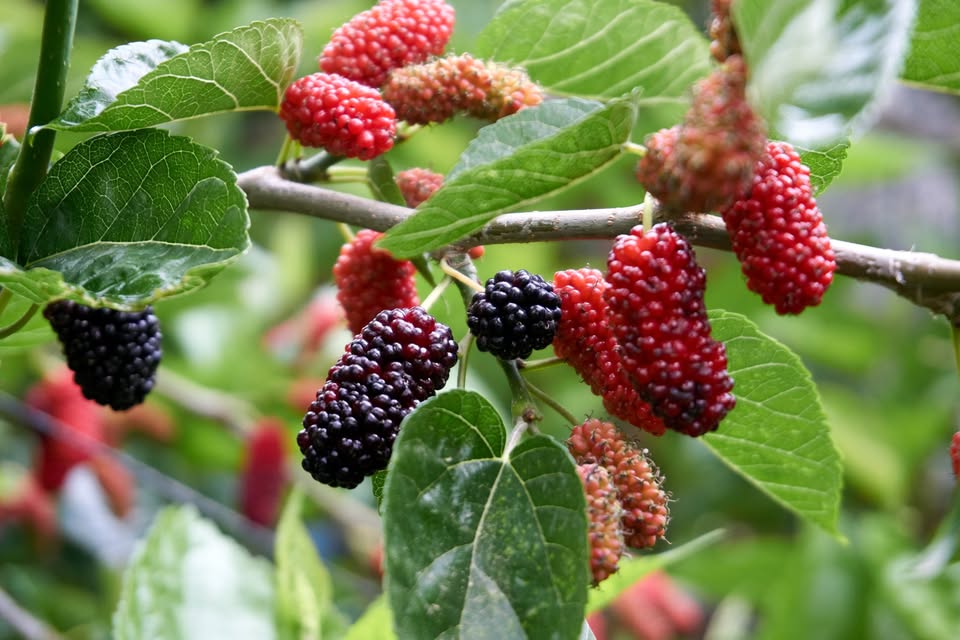
Mulberries are fast-growing and very productive. Fruit can start in just a few years. If you want quick results, this tree delivers.
The berries are sweet and soft, and they do not ship well. That is why you rarely see them in stores. Growing your own is the only way to enjoy them at peak flavor.
Mulberries are messy. The fruit stains sidewalks, decks, and cars. Do not plant one near a patio or driveway. A back corner is better.
Birds love mulberries, which can be a benefit if you enjoy wildlife. Choose a named variety, such as ‘Illinois Everbearing,’ for larger fruit and a longer harvest.
18. Pawpaw
The pawpaw is North America’s largest native fruit. Its flavor is creamy and tropical, often compared to banana and mango. It grows wild in Georgia, so it is well suited here.
Pawpaws prefer rich, moist soil and partial shade when young. They do well near streams or in woodland edges. They are a great choice for shady yards where other fruit trees fail.
Pollination is tricky. Pawpaws usually need two genetically different trees. Flowers are often pollinated by flies and beetles, not bees. Some growers hand-pollinate to improve fruit set.
Pests are few, which makes pawpaws attractive for organic gardens. Be patient: young trees grow slowly. But the unusual fruit is worth the wait.
19. Mayhaw
Mayhaw is a native hawthorn that grows in wet areas of south Georgia. It is a regional favorite for jelly. In spring, the tree is covered in white blossoms.
The fruit is small and red to orange. It is quite tart, so people rarely eat it raw. Mayhaw jelly, however, is a Southern tradition with a clear, delicate flavor.
This tree tolerates wet soil better than most fruit trees. If you have a low, damp spot where other trees struggle, mayhaw may be the answer. It also provides food for wildlife.
Mayhaws are best for south Georgia and the lower Piedmont. Many varieties are available from specialty nurseries. Ask for named, productive selections.
20. Quince
Quince is an old-fashioned fruit that is making a comeback. The tree is small, with showy pink blossoms. The fruit is hard and fragrant, and it must be cooked before eating.
When cooked, quince turns soft and pink, with a flavor like pear and vanilla. It makes superb jelly, paste, and baked desserts. If you enjoy cooking, you will love this tree.
Quince can suffer from fire blight, like pears. Choose resistant selections and prune out damaged branches. Good air circulation and sun help prevent leaf diseases.
Most quinces are self-fruitful. They stay small, often 10 to 15 feet tall. That makes them suitable for smaller gardens and mixed borders.
When and How to Plant Fruit Trees in Georgia
Late fall through winter is the best time to plant. The tree is dormant, and roots can settle in before spring growth. As I write this in October, you still have time to prepare your site.
Many fruit trees are sold bare-root. Bare-root trees come without soil around the roots, so plant them quickly. Soak the roots for a few hours before planting.
Dig a wide hole, but not deeper than the root ball. Keep the graft union above the soil. Never fertilize a fruit tree at planting. Wait until new growth appears.
Mulch around the tree, but keep it away from the trunk. Keep weeds under control. Weeds take water and nutrients away from young trees. Water deeply once a week during dry weather.
Common Mistakes to Avoid
The first mistake is planting in too much shade. Fruit trees need sun. Moving a tree later is difficult, so choose carefully the first time.
The second is ignoring pollination. People buy one apple tree, then wonder why it never fruits. Always check whether your tree needs a partner.
The third is skipping pruning. Without proper pruning, trees cannot support the weight of the fruit they produce. Prune in late winter, and learn the right shape for each species.
The last is planting trees that do not suit your region. A beautiful loquat will not survive a mountain winter. Use the hardiness zone map and talk to your local Extension office.
Frequently Asked Questions
What is the easiest fruit tree to grow in Georgia?
Figs, Japanese persimmons, and pomegranates are the easiest. They need little spraying and tolerate our heat.
Can I grow citrus in Georgia?
Yes, in the south and along the coast. Satsumas and kumquats are the hardiest. In colder areas, use containers.
How many years until a fruit tree bears?
Most peaches, plums, and figs fruit in two to four years. Apples and pears take longer. Pecans may need six years or more.
Where can I get expert advice?
Your county Extension office can help. They offer variety lists, pest schedules, and soil testing.
Final Thoughts
Georgia gives gardeners a rare gift: a long growing season and a wide choice of fruit. From classic peaches to unusual pawpaws, there is a tree for nearly every yard.
My advice is simple. Start small and match each tree to your site. Add one or two easy trees, like a fig or persimmon, and learn from them. Then expand into peaches, pears, or citrus.
With the right choices, you will enjoy fresh fruit for decades. Contact your local Extension office, check your hardiness zone, and plant with confidence.
References
- University of Georgia Cooperative Extension. Home Garden Pears (C 742). https://fieldreport.caes.uga.edu/publications/C742/home-garden-pears/
- University of Georgia Cooperative Extension. Home Garden Plums (B 1518). https://fieldreport.caes.uga.edu/publications/B1518/home-garden-plums/
- University of Georgia Cooperative Extension. Pecan Trees for the Home or Backyard Orchard (B 1348). https://fieldreport.caes.uga.edu/publications/B1348/
- University of Georgia CAES Newswire. Select Best Fruit Trees for Your Region of Georgia. https://newswire.caes.uga.edu/story/4870/fruit-tree-varieties.html
- University of Georgia CAES. Home Fruit Orchards Taking Root Throughout Georgia Now. https://fieldreport.caes.uga.edu/home-fruit-orchards-taking-root-throughout-georgia-now/
- University of Georgia Cooperative Extension. Fruit Resources (Expert Publications). https://fieldreport.caes.uga.edu/publications/topic/fruit/
- U.S. Department of Agriculture, Agricultural Research Service. 2023 USDA Plant Hardiness Zone Map. https://planthardiness.ars.usda.gov/

Tim M Dave is a gardening expert with a passion for houseplants, particularly cacti and succulents. With a degree in plant biology from the University of California, Berkeley, he has vast experience in gardening. Over the years, he has cultivated a vast collection of desert plants and learned a great deal about how to grow and care for these unique companions.