25 Types of Lemon Trees (Different Varieties, With Pictures)
I still remember the first lemon tree I helped plant. I assumed all lemons were the same. I was wrong, and the harvest taught me quickly.
Lemons differ in sweetness, rind thickness, tree size, thorns and cold tolerance. The right choice depends on your climate and your goals. This guide covers 25 types of lemon trees to help you choose well.
Why Understanding Lemon Variety Matters
Growers usually sort lemons into four groups. The University of California, Riverside lists them as Eureka-types, Lisbon-types, lemon hybrids and rough lemons. Knowing the group tells you a lot about how a tree will behave.
The numbers also show how important lemons are. According to the USDA’s Citrus Fruits 2025 Summary, released in August 2026, California produced 84 percent of all US citrus. The same report shows California’s lemon output fell 2 percent from the previous season. Arizona’s lemon output fell 36 percent.
Home growers face different challenges than commercial farms. A tree that thrives in a California orchard may struggle in a cold backyard.
Now, let’s dive into the list.
Eureka-Type Lemons
1. Eureka Lemon
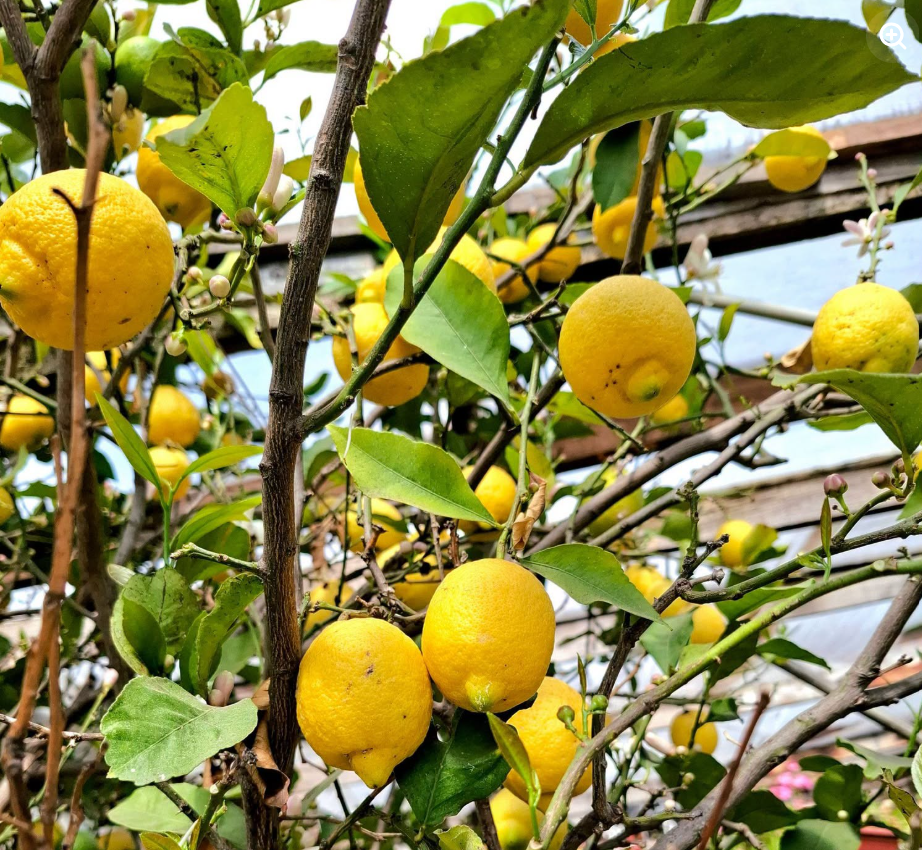
Eureka is the lemon most people know. It is probably the variety sitting in your local supermarket. The University of California notes that it began in Los Angeles, from seedlings grown from Italian fruit, with seed said to have been planted in 1858.
The tree is nearly thornless and produces fruit all year. Those two traits helped it rival the Lisbon lemon quickly. The fruit has a ridged, slightly rough rind and a small nipple at the tip.
Eureka does have weak points. UC Riverside describes it as less vigorous than many varieties and more sensitive to cold, insects and neglect. It suits mild climates best, and it needs regular care.
2. Old Line Eureka
Old Line Eureka is one of the older selections of the Eureka family. The UC Riverside collection keeps it as a reference variety. It shows how Eureka lemons looked before many newer clones appeared.
Its fruit is juicy, tart and aromatic, like a classic Eureka. The tree bears heavily when it is happy. It also keeps the thornless, everbearing habit that made Eureka popular.
This variety is available to California growers through the state’s Citrus Clonal Protection Program. That means clean, tested budwood is possible. Cleanliness matters, because citrus diseases spread easily through infected plant material.
3. Allen Eureka
Allen Eureka is another Eureka selection kept at UC Riverside. Budwood came to the collection in the 1960s from a ranch in Fillmore, California. It shows how growers have picked and propagated better Eureka clones over time.
The leaves are darker than Lisbon leaves and less sharply pointed. The leaf edges are slightly scalloped. These small details help growers tell the two main lemon types apart.
For a home gardener, the practical lesson is simple. Clones of the same variety can perform differently. Ask your nursery which selection they sell, and where it came from.
4. Variegated Pink Eureka Lemon
This tree is a favorite of mine because it is so pretty. Variegated Pink Eureka has green and cream striped leaves. Its young fruit is striped too, though the stripes fade as the fruit ripens.
The flesh is pink and tangy, which makes it a lovely drink garnish. The rind often turns yellow with a hint of pink. It is an ornamental tree as much as a fruit tree.
Do not expect high yields. Variegated trees tend to grow more slowly than plain Eureka. Give them sun, good drainage and regular feeding, and they will reward you with beauty.
5. Genoa Lemon
Genoa is classed as a Eureka-type lemon in the UC Riverside holdings. The collection received it in the early 20th century. It shows how widely Eureka-type lemons traveled across growing regions.
The fruit is similar to Eureka. It is tart, juicy and well suited to cooking and drinks. The tree is also similar, with an open habit and few thorns.
You will rarely see Genoa in garden centers. It is more common in collections and specialist nurseries. If you find one, it is a good choice for a classic lemon taste.
6. Villafranca Lemon
Villafranca is an older lemon that arrived in the US from Florida collections around 1914, according to the UC Riverside holdings. It is similar to Eureka in many ways. It was once popular for warm, humid regions.
The tree is vigorous and fairly productive. The fruit is medium-sized and acidic, with good juice content. It tends to ripen over a long season.
Today it is less common than Eureka and Lisbon. I mention it because it reminds us that lemon history is long and varied. Some old varieties are still worth growing.
7. Frost Eureka Lemon
Frost Eureka is one of the Eureka clones kept by UC Riverside, which lists it alongside Allen, Old Line and Taylor. The name refers to a Riverside citrus researcher, not to cold weather.
Like other Eureka clones, it offers tart fruit and a nearly thornless tree. It stays productive across many months. It also blooms several times a year in warm climates.
Do not confuse the name with frost tolerance. Eureka-types are still sensitive to cold, so protect them in winter. A sheltered, sunny wall is a smart place to plant one.
ALSO READ: 10 Problems with Lemon Trees in Pots: Every Issue Explained and Solved
Lisbon-Type Lemons
8. Lisbon Lemon
Lisbon is the other great commercial lemon, next to Eureka. UC Riverside calls both the principal lemon varieties in California. The two have become major lemon varieties around the world.
Lisbon trees are thorny, vigorous and more cold tolerant than Eureka. They are also more compact in fruit habit, and the fruit is smoother. The tip has a more noticeable nipple.
The thorns are the trade-off. Wear gloves when you prune or harvest. In return, you get a tough, productive tree that handles heat and wind well.
9. Frost Lisbon (Nucellar Lisbon)
Frost Lisbon is a nucellar selection, meaning it grew from a seedling that carries the parent’s traits but is often cleaner and stronger. UC Riverside lists a “Frost nucellar Lisbon” clone taken from an old Riverside line.
Nucellar clones are valued for vigor and uniformity. They usually start well and bear reliably. The fruit is classic Lisbon: tart, juicy and thick-skinned.
If you buy a Lisbon lemon, ask whether it is a nucellar clone. This small question can say a lot about tree quality.
10. Monroe Lisbon Lemon
Monroe Lisbon is another Lisbon clone in the UC Riverside collection. It belongs to the same group as Prior and Frost Lisbon. These selections were chosen for their performance in the field.
Expect a thorny, productive tree with good heat tolerance. The fruit is similar to standard Lisbon fruit. It is excellent for juice, zest and cooking.
Monroe is not a household name. Yet it shows how many Lisbon lines exist. Growers have refined this lemon for more than a century.
11. Prior Lisbon Lemon
Prior Lisbon is a Lisbon-type selection also kept at UC Riverside. Collections like this protect genetic diversity. That diversity helps breeders respond to new diseases and climate challenges.
The tree behaves like other Lisbons. It grows upright, carries thorns and can bear heavy crops. The fruit stays tart and acidic.
Few home gardeners will grow Prior Lisbon by name. But understanding it helps you read nursery labels. Lisbon-type on a tag usually means a hardy, thorny tree with classic lemon fruit.
12. Yen Ben Lisbon Lemon
Yen Ben is a Lisbon-type lemon in the UC Riverside list. The name points to its origin in Vietnam. It is a useful example of how lemon types spread across the world.
The tree is vigorous and can carry fruit with a bright, tart flavor. Like other Lisbons, expect some thorns. It does best in warm, sunny conditions.
Availability is limited outside specialist nurseries. If you see it, treat it as a rare find. Rare varieties can add real interest to a collection.
Lemon Hybrids
13. Improved Meyer Lemon
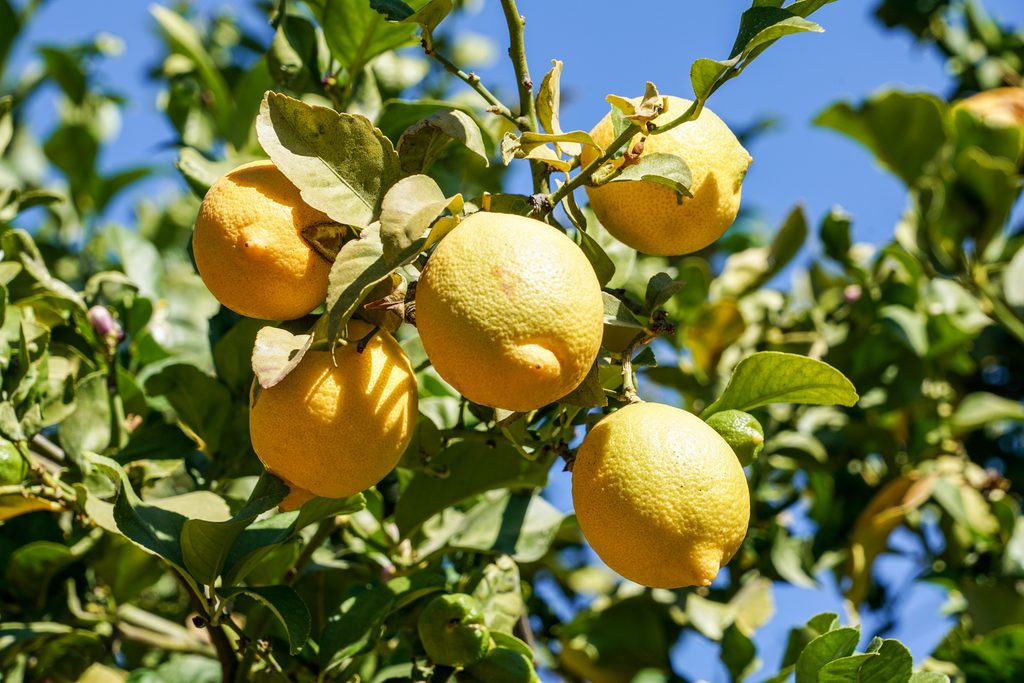
Meyer is the favorite of home gardeners, and for good reason. It is thought to be a cross between a lemon and a sweet orange. USDA explorer Frank Meyer brought it from China in 1908.
The fruit is rounder, sweeter and orange-yellow, with thin skin. Meyer trees bear mostly in fall and winter. They are self-pollinating, so one tree is enough.
The “Improved Meyer” is the version to buy. University of Florida specialists note it has been the only variety available since the 1970s, because it resists a virus that harmed the original. Penn State Extension says Meyer lemons are hardy to about 22°F, and fruit takes six to nine months to ripen.
14. Ponderosa Lemon
Ponderosa is the lemon people photograph. The fruit can grow enormous, much larger than a normal lemon. UC Riverside lists it as a probable citron and lemon hybrid.
The rind is thick and bumpy, and the flesh is only mildly acidic. It is often used for its zest and its novelty. A single fruit can fill your hand.
The tree is thorny and grows moderately. It is also sensitive to cold. In cooler regions, grow it in a container and move it indoors for winter.
ALSO READ: 15 Fruit Trees That Can Grow in Pots (With Details)
15. Yuma Ponderosa Lemon
Yuma Ponderosa is a Ponderosa selection listed by UC Riverside. It carries the same big, thick-skinned fruit. It has been grown in warm, dry parts of the American Southwest.
The fruit is mildly acidic, which some people prefer. It works for marmalade and baking. It also makes a showpiece in a fruit bowl.
Like all Ponderosa types, it needs warmth and protection from frost. Its large fruit also stresses the branches. Prune carefully and support heavy limbs.
16. Lemonade Lemon
Lemonade is a mild citrus often sold in garden centers. Its fruit is thin-skinned and less sour than a Eureka. Many people enjoy eating it with only a little sugar.
The name suggests its use. You can blend it into drinks with less sweetener. The tree is vigorous and tends to bear heavily in warm regions.
It is a good choice for people who dislike sharp acidity. I would also suggest it for families with children, who often prefer milder flavors. Grow it in sun with regular water.
17. Interdonato Lemon
Interdonato is an Italian lemon, widely believed to be a hybrid of lemon and citron. It ripens early, often in autumn, before most lemons. That makes it useful for extending the season.
The fruit is elongated, with a thin, aromatic rind. The flavor is mild and the flesh is juicy. The tree is productive and fairly vigorous.
It is not common in home gardens. But early ripening can make it valuable in some regions. Check with local specialist nurseries for availability.
18. Sweet Lemon (Limetta)
Sweet lemon is a related citrus with very low acidity. The flesh tastes mild and sweet, so it is not a true tart lemon. It is popular in parts of South Asia and the Mediterranean.
You can eat the fruit fresh. The juice is refreshing and gentle. It does not deliver the sharp punch that cooks expect from lemons.
This is a novelty for collectors. Grow it if you like variety, not if you need a kitchen staple. It needs warmth and good drainage.
Rough Lemons and Other Types
19. Rough Lemon
Rough lemon (Citrus jambhiri) has its own category in the UC Riverside collection. Its fruit is thick-skinned, bumpy and often seedy. It is not a prized eating lemon.
Its main value lies in its roots. Growers have long used it as a vigorous rootstock for other citrus. It grows fast and tolerates poor soils.
Rough lemon is cold tender, so avoid it in frosty areas. If you buy a grafted tree, ask what rootstock it uses. That choice affects vigor, size and hardiness.
20. Bearss Lemon
Bearss is a lemon often grown in Florida. University of Florida researchers have studied its growth, yield and cold hardiness on dozens of rootstocks. That shows how seriously growers take it.
The fruit is juicy and has few seeds. The tree grows well in warm, humid regions. It is a practical option for Gulf Coast and southern gardens.
The rootstock matters greatly with Bearss. A good rootstock improves cold tolerance and yield. Buy from a reputable nursery that tells you what it uses.
ALSO READ: Lemon Tree Leaves Curling: Causes, Diagnosis, and How to Fix It
European Heritage Lemons
21. Femminello Lemon
Femminello is a family of lemons grown in Sicily and southern Italy. They are known for aromatic oils and a lively, fresh flavor. Many Italian lemon products rely on them.
The tree flowers several times a year. This gives multiple harvests across the seasons. Fruit is medium-sized with a thin to medium rind.
I find Femminello lemons lovely for zest and limoncello. They suit warm Mediterranean climates best. In colder areas, grow them in pots and protect them over winter.
22. Sfusato Amalfitano Lemon
Sfusato Amalfitano grows on the steep terraces of Italy’s Amalfi Coast. The fruit is long and large, with a thick, fragrant rind. The flesh is juicy and less sharp than many lemons.
It is a classic ingredient in Italian desserts and liqueurs. The scent of the peel is the real prize. Even one lemon can perfume a kitchen.
The tree needs warmth and shelter. It is not an easy choice for cool gardens. But if you live in a mild coastal region, it is a rewarding project.
23. Verna Lemon
Verna is a leading Spanish lemon. It ripens in late winter and spring, so it fills a different part of the market from other varieties. The fruit is large with a thick rind.
Verna fruit is juicy and has a good shelf life. The tree is vigorous and carries few thorns. It adapts well to Mediterranean climates.
Spain is one of the world’s major lemon producers. Verna and Fino are central to that story. If you live in a hot, dry region, Verna is worth considering.
24. Fino Lemon
Fino is the other major Spanish lemon. It is also called Primofiori. It ripens earlier than Verna, usually in autumn and early winter.
The fruit is medium-sized with a thin, smooth rind. It is juicy and aromatic. The tree is productive and well adapted to warm, dry climates.
Fino is a smart choice for gardeners who want an early harvest. Plant it in full sun with excellent drainage. Water regularly during the dry months.
25. Kusner Lemon
Kusner closes our list as a curiosity. UC Riverside’s holdings list it as a lemon that came from Russia through a UCLA variety block in 1960. It reminds us how far lemons have traveled.
Details about its performance are limited. It is mainly known through collections and research. You are unlikely to find it in a garden center.
I include it because it shows the depth of lemon diversity. Behind the few varieties we buy, there are many more. Collectors and breeders keep them alive.
How to Choose the Right Lemon Tree
With so many options, a few questions will narrow your choice. Think about climate first. Then think about the size of your space and your taste.
- Cold climates: choose Improved Meyer and grow it in a container.
- Warm, sunny gardens: choose Eureka, Lisbon or Femminello.
- Sweet, mild flavor: choose Meyer or Lemonade.
- Ornamental value: choose Variegated Pink Eureka or Ponderosa.
- Few thorns: choose Eureka-types over Lisbon-types.
Basic Lemon Tree Care
Most lemon trees need six or more hours of sun each day. Plant them in sandy loam or other soil that drains well. The soil should stay moist, never soggy.
Feed with a fertilizer made for citrus. Water deeply, then let the top layer dry slightly. Protect trees when temperatures approach freezing. University of Florida specialists advise protecting Meyer lemons when it falls below 20°F.
Buy only certified, disease-free plants from registered nurseries. Citrus diseases can spread quickly and are hard to remove. A clean start saves years of trouble.
Frequently Asked Questions
Which lemon tree is easiest for beginners?
Improved Meyer is a strong first choice. It is self-pollinating and relatively cold tolerant. It also grows well in containers.
Which lemon has the fewest thorns?
Eureka lemons are nearly thornless. Lisbon lemons carry more thorns.
How long until a lemon tree bears fruit?
Grafted trees can flower within weeks of planting. Fruit still takes about six to nine months to ripen on Meyer trees.
Final Thoughts
Lemon trees are generous, but they are not all alike. Some give sharp fruit, others sweet fruit, and some give a beautiful tree. The right match is the one that suits your climate and your kitchen.
If I had to choose a single tree, I would start with an Improved Meyer in a large pot. It forgives mistakes and delivers lovely fruit. From there, you can explore the other 24 types on this list.
References
- University of California, Riverside, Givaudan Citrus Variety Collection. Lemons and their hybrids. https://citrusvariety.ucr.edu/citrus-varieties/category-or-type/lemons
- University of California, Riverside, Givaudan Citrus Variety Collection. Old line Eureka lemon. https://citrusvariety.ucr.edu/crc4094
- University of California, Riverside, Givaudan Citrus Variety Collection. Variegated Eureka lemon. https://citrusvariety.ucr.edu/crc599
- University of Florida, UF/IFAS Gardening Solutions. Meyer Lemon. https://gardeningsolutions.ifas.ufl.edu/home/plants/edible-plants/fruits/meyer-lemon
- University of Florida, UF/IFAS EDIS. Lemon Growing in the Florida Home Landscape (HS1153/HS402). https://journals.flvc.org/edis/article/view/118853
- Penn State Extension. Grow Your Own Lemons. https://extension.psu.edu/grow-your-own-lemons
- USDA National Agricultural Statistics Service. Citrus Fruits 2025 Summary (August 2026). https://esmis.nal.usda.gov/sites/default/release-files/796038/cfrt0826.pdf

Tim M Dave is a gardening expert with a passion for houseplants, particularly cacti and succulents. With a degree in plant biology from the University of California, Berkeley, he has vast experience in gardening. Over the years, he has cultivated a vast collection of desert plants and learned a great deal about how to grow and care for these unique companions.