15 Common Plum Tree Problems (With Symptoms and Fixes)
Plum tree problems are more widespread than most home growers expect. Oklahoma State University Extension notes that a wide range of serious fungal, bacterial, and viral diseases affect stone fruit trees, plums included, and every home grower should be aware of them.
The ATTRA program at the National Center for Appropriate Technology also points out that higher rainfall and humidity directly increase brown rot pressure, while insect feeding spreads the fungus further and opens fruit to new infection. That single detail explains why a wet spring often means a rough plum season.
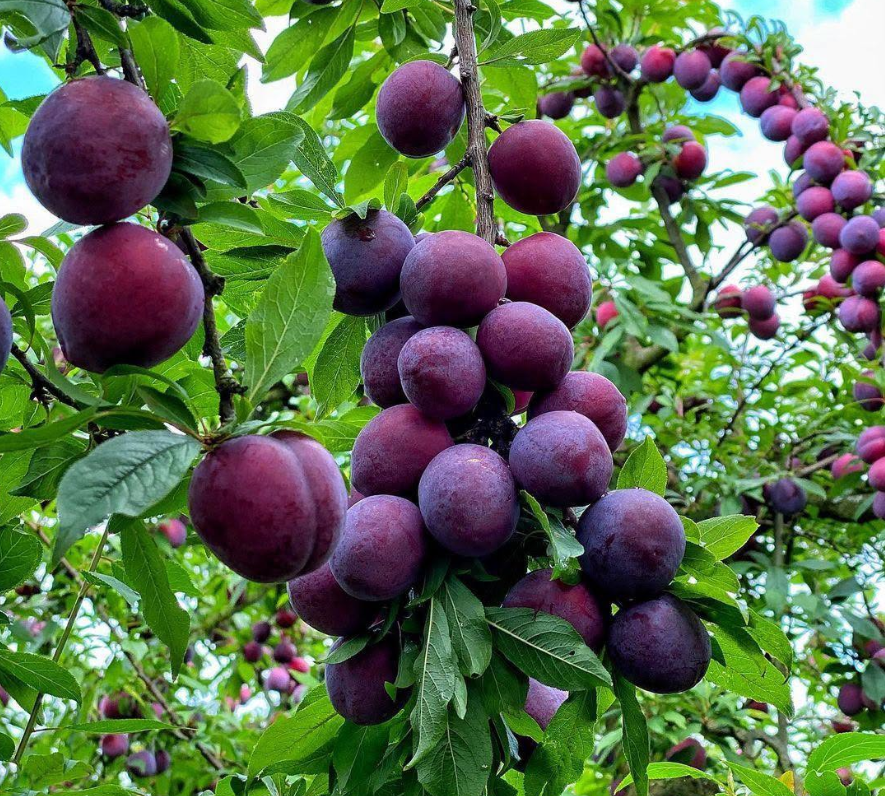
Why Plum Trees Face So Many Problems
Plums belong to the genus Prunus, a group that includes peaches, cherries, and apricots. This entire family shares many of the same disease and pest pressures.
That shared vulnerability matters. A backyard plum growing near an old peach tree or wild cherry can pick up problems that started somewhere else entirely.
Three factors drive most plum tree problems:
- Moisture and rainfall, which fuel fungal disease and encourage insect activity
- Wounds and stress points, which invite borers, canker, and gummosis
- Pollination and weather timing, which affect fruit set and drop
Once you know which category a problem falls into, treatment becomes far more straightforward.
15 Plum Tree Problems
The most common plum tree problems fall into four groups — fungal diseases, bacterial and viral diseases, insect pests, and environmental or cultural issues. Below, each problem is explained with its symptoms, its cause, and how to fix it.
Fungal Diseases (5 Problems)
Fungal issues are the leading cause of plum tree decline. Most spread through rain and humidity, which is why weather patterns matter as much as tree care itself.
1. Black Knot
Black knot starts as a subtle, swollen, olive-green area on a branch, easy to mistake for normal growth. By the following year, that swelling matures into a hard, black, knobby gall.
The University of New Hampshire Extension explains that these knots can grow to over six inches long and will keep enlarging until they girdle the branch completely. Heavily infected trees can show galls every few feet along their limbs.
The fungus produces spores each spring, spread by splashing or windblown rain, and infections enter directly through bark on the current season’s growth.
UNH Extension recommends pruning out infected branches in late winter, removing at least three to four inches of healthy tissue below each knot, and destroying the cuttings by burning or burying them.
2. Brown Rot
Brown rot infects blossoms early in the season and often reappears on ripening fruit near harvest. University of Massachusetts Amherst notes that European plums are generally more susceptible to this disease than Japanese plum varieties.
The first sign of fruit infection is usually a small brown spot, frequently starting at a minor wound caused by insect feeding. From there, the rot spreads quickly across the surface of the fruit.
ATTRA research confirms that plum curculio feeding actively spreads brown rot spores and opens fresh wounds for infection, linking this disease directly to insect activity.
Removing fruit mummies, thinning the canopy for airflow, and following a proper fungicide schedule during bloom all help reduce brown rot pressure significantly.
3. Coryneum Blight (Shot Hole)
Coryneum blight, also called shot hole, produces small purple or brown spots on leaves that eventually fall out, leaving a distinctive hole behind. The effect looks almost like insect damage at first glance.
This fungal disease also affects twigs and fruit, sometimes causing small scabby lesions on the surface of ripening plums.
Wet spring weather encourages the disease, since spores need moisture on plant surfaces to infect new tissue effectively.
A dormant copper or lime sulfur spray applied before bud break, combined with removing infected leaf litter each fall, is the standard control approach.
4. Powdery Mildew
Powdery mildew coats young leaves and shoots with a light, powdery, grayish-white film. It thrives in conditions where warm days are followed by cool, humid nights.
Infected leaves may curl or become distorted, and heavily affected shoots can show stunted, weakened growth by mid-summer.
Unlike many fungal diseases, powdery mildew is actually discouraged by water sitting on leaf surfaces, which makes airflow more important than dry foliage here.
Pruning to open the tree’s canopy and avoiding overly dense plantings both reduce the humid microclimate this fungus depends on.
5. Cytospora (Perennial) Canker
Cytospora canker appears as sunken, discolored patches on twigs and branches, often accompanied by oozing gum. University of Maryland Extension notes that this type of canker can be confused with borer damage, since both cause gummosis.
The fungus typically enters through wounds, whether from pruning cuts, winter injury, or mechanical damage during orchard work.
Left untreated, cankers can girdle a branch entirely, cutting off water and nutrients to everything beyond the infected area.
Cutting out affected wood well below the visible lesion, and keeping the tree free of unnecessary wounds, are the most effective long-term defenses.
ALSO READ: 15 Dwarf Fruit Trees for Garden Beds: A Complete Growing Guide
Bacterial and Viral Diseases (2 Problems)
These two diseases carry more serious long-term consequences than most fungal issues, and neither has a simple chemical cure once established.
6. Bacterial Leaf Spot (Bacterial Canker)
Bacterial leaf spot produces small, light-brown lesions on leaves, according to ATTRA’s plum disease identification resources. As the disease progresses, affected leaf tissue often dries out and falls away, leaving a shot-hole appearance similar to fungal shot hole disease.
The bacterium responsible, Xanthomonas pruni, spreads readily through splashing rain and can also affect fruit, causing sunken, scabby lesions on the skin.
Bacterial canker, a related issue, can also form on limbs, sometimes producing gummosis and sunken, dark bark alongside dieback.
Because bacterial diseases resist most fungicides, sanitation, resistant varieties, and avoiding overhead irrigation are the most reliable management tools.
7. Plum Pox Virus
Plum pox virus, also called Sharka, is described by the USDA’s Animal and Plant Health Inspection Service as the most devastating viral disease of stone fruit worldwide. It affects plums, peaches, apricots, cherries, and several ornamental Prunus species.
Symptoms include severely deformed fruit, rings or spots on fruit skin and leaves, premature fruit drop, and reddish or brownish discoloration in the flesh.
The USDA confirms that the virus spreads over short distances through aphid feeding, and over long distances through infected nursery stock or grafted budwood.
The United States has been officially free of plum pox virus since 2019, following a multi-decade eradication effort, but APHIS continues to monitor stone fruit-growing states to keep it that way.
Insect Pests (6 Problems)
Insects cause a different kind of damage than fungal or bacterial disease, often showing up as tunneling, scarring, or direct feeding on fruit and foliage.
8. Plum Curculio
Plum curculio is a small, dark, snout-nosed beetle roughly a half-inch long, and it is considered one of the most damaging plum pests in regions east of California. Adults overwinter in soil and leaf litter, then emerge in spring.
Females pierce developing fruit to lay eggs, leaving a distinctive crescent-shaped scar on the surface. Larvae then tunnel into the fruit, often causing it to rot and drop early.
Beyond direct damage, plum curculio feeding also opens wounds that allow brown rot spores to enter the fruit far more easily.
Removing fallen leaf litter and mulch each fall reduces overwintering habitat, and a properly timed spray schedule after bloom targets adults before they lay eggs.
9. Aphids
Aphids are small, soft-bodied insects that cluster on tender new shoots and the undersides of leaves. Beyond direct feeding damage, aphids matter for another reason entirely.
The USDA identifies aphids as the primary short-distance carrier of plum pox virus, since the insects pick up the virus while feeding and then transmit it to healthy trees nearby.
Heavy aphid populations can also cause curled, distorted new growth and a general decline in shoot vigor over time.
Encouraging natural predators like lady beetles and lacewings, along with a strong water spray on the undersides of leaves, helps keep populations in check without heavy chemical use.
10. Peachtree Borer and Lesser Peachtree Borer
Peachtree borer and lesser peachtree borer are wasp-like moths whose larvae tunnel beneath the bark of plum and other stone fruit trees. Mississippi State University Extension notes that peachtree borers focus on the lower trunk, while the lesser species attacks higher up on limbs.
Larvae bore through the cambium layer, the tissue responsible for the tree’s growth, causing serious structural damage over time.
University of Maryland Extension explains that heavy gummosis, often containing sawdust-like frass, is the clearest sign of active borer infestation.
Keeping trunks free from mechanical injury and treating trunks with a properly timed insecticide application both reduce the risk of new infestations.
11. Scale Insects
Scale insects attach themselves to bark and twigs, feeding on plant sap through a protective waxy or armored covering. Heavy infestations can weaken branches and reduce overall tree vigor.
Because scale insects are immobile for most of their life cycle, they are often overlooked until populations become dense enough to notice on the bark itself.
Dormant oil sprays applied before bud break in late winter are widely recommended, since they smother overwintering scale before the growing season begins.
Pruning out heavily infested branches also reduces the population quickly in smaller, backyard-scale plantings.
12. Spider Mites
Spider mites are tiny arachnids, not insects, that feed on the undersides of plum leaves. Heavy feeding produces a stippled, bronzed appearance across the leaf surface.
Mite populations tend to explode during hot, dry summer weather, particularly on trees already under drought stress.
Fine webbing on leaves and along stems is often the clearest visual sign of a developing infestation before broader leaf damage appears.
Regular watering during dry spells, along with a forceful water spray on leaf undersides, disrupts mite colonies effectively without chemical treatment.
13. Japanese Beetles
Japanese beetles are metallic green insects with copper-brown wing covers that feed in large groups. They target both foliage and ripening fruit, often skeletonizing leaves within days during peak summer activity.
Their strong flight ability makes them difficult to fully exclude from a planting, since new beetles can reinvade from surrounding areas continuously.
Handpicking beetles into soapy water works well for smaller plantings without severe infestations.
Treating lawn grubs earlier in the season also reduces the following year’s adult beetle population, since the two life stages are directly connected.
ALSO READ: 7 Best Homemade Pesticides for Fruit Trees: Organic Recipes That Actually Work
Environmental and Cultural Problems (2 Problems)
Not every plum tree issue comes from a pest or pathogen. Weather, pollination, and basic site conditions cause a real share of the complaints growers bring to extension offices.
14. Gummosis
Gummosis is the oozing of amber, sap-like gum from damaged areas of bark. University of Maryland Extension explains that it can result from environmental stress, borer activity, or canker disease, so identifying the true cause matters.
Gum containing sawdust-like debris usually points to active borer tunneling underneath, while gum without debris often signals canker or simple environmental stress.
Waterlogged soil, mechanical wounds, and sudden temperature swings can all trigger gummosis even without any pest or disease present.
Improving drainage, protecting the trunk from mowing and string-trimmer damage, and addressing any underlying borer or canker issue all help resolve the problem at its source.
15. Poor Fruit Set and Premature Fruit Drop
Sometimes a plum tree blooms beautifully but produces little to no fruit, or drops fruit early before it ripens. Pollination is often the first thing to check, since many plum varieties require a compatible partner tree nearby to set fruit reliably.
Late spring frosts can also destroy blossoms before pollination even has a chance to occur, wiping out an entire season’s crop in a single cold night.
Overly dense pruning, excess nitrogen fertilizer, and inconsistent watering can all contribute to fruit drop later in the season, even after successful pollination.
Confirming your variety’s pollination needs, protecting bloom from late frosts, and maintaining steady, moderate watering through the growing season all reduce this risk considerably.
ALSO READ: Understanding Mexican Plum (Prunus mexicana): Identification, Uses, Problems, and More
Plum Tree Problem Facts Worth Knowing
A few figures help put these 15 problems into perspective.
- Black knot galls can grow to over six inches long and continue enlarging until they girdle an entire branch, according to University of New Hampshire Extension.
- Brown rot is considered one of the most widespread and damaging diseases of stone fruit trees worldwide, per University of Massachusetts Amherst’s tree fruit program.
- European plum varieties are generally more susceptible to brown rot than Japanese plum varieties, according to the same UMass Amherst resource.
- The United States has been officially free of plum pox virus since 2019, following a multi-decade eradication program led by USDA APHIS.
- Plum pox virus was first detected in the U.S. in 1999 in Pennsylvania, and eradication in the last remaining quarantine area was confirmed after three consecutive years of clean field surveys.
These numbers highlight why prevention and early detection matter far more than reacting after damage has already set in.
How to Prevent Most Plum Tree Problems
With 15 possible issues to watch for, prevention makes far more sense than treatment after the fact. Here is how I would prioritize it.
- Prune out infected wood promptly. Black knot, canker, and coryneum blight all spread from infected tissue left on the tree, so removal timing matters.
- Clean up fallen leaves, fruit, and debris each fall. Brown rot, plum curculio, and several fungal spores all overwinter in this litter.
- Protect the trunk from mechanical injury. Borers and canker diseases both enter far more easily through wounds from mowers, trimmers, or careless pruning cuts.
- Check pollination needs before planting. Some plum varieties need a compatible partner tree nearby to set fruit reliably at all.
- Watch for gummosis early. Identifying whether it points to borers, canker, or simple environmental stress changes your entire response plan.
- Choose disease-resistant varieties where possible. Oklahoma State University Extension notes that resistant cultivar selection remains one of the most effective long-term disease management tools available.
Common Questions About Plum Tree Problems
What is the most common plum tree disease? Black knot and brown rot are generally considered the two most common and damaging plum tree diseases, both caused by fungi that spread readily during wet spring weather.
Can a plum tree recover from plum pox virus? There is no cure for plum pox virus once a tree is infected. The United States has been free of the disease since 2019 thanks to a national eradication and monitoring program.
Why is my plum tree oozing gum from the trunk? This is called gummosis, and it can point to borer activity, canker disease, or simple environmental stress. Checking for sawdust-like debris in the gum helps identify borer involvement specifically.
Do all plum trees need a second tree for pollination? Not all, but many varieties do require a compatible partner tree nearby to set fruit reliably. Checking your specific variety’s pollination needs before planting prevents disappointment later.
Is fruit drop always a sign of disease? No. Poor pollination, late frost damage, and inconsistent watering all cause fruit drop just as often as pests or disease do.
Final Thoughts
Plum trees ask for real attention, but the reward of a full harvest makes the effort worthwhile. Once you can recognize these 15 problems, most of them stop feeling like mysteries and start feeling manageable.
I would encourage any plum grower to inspect the trunk, branches, and leaf undersides regularly, especially after wet spring weather. Catching black knot, gummosis, or early curculio scarring in its first week is far easier than dealing with a full outbreak by midsummer.
Prevention, more than any single spray or treatment, is what keeps a plum tree productive year after year.
References
- USDA – USDA Declares United States Free from Plum Pox Virus https://www.usda.gov/about-usda/news/press-releases/2019/10/17/usda-declares-united-states-free-plum-pox-virus
- USDA Animal and Plant Health Inspection Service (APHIS) – Plum Pox https://direct.aphis.usda.gov/print/pdf/node/3299
- University of New Hampshire Extension – My Plum Tree Has Black Fungus Growing on the Branches https://extension.unh.edu/blog/2018/01/my-plum-tree-has-black-fungus-growing-branches-what-can-i-do-treat-it
- Oklahoma State University Extension – Common Diseases of Stone Fruit Trees and Their Control https://extension.okstate.edu/fact-sheets/common-diseases-of-stone-fruit-trees-and-their-control.html
- Mississippi State University Extension – Disease and Insect Control for Homegrown Peaches and Plums https://extension.msstate.edu/publications/disease-and-insect-control-for-homegrown-peaches-and-plums
- University of Maryland Extension – Ornamental Fruit Tree Problems https://extension.umd.edu/resource/ornamental-fruit-tree-problems
- Utah State University Extension – Plum Insects & Diseases https://extension.usu.edu/planthealth/ipm/notes_ag/fruit-list-plum
- University of Massachusetts Amherst, New England Tree Fruit Management Guide – Black Knot of Plum and Cherry https://netreefruit.org/stone-fruit/plums/diseases/black-knot-plum-and-cherry
- University of Massachusetts Amherst, New England Tree Fruit Management Guide – Brown Rot Blossom Blight and Fruit Rot https://netreefruit.org/stone-fruit/plums/diseases/brown-rot-blossom-blight-and-fruit-rot

Tim M Dave is a gardening expert with a passion for houseplants, particularly cacti and succulents. With a degree in plant biology from the University of California, Berkeley, he has vast experience in gardening. Over the years, he has cultivated a vast collection of desert plants and learned a great deal about how to grow and care for these unique companions.