25 Best Flowers to Grow in Texas (With Pictures)
Gardening in Texas is not for the faint of heart. Summers are hot, rainfall swings from flood to drought, and soil changes from sandy loam to heavy clay within a few hours’ drive. I have seen gardeners lose a whole bed of petunias in one July week.
The good news is that Texas also has some of the most rewarding flowers in the country. The key is to choose plants that match your region, soil, and sun exposure.
Texas is the second-largest state in the U.S., covering roughly 268,000 square miles. According to the USDA Plant Hardiness Zone Map, it spans several zones, from cold Panhandle winters to the mild Gulf Coast. A flower that thrives in Houston may struggle in Amarillo.
This guide covers 25 reliable choices, including native wildflowers, pollinator favorites, and tough perennials.
The 25 Best Flowers to Grow in Texas
1. Texas Bluebonnet (Lupinus texensis)
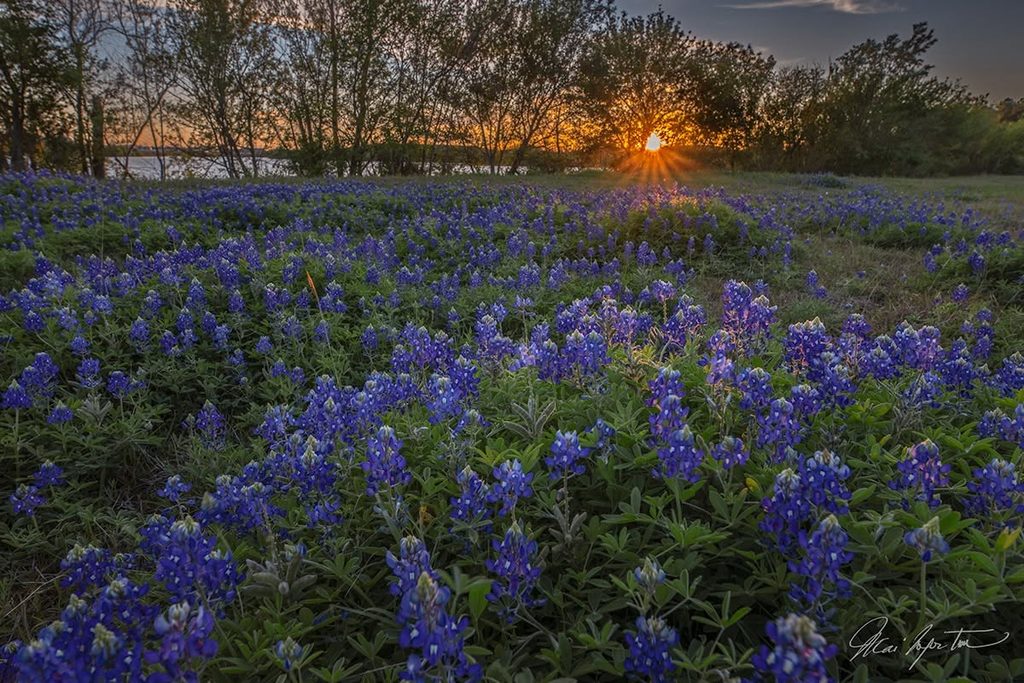
No list of Texas flowers can start anywhere else. The bluebonnet is the state flower of Texas, and the Legislature first honored it in 1901. Every spring, roadsides turn deep blue.
Bluebonnets are annuals that grow from seed. Sow them in September to early December, and the plants will bloom from March to April. Seeds need direct sun and well-drained soil.
I always tell new gardeners to be patient. Bluebonnets form leafy rosettes over winter, so do not think they have failed. Let the seed pods dry before you cut the plants back, and they will reseed for next year.
2. Black-Eyed Susan (Rudbeckia hirta)

This cheerful flower has golden petals and a dark brown center. It is one of the most dependable wildflowers across Texas. It blooms from late spring into fall.
Black-eyed Susans grow well in full sun and average soil. They tolerate heat and short droughts once established. They also attract bees and butterflies.
Plant them in groups of five or more for a strong effect. Deadhead spent blooms to extend flowering. In many Texas gardens, they return year after year.
3. Purple Coneflower (Echinacea purpurea)
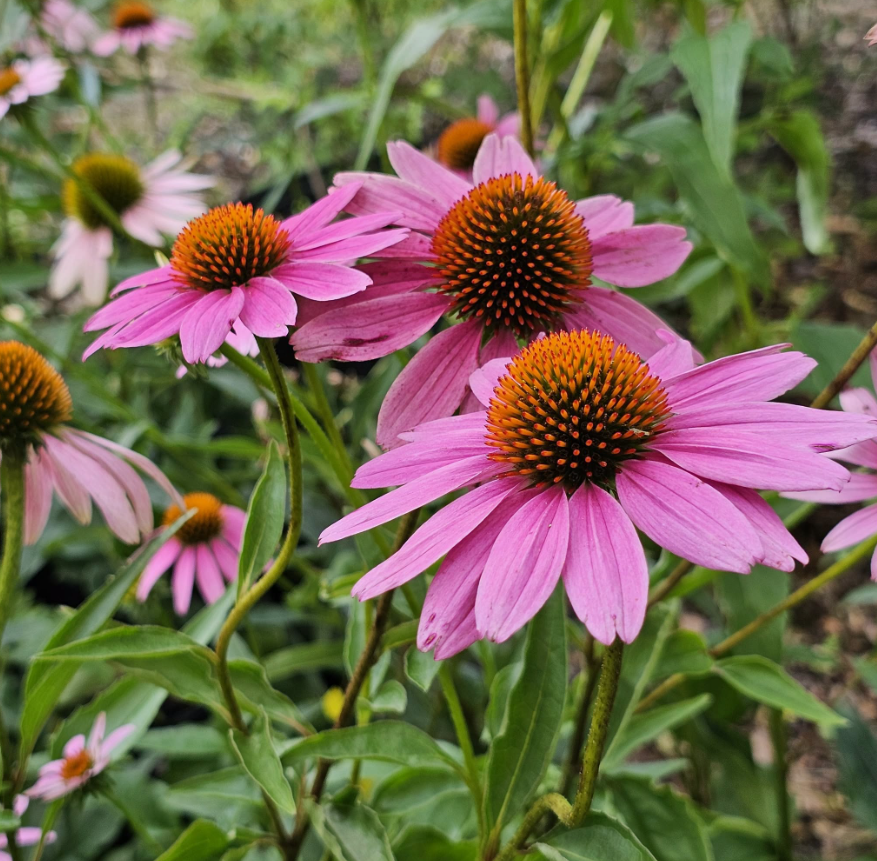
Purple coneflower is a tough perennial with large pink-purple petals and a spiky orange cone. It handles heat well and stands tall in the garden. It blooms from late spring through summer.
It prefers full sun and well-drained soil. Water deeply but not often. Overwatering is a bigger risk than drought.
Goldfinches love the seed heads in fall, so I usually leave a few standing. Butterflies visit the flowers all summer. This plant is a good choice for a low-care pollinator garden.
4. Blanket Flower (Gaillardia pulchella)
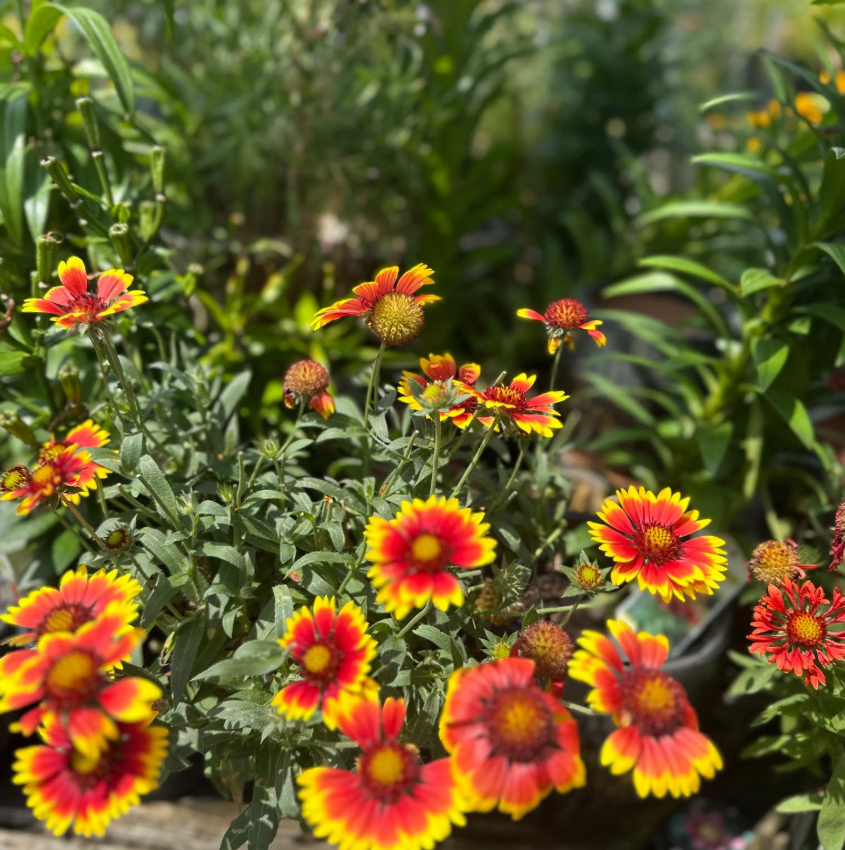
Blanket flower is a Texas native with red and yellow petals. It is also called Indian blanket or firewheel. It blooms from late spring to the first frost.
It thrives in poor, sandy, or rocky soil. In fact, rich soil can make it leggy. Full sun and little water are all it needs.
This is one of the best flowers for gardeners who travel or forget to water. Plant it in a sunny border or along a driveway. It also works well in large containers.
5. Lantana (Lantana camara and Lantana horrida)
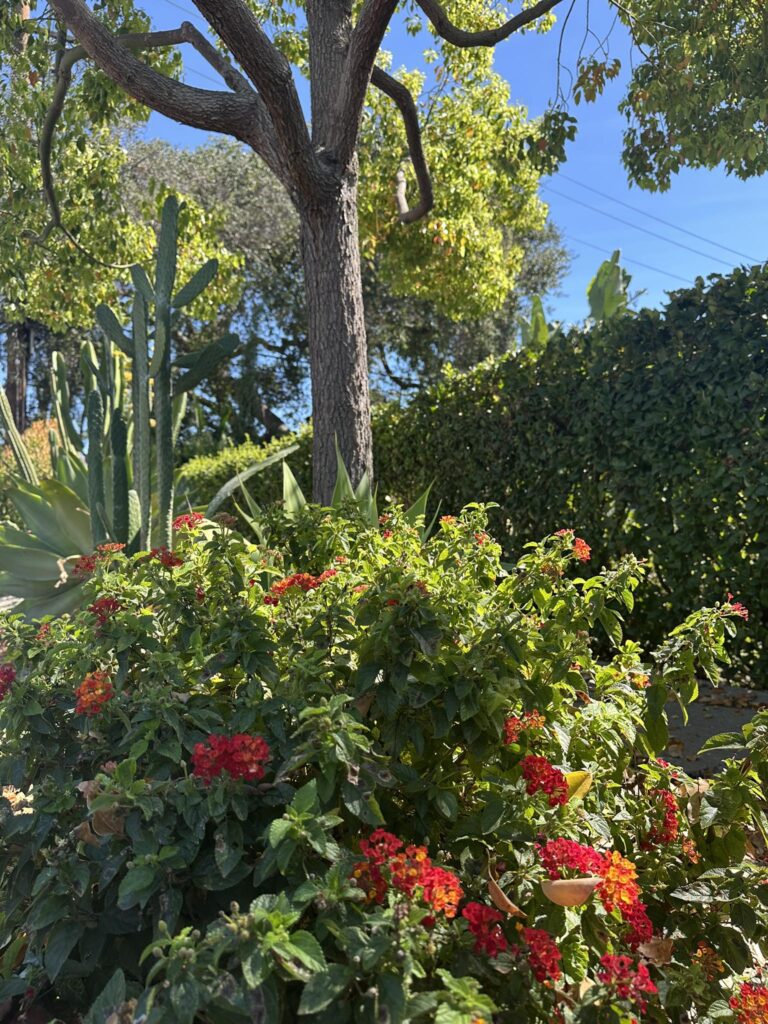
Lantana loves Texas heat. Its flower clusters change color as they age, often mixing yellow, orange, and pink. Butterflies flock to it all summer.
Texas native lantana (Lantana urticoides) is a strong choice, as is the hardy ‘Miss Huff’ variety in warmer zones. Plant it in full sun with good drainage. Once established, it needs little water.
A note of caution: some lantana varieties can spread aggressively in warm areas. Choose sterile or native types when possible. Cut back frozen stems in late winter.
6. Zinnia (Zinnia elegans)
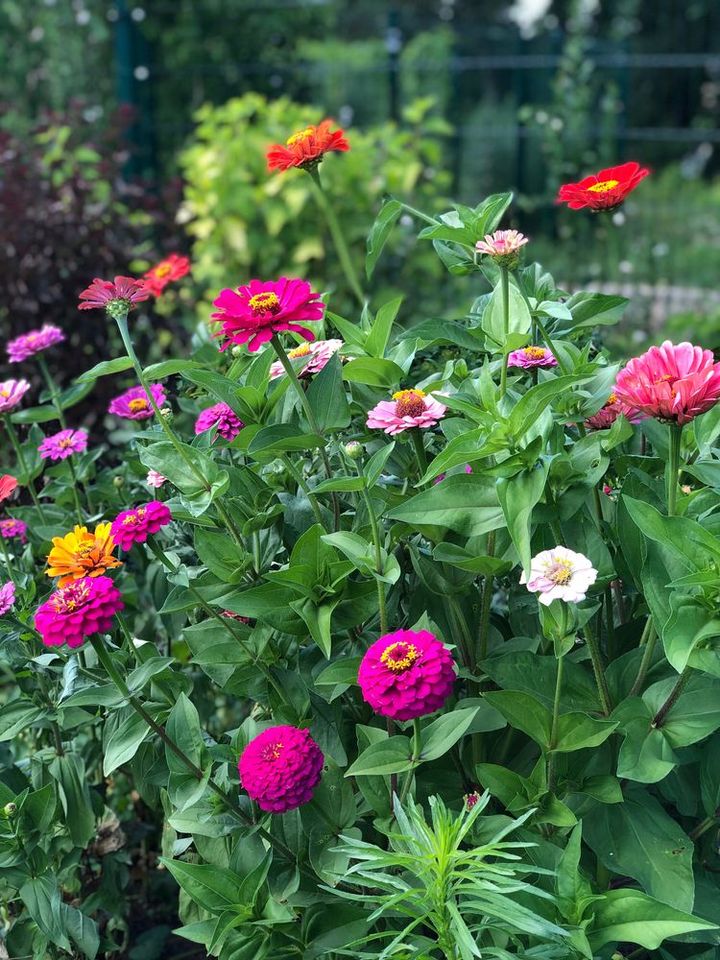
Zinnias are among the easiest flowers to grow from seed. They sprout quickly and bloom within about two months. Colors range from bright red to soft pink.
They love full sun and handle Texas summers well. Water at the base of the plant to prevent mildew, which can show up in humid areas. Space plants well for air circulation.
I like zinnias for cut flower beds. The more you cut, the more they bloom. Plant a second batch in mid-summer for color into fall.
7. Marigold (Tagetes)
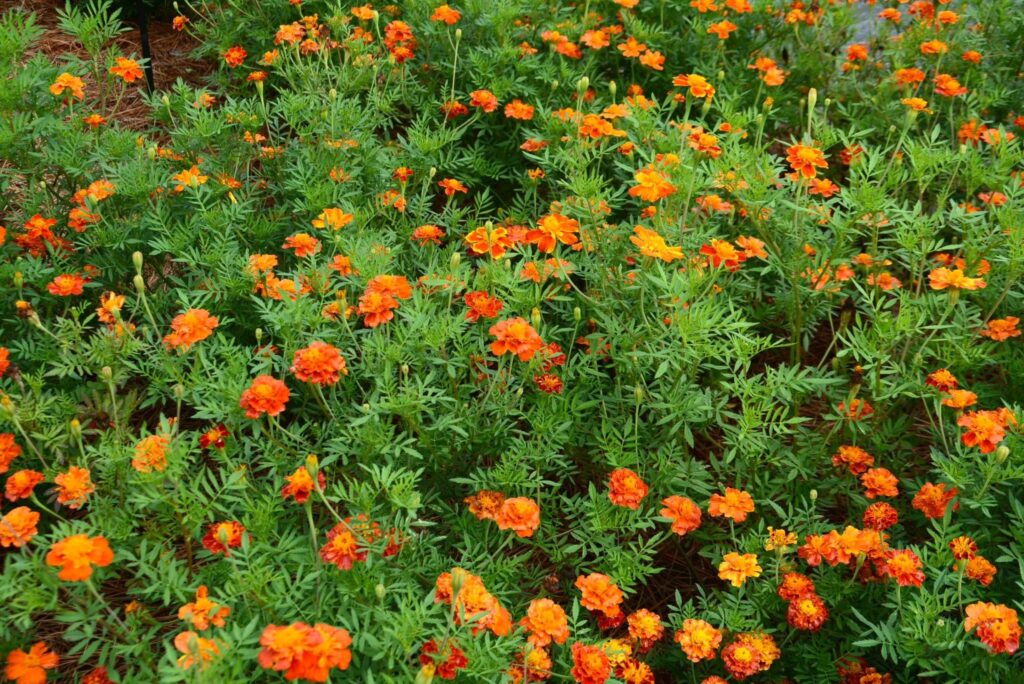
Marigolds are bright, cheerful, and almost impossible to kill. They bloom in yellow, orange, and rust tones from spring until frost. They do well in beds and containers.
Plant them in full sun after the last frost. They tolerate heat and need only moderate water. Pinch off dead blooms to keep them flowering.
Many gardeners plant marigolds beside vegetables. They add color and may help discourage some pests. In Texas, they are also a classic choice for fall displays.
8. Cosmos (Cosmos bipinnatus)
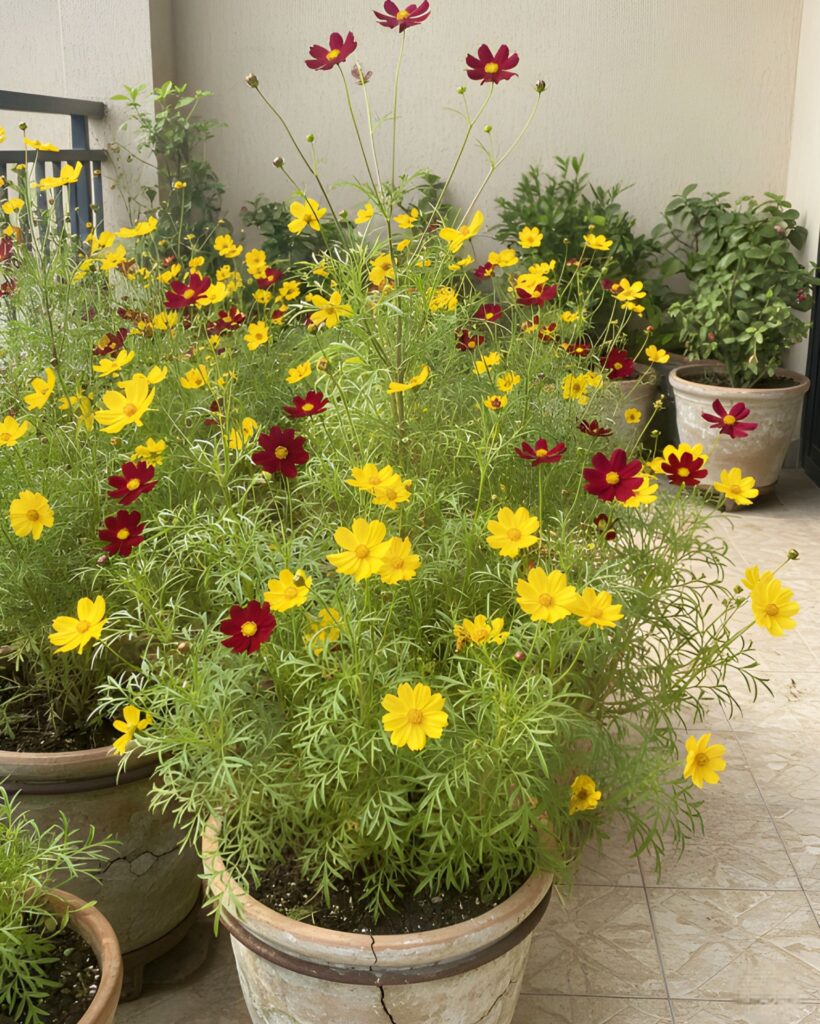
Cosmos have delicate, feathery leaves and daisy-like flowers in pink, white, and magenta. They look soft but are surprisingly tough. They thrive in heat and poor soil.
Sow seeds directly in the ground after the last frost. They grow fast and can reach three to four feet tall. Staking may help in windy areas.
Do not over-fertilize cosmos. Too much fertilizer gives you leaves and few flowers. They will often reseed and surprise you the next spring.
9. Autumn Sage (Salvia greggii)
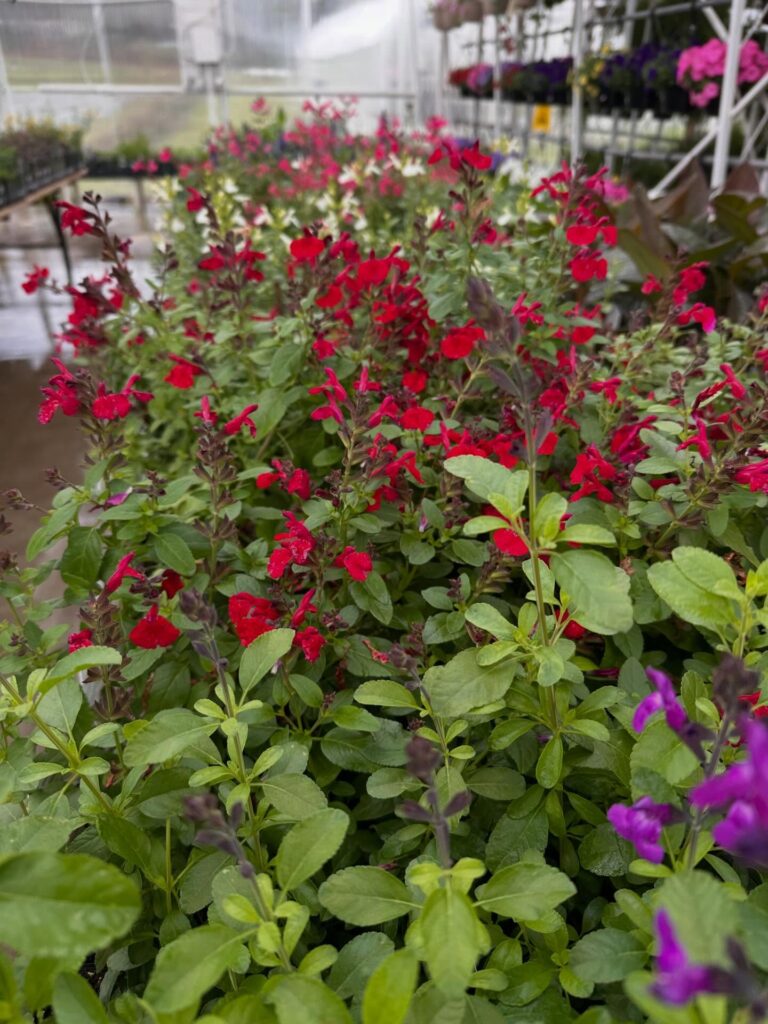
Autumn sage is a Texas favorite for good reason. It blooms in red, pink, coral, white, and purple. Hummingbirds visit it often.
It grows as a small, woody shrub, usually two to three feet tall. Plant it in full sun to part shade with excellent drainage. It is very drought tolerant.
Despite its name, it blooms from spring through fall. Prune it lightly in late winter to keep it full. I consider it one of the most useful flowering shrubs for Texas landscapes.
ALSO READ: 45 Native Texas Flowers (With Growing Details)
10. Mealy Blue Sage (Salvia farinacea)
Mealy blue sage produces tall spikes of violet-blue flowers. It is native to central and west Texas. It blooms heavily from spring until frost.
It grows best in full sun and well-drained, even rocky, soil. It tolerates heat and drought once established. ‘Henry Duelberg’ is a popular, long-lived variety.
Bees and butterflies love it. Cut it back after the first big flush of flowers for a second bloom. It pairs nicely with yellow flowers like coreopsis.
11. Texas Star Hibiscus (Hibiscus coccineus)
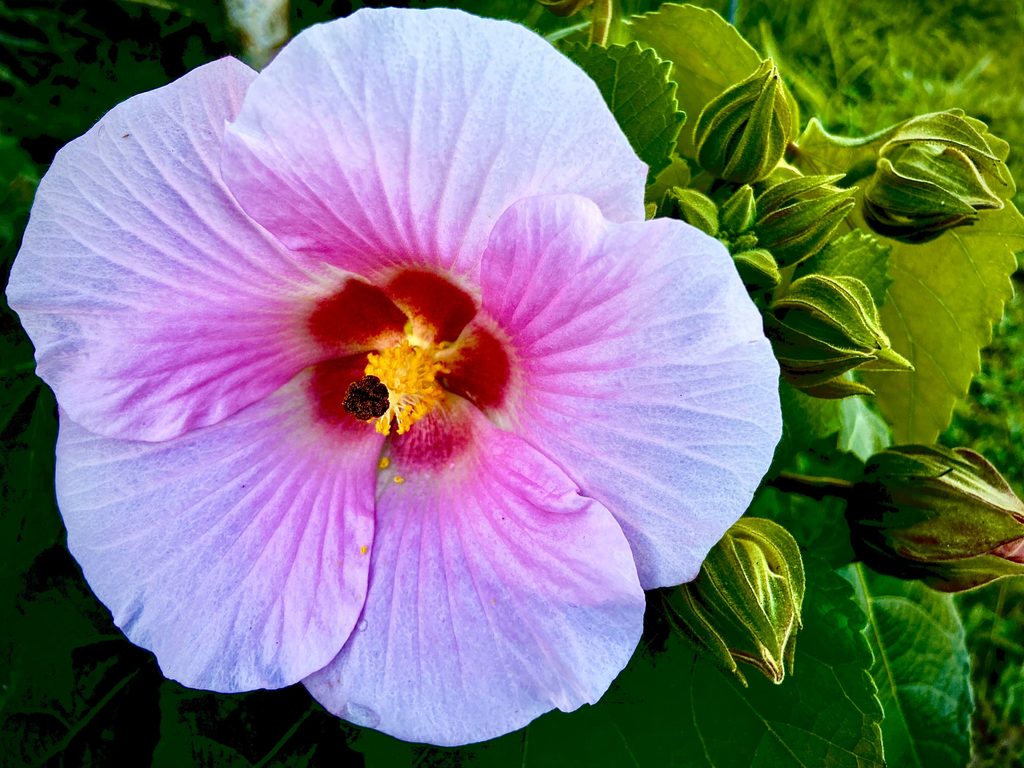
Also called swamp hibiscus, this native produces huge, brilliant red flowers. The blooms can be five to six inches wide. Its star-shaped, deeply cut leaves add interest.
Unlike many Texas plants, this one likes moisture. It grows well in damp spots and rain gardens. Give it full sun and regular water.
It dies back in winter and returns in spring. Hummingbirds visit it often. It is a strong choice for east Texas and the Gulf Coast.
12. Esperanza (Tecoma stans)
Esperanza, also known as yellow bells, is a tropical-looking shrub with clusters of bright yellow, trumpet-shaped flowers. It blooms from late spring until frost. It is a Texas Superstar plant.
It loves heat and full sun. Water new plants regularly, then reduce watering once they are established. It is hardy in warmer parts of the state, and it may die back after hard freezes.
In colder areas, treat it as a perennial and cut it back in spring. New growth usually appears when the weather warms up. Its flowers attract hummingbirds and bees.
13. Indian Paintbrush (Castilleja indivisa)
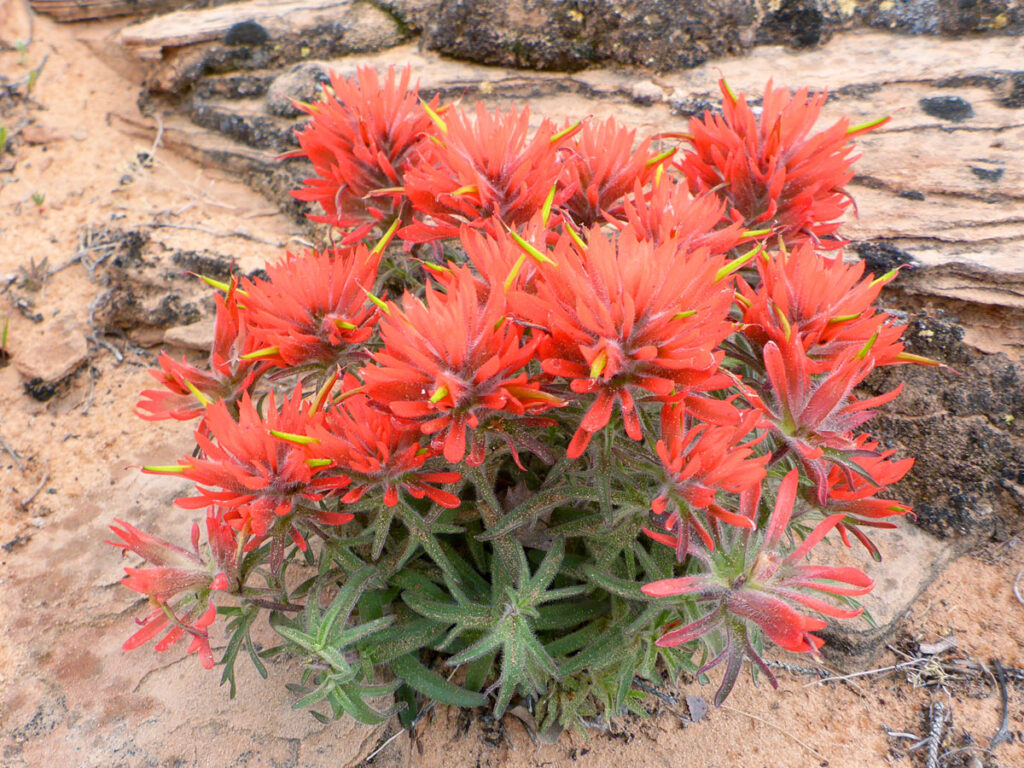
Indian paintbrush is a wildflower with red-orange bracts that look like dipped paintbrushes. It often grows alongside bluebonnets. Together, they make a famous Texas spring scene.
This plant is semi-parasitic. It draws some nutrients from the roots of neighboring grasses. That makes it harder to grow from seed than most flowers.
Sow it with bluebonnets in fall and keep expectations realistic. Some years it thrives, some years it does not. When it works, I find it one of the most rewarding sights in a native garden.
14. Turk’s Cap (Malvaviscus arboreus var. drummondii)
Turk’s cap is a shade-tolerant native with red, twisted blossoms that never fully open. It grows well under trees, where many flowers fail. It blooms from summer into fall.
It does well in part shade to full shade. It tolerates drought and clay soil once established. Plants usually grow three to five feet tall.
Hummingbirds and butterflies visit the blooms. The small red fruits are edible, though bland. If you have a shady yard, this is among the best choices.
ALSO READ: 25 Native Texas Shrubs (With Growing Details)
15. Gregg’s Mistflower (Conoclinium greggii)
Gregg’s mistflower is a low-growing perennial with fuzzy, lavender-blue flowers. It is a top butterfly plant. It is especially popular during fall monarch migration.
Texas is a key stop on the monarch migration path. Planting nectar sources like this one helps the butterflies on their long journey. This is a small act with real impact.
Give it full sun to part shade and well-drained soil. It spreads slowly and forms a neat mat. Cut it back in late winter.
16. Pentas (Pentas lanceolata)
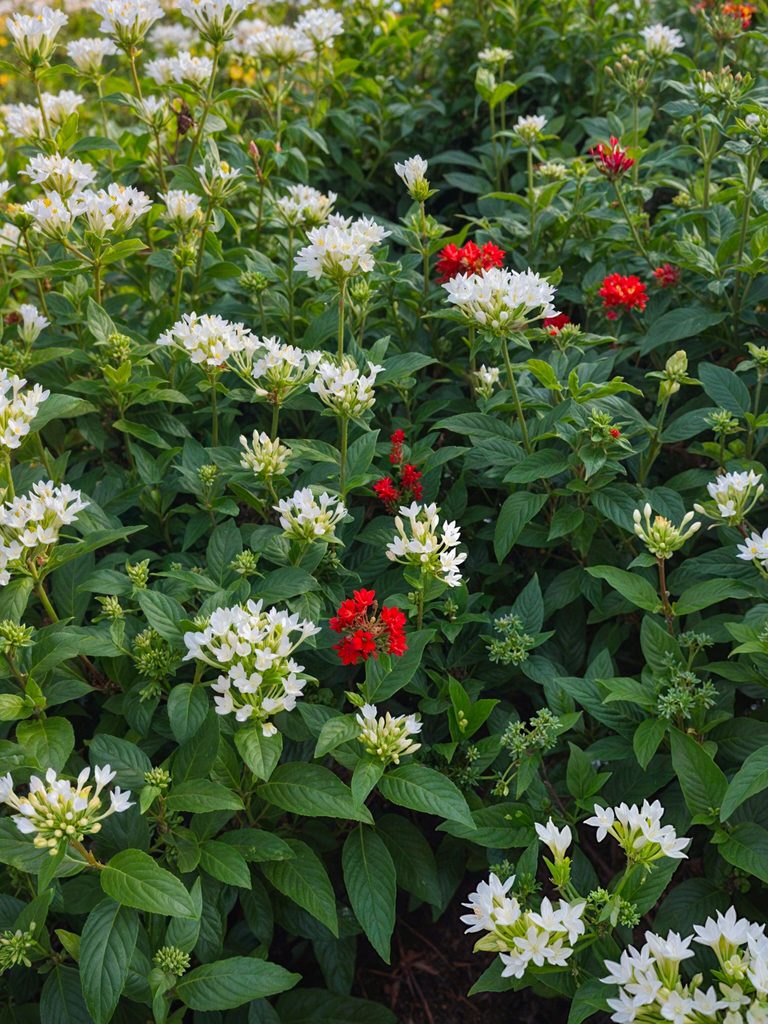
Pentas bear clusters of star-shaped flowers in red, pink, lavender, and white. They bloom nonstop in heat and are a magnet for butterflies. They are especially good in south and central Texas.
Plant them in full sun to part shade. Water regularly and feed lightly. They grow well in pots and flower beds.
Pentas are tender in cold winters. Treat them as annuals in north Texas or bring pots indoors. Deadheading is optional but keeps plants neat.
17. Vinca (Catharanthus roseus)
Vinca, also called Madagascar periwinkle, is a hot-weather champion. It has glossy leaves and pink, white, or red flowers. It blooms all summer with little care.
It needs full sun and well-drained soil. Wet feet are the main enemy, so avoid overwatering. Use raised beds in heavy clay.
In some Texas areas, it can suffer from fungal disease if watered overhead. Water in the morning at the soil level. Give plants space to breathe.
18. Knock Out Rose (Rosa ‘Knock Out’)
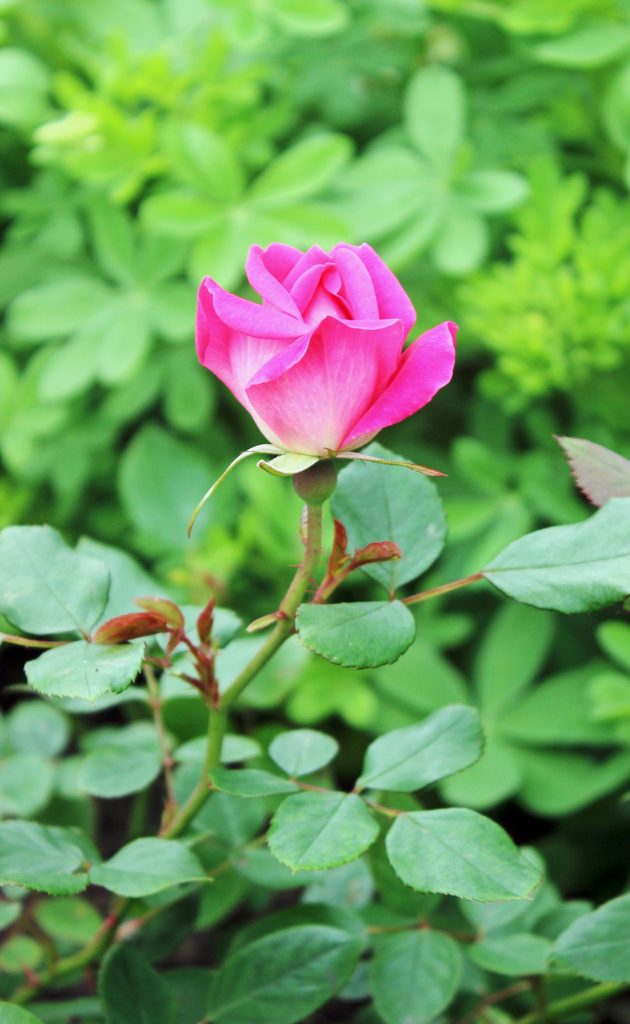
Roses have a reputation for being fussy. Knock Out roses break that rule. They are disease resistant and bloom repeatedly from spring to frost.
They grow best in full sun with well-drained soil. Water deeply, especially in summer. A layer of mulch helps keep roots cool.
Prune in late winter to shape the plant. Fertilize lightly in spring. For beginners who want roses, I recommend starting here.
ALSO READ: 20 Best Fruit Trees to Plant in Texas (With Growing Details)
19. Coreopsis (Coreopsis lanceolata and C. tinctoria)
Coreopsis brings sunny yellow flowers to Texas gardens. Native types like plains coreopsis grow easily from seed. They bloom from late spring into summer.
Plant them in full sun and average to poor soil. They are drought tolerant once established. Rich soil can cause weak, floppy growth.
Deadhead regularly to encourage more flowers. Birds enjoy the seeds. Coreopsis fits well in meadow-style plantings.
20. Verbena (Glandularia)
Texas has several native verbenas, including Gulf Coast verbena and prairie verbena. They produce clusters of purple, pink, or white flowers. They bloom for months.
Verbena likes full sun and fast-draining soil. It spreads as a groundcover and handles heat well. It tolerates drought once rooted.
It also works well in hanging baskets and rock gardens. Butterflies and bees love it. Trim back leggy stems to keep it tidy.
21. Sunflower (Helianthus annuus)
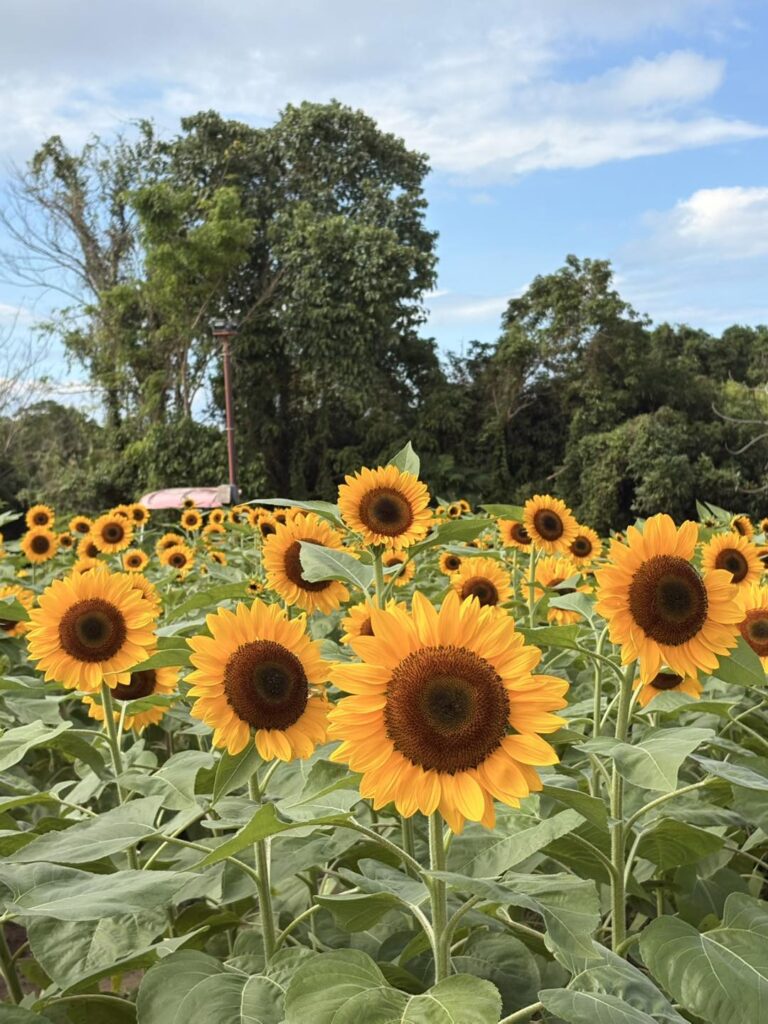
Sunflowers are iconic and fun to grow. Texas even has native species, such as the Maximilian sunflower, which blooms in fall. Annual types bloom in summer.
Plant seeds directly in full sun after the last frost. They grow fast and need deep watering. Taller types may need support.
Children enjoy growing them, which makes them a good family project. Birds eat the seeds in fall. Leave a few heads for wildlife.
22. Mexican Hat (Ratibida columnifera)
Mexican hat is a prairie wildflower with a tall central cone and drooping petals. The petals can be yellow, red, or a mix of both. It blooms from late spring through summer.
It is very tough. It grows in poor soil, handles drought, and needs almost no care. Full sun is best.
Scatter seed in fall for a natural look. It pairs well with blanket flower and bluebonnet. I find it one of the easiest native flowers for beginners.
23. Daylily (Hemerocallis)
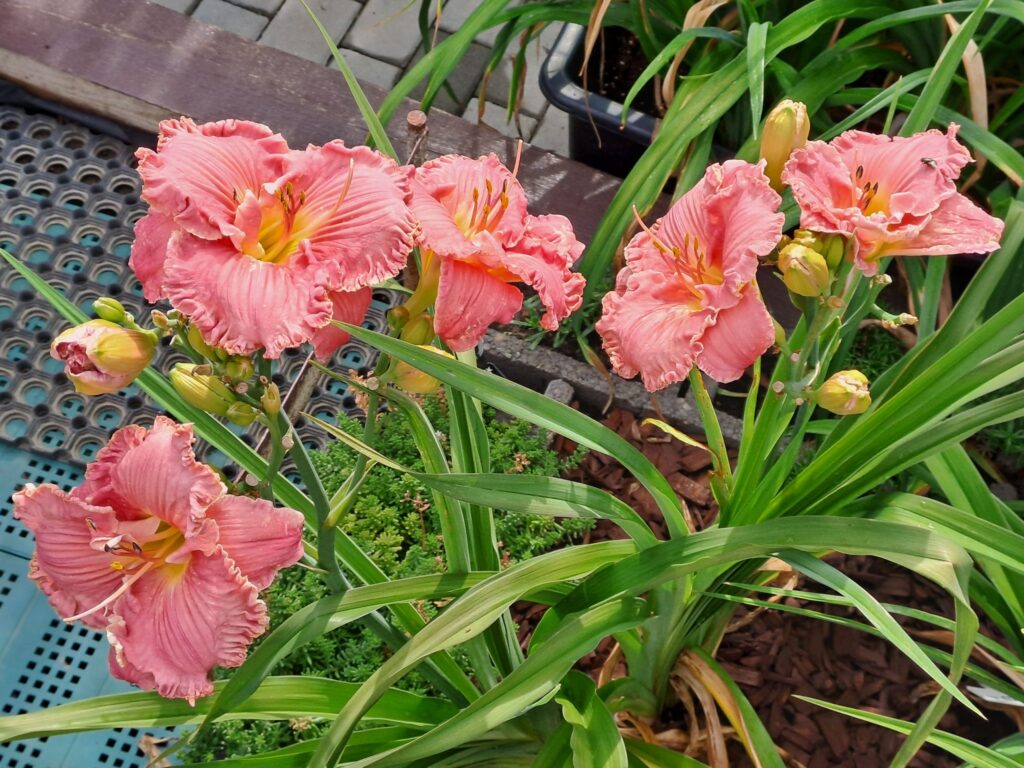
Daylilies are reliable perennials that bloom in many colors. Each flower lasts one day, but plants produce many buds. Blooming season runs from late spring into summer.
They grow in full sun to part shade. They tolerate many soil types and need little care. In hot areas, afternoon shade can help keep blooms from fading.
Divide clumps every three to five years to keep them vigorous. They spread slowly and form dense clumps. Many Texas gardeners use them to cover slopes.
24. Pansy and Viola (Viola × wittrockiana)
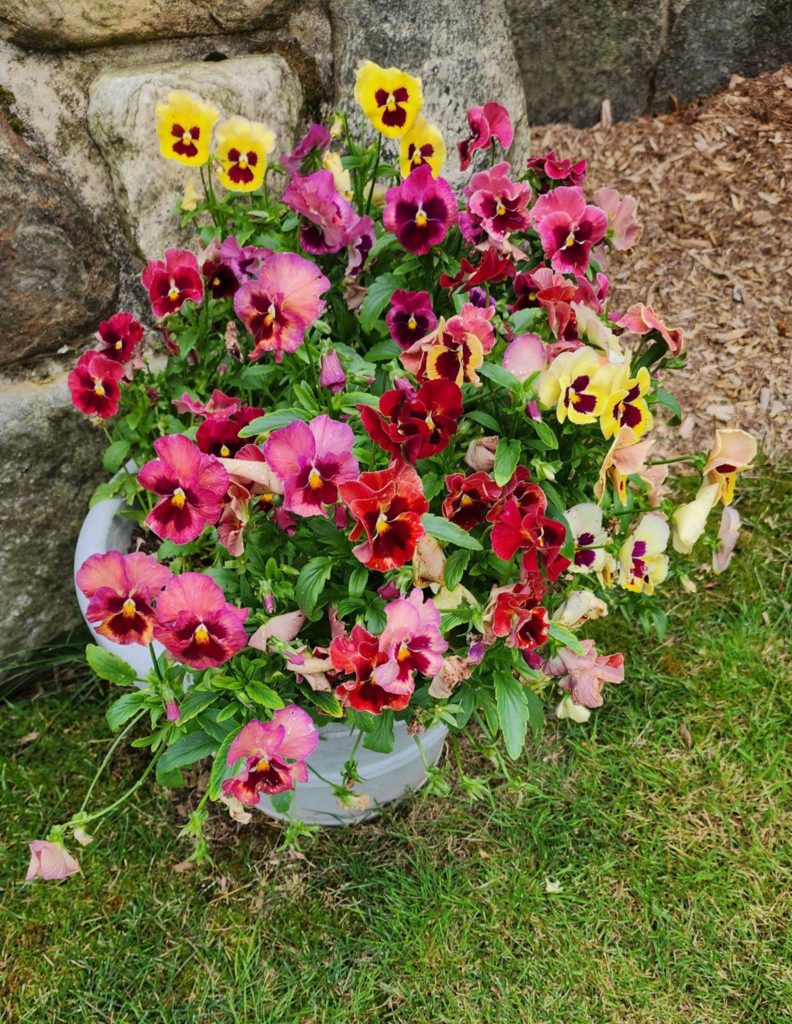
Pansies are a Texas cool-season staple. Plant them in fall for color from late autumn into spring. They come in nearly every color.
They handle light frosts and even brief freezes well. Give them full sun in winter and well-drained soil. Feed them every few weeks.
When summer heat arrives, they fade. Pull them out and plant heat-lovers like zinnias. Pansies are an easy way to keep color in your garden during the cooler months.
25. Plumbago (Plumbago auriculata)
Plumbago is a sprawling shrub with clusters of sky-blue flowers. The color is rare in the summer garden. It blooms from late spring until frost.
It thrives in heat and full sun to part shade. It grows well in warmer parts of Texas. In colder zones, it may die back but often regrows from the roots.
Prune lightly after frost to shape it. It makes a good informal hedge or container plant. Its soft blue is a welcome contrast to hot reds and yellows.
How to Choose the Right Flowers for Texas
Before you buy plants, think about three things: sun, water, and soil. Most Texas flowers need at least six hours of direct sun. Many also need well-drained soil, especially in clay-heavy areas.
Native and adapted plants usually perform best. They handle heat and dry spells with less water. Texas A&M AgriLife Extension also promotes its Texas Superstar program, which tests plants for performance across the state.
Timing matters too. Plant cool-season flowers in fall and warm-season flowers in spring. Mulch your beds with two to three inches of organic material to hold moisture.
Quick Tips for Growing Flowers Successfully in Texas
A few habits make the biggest difference. Here is what I recommend:
- Water deeply, not often. Deep watering builds strong roots and helps plants survive heat.
- Mulch every bed. Two to three inches of mulch reduces evaporation and keeps soil cooler.
- Improve drainage. In clay soil, add compost or build raised beds.
- Plant at the right time. Fall is excellent for perennials and wildflower seed in much of Texas.
- Choose native or adapted plants. They usually need less water and fewer chemicals.
- Support pollinators. Plant in groups and include a mix of bloom times.
Frequently Asked Questions
What is the easiest flower to grow in Texas?
Zinnias, blanket flower, and Mexican hat are among the easiest. They tolerate heat, need little care, and grow well from seed.
What flowers bloom all summer in Texas?
Lantana, vinca, pentas, zinnias, and autumn sage keep blooming through the heat. Regular deadheading helps many of them.
When is the best time to plant flowers in Texas?
Spring suits warm-season annuals like zinnias and marigolds. Fall is best for bluebonnets, pansies, and perennials, because roots can establish before summer.
Which Texas flowers are best for pollinators?
Purple coneflower, Gregg’s mistflower, autumn sage, and turk’s cap are all strong choices. They provide nectar for bees, butterflies, and hummingbirds.
Final Thoughts
Texas can be a hard place to garden, but it is also a generous one. With the right plants, you can enjoy color from early spring to late fall. Start with a few native and adapted flowers, and add more as you gain confidence.
My advice is simple: match the plant to your site, water wisely, and be patient. The reward is a garden that looks good with less work. Whichever of these 25 flowers you choose, you will be adding beauty and support for local wildlife.
References
- USDA Agricultural Research Service, Plant Hardiness Zone Map: https://planthardiness.ars.usda.gov/
- Texas A&M AgriLife Extension Service: https://agrilifeextension.tamu.edu/
- Texas A&M Horticulture Program (Aggie Horticulture): https://aggie-horticulture.tamu.edu/
- Texas Parks and Wildlife Department: https://tpwd.texas.gov/
- Texas Water Development Board: https://www.twdb.texas.gov/
- USDA Natural Resources Conservation Service: https://www.nrcs.usda.gov/
- Texas A&M Office of the State Climatologist: https://climatexas.tamu.edu/

Tim M Dave is a gardening expert with a passion for houseplants, particularly cacti and succulents. With a degree in plant biology from the University of California, Berkeley, he has vast experience in gardening. Over the years, he has cultivated a vast collection of desert plants and learned a great deal about how to grow and care for these unique companions.