55 Flowers That Grow in Shade (With Growing Details)
Every gardener eventually meets that one stubborn corner. It sits under a tree, beside a fence, or behind the house, and it never seems to get enough sun. I have stood in that exact spot myself, staring at bare soil and wondering if anything colorful could ever grow there.
The good news is simple: shade is not a curse. It is an opportunity.
Dozens of flowering plants have evolved specifically to thrive under tree canopies and along woodland edges. Many of them bloom earlier, last longer, or show off richer foliage than their sun-loving cousins.
According to the U.S. Forest Service, native woodland wildflowers make up a significant share of understory biodiversity in temperate forests, proving that shaded ground is naturally built for flowering life.
This guide covers 55 flowers that grow in shade, so you can scan quickly and find the right plant for your garden’s exact light level, soil, and climate. Let’s get your shady spot blooming.
Understanding Shade Before You Plant
Not all shade is equal, and this trips up many beginners. Full shade means less than 4 hours of direct sun. Partial shade means 4 to 6 hours, usually filtered or morning-only. Dappled shade shifts throughout the day under open tree canopies.
Knowing your exact shade type saves you time, money, and disappointment. A plant rated for partial shade will often sulk, stretch, or refuse to flower in full shade. Check your spot at three different times of day before choosing plants.
Soil moisture matters just as much as light. Many shade flowers, like hostas and astilbes, prefer consistently moist, well-drained soil rich in organic matter. Others, like epimedium, tolerate dry shade beneath greedy tree roots.
The Full List: 55 Flowers That Grow in Shade
1. Hosta
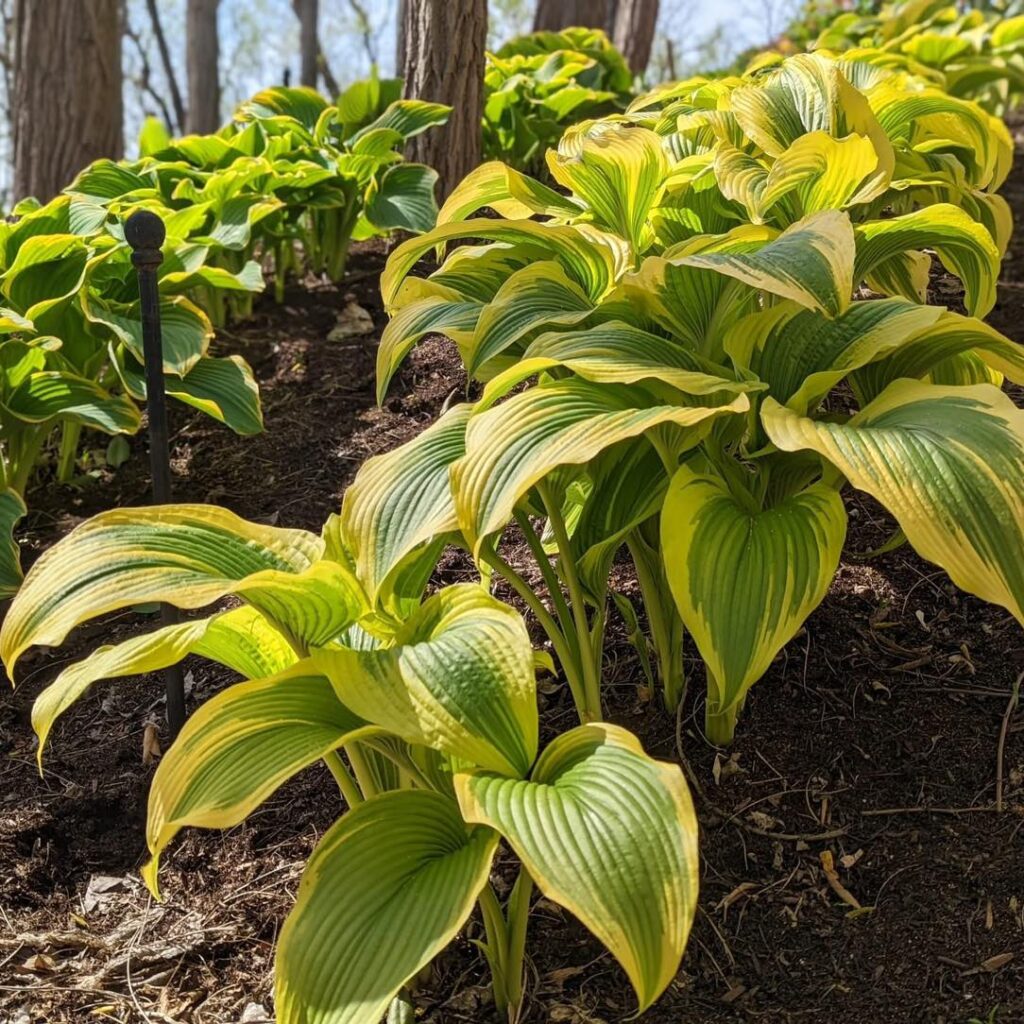
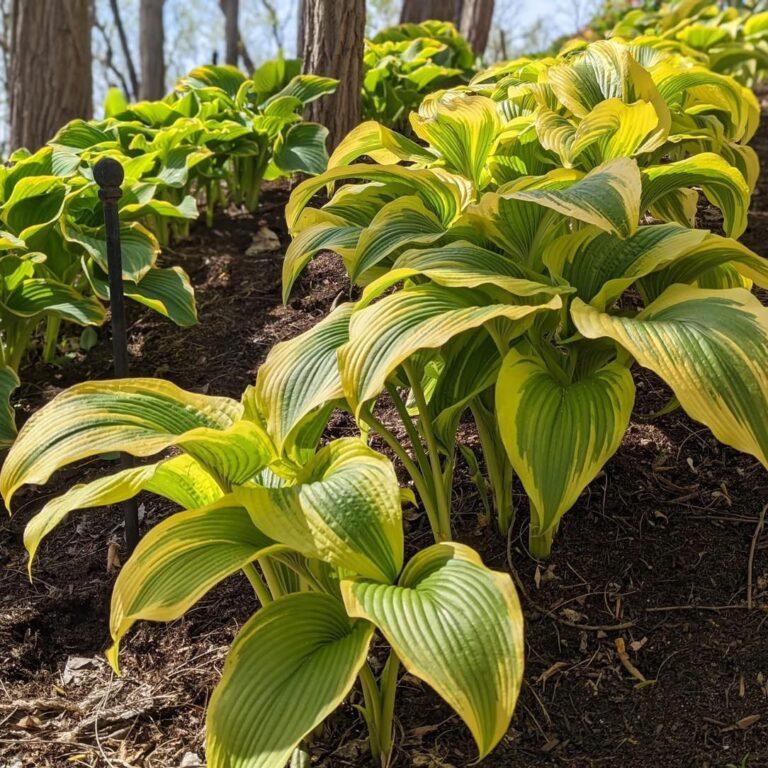
Hostas are often called the king of shade gardens, and for good reason. According to NC State Extension, the genus includes more than 2,000 registered cultivars, with foliage ranging from deep blue-green to golden yellow.
Their bell-shaped flowers appear on tall scapes in mid to late summer, usually in shades of white or lavender. Blue-leaved varieties need deeper shade, while green-leaved types tolerate a bit more sun.
I always tell new gardeners to start with hostas. They are forgiving, they multiply on their own, and they instantly make a bare shady bed look intentional and lush.
ALSO READ: Dividing Hostas: When and How to Split Your Plantain lilies
2. Astilbe
Astilbe brings feathery plumes of pink, red, or white to shaded borders in early summer. The flower spikes rise well above the fern-like foliage, adding vertical texture that most shade plants lack.
This plant loves consistently moist soil. Dry conditions cause scorched, crispy leaf edges fairly quickly.
Pair astilbe with hostas for a classic combination that has anchored shade gardens for generations.
3. Bleeding Heart
Bleeding heart produces heart-shaped pink or white flowers that dangle along arching stems like tiny lockets. It is one of the most photographed shade perennials for a reason.
The plant blooms in spring and often goes dormant by midsummer heat, so plan companion plants nearby to fill the gap.
Its old-fashioned charm makes it a favorite in cottage-style woodland gardens.
4. Hellebore
Also called the Lenten Rose, hellebore is a rare flower that blooms in late winter to early spring, sometimes even pushing through snow. Its nodding, cup-shaped flowers come in white, pink, plum, and near-black shades.
Hellebores are evergreen in mild climates and remarkably deer-resistant, which matters a lot in wooded properties.
I find their timing almost magical. When everything else looks dead, hellebores quietly bloom on.
5. Foxglove
Foxglove sends up tall spires packed with tubular, spotted flowers in pink, purple, or white. Bees and hummingbirds visit these blooms constantly.
It thrives in partial shade with rich, moist soil, and often self-seeds generously once established. Note that all parts of the plant are toxic if ingested.
Its dramatic height makes it a natural backdrop for shorter shade flowers.
6. Columbine
Columbine’s unique spurred flowers look almost otherworldly, floating above delicate, lobed foliage. Colors range from soft pastels to fiery reds and yellows.
This plant handles partial to dappled shade well and attracts hummingbirds reliably each spring.
It readily cross-pollinates in the garden, so expect surprising new color combinations year after year.
7. Coral Bells (Heuchera)
Coral bells are grown as much for their colorful, ruffled foliage as their airy sprays of tiny bell-shaped flowers. Leaf colors span purple, amber, lime, and near-black.
The delicate flower stalks rise above the foliage in late spring, drawing hummingbirds and pollinators.
Fact check: Penn State Extension notes that Heuchera is native to North American woodlands, which explains its natural comfort in shaded beds.
8. Lungwort (Pulmonaria)
Lungwort earns its odd name from spotted, lung-shaped leaves, but its flowers steal the show. Clusters of pink buds open into blue trumpet-shaped blooms, often on the same stem at once.
It is one of the earliest shade bloomers, appearing in early spring alongside snowdrops.
Slugs tend to leave it alone thanks to its slightly fuzzy leaf texture.
9. Brunnera (Siberian Bugloss)
Brunnera produces clouds of tiny sky-blue flowers that closely resemble forget-me-nots. Its heart-shaped leaves, often silver-veined, remain attractive long after the blooms fade.
This plant tolerates deep shade better than most flowering perennials.
I like using it as a groundcover under trees where grass simply refuses to grow.
10. Toad Lily (Tricyrtis)
Toad lily produces speckled, orchid-like flowers in autumn, when most shade gardens are winding down. The spotted purple and white blooms look exotic against arching green stems.
It prefers humus-rich, consistently moist soil and thrives in woodland-style plantings.
This late bloom timing makes it valuable for extending color into September and October.
11. Japanese Anemone
Japanese anemone produces simple, saucer-shaped flowers in pink or white on tall, wiry stems. It blooms from late summer through fall, filling a seasonal gap many shade gardens struggle with.
Once established, it spreads steadily through underground rhizomes.
Its graceful movement in the wind adds a soft, airy quality to shaded borders.
12. Astrantia (Masterwort)
Astrantia’s flowers look like tiny pincushions surrounded by papery, star-shaped bracts. Colors range from white to deep burgundy.
It handles partial shade and cooler climates particularly well, often struggling in hot, humid summers.
Florists prize it for cut arrangements because the blooms hold their shape for days.
13. Primrose
Primrose flowers open in cheerful clusters of yellow, pink, red, or purple, often among the very first blooms of spring. Rosettes of crinkled green leaves hug the ground beneath them.
This plant prefers moist, humus-rich soil in dappled shade.
Its old-world charm makes it a staple in cottage and woodland garden designs alike.
14. Violets
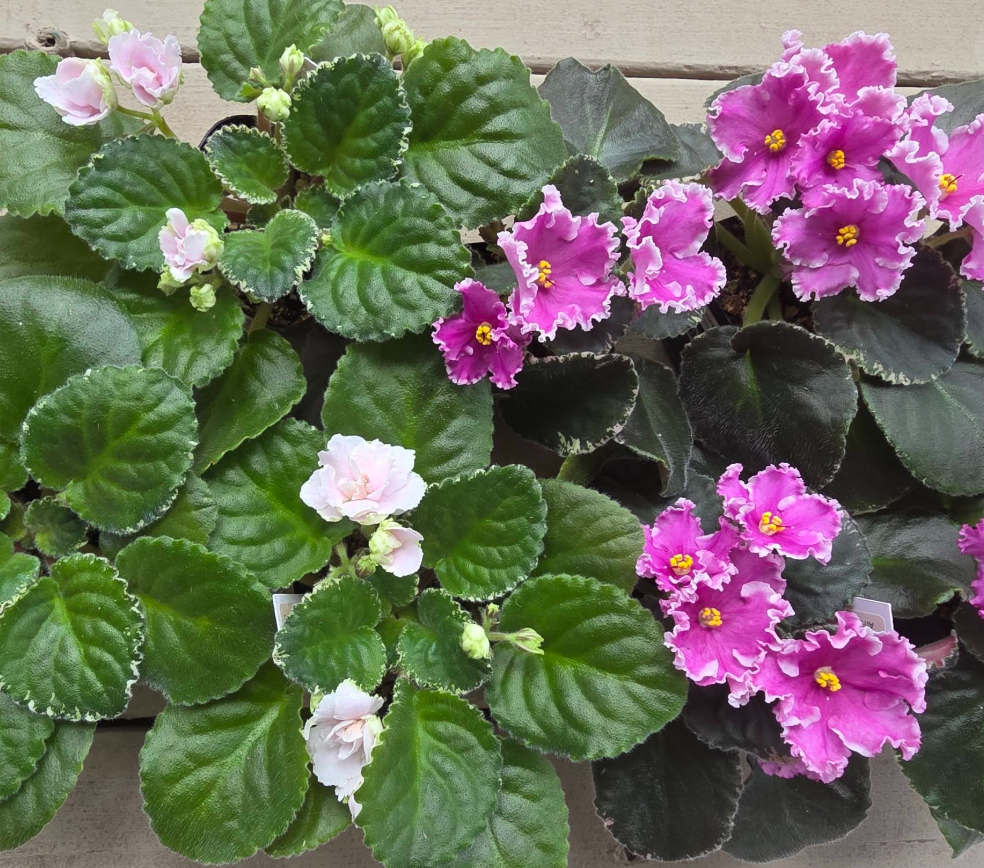
Violets carpet shaded ground with heart-shaped leaves and small, five-petaled flowers in purple, blue, white, or yellow. Many species are native to North American woodlands.
They spread readily by seed and rhizome, sometimes becoming a groundcover on their own.
Wild violets also support several native butterfly species as host plants, adding ecological value beyond their beauty.
15. Lily of the Valley
Lily of the valley produces delicate, bell-shaped white flowers with an intensely sweet fragrance. The blooms dangle from arching stems above broad green leaves in late spring.
It spreads aggressively through rhizomes, so give it room or a contained bed.
Note that every part of the plant is toxic, so keep it away from curious pets and children.
16. Jacob’s Ladder (Polemonium)
Jacob’s ladder gets its name from the ladder-like arrangement of its leaflets. Clusters of small, bell-shaped blue or purple flowers appear in late spring.
It prefers cool, moist, partially shaded sites and struggles in hot southern summers.
This plant works beautifully in native woodland gardens alongside ferns and trilliums.
17. Solomon’s Seal
Solomon’s seal produces small, dangling, tubular white flowers along arching stems lined with oval leaves. The overall silhouette looks architectural and calm.
It tolerates dry shade once established, which makes it valuable under mature trees.
Yellow fall foliage adds a second season of interest after the blooms are long gone.
18. Trillium
Trillium is a true woodland native, its name referring to the plant’s signature arrangement of three leaves, three petals, and three sepals. Flowers appear in white, pink, or deep red depending on species.
It grows slowly and can take years to bloom from seed, so mature plants are worth protecting.
Spotting a patch of trillium in a spring forest is genuinely one of gardening’s small joys.
19. Wood Anemone
Wood anemone produces small, star-shaped white or pink flowers close to the ground in early spring. It spreads through creeping rhizomes to form dense colonies over time.
This plant goes dormant by summer, so plant it where later-emerging perennials can fill the space.
It thrives in the same conditions as bluebells and trilliums, making a natural companion.
20. Corydalis
Corydalis produces feathery, fern-like foliage topped with clusters of tubular flowers in blue, yellow, pink, or white. Blooms often continue from spring well into summer.
It prefers cool, moist, well-drained soil and dappled shade.
Blue-flowered varieties, in particular, add a color rarely seen elsewhere in the shade garden.
21. Epimedium (Bishop’s Hat)
Epimedium produces small, spurred flowers in yellow, pink, purple, or white, hovering above heart-shaped leaflets. New foliage often emerges tinged with bronze or red.
This is one of the toughest shade flowers for dry soil under mature trees, tolerating root competition that defeats most other perennials.
It also works as a slow-spreading groundcover, gradually filling awkward shaded gaps.
22. Hardy Cyclamen
Hardy cyclamen produces swept-back, butterfly-like flowers in pink, magenta, or white, often appearing in autumn before the leaves. The silver-patterned foliage remains attractive through winter.
It prefers well-drained soil under deciduous trees, where it gets moisture in fall and dry dormancy in summer.
Its small scale makes it perfect for shaded rock gardens or path edges.
23. Foamflower (Tiarella)
Foamflower sends up frothy spikes of tiny white or pink star-shaped flowers above lobed, often mottled foliage. The effect genuinely resembles sea foam scattered across the garden bed.
It is native to North American woodlands and spreads gently by runners.
This plant pairs naturally with heuchera, since both share similar woodland origins and care needs.
24. Snowdrops
Snowdrops are usually the very first flowers to bloom each year, sometimes pushing up through late snow. Their small, nodding white blooms signal that spring is on its way.
They naturalize easily under deciduous trees, multiplying into large drifts over several seasons.
Few sights lift a gardener’s spirits like snowdrops appearing after a long, gray winter.
25. Meadow Rue (Thalictrum)
Meadow rue produces airy clusters of small flowers, often in soft lavender or yellow, atop tall, delicate stems. The foliage resembles columbine, fine and blue-green.
It handles partial shade well and adds real height without heavy visual weight.
Its see-through quality makes it excellent for the middle or back of a layered shade border.
26. Impatiens
Impatiens remain one of the most popular annual flowers for shaded beds and containers, producing continuous blooms in nearly every color from spring until frost. Flowers are simple, flat, and abundant.
They need consistently moist soil and struggle in drought conditions.
University of Illinois Extension notes that impatiens perform best in partial to full shade, making them a dependable choice for porches and patios.
27. Begonia
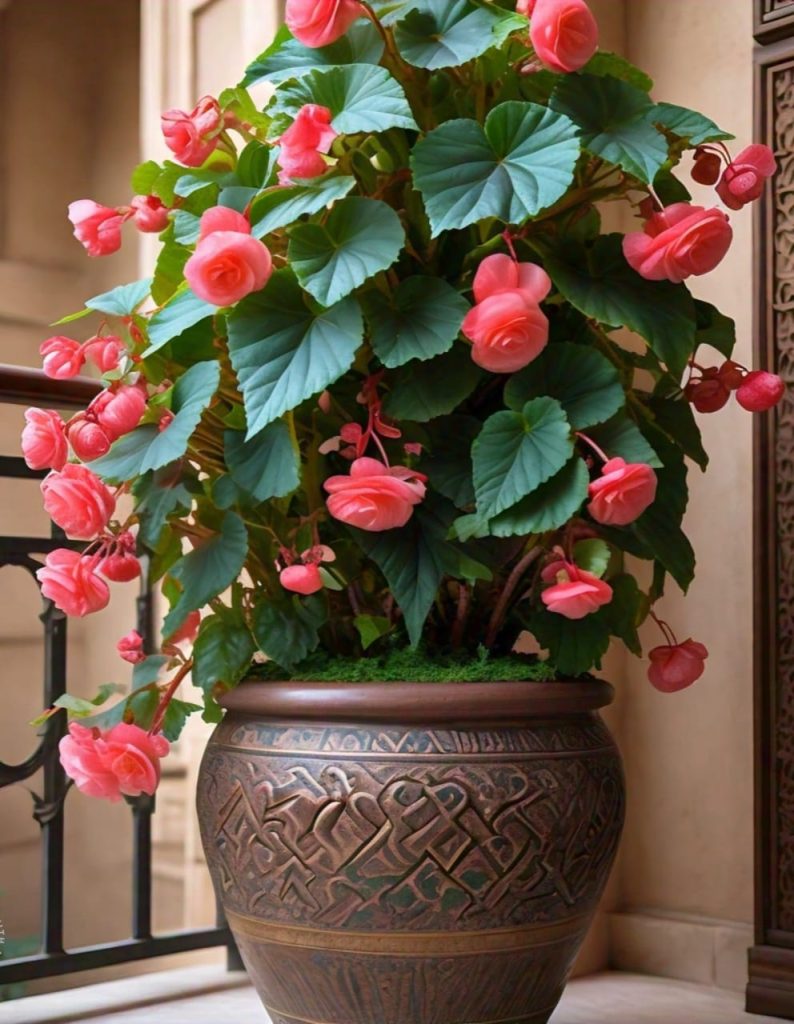
Both wax and tuberous begonias bring reliable color to shaded containers and borders. Wax begonias bloom continuously in red, pink, or white, while tuberous types produce larger, rose-like flowers.
They prefer moist, well-drained soil and protection from harsh afternoon sun.
Their glossy, sometimes bronze-tinted foliage adds interest even between flushes of bloom.
ALSO READ: 45 Types of Begonia (Different Varieties Explained, With Pictures)
28. Fuchsia
Fuchsia produces striking pendant flowers with contrasting inner and outer petals, often in combinations of pink, purple, and white. Hummingbirds are drawn to them constantly.
This plant prefers cool temperatures and partial shade, often struggling in intense summer heat.
Hanging baskets of fuchsia are a classic way to add drama to a shaded porch or patio.
29. Torenia (Wishbone Flower)
Torenia produces trumpet-shaped flowers in purple, blue, pink, or yellow, each marked with a contrasting throat. The common name comes from the wishbone-shaped stamens inside each bloom.
It tolerates heat and humidity better than many shade annuals, blooming steadily through summer.
This makes it a smart substitute where impatiens struggle with disease pressure.
30. Lobelia
Lobelia produces small, two-lipped flowers in intense blue, purple, pink, or white, often forming dense mounds or trailing cascades. It is a garden favorite for hanging baskets and container edges.
It prefers partial shade and consistent moisture, wilting quickly if allowed to dry out.
Its saturated blue shades are genuinely hard to find in any other shade-tolerant annual.
31. Browallia
Browallia produces star-shaped, violet-blue flowers continuously from summer through fall. It handles shade better than most flowering annuals of similar size.
The plant tolerates heat reasonably well, unlike many cool-season shade bloomers.
It works nicely in mixed containers, adding a cool color contrast beside warm-toned begonias.
32. Nicotiana (Flowering Tobacco)
Nicotiana produces tubular, star-shaped flowers that open fully in the evening, releasing a strong, sweet fragrance. Colors include white, pink, lime green, and deep red.
It tolerates partial shade and attracts moths and hummingbirds after dusk.
Planting it near a patio means you get to enjoy its perfume during summer evenings outside.
33. Ligularia
Ligularia produces bold, daisy-like or spiky yellow-orange flowers above large, dramatic foliage. The overall scale makes a strong architectural statement in shaded beds.
It requires consistently moist, rich soil and wilts dramatically in dry conditions, even temporarily.
This plant works well beside ponds or in low-lying, naturally damp garden areas.
34. Rodgersia
Rodgersia produces feathery plumes of white or pink flowers above large, deeply textured, bronze-tinged leaves. It resembles a supersized astilbe in both bloom and structure.
Rich, consistently moist soil is essential, along with some shelter from wind.
Its bold foliage texture makes it a striking companion for finer-leaved ferns and hostas.
35. Bergenia
Bergenia, sometimes called pigsqueak, produces clusters of pink or white flowers on thick stalks above large, leathery, rounded leaves. Blooms appear in early spring.
It tolerates a wide range of conditions, including dry shade and poor soil.
The bold, glossy foliage remains attractive as a groundcover throughout the rest of the year.
36. Bletilla (Chinese Ground Orchid)
Bletilla is a surprisingly hardy terrestrial orchid, producing magenta, pink, or white orchid flowers in late spring. It is one of the easiest orchids any gardener can grow outdoors.
It prefers partial shade and moist, well-drained soil rich in organic matter.
Seeing genuine orchid blooms survive winter outdoors always surprises first-time visitors to my garden.
37. Campanula (Bellflower)
Certain bellflower species, like Campanula poscharskyana, tolerate partial shade well, producing masses of small, star-shaped blue or purple flowers. They spread readily along walls and borders.
This plant blooms for an extended period through summer.
Its low, cascading habit makes it ideal for softening the edges of shaded pathways.
38. Hardy Geranium (Cranesbill)
Certain hardy geraniums, particularly Geranium macrorrhizum, tolerate shade well and produce simple, five-petaled flowers in pink, magenta, or white. The aromatic foliage often takes on red tones in fall.
It tolerates dry shade admirably once established, spreading to form a dense, weed-suppressing mat.
This makes it one of the most practical groundcover choices for difficult shaded slopes.
ALSO READ: 70 Beautiful Flowers That Start With D (With Photos, and Care Tips)
39. Wood Aster
Wood asters produce small, daisy-like white or pale blue flowers in late summer and fall, right when most other shade flowers have finished. Native species support numerous pollinators.
They tolerate dry, partial shade under deciduous trees remarkably well.
Cornell University’s gardening resources note that native asters play an important role supporting late-season pollinators before winter.
40. Goatsbeard (Aruncus)
Goatsbeard produces large, feathery, cream-white plumes resembling an oversized astilbe. Female and male plants differ slightly, with male flowers being more showy and fragrant.
It prefers moist, rich soil and tolerates both partial shade and cooler, dappled light.
Its impressive mature size makes it a strong focal point for larger shade borders.
41. Turtlehead (Chelone)
Turtlehead produces unusual, hooded pink or white flowers that resemble a turtle’s head with its mouth open, blooming in late summer. It is native to eastern North American wetlands and woodlands.
It thrives in moist to wet, partially shaded soil.
This plant also serves as a host for the Baltimore checkerspot butterfly, adding wildlife value.
42. Cardinal Flower
Cardinal flower produces tall spikes of brilliant scarlet, tubular flowers that hummingbirds cannot resist. It is native to moist woodland edges and stream banks across much of North America.
It requires consistently moist soil and partial shade to perform at its best.
Few flowers deliver such an intense, saturated red in a shaded setting.
43. Jack-in-the-Pulpit
Jack-in-the-pulpit produces a distinctive hooded flower structure, a striped “pulpit” enclosing the small central “Jack.” It is a true native woodland curiosity rather than a conventional bloom.
This plant thrives in rich, consistently moist, shaded soil.
Bright red berry clusters follow the flower in fall, adding a second point of interest.
44. Bloodroot
Bloodroot produces a single, delicate white flower with a golden center that opens briefly in early spring before the leaf fully unfurls. The plant’s name comes from its red-orange sap.
It prefers rich, moist, well-drained woodland soil.
Its fleeting bloom period makes spotting bloodroot in flower feel like catching a small, private event.
45. Dutchman’s Breeches
Dutchman’s breeches produces unusual white flowers shaped like tiny inflated pantaloons hanging upside down. It blooms briefly in early spring alongside trillium and bloodroot.
The plant goes fully dormant by early summer, disappearing until the following spring.
This ephemeral nature is typical of many native woodland wildflowers adapted to catch light before trees leaf out.
46. Virginia Bluebells
Virginia bluebells produce clusters of nodding, trumpet-shaped flowers that open pink and mature to true sky blue. Large colonies can carpet a woodland floor in April.
It thrives in rich, moist soil under deciduous trees and goes dormant by midsummer.
The U.S. Forest Service highlights Virginia bluebells among the notable native spring ephemerals of eastern woodlands.
47. Sweet Woodruff
Sweet woodruff produces tiny, star-shaped white flowers above whorled, fragrant leaves that smell faintly of fresh hay when crushed or dried. It forms a low, dense groundcover.
This plant tolerates dry shade well, spreading readily under trees and shrubs.
Its fine texture makes an excellent living mulch between larger shade perennials.
ALSO READ: 70 Stunning Flowers That Start With C (With Pictures, and Care Tips)
48. Periwinkle (Vinca minor)
Periwinkle produces simple, five-petaled violet-blue flowers scattered across glossy, evergreen groundcover foliage. It blooms mainly in spring but often continues sporadically through the season.
It tolerates deep shade and poor soil better than almost any other flowering groundcover.
Gardeners should note it can spread aggressively, so give it defined boundaries.
49. Pansies
Pansies produce cheerful, face-like flowers in an enormous range of colors and patterns, tolerating both partial shade and cool temperatures well. They are among the most versatile cool-season annuals available.
This plant performs best with morning sun and afternoon shade in warmer climates.
Pansies bring reliable color to shaded containers during the shoulder seasons when few other annuals bloom.
50. Ajuga (Bugleweed)
Ajuga produces short spikes of small blue or purple flowers above dense, often bronze or burgundy-tinted foliage. It spreads quickly to form a solid flowering groundcover.
It tolerates deep shade and a wide range of soil types with little complaint.
This toughness makes it a dependable choice for problem areas where grass simply will not grow.
51. Lamium (Dead Nettle)
Lamium produces small, hooded pink, purple, or white flowers above silver-splashed, heart-shaped leaves. It spreads by trailing stems to form an attractive, low groundcover.
This plant tolerates deep, dry shade exceptionally well, even under dense evergreen trees.
Its variegated foliage brightens dark corners even when the plant is not actively flowering.
52. Hepatica
Hepatica produces delicate, star-shaped flowers in white, pink, or lavender-blue, often opening before the new leathery leaves emerge. It is one of the earliest native woodland bloomers.
It prefers humus-rich, well-drained soil in dappled shade under deciduous trees.
Finding a patch of hepatica in bloom is often the first true sign of spring in eastern forests.
53. Celandine Poppy
Celandine poppy produces bright, four-petaled yellow flowers above deeply lobed, blue-green foliage. It blooms from spring into early summer, longer than many woodland natives.
This plant thrives in rich, moist, shaded soil and self-seeds moderately.
Its cheerful color stands out strongly against the muted greens typical of a shade garden.
54. False Solomon’s Seal
False Solomon’s seal produces a plume of small, creamy-white flowers at the tip of arching stems, unlike the dangling blooms of true Solomon’s seal. Red berries follow in fall.
It tolerates a range of shade conditions and moist, rich woodland soil.
This plant adds graceful vertical structure to naturalized shade plantings.
55. Monkshood
Monkshood produces tall spikes of hooded, deep purple-blue flowers in late summer, resembling a medieval helmet. It is one of the last shade perennials to bloom before frost.
This plant prefers cool, moist, partially shaded sites and dislikes hot, humid summers.
Important safety note: every part of monkshood is highly toxic, so plant it away from children, pets, and edible garden beds.
Tips for Growing Flowers in Shade Successfully
- Test your soil first. Most shade flowers prefer moist, well-drained soil rich in organic matter, so amend heavy clay or sandy soil with compost before planting.
- Water consistently during establishment. Shaded soil dries out slower than sunny beds, but tree roots compete heavily for moisture, especially in the first year.
- Mix bloom times deliberately. Combine early spring ephemerals, like bloodroot and hepatica, with summer and fall bloomers, like astilbe and toad lily, for continuous color.
- Watch for root competition. Under mature trees, choose tough, drought-tolerant options like epimedium, sweet woodruff, or hardy geranium rather than moisture-loving plants.
Final Thoughts
A shaded garden is not a limitation. It is simply a different kind of canvas, one that rewards patience with delicate spring ephemerals, feathery summer plumes, and unexpected autumn color.
I have watched plenty of gardeners transform a neglected, gloomy corner into the most complimented part of their yard using nothing but shade-loving flowers. With 55 options to choose from, there is genuinely no excuse for bare, empty shade anymore.
Start small, pick three or four flowers from this list, and watch your shady spot come alive.
References
- USDA PLANTS Database, U.S. Department of Agriculture, Natural Resources Conservation Service — https://plants.usda.gov/home
- NC State Extension Gardener Plant Toolbox, North Carolina State University — https://plants.ces.ncsu.edu/
- Home & Garden Information Center, Clemson Cooperative Extension, Clemson University — https://hgic.clemson.edu/
- Penn State Extension, The Pennsylvania State University — https://extension.psu.edu/
- University of Illinois Extension — https://extension.illinois.edu/
- Cornell Cooperative Extension Gardening Resources, Cornell University — https://gardening.cals.cornell.edu/
- U.S. Forest Service, Wildflowers Program, U.S. Department of Agriculture — https://www.fs.usda.gov/wildflowers/

Tim M Dave is a gardening expert with a passion for houseplants, particularly cacti and succulents. With a degree in plant biology from the University of California, Berkeley, he has vast experience in gardening. Over the years, he has cultivated a vast collection of desert plants and learned a great deal about how to grow and care for these unique companions.