40 Best Flowers for Cutting Garden (Names, With Pictures)
Few things please me more than walking into the garden with scissors and returning with a full bucket of blooms. A well-planned cutting garden makes this possible week after week.
So, what are the best flowers for a cutting garden? The best choices are productive, long-stemmed and long-lasting in a vase. Zinnias, cosmos, sunflowers, snapdragons, dahlias and sweet peas are reliable favorites.
This guide covers 40 proven flowers. You will find annuals, perennials, bulbs and shrubs, with simple details on growing, harvesting and vase life.
Interest in fresh flowers is strong. The USDA’s National Agricultural Statistics Service reported that U.S. floriculture sales reached $8.40 billion in 2025, an increase of 18% from 2024. The survey counted 11,728 producers.
Cut flowers alone brought in about $389 million among operations with $100,000 or more in sales. Home growers can enjoy the same beauty at a fraction of the cost.
Part 1: Best Annual Flowers for a Cutting Garden
Annuals are the backbone of most cutting gardens. They grow fast, bloom hard and reward frequent harvesting.
1. Zinnia (Zinnia elegans)
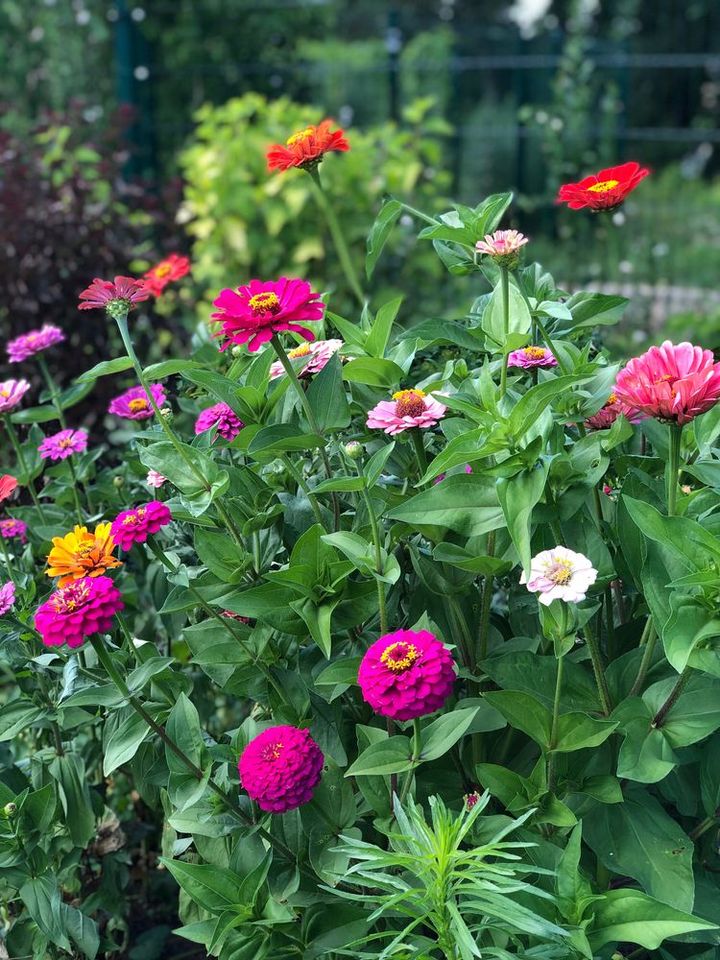
If I could grow only one cut flower, it would be the zinnia. It is cheerful, colorful and almost impossible to fail with.
Sow seeds directly in full sun after the last frost. Pinch young plants when they are about 12 inches tall to force more branches and more stems.
Cut when the flower is fully open. NC State trials found that some zinnia varieties lasted 11 to 23.5 days in clean water. Plain water often worked better than strong treatments.
2. Cosmos (Cosmos bipinnatus)
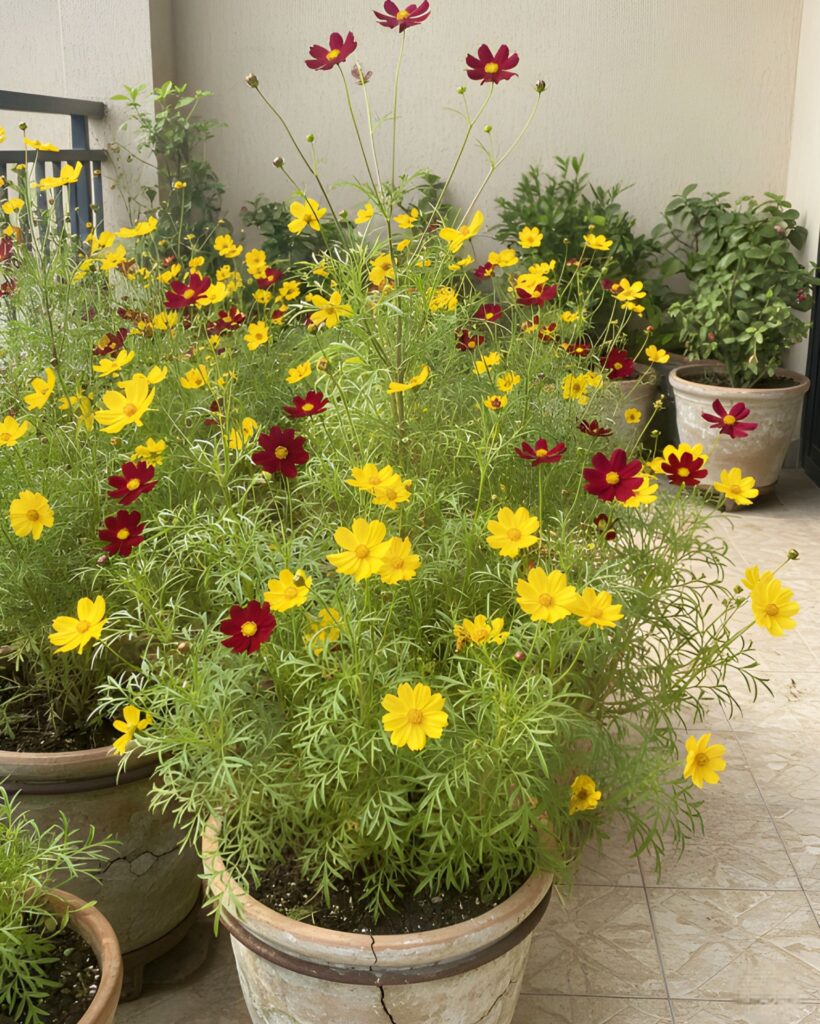
Cosmos brings a light, airy feel to any bouquet. Its feathery foliage and daisy-like flowers suit casual arrangements.
It grows well from seed and does not need rich soil. Too much fertilizer only produces leaves, so go easy.
Cut stems when the petals have just opened. Recut them at an angle and place them in water quickly for the best results.
3. Sunflower (Helianthus annuus)
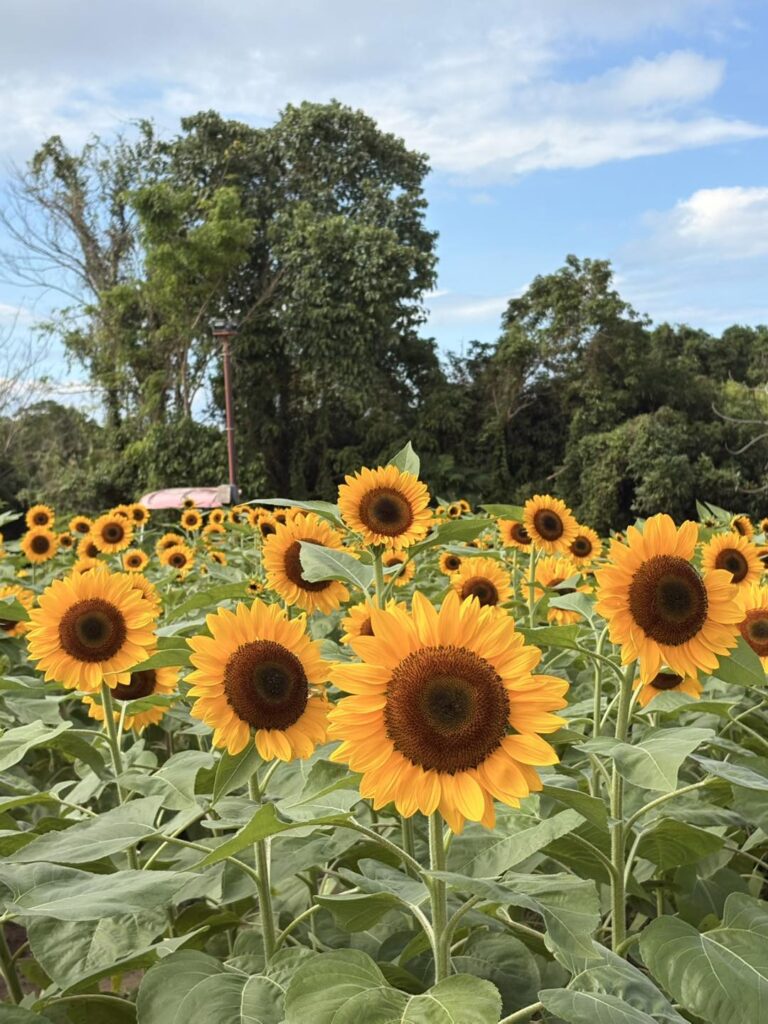
Sunflowers are the happiest flowers in the garden. One stem can make a bold statement in a vase.
Choose pollenless varieties for cleaner bouquets. Sow a new batch every two weeks to enjoy blooms for many weeks.
Harvest when the petals begin to unfurl. In NC State testing, the variety ‘Lemon Eclair’ averaged about eight days in the vase.
4. Snapdragon (Antirrhinum majus)
Snapdragons add height and strong vertical lines. Old-fashioned tall types make excellent cut flowers.
They prefer cool weather, so plant them early in spring or in fall in mild climates. Stake plants in windy sites.
Cut when the lower third to half of the florets are open. Keep stems upright in the vase, or the tips will curve upward.
ALSO READ: 25 Types of Vases (With Names, and Pictures)
5. Celosia (Celosia argentea)
Celosia offers rich texture in plumes or crested “brain” shapes. The colors are bold: red, orange, pink and gold.
It loves heat. Wait until the soil is warm before planting, and avoid overwatering.
Cut when the flower head is fully colored. Celosia also dries beautifully, so I often hang a few bunches for winter.
6. Sweet Pea (Lathyrus odoratus)

The scent of sweet peas is hard to beat. University of Vermont Extension lists them among the best annuals for color and long-lasting stems.
They are climbers and need a trellis or netting. Plant early, as they enjoy cool spring weather.
Pick every few days to keep the vines flowering. Note that sweet pea seeds are toxic, so keep them away from children and pets.
7. Cornflower (Centaurea cyanus)
True blue is rare in the garden, and cornflowers deliver it. They also come in white, pink and deep burgundy.
Sow seeds in early spring or fall for the earliest blooms. Plants tolerate light frost and poor soil.
Cut when the buds are just opening. Frequent cutting keeps these cottage-garden classics blooming for weeks.
8. Gomphrena (Gomphrena globosa)
Gomphrena, or globe amaranth, produces small round flowers on wiry stems. They look charming in mixed bouquets.
It thrives in heat and handles dry spells well. Seeds can be slow to sprout, so start them indoors if you can.
Pick when the globes are fully colored. They dry very well, and the color stays bright for months.
9. Scabiosa (Scabiosa atropurpurea)
Scabiosa, also called pincushion flower, has delicate blooms on tall, slim stems. The seed pods are also lovely in arrangements.
Plant in full sun and well-drained soil. Regular cutting encourages continued flowering.
Harvest when most petals have opened. I like to add a few pods for extra shape and interest.
ALSO READ: 35 Best Flowers for Hanging Baskets (With Pictures)
10. Larkspur (Consolida ajacis)
Larkspur gives tall spikes in blue, pink, purple and white. It is a cost-effective way to add height.
It prefers cool weather. In mild areas, sow seed in fall, as UGA Extension suggests for many annual cut flowers.
Cut when several lower flowers are open. All parts of the plant are toxic if eaten, so handle it with care.
11. Bells of Ireland (Moluccella laevis)
This flower is unusual because its beauty is green. Tall stems carry rows of bell-shaped, pale green cups.
Seeds germinate best with cool conditions and light. Be patient, as they can be slow to start.
Cut when the bells are well formed. Florists love this flower for its sculptural shape, and it dries well too.
12. Bishop’s Flower (Ammi majus)
Ammi looks like a softer, airier version of Queen Anne’s lace. It works as a lovely filler in bouquets.
Sow in early spring or fall, and give it support in windy sites. It prefers cooler temperatures.
Cut when most of the flower head is open. A few stems can lighten even a heavy arrangement.
13. Calendula (Calendula officinalis)
Calendula is one of the easiest flowers I know. Its bright orange and yellow blooms brighten any vase.
It tolerates cool weather and will bloom for a long time. Deadhead often to keep new flowers coming.
Cut when the flower is fully open. The petals are edible, which makes calendula a fun choice for kitchen use as well.
14. Strawflower (Xerochrysum bracteatum)
Strawflowers have papery petals that feel almost like straw. They hold their color long after drying.
Plant in full sun and well-drained soil. They tolerate heat and dry spells.
For drying, cut before the center is fully open. Hang bunches upside down in a dark, airy place.
15. Love-in-a-Mist (Nigella damascena)
Nigella has fine, thread-like foliage and soft blue flowers. After the bloom, it forms striking striped seed pods.
Sow seeds directly in the garden, because seedlings dislike being moved. Make several sowings for a longer harvest.
Cut flowers when they open, and pods when they turn purple-streaked. Both work well in arrangements.
16. Stock (Matthiola incana)
Stock is valued for its heavy, spicy fragrance. A few stems can perfume an entire room.
It grows best in cool weather, so plant it in early spring or fall. Provide steady moisture.
Cut when about half of the florets are open. The thick stems drink well, and the flowers last nicely in a vase.
17. Lisianthus (Eustoma grandiflorum)
Lisianthus looks like a ruffled rose. It is a favorite of florists and a showpiece in bouquets.
It is slow to grow from seed, so I suggest buying young plants. Give it sun, warmth and good drainage.
NC State trials reported vase life of 17 to 21 days for one variety, ‘Alice Pink’. Cut when one or two flowers are open.
ALSO READ: 15 Best Flowers for Mother’s Day (With Pictures)
18. Amaranthus (Amaranthus caudatus)
Amaranthus, or love-lies-bleeding, has long, drooping tassels in red or green. It adds drama and movement.
It loves heat and sun. Plants grow tall, so allow space and add support if needed.
Cut when the tassels are fully developed. They also dry well and add texture to winter arrangements.
19. Ageratum (Ageratum houstonianum)
Ageratum gives fluffy clusters of blue, purple or white. It works well as a soft filler between larger blooms.
Plant in full sun and keep the soil evenly moist. Cut-flower types grow taller than bedding types.
NC State tested the variety ‘High Tide White’. Stems lasted at least 12 days, and up to 21 days with floral preservative.
20. Statice (Limonium sinuatum)
Statice is a classic for drying. Its papery flower clusters come in purple, pink, yellow and white.
It prefers full sun and well-drained soil. Avoid overwatering, which can cause rot.
Cut when most of the small flowers have opened. Hang stems upside down, and they will last for many months.
21. Marigold (Tagetes erecta)
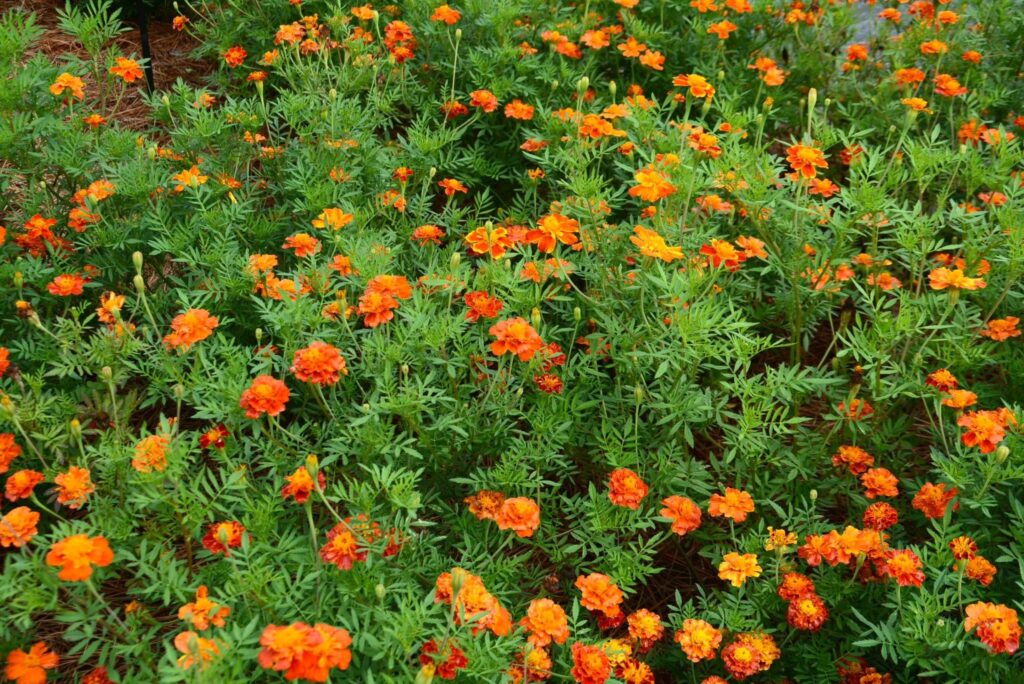
Marigolds are tough, sunny and dependable. University of Illinois Extension notes that large double flowers sit high on strong stems.
Choose tall African types for cutting rather than short bedding types. Sow after frost in full sun.
Cut when the flowers are fully open. The strong scent is not for everyone, so test one stem first.
22. Annual Rudbeckia (Rudbeckia hirta)
Annual black-eyed Susans have larger flowers than their perennial cousins. Colors range from gold to deep mahogany.
Georgia gardeners grow black-eyed Susans widely for cutting, according to UGA. They handle heat and humidity well.
Cut when the petals are fully open. Strong stems make these flowers easy to arrange.
Part 2: Best Perennials, Biennials and Shrubs
Perennials need more patience. Many take a year or more to become productive, as UGA Extension points out. Yet once settled, they return every year.
23. Dahlia (Dahlia variabilis)
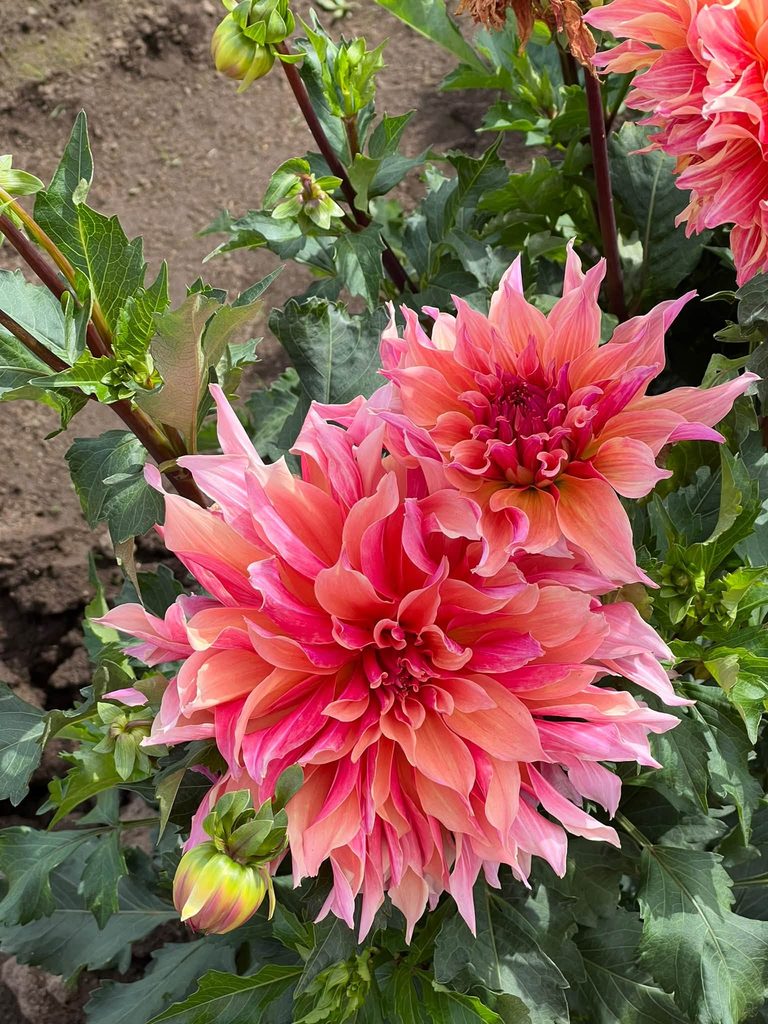
Dahlias are dramatic, colorful and endlessly varied. In my view, they are the stars of late summer.
Plant tubers after the last frost in full sun and rich soil. In cold climates, lift them in fall and store them for winter.
Vase life can be short. NC State trials found that two varieties, ‘Naomi’ and ‘Thalia’, averaged five to six days. Cut fully open flowers in the cool morning.
24. Peony (Paeonia lactiflora)
Peonies are a spring luxury. The big, fragrant blooms are worth the wait.
Plants need three years or so to settle in. Plant in fall in full sun, and avoid planting too deeply.
Cut when buds feel soft like a marshmallow and show color. Buds can be stored in the refrigerator to extend the season.
25. Coneflower (Echinacea purpurea)
Coneflowers are tough prairie natives. They attract bees and butterflies while giving you sturdy stems.
They tolerate heat and some drought once established. Full sun and good drainage suit them best.
Cut when the petals are fully open. The spiky seed heads also look good in autumn bouquets.
26. Yarrow (Achillea millefolium)
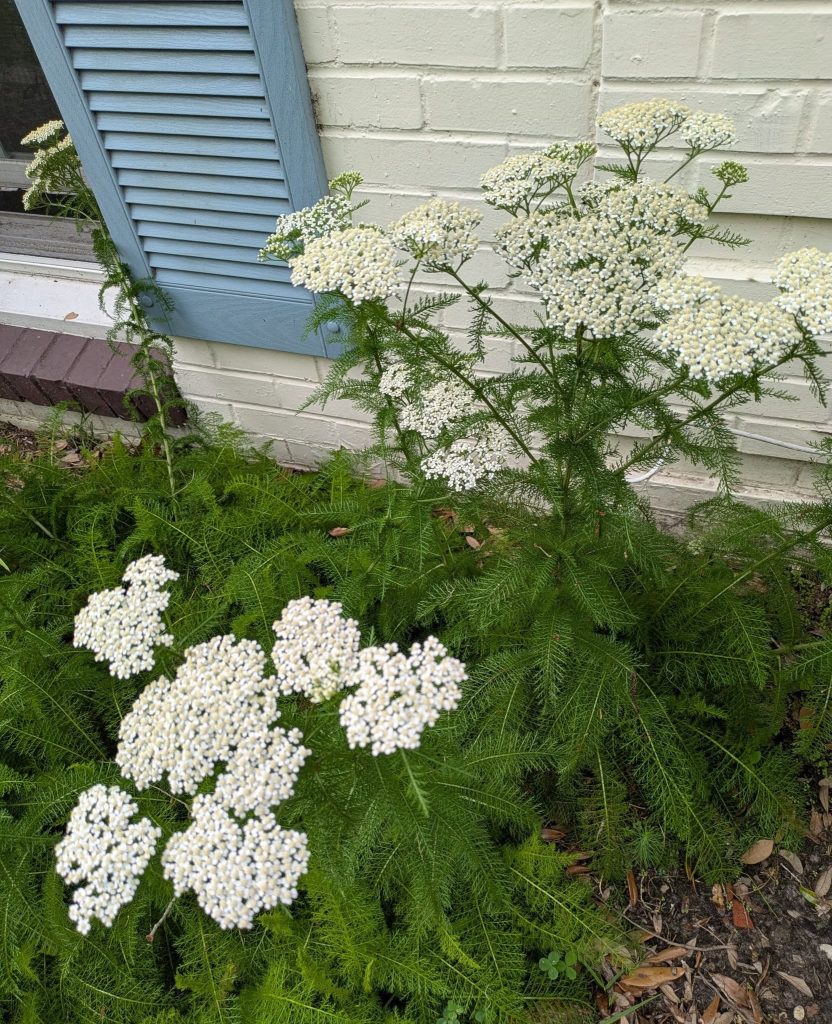
Yarrow produces flat, lacy flower heads that fill gaps in arrangements. Colors include white, yellow, pink and red.
It thrives in sunny, well-drained spots and needs little care. It can spread, so divide clumps every few years.
NC State found that the variety ‘Cassis’ lasted about 12 days in clean water. Cut when the flower head is fully open.
27. Delphinium (Delphinium elatum)
Delphiniums bring tall, majestic spires of blue and purple. They give height that few other flowers can match.
They need rich soil, steady moisture and shelter from wind. Slugs enjoy them too, so watch young plants.
In NC State trials, the vase life of delphinium was on the shorter side. Cut when about a third of the flowers are open, and enjoy them quickly. The plant is toxic if eaten.
28. Lavender (Lavandula angustifolia)
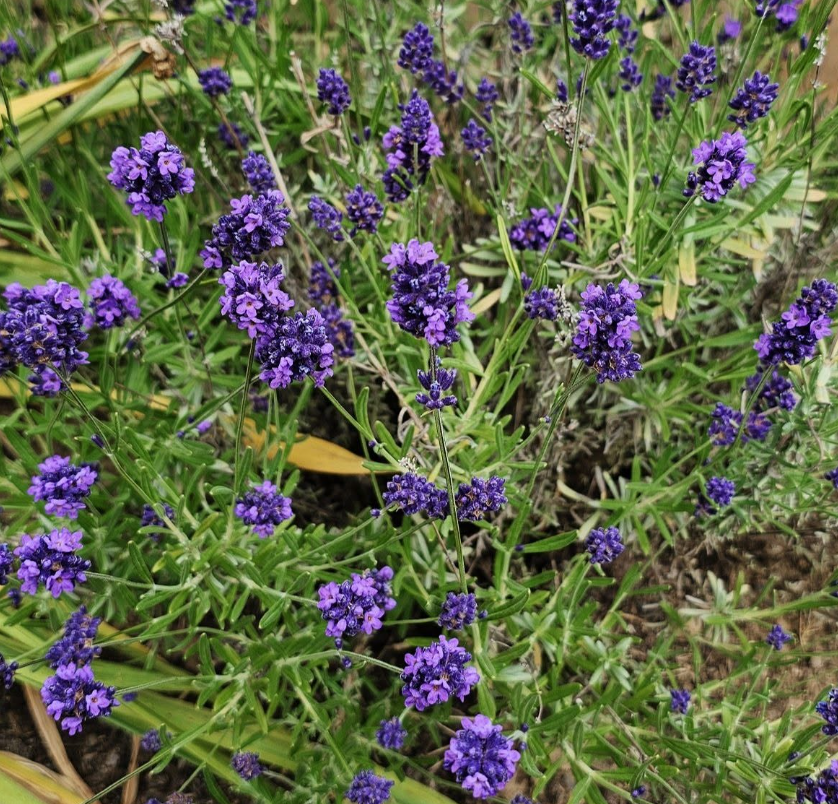
Lavender offers fragrance, color and a long history in the garden. A small bunch scents a room for weeks.
It needs full sun and very well-drained soil. Wet feet are its main enemy.
Cut when the lowest buds show color but are not yet open. Dried lavender keeps its scent for a long time.
29. Salvia (Salvia nemorosa and Salvia farinacea)
Salvia forms upright spikes of violet-blue, pink or white. Bees love it, so you will enjoy a lively garden.
It thrives in sun and tolerates dry weather. Cut back after the first flush to encourage a second bloom.
Harvest when the lower flowers are open. Remove the leaves that would sit under the water.
30. Liatris (Liatris spicata)
Liatris, or blazing star, has purple spikes that open from the top down. This unusual habit makes it easy to spot when to cut.
It grows from corms and prefers full sun. Once established, it returns for years.
Cut when about a quarter of the flowers are open. The rest will continue to open in the vase.
31. Foxglove (Digitalis purpurea)
Foxgloves are classic cottage flowers. They are mostly biennial, so they bloom in their second year.
Plant in partial shade or sun with moist, rich soil. Many varieties self-seed once they settle in.
Cut when the lower third of the bells are open. All parts are poisonous, so wear gloves and keep stems away from pets and children.
32. Sweet William (Dianthus barbatus)
Sweet William carries clusters of small, spicy-scented flowers. The colors include red, pink and white, often with bold patterns.
It is usually grown as a biennial. Sow in early summer for blooms the next spring.
Dianthus does well in vases. In NC State trials, the variety ‘Amazon Neon’ lasted 15 days with a holding solution.
33. Hydrangea (Hydrangea macrophylla and H. paniculata)
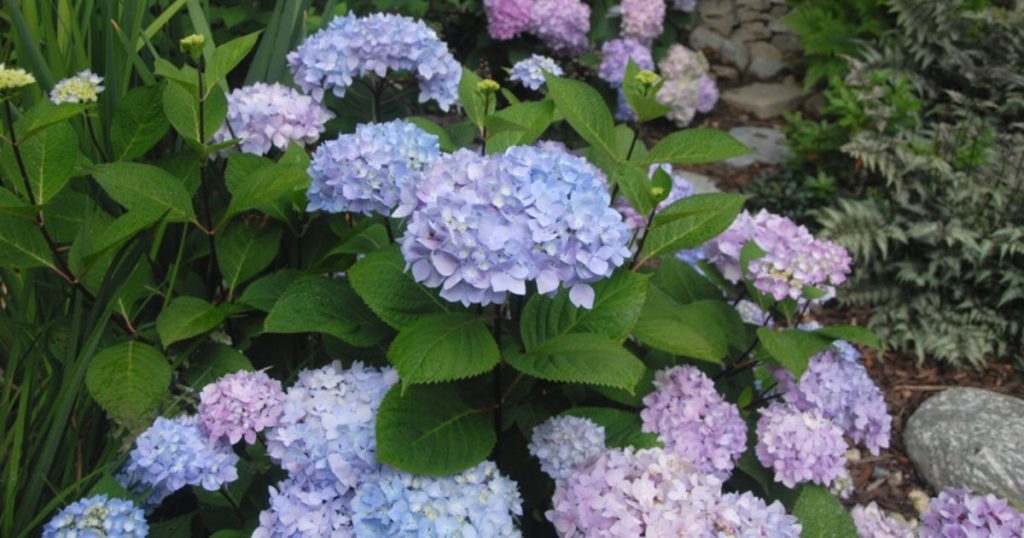
Hydrangeas fill a vase with only a few stems. They are a good choice if you have space for a shrub.
Plant in rich, moist soil with morning sun. Panicle types handle more sun than bigleaf types.
Wait until the flower heads feel slightly papery before cutting. Cutting too early causes quick wilting.
34. Garden Rose (Rosa spp.)
Roses are timeless. Garden varieties, such as English roses, bring scent and old-fashioned charm.
They need at least six hours of sun, good air flow and regular feeding. Cut stems just above a leaf node to encourage new growth.
Harvest in the morning when the bud is half open. Remove the lower leaves and thorns, then place stems in water at once.
Part 3: Best Bulbs and Corms for Cutting
Bulbs and corms give the earliest and some of the most striking cut flowers. Most are planted once and need little attention.
35. Tulip (Tulipa spp.)
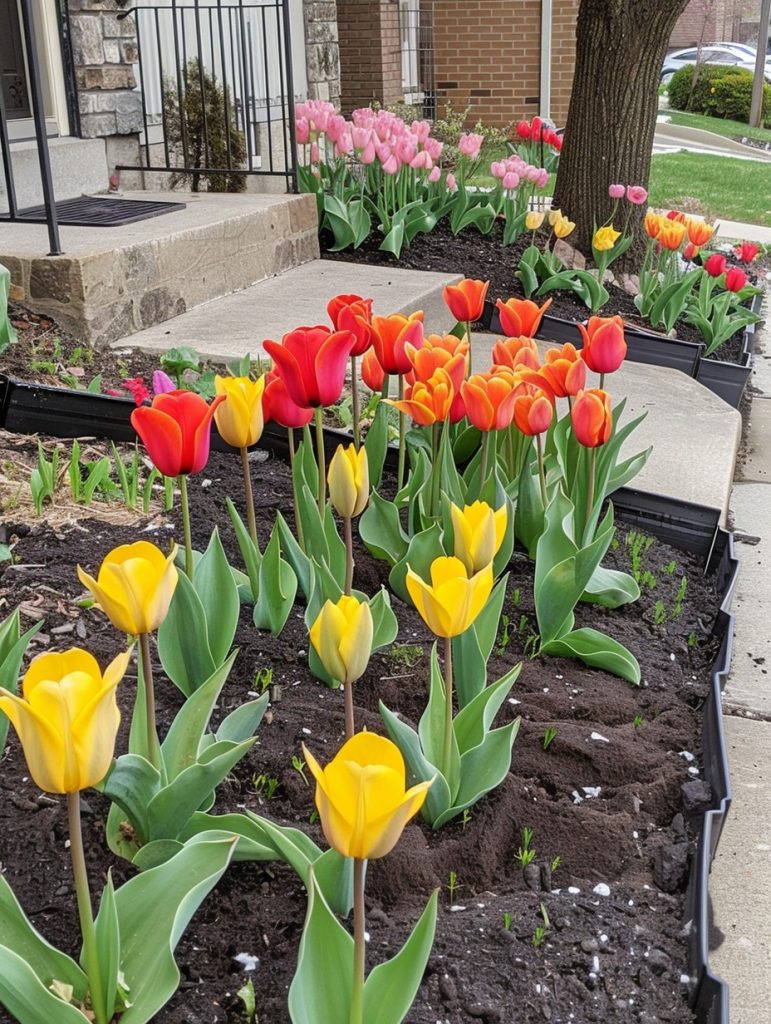
Tulips announce spring better than almost any other flower. University of Vermont Extension mentions them as a focus for a spring cutting garden.
Plant bulbs in fall in sunny, well-drained soil. Many gardeners treat them as annuals for the best flowers.
Cut when the buds show good color but are still closed. Be aware that tulip stems keep growing in the vase.
36. Daffodil (Narcissus spp.)
Daffodils are cheerful and reliable. Voles and deer usually leave them alone, which is a real bonus.
Plant bulbs in fall and let the foliage die back naturally after bloom. This feeds the bulb for the next year.
Cut at the bud stage when the flower is still upright. Daffodils release a sap that harms other flowers, so keep them in separate water for 12 to 24 hours first.
37. Gladiolus (Gladiolus x hortulanus)
Gladioli are summer’s tall, elegant spikes. UConn Extension highlights them as one of two annual bulbs that are great for cutting.
Plant corms every two weeks from spring to midsummer. This stretches the harvest over many weeks.
Cut when the first one to three florets are open. Remove the top bud for a straighter, longer-lasting stem.
38. Allium (Allium giganteum and A. sphaerocephalon)
Alliums have round, purple flower heads that look like fireworks. They are among the most striking bulbs in the garden.
Plant in fall in full sun. They are rarely troubled by pests.
Cut when most of the flowers have opened. The stems may smell of onion, so rinse them and change the water often.
39. Lily (Lilium spp.)
Lilies are among the most fragrant and elegant cut flowers. Asiatic types have little scent, while Oriental types are very fragrant.
Plant bulbs in fall or early spring in well-drained soil. Choose a sunny spot with some shade on the roots.
Cut when the first bud shows color. Remove the orange anthers to prevent staining. Lilies are highly toxic to cats, so use caution at home.
40. Ranunculus (Ranunculus asiaticus)
Ranunculus looks like a layered, paper-thin rose. The colors are rich and the form is unforgettable.
Soak the corms for a few hours before planting. Plant them in cool weather in well-drained soil.
Cut when the buds feel soft and show color. They are a favorite for spring bouquets and wedding flowers.
Cutting Garden Basics Before You Plant
A few rules apply to almost every flower on this list. Learn them once, and your whole garden will perform better.
Give plants sun. Extension specialists at the University of Vermont recommend a site with good soil and six to eight hours of sun each day. A few shade-tolerant flowers, such as astilbe, are the exception.
Plant close together. UConn Extension notes that most annuals do well at about 9 by 9 inches. Tight spacing means more stems from a small bed.
Cut often. UGA Extension explains that most cut flowers do best when cut regularly. With repeated cutting, most plants produce four to five rounds of blooms in a summer.
Harvest in the morning. Oklahoma State Extension notes that morning is the coolest part of the day, and plant water content is high. Place stems in clean water right away.
Simple Tips for Longer-Lasting Bouquets
Good handling matters as much as good flowers. Follow these steps and your bouquets will last longer.
- Carry a bucket of water to the garden, and place stems in it right after cutting.
- Use clean, sharp tools and cut stems at an angle.
- Remove leaves that would sit below the waterline.
- Use clean water and a floral preservative when advised.
- Keep the vase away from direct sun, heat and ripening fruit.
Note that NC State trials showed that some zinnias did best in plain clean water. Extra treatments sometimes shortened vase life. When in doubt, start with clean water and clean tools.
Frequently Asked Questions
What is the easiest flower to grow for cutting?
Zinnias, cosmos, sunflowers and marigolds are the easiest for beginners. All grow quickly from seed and bloom within a few months.
How much sun does a cutting garden need?
Most cut flowers need six to eight hours of direct sun each day. A few, such as astilbe, accept partial shade.
How often should I cut flowers?
Cut every few days when plants are in bloom. Regular cutting encourages more flowers, so you should not hesitate to harvest.
Final Thoughts
A cutting garden is one of the most rewarding projects a gardener can start. It costs little, takes modest space and fills the house with color.
Start with five or six easy annuals from this list. Then add perennials and bulbs as your confidence grows. I think you will soon be giving bouquets away.
References
- University of Vermont Extension. Planning a Cutting Garden. https://www.uvm.edu/extension/news/planning-cutting-garden
- University of Georgia College of Agricultural and Environmental Sciences. Flower Gardens. https://newswire.caes.uga.edu/story/6491/flower-gardens.html
- UConn Home & Garden Education Center. DIY: Grow Flowers for Cutting. https://homegarden-cahnr.media.uconn.edu/wp-content/uploads/sites/3479/2024/04/ch042924-Cut-Flowers.pdf
- NC State Extension. 2002 Postharvest Trials (Cut Flowers). https://cutflowers.ces.ncsu.edu/postharvest-trials-by-year/2002-postharvest-trials/
- NC State Extension. 2005 Postharvest Trials (Cut Flowers). https://cutflowers.ces.ncsu.edu/postharvest-trials-by-year/2005-postharvest-trials/
- Oklahoma State University Extension. The Care and Handling of Cut Flowers. https://extension.okstate.edu/fact-sheets/the-care-and-handling-of-cut-flowers.html
- USDA National Agricultural Statistics Service. Floriculture Crops 2025 Summary. https://data.nass.usda.gov/Publications/Highlights/2026/2025FloricultureCrops.pdf

Tim M Dave is a gardening expert with a passion for houseplants, particularly cacti and succulents. With a degree in plant biology from the University of California, Berkeley, he has vast experience in gardening. Over the years, he has cultivated a vast collection of desert plants and learned a great deal about how to grow and care for these unique companions.