25 Types of Vases (With Names, and Pictures)
A vase is never just a container. I have watched a single well-chosen piece change the entire feel of a room, sometimes more than the flowers inside it.
Choosing the right vase, though, is trickier than it looks. Shapes, materials, and historical styles all send different signals, and picking the wrong one can make even beautiful blooms look out of place.
That is why I have put together this guide. Below you will find 25 types of vases, grouped by shape, material, and style, so you know exactly which one fits your space, your flowers, and your budget.
The global vase market was valued at roughly $2.8 billion in 2025, according to industry research firm MarketIntelo, and it is expected to keep growing as home décor spending rises worldwide. That growth shows just how much variety buyers are choosing from — and this list covers the most important types.
Shape-Based Types of Vases
1. Bud Vase
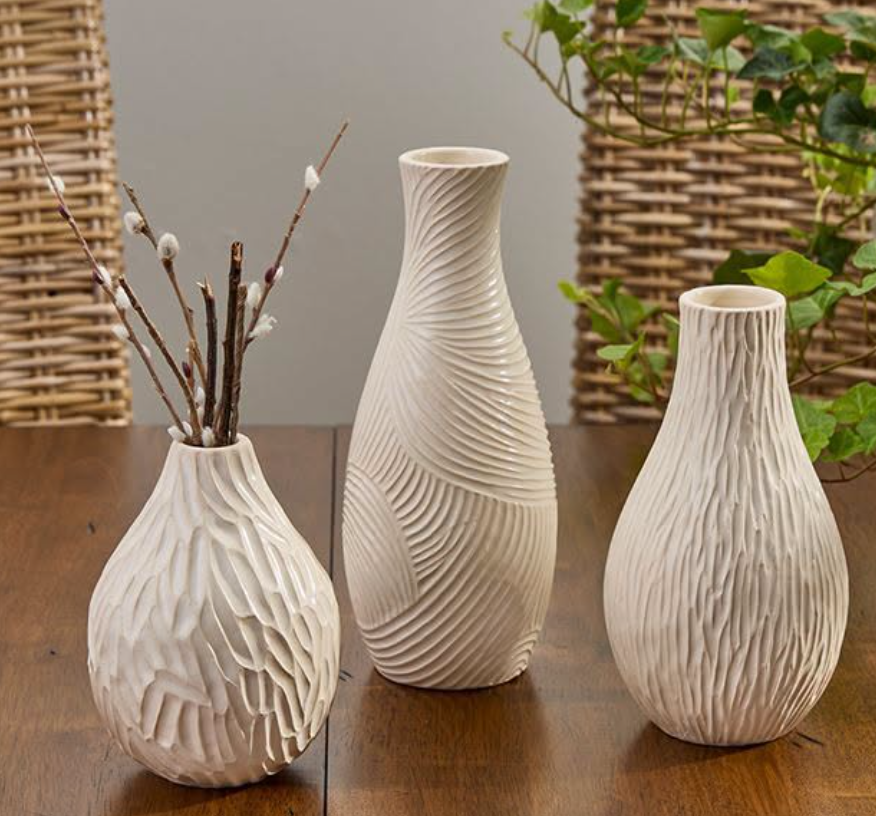
A bud vase is small, narrow, and built for one or two stems, not a full bouquet.
I love these for windowsills and side tables. They do not overwhelm a space, and they let a single flower become the focal point.
Most bud vases stand between 4 and 8 inches tall. Glass is the most common material, though ceramic versions are popular too.
They work best in clusters. Group three or five together on a table, and the effect looks far more intentional than a single large arrangement.
2. Bottle Vase
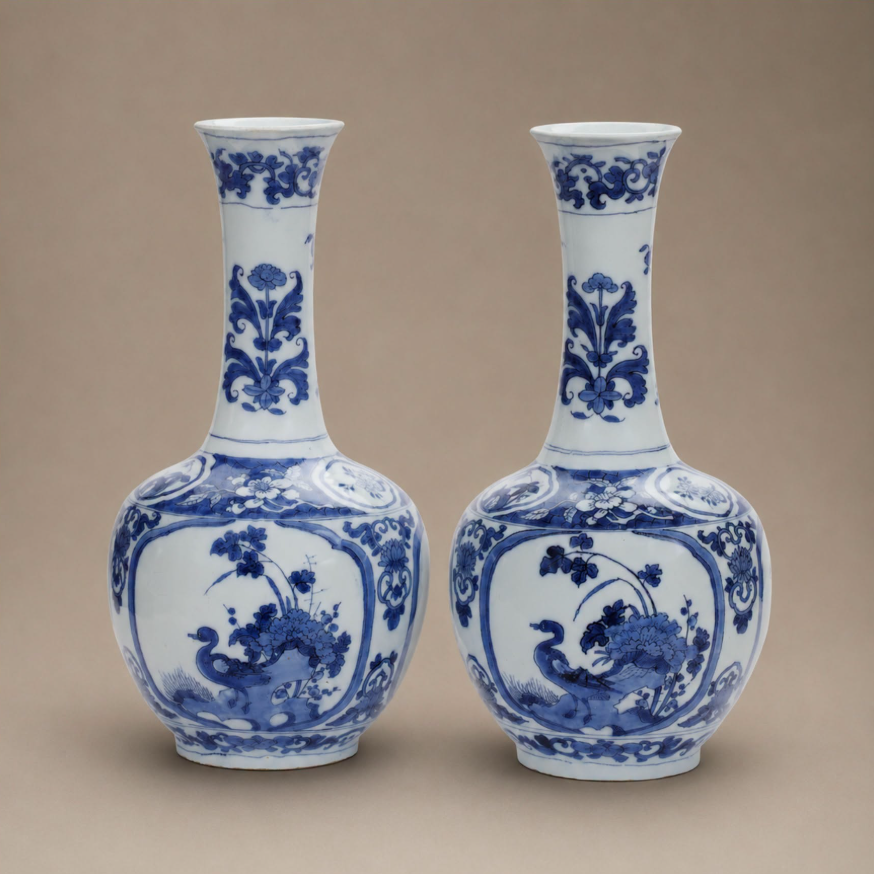
Bottle vases mimic the shape of an actual bottle: a rounded or flat body with a narrow neck.
This narrow neck naturally holds stems upright without needing floral foam or tape. That makes bottle vases genuinely practical, not just decorative.
They suit minimalist and Scandinavian-style interiors particularly well. The clean lines rarely clash with other décor.
I often recommend these to beginners who find flower arranging intimidating, since the shape does most of the work for you.
3. Cylinder Vase
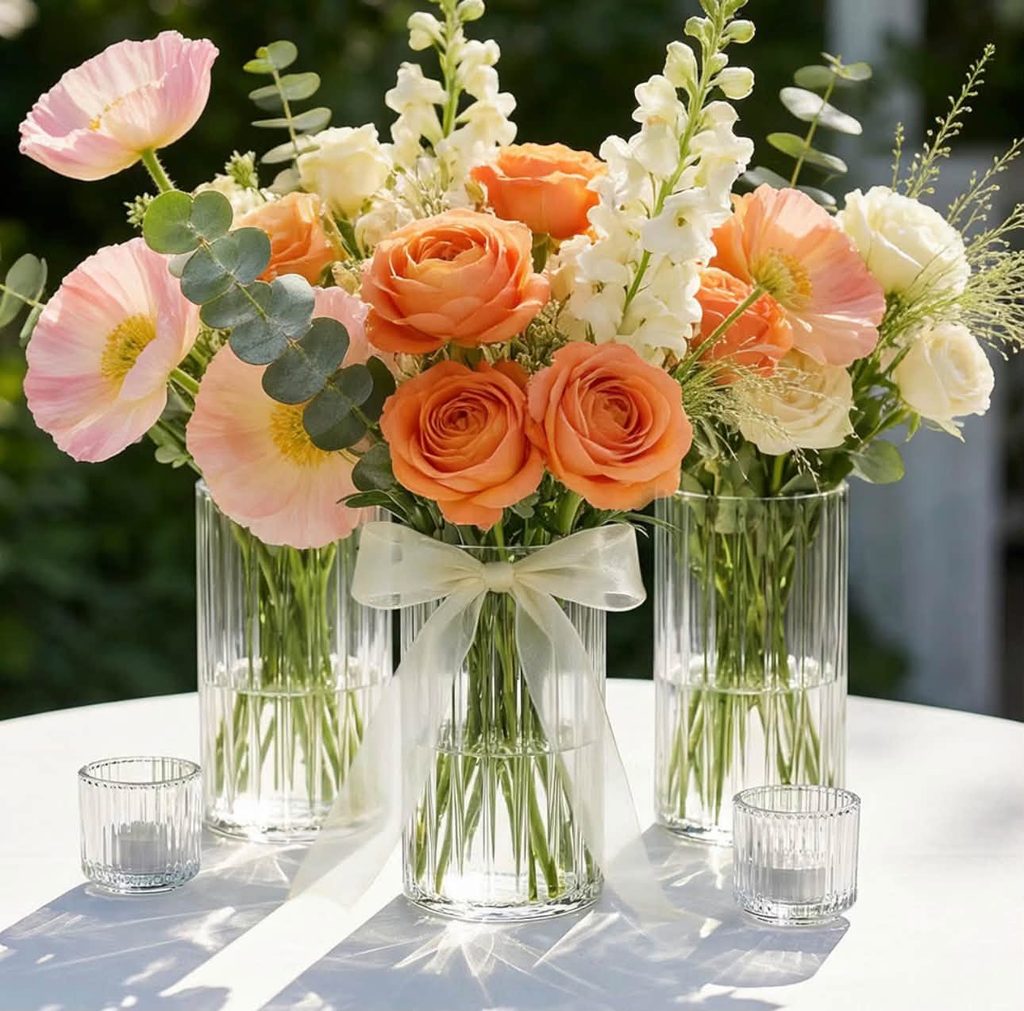
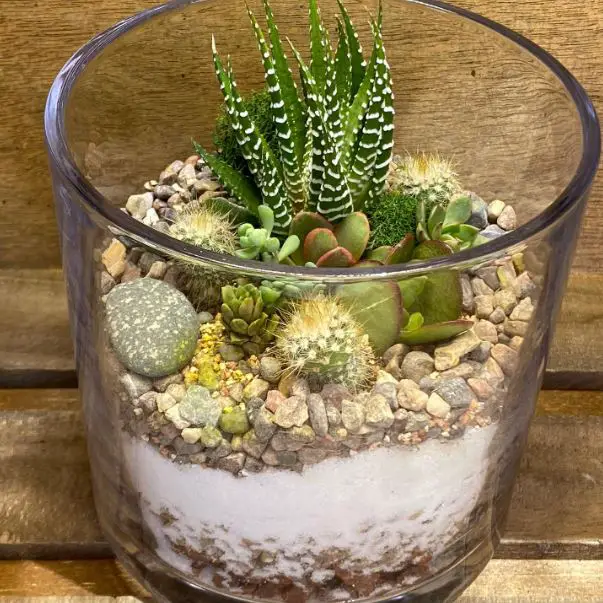
A cylinder vase is a straight, tube-like shape with no curves or tapering.
This uniform shape gives arrangers full control over stem height and spacing, which is why event florists rely on them so heavily.
Cylinder vases come in almost every size, from small tabletop versions to tall floor pieces. Clear glass cylinders are especially common at weddings.
Because the shape is so simple, cylinder vases tend to be affordable, making them a smart choice for large events needing many centerpieces at once.
4. Trumpet Vase
Trumpet vases flare outward dramatically at the top, resembling the musical instrument they are named after.
That flared shape creates a natural, airy spread for tall stems like gladiolus or branches. The wide opening allows flowers to fan out gracefully instead of bunching together.
These vases usually stand tall, often 12 inches or more, and work well as statement pieces on entryway tables or mantels.
I find trumpet vases best suited to formal settings, since the dramatic flare tends to read as elegant rather than casual.
5. Fishbowl Vase
As the name suggests, a fishbowl vase is round and wide, with an opening roughly the same size as its widest point.
This shape is a favorite for submerged décor, such as floating candles, marbles, or fruit slices layered beneath the flowers.
Fishbowl vases hold water well and provide a stable, low center of gravity, which makes them a safe choice for tables with children or pets nearby.
They also suit low, compact arrangements like hydrangeas or peonies, where a tight cluster of blooms looks fuller than tall stems would.
6. Urn Vase
An urn vase has a rounded body, a narrower neck, and often a pedestal or flared base.
Historically, urns were used for storage and ceremonial purposes long before they became decorative. That history still gives them a formal, classical feel today.
They tend to work best in traditional or European-inspired interiors, especially alongside stone, marble, or dark wood furniture.
Urn vases are also popular in outdoor settings, placed at entryways or along garden paths, where their sturdy shape holds up well.
7. Amphora Vase
The amphora traces back to ancient Greece and Rome, where it was used to transport oil, wine, and grain.
Its most recognizable feature is the two handles on either side of a narrow neck, a detail that separates it clearly from an urn.
Modern amphora-style vases keep that silhouette but skip the practical handles-for-carrying function, using them purely for visual balance instead.
I think these work beautifully as standalone décor pieces, even without flowers, since the shape itself carries so much historical character.
8. Ginger Jar Vase
A ginger jar has a rounded, almost spherical body with a small neck and a domed lid.
Originally used in China to store spices and ginger, these jars later became prized decorative objects, often painted with intricate blue-and-white patterns.
You will usually find them displayed with the lid on, as a standalone accent piece rather than a flower vessel, though some people do remove the lid for arrangements.
Ginger jars pair especially well with chinoiserie-style or maximalist interiors, where bold patterns and rich colors are already part of the design.
9. Pitcher Vase
A pitcher vase borrows its shape directly from a water pitcher: a rounded body, a spout, and a single handle.
This design feels warm and unpretentious, which is why pitcher vases show up so often in farmhouse and cottage-style kitchens.
They work particularly well with loose, garden-style arrangements, like wildflowers or herbs, rather than tightly structured bouquets.
I have also seen vintage milk pitchers repurposed as vases, which is an easy way to add character without buying something new.
10. Hurricane Vase
A hurricane vase is wide and open, originally designed to shield a candle flame from wind.
Today, it doubles as both a candle holder and a vase, often filled with flowers around a central candle for a layered centerpiece.
The glass walls are usually thick and sturdy, which makes hurricane vases a safer option for tables where candles are involved.
They are a favorite for weddings and holiday tables, where the combined candlelight and greenery create real warmth.
11. Bubble Vase
Bubble vases have a rounded, almost spherical body with a small, tight opening at the top.
That narrow opening naturally bunches stems together, creating a fuller-looking arrangement even with fewer flowers.
They come in many sizes, from tabletop pieces to large floor versions, and often appear in clusters of varying heights for visual interest.
I particularly like bubble vases for modern interiors, since their soft, organic curve softens sharper furniture lines nearby.
12. Cube or Square Vase
Cube vases have flat sides and sharp right angles, giving them a distinctly geometric, modern look.
This shape is popular for low, compact arrangements, since flowers packed tightly into a cube tend to look neat rather than sparse.
Cube vases are also practical for shipping and storage, which is part of why florists use them so widely for retail bouquets.
They suit contemporary spaces best, particularly alongside minimalist furniture and neutral color palettes.
13. Rectangular Vase
A rectangular vase is essentially an elongated cube, longer than it is wide.
This shape is ideal for dining table centerpieces, since the length can stretch along the table without blocking sightlines across it.
Florists often use rectangular vases for low, horizontal arrangements featuring roses, orchids, or greenery laid across the surface.
I find these especially useful for long tables, where a single round vase would look lost in comparison.
14. Pedestal Vase
A pedestal vase sits on a raised base or stem, lifting the body of the vase above the surface it stands on.
This elevated design draws the eye upward, which makes pedestal vases a strong choice for formal dining rooms or entryway tables.
Because they are taller and often top-heavy, stability matters. Look for a wide, weighted base if you plan to use one regularly.
Classical and Victorian-style interiors tend to suit pedestal vases particularly well, thanks to their formal, sculptural presence.
15. Floor Vase
Floor vases are built to stand directly on the ground, usually reaching 24 inches or taller.
Their scale makes them a genuine piece of furniture in their own right, not just an accessory. A single floor vase can anchor an entire corner of a room.
They are typically filled with tall branches, dried grasses, or artificial stems rather than fresh-cut flowers, since fresh flowers that tall are harder to maintain.
I recommend placing floor vases in spots that need visual height, like empty corners beside a sofa or staircase landing.
Style and Placement-Based Types of Vases
16. Hanging Vase
A hanging vase attaches to the ceiling or a wall bracket, suspended by rope, chain, or a macramé holder.
This design frees up table and floor space entirely, which makes hanging vases popular in small apartments or plant-heavy interiors.
They work particularly well with trailing plants like pothos or ivy, where the vine can spill downward for a dramatic effect.
I have found these especially useful near windows, where hanging greenery gets good light without cluttering the sill below.
17. Wall-Mounted Vase
Unlike hanging vases, wall-mounted vases attach flat against a wall using a bracket or built-in mount.
They typically hold a single stem or a small, flat arrangement, since depth is limited by the mounting design.
These vases suit narrow hallways or small rooms where floor and table space is genuinely scarce.
I like using a row of wall-mounted vases together, since the repetition creates a gallery-like effect without needing actual artwork.
18. Ikebana Vase
Ikebana vases are designed specifically for the Japanese art of flower arranging, which emphasizes minimalism and asymmetry.
These vases are often low, wide, and shallow, sometimes with built-in frogs or spikes (called kenzan) to hold just a few stems in place.
The philosophy behind ikebana favors negative space as much as the flowers themselves, so the vase is designed to support restraint, not abundance.
If you enjoy slower, more meditative arranging, an ikebana vase encourages a completely different approach than a typical Western bouquet.
19. Cornucopia Vase
A cornucopia vase takes its shape from the “horn of plenty,” curving outward like a wide, open horn.
This design traditionally symbolizes abundance, which is why cornucopia vases appear so often around harvest and Thanksgiving displays.
The open, flowing shape suits loose arrangements of dried wheat, autumn leaves, or seasonal flowers rather than tight, structured bunches.
I think of these as seasonal décor first and everyday vases second, since the symbolism is strongest during fall gatherings.
20. Ming-Style Vase
Ming-style vases echo the porcelain produced during China’s Ming Dynasty (1368–1644), known for cobalt-blue underglaze patterns on white porcelain.
These pieces are as much about artistic and historical value as function. Genuine antique Ming vases have sold for extraordinary sums; one 18th-century Qianlong-period vase reportedly sold for around $31.5 million at auction, according to Guinness World Records.
Most vases available today are reproductions or inspired designs, not actual antiques, and are priced accordingly for everyday decorative use.
I would treat a genuine Ming-style piece as a display object first, reserving actual flower arranging for a more affordable, everyday vase instead.
Material-Based Types of Vases
21. Ceramic Vase
Ceramic vases are made from clay fired at high temperatures, then often glazed for color and shine.
They are durable, opaque, and available in an enormous range of finishes, from matte earth tones to glossy jewel colors.
Because ceramic hides the water and stems inside, it works well for arrangements where the stems themselves are not particularly attractive.
I find ceramic vases the most versatile option overall, fitting comfortably into farmhouse, modern, and traditional interiors alike.
22. Glass Vase
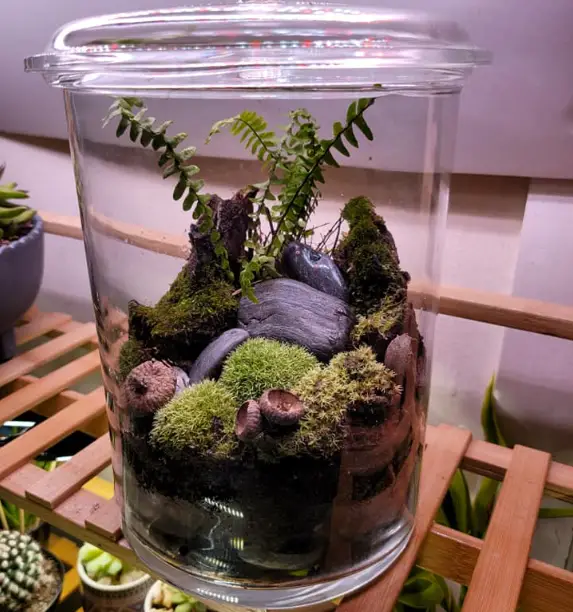
Glass vases are prized mainly for their transparency, letting stems, water, and even added decorations like stones show through clearly.
They are lightweight, relatively affordable, and easy to clean, which explains why glass remains one of the most common vase materials on the market.
The main downside is fragility. Glass vases chip and shatter more easily than ceramic or metal, so placement near edges or high-traffic areas needs some care.
Clear glass in particular photographs well, which is part of why it remains a favorite for weddings and events captured on camera.
23. Porcelain Vase
Porcelain is a finer, more refined type of ceramic, fired at even higher temperatures for a harder, often translucent finish.
This gives porcelain vases a delicate, luxurious look compared to standard ceramic, often accompanied by intricate hand-painted designs.
Porcelain is more expensive and more fragile than regular ceramic, so it tends to suit display pieces more than everyday, frequently-moved vases.
I would reserve porcelain for a formal dining room or a cabinet display, rather than a spot where it might get bumped often.
24. Terracotta Vase
Terracotta is unglazed clay with a distinctive warm, reddish-brown color, often left in its natural, matte finish.
Because it is porous, terracotta absorbs some moisture, which historically made it useful for keeping cut flower stems slightly cooler in warm climates.
This earthy material suits rustic, Mediterranean, and bohemian interiors especially well, often paired with dried flowers or grasses rather than fresh ones.
I like terracotta for outdoor patios too, since its natural tone blends easily with greenery and stone surfaces.
25. Woven or Basket Vase
A woven vase uses natural materials like rattan, seagrass, or wicker, often wrapped around a hidden glass or plastic liner to hold water.
This combination gives you the practical function of a real vase with the textured, organic look of natural fiber.
They pair beautifully with dried arrangements, pampas grass, and other boho-style décor that has become popular in recent years.
Because the fiber itself cannot hold water directly, always check that a proper liner is included before using one for fresh flowers.
Final Thoughts
Twenty-five types is a lot to take in, but the decision usually comes down to three simple questions: what shape suits your flowers, what material suits your lifestyle, and what style suits your room.
Start with function first. A tall floor vase does nothing for a single rose, just as a bud vase cannot hold a full bouquet of branches.
Once function is settled, let style and material follow your existing décor rather than fight against it.
I always tell people the same thing: the best vase is the one you will actually use, not the one that looks perfect sitting empty on a shelf.

Tim M Dave is a gardening expert with a passion for houseplants, particularly cacti and succulents. With a degree in plant biology from the University of California, Berkeley, he has vast experience in gardening. Over the years, he has cultivated a vast collection of desert plants and learned a great deal about how to grow and care for these unique companions.