25 Flowers That Symbolize Hope and Courage (With Ways to Use Them)
Some flowers do more than decorate a room. They tell us not to give up.
I have always felt that a flower blooming in poor conditions carries a quiet message. It says that hard seasons end. That is why people give flowers to patients, soldiers, and grieving families.
In this guide, I explain 25 flowers that symbolize hope and courage. You will learn where each meaning comes from. You will also see how to use these blooms in gifts, gardens, and memorials.
Why Flowers Carry Meanings of Hope and Courage
People have given plants symbolic meaning for thousands of years. Many meanings come from how a flower behaves in nature. A bloom that pushes through snow suggests hope. A bloom that survives fire suggests courage.
Culture and history add more layers. A flower can become a national emblem or a symbol of remembrance. Charities also use flowers to speak to the public without words.
Science supports the comfort flowers give us. A 10-month study of how people responded to receiving flowers found that participants reported less depression, anxiety, and agitation afterward.
Nature itself seems to help the mind. Reviews of the research show that more than 40 experimental studies link nature exposure to lower heart rate, lower blood pressure, and less perceived stress. Flowers are a small, easy way to bring that effect indoors.
25 Flowers That Symbolize Hope and Courage
1. Daffodil
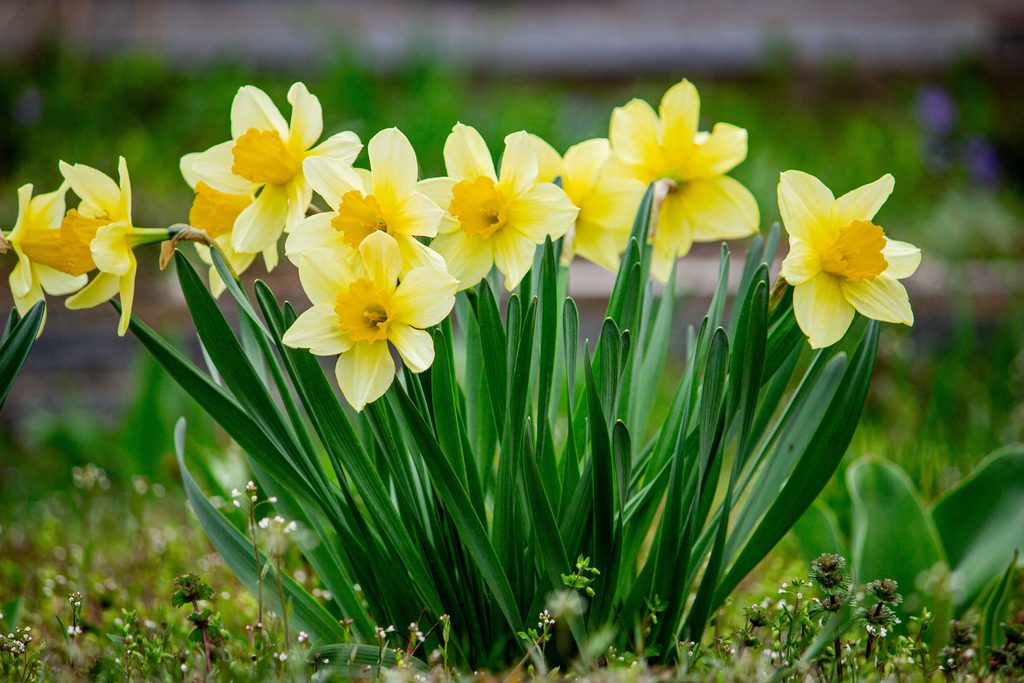
The daffodil is the world’s best-known flower of hope. It is among the first blooms of spring. After a long, cold winter, its yellow trumpets feel like a promise.
Cancer organizations adopted it for this reason. The American Cancer Society chose the daffodil, the first flower of spring, as a symbol of hope in the fight against cancer. Many universities still run “Daffodil Days” campaigns on this theme.
The idea has spread worldwide. New Zealand’s annual Daffodil Day needs over 600,000 fresh daffodils, supplied by more than 50 farms. I find it moving that one small flower can unite so many people.
2. Sunflower
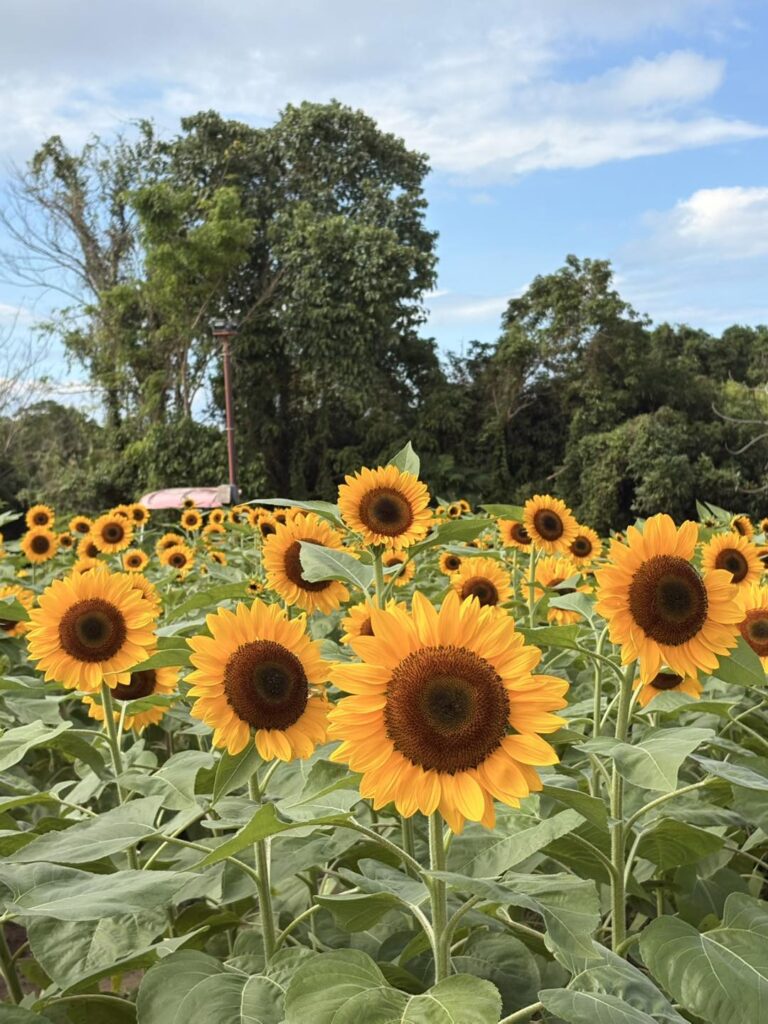
The sunflower stands for loyalty, optimism, and the courage to face the light. Its scientific name, Helianthus annuus, comes from the Greek words for “sun” and “flower.” Young sunflower buds follow the sun across the sky each day.
This plant is also tough. It is a stout annual that can grow up to 3 meters tall. It thrives in open, sunny fields where weaker plants struggle.
The sunflower began as an all-American weed that became an important crop plant. That journey from humble weed to global crop adds to its message of quiet strength. Today, it is also a popular symbol of hope in many parts of the world.
ALSO READ: 25 Different Types of Sunflowers: Tall, Dwarf and Other Major Varieties
3. Lotus
The lotus is a symbol of rising above hardship. It grows in muddy water, yet its petals open clean and bright. For this reason, the lotus is central to Buddhist and Hindu traditions.
Gardeners also admire its resilience. The lotus (Nelumbo nucifera) is a fast-growing plant that grows submerged in water and needs 36 to 60 inches of spacing. It spreads boldly once established.
The lotus has a long human history too. It has been cultivated for over 2,500 years, with only two living species but nearly 2,000 cultivars. That is a lot of history for one flower.
4. Iris
The iris is named after Iris, the Greek goddess of the rainbow and messenger of the gods. In many traditions, it stands for hope, faith, and wisdom. A bouquet of irises often carries a message of courage.
Wild irises grow in tough places. The Rocky Mountain iris (Iris missouriensis) blooms from May to June and grows sparsely along trails in places such as Jewel Cave National Monument. It is also called the Western blue flag.
Many people link the iris to the fleur-de-lis, an old royal emblem of France. Whether or not that link is exact, the iris remains a flower of noble purpose. I often suggest it for graduations and new beginnings.
5. Snowdrop
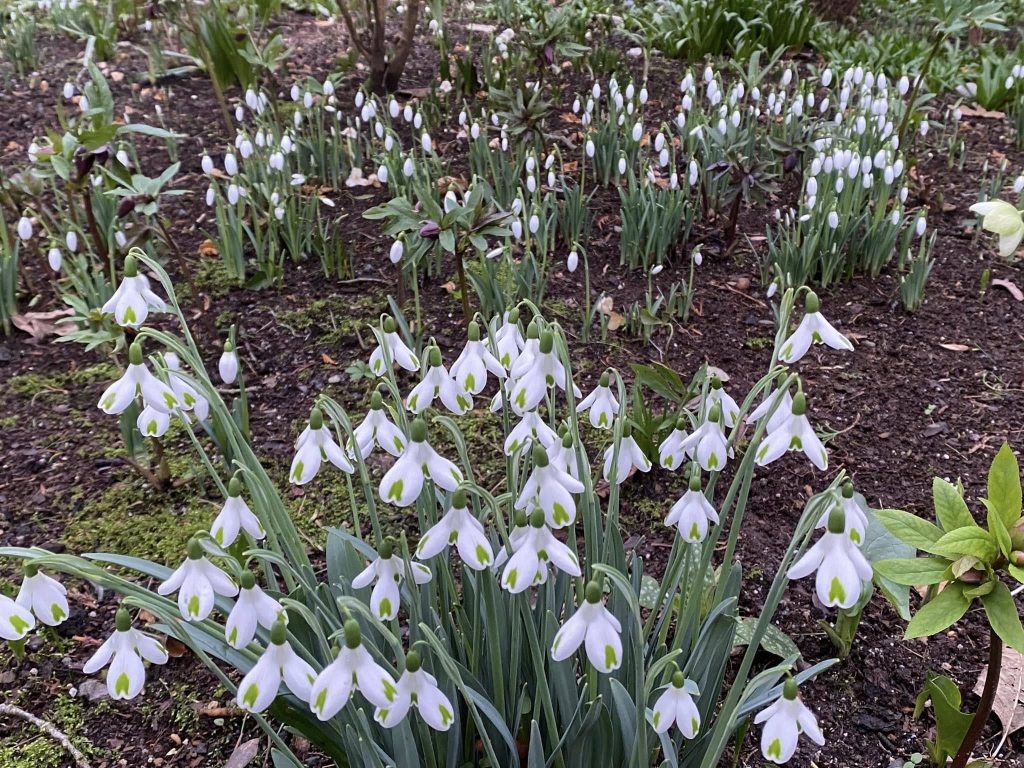
The snowdrop is a quiet hero. It blooms in late winter, sometimes through snow. Its small white flowers nod gently, yet they refuse to wait for warm weather.
This is why snowdrops symbolize hope after sorrow. In Victorian flower language, they spoke of consolation. Even today, many gardeners plant them near memorial spaces.
The name of the genus, Galanthus, comes from Greek words meaning “milk flower.” I love how such a delicate bloom shows such determination. It teaches us that courage does not have to be loud.
ALSO READ: 35 Flowers That Bloom in Winter (With Pictures)
6. Poppy
The poppy has two faces. In many countries, the red poppy honors fallen soldiers. This tradition grew after World War I and the poem In Flanders Fields. Poppies bloomed on battlefields where so much was lost.
So the poppy stands for sacrifice, bravery, and remembrance. Wearing one is a quiet act of respect. It also carries a hope that peace will last.
Other poppies carry local pride. The California poppy is the state flower of California and is native to the Pacific slope from western Oregon to Baja California. It lights up hillsides every spring.
7. Gladiolus
The gladiolus is the “sword lily.” Its name comes from the Latin word gladius, meaning sword. Its tall, pointed spikes look like blades raised in defense.
Because of this shape, gladiolus symbolizes strength of character, integrity, and courage. Tradition links it to Roman gladiators. Whether that story is fully accurate, the symbolism has stayed strong.
I like to give gladioli to people facing a tough challenge. They show confidence without being harsh. A tall vase of them makes any room feel braver.
8. Protea
The protea is a flower made for hard conditions. It is native to South Africa, where the king protea is the national flower. The plant is famous for surviving wildfires in its natural habitat.
Its name comes from Proteus, the Greek sea god who could change shape. That fits well. The protea stands for transformation, courage, and diversity.
A protea bloom looks like a crown, bold and sculptural. It lasts a long time as a cut flower. For anyone starting a brave new chapter, it makes a striking gift.
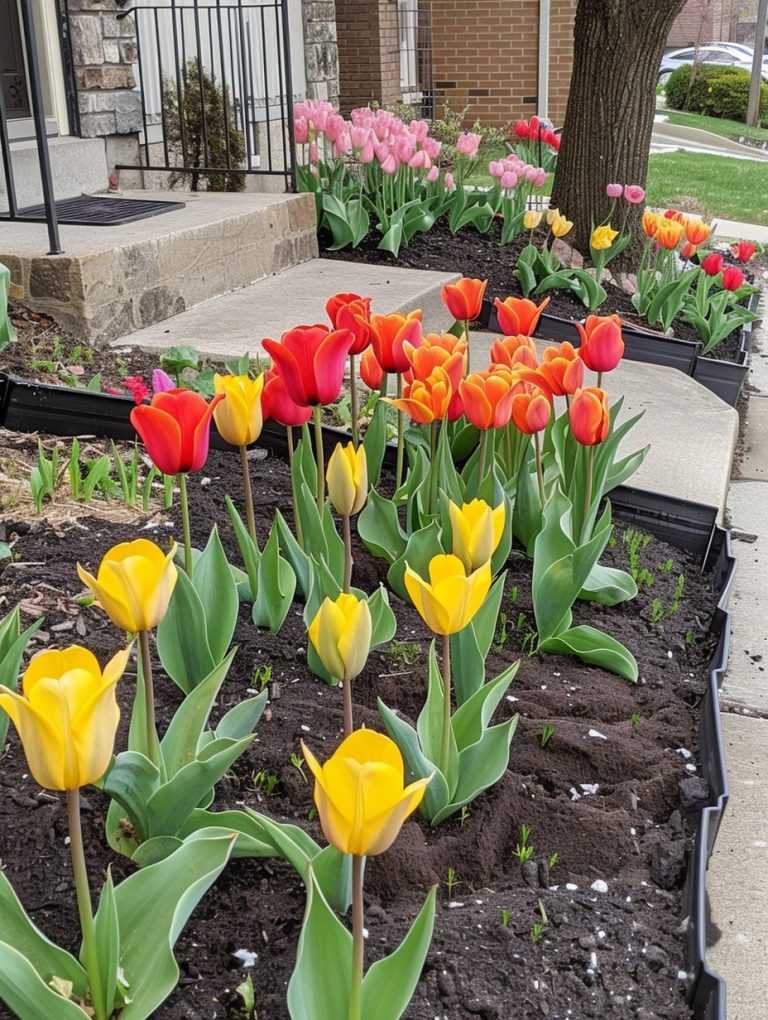
9. Tulip
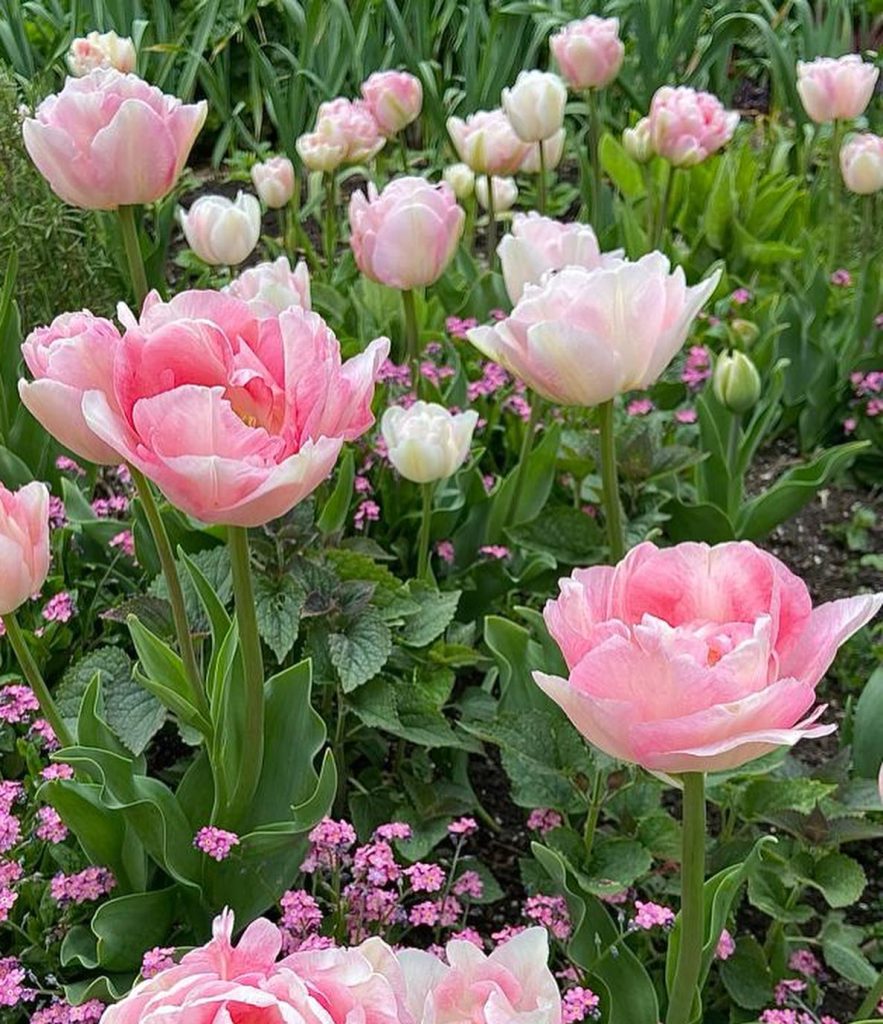
The tulip is a spring favorite, and its meaning goes beyond beauty. After World War II, the Dutch royal family sent thousands of tulip bulbs to Canada. It was a gift of thanks for Canada’s help in the war.
That story makes the tulip a symbol of gratitude, renewal, and hope after conflict. Ottawa still holds a tulip festival every year. It is a lovely example of how a flower can heal history.
Different colors add meaning. Red often means love, while yellow suggests cheer. For a message of courage, I like a bold mix of bright colors.
10. Marigold
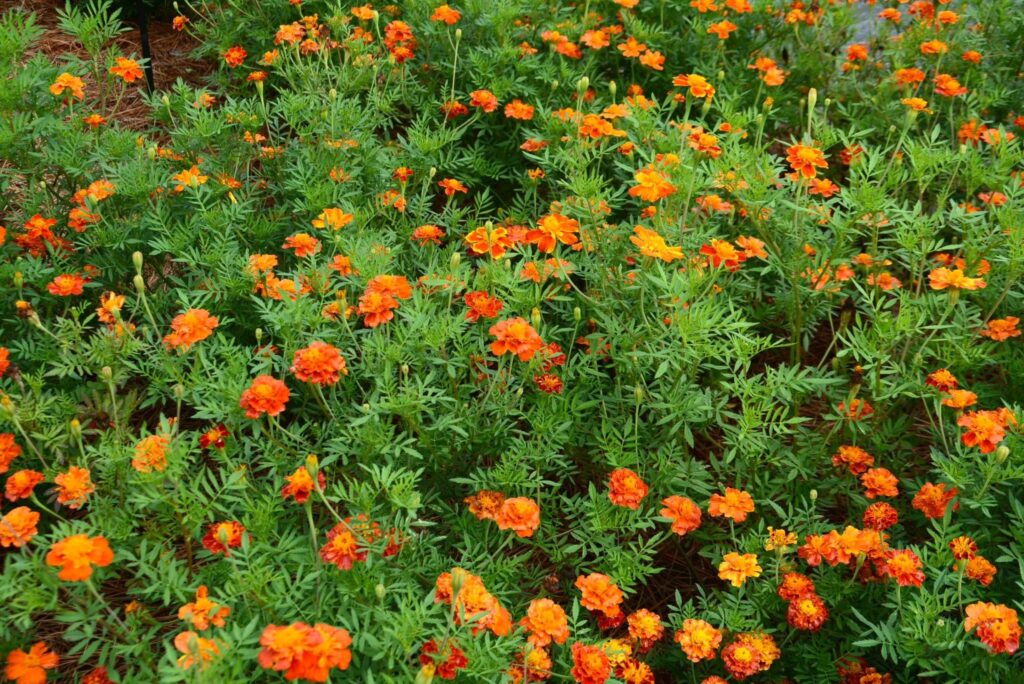
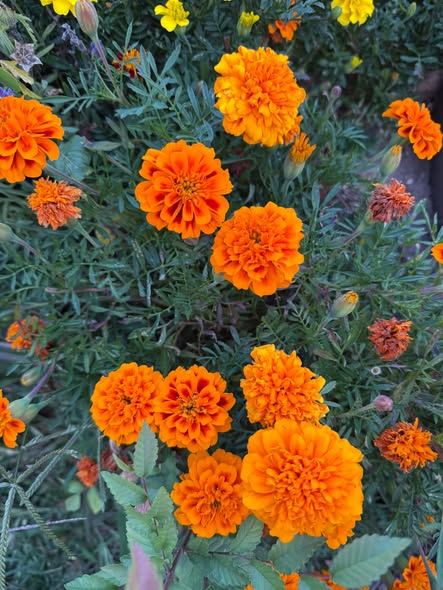
The marigold is a tough, cheerful flower. It blooms from early summer until the first frost. Many other flowers fade long before that.
For this reason, marigolds symbolize resilience and persistence. In Mexico, they are central to Day of the Dead celebrations. Their bright orange color is said to guide loved ones’ spirits home.
Marigolds are also practical. Gardeners plant them to add color to vegetable beds. I think a flower that works hard and still looks happy deserves a place on this list.
ALSO READ: 35 Types Of Marigolds (Varieties List With Pictures)
11. White Lily
The white lily is a classic symbol of purity, restoration, and hope. The Easter lily is tied to resurrection in Christian tradition. It appears in churches around the world each spring.
Lilies are also given at funerals. In that setting, they offer comfort and the idea of a peaceful passage. They remind mourners that love continues.
Be careful with lilies at home if you have cats. Many lily types are toxic to them. A pet-friendly choice may be wiser in some households.
12. Cherry Blossom
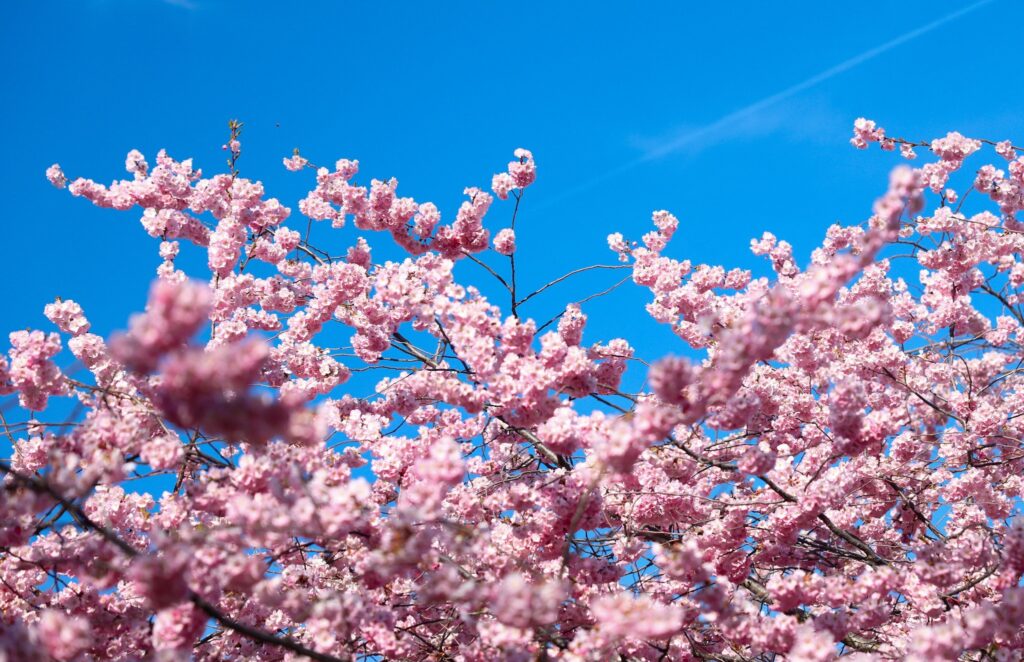
Cherry blossoms, or sakura, are Japan’s most loved flowers. Peak bloom lasts only about a week or two. That short life teaches an important lesson.
The blossom stands for renewal and the courage to live fully. Because it fades so fast, every day of bloom feels precious. Families gather under the trees to celebrate each spring.
I find this symbolism very honest. Courage does not mean avoiding loss. It means choosing to enjoy beauty while it lasts.
ALSO READ: 15 Major Types of Cherry Blossom Trees: (With Pictures, and Full Growing Details)
13. Chrysanthemum
The chrysanthemum blooms in autumn, when most flowers are done. It keeps going as the weather cools. That late bloom is why many cultures admire it.
In China, it is one of the “four gentlemen” of classical art. The others are plum blossom, orchid, and bamboo. Together they represent noble character and endurance. The plum blossom, which opens in winter, is also seen as a sign of courage.
Japan uses the chrysanthemum as an imperial emblem. It stands for longevity and dignity. For a person who is aging with grace, it is a fitting gift.
ALSO READ: 25 Types of Mums (Different Chrysanthemum Varieties, With Pictures)
14. Peony
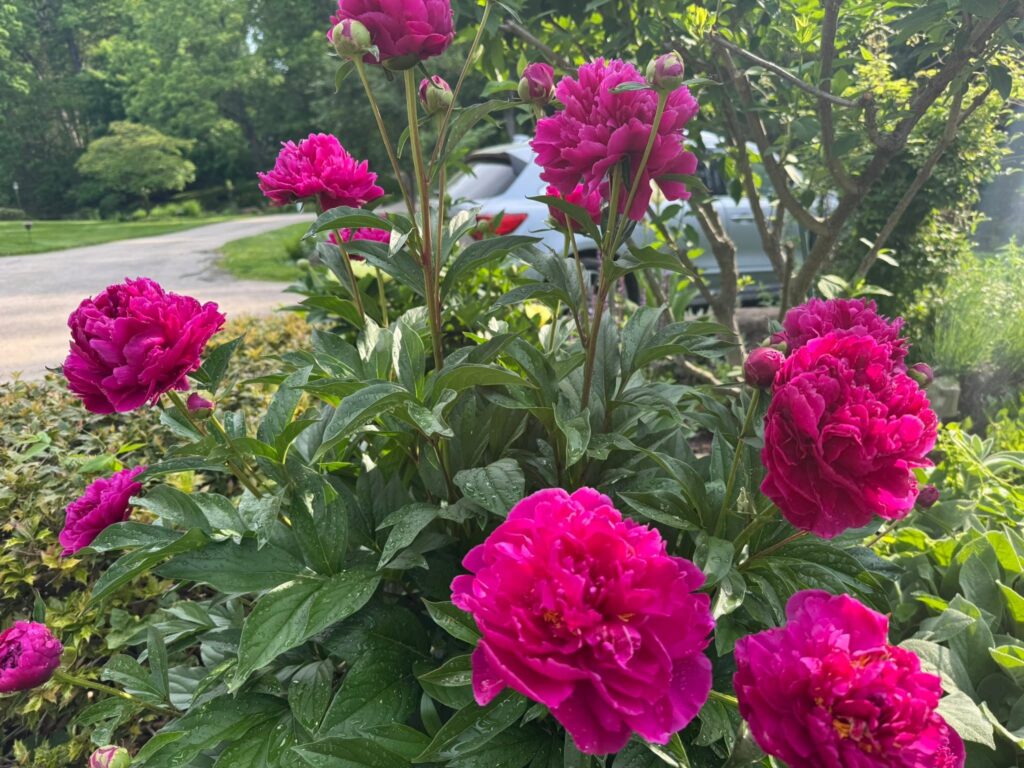
The peony is a lush, romantic bloom. In China, people call it the “king of flowers.” Its large, layered petals suggest honor, prosperity, and bravery.
In Japanese tradition, the peony is also linked to courage. It appears often in art. Its bold beauty makes it feel confident and strong.
Peonies come back year after year in the garden. Some plants live for decades. That long life adds to their message of lasting strength.
15. Red Rose
The red rose is best known as a symbol of love. Yet it also stands for courage and respect in many traditions. A rose has thorns, after all. Beauty and bravery grow on the same stem.
Roses have been used in art, war, and peace for centuries. They appear in royal badges and national emblems. Giving a red rose can honor someone’s bravery as much as someone’s heart.
I like to think of the rose as a lesson. Being gentle and being strong are not opposites. The best people are often both.
16. Cactus Flower
Desert plants teach us about survival. A cactus lives with little water and harsh sun. Then, after rain, it produces a bright, surprising flower.
This is why cactus blooms symbolize endurance and hidden strength. The saguaro cactus blossom is Arizona’s state flower. It opens in the cooler hours of the day.
A cactus flower reminds me that hard conditions can still produce beauty. Patience matters. Sometimes the bloom comes only after a long wait.
17. Orchid
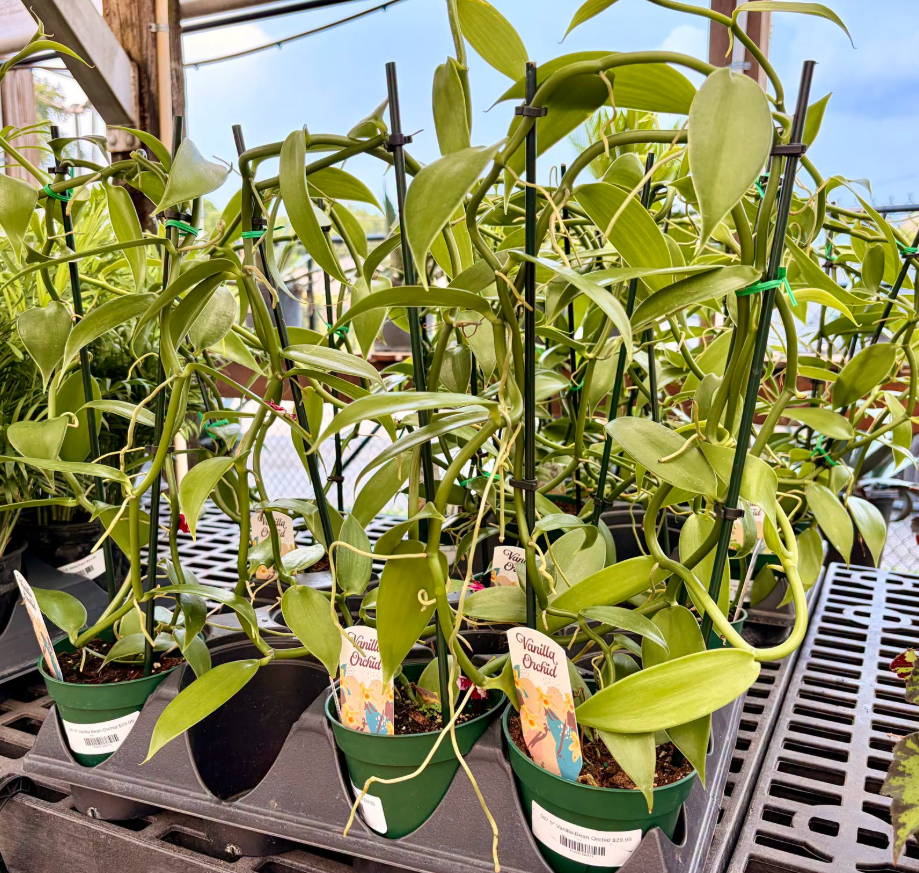
The orchid is a symbol of strength, refinement, and rare beauty. Its name comes from the Greek word orchis. In some old traditions, orchids were linked with vigor and strength.
In China, the orchid is one of the four noble plants. It grows in quiet places and still gives off a lovely scent. It represents integrity, even when no one is watching.
Orchids are also tough houseplants when cared for well. A potted orchid can bloom again and again. It is a gift that keeps giving hope.
ALSO READ: 35 Distinctive Types of Orchids (Names With Pictures)
18. Forget-Me-Not
The forget-me-not is small, blue, and unforgettable. It stands for remembrance and faithful hope. A German legend tells of a knight who tossed the flower to his lover before he fell into a river.
Today, it has a modern purpose. The UK’s Alzheimer’s Society uses the forget-me-not in its yearly appeal. The appeal runs each June to raise awareness and support for people affected by dementia.
For families facing memory loss, this flower speaks gently. It says that love remains, even when words fade. It brings quiet courage to long journeys of care.
19. Carnation
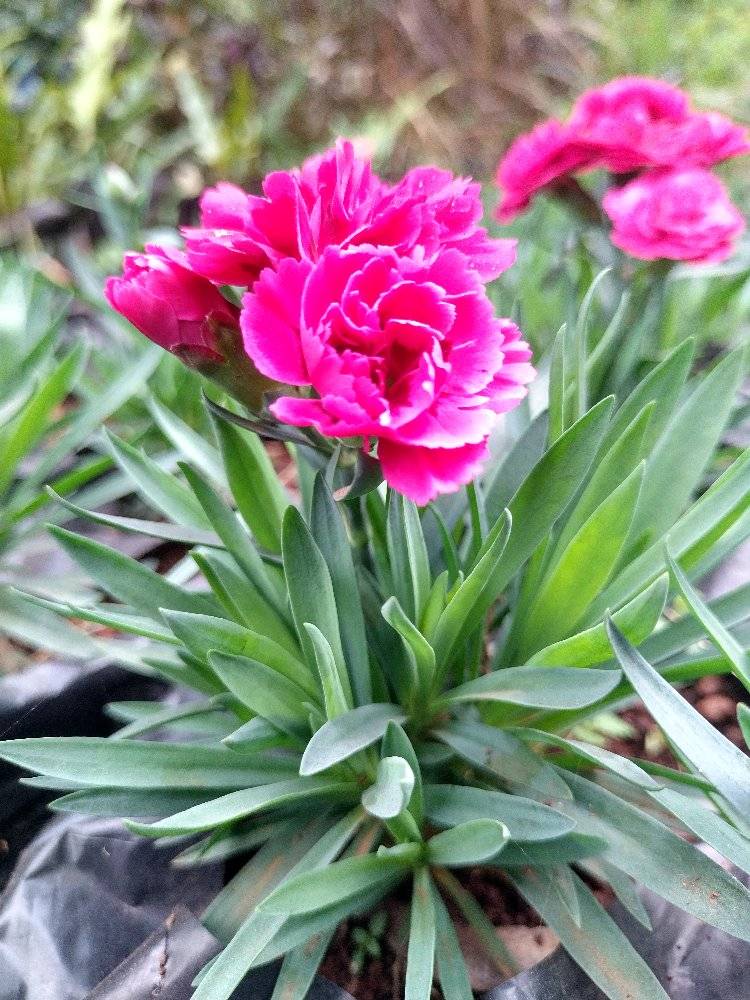
The carnation has a famous place in modern history. In April 1974, Portugal’s “Carnation Revolution” ended decades of dictatorship. Soldiers and citizens placed red carnations in rifle barrels.
The revolution was largely peaceful. So the red carnation became a symbol of hope, courage, and nonviolent change. Portugal still marks April 25 each year.
Carnations are affordable and long-lasting. That makes them easy to share. A simple red carnation can carry a powerful story.
20. Edelweiss
The edelweiss grows high in the Alps, on rocky ground. Reaching it once took real effort. Climbers used to pick it as proof of their courage.
That is why edelweiss stands for bravery, devotion, and purity. It is Austria’s national wildflower. Many alpine regions now protect it.
I love that the flower asks us to admire it without taking it. The best acts of courage often leave nature untouched. Its soft, woolly petals look like frost.
21. Crocus
The crocus appears in very early spring. Some varieties push through snow. A purple or yellow crocus on a gray lawn can lift anyone’s spirit.
For this reason, it symbolizes hope, cheerfulness, and new beginnings. It is a gentle reminder that winter does not last forever. I always feel lighter when I see the first one.
Crocuses are easy to grow. Plant the bulbs in autumn, and they return each year. They are a good first project for new gardeners.
22. Hellebore
The hellebore, often called the Christmas rose, blooms in mid-winter. It opens when the garden looks bare. Its nodding flowers bring color to the darkest months.
It represents hope in dark times, serenity, and perseverance. A hellebore does not wait for ideal weather. It simply blooms when the season allows.
Note that all parts of the plant are toxic if eaten. Plant it where children and pets will not chew it. Used wisely, it is a strong symbol for winter gardens.
23. Magnolia
The magnolia belongs to an ancient group of flowering plants. Its large, waxy blossoms have a calm dignity. They also have a strong, sweet scent.
Magnolias symbolize perseverance, nobility, and strength. They are the state flower of Mississippi and Louisiana. Many Southern families link them to home and resilience.
The tree is sturdy and long-lived. It can survive storms and heat. For people who value quiet endurance, the magnolia is a perfect symbol.
24. Thistle
The thistle is Scotland’s national emblem. It is prickly and fierce. A famous legend says that a barefoot Norse raider stepped on one and cried out, warning the Scots of an attack.
So the thistle stands for defiance, protection, and courage. It reminds us that tough defenses can save a community. Its purple crown is both bold and beautiful.
I admire plants that refuse to be pushed around. The thistle is a good example. It also feeds bees and goldfinches, so its strength helps others too.
25. Fireweed
Fireweed may be the best symbol of hope on this list. It is one of the first plants to grow back after a fire. Its pink-purple spikes can cover burned ground within a season.
That is why it stands for recovery, resilience, and fresh starts. A related plant, rosebay willowherb, spread across bombed sites in London after World War II. It brought color to ruined streets.
Fireweed shows that damage is not the end of the story. Life returns, often brighter than before. After everything else on this list, I think it is a fitting final symbol.
How to Choose the Right Flower for Hope and Courage
Start with the person and the moment. For a patient, daffodils or sunflowers feel warm and uplifting. For a veteran, poppies show respect.
Consider the season too. Spring bulbs like crocus and tulips are easy to find in early months. Hardy blooms like chrysanthemums suit autumn.
Think about practical needs. Check for pet safety and allergies. Choose flowers that last longer if the gift must travel.
Tips for Using Flowers of Hope in Your Daily Life
- Plant a hope garden. Mix daffodils, crocuses, and marigolds for color across the seasons.
- Add a card. A short note explaining the flower’s meaning makes a gift personal.
- Respect nature. Picking wildflowers is illegal in all U.S. National Park Service areas. Take photos, not flowers.
- Support local growers. Buying from nearby farms keeps flowers fresher and helps small businesses.
Frequently Asked Questions
Which flower is the strongest symbol of hope?
The daffodil is often the first answer. Its link to early spring and to cancer charities makes it widely recognized.
Which flower symbolizes courage the most?
The protea, gladiolus, and thistle are strong choices. Each has a bold shape and a story of survival or defense.
Can I mix several flowers in one bouquet?
Yes. A mixed bouquet can tell a fuller story. For example, combine sunflowers, irises, and red roses for a message of bright, loyal courage.
Final Thoughts
Flowers cannot solve our problems. Yet they can remind us what we are capable of. A snowdrop in snow or a fireweed on burned ground says it better than words.
I hope this list gives you a flower that speaks to your own season of life. Whether you plant it, wear it, or give it away, let it carry your message. Hope and courage often start small, and then they bloom.
References
- MIT News. “Daffodils” (1999). https://news.mit.edu/1999/daffs-0224
- University of Florida IFAS Extension. “Nelumbo nucifera: Lotus,” Fact Sheet FPS-424. https://hort.ifas.ufl.edu/database/documents/pdf/shrub_fact_sheets/nelnuca.pdf
- University of Arkansas Cooperative Extension. “Plant of the Week: Sunflower.” https://www.uaex.uada.edu/yard-garden/resource-library/plant-week/sunflower.aspx
- Oklahoma State University Extension. “American Lotus” plant profile. https://extension.okstate.edu/programs/plant-id/plant-profiles/american-lotus
- USDA Forest Service. “Celebrating Wildflowers: Plant of the Week.” https://www.fs.usda.gov/wildflowers/plant-of-the-week/
- National Park Service. “Wildflowers,” Jewel Cave National Monument. https://www.nps.gov/jeca/learn/nature/wildflowers.htm
- National Institutes of Health (PubMed Central). “Associations between Nature Exposure and Health: A Review of the Evidence.” https://www.ncbi.nlm.nih.gov/pmc/articles/PMC8125471/

Tim M Dave is a gardening expert with a passion for houseplants, particularly cacti and succulents. With a degree in plant biology from the University of California, Berkeley, he has vast experience in gardening. Over the years, he has cultivated a vast collection of desert plants and learned a great deal about how to grow and care for these unique companions.