35 Flowers Poisonous to Cats (Info, With Pictures)
I still remember the first time I learned that a single lily petal could kill a cat. It felt almost unbelievable. A flower, sitting quietly in a vase, capable of shutting down a kidney within days.
That is exactly why this guide exists. Cats are curious by nature. They chew leaves, bat at petals, and sometimes drink water straight from a flower vase. Most of the time, nothing happens. But with certain flowers, even a tiny nibble can turn into an emergency.
The American Society for the Prevention of Cruelty to Animals (ASPCA) Animal Poison Control Center has handled more than 5 million cases of animal poisoning over the years. Plants are a recurring theme in those calls, and flowers sit near the top of the list.
Below, I have gathered 35 flowers that pose a real risk to cats. Some are mildly irritating. Others are true emergencies. I will walk through each one so you know exactly what to watch for, and how to keep your cat safe without giving up your love of flowers entirely.
The Full List: 35 Flowers Toxic to Cats
1. Easter Lily
Easter lilies are one of the most dangerous flowers a cat owner can bring home. Every part of the plant is toxic, and even a small bite of a leaf can trigger acute kidney failure.
I always tell new cat owners this one directly: if you see an Easter lily in a friend’s gift basket, do not accept it into a home with cats. The risk is simply too high for something so avoidable.
Symptoms usually appear within a few hours and include vomiting, lethargy, and loss of appetite. Without prompt veterinary care, kidney damage can become permanent within 36 to 72 hours.
2. Tiger Lily
Tiger lilies belong to the “true lily” group, meaning they carry the same kidney-destroying toxins as Easter lilies. Many veterinarians consider this species among the most poisonous plants for cats overall.
What makes tiger lilies tricky is how common they are in outdoor gardens. A cat does not need a bouquet to encounter one. A quick stroll through a flower bed can be enough.
Even pollen brushing against fur is dangerous, since cats later lick it off while grooming. If you keep an outdoor cat, tiger lilies are worth removing from your landscaping entirely.
ALSO READ: 35 Flowers Safe for Cats (Pet Friendly Blooms, With Pictures)
3. Stargazer Lily
Stargazer lilies are a florist favorite because of their bold pink color and strong fragrance. Unfortunately, that popularity means they show up in bouquets more often than almost any other toxic flower.
I have read more than one account of a cat owner discovering the danger only after their cat became lethargic following a birthday bouquet delivery. It is a heartbreaking and preventable scenario.
Because Stargazer lilies are a hybrid true lily, ingestion of any part, including the water in the vase, can cause fatal kidney failure in cats.
4. Asiatic Lily
Asiatic lilies are widely sold in garden centers because they are hardy and low maintenance. That same convenience makes them a frequent, silent threat in cat-owning households.
Unlike some toxic plants that cause obvious immediate distress, early lily poisoning can look deceptively mild. A cat might just seem a little quiet or off its food at first.
This is why any known or suspected Asiatic lily exposure should be treated as an emergency, even if your cat seems fine. Waiting for symptoms to worsen reduces the chance of a full recovery.
5. Daylily
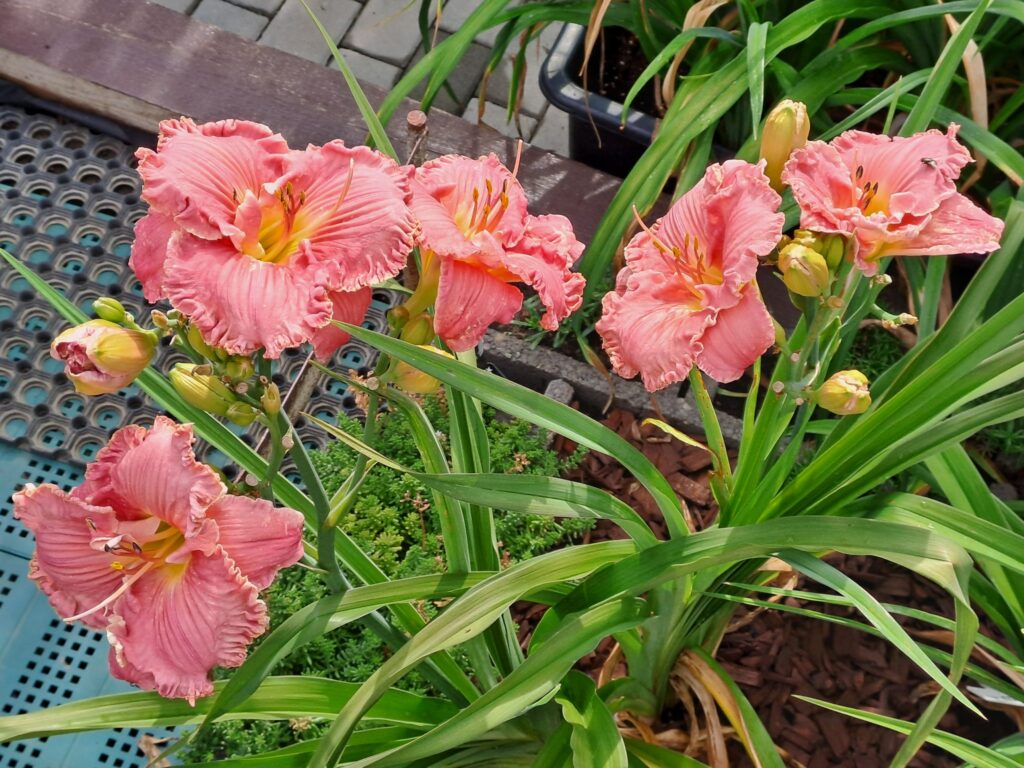
Daylilies are not technically true lilies, since they belong to the genus Hemerocallis rather than Lilium. However, veterinary toxicologists confirm they cause the same acute kidney failure in cats.
This distinction matters because some pet owners assume “daylily” sounds less serious than “true lily.” That assumption has cost cats their lives.
Daylilies are extremely common in home gardens and roadside plantings across the United States, which makes accidental outdoor exposure a genuine concern for any cat with yard access.
6. Autumn Crocus
Autumn crocus is often confused with the spring-blooming crocus, but the two are botanically unrelated and dangerously different. This one contains colchicine, a compound that damages cells at the genetic level.
What worries me most about autumn crocus is the delay. Symptoms of severe vomiting, organ failure, and abnormal bleeding can appear hours or even days after ingestion, long after the moment feels forgotten.
If you cannot confidently identify a crocus as the safe spring variety, it is best treated as a serious risk and kept well away from any curious cat.
7. Tulip
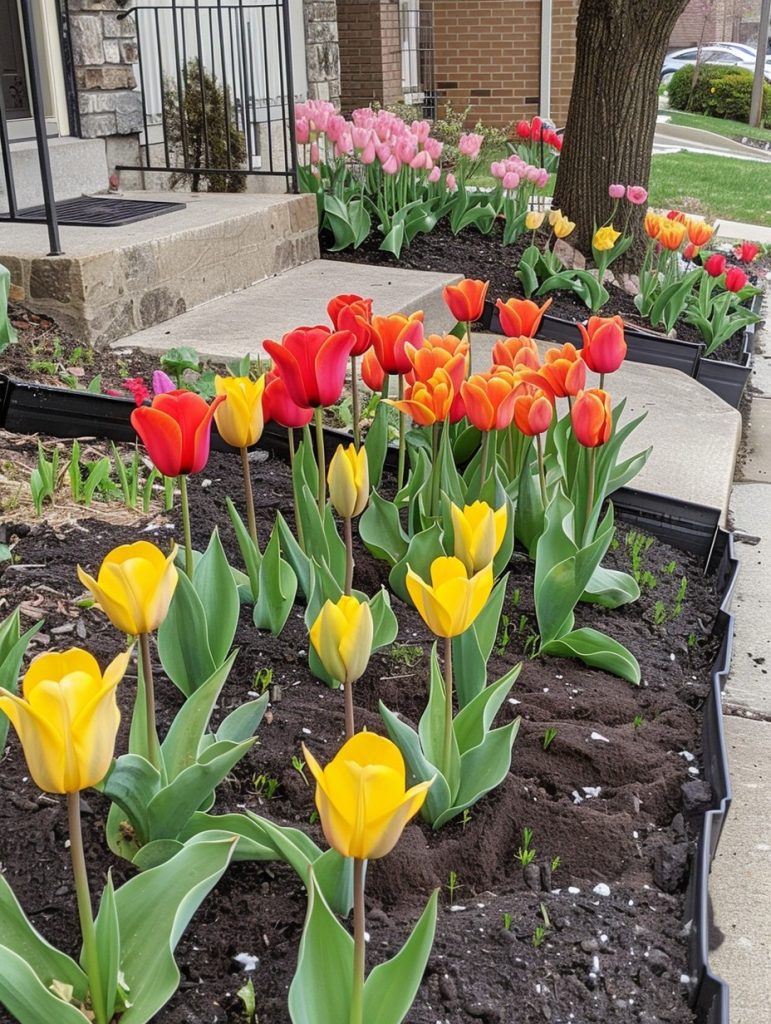
Tulips are toxic to cats, but the danger is concentrated mainly in the bulb rather than the petals or leaves. Most cats that nibble a cut tulip stem will only experience mild oral irritation.
Still, curiosity around planting season creates a separate risk. Cats that dig in freshly planted bulb beds can end up chewing on the most toxic part of the plant.
Signs include drooling, oral discomfort, and stomach upset. Large bulb ingestion, while less common, can lead to more serious symptoms and warrants a veterinary call.
8. Daffodil
Daffodils contain lycorine, an alkaloid concentrated most heavily in the bulb. Cats that dig up spring bulbs are at the greatest risk, though the flowers and stems carry some toxicity too.
I find daffodils deceptively cheerful looking for something this capable of causing harm. Ingestion can bring on vomiting, drooling, and in more severe cases, irregular heart rhythms.
Keeping cut daffodils in a room your cat cannot access, and fencing off bulb beds outdoors, goes a long way toward preventing an accidental encounter.
9. Azalea
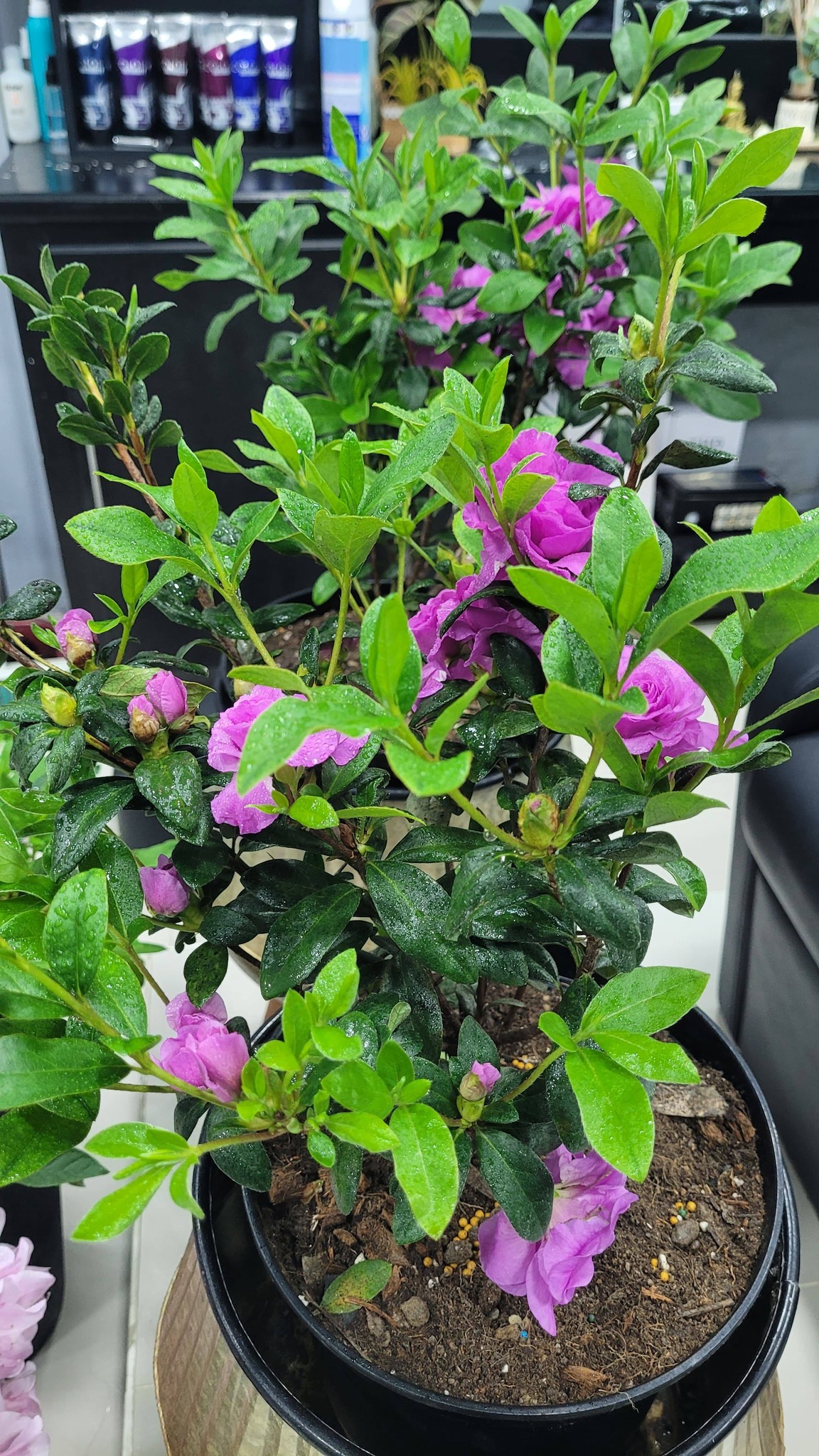
Azaleas belong to the Rhododendron genus and contain grayanotoxins, compounds that interfere with normal cell function in the heart and nervous system. Even a few leaves can cause real harm.
According to veterinary sources, ingestion can lead to oral irritation followed by vomiting and diarrhea. In severe cases, it progresses to a dangerous drop in blood pressure, irregular heartbeat, coma, and death.
Because azaleas are so common in landscaping across the United States, checking your yard for this shrub is one of the simplest things a cat owner can do.
10. Rhododendron
Rhododendrons share the same grayanotoxins as their azalea cousins, and the danger scales with the amount ingested. Larger shrubs mean larger leaves, which can mean a bigger toxic dose in a single bite.
These plants are popular in shaded gardens throughout temperate climates, often planted along fences and property lines where outdoor cats roam freely.
Watch for drooling, vomiting, weakness, and an unusually slow heart rate. Any of these signs following exposure to a rhododendron shrub calls for immediate veterinary attention.
11. Oleander
Oleander is, frankly, one of the most dangerous ornamental plants in existence, for pets and people alike. It contains potent cardiac glycosides that can disrupt heart rhythm severely.
Texas A&M College of Veterinary Medicine & Biomedical Sciences notes that oleander harms cellular metabolism and can cause both gastrointestinal and heart problems, and warns it is especially dangerous for horses as well as cats and dogs.
A single leaf has reportedly been enough to sicken an animal. Given how common oleander is in warm-climate landscaping, this is a plant I would never keep near a household with cats.
12. Chrysanthemum

Chrysanthemums, often just called “mums,” contain pyrethrins, natural compounds also used in some insecticides. This makes them irritating rather than typically lethal, but still worth respecting.
Most cats that chew on a mum will experience vomiting, diarrhea, drooling, and a loss of coordination. Skin contact can also cause dermatitis in sensitive cats.
Because mums are a staple of autumn décor, keeping them out of reach during the fall season is a small habit that prevents an unpleasant vet visit.
13. Hyacinth
Hyacinths concentrate their toxic alkaloids most heavily in the bulb, similar to tulips and daffodils. The cut flowers are less risky, though still capable of causing mild irritation.
Gardeners planting hyacinth bulbs in autumn should be especially mindful, since freshly disturbed soil often attracts a curious cat’s attention and digging instinct.
Ingesting a significant amount of bulb material can cause intense vomiting, diarrhea, and drooling, occasionally severe enough to require supportive veterinary care.
14. Amaryllis
Amaryllis is a popular winter-blooming gift plant, and unfortunately nearly every part of it carries some toxicity. The bulb is the most concentrated source of danger.
The toxin, lycorine, along with sharp raphide oxalate crystals in the bulb, can cause vomiting, drooling, abdominal pain, and a drop in blood pressure if a cat manages to chew into it.
Because amaryllis is often given as a holiday gift in bulb-growing kits, I recommend checking any seasonal present carefully before it enters a cat-friendly home.
15. Lily of the Valley
Despite its delicate, innocent appearance, lily of the valley is genuinely dangerous. It contains cardiac glycosides, the same category of toxin found in foxglove.
These compounds can cause an irregular heartbeat, vomiting, and in severe cases, seizures or collapse. The entire plant, including the small bell-shaped flowers, carries this risk.
I would treat lily of the valley with the same caution as any cardiac-toxic plant. It has no business growing where a cat can reach it.
16. Foxglove
Foxglove is the original source of digitalis, a compound still used in modern heart medication under strict medical dosing. In an uncontrolled dose from a cat’s bite, the effect is the opposite of therapeutic.
Cardiac glycosides in foxglove can cause dangerously irregular heart rhythms, vomiting, and weakness. Left untreated, ingestion can progress to fatal heart failure.
Foxglove’s tall, striking flower spikes make it a popular cottage garden plant, so outdoor cats in particular deserve a fence line check for this one.
17. Kalanchoe
Kalanchoe is a small, popular succulent-flowering plant often sold in grocery store floral sections. It contains bufadienolides, another family of cardiac glycosides.
According to Texas A&M veterinary experts, kalanchoe can cause vomiting, heart problems, and even convulsions in cats that ingest enough of the plant material.
Because kalanchoe is inexpensive and widely available, it ends up in many homes without a second thought. A quick label check before purchase can prevent an accident.
18. Cyclamen
Cyclamen is a lovely, shade-loving flowering plant, but its tubers and roots contain concentrated saponins. The flowers and leaves are comparatively less dangerous.
A cat that digs into the potted soil and chews the root structure faces the greatest risk, which typically brings on vomiting, diarrhea, and excessive drooling.
Large ingestions have, in rare cases, been linked to heart rhythm changes and seizures, so any significant root exposure deserves a prompt call to your veterinarian.
19. Gladiolus
Gladiolus flowers, often shortened to “gladiola,” are a common cut-flower addition to summer bouquets. The corm, which is the bulb-like underground structure, holds most of the toxicity.
Cats that chew on the leaves or petals usually experience mild to moderate oral irritation, excessive drooling, and stomach upset rather than anything life-threatening.
Still, because gladiolus corms are more concentrated in toxins, gardens with these bulbs should be fenced off from digging cats whenever possible.
20. Iris
Iris flowers are striking, but like several bulb plants on this list, their rhizome carries the highest concentration of toxic compounds. The above-ground flower is comparatively milder.
Ingestion typically leads to drooling, vomiting, and lethargy. Symptoms tend to resolve with supportive care, though a vet visit is still recommended for any confirmed exposure.
Iris beds are common along walkways and borders, so it is worth a quick survey of your landscaping if your cat spends time outdoors unsupervised.
21. Peony
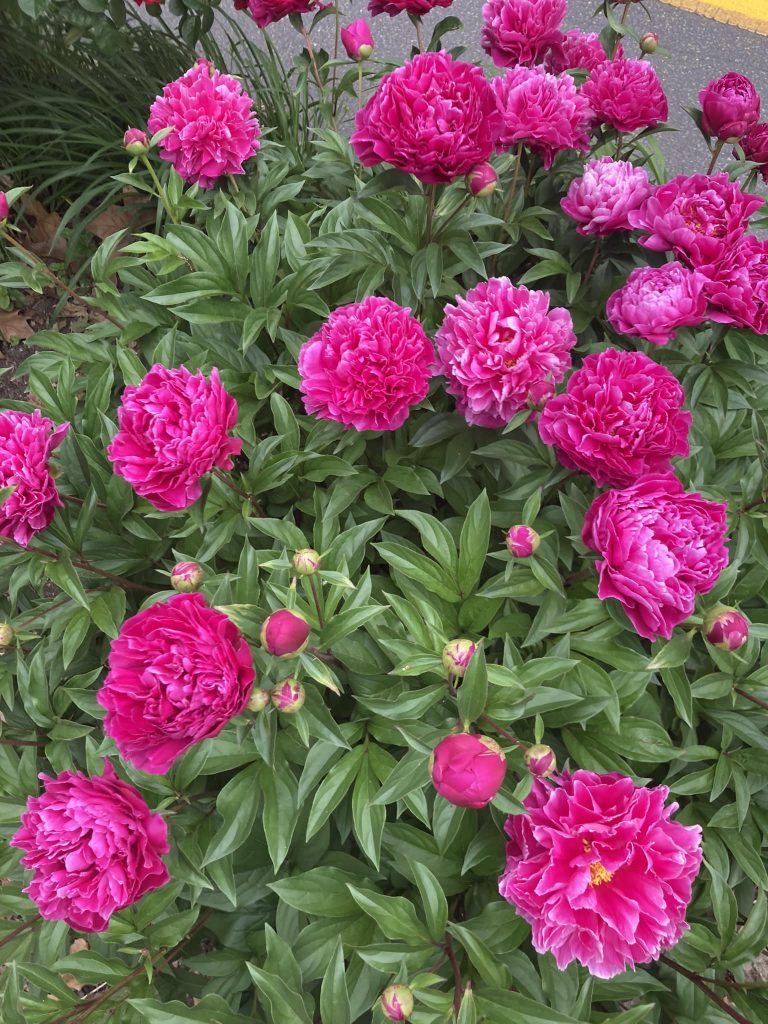
Peonies are generally considered one of the milder entries on this list, though they are not entirely harmless. The bark and roots hold the highest toxin concentration.
A cat nibbling on peony petals or leaves usually experiences only mild gastrointestinal upset, such as vomiting or soft stool, rather than anything severe.
That said, “mild” does not mean “ignore it.” Any change in your cat’s behavior after chewing a plant is worth monitoring closely for the next 24 hours.
22. Hydrangea
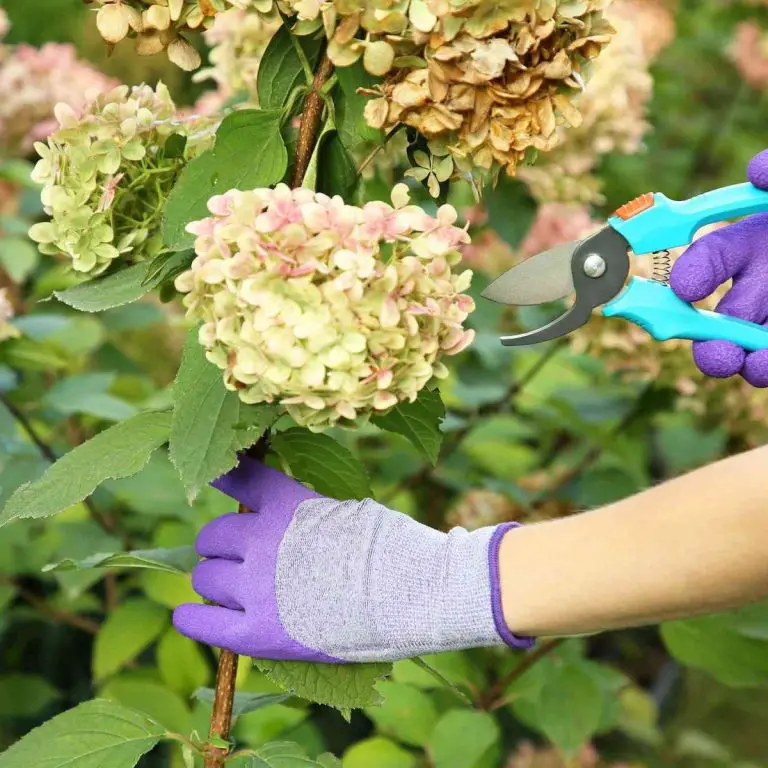
Hydrangeas contain cyanogenic glycosides, compounds that release small amounts of cyanide compound when metabolized. Fortunately, the concentration in the plant is usually too low to be fatal.
A cat that eats hydrangea leaves or flowers commonly shows vomiting, diarrhea, and lethargy within a few hours. Large ingestions, while uncommon, increase the severity of symptoms.
Hydrangeas are a landscaping favorite for their large, colorful blooms, so it is worth keeping cut stems out of vases where a cat might investigate them.
23. Carnation
Carnations are among the least dangerous flowers on this list, which is part of why they remain such a popular, budget-friendly bouquet filler. Still, they are not completely non-toxic.
Cats that chew carnation petals or stems may develop mild vomiting, diarrhea, or skin irritation if the sap contacts their fur or paws.
I generally consider carnations lower risk compared to lilies or oleander, but they still belong on a watch list for any household with a plant-curious cat.
24. Calla Lily
Despite its name, the calla lily is not a true lily and does not cause the kidney failure associated with the Lilium genus. Its danger comes from a different source entirely.
Calla lilies contain insoluble calcium oxalate crystals, which cause immediate, intense irritation to the mouth and throat the moment a cat bites into the leaf or stem.
Symptoms include drooling, pawing at the mouth, and difficulty swallowing. While rarely fatal, the discomfort can be significant, and swelling occasionally affects breathing in severe cases.
25. Peace Lily

Peace lily is another commonly misunderstood “lily” that, again, is not part of the true lily family. It shares the same calcium oxalate crystal mechanism as calla lily.
This popular, low-light houseplant is a frequent source of veterinary calls simply because of how widely it is used in offices and homes for its easy care.
A cat that chews peace lily foliage typically shows immediate mouth pain, drooling, and pawing at the face. Supportive care usually resolves the irritation without lasting harm.
26. Geranium
Geraniums contain geraniol and linalool, aromatic compounds also found in some essential oils. Cats are notably sensitive to these compounds, more so than dogs in most cases.
Ingestion can lead to vomiting, loss of appetite, and depression. Skin exposure to the sap has also been linked to mild dermatitis in some cats.
Because geraniums are a common patio and windowsill plant, I recommend placing them somewhere a cat cannot easily reach, especially during warmer months when they are most popular.
27. Begonia
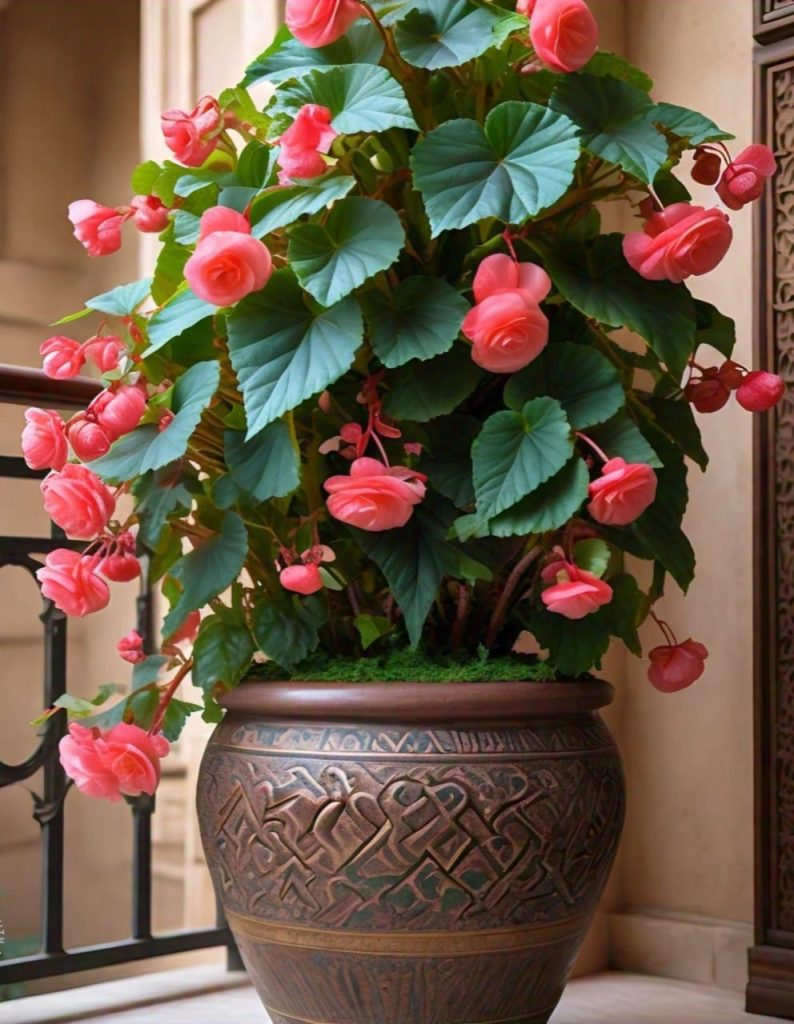
Begonias are attractive shade-garden flowers, but their tubers contain the highest concentration of soluble calcium oxalates on the entire plant. The leaves and flowers are comparatively less risky.
A cat chewing on begonia leaves usually develops mild drooling and oral irritation. Digging into and eating the tuber, however, poses a more serious risk to the kidneys.
Outdoor begonia beds should be treated with the same caution as tulip or hyacinth plantings, since the underground portion is where the real danger lives.
28. Morning Glory
Morning glory seeds contain compounds structurally related to lysergic alkaloids, which can produce disorientation and even hallucination-like symptoms in cats that consume enough of them.
Beyond the neurological effects, ingestion commonly causes vomiting, diarrhea, and agitation. Large seed ingestion has, in rare cases, been linked to tremors.
Morning glory vines spread aggressively and often climb fences and trellises, which makes them an easy, unnoticed hazard for outdoor cats exploring the garden.
29. Larkspur
Larkspur, part of the Delphinium family, contains diterpenoid alkaloids that interfere with normal nerve and muscle function. Young plants tend to carry the highest toxin concentration.
Cats that ingest larkspur may show drooling, muscle tremors, weakness, and in severe cases, difficulty breathing. These symptoms reflect the plant’s impact on the nervous system.
Larkspur is more commonly associated with livestock poisoning, but its presence in ornamental cottage gardens still makes it a relevant risk for any curious household cat.
30. Lantana
Lantana is a hardy, colorful flowering shrub popular in warm climates and pollinator gardens. Unripe berries and foliage contain triterpenoid acids that can damage the liver over time.
Cats that consume lantana may show vomiting, diarrhea, weakness, and, in cases of repeated or heavy exposure, jaundice from liver stress.
Photosensitivity, or increased skin sensitivity to sunlight, has also been documented in animals exposed to lantana, adding another reason to keep it away from outdoor cats.
31. Poinsettia
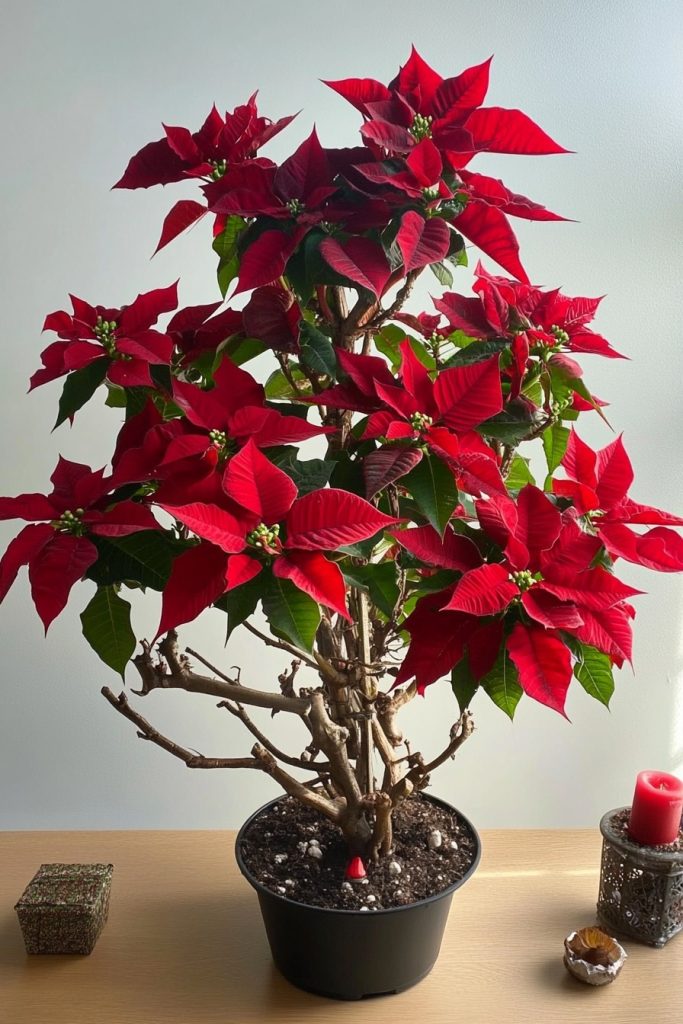
Poinsettia toxicity is genuinely overstated in popular culture, but the plant is not entirely harmless either. Its milky white sap is a mild skin and gastrointestinal irritant.
A cat that chews poinsettia leaves typically develops mild drooling, vomiting, or diarrhea. Severe or life-threatening reactions are uncommon, though discomfort is still real for the cat involved.
I like to remind people during the holidays that “mildly toxic” still means worth avoiding, especially for cats prone to chewing on holiday décor.
32. Bird of Paradise
Bird of paradise is a striking tropical flower recognized for its vivid orange and blue blooms shaped like a bird’s crest. The seeds and pods carry the most toxicity.
Ingestion commonly leads to vomiting, diarrhea, and drowsiness. While rarely life-threatening, the sheer strangeness of the flower often tempts curious cats to investigate it up close.
If you grow bird of paradise indoors or on a patio, keeping fallen seed pods swept away reduces the most concentrated source of risk.

33. Baby’s Breath
Baby’s breath is the tiny, cloud-like filler flower found in countless bouquets, often paired with roses or lilies. It contains saponins that cause mild gastrointestinal irritation.
Most cats that nibble baby’s breath experience nothing more than vomiting or mild diarrhea, making it one of the least severe entries on this list.
Even so, since baby’s breath so often shares a vase with far more dangerous lilies, it is worth checking every stem in a delivered bouquet before displaying it.
34. Sweet Pea
Sweet pea flowers are fragrant, colorful, and common in cottage gardens, but the seeds contain a compound called aminopropionitrile. Large ingestions have been linked to more serious effects.
Typical symptoms include lethargy and mild tremors, while significant seed consumption has, in rare documented cases, progressed to more pronounced neurological symptoms.
Because sweet pea seeds resemble ordinary garden peas, it is easy for an outdoor cat to encounter and chew them without an owner noticing right away.
35. Wisteria
Wisteria is a beautiful, cascading flowering vine, but its seeds and pods contain lectins and a glycoside called wisterin that can cause significant digestive distress.
Cats that chew on wisteria pods often experience vomiting, abdominal pain, and diarrhea, sometimes severe enough to require veterinary fluid support.
Because wisteria vines grow rapidly and often climb structures within a cat’s reach, seasonal pruning and pod removal are worthwhile safety habits for any owner with this plant.
Why Cats Are So Vulnerable to Toxic Flowers
Cats groom constantly. If pollen or sap lands on their fur, it ends up in their mouth within minutes. This single habit is why flower toxicity hits cats harder than it hits dogs in many cases.
Their liver also processes certain plant compounds differently than ours does. A dose that barely bothers a dog can be fatal for a cat. Lilies are the clearest example of this biological gap.
Spring is the riskiest season. BluePearl Specialty and Emergency Pet Hospital, which operates more than 100 practices across 29 U.S. states, reports an 85% increase in lily toxicity cases during April and May compared to other months. Bouquets are simply more common then.
The Numbers Behind the Danger
Statistics help put this risk into perspective, and the data here comes from established veterinary toxicology organizations. Lilies alone account for roughly 6% of all calls made by cat owners to the ASPCA Animal Poison Control Center.
Pet Poison Helpline’s own case review found that when treatment begins early, 63% of lily-exposed cats remained asymptomatic entirely. That single statistic says everything about the value of acting fast.
On the harder side, studies cited by Pet Poison Helpline note that untreated lily poisoning can carry a mortality rate of 50% or higher in cats. Prompt veterinary care is genuinely the difference between life and death here.
Timing matters just as much as speed. Veterinary toxicologists generally agree that starting intravenous fluid therapy within 18 hours of lily exposure offers the best chance of a full recovery.
Signs Your Cat May Have Eaten a Toxic Flower
Not every cat announces a problem clearly, especially in the first hour or two. That is part of what makes plant poisoning so sneaky.
Watch for vomiting, drooling, and a sudden disinterest in food. These early signs often show up before anything more alarming develops.
As hours pass, increased thirst, frequent urination, or the opposite, reduced urination, can signal kidney involvement. Lethargy and hiding behavior are also common.
In cardiac-toxic exposures like oleander or foxglove, watch closely for an irregular heartbeat, weakness, or sudden collapse. These require emergency care without delay.
What To Do If Your Cat Eats a Toxic Flower
Do not wait to see if symptoms appear. With plants like true lilies, oleander, or foxglove, every hour without treatment measurably worsens the outcome.
Call your veterinarian, an emergency animal hospital, or a dedicated poison control line immediately. The ASPCA Animal Poison Control Center can be reached at (888) 426-4435, and Pet Poison Helpline at (855) 764-7661.
Bring a sample of the plant, or a clear photo of it, with you to the vet. Correct identification speeds up diagnosis and treatment significantly.
Do not attempt to induce vomiting at home without direct veterinary guidance. Some situations call for it, others do not, and getting it wrong can cause additional harm.
How to Keep a Flower-Loving Home Safe for Cats
You do not have to give up flowers entirely to keep your cat safe. A few consistent habits make an enormous difference.
Inspect every bouquet before it enters your home, and remove any true lilies, daylilies, or other high-risk stems before arranging the rest.
Keep houseplants like peace lily, kalanchoe, or cyclamen on high shelves or in rooms your cat cannot access, particularly if your cat is a known chewer.
Finally, consider growing cat-safe alternatives such as roses, sunflowers, snapdragons, or orchids, all of which give you color and fragrance without the same level of risk.
Frequently Asked Questions
Are all lilies dangerous to cats? No. True lilies (Lilium) and daylilies (Hemerocallis) cause fatal kidney failure. Calla lilies and peace lilies cause milder mouth irritation instead, since they belong to different plant families entirely.
How much of a toxic flower does a cat need to eat to get sick? It varies widely. With true lilies, even a few pollen grains or a lick of vase water can be enough. With milder flowers like carnations, a larger amount is usually needed to cause symptoms.
Can cats smell whether a flower is dangerous? No reliable evidence supports this. Cats are drawn to texture, movement, and novelty rather than any instinctive sense of plant toxicity, which is exactly why supervision matters so much.
Final Thoughts
Writing this list reminded me how easy it is to bring danger into a home without ever meaning to. A gift bouquet, a garden center impulse buy, a bulb planted in autumn enthusiasm.
None of it comes from carelessness. It comes from simply not knowing. That is really the whole purpose of a guide like this one.
Keep this list somewhere you can find it again, whether that is a bookmark or a printed page taped inside a cabinet door. Your cat’s safety is worth that small effort.
References
- ASPCA Animal Poison Control Center — Toxic and Non-Toxic Plants (Cats). American Society for the Prevention of Cruelty to Animals. https://www.aspca.org/pet-care/animal-poison-control/cats-plant-list
- University of Illinois Extension — Plants and Pet Safety. College of Agricultural, Consumer and Environmental Sciences. https://extension.illinois.edu/sites/default/files/plants_and_pet_safety.pdf
- University of Georgia Cooperative Extension — Keep Your Pets Safe Around Plants, Circular 1245. https://secure.caes.uga.edu/extension/publications/files/pdf/C%201245_1.PDF
- Texas A&M College of Veterinary Medicine & Biomedical Sciences — Toxic Plants to Avoid at Home. Pet Talk. https://vetmed.tamu.edu/news/pet-talk/toxic-plants-to-avoid-at-home/
- University of California Cooperative Extension, Ventura County — Lilies Poisonous to Cats. https://ceventura.ucanr.edu/Gardening/Coastal/Landscape_578/Lillies_Poisonous_to_Cats_890
- University of Florida IFAS Extension, Pinellas County — Toxic Plants and Your Pets. https://sfyl.ifas.ufl.edu/media/sfylifasufledu/pinellas/lawn-and-garden/Toxic-Plants-and-Your-Pets.pdf
- U.S. Department of Agriculture — Plants Poisonous to Livestock in the Western States. GovInfo. https://www.govinfo.gov/app/details/GOVPUB-A-PURL-gpo9389

Tim M Dave is a gardening expert with a passion for houseplants, particularly cacti and succulents. With a degree in plant biology from the University of California, Berkeley, he has vast experience in gardening. Over the years, he has cultivated a vast collection of desert plants and learned a great deal about how to grow and care for these unique companions.