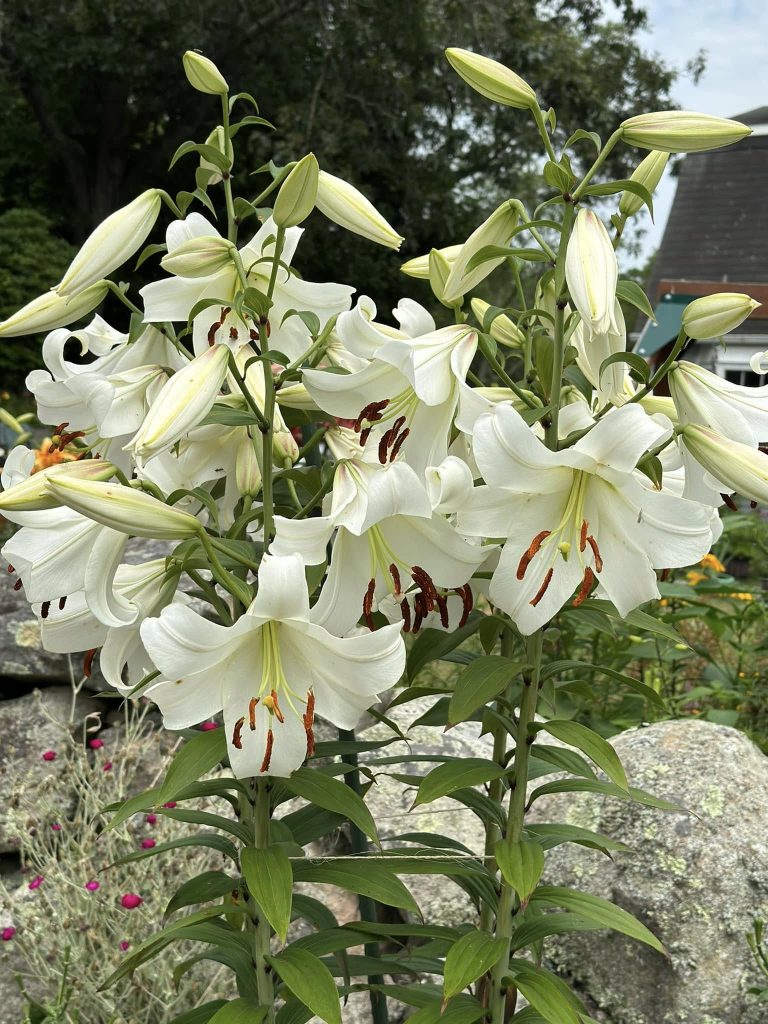
25 Flowers That Mean Healing (Identification, With Pictures)
When someone is ill, grieving or tired, words often fail us. A flower can say what we cannot. It tells the person that they are not alone and that better days can come.
So, which flowers mean healing? Chamomile, lavender, calendula, echinacea, aloe, peony, iris, sunflowers, lotus and pink carnations are among the best known. This guide covers 25 of them. Some carry healing as a symbol. Others have a long history as healing plants.
Why Flowers and Healing Go Together
People have linked plants with healing for thousands of years. Aloe, for example, has a very old record. The University of Arizona Extension says its use has been recorded for over 6,000 years across several cultures.
Flowers also seem to help us feel better in modern settings. A study reported by the Texas A&M Ellison Chair followed 90 patients recovering from an appendectomy. Patients in rooms with flowering or foliage plants used less pain medication. They also showed lower heart rate, lower systolic blood pressure and less anxiety.
The study does not say that flowers cure illness. It suggests they can support comfort and mood during recovery. That is a modest claim, but it matters to anyone who has spent time in a hospital room.
In this guide, I separate two ideas. Symbolic healing is what a flower means as a gift. Medicinal healing is what a plant has been used for in traditional medicine.
25 Flowers That Mean Healing
1. Chamomile
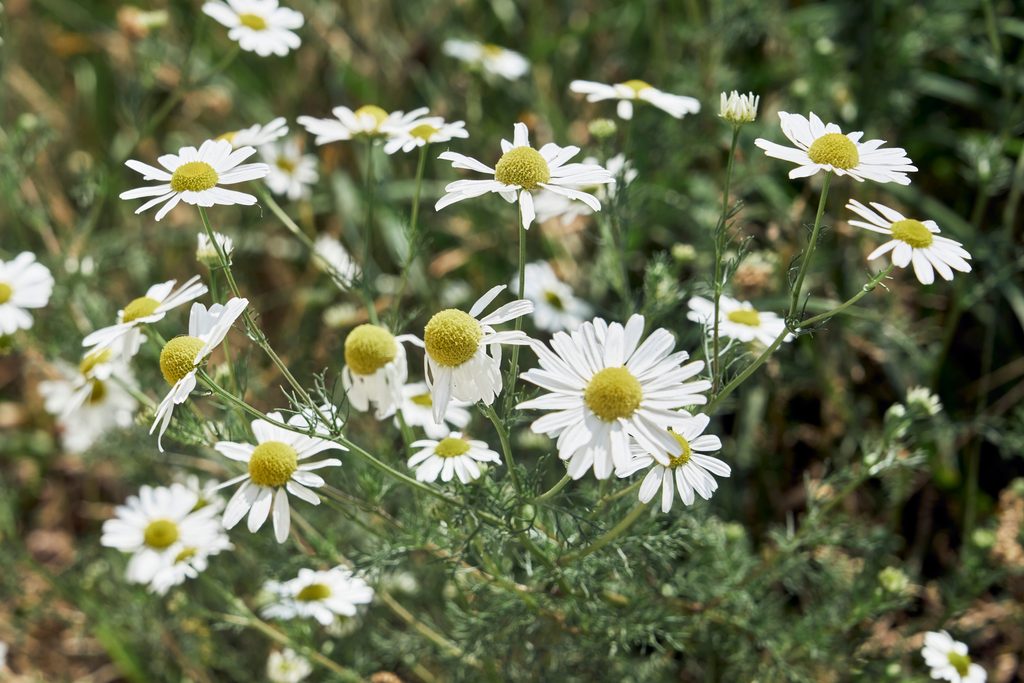
Chamomile looks like a small daisy with a yellow center. It is one of the best-known healing flowers in the world. Many people drink its tea at night to relax.
Research supports a small part of this reputation. A 2019 meta-analysis in Phytotherapy Research pooled 12 trials. It found chamomile was linked with better sleep quality and improved symptoms of generalized anxiety at 2 and 4 weeks. It found no clear effect on short-term anxiety or insomnia severity.
The authors called the evidence limited and said larger trials are needed. So I treat chamomile as a gentle comfort, not a cure. A fresh bunch on a bedside table, or a warm cup of tea, still says “rest and recover.”
2. Lavender
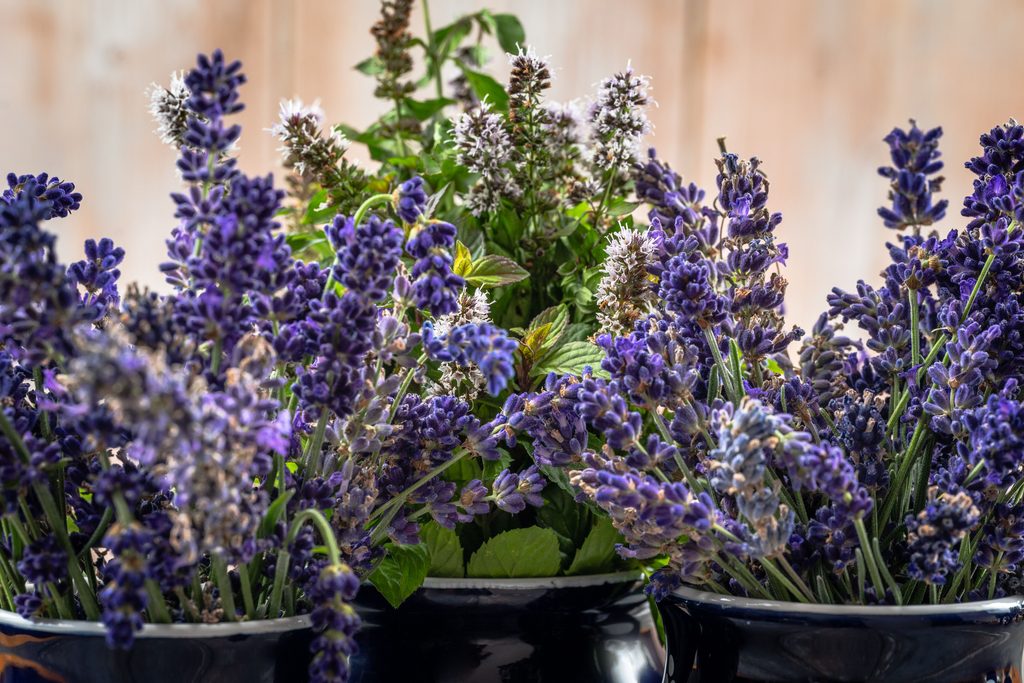
Lavender is the flower most people link with calm. Its purple spikes and soft scent appear in teas, sachets and bath products. Hospitals and spas often use the smell to create a quiet mood.
A 2024 review in PubMed Central looked at silexan, an oil made from lavender flowers. At 80 mg a day for 10 weeks, it reduced anxiety symptoms more than placebo. The response rate was 51.8% with silexan and 38.8% with placebo.
Two of the review’s authors have ties to the company that markets silexan, so read the results with care. Lavender is not a replacement for medical treatment. As a symbol, however, it clearly says “be calm and be well.”
3. Calendula
Calendula, also called pot marigold, is one of the oldest healing flowers in the garden. Its bright orange and yellow blooms look like small suns. It is not related to the common garden marigold.
A Kansas State University fact sheet explains that studies show antimicrobial, antiviral and wound-healing effects. The plant is also approved in Europe for mouth and throat inflammation and for wounds and burns. Creams, salves, teas and oils are all made from the petals.
Calendula is easy to grow in full sun. It blooms from early summer until frost, and the petals are edible. I like it as a symbol of recovery that is warm, humble and useful. Give a pot to a gardener who is getting back on their feet.
ALSO READ: 25 Flowers That Mean New Beginnings (Their Meanings, With Pictures)
4. Echinacea
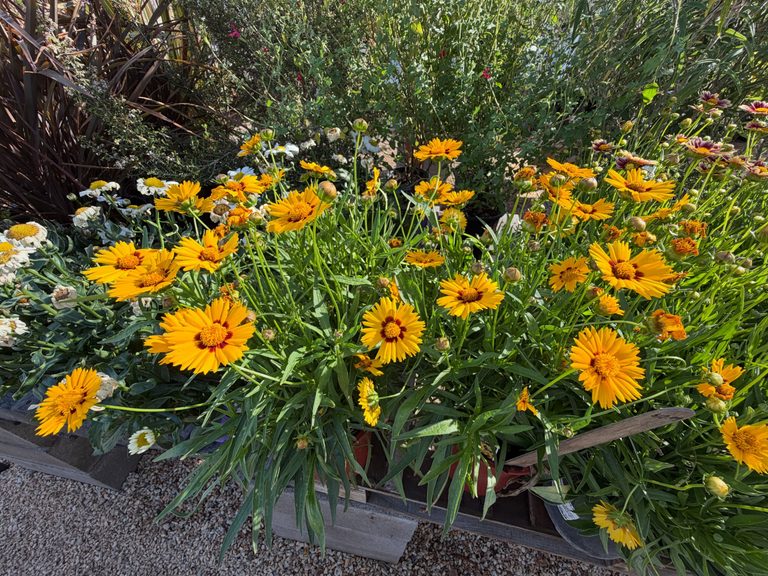
Echinacea, or purple coneflower, is a tall, daisy-like flower with a spiky orange center. It is a native North American plant. Many people take echinacea products in winter to support the immune system.
The research on echinacea and colds is mixed. Some reviews find a small benefit, and others find none. For this reason, I would not promise any health effect. What is safe to say is that the plant has a long history as a folk remedy.
As a garden flower, echinacea is tough and loved by bees and butterflies. It blooms in summer and into autumn. It is a lovely get-well gift because it stands for strength and resilience.
5. Aloe
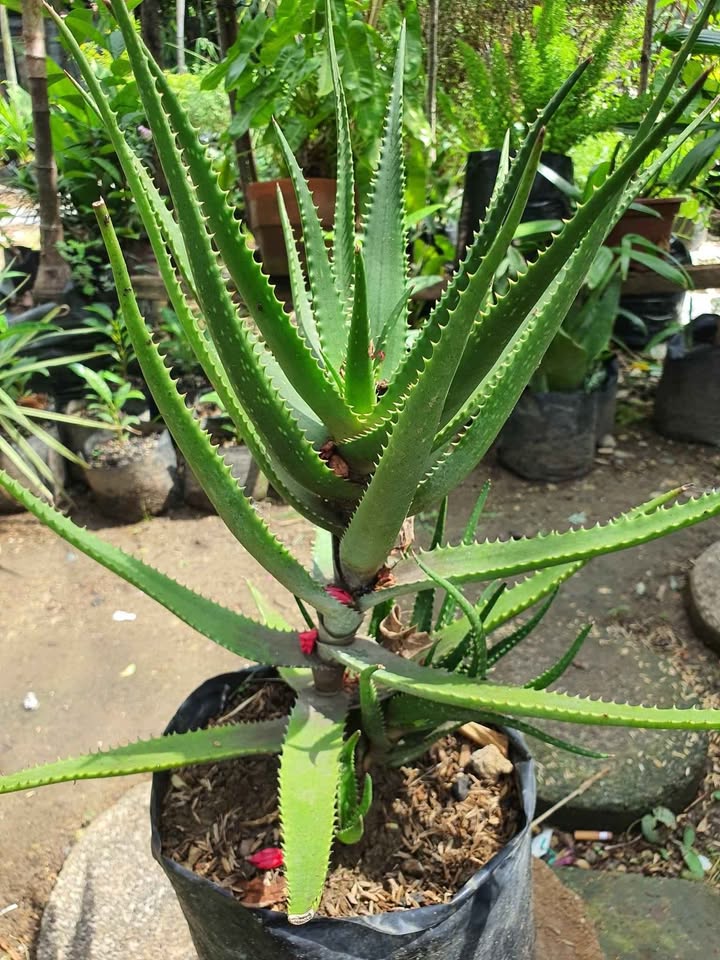
Aloe is a succulent plant with thick, fleshy leaves. It also produces tall spikes of coral or yellow flowers in spring. It is probably the most widely used medicinal plant in the world.
The University of Arizona Extension says fresh sap is commonly used on minor burns and insect bites. It adds that many other claimed benefits, such as treating arthritis or diabetes, are not validated by medical research.
The IARC reports that aloe gel is 99 to 99.5% water, with over 200 potentially active compounds in the remaining solids.
Aloe is a symbol of soothing and protection. A potted aloe makes a practical gift for a kitchen or a sunny window. Use it with care, and talk to a doctor before taking it by mouth.
6. Peony
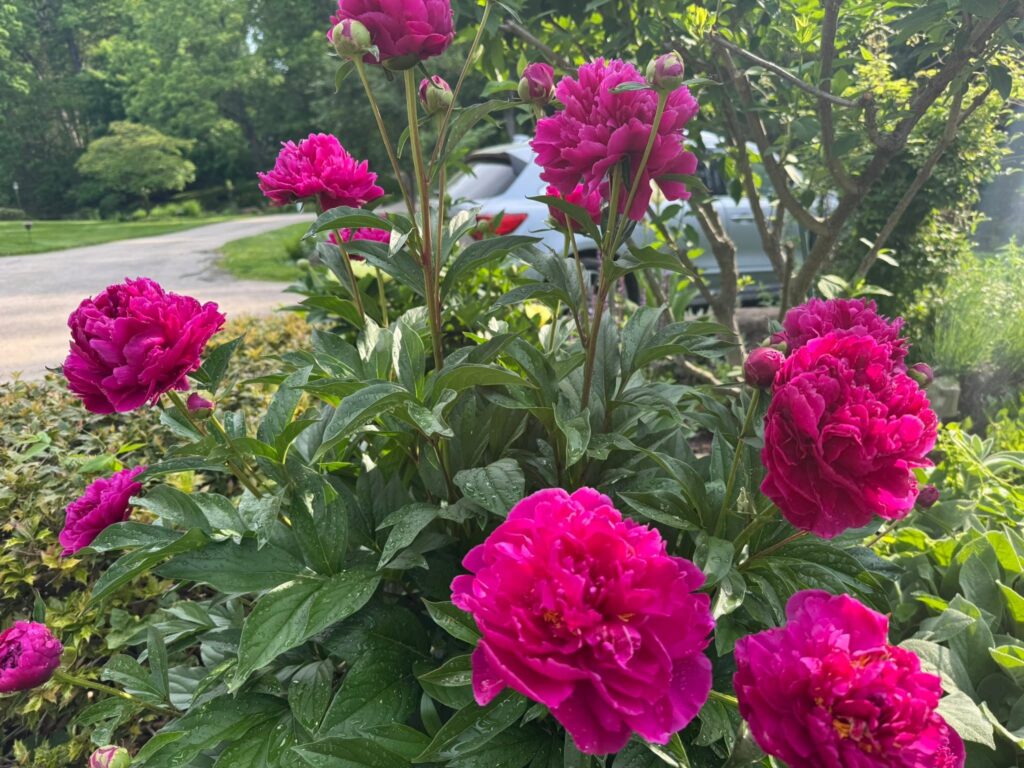
Peonies are known for their large, soft, fragrant blooms. In the language of flowers, they often stand for happiness and a good future. But their name has a healing link too.
The University of Arkansas Extension explains that, in Greek legend, the peony is named after Paeon, a god who was turned into a plant. In Rome, the peony was part of the medicine of the day.
The Roman writer Pliny claimed it could cure twenty ailments, from nightmares to liver disease. Of course, that was ancient belief, not modern medicine.
The same source says peonies can persist for 100 years or more. That long life makes them a beautiful symbol of lasting recovery. Give peonies to someone who is rebuilding their strength and their spirits.
ALSO READ: 25 Flowers That Mean Peace (Their Meanings, With Pictures)
7. Elderflower
Elderflower is the creamy white bloom of the elder tree. It grows in wide, flat clusters and has a sweet, floral scent. In Europe, it is used in cordials, teas and syrups.
Traditional herbal medicine has used elderflower for colds and fevers. I want to be clear that this is folk use. Modern evidence is not strong enough for firm claims. It should never replace advice from a doctor.
Still, a glass of elderflower cordial on a sick day is a comforting ritual. The flower stands for care and gentle recovery. Pick flowers only from plants you can identify with certainty, since some elder parts are toxic.
8. Hibiscus
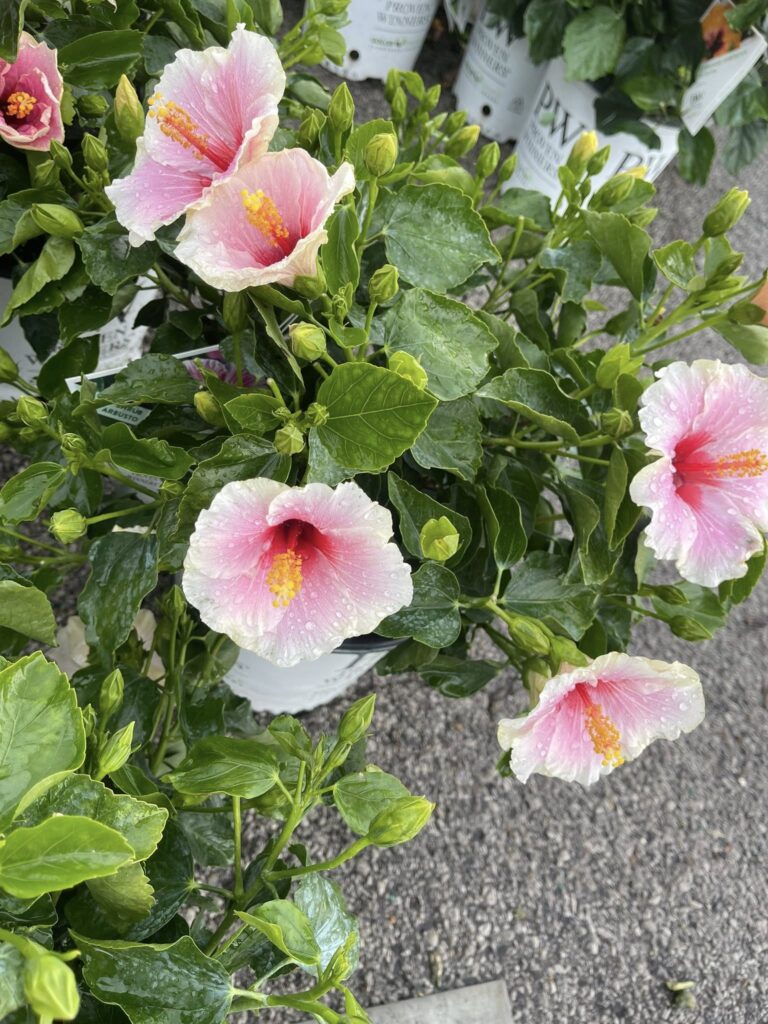
Hibiscus flowers are bold, bright and tropical. The dried petals of a species called roselle are used to make a deep red, tangy tea. It is popular in many parts of Africa, the Caribbean and Asia.
Some small studies suggest that hibiscus tea may lower blood pressure slightly. The evidence is still limited, and the tea can interact with some medicines. Anyone with blood pressure concerns should ask a doctor first.
As a symbol, hibiscus stands for delicate beauty and vitality. A fresh bloom or a cup of the tea says “I hope your energy returns.” In Kenya and across East Africa, the drink is enjoyed cold on warm days.
9. Passionflower
Passionflower has one of the most intricate blooms in the plant world. The flower has layered, fringed petals and a striking center. It looks almost unreal.
Traditional herbal medicine has used passionflower to help with nervousness and sleep. A systematic review in PubMed Central looked at its use in neuropsychiatric conditions and found promising but limited evidence. More high-quality studies are needed before firm claims can be made.
Passionflower is a symbol of faith, calm and quiet strength. It is a vine, so it grows well on a fence or trellis. A plant in the garden can become a living reminder to slow down.
10. St. John’s Wort
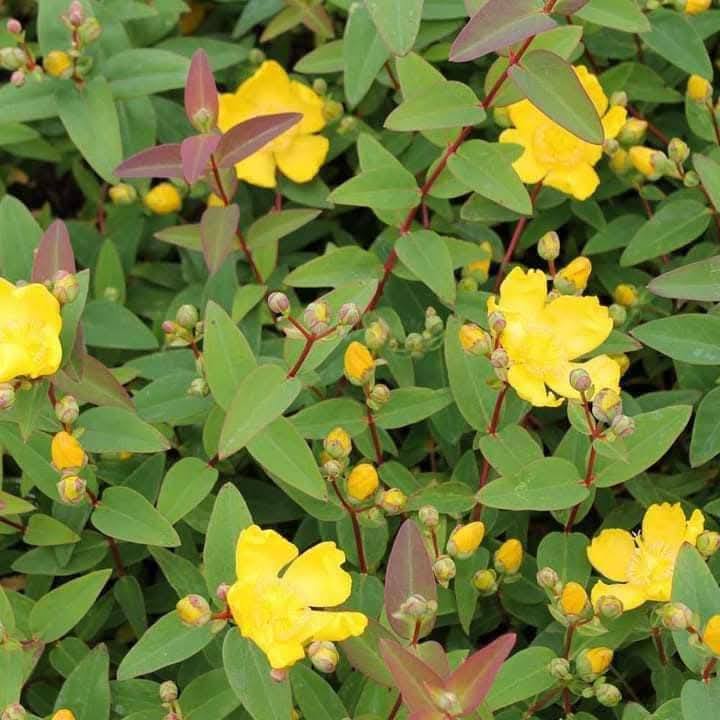
St. John’s wort is a small yellow flower that blooms around midsummer. Its name is tied to the feast of St. John the Baptist. Folk tradition has long used it for low mood and minor wounds.
This plant needs a strong warning. St. John’s wort can interact with many medicines, including some antidepressants and birth control pills. Please never take it without talking to a doctor or pharmacist.
As a garden flower, it is bright and hardy. Its meaning is hope and protection. It is best enjoyed as a plant in the border, not as a self-made remedy.
11. Yarrow
Yarrow has flat clusters of tiny white, yellow or pink flowers. Its feathery leaves smell herbal and sharp. It grows wild in meadows and roadsides in many regions.
The scientific name, Achillea, comes from Achilles, the Greek hero. Legend says he used yarrow to treat soldiers’ wounds. For this reason, the plant became a symbol of healing and courage.
Yarrow is easy to grow and tolerates drought. It attracts pollinators and lasts well in dried arrangements. I like it as a gift for someone who is recovering from a hard battle, in body or in spirit.
ALSO READ: 25 Flowers That Mean Love (With Pictures, and Their Meanings)
12. Arnica
Arnica is a bright yellow, daisy-like flower from mountain meadows. In Europe, it has long been used in creams and gels for bruises and sore muscles. It is a classic folk remedy.
Safety matters here. Arnica is meant for external use on unbroken skin only. It can be toxic if swallowed, so please never eat or drink it. Always follow the product label.
As a symbol, arnica stands for mending after a knock or a fall. It is not a common garden flower, so the gift is usually a product. If you give it, choose a trusted brand and add a kind note.
13. Rose

Roses stand for love, but they also stand for comfort. Pink roses show care and gratitude. Soft peach and cream roses suit a get-well bouquet. Their scent lifts the mood of a quiet room.
Rose petals have a long history in teas, syrups and skin care. Rose hips, the red fruit left after the flower fades, are rich in vitamin C. Both are common in traditional European households.
A small bunch of roses in a sickroom tells the patient they are loved. Choose gentle shades rather than deep red, which can feel too intense. Keep the vase water fresh so the flowers last longer.
14. Jasmine
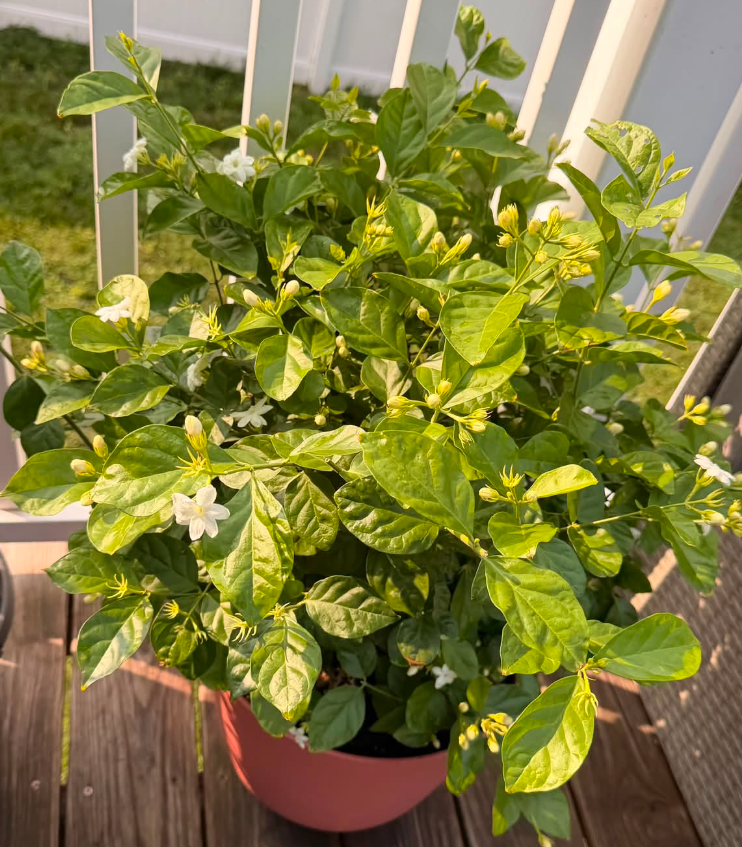
Jasmine has small white flowers with a sweet, rich scent. It is often used in tea and perfume. In many cultures, it stands for comfort, grace and gentle joy.
The scent alone can change the mood of a room. Many people say it feels soothing in the evening. That is why jasmine tea is often served at the end of a meal.
Jasmine makes a pleasant gift for someone on bed rest. A potted plant by a window can fill a room with fragrance. Keep it away from strong drafts and give it bright, indirect light.
15. Sunflower
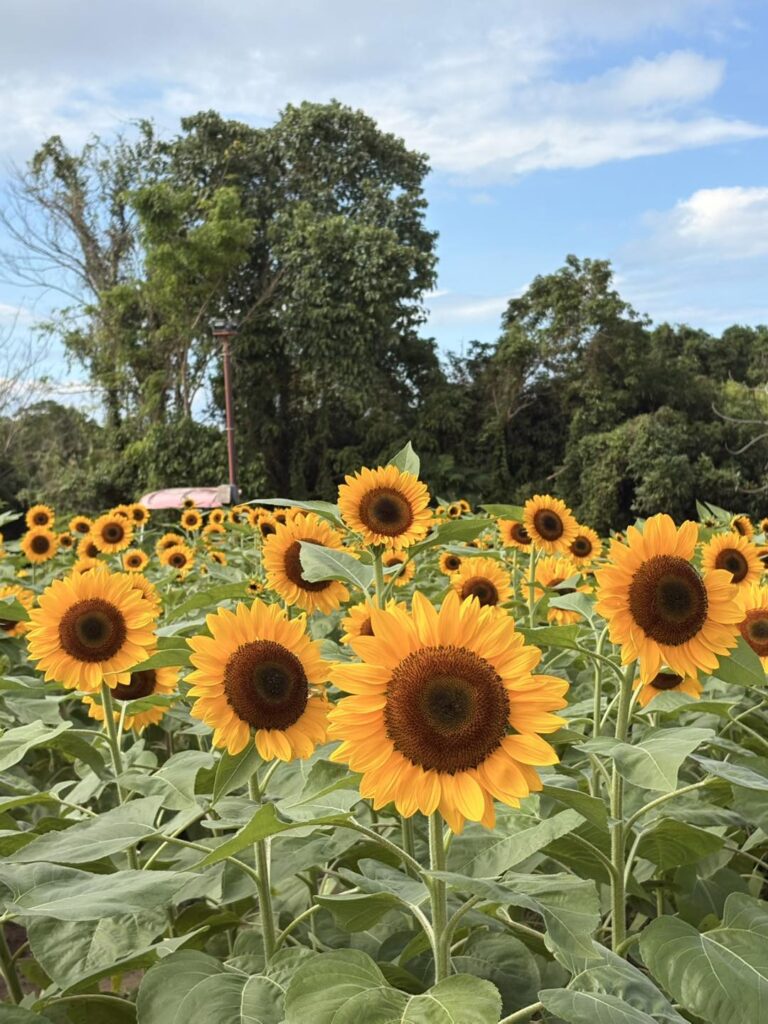
Sunflowers are bold, tall and cheerful. They turn their faces toward the sun, and many people see this as a sign of hope. In hospitals, they are a popular choice for raising spirits.
In flower language, the sunflower stands for loyalty and warmth. For a patient, it says “you are the light in my day.” It does not carry a quiet message. It carries energy.
Sunflowers also last well in a vase. They need plenty of water and a clean container. If you are visiting a friend after surgery, a small sunflower bunch is a cheerful, low-cost gift.
16. Lotus
The lotus rises clean and bright from muddy water. For this reason, it is a symbol of rebirth and healing in Buddhism and Hinduism. It stands for beauty that grows out of hardship.
The flower opens in the morning and closes at night. This daily rhythm makes it a natural image of renewal. In traditional medicine in parts of Asia, various parts of the plant have been used in teas and foods.
Give a lotus, or a lotus design, to someone who has come through difficulty. It says “you are rising again.” A lotus pendant or painting can also be a lasting keepsake.
17. Daisy
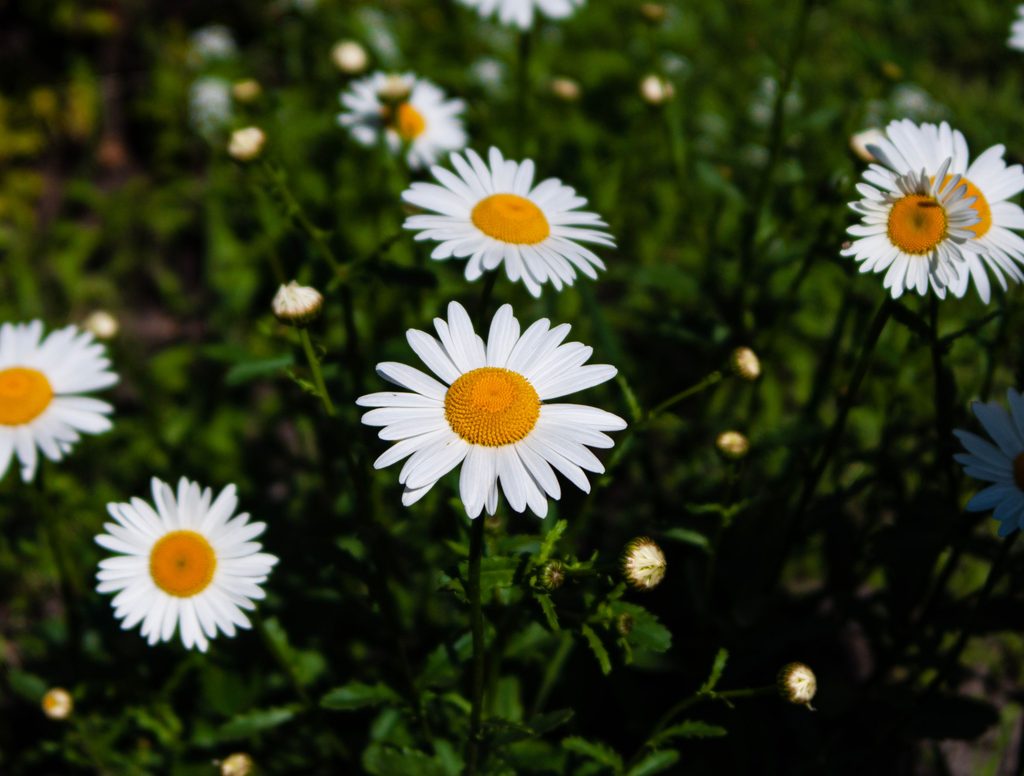
The daisy is a small, honest flower. It stands for innocence, fresh starts and gentle cheer. Its name comes from “day’s eye,” because the petals open with the sun.
A daisy is not a showy gift. That is part of its charm. It tells the patient that you are thinking of them without any pressure. A handful in a jar looks sweet on a bedside table.
Daisies are cheap and long lasting. They suit a child who is unwell or a friend who needs cheering up. I often think a small, simple bouquet feels more personal than a grand one.
18. Forget-Me-Not
The forget-me-not is a tiny blue flower with a yellow center. It stands for faithful memory. Its name alone is a promise: you will not be forgotten.
This flower brings comfort during grief and long illness. It tells the person that someone remembers them. That message can heal in its own way. Few of us forget how it feels to be thought of.
Forget-me-nots grow easily in damp, shady places and often self-seed. A small patch in the garden can become a quiet memorial. A tiny posy on a table is a tender gesture of care.
ALSO READ: 25 Flowers That Symbolize Strength (With Pictures, and Meanings)
19. Iris
The iris is named after Iris, the Greek messenger goddess who traveled on the rainbow. Because of this, the flower is linked with hope, faith and messages of comfort. It carries a sense of calm after a storm.
Its tall, graceful form looks almost like a flag. The petals curl and fold in a way that feels both bold and soft. Blue and purple irises are the most common.
Give an iris to someone who has been through a hard time. It says “better days are coming.” It also works as a thank-you for a friend who stood by you in a difficult season.
20. Snowdrop
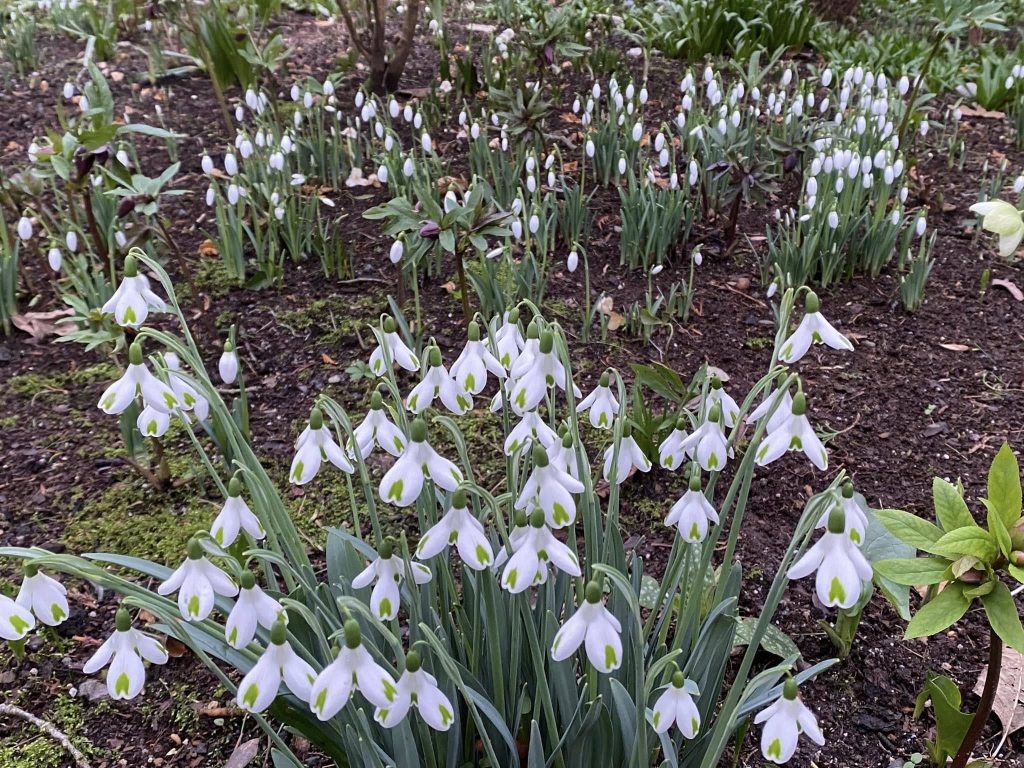
Snowdrops are among the first flowers of the year. Their small white bells often appear in late winter, sometimes while snow is still on the ground. That is why they stand for hope and recovery.
The flower looks fragile, yet it pushes through cold soil without fuss. For someone going through a long illness, that image can feel encouraging. Strength does not always look loud.
A small potted snowdrop makes a quiet, thoughtful gift in winter. Plant it outdoors after it blooms. Each year, it will return as a small reminder that healing takes time.
21. Gerbera Daisy

Gerbera daisies are bright, bold and very colorful. They come in red, orange, pink and yellow. Their large, flat faces look joyful and open.
The flower stands for cheerfulness and positive energy. That is why florists often include it in get-well bouquets. A bunch of gerberas can lift the mood of a whole room in minutes.
Their stems are long and sturdy, but they like clean water and a shallow vase. Choose bright shades for a patient who loves color. Choose softer pinks for someone who needs a gentler message.
22. Pink Carnation
Pink carnations are soft, ruffled and long lasting. They are often linked with a mother’s love and with gentle remembrance. In a sickroom, they bring warmth without being heavy.
Carnations are affordable and sturdy. Many last two weeks or more in a vase with fresh water. This makes them a practical choice for a long recovery, when a patient may stay home for days or weeks.
Pair pink carnations with white baby’s breath for a calm, caring bouquet. A short handwritten note makes it even better. Simple words, such as “thinking of you,” often matter most.
23. Peace Lily

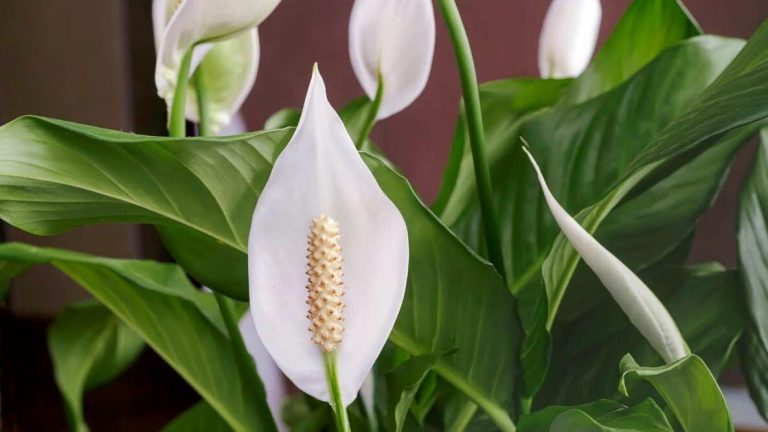
The peace lily has glossy green leaves and a white, hood-shaped bloom. It is a popular houseplant in homes and hospitals. Its name suggests calm, which is why it is often given to families in mourning.
Clemson Extension explains that peace lilies are not true lilies. They belong to the arum family. They tolerate low light but grow best in bright, indirect light. They are easy to keep alive, which is a real advantage for a busy, tired household.
Keep this plant away from pets and small children. The leaves contain calcium oxalate crystals, which can burn the mouth if eaten. For a calm space, it is a thoughtful and lasting gift.
24. Orchid
Orchids are elegant and long lasting. A moth orchid can bloom for weeks, and it often flowers again with good care. This long life makes it a fitting symbol of enduring strength.
In many cultures, orchids stand for refinement and quiet love. As a gift for a patient, they say “you are precious.” They also take little work, which suits someone who has little energy.
Place an orchid in bright, indirect light and water it sparingly. A single stem in a small pot is enough. Few flowers look as calm and graceful on a windowsill.
25. Magnolia
Magnolias are among the oldest flowering plants on Earth. Their large, waxy petals look strong and calm. The flower often stands for perseverance and dignity.
In parts of East Asia, magnolia bark has a long history in traditional medicine. I mention this as history, not advice. As a gift, the bloom is simply a sign of strength through difficulty.
A single magnolia flower floating in a bowl of water is a striking centerpiece. It needs nothing else. Choose it when you want to say “you are stronger than you know.”
How to Choose a Healing Flower Gift
Think about the person first. For a long illness, choose long-lasting flowers such as orchids, carnations or peace lilies. For a short recovery, a bright bouquet of gerberas, sunflowers or daisies works well. For grief, consider forget-me-nots, white lilies or irises.
Next, think about the room. Strong scents can bother some patients, especially after surgery or during treatment. Lavender and jasmine are lovely at home, but they may be too much in a small ward. Many hospitals also have rules about flowers, so ask before you go.
Finally, think about safety. Peace lilies, lilies and many garden plants can harm pets and children if eaten. Remember too that medicinal plants are not gifts to swallow. Herbs such as St. John’s wort and arnica can cause serious problems if used wrongly.
A Note on Using Plants for Health
Plant medicines can be helpful, but they are not harmless. The University of Arizona Extension advises talking to a doctor before using aloe for anything beyond a cut, burn or insect bite. The IARC also reports that in 2002, the US FDA ruled that aloe laxative products were not “generally recognized as safe and effective.”
The same caution applies to most herbs. Strength, quality and purity can vary widely between products. Some plants interact with prescription drugs.
If you are ill, please follow your doctor’s advice first. Use flowers for comfort, beauty and love. Let your care team handle the treatment.
Frequently Asked Questions
What flower is a symbol of healing? Chamomile, calendula, aloe and the lotus are all linked with healing. Irises, snowdrops and sunflowers are also common symbols of hope and recovery.
What flower means get well soon? Gerbera daisies, sunflowers, pink carnations and daisies are popular get-well flowers. They are bright, cheerful and long lasting.
What flower means hope and recovery? Snowdrops and irises are widely linked with hope. Peonies and sunflowers also carry messages of strength and warmth.
Do flowers help people recover faster? A study of 90 patients recovering from appendectomy found less pain medication use, lower heart rate and lower anxiety in rooms with plants. The study suggests flowers can support comfort. It does not prove that they cure illness.
Which flowers should I avoid giving to a patient? Avoid strongly scented flowers if the person is sensitive to smells. Avoid lilies if there is a pet at home. Always check hospital rules first.
Final Thoughts
Healing is slow, and it is rarely tidy. A flower cannot hurry it. But a flower can sit beside a person and say “I am here.”
I find the humblest blooms often work best. A jar of daisies, a pot of calendula or a single iris can lift a heavy day. The size of the gift matters less than the care behind it.
Choose the flower that suits the person and the moment. Add a short, honest note. And remember that the kindest gift in any recovery is simply to show up.
References
- Texas A&M University, Ellison Chair in International Floriculture. Effects of Flowering and Foliage Plants in Hospital Rooms on Patients Recovering from Abdominal Surgery. https://ellisonchair.tamu.edu/2008/12/29/effects-of-flowering-and-foliage-plants-in-hospital-rooms
- University of Arizona Cooperative Extension. Aloe Vera. https://extension.arizona.edu/sites/extension.arizona.edu/files/attachment/AloeVera.pdf
- National Institutes of Health, NCBI Bookshelf. Aloe vera (IARC Monographs Volume 108: Some Drugs and Herbal Products, Exposure Data). https://www.ncbi.nlm.nih.gov/books/NBK350431/
- National Institutes of Health, PubMed. Therapeutic efficacy and safety of chamomile for state anxiety, generalized anxiety disorder, insomnia, and sleep quality: a systematic review and meta-analysis (Phytotherapy Research, 2019). https://pubmed.ncbi.nlm.nih.gov/31006899/
- National Institutes of Health, PubMed Central. Silexan in anxiety, depression, and related disorders: pharmacological background and clinical data. https://pmc.ncbi.nlm.nih.gov/articles/PMC12500767
- Kansas State University Research and Extension. Calendula (MF-2610). https://bookstore.ksre.ksu.edu/download/calendula_MF2610
- University of Arkansas System Division of Agriculture, Cooperative Extension Service. Plant of the Week: Peony. https://uaex.uada.edu/yard-garden/resource-library/plant-week/peony.aspx

Tim M Dave is a gardening expert with a passion for houseplants, particularly cacti and succulents. With a degree in plant biology from the University of California, Berkeley, he has vast experience in gardening. Over the years, he has cultivated a vast collection of desert plants and learned a great deal about how to grow and care for these unique companions.