25 Flowers That Mean New Beginnings (Their Meanings, With Pictures)
Every fresh start needs a sign. A new job, a new home, a new baby or a new chapter after loss can all feel better with a flower in hand. Some blooms seem made for this moment.
So, which flowers mean new beginnings? Daffodils, snowdrops, crocuses, cherry blossoms, tulips, forsythia, hellebores and white roses are the best-known. This guide covers 25 of them, with their meaning, pictures, and how to use them.
Why Flowers Symbolize New Beginnings
Many of these flowers share one trait. They bloom early, often when the weather is still cold. Seeing them feels like proof that winter has an end.
The science behind this is simple. According to University of Missouri Extension, spring bulbs such as daffodils, tulips and hyacinths need about 10 to 14 weeks of cool weather to form their flower buds. They grow roots in fall, rest through winter and bloom when the days warm up.
That slow, hidden work is a good image for any new start. Growth often happens quietly before it becomes visible. A flower is the visible result.
Culture adds another layer. Some flowers became symbols through shared stories, gifts and traditions. In this guide, I mix plant facts with that history, so you can choose with confidence.
25 Flowers That Mean New Beginnings
1. Daffodil
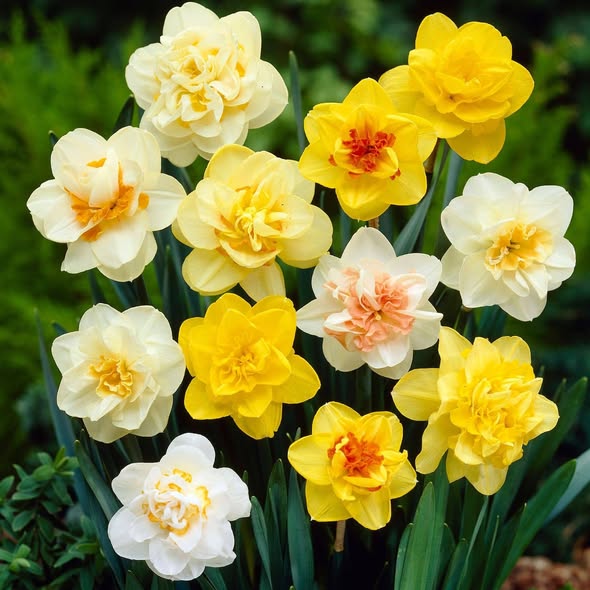
The daffodil is the classic flower of new beginnings. It is one of the first blooms of spring, and its bright yellow trumpet looks like a small sunrise. It is also the birth flower for March.
Daffodils are tough plants. University of Missouri Extension recommends narcissus, the daffodil family, as the best spring bulb for Missouri. It tolerates warmth and naturalizes, which means it returns year after year. NC State Extension adds that voles and squirrels usually avoid daffodils, because the bulbs are poisonous.
Give daffodils to someone who is starting a new chapter. They also make a lovely gift after an illness. Please keep them away from pets, since the bulbs are toxic if eaten.
2. Snowdrop
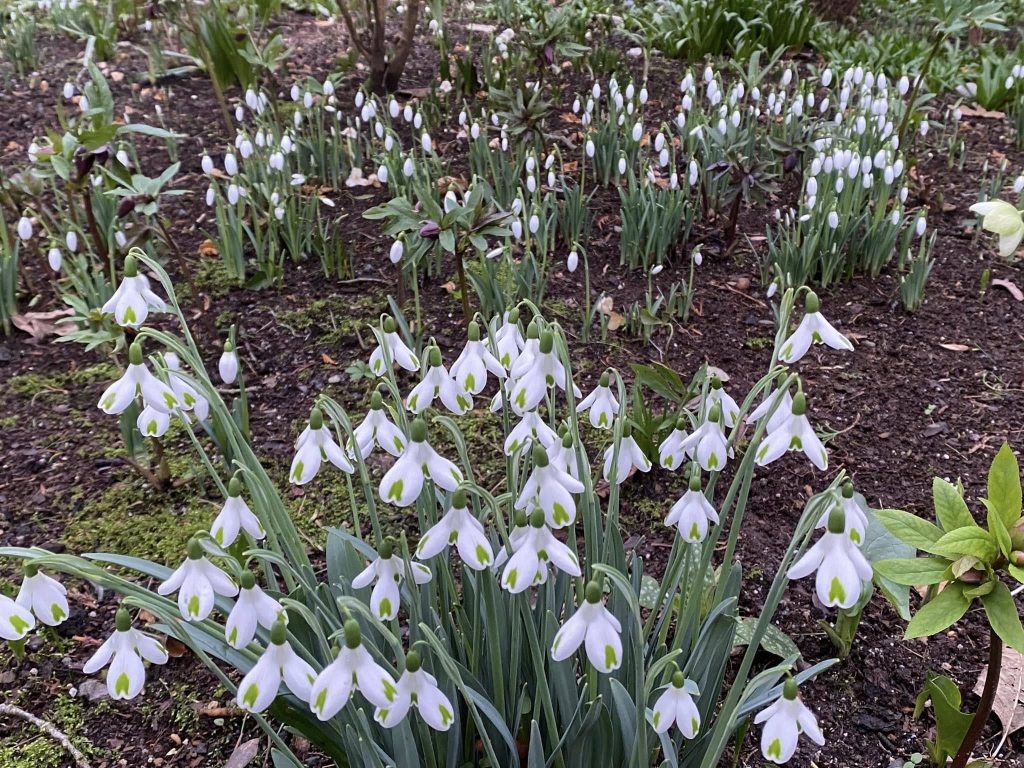
Snowdrops are among the earliest flowers of the year. Their small white bells often appear in late winter, sometimes while snow is still on the ground. That is why they stand for hope and the promise of spring.
The flower looks fragile, yet it is strong. It pushes through cold soil and frost with no fuss. I find this one of the most moving sights in a winter garden.
Plant snowdrops in fall in a spot where they can spread. A small potted snowdrop makes a quiet, thoughtful gift for someone who has had a hard season. It says that better days are close.
ALSO READ: 25 Flowers That Mean Peace (Their Meanings, With Pictures)
3. Crocus
Crocuses appear in early spring, often in lawns and borders. Their purple, yellow and white cups open on sunny days and close in the cold. They are a clear sign that the season is changing.
Oklahoma State University Extension notes that crocuses, along with daffodils and grape hyacinths, tend to naturalize. They multiply in good conditions and come back each year. A small planting can turn into a carpet within a few seasons.
The flower stands for cheerfulness and youthful joy. Give a pot of crocuses to a friend who is moving into a new home. It is a small, honest gift that says “welcome.”
4. Tulip
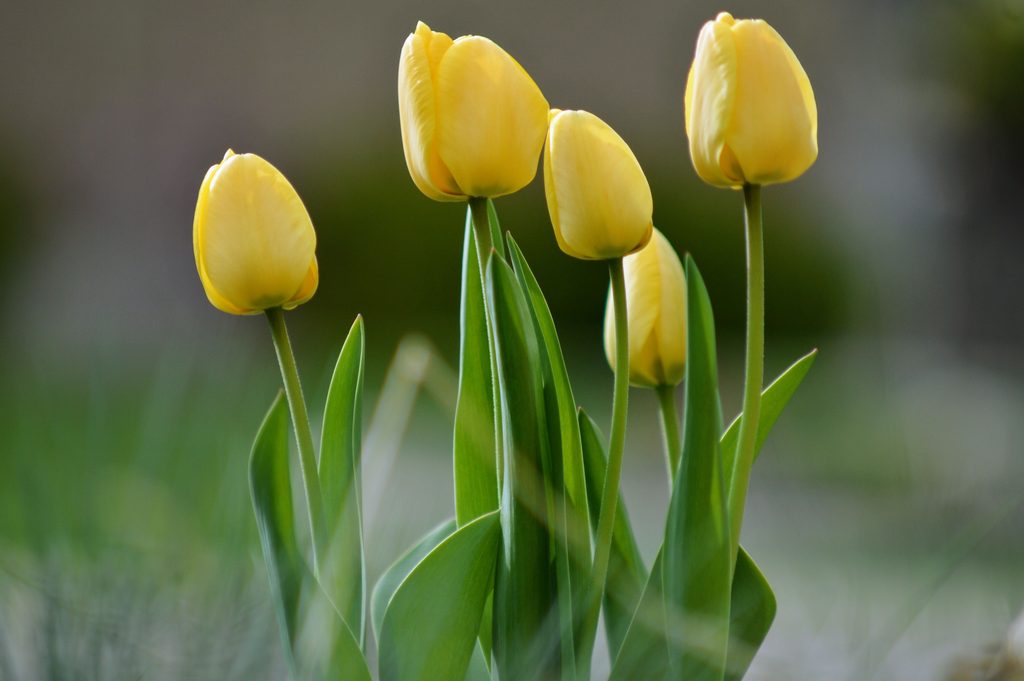
Tulips are bright, simple and full of energy. They arrive in spring in nearly every color. Their meaning is often tied to love and renewal, depending on the shade.
For new beginnings, I suggest yellow tulips for cheerfulness, white for a clean start and pink for gentle hope. In the Smithsonian Gardens’ Victorian flower chart, tulips stand for passion. So red tulips lean more toward love.
Oklahoma State Extension suggests planting tulips in groups of 20 or more, about one foot apart. In clay soil or hot summers, treat them as annuals and replant each fall. Cut tulips also make an easy, joyful gift for a graduation or a new job.
5. Cherry Blossom
Cherry blossoms are a global symbol of renewal and the fleeting beauty of life. In Japan, people gather under the trees each spring to enjoy the flowers. The blooms last only a short time, which makes each year feel like a fresh start.
Washington, D.C. has its own famous story. GovInfo reports that twelve varieties of cherry trees arrived from Japan on March 26, 1912. A second shipment contained 3,020 trees, after an earlier shipment of 2,000 trees had to be destroyed because of disease.
The National Cherry Blossom Festival became official in 1935. It continues a tradition of friendship and cultural exchange. A branch of cherry blossom in your home is a lovely way to welcome spring.
ALSO READ: 25 Flowers That Mean Love (With Pictures, and Their Meanings)
6. Apple Blossom
Apple blossom has pale pink and white petals and a soft, sweet scent. It marks the start of the fruit season. Every blossom is a promise of fruit to come.
In Victorian flower language, apple blossom meant “preference.” The Smithsonian Gardens chart explains that a suitor could offer one to show he preferred the recipient above others. It was a gentle way of saying “I choose you.”
This makes apple blossom a fine choice for the start of a relationship. It also suits a spring wedding or an engagement. A branch in a tall vase brings a fresh, orchard-like feeling to any room.
7. Forsythia
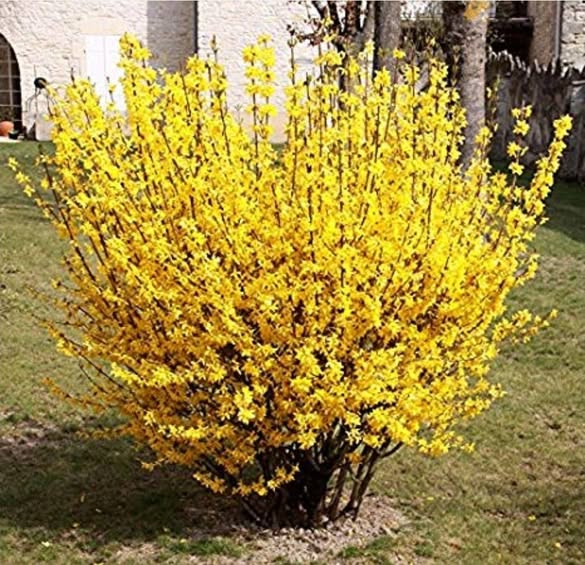
Forsythia is a shrub that bursts into yellow just as spring begins. Its flowers open before the leaves appear, so each branch looks like a line of gold. Gardeners often call it a herald of spring.
University of Minnesota Extension says the bright, bell-shaped flowers appear in April or early May. The shrub is hardy in zones 3b to 8 and grows from 2 to 10 feet tall. It is also deer tolerant and fast growing.
Cut a few forsythia branches in late winter and bring them indoors. They will open in a vase within days. It is a cheap, easy way to start spring early. Remember to prune the shrub after it blooms.
8. Hellebore
Hellebores are also known as Lenten roses and Christmas roses. They bloom in late winter, when almost nothing else is in flower. Their nodding blooms come in white, pink, green and deep plum.
Clemson Extension explains that there are about 15 perennial species, most native to southern and eastern Europe. Most hellebores sold today are hybrids. Many bloom from late winter to early spring and can flower for one to three months.
This long bloom time makes hellebores a symbol of patience and quiet hope. Plant them in a shady spot for early color. They are a fine gift for someone who is slowly finding their feet again.
9. Hyacinth
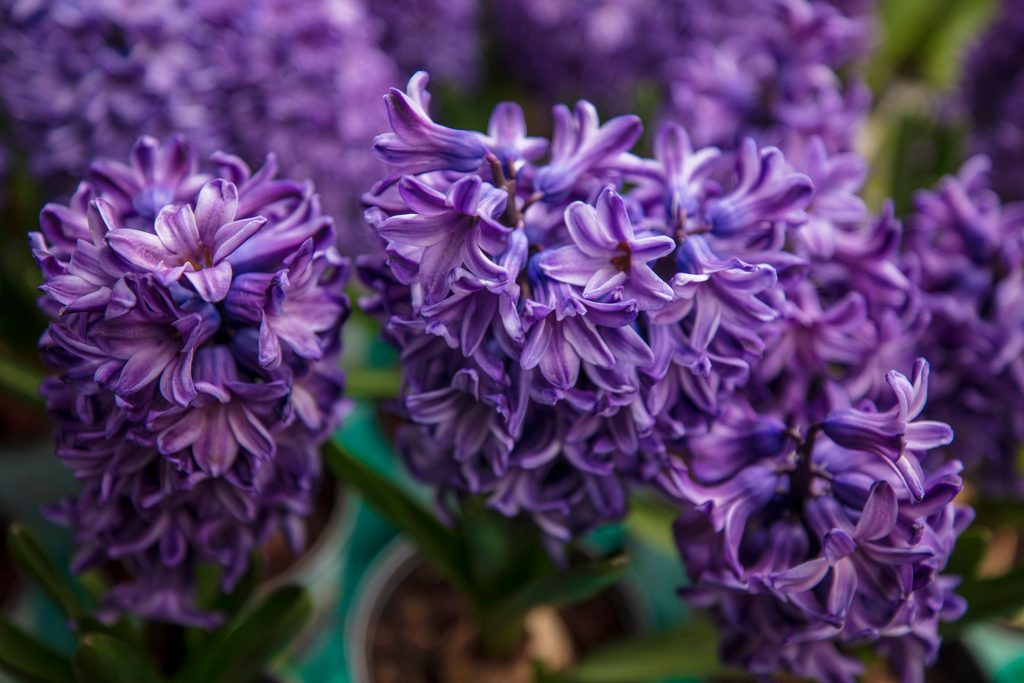
Hyacinths have dense spikes of fragrant, star-shaped flowers. The scent is strong, sweet and unmistakable. A few pots can perfume a whole room in early spring.
The flower is often linked with new seasons and fresh starts. White hyacinths suggest purity and a clean slate. Blue ones suggest calm and sincerity.
Missouri Extension notes an important point for gardeners. Hyacinths bloom well in the first year but often decline afterward. So treat them as a seasonal treat, or force bulbs in water indoors. Either way, they make a lovely housewarming gift.
10. Lily of the Valley
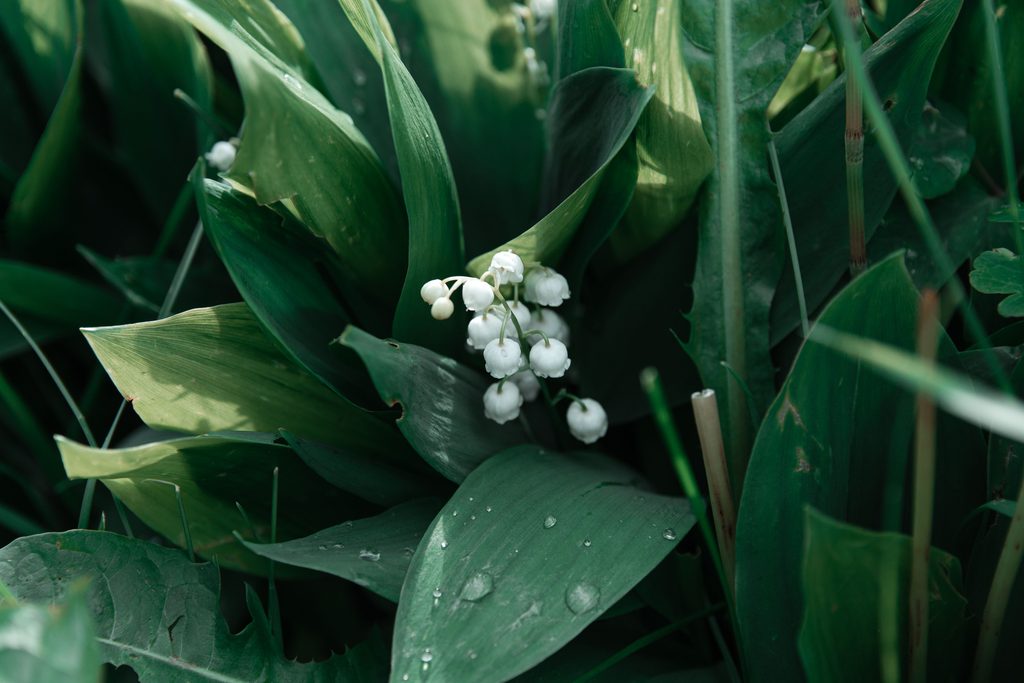
Lily of the valley has small white bells on a slender stem. In the language of flowers, it stands for the return of happiness. It blooms in late spring, after the first bulbs have finished.
In France, people give small bunches on the first of May as a good-luck gift. The flower has also been used in many wedding bouquets. It carries the feeling of a fresh and hopeful chapter.
Please remember that every part of this plant is poisonous if eaten. Keep it away from pets and children. Used safely, it is a graceful gift for a new baby or a new home.
11. Magnolia
Magnolias bloom early, often before the leaves open. Their large petals look bold against bare branches. The sight can stop you in the street.
Magnolias are among the oldest flowering plants on Earth. This long history gives them a sense of strength and dignity. The flower often stands for perseverance and a fresh start after hardship.
A single magnolia bloom floating in a bowl of water is enough to make a statement. It needs no other decoration. Choose it for a bold, elegant way to mark a new chapter.
12. Lotus
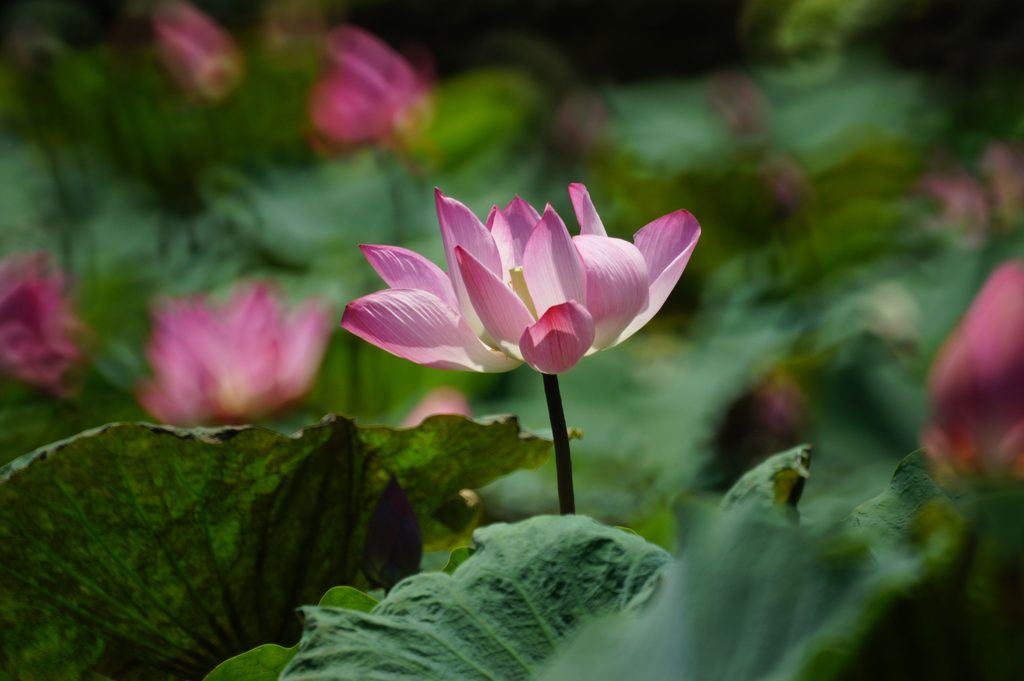
The lotus grows from muddy water and rises clean and bright above it. In Buddhism and Hinduism, it is a symbol of spiritual awakening and rebirth. Many statues show the Buddha seated on a lotus.
The flower also follows a daily rhythm. It opens in the morning and closes at night. This habit makes it a natural image of daily renewal.
Give a lotus, or a lotus design, to someone who is rising after difficulty. It says that beauty can grow from hard places. It is also a popular motif in meditation spaces.
ALSO READ: 25 Flowers That Mean Friendship (With Pictures, And Meanings)
13. Primrose
The name “primrose” comes from the Latin words for “first rose.” It is one of the first flowers to bloom in spring. Its soft yellow petals brighten banks, lawns and woodland edges.
Because it comes so early, the primrose stands for youth, hope and new love. In old English tradition, finding the first primrose of the year was considered a good sign. That charm still lingers today.
Potted primroses are easy to find in late winter and early spring. They are cheap and cheerful. A small pot is a lovely gift for a neighbor or a new colleague.
14. Iris
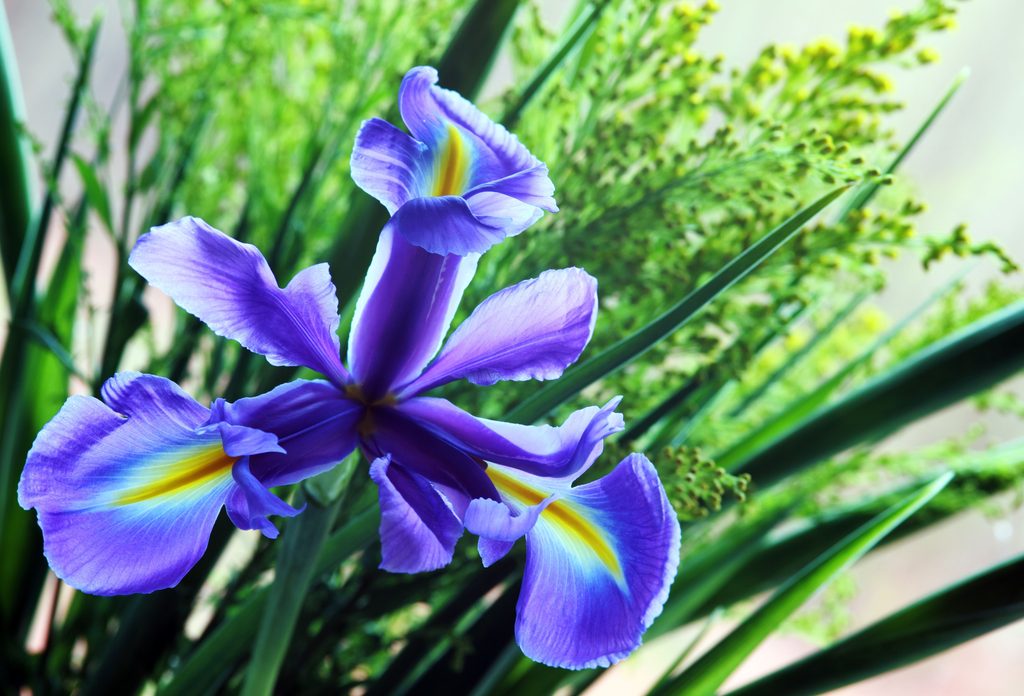
The iris is named after Iris, the Greek messenger goddess who traveled on the rainbow. Because of this, the flower is tied to messages, hope and faith. It carries a feeling of calm after a storm.
Its tall, graceful form looks almost like a flag. The petals curl and fold in a way that feels both bold and soft. Blue and purple irises are the most common.
Give an iris to someone who has just come through a hard time. It says “better days are coming.” It also works as a thank-you for a friend who stood by you.
15. Lilac
Lilacs arrive in late spring and bring one of the sweetest scents in the garden. Their purple, lavender and white clusters often stand for youth and first feelings. For many people, lilac is the smell of childhood.
A bush of lilacs also marks the end of the cold season. By the time they bloom, spring is fully here. They say that the waiting is over.
Lilacs have a short season, so enjoy them while they last. Cut them early in the morning and put them in water at once. A jar of lilacs can change the mood of an entire home.
16. Daisy
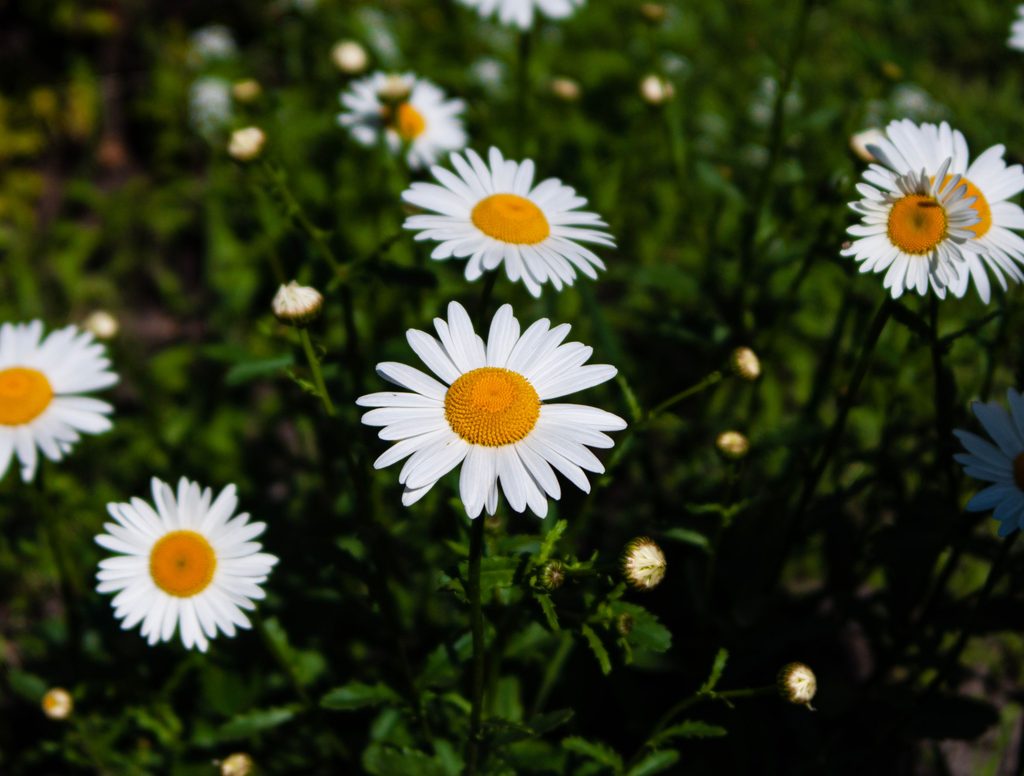
The daisy is a simple, honest flower. It stands for innocence, fresh starts and new beginnings. Its name comes from “day’s eye,” because the petals open with the sun each morning.
That daily opening makes the daisy a gentle symbol of renewal. Each morning is a new chance. It is a small reminder that we can start again, even after a hard day.
Daisies are affordable and long lasting. A handful in a jar on the kitchen table brightens the room. They suit a new baby, a new friendship or a first day in a new home.
ALSO READ: 25 Flowers That Symbolize Strength (With Pictures, and Meanings)
17. Plum Blossom
Plum blossom is one of the first flowers of the year in East Asia. It often opens in late winter, while cold weather lingers. For this reason, it is a symbol of courage and renewal.
In Chinese culture, the plum blossom represents resilience. It blooms in the hardest season and still looks graceful. It is also the national flower of Taiwan.
A branch of plum blossom is a meaningful gift for someone who has overcome difficulty. It carries respect as well as hope. It is also a favorite subject in traditional painting.
18. Peach Blossom
Peach blossoms are soft pink and appear in early spring. In Chinese tradition, they are linked with Lunar New Year, good luck and new love. Many households display branches during the holiday.
The flower stands for a fresh beginning in life, work or romance. Its color is gentle and warm. It brings a cheerful mood to any room.
Choose peach blossom for a new year, a new relationship or a new business. It is an elegant way to wish someone luck. A few cut branches can last for a week or more indoors.
19. Anemone
The anemone is sometimes called the windflower. The name comes from a Greek word linked to the wind. Its delicate petals sway in the slightest breeze.
The flower blooms in spring and is tied to anticipation and new hope. In Greek myth, anemones sprang from the tears of Aphrodite. So it also carries a thread of tenderness after loss.
Anemones come in white, red, pink and deep blue, often with a dark center. Their cut stems last well in water, though the flowers close at night. They make a stylish gift for a spring celebration.
20. Orange Blossom
Orange blossom is a classic flower of weddings and fresh starts. Its white, waxy petals have a sweet, clean scent. For centuries, brides have worn it as a sign of purity and happiness.
Queen Victoria wore orange blossoms at her wedding in 1840. This helped make the flower fashionable across Europe and America. The tradition of the bridal orange blossom still lasts today.
Orange blossom water is also used in desserts and drinks in many parts of the world. A sprig in a bouquet says “a happy new life together.” It is a lovely gift for an engagement.
21. White Rose
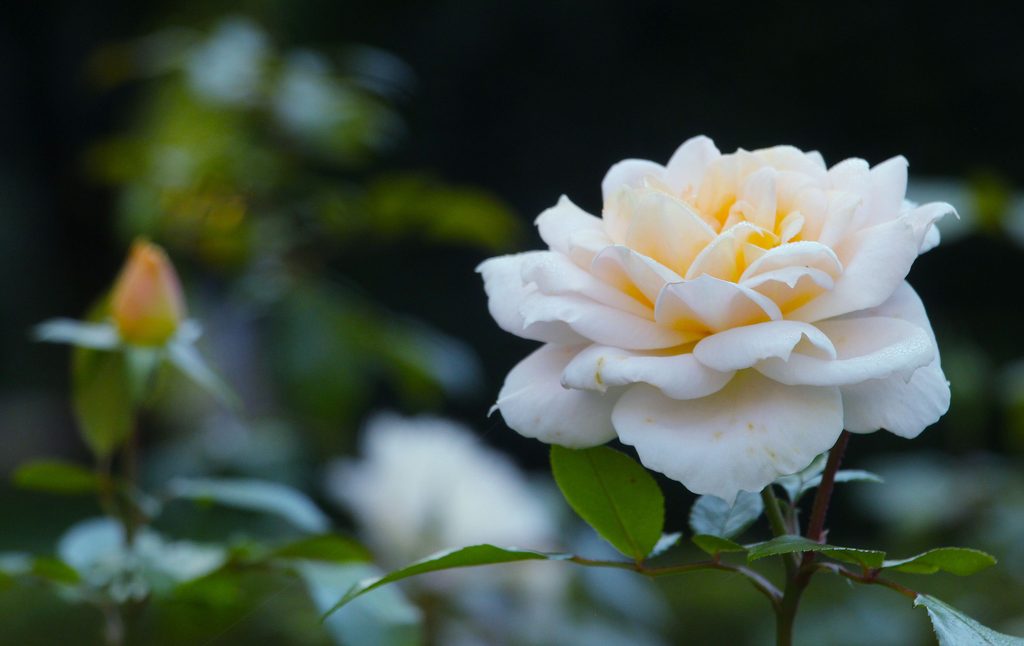
The white rose stands for new beginnings, purity and a clean slate. It is gentler than the red rose, which speaks of romance. A bunch of white roses feels calm and hopeful.
White roses are common at weddings, christenings and graduations. They also appear in apologies, since they signal a fresh start between people. Their clean color works with almost any other flower.
Pair white roses with a short, handwritten note. Say what you hope will begin. A simple message makes the gift more personal than any bouquet could.
22. Bluebell
Bluebells carpet woodland floors in spring with a haze of blue. The sight is especially famous in the United Kingdom. Walking through a bluebell wood feels like entering a quiet new season.
In the Smithsonian Gardens’ Victorian chart, bluebells stand for kindness. They are also linked with humility and constancy. In the United Kingdom, the native English bluebell is protected by law.
Bluebells are best enjoyed where they grow. If you plant them, buy from a reputable grower, not from wild collection. They make a lovely addition to a shady garden.
23. Dogwood
Dogwood trees bloom in spring with broad white or pink bracts that look like petals. In many parts of the United States, they mark the arrival of warm days. Woodlands turn pale and bright almost overnight.
The tree is a favorite in gardens because of its balanced shape and four seasons of interest. It also tends to bloom later than the earliest bulbs, so it extends the spring color.
Plant a dogwood to mark a birth, a new home or a new life stage. It grows slowly, but it returns every year. That steady return is part of its charm.
24. Winter Jasmine
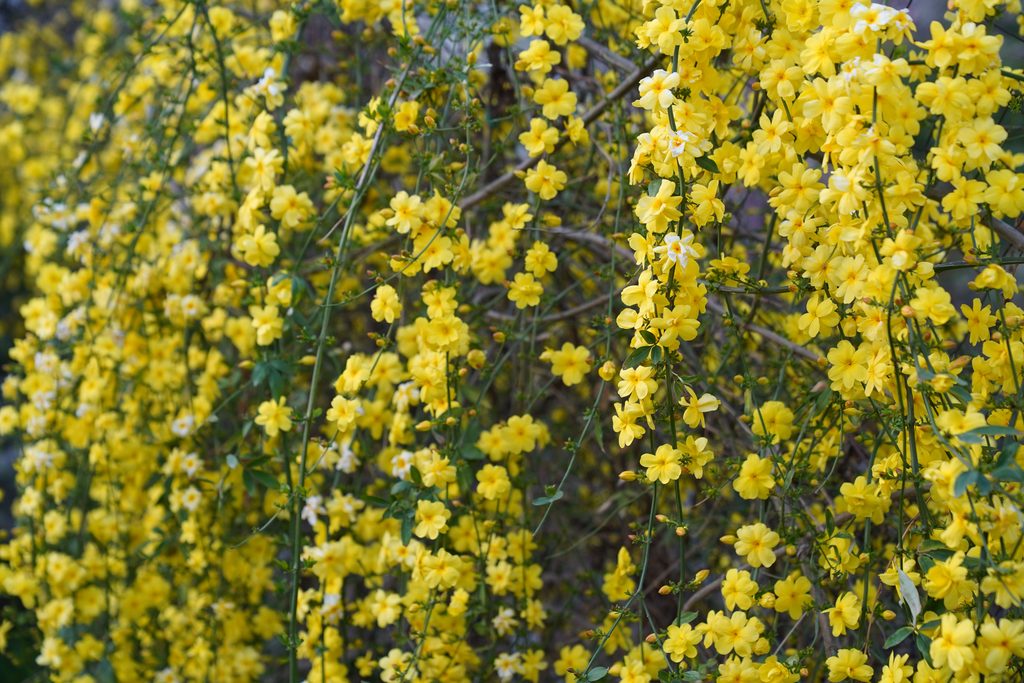
Winter jasmine is a trailing shrub with bright yellow flowers. It blooms from midwinter to early spring, long before most plants wake up. Its green stems keep color in the garden even in cold months.
Unlike summer jasmine, it has little scent. Its beauty is in its timing. It says that life continues even on the coldest days.
Plant it on a bank or over a low wall, where the arching stems can show off the flowers. It is a perfect choice for gardeners who want a sign of hope in January or February.
25. Almond Blossom
Almond trees are among the first fruit trees to bloom each year in warm regions. Their pale pink and white flowers appear on bare branches, often in late winter. They are a classic sign that spring is near.
Almond blossom also has a famous link to new life. In 1890, the painter Vincent van Gogh created a painting of blossoming almond branches to celebrate the birth of his nephew. The work shows how a flower can mark a birth and a fresh start.
A branch of almond blossom is a moving gift for a new parent. It carries love, hope and a sense of the future. Few flowers say “a new life has begun” as clearly.
ALSO READ: 25 Flowers That Symbolize Hope and Courage (With Ways to Use Them)
Best Time to Plant Flowers for New Beginnings
If you want these flowers in your own garden, timing matters. Spring bulbs such as daffodils, tulips, crocuses and hyacinths are planted in fall. Missouri Extension notes that without fall planting, they will not bloom in spring.
Oklahoma State Extension suggests late September through mid-November for planting in that state. Your own window may differ, so check with your local extension office. Choose a well-drained spot with at least six hours of direct sun each day.
Depth also matters. Both Missouri and Oklahoma State extension sources advise planting at two to three times the bulb’s height or diameter. A one-inch bulb belongs two to three inches deep. After blooming, leave the leaves until they turn yellow, because they feed next year’s flowers.
How to Choose the Right Flower for the Moment
Match the flower to the occasion. For a new baby, consider daisies, almond blossom or white roses. For a new home, crocuses, primroses and lily of the valley are lovely. For a new job or graduation, try yellow tulips, daffodils or irises.
Think about timing too. Late winter gifts suit snowdrops, hellebores and plum blossom. Early spring suits cherry blossom, forsythia and daffodils. Late spring suits lilacs, lily of the valley and dogwood.
Finally, think about safety. Daffodils and lily of the valley are poisonous if eaten. Check with a florist or a trusted plant guide before giving them to a home with pets or small children.
Frequently Asked Questions
What is the number one flower for new beginnings? The daffodil is the best-known symbol. It blooms early in spring and has a bright, sunny look.
What flower means a fresh start? White roses, daisies and snowdrops all suggest a fresh start. White is the color most tied to a clean slate.
What flower means hope? Snowdrops, irises and hellebores are widely linked with hope. They bloom in cold months, when little else is in flower.
What flower is best for a new baby? Daisies, white roses and almond blossom are popular choices. They stand for innocence and new life.
Which flowers bloom earliest in the year? Snowdrops, hellebores, winter jasmine and plum blossom often bloom in late winter. Crocuses and daffodils follow in early spring.
Final Thoughts
New beginnings rarely feel simple. They come with fear as well as hope. A flower cannot remove the fear, but it can add a little courage.
I think the earliest and humblest blooms are the most powerful. A snowdrop in the snow or a daffodil in a cold wind needs no explanation. It simply shows up and begins.
Choose the flower that fits your story. Add a short, honest note, and let the bloom do the rest. Every spring starts with one small flower.
References
- University of Missouri Extension. Want daffodil, tulips and hyacinths in the spring? Plant them in the fall. https://extension.missouri.edu/news/want-daffodil-tulips-and-hyacinths-in-the-spring-plant-them-in-the-fall
- Oklahoma State University Extension. Fall is the time to plant spring flowering bulbs. https://extension.okstate.edu/programs/gardening/grow-gardening-columns/grow-columns-2020/sept-20-2020-spring-bulbs
- NC State Extension, Burke County Center. Plant Fall Bulbs for Spring Blooms. https://burke.ces.ncsu.edu/plant-fall-bulbs-for-spring-blooms/
- University of Minnesota Extension. Forsythia. https://extension.umn.edu/trees-and-shrubs/forsythia
- Clemson University Cooperative Extension, Home & Garden Information Center. The World of Hellebores. https://hgic.clemson.edu/the-world-of-hellebores/
- U.S. Government Publishing Office (GovInfo). Anniversary of the Cherry Trees. https://www.govinfo.gov/features/anniversary-cherry-trees
- Smithsonian Gardens. The Language of Flowers (activity packet). https://gardens.si.edu/wp-content/uploads/2020/05/SIGardens_HistBloom_Language_of_Flowers.pdf

Tim M Dave is a gardening expert with a passion for houseplants, particularly cacti and succulents. With a degree in plant biology from the University of California, Berkeley, he has vast experience in gardening. Over the years, he has cultivated a vast collection of desert plants and learned a great deal about how to grow and care for these unique companions.