25 Flowers That Mean Love (With Pictures, and Their Meanings)
Flowers have carried messages of love for centuries. A single stem can say what words cannot. The right bloom can show passion, loyalty, first love, or deep devotion.
So, which flowers mean love? Red roses, red tulips, peonies, carnations, orchids, forget-me-nots, jasmine, gardenias, camellias and lilacs are among the best-known. This guide covers 25 of them.
You will learn the meaning of each flower, a little of its history, and when it works best as a gift.
25 Flowers That Mean Love
1. Red Rose
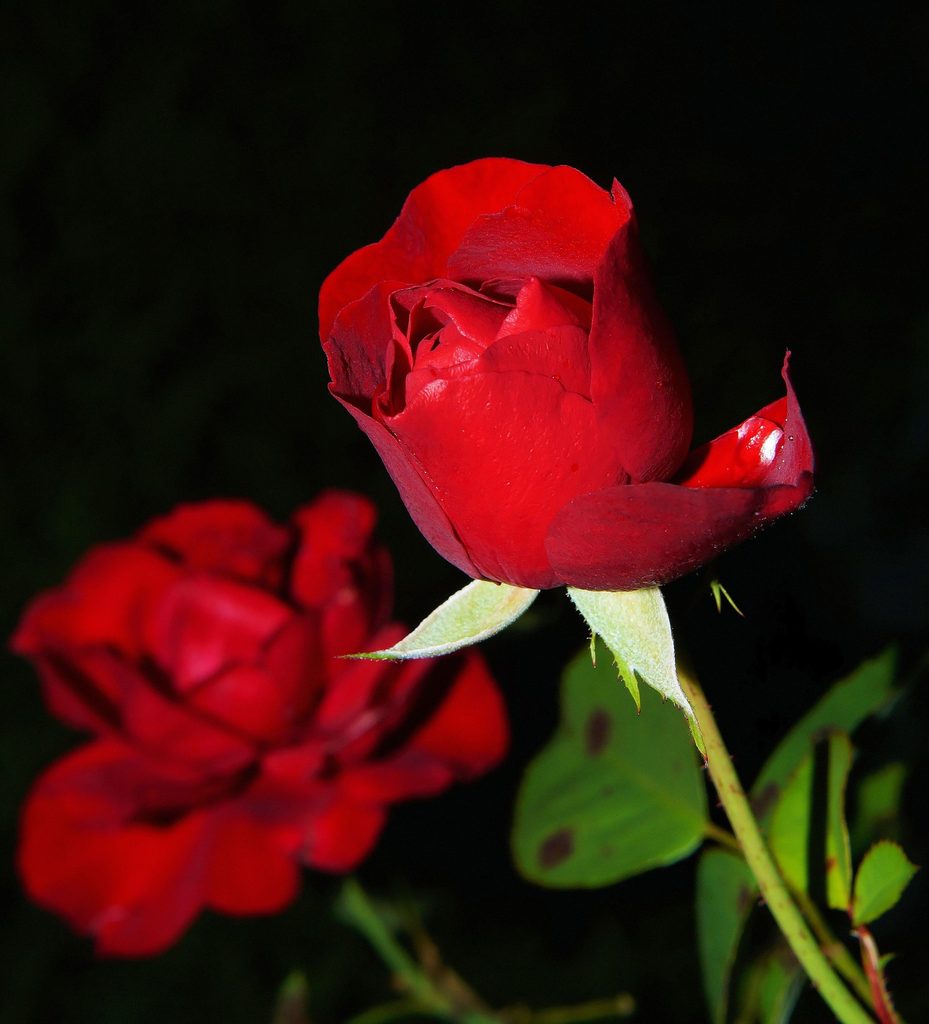
The red rose is the world’s most famous symbol of love. The Smithsonian Gardens lists the rose simply as “love” in its Victorian flower chart. In Victorian courtship, a rose could also declare devotion. Few flowers have kept their meaning for so long.
Red roses speak of deep romantic love and desire. Pink roses often show gratitude or admiration. White roses lean toward purity and new beginnings. If you want the message to be clear, choose red.
The numbers show how loved this flower is. The USDA Economic Research Service reports that the United States imported more than $800 million in fresh-cut roses in fiscal year 2022. Valentine’s Day, anniversaries and proposals are the classic moments. A single rose can be just as powerful as a dozen.
2. Red Tulip
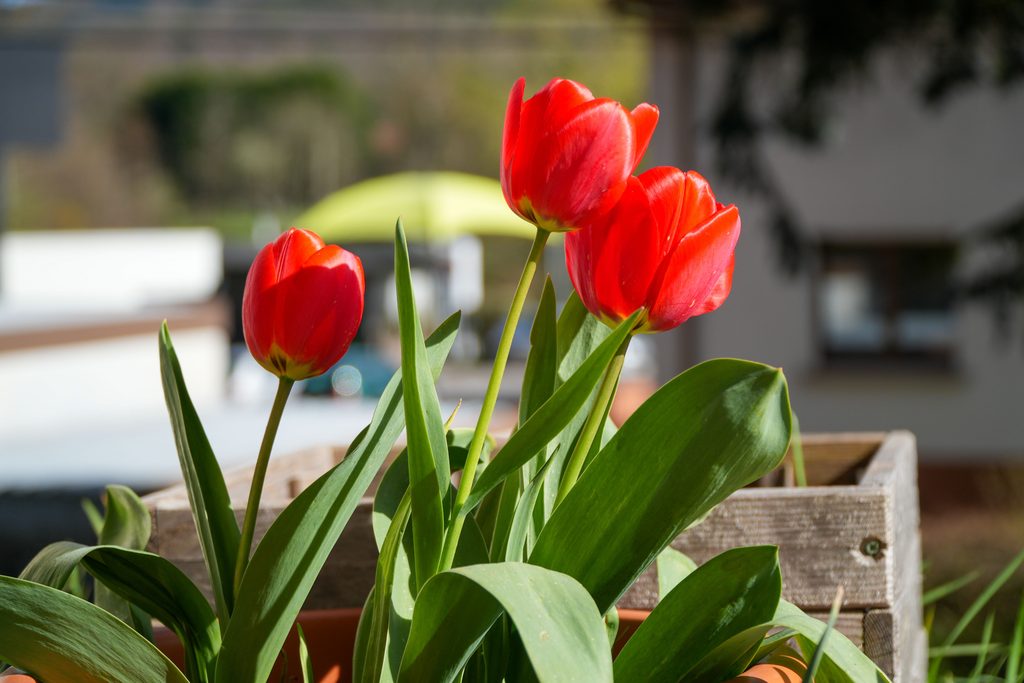
The red tulip is widely seen as a declaration of love. In the Smithsonian chart, tulips stand for passion. Many floral guides add that red tulips say “believe me” or “I love you” in a direct, honest way.
I like this flower because it feels warm but not heavy. Its simple cup shape looks fresh and hopeful. It suits people who want to say something sincere without a grand gesture.
Tulips bloom in spring, so they also carry the feeling of a new start. They are lovely for a first anniversary or a spring birthday. Keep them in cool water, and they will keep bending toward the light in your vase.
ALSO READ: 25 Flowers That Mean Friendship (With Pictures, And Meanings)
3. Peony
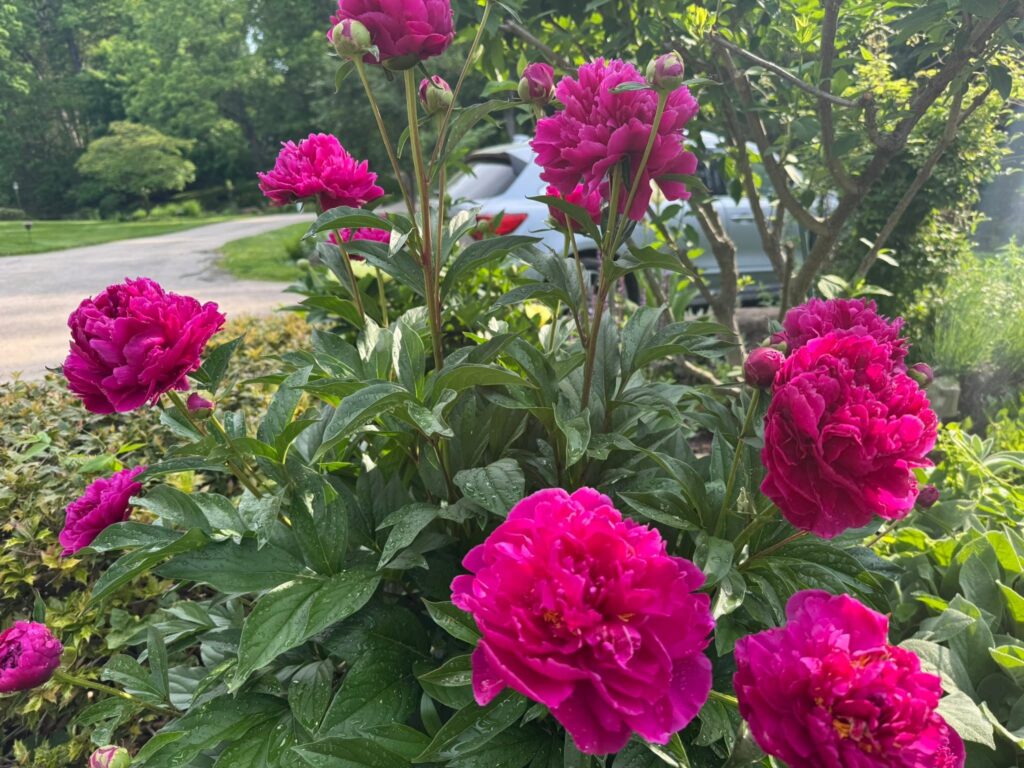
Peonies are full, soft and fragrant. Today, they are linked with romance, happiness and a good marriage. In Victorian guidebooks, however, the Smithsonian lists the peony as meaning “bashfulness.” Meanings do shift over time.
What makes the peony special is its lifespan. The University of Missouri Extension notes that peonies can live for years, decades or even a century when left undisturbed. The University of Arkansas Extension also says they can persist for 100 years or more.
That makes them a perfect symbol of lasting love. Many families plant them as living heirlooms. Give peonies for a wedding, a long anniversary, or any moment that celebrates a love built to last.
4. Carnation
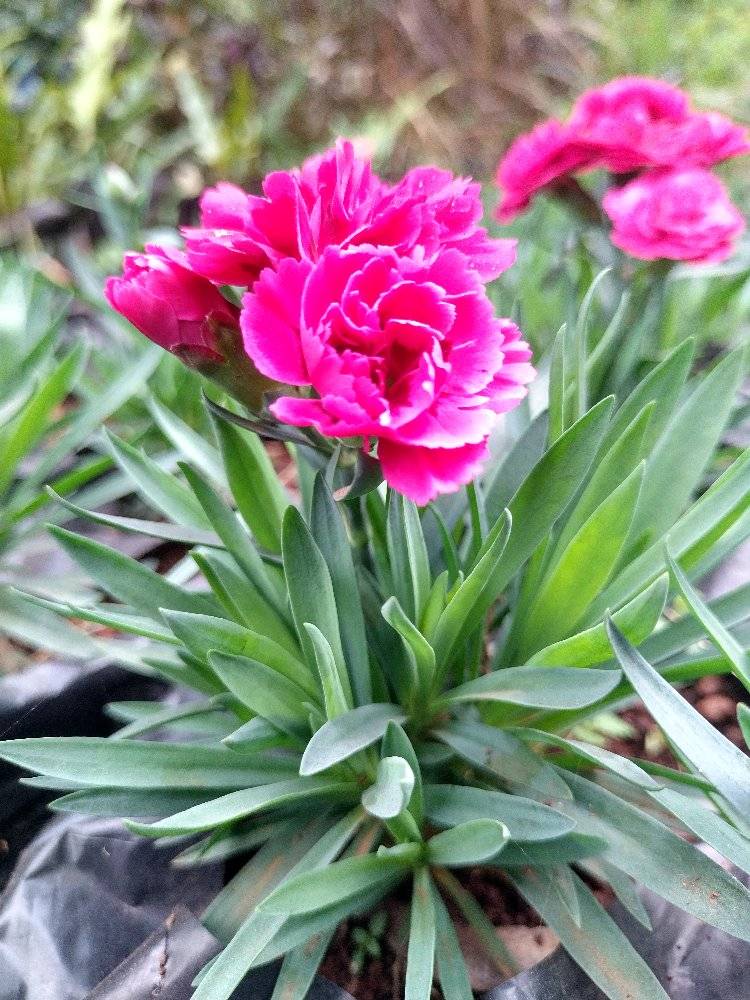
The carnation is a humble flower with a strong message. Red carnations are often seen as a sign of deep love and admiration. Pink carnations are closely tied to a mother’s love. Color matters here, so choose with care.
The Smithsonian points out that in Victorian times a yellow carnation could show disdain. That is a good reminder to avoid yellow if romance is your goal. Red or pink carry the warmer meaning.
Carnations are also practical. They are affordable and can last well over a week in a vase. They work well when you want to show steady, everyday affection rather than dramatic passion.
5. Orchid
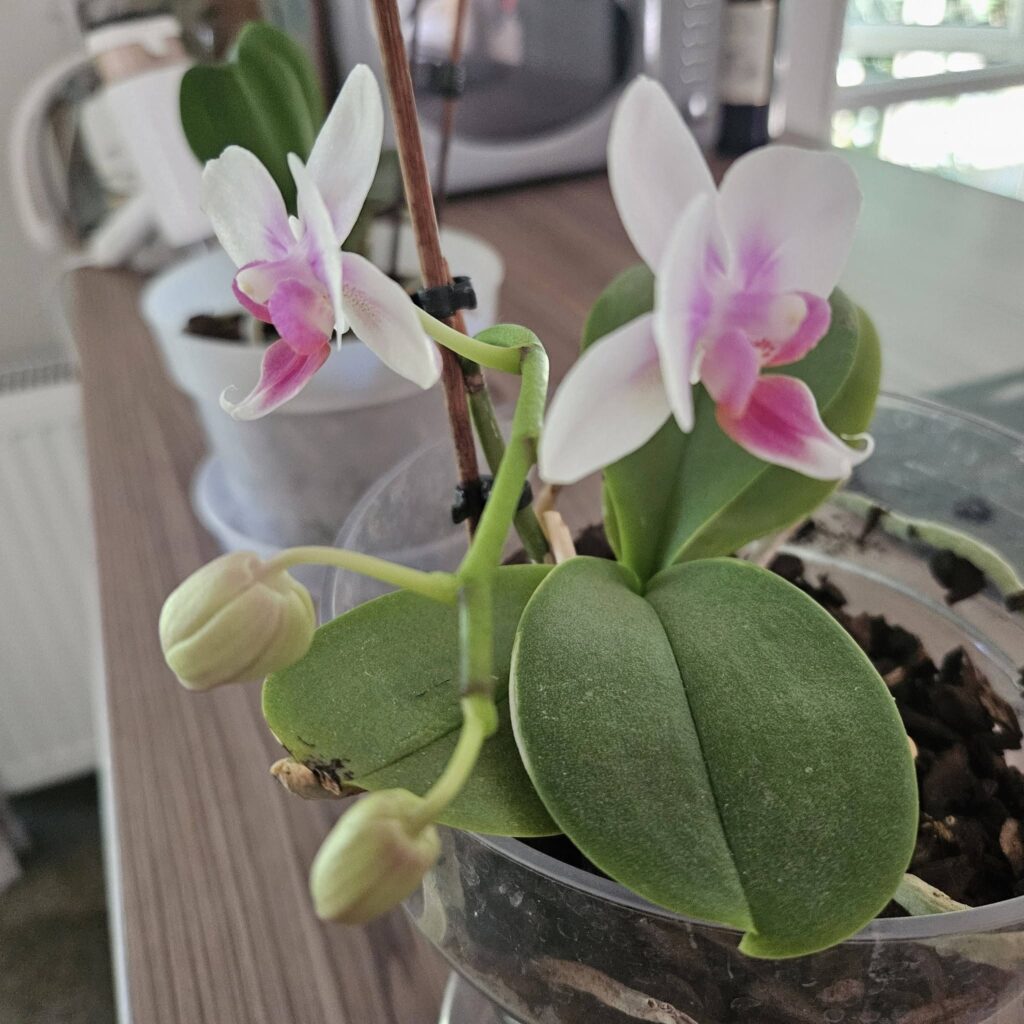
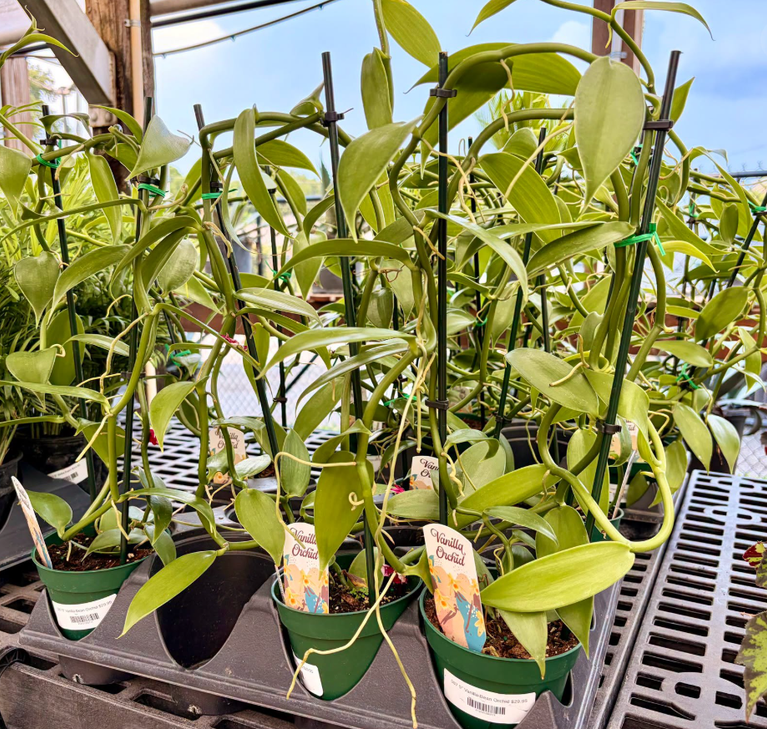
Orchids stand for love, beauty and refinement. The ancient Greeks linked orchids with fertility and strength, and that idea shaped how the flower was seen for centuries. Today, it is a symbol of rare and luxurious affection.
The moth orchid is especially popular as a gift. It can bloom for weeks and often returns the next season with good care. That long life gives the message a quiet depth: my love lasts.
Choose an orchid when you want to say “you are precious to me.” It suits an anniversary, a housewarming for a couple, or a thoughtful gift for a partner who loves plants.
6. Lily
Lilies are often linked with devotion, purity and commitment. Stargazer lilies, with their deep pink petals, add a note of passion. White lilies lean toward sincerity and are common at weddings.
The Victorians used lilies in many sentimental messages. A rose bud, yellow lily and lilac, for example, appear together in a bouquet message held in a California State University, Northridge, collection. The note reads as a confession of first love.
A short warning from me. Lilies are toxic to cats, so avoid them if you share your home with one. Otherwise, a bunch of lilies makes a striking, fragrant gift for a partner or a new spouse.
ALSO READ: 25 Flowers That Symbolize Death (With Pictures, and Meanings)
7. Forget-Me-Not
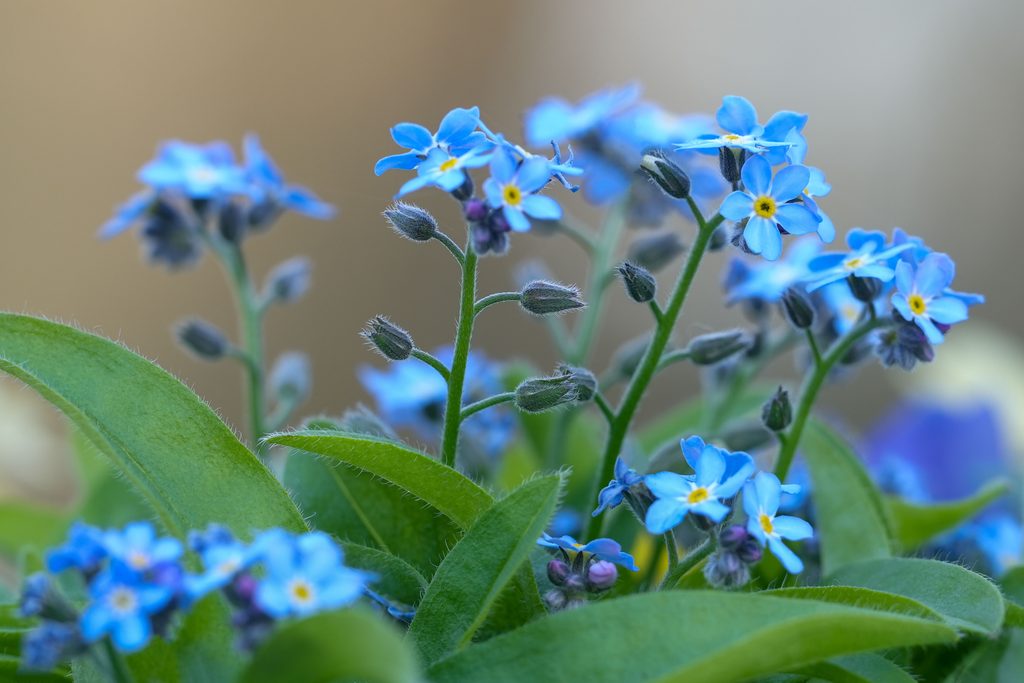
The forget-me-not has one of the clearest meanings of all. It stands for true love and faithful memory. The name itself is a promise: do not forget me.
A well-known legend tells of a knight who picked these small blue flowers for his lady and called out those words. Legends like this vary by region, but the idea stayed. The flower is now a gentle sign of loyalty across distance and time.
Give forget-me-nots to someone you will miss, or to a loved one far away. They are small and modest, yet they carry a strong emotional weight. A tiny bunch can mean more than a large bouquet.
8. Jasmine
Jasmine is known for its sweet, rich scent. It is often linked with love, sensuality and grace. In many parts of South Asia, jasmine garlands are part of wedding traditions, where they symbolize affection and good fortune.
The scent alone can change a room. Many people say it feels romantic and calming at once. That is why jasmine appears so often in perfumes, teas and evening gardens.
Use jasmine when you want to create a mood, not just send a message. A potted plant by a window, or a few cut stems in a small vase, can fill a home with quiet romance.
9. Gardenia
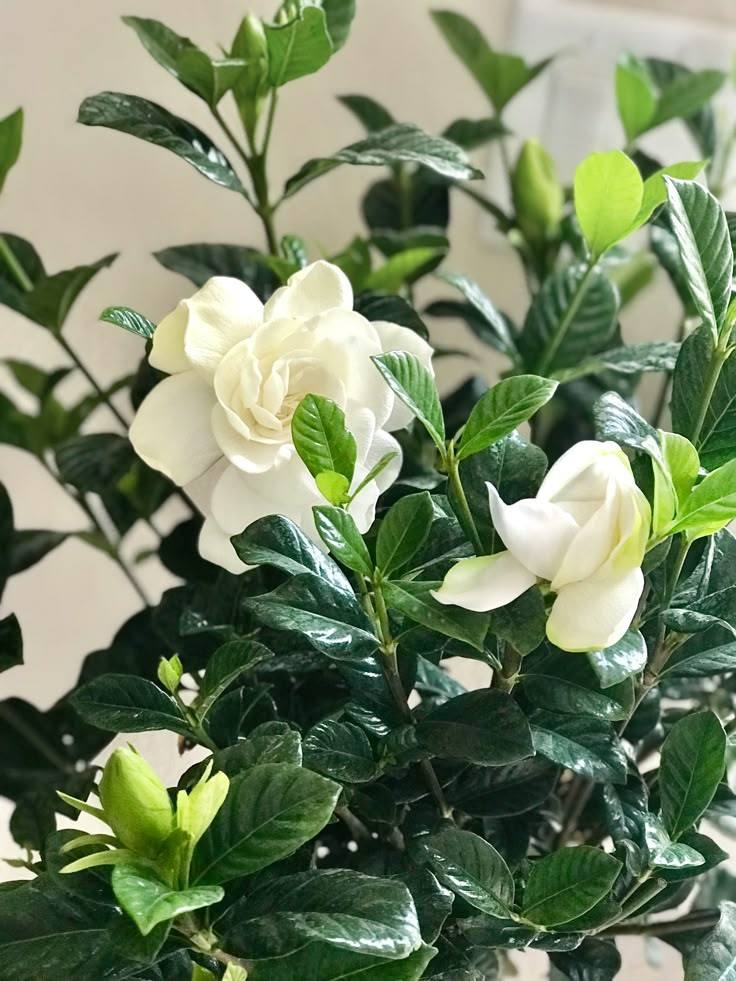
The gardenia is often called the flower of secret love. Victorian lovers used it to say “you are lovely” or to hint at feelings they could not speak aloud. Its creamy white petals and strong perfume make it unforgettable.
I think of the gardenia as the flower of a private promise. It does not shout. It lingers, much like its fragrance does after you leave a room.
Gardenias bruise easily, so handle them gently. They are a graceful choice for an intimate dinner, a wedding corsage, or a quiet confession. Their meaning suits a love that is still new.
10. Camellia
The camellia stands for admiration and deep affection. Red camellias are often read as “you are a flame in my heart.” White camellias show adoration. Pink ones suggest longing.
The flower has a long history in Asia and later became popular in Europe. Its glossy leaves and perfect, layered blooms made it a favorite in gardens and fashion alike. It looks refined without being stiff.
Give a camellia to someone you admire deeply. It works for a milestone anniversary or a heartfelt thank-you. Because it blooms in cooler months, it also brings warmth to winter celebrations.
11. Lilac
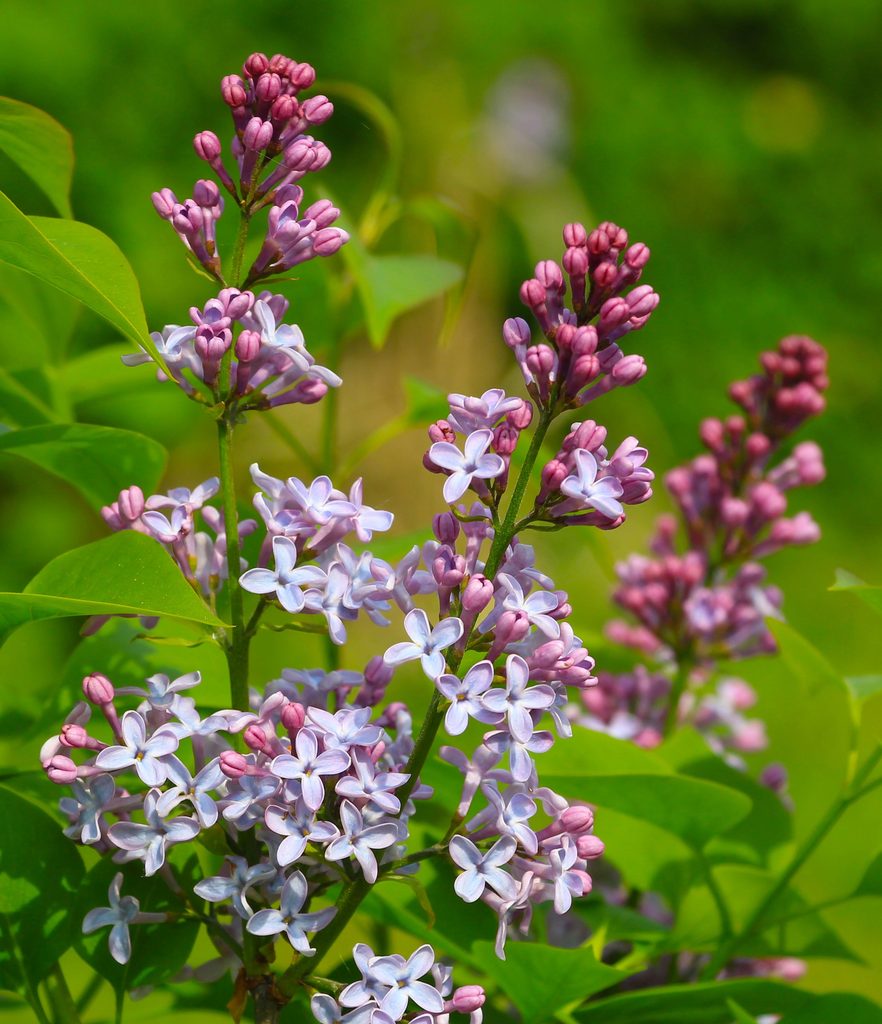
Lilacs are tied to first love. Many Victorian guides link purple lilacs with the first stirrings of romance. The sweet scent of a lilac bush in spring can bring back old memories almost instantly.
This flower suits young love, new relationships and sentimental moments. It says, “I am just beginning to feel this.” That innocence is what makes lilac so touching.
Lilacs have a short season, usually in late spring. Cut them early in the morning and place them in water at once. A simple jar of lilacs on a table can feel more romantic than an expensive arrangement.
ALSO READ: 25 Flowers That Symbolize Strength (With Pictures, and Meanings)
12. Sweet Pea
Sweet peas stand for delicate pleasure and gentle affection. Their ruffled, butterfly-like petals and honey scent make them a favorite in spring weddings. They look light and tender.
There is an interesting twist in history. In a floral dictionary held by the CSUN library, a bouquet of sweet pea and pansy carries the message, “I depart. Think on me.” So the sweet pea also speaks of a fond farewell.
That mix of joy and longing is what makes it so romantic. Give sweet peas when you want to say “thank you for the lovely time” or “I will be thinking of you.” They are best fresh and local.
13. Daisy
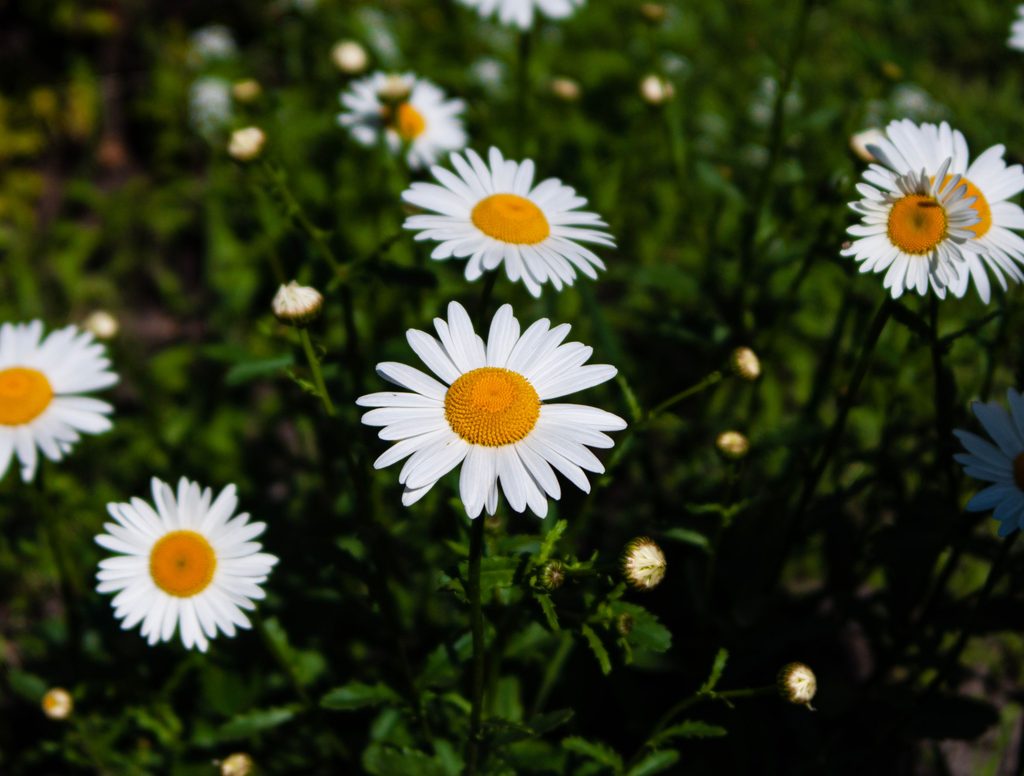
The daisy is a symbol of loyal love and innocence. Many of us played the “loves me, loves me not” game as children. That small ritual shows how deeply this flower is tied to love in our minds.
The CSUN library’s Victorian collection gives a lovely example. A bouquet of daisy, wallflower and tulip says, “Your innocence and fidelity in misfortune have caused me to declare my love for you.” The daisy brings the innocence.
Daisies are cheerful, simple and affordable. They suit a friendship that is turning into romance, or a love that values honesty above show. A handful in a mug is enough.
14. Sunflower
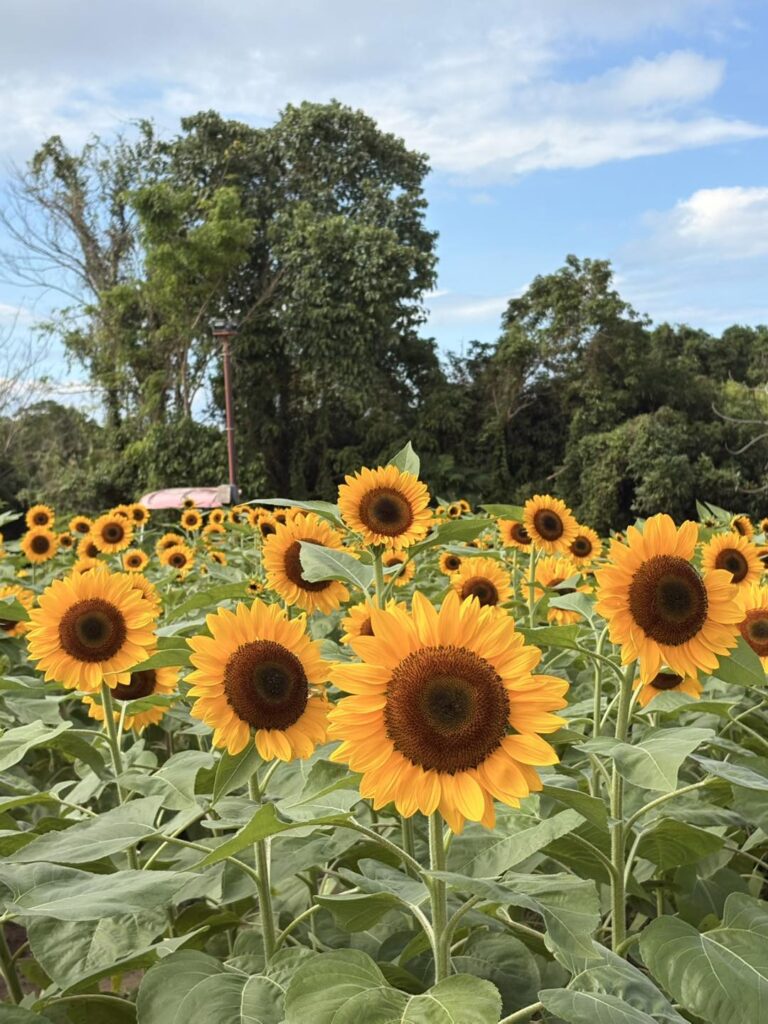
Sunflowers represent adoration and loyalty. Their bright faces seem to follow the sun, which makes them a natural symbol of devotion. The message is simple: you are my sunshine.
Young sunflower buds do turn to face the sun during the day. This real habit helps explain why the flower became a sign of faithfulness. It is a love that keeps turning toward you.
Choose sunflowers for a warm, upbeat message. They work well for a partner who loves color and energy. They also last well in a vase, which makes them a generous gift for summer birthdays.
15. Lily of the Valley
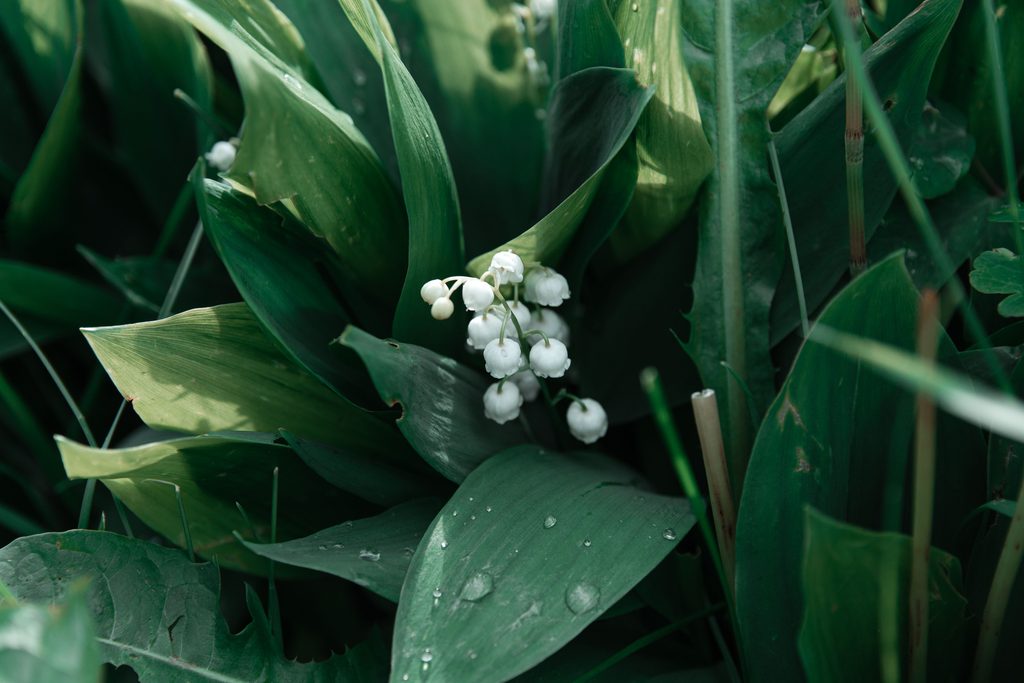
Lily of the valley is a small, sweet flower with a big emotional meaning. The Smithsonian chart lists it as purity. Many cultures also link it with happiness returning and with deep, gentle love.
In France, people give small bunches on the first of May as a good-luck token. The flower has also appeared in royal wedding bouquets, including the one carried by Catherine, Princess of Wales. This gives it a sense of grace and tradition.
Please note that every part of this plant is poisonous if eaten. Keep it away from children and pets. Used safely, it is a beautiful gift for a bride, a new couple, or a fresh start.
16. Myrtle
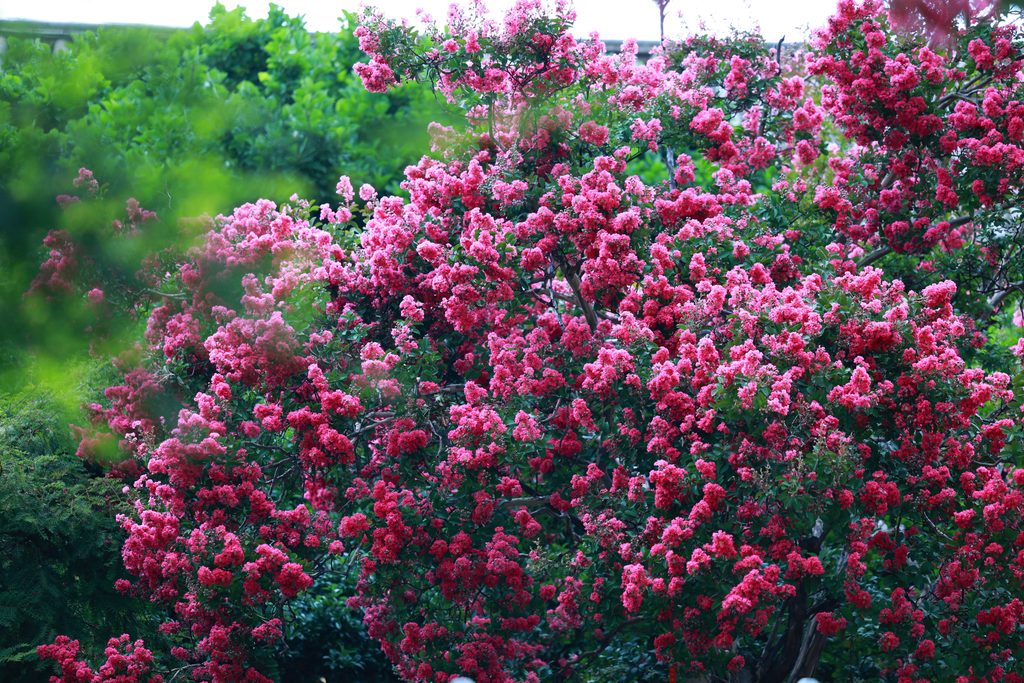
Myrtle is a quiet but powerful symbol of love in marriage. The Smithsonian lists it as meaning good luck and love in marriage. It is one of the most historic wedding plants in the Western world.
The story is well documented. In 1858, Queen Victoria’s daughter carried a sprig of myrtle from a bush grown from a cutting given to the Queen. Royal brides have included myrtle in their bouquets since. Catherine did so too, using sprigs from that same original plant.
Myrtle is a fine choice for a wedding or an engagement. You can add a small sprig to any bouquet. Its green leaves and tiny white flowers add meaning without adding bulk.
17. Purple Violet
The purple violet carries a very direct message. The Smithsonian lists it as meaning that the giver’s thoughts are occupied with love for the recipient. In other words: I cannot stop thinking about you.
Color changes the message. The same source says a white violet means innocence. A University of California quiz on Victorian flower meanings also links the violet with faithfulness. Both ideas fit a love that is steady and sincere.
Violets are small and shy, so give them in a tiny posy or as a potted plant. They are a charming gift for early romance. They say what you feel without any pressure.
ALSO READ: 25 Flowers That Symbolize Hope and Courage (With Ways to Use Them)
18. Freesia
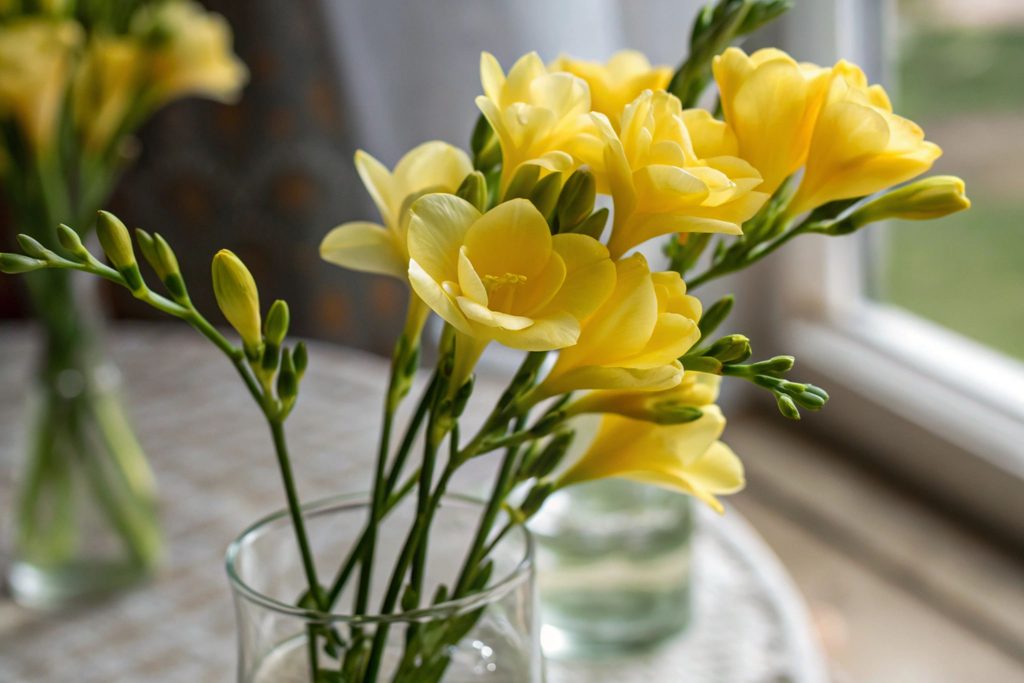
Freesias are known for their sweet, citrusy scent. They are often linked with trust, thoughtfulness and lasting affection. That makes them a common choice in wedding bouquets and table arrangements.
The flower is named after Friedrich Freese, a German physician. Its tubular blooms open along a gently curved stem. This creates an elegant, flowing shape that looks lovely on its own.
Give freesias to show that you trust and value someone. They work well for relationships built on friendship first. They also suit a gentle anniversary gift, especially when you want a lovely fragrance in the room.
19. Ranunculus
Ranunculus has layers of thin, silky petals that look almost like paper. The flower stands for charm and attraction. An 1884 flower dictionary held by the CSUN library says a ranunculus tells the receiver that they are “radiant with charms.”
That message is a compliment, and it is a romantic one. You are not only saying “I love you.” You are also saying “you are wonderful to look at and to know.”
Ranunculus is popular in spring and wedding bouquets. It comes in soft pinks, bold reds, whites and yellows. For a romantic message, pick pink, red or white. Cut the stems at an angle and change the water often.
20. Apple Blossom
Apple blossom stands for preference and hope. In the Smithsonian’s Victorian chart, a suitor who offered an apple blossom was showing that he preferred the recipient above others. It is a gentle way of saying “I choose you.”
The flower is also a symbol of spring and new beginnings. Its pale pink and white petals look delicate and fresh. A branch of blossom in a tall vase can brighten a whole room.
Choose apple blossom for a new relationship, or for an engagement. It also fits a spring wedding. The message is humble yet clear: out of everyone, you are my choice.
21. Alstroemeria
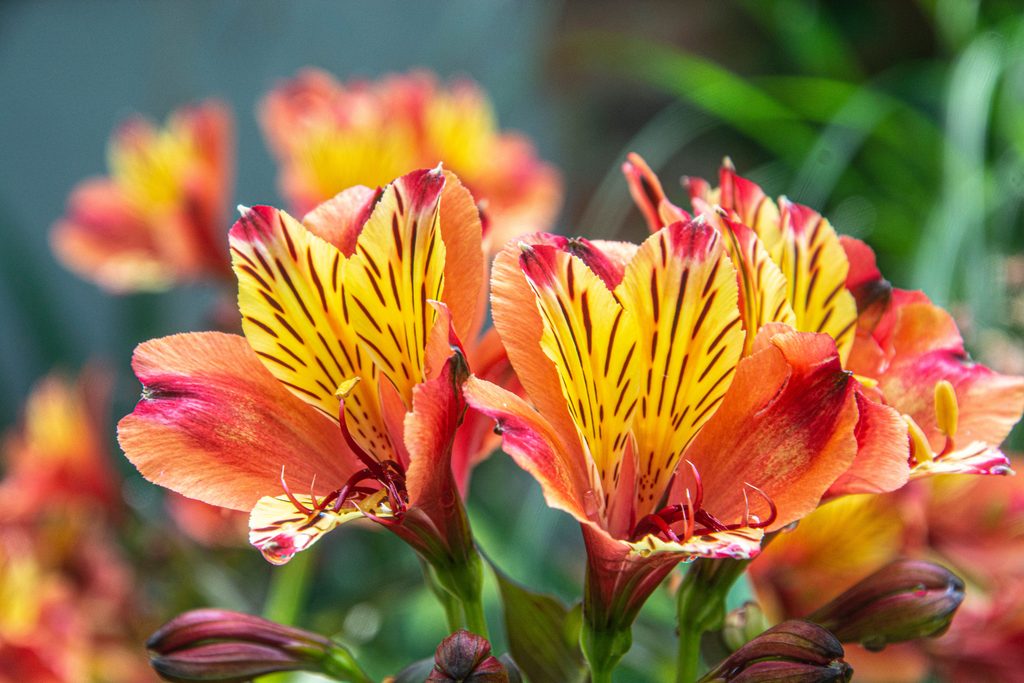
Alstroemeria, also called the Peruvian lily, stands for devotion, support and lasting friendship. It is often given to show that love rests on mutual care. The flower is named after the Swedish baron Clas Alströmer.
Each stem carries many blooms with striped, speckled petals. The color range is wide, from soft pink to deep red. These flowers also tend to last a long time in the vase.
I like to recommend alstroemeria for long relationships. It says “I stand by you.” It is a thoughtful gift for a spouse after a hard season, or for a partner you want to thank for steady support.
22. Honeysuckle
Honeysuckle is linked with devoted affection and the bonds of love. Its twining vines wrap around anything they touch. This is why the plant became a sign of two lives growing together.
The flowers are also sweet. Many people remember tasting a drop of nectar from a honeysuckle bloom as a child. That memory adds a layer of tenderness to its meaning.
Use honeysuckle in a garden near a gate or a bench. Check your local rules first, because some honeysuckle species are invasive in certain regions. In a vase, a few stems bring a lovely scent and a sense of natural romance.
23. Bleeding Heart
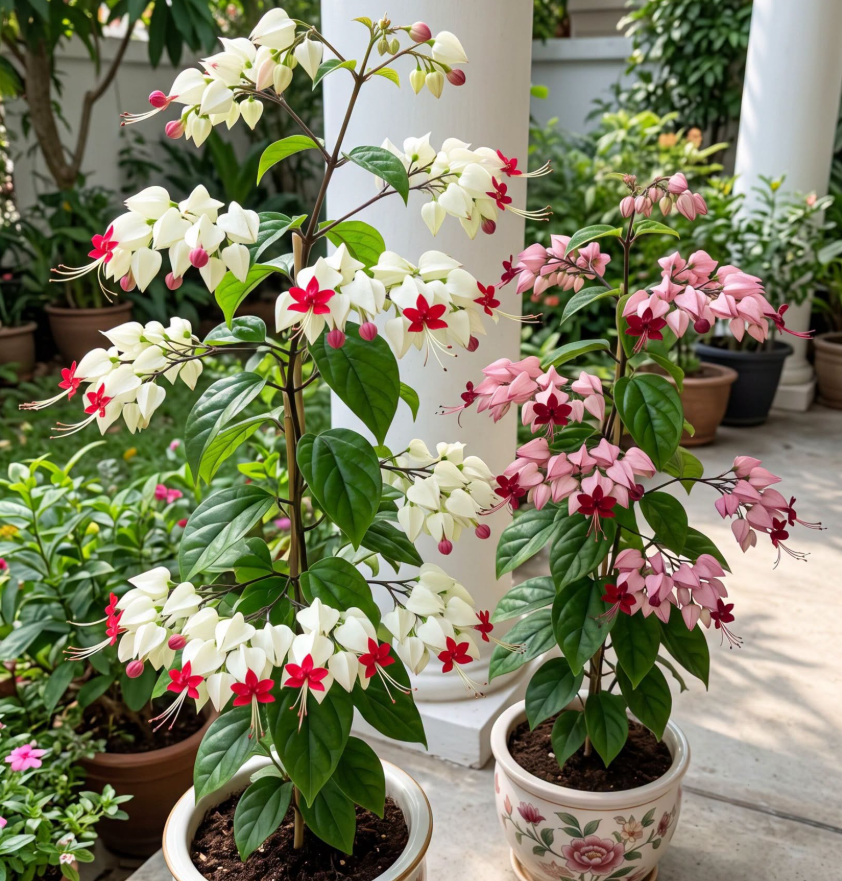
The bleeding heart is hard to forget. Its pink, heart-shaped blooms hang from arching stems like small lockets. The flower stands for romantic longing, compassion and a tender heart.
Some people see the shape as a sign of love that risks being hurt. Others see it as a sign of a generous heart. Both readings are true, and both are very human.
This is mostly a garden flower, and it looks beautiful in a shaded spring border. Plant one for someone who loves gardens. It makes a thoughtful gift for a new home, and it returns each year.
24. Red Chrysanthemum
Red chrysanthemums are known in many floral guides as a sign of love. In Victorian flower language, the red chrysanthemum often meant “I love.” The flower is bold, full and long lasting.
Culture matters a great deal with this one. In some European countries, including France and Italy, chrysanthemums are tied to funerals and remembrance. In parts of Asia, they carry very positive meanings. Know your audience before you give them.
When the cultural context fits, red chrysanthemums make a strong, loyal gift. They stay fresh for a long time. That makes them a good pick when you want the message to last well beyond the day you give it.
25. Stephanotis
Stephanotis is a classic bridal flower. It stands for marital happiness and a bright future together. Its waxy white stars and sweet scent make it a long-time favorite in wedding bouquets.
The plant is a climbing vine native to Madagascar, and it is sometimes called Madagascar jasmine. It grows well in a warm indoor space with good light. Because it is a plant as well as a flower, it can become a lasting memory of the day.
Give stephanotis to a bride or a couple starting life together. A small spray in a bouquet or a boutonniere carries the message. Few flowers say “happily ever after” as clearly.
Why Flowers Became the Language of Love
People have given flowers as symbols for thousands of years. The practice became a true art in the Victorian era. According to the University of California Agriculture and Natural Resources, the first “flower dictionary” was written in Paris in 1818. Books like it soon spread across England and the United States.
The Smithsonian Gardens explains that feelings that could not be spoken in public could be shared through flowers. Nearly every Victorian home owned a guidebook on the “language of flowers.” This practice is called floriography.
Science also supports what many of us feel. A 10-month Rutgers University study of 147 women found that all participants showed a genuine smile when they received flowers. The women also reported feeling less anxious and more connected to family and friends.
The market shows the same story. The University of Illinois reports that cut flowers sold in the United States were worth about $2.3 billion in 2023. Roses lead the way. Imported roses alone reached about $1 billion in 2024.
One important note before we begin. Meanings change with culture, color and time. Treat this list as a guide, not a rulebook. The best message is always the one you add yourself.
How to Choose the Right Flower for Love
Start with the stage of your relationship. For new love, consider lilacs, violets or apple blossom. For passion, choose red roses, red tulips or camellias. For long-term devotion, peonies, alstroemeria and myrtle are strong choices.
Next, think about color. Red usually speaks of romance and desire. Pink often shows admiration and gratitude. White suggests purity and sincerity. Yellow can be cheerful, but it carried a cooler meaning for some Victorians, so use it with care.
Finally, think about the person. Does she love fragrance? Choose jasmine or freesia. Does he prefer plants to cut flowers? A potted orchid is a better gift. Safety matters too, so check for pets and children before you buy lilies or lily of the valley.
Where Do Love Flowers Come From?
Many people are surprised to learn how far their flowers travel. The University of Illinois reports that nearly 80% of the value of cut flowers sold in the United States comes from imports. More than 60% of those imports come from Colombia, and about 25% come from Ecuador.
The USDA Economic Research Service adds that the United States imported nearly $3.3 billion in cut flowers, plants and nursery stock from 81 countries in fiscal year 2022. Your bouquet may have crossed several borders before it reached you.
If you can, ask your florist where the flowers were grown. Seasonal and local blooms often last longer and carry a smaller travel cost. Either way, the care you put into choosing them matters most.
Frequently Asked Questions
What is the number one flower that means love? The red rose is the best-known symbol of love and romance. It has kept this meaning for centuries and appears in the Smithsonian’s Victorian flower chart as the flower of love.
Which flower means true love? Forget-me-nots are widely linked with true love and faithful memory. Red tulips and daisies are also often tied to sincere, loyal love.
What flower means everlasting love? Peonies are a strong symbol of lasting love because they can live for decades. University extension sources report that some plantings last 100 years or more.
What flower means secret love? The gardenia is traditionally seen as the flower of secret love. Its strong scent and creamy white petals make it a quiet, intimate gift.
Do flower meanings differ by culture? Yes. Chrysanthemums show this well. They can mean love in some places and mourning in others. Always check the local tradition if the flower is for someone from a different background.
Final Thoughts
The best flower for love is the one that fits your story. A red rose can say “I desire you.” A forget-me-not can say “I will never forget you.” A sprig of myrtle can say “let us build a life together.”
I find the quiet flowers often move people the most. A small posy of violets or a jar of sweet peas can feel more personal than a large, costly bouquet. It shows that you thought about the meaning, not just the price.
Choose with care, add a short handwritten note, and let the flower do the rest. Love has always found its way through petals and leaves. Now you know how to help it along.
References
- Smithsonian Gardens. The Language of Flowers (activity packet). https://gardens.si.edu/wp-content/uploads/2020/05/SIGardens_HistBloom_Language_of_Flowers.pdf
- California State University, Northridge, University Library. Floriography: The Language of Flowers. https://library.csun.edu/sca/peek-stacks/floriography
- University of California Agriculture and Natural Resources. The Language of Flowers (Under the Solano Sun). https://ucanr.edu/blog/under-solano-sun/article/language-flowers
- University of Missouri Extension. Peonies thrive on neglect, can live more than 100 years. https://extension.missouri.edu/news/peonies-thrive-on-neglect-can-live-more-than-100-years
- University of Arkansas System Division of Agriculture, Cooperative Extension Service. Plant of the Week: Peony. https://uaex.uada.edu/yard-garden/resource-library/plant-week/peony.aspx
- University of Illinois, farmdoc daily. Valentine’s Day and the Gains from Agricultural Trade: Cut Flowers in the US. https://farmdocdaily.illinois.edu/2025/02/valentines-day-and-the-gains-from-agricultural-trade-cut-flowers-in-the-us.html
- U.S. Department of Agriculture, Economic Research Service. U.S. imports of cut flowers and nursery products grew to $3.3 billion in 2022. https://www.ers.usda.gov/data-products/charts-of-note/106472

Tim M Dave is a gardening expert with a passion for houseplants, particularly cacti and succulents. With a degree in plant biology from the University of California, Berkeley, he has vast experience in gardening. Over the years, he has cultivated a vast collection of desert plants and learned a great deal about how to grow and care for these unique companions.