15 Common Philodendron Problems (And How To Fix Them Fast)
I’ve owned a heartleaf philodendron for years, and it’s survived more of my mistakes than I’d like to admit. Overwatering, low light, a forgotten repot — it shrugged most of it off. That’s really the plant’s reputation, and it’s earned.
Philodendrons are genuinely forgiving. In fact, university horticulturists describe them as houseplants that often thrive on neglect and outperform most other indoor plants under less-than-ideal home conditions.
But “forgiving” doesn’t mean “problem-free.” Yellow leaves, drooping stems, and pests still show up, usually because of one or two small care mistakes rather than anything serious.
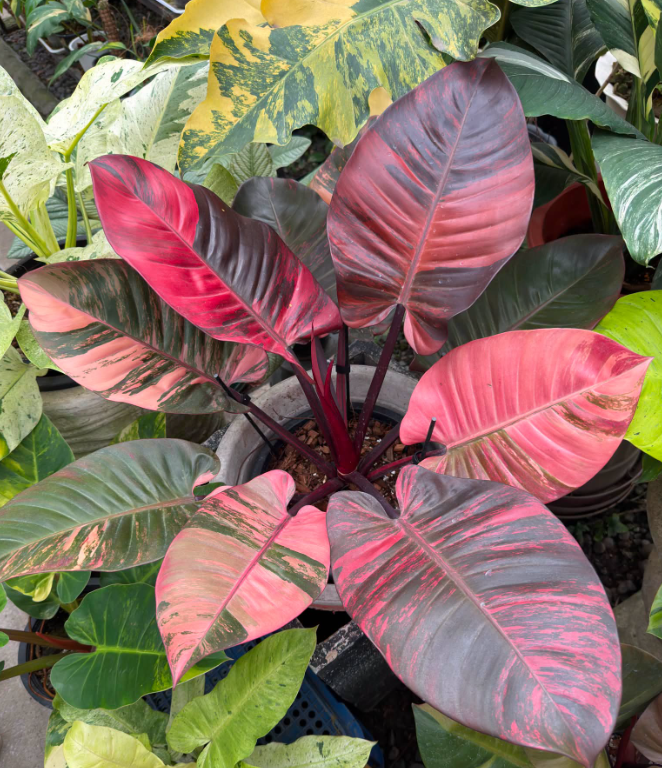
Here’s something worth knowing upfront: not everything sold as a “philodendron” actually is one. Monstera deliciosa and pothos are frequently mislabeled or confused with philodendron in stores, which explains some of the conflicting care advice online.
The genus itself is enormous. There are over 600 recognized philodendron species in the arum family alone, ranging from compact tabletop varieties to towering split-leaf types that spread twice as wide as they are tall. That diversity means care advice online can feel contradictory, when really it’s just describing different growth habits.
Broadly speaking, philodendrons split into two functional groups: vining types that climb or trail and need support, and self-heading types that grow upright from a central rosette without any support at all. Most of the problems in this guide apply to both, though a few — like aerial roots — are far more visible on vining varieties.
READ MORE: 50 Stunning Types of Philodendron (Varieties With Pictures)
I’ve found that once you understand which category your plant falls into, half the confusion disappears on its own. The rest comes down to getting light, water, and humidity roughly right.
This guide covers the 15 problems gardeners run into most often, with practical, science-backed fixes drawn from university extension research. Let’s work through them one at a time.
1. Yellowing Leaves From Overwatering
This is the single most common philodendron complaint, and for good reason. Both overwatering and underwatering will tend to make leaves droop and yellow, but overwatering is by far the more frequent culprit indoors.
How to tell: Yellowing that starts on the lower, older leaves and works upward usually means the roots are struggling to breathe in soggy soil.
The fix: Water only when the top inch of soil is dry. Always use a pot with drainage holes, and empty any saucer that collects runoff — standing water beneath the pot causes just as much damage as overwatering from above.
2. Root Rot
Left unchecked, chronic overwatering progresses into root rot, which is far more serious and can kill the plant.
Signs to check: Remove the plant from its pot. Healthy roots are white or tan and firm. Rotten roots are brown or black, soft, and often smell unpleasant.
The fix: Trim away all affected roots with a clean, sterilized blade. Repot into fresh, well-draining potting mix and a clean container. Cut back watering frequency going forward, and consider repotting every couple of years anyway, since replacing the soil periodically helps eliminate salt and chemical buildup that stresses roots over time.
Wash the old pot thoroughly with hot, soapy water before reusing it, since rot-causing pathogens can linger on plastic and terracotta surfaces. If more than half the root system is gone, expect a slow recovery period while the plant rebuilds what it lost.
I’d also add one honest note here: not every case is savable. If rot has already crept up into the main stem and turned it soft, the kindest option is often to take healthy stem cuttings and start fresh rather than fighting a losing battle with the original plant.
3. Brown, Crispy Leaf Tips
Crispy brown edges on otherwise green, healthy-looking leaves point to a handful of specific causes rather than general neglect.
Common triggers:
- Low household humidity, especially in winter
- Fluoride or chlorine buildup from tap water
- Fertilizer salt accumulation in the soil
The fix: Run a humidifier nearby or group plants together to raise local humidity. Try switching to filtered or distilled water if tips keep browning despite consistent watering. Flush the soil thoroughly with plain water every few months to clear built-up salts.
4. Drooping Or Wilting Leaves
A philodendron that suddenly looks limp and sad is sending a clear signal — something about its water balance is off in one direction or the other.
Both extremes look surprisingly similar at first glance, since a moderate amount of soil moisture is required, and philodendrons don’t tolerate big swings well.
The fix: Check the soil before assuming anything. Bone dry soil means it’s time to water thoroughly. Wet, heavy soil that’s still holding moisture from days ago means you’ve overdone it — hold off and let it dry out.
A pattern I’ve noticed: plants left slightly pot-bound tend to dry more evenly and droop less dramatically than those in oversized pots, since philodendrons do well when slightly pot-bound, as the soil dries more quickly between waterings.
5. Leggy Growth With Widely Spaced Leaves
If your philodendron looks stretched out, with long bare stems between each leaf, it’s reaching for something it isn’t getting enough of: light.
Why it happens: Poor light will reduce leaf and plant size, and it also pushes stems to stretch toward the nearest light source, a response called etiolation.
The fix: Move the plant closer to a bright window with indirect light. Rotate it every couple of weeks so growth doesn’t lean permanently to one side. Leggy stems can be trimmed back to encourage bushier new growth from lower nodes.
6. Small, Undersized Leaves
New leaves emerging noticeably smaller than older ones usually trace back to the same root cause as legginess: insufficient light.
The fix: Gradually increase light exposure over one to two weeks to avoid shocking the plant. Cultivars that are variegated can handle a bit more indirect lighting than solid green varieties, so adjust placement based on your specific type.
Consistent, moderate feeding during the growing season also supports fuller leaf size — a diluted, balanced fertilizer applied once or twice a month from spring through summer works well.
7. Leaves Turning Pale Or Bleached
While too little light shrinks leaves, too much direct sun bleaches them out and can scorch the foliage entirely.
The fix: Too much light will cause leaves to turn yellow, so if a plant near a south-facing window looks washed out, pull it back a few feet or add a sheer curtain to diffuse the intensity.
Direct, unfiltered sunlight is the real enemy here — bright but indirect light is exactly what these understory natives evolved to handle.
8. Curling Leaves
Leaves that curl inward, almost like they’re trying to protect themselves, are usually reacting to environmental stress rather than disease.
Common causes:
- Underwatering combined with low humidity
- Sudden temperature drops or cold drafts
- Overexposure to direct sunlight
The fix: Check watering first, then consider location. Philodendrons are notably sensitive to cold and drafts, so keep them away from doorways, air conditioning vents, and drafty winter windows.
9. No New Growth (Stalled Plant)
A philodendron that just sits there for months without producing a single new leaf isn’t necessarily dying — it’s often just under-lit, under-fed, or resting through a natural slow season.
The fix: Growth naturally slows in winter regardless of care quality, so reduced watering and patience are appropriate then. During spring and summer, though, stalled growth usually responds well to brighter (indirect) light and a light monthly feeding.
10. Loss Of Leaf Variegation (“Reverting”)
Variegated philodendrons occasionally throw out new leaves that are solid green instead of patterned — a frustrating but well-understood phenomenon.
Why it happens: Variegated sections of a leaf lack chlorophyll, so they photosynthesize less efficiently than solid green tissue. In lower light, the plant favors producing more green growth to survive, since green leaves generate more energy.
The fix: Increase light levels to encourage the plant to maintain variegated growth. Prune back fully reverted (solid green) stems at their base, since they tend to grow more vigorously and can eventually outcompete the variegated portions if left unchecked.
11. Mealybugs
Small, white, cottony clusters tucked into leaf joints and along stems are the calling card of mealybugs, one of the more frequent philodendron pests.
The fix: Wipe visible clusters away with a cotton swab dipped in rubbing alcohol. For broader infestations, using insecticidal soap will take care of the pests, provided you always follow label instructions closely and repeat treatment weekly for two to three weeks.
12. Spider Mites
Fine webbing between leaves, paired with tiny pale speckling on the leaf surface, signals spider mites rather than a nutrient issue.
Why they appear: Spider mites favor dry conditions, which explains why infestations spike in winter when indoor heating drops humidity levels significantly.
The fix: Rinse the plant thoroughly under lukewarm water to physically dislodge mites, then follow with insecticidal soap. Raising humidity around the plant afterward helps prevent a repeat infestation.
13. Scale Insects
Small, oval, brown bumps along stems and leaf midribs that don’t scrape off easily, often paired with a sticky residue, point to scale insects.
The fix: Scrape visible bumps off gently with a soft toothbrush or the edge of a credit card. Follow with a thorough wipe-down using 70 percent isopropyl alcohol on a cotton pad, then treat the whole plant with horticultural oil. Scale is persistent, so plan on repeating this process weekly for about three weeks to catch newly hatched insects.
14. Leaf Spot Diseases
Brown or black spots with defined rings, sometimes surrounded by a yellow halo, usually indicate a fungal or bacterial leaf spot disease rather than a watering problem.
Why it spreads: These pathogens thrive in consistently wet, poorly ventilated conditions. Leaf spots can occur but may be prevented by increased air circulation and by keeping the leaves from getting wet during watering.
The fix: Remove and discard affected leaves promptly. Water at the soil line rather than overhead, and space plants apart to improve airflow. Isolate a heavily affected plant from other houseplants while it recovers.
15. Aerial Roots Everywhere
New philodendron owners are often startled by the thick, brown, root-like growths emerging from the stem — but this is completely normal, not a sign of distress.
What they’re for: In the wild, philodendrons climb trees using aerial roots to anchor themselves and absorb extra moisture from humid air. If aerial roots form, you can simply enjoy their unique appearance, or use them to help train the plant onto a moss pole or trellis.
The fix (if you’d rather not keep them): They can be pruned off close to the main stem with clean, sharp pruners at any time. Removing aerial roots will not harm the plant in any way.
If you’re growing a vining variety and want faster, fuller climbing growth, try the opposite approach instead. Gently guide aerial roots onto a moss pole or trellis and mist the pole occasionally — the roots will anchor themselves in and the plant typically responds with noticeably larger leaves as it matures into climbing mode.
A Quick Word On Safety
One detail that surprises new owners: philodendrons contain calcium oxalate crystals and can be toxic to animals and people if ingested, causing mouth and throat irritation. Keep plants well out of reach of curious pets and small children, and wash hands after pruning or repotting.
Some people also notice mild skin irritation or contact dermatitis after handling cut stems without gloves, since the sap carries the same irritating crystals found in the leaves. This isn’t a reason to avoid the plant, but it’s worth a moment’s caution during propagation or pruning sessions.
ALSO READ: Pothos vs Philodendron: Key Differences Every Plant Owner Should Know
Fast Reference: Symptom-To-Solution Chart
| Symptom | Likely Cause | Quick Fix |
| Yellow lower leaves | Overwatering | Let soil dry, check drainage |
| Mushy, dark roots | Root rot | Trim rot, repot in fresh mix |
| Crispy brown tips | Low humidity/salts | Humidify, flush soil |
| Long bare stems | Too little light | Move to brighter spot |
| Pale, bleached leaves | Too much direct sun | Add filtered/indirect light |
| Solid green new leaves | Reverting variegation | Increase light, prune reverts |
| Cottony white clumps | Mealybugs | Alcohol swab + soap spray |
| Fine webbing on leaves | Spider mites | Rinse + raise humidity |
| Hard brown bumps | Scale | Scrub, alcohol, horticultural oil |
| Rings of dark spots | Leaf spot disease | Remove leaves, improve airflow |
Frequently Asked Questions
How often should I water a philodendron?
There’s no fixed weekly schedule that suits every home, since light, pot size, and season all change how fast soil dries. Check the top inch of soil with your finger instead, and water only when it feels dry. Expect to water less often through winter.
Why does my philodendron have both yellow and brown leaves at once?
This usually points to a watering history rather than a single cause. Yellowing often reflects recent overwatering, while crispy brown tips point to longer-term humidity or salt buildup issues. Address both separately rather than assuming one fix will solve everything.
Is it normal for a philodendron to drop lower leaves over time?
Yes, older leaves near the base naturally yellow and drop as the plant matures and redirects energy toward new growth. Frequent or sudden leaf loss across the whole plant, though, usually signals a care issue worth investigating.
Can philodendrons grow in low light?
Some varieties, particularly heartleaf philodendron, tolerate low light reasonably well. Most others, especially variegated or brightly colored cultivars, need moderate to bright indirect light to maintain healthy leaf size and coloring.
Should I mist my philodendron for humidity?
Misting offers only a brief, temporary humidity boost and does little long-term good. A humidifier, pebble tray, or grouping plants together works far better for maintaining consistent humidity around the foliage.
Final Thoughts
Nearly every philodendron problem traces back to one of three things: too much water, too little light, or low humidity. Once you identify which one is off, the fix is usually simple and the plant recovers quickly.
Check the soil before watering, keep the plant in bright but indirect light, and don’t panic over the occasional yellow leaf or stray aerial root. Philodendrons have survived worse than a missed watering — mine certainly has — and with a little attention, yours will keep producing healthy new leaves for years.
References
- South Dakota State University Extension — Philodendron: Houseplant How-To
- Iowa State University Extension and Outreach — How Do I Care For A Philodendron?
- Iowa State University Extension and Outreach — Growing Philodendrons At Home
- Penn State Extension — Philodendron Diseases
- NC State Extension Gardener Plant Toolbox — Philodendron
- University of Illinois Extension — Philodendron
- Clemson Cooperative Extension, Home & Garden Information Center — Philodendron

Tim M Dave is a gardening expert with a passion for houseplants, particularly cacti and succulents. With a degree in plant biology from the University of California, Berkeley, he has vast experience in gardening. Over the years, he has cultivated a vast collection of desert plants and learned a great deal about how to grow and care for these unique companions.