12 Common Christmas Cactus Problems (And How To Fix Them Fast)
I’ve kept a Christmas cactus on my windowsill for years, and I’ll be honest — the first one I owned nearly died twice before I figured out what it actually wanted. If your plant is drooping, dropping buds, or simply refusing to bloom, you are not alone.
These plants have a reputation for being easy. And they are, once you understand a few quirks. Most Christmas cactus problems come down to just three things: water, light, and temperature. Get those right, and the plant more or less takes care of itself.
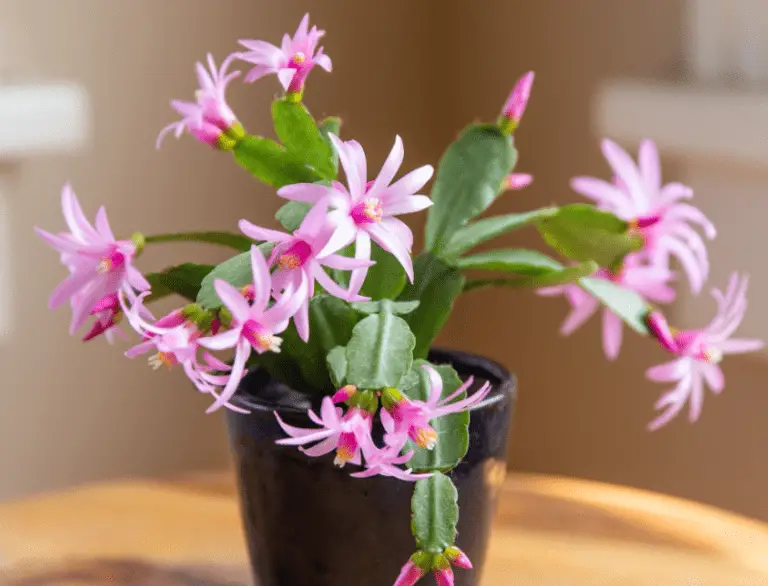
Here’s something that surprised me: true Christmas cacti (Schlumbergera × buckleyi) are actually rare in stores. Most plants sold as “Christmas cactus” are actually Thanksgiving cactus or hybrids. That mix-up alone explains a lot of the confusion around blooming times and care.
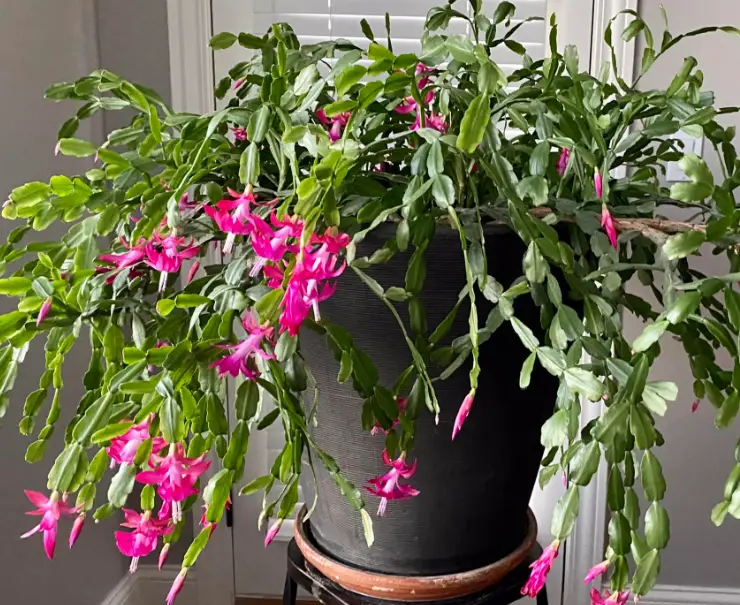
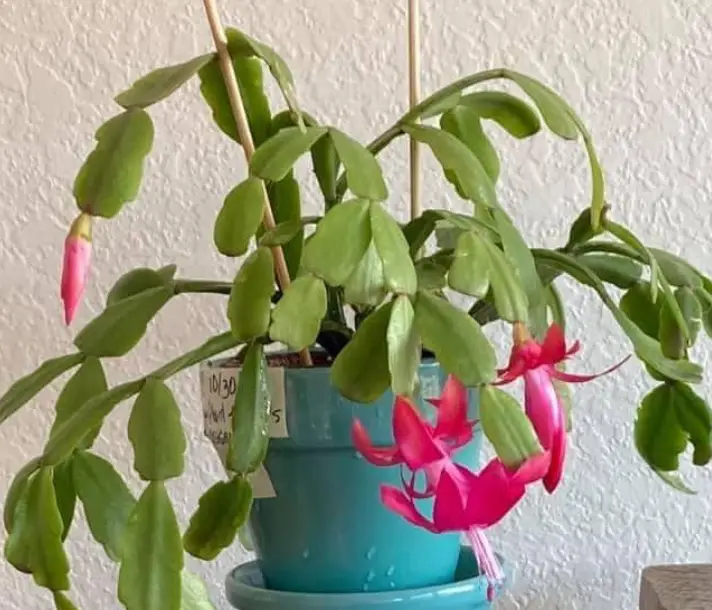
Part of the confusion also comes from the plant’s identity. Christmas, Thanksgiving, and Easter cacti all belong to the Schlumbergera family, and their care needs overlap heavily. So even if your “Christmas cactus” is technically a Thanksgiving cactus, everything in this guide still applies.
I’ve also noticed that people tend to either overwater out of love, or underwater out of fear, after hearing that it’s a “cactus.” Neither approach works well here, because this is a tropical epiphyte wearing a cactus costume, not a desert plant.
This guide walks through the 12 problems gardeners run into most, with clear, science-backed solutions. Let’s get your plant looking healthy again.
1. Root Rot From Overwatering
This is, by far, the most common killer of Christmas cactus. Root rot, or the loss of roots due to overly wet soil, is one of the most common causes of death in these plants.
Signs to watch for:
- Wilted, limp, or sagging stem segments
- A mushy base or blackened roots
- A sour smell coming from the soil
Why it happens: Christmas cacti are epiphytes. In nature, they grow in tree crotches, not soil, so their roots never sit in standing water. Pots without drainage recreate exactly the conditions they hate.
The fix: Remove the plant from its pot and check the roots. If the cactus is affected by rot, the roots will display blackened tips. Trim away any blackened or mushy roots with a clean blade.
Repot into fresh, well-draining cactus mix. Sadly, if the fungus has already established itself in the roots, it may not be possible to save the plant. Catching it early is everything.
Prevention: Only water when the top inch of soil feels dry. Always use a pot with drainage holes.
2. The Plant Won’t Bloom At All
I still remember the disappointment of a Christmas cactus that stayed green all December with no flowers in sight. This is probably the number one complaint gardeners bring to extension offices.
The real cause: Blooming is not really about fertilizer or luck. Critical factors in flower initiation are day-length and temperature, since the Christmas cactus is a short-day plant.
Christmas cacti need at least 14 hours of continuous darkness in the fall to set buds, and these long nights should start in September and continue for six weeks to complete bud set.
Here’s the part people miss: a single interruption can undo weeks of effort. If the darkness is broken for even two hours, bud set will be inhibited.
The fix: In early autumn, place the plant somewhere it gets natural daylight but zero light at night — an unused room or a closet works well. Keep it there for six to eight weeks before returning it to a display spot.
3. Flower Buds Form, Then Drop Off
Nothing stings quite like watching buds fall right before they open. This happens more often than you’d think, and it’s almost always environmental stress.
Christmas cactus bud drop may indicate a draft or sudden temperature change, and it may also signal a need for repotting or that the room temperature is too high.
Common triggers I’ve seen:
- Moving the plant while buds are forming
- Placing it near a heating vent or drafty window
- Letting soil dry out completely during bud development
Do not move the plant until flowers begin to open, as doing so sooner can cause buds to drop. Patience really does pay off here.
The fix: Once buds appear, pick one spot and leave the plant there. Keep watering consistent — not soggy, not bone dry — until flowering finishes.
4. No New Growth Or Very Slow Growth
A Christmas cactus that just sits there for months, with no fresh segments, usually isn’t sick. It’s often just under-fed or in the wrong season for growth.
The fix: Fertilize monthly from June through August using a balanced houseplant fertilizer at half strength. Growth naturally slows outside this window, and that’s completely normal.
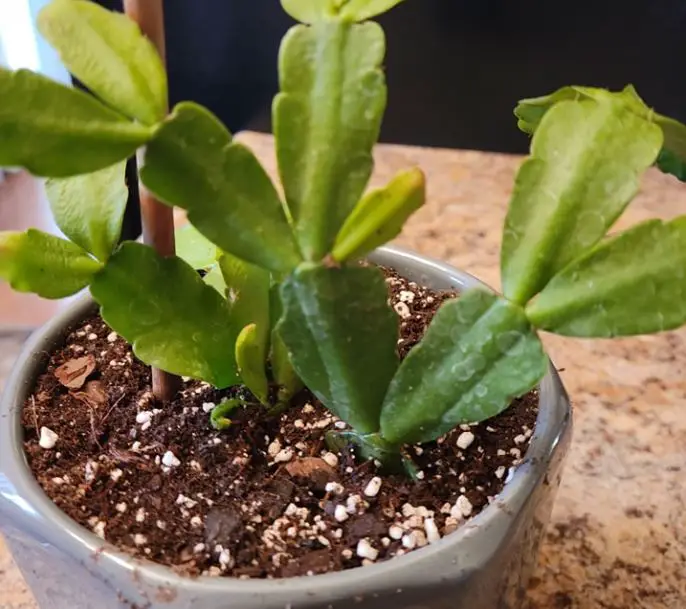
If the plant is severely pot-bound with roots circling tightly, growth can stall too. Interestingly though, Christmas cacti actually grow better when they are somewhat “pot bound,” meaning the container and root system are close in size. Don’t rush to repot every year.
A small tip that helped mine: Christmas cacti benefit from extra magnesium — mixing one teaspoon of Epsom salts per gallon of water, applied every other watering, supports healthier growth.
Stop fertilizing once flower buds begin forming in late summer or early fall, and only resume once flowering has finished. Feeding during bud development can actually push the plant back into vegetative growth instead of blooming, which defeats the purpose.
Light also plays a bigger role in growth speed than most people expect. A plant tucked into a dim corner will grow noticeably slower than one in bright, filtered light, even with identical watering and feeding.
READ MORE: Christmas Cactus Not Growing? Here’s What to Do
5. Wrinkled, Shriveled, Or Limp Segments
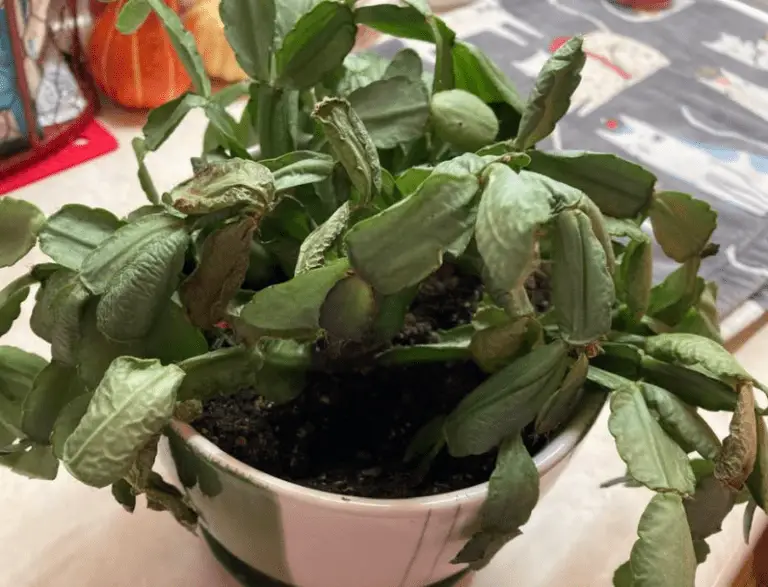
If the flat, leaf-like segments (called cladodes) start to look deflated or papery, dehydration is the usual suspect — though ironically, overwatering can cause the same look.
How to tell the difference:
- Underwatering: Soil is bone dry, segments feel thin and rubbery
- Overwatering/root damage: Soil is wet or soggy, segments feel soft and mushy
The fix: Check the soil before doing anything. If it’s dry several inches down, water thoroughly until it drains from the bottom, then let it dry out again before the next watering.
If soil is wet and segments are still shriveled, the roots have likely been damaged and can no longer absorb moisture properly. Inspect the roots as described in Problem 1.
6. Yellowing Segments
Yellow, faded-looking stem segments almost always point to a watering or light issue rather than disease.
Overwatering is the most frequent cause — soggy roots can’t function properly, so the plant starts to yellow as a stress response.
Too much direct sun is the second most common cause. These forest-dwelling plants are used to filtered light beneath a tree canopy, not blazing afternoon sun on a windowsill.
The fix: Move the plant to bright, indirect light and check that the pot drains freely. Yellowing that’s paired with fine speckling or webbing, though, points to pests — covered in Problem 9.
A less common cause is nutrient deficiency, particularly in plants that haven’t been repotted or fed in several years. Old, depleted potting mix simply runs out of nutrients over time, even without any watering mistakes on your part.
If only the oldest, lowest segments are yellowing while new growth stays green, that’s often just natural aging rather than a problem worth treating.
READ MORE: Top 8 Reasons Your Christmas Cactus Is Turning Yellow (And How to Fix)
7. Leaf Drop (Segments Falling Off In Clumps)
Losing a few old segments over time is natural. Losing whole branches at once is not.
I once had a “branch” snap off and die entirely on a ten-year-old plant — the culprit turned out to be early-stage root rot that hadn’t shown up anywhere else yet.
Typical causes:
- Root rot (check roots first)
- Sudden cold exposure or drafts
- Physical damage from handling
The fix: Address the root cause using the checks in Problem 1. Snapped-off healthy segments aren’t wasted — they root easily. Simply place stem pieces in lightly moist potting soil, and after a few weeks they will root into a new plant.
8. Sunburn And Leaf Scorch
Reddish, bleached, or brown patches on segments facing a window are classic sunburn, especially after a plant is moved from indoors to a bright outdoor spot too quickly.
Why it happens: These are understory rainforest plants by nature. Holiday cacti are native to the humid, tropical, and semi-tropical mountain forests of southeastern Brazil, growing as epiphytes in tree crotches — shaded, not scorched by direct sun.
The fix: Move the plant a few feet back from intense south- or west-facing windows. If moving it outdoors for summer, transition gradually over one to two weeks, starting in full shade.
READ MORE: Reasons Christmas Cactus Leaves are Turning Red and How to Fix
9. Mealybugs
Small, white, cotton-like clumps tucked into the joints where segments meet are the telltale sign of mealybugs.
Why they show up: Overwatering a Christmas cactus is a great way to encourage a mealybug infestation, since stressed, overly moist plants are far more attractive to pests.
The fix: Mealybugs travel easily from plant to plant, especially when plants are placed in close proximity with excess moisture available. Start by rinsing the plant thoroughly under lukewarm water.
For remaining bugs, dab them directly with a cotton swab soaked in rubbing alcohol. For persistent infestations, a diluted insecticidal soap spray, repeated weekly, usually clears things up within a few weeks.
10. Spider Mites
If your cactus looks dusty, speckled, or faded and you notice fine webbing between segments, spider mites have moved in.
Why they thrive indoors: Maintaining humidity levels above 50 percent makes the environment hostile for mite reproduction — which explains why heated, dry winter homes are a prime breeding ground.
The fix: A strong, direct spray of water knocks down their numbers immediately and is completely organic. Follow up with insecticidal soap or a light neem oil application, focusing on the undersides of segments where mites hide.
Prevention: Wipe dust off the plant regularly and run a humidifier nearby during dry winter months.
11. Scale Insects
Small, brown, immobile bumps along the stems that don’t scrape off easily are scale insects, not part of the plant’s natural texture.
Scale insects feed on the flattened stems of the cactus, and severe infestations can result in yellowing, lack of growth, and plant death.
The fix: For light infestations, gently scrub off the scale or wipe with an alcohol-soaked cotton swab. Severely infested plants may need a soil-drench treatment with a chemical insecticide, applied strictly according to the manufacturer’s directions.
Check nearby houseplants too — scale spreads quietly and quickly once established.
READ MORE: 5 common Christmas Cactus Pests and How to Manage Them
12. Fungal And Bacterial Diseases
Dark, sunken spots with concentric rings, or a sudden collapse at the base of the plant, point toward fungal disease rather than a simple care mistake.
Fusarium basal rot appears as a brown spot on stem segments, with dead tissue that develops darker, concentric rings before dropping off. These diseases spread fastest in overly wet, poorly ventilated conditions.
The fix: Remove and discard affected segments immediately using a clean, sterilized blade. Improve air circulation around the plant and cut back watering.
For a confirmed diagnosis, a local extension plant clinic can identify the exact pathogen, since certain viruses and bacterial diseases affecting Christmas cactus have to be diagnosed in a lab, as there’s no field test available.
A Quick Word On Longevity
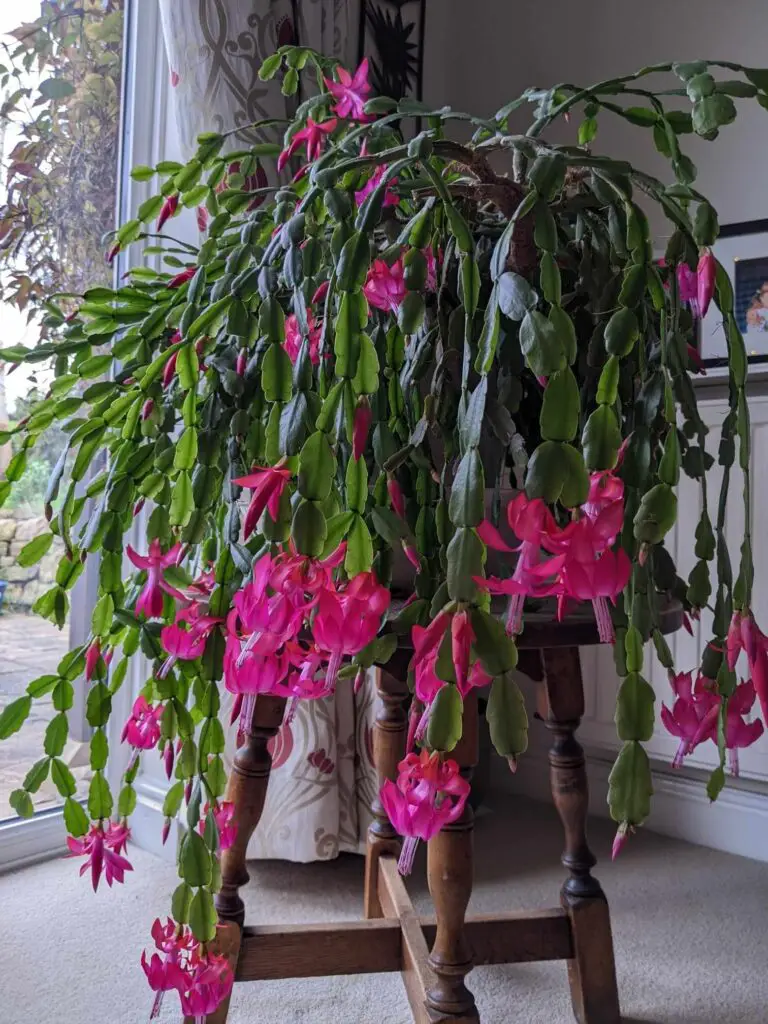
It’s worth remembering just how resilient these plants really are when properly cared for. Holiday cacti can live over 100 years and are often passed down from generation to generation. A little patience with troubleshooting genuinely pays off over decades, not just one holiday season.
Fast Reference: Symptom-To-Solution Chart
| Symptom | Likely Cause | Quick Fix |
| Mushy, black roots | Overwatering | Trim rot, repot in dry mix |
| No flowers at all | Wrong light cycle | 14 hrs darkness, 6 weeks |
| Buds falling off | Drafts, moving plant | Keep still, steady watering |
| Yellow segments | Overwatering/sun | Adjust light and drainage |
| Cottony white spots | Mealybugs | Alcohol swab + soap spray |
| Fine webbing | Spider mites | Water spray + humidity |
| Brown hard bumps | Scale | Scrub or alcohol swab |
| Dark rings on stems | Fungal disease | Remove tissue, improve airflow |
Frequently Asked Questions
How often should I water a Christmas cactus?
There’s no fixed schedule that works for every home. Instead, check the top inch of soil with your finger. Water only when it feels dry, then let the excess drain away completely. In winter, this might mean once every two to three weeks.
Why is my Christmas cactus flat and floppy instead of upright?
A naturally trailing, slightly floppy habit is normal for mature plants — that’s simply how the stems grow once they get long. But sudden, all-over limpness usually signals either dehydration or early root rot, so check the soil moisture first.
Can I put my Christmas cactus outside in summer?
Yes, and many growers find this actually improves blooming later in the year. Choose a shaded or dappled-light spot, protect it from heavy rain, and bring it back indoors well before the first frost.
Is it normal for a Christmas cactus to lose a few segments?
Occasional shedding of older, lower segments is normal as the plant matures. Frequent or sudden segment loss, especially in clumps, points to a care issue rather than natural aging.
How do I make my Christmas cactus bloom again next year?
Cool nights and true darkness are the two non-negotiables. Starting in early autumn, give the plant 12 to 14 hours of uninterrupted darkness daily for about six weeks, alongside cooler night temperatures, and buds should follow.
Final Thoughts
Every Christmas cactus problem I’ve ever run into traced back to water, light, or temperature being slightly off. The good news is that these plants are forgiving. Catch an issue early, adjust one variable at a time, and most plants bounce back within a few weeks.
Give your plant cool nights and true darkness in fall, water it only when the soil is genuinely dry, and keep an eye out for early pest signs. Do that, and you’ll likely be enjoying blooms — and passing this plant down — for years to come.
References
- Penn State Extension — Christmas Cactus Diseases
- Penn State Extension — Poinsettia and Christmas Cactus Care
- Iowa State University Extension and Outreach — My Christmas Cactus Doesn’t Bloom Well. Why?
- Iowa State University Extension and Outreach — All About Holiday Cacti
- University of Minnesota Extension — Holiday Cacti
- University of Illinois Extension — How to Identify and Care for Holiday Cacti and Get Them to Rebloom
- University of Georgia Extension (Towns/Union County) — Christmas Cactus

Tim M Dave is a gardening expert with a passion for houseplants, particularly cacti and succulents. With a degree in plant biology from the University of California, Berkeley, he has vast experience in gardening. Over the years, he has cultivated a vast collection of desert plants and learned a great deal about how to grow and care for these unique companions.