35 Flowers That Thrive in Full Sun (Tough Varieties for Hot Climates)
Every gardener has a spot they secretly dread. It might be the strip beside the driveway, the bed against a south-facing wall, or the open corner where nothing survives past June. The soil bakes, the hose never seems long enough, and the plants sulk.
I have stood in that spot more than once, holding a wilted seedling and wondering what went wrong. The answer was almost always the same: I had chosen the plant for its looks, not for its needs.
The 35 flowers below were chosen the other way around. They enjoy heat and bright light, and most will reward you with months of color.
What “Full Sun” Actually Means
Full sun is usually defined as six or more hours of direct sunlight on a typical summer day. That sounds simple, but gardens are tricky. A wall, a fence, or a neighbor’s tree can change the light hour by hour.
Before buying anything, spend one clear day watching your garden. Jot down when the sun arrives and when it leaves. Afternoon sun is far more intense than morning sun, so a bed that gets its six hours after lunch is a tougher site than one that gets them before.
With that in mind, let us start with the perennials.
Reliable Perennials That Come Back Every Year
1. Purple Coneflower (Echinacea purpurea)
Zones: 3–9 | Height: 2–4 feet | Bloom: Early summer to early fall
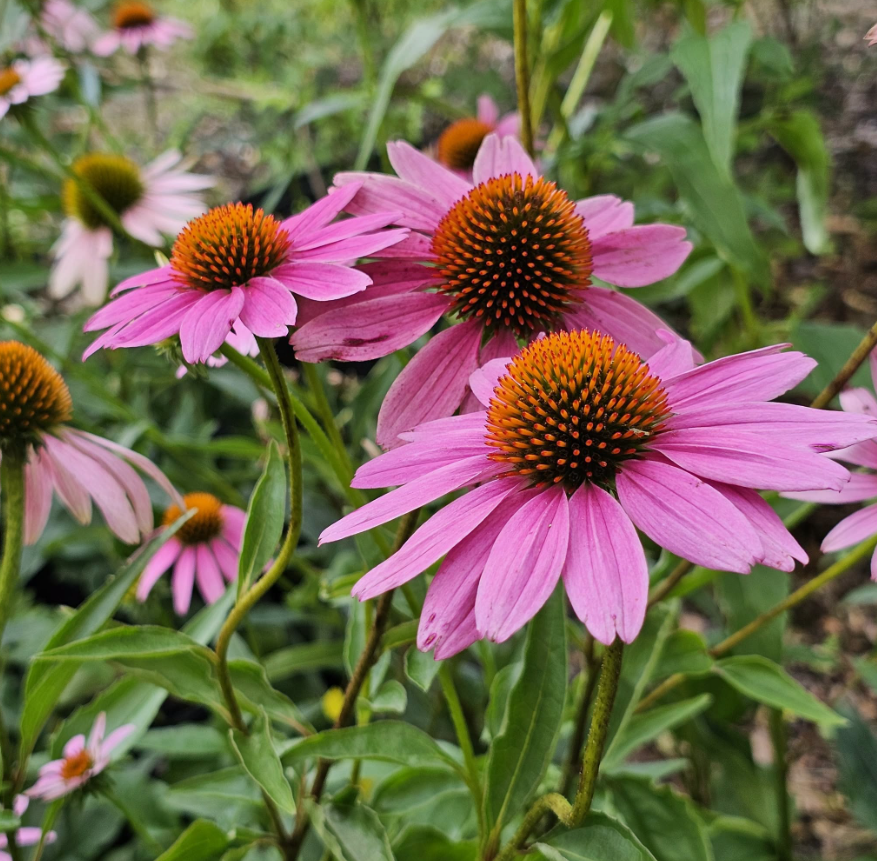
Purple coneflower is the plant I recommend first to almost every beginner. Its drooping pink petals surround a spiky, copper-orange cone that looks almost like a small pincushion. Bees, butterflies, and hoverflies visit it constantly through July and August.
It copes well with heat and dry spells once its roots settle in, usually by the second summer. Plant it in average, well-drained soil and resist the urge to pamper it. Rich, wet ground tends to make the stems weak and floppy.
Try leaving the faded flower heads standing through winter. They look striking under frost, and goldfinches love the seeds. Cut everything back in early spring, just as new leaves begin to show.
2. Black-Eyed Susan (Rudbeckia)
Zones: 3–9 | Height: 2–3 feet | Bloom: Midsummer to frost

If coneflower is the gentle neighbor, black-eyed Susan is the cheerful one who waves from the porch. Golden petals ring a dark chocolate center, and the plant keeps blooming long after other flowers have faded. ‘Goldsturm’ is a classic variety and a very dependable one.
This flower is happy in ordinary soil and shrugs off hot afternoons. Some types self-seed generously, which means you may find little seedlings in unexpected places next spring. I usually welcome them, though you can pull extras if the bed gets crowded.
Pair it with purple coneflower and a few clumps of ornamental grass. The combination looks natural, feels meadow-like, and asks for almost no work. Butterflies will thank you for it.
3. Lavender (Lavandula)
Zones: 5–9 (English types 5–8) | Height: 1–3 feet | Bloom: Early to midsummer
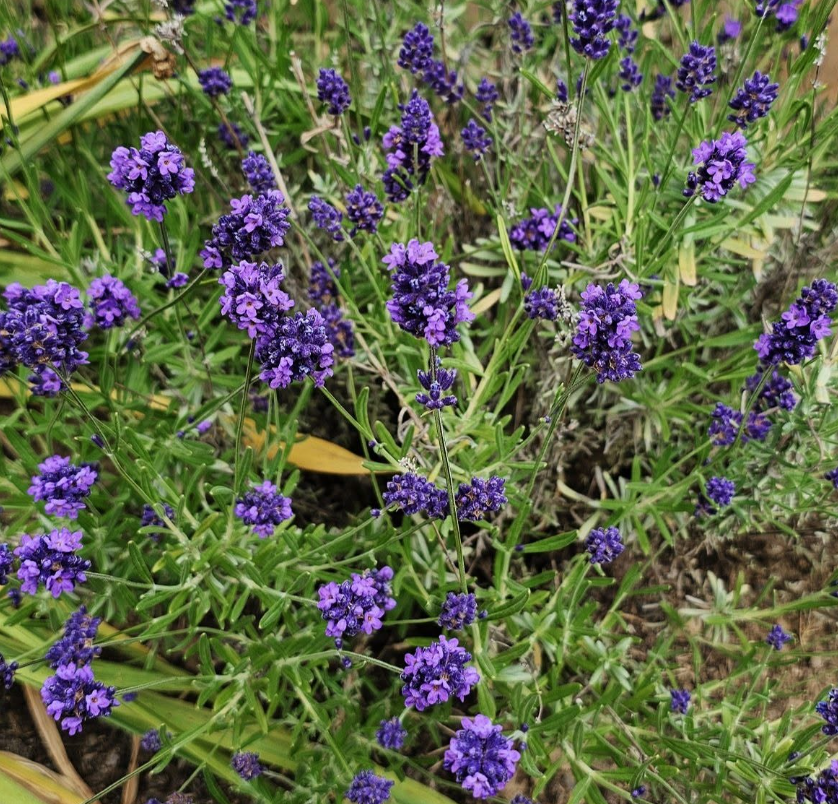
Lavender wins people over through scent before they even notice the color. On a warm afternoon, the fragrance drifts across the garden, and the bees arrive in numbers. Varieties such as ‘Munstead’ and ‘Hidcote’ stay compact and work well along paths.
The one thing lavender demands is sharp drainage. It comes from dry, rocky Mediterranean hillsides, and it rots quickly in heavy, wet clay. If your soil is stubborn, plant on a small mound or mix in coarse grit.
Prune lightly right after flowering to keep the shape tidy. Avoid cutting into old, bare wood, because it rarely sprouts again. A little restraint here will keep the plant healthy for years.
4. Russian Sage (Perovskia atriplicifolia)
Zones: 4–9 | Height: 3–5 feet | Bloom: Midsummer to fall
Russian sage creates a soft violet-blue haze that seems to float above the border. The gray-green leaves smell faintly of sage when brushed, and the stems are airy enough to let other plants show through. It is a favorite in dry, modern landscapes.
Iowa State Extension notes that Russian sage grows well in full sun and well-drained soil, and that it should be cut back to within several inches of the ground in spring. That hard pruning may feel drastic, but it keeps the plant from becoming woody and sprawling.
Give it room. A mature plant can spread well over two feet, and crowding it invites floppy growth. Set it behind shorter flowers, such as blanket flower or sedum, so the base is hidden.
5. Blanket Flower (Gaillardia)
Zones: 3–9 | Height: 1–3 feet | Bloom: Early summer to frost
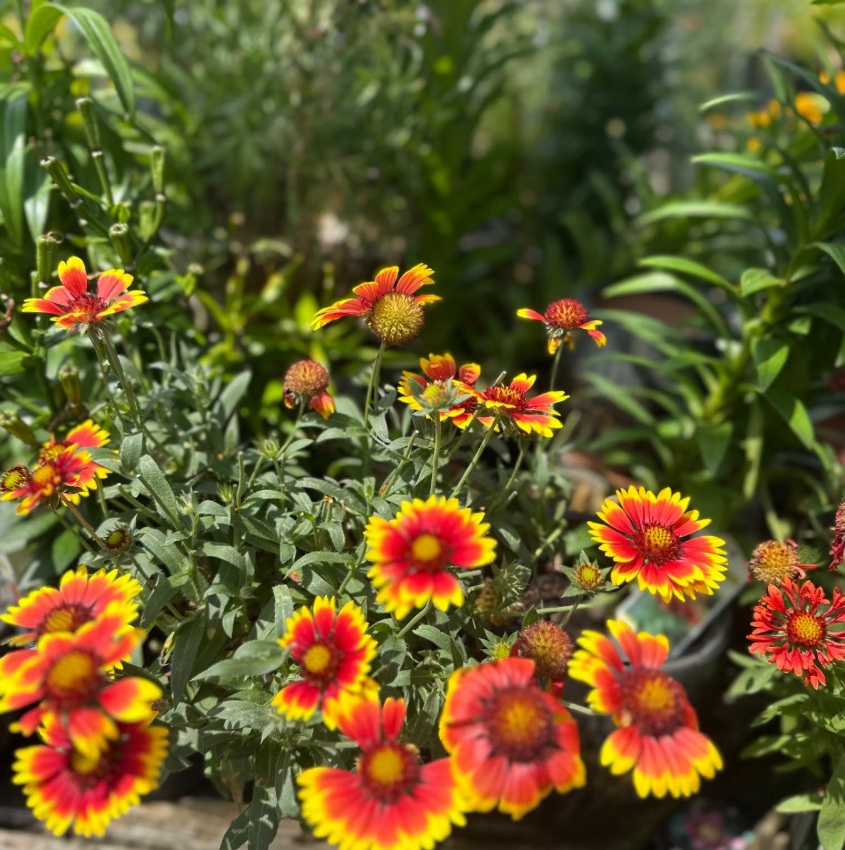
Blanket flower looks like a sunset that decided to stay in your garden. Petals shade from deep red to bright yellow, often in the same bloom. The flowers appear in early summer and keep coming for months, which is unusual for a perennial.
It actually prefers poor, sandy soil. Rich soil and heavy feeding lead to tall, weak plants that lean over. I have learned that leaving this one alone is often the best care.
Some varieties live only two or three years, but many reseed themselves. Remove spent flowers to encourage more blooms. In late fall, let a few seed heads stay for the birds.
6. Daylily (Hemerocallis)
Zones: 3–9 | Height: 1–4 feet | Bloom: Early to late summer
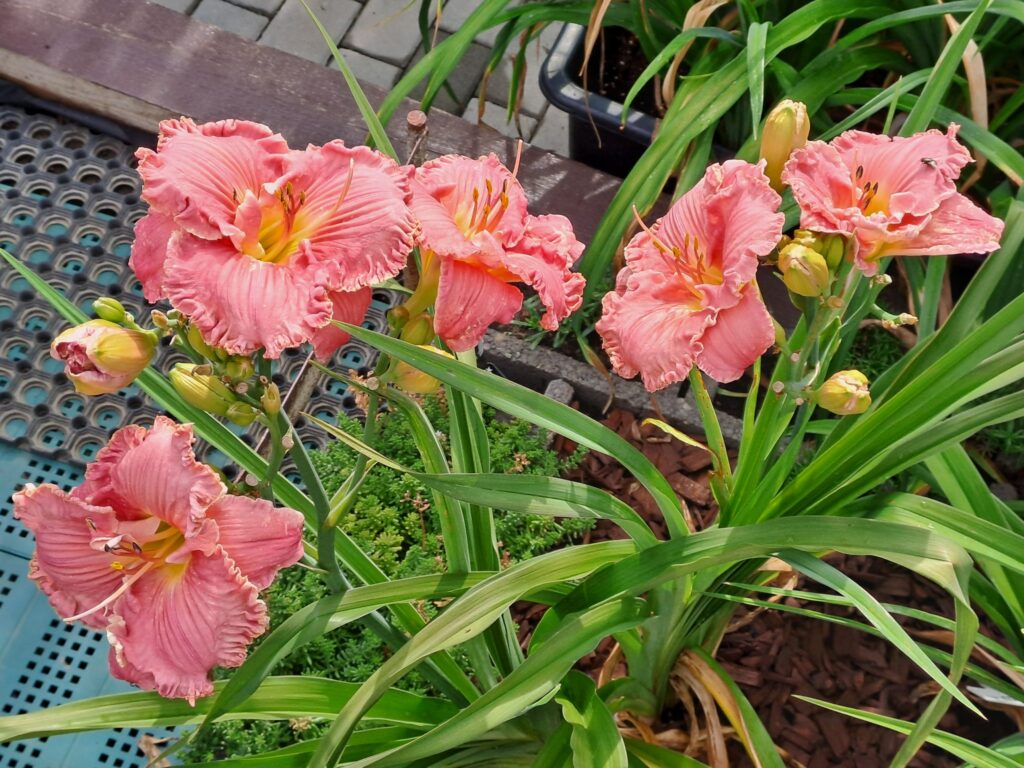
Each daylily flower lasts just a single day, but that is hardly a weakness. A healthy plant sends up dozens of buds on tall stems, so the display carries on for weeks. Colors range from butter yellow to deep burgundy, and there are countless named varieties.
These plants are famously tough. They tolerate heat, clay soil, and the occasional missed watering. While they will bloom in partial shade, six hours of sun gives the heaviest flowering.
Divide the clumps every three to five years, in early spring or after blooming. The plants stay vigorous, and you gain free divisions to share. Neighbors rarely say no to a daylily.
7. Perennial Salvia (Salvia nemorosa)
Zones: 4–8 | Height: 1–2 feet | Bloom: Late spring to midsummer
Perennial salvia sends up dense spikes of violet-blue flowers just as the spring bulbs finish. ‘May Night’ is the variety most gardeners know, and it earns its reputation. Bees work the flowers all day long.
The aromatic leaves are a bonus, since deer and rabbits generally leave them alone. Once established, the plant tolerates dry weather well. It still appreciates a deep drink during a long, hot spell.
Cut it back by half after the first flush of flowers. Within a few weeks, fresh leaves appear, and a second round of bloom often follows. It is one of the easiest ways to double your color.
ALSO READ: 25 Flowers That Look Like Bells (Details, With Pictures)
8. Yarrow (Achillea millefolium)
Zones: 3–9 | Height: 1–3 feet | Bloom: Early summer to early fall
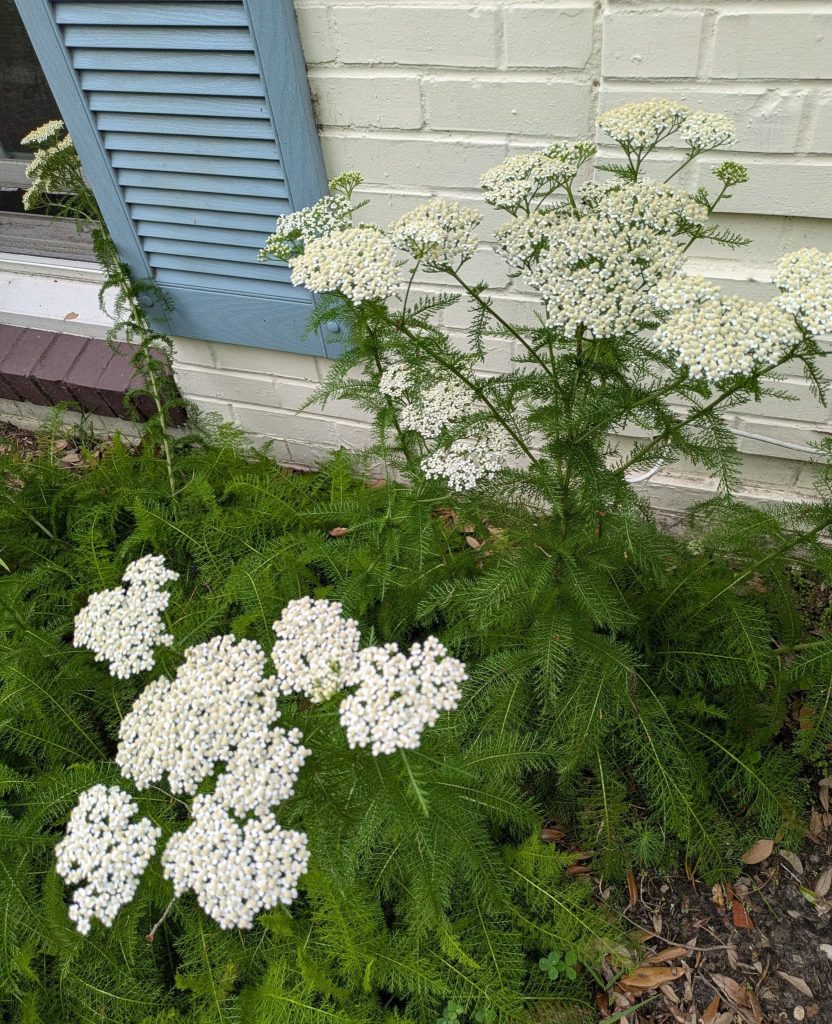
Yarrow has flat-topped flower clusters that make an ideal landing pad for butterflies. The feathery, fern-like leaves add texture even when the plant is not in bloom. Garden varieties come in yellow, pink, red, and soft apricot shades.
It grows well in poor, dry soil and can handle extreme heat. In rich soil, it tends to grow tall and lean. If your garden is fertile, choose a sturdy hybrid and skip the fertilizer.
Yarrow can spread by runners, so give it space or a clear boundary. The dried flower heads keep their color well and look lovely in indoor arrangements.
9. Coreopsis (Tickseed)
Zones: 4–9 | Height: 1–3 feet | Bloom: Early summer to early fall
Coreopsis is the flower I plant when I want lots of color for little effort. Small daisy-like blooms cover the plant in shades of yellow, gold, and even pink. ‘Zagreb’ and ‘Moonbeam’ are two dependable varieties.
According to Iowa State Extension, threadleaf coreopsis provides a light, finely textured addition to the perennial garden and grows best in a dry, full sun situation. In other words, it does not need coddling.
If the plant slows down in midsummer, shear it back by about a third. It will produce fresh growth and another wave of flowers. This small chore pays off well.
10. Sedum (Stonecrop)
Zones: 3–9 | Height: 6 inches–2 feet | Bloom: Late summer to fall
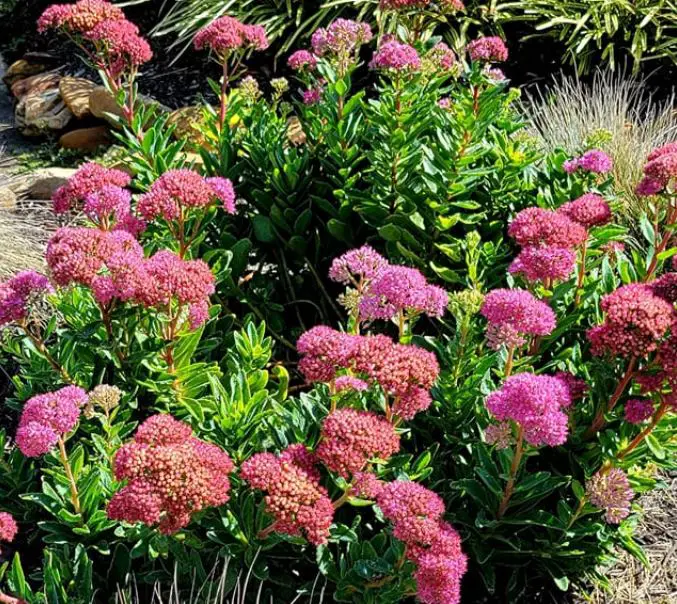
Tall sedums such as ‘Autumn Joy‘ shine when the rest of the garden is winding down. Broad pink flower heads slowly turn a deep rusty red as autumn cools. Bees seem to love them, and you can often see them working the blooms on sunny afternoons.
The thick, fleshy leaves store water, which makes sedum a natural choice for baking hot beds and dry slopes. Low-growing types are also good between stepping stones and along rock walls.
The most common mistake is too much care. Wet soil and heavy fertilizer make the stems flop open in the middle. If that happens, cut plants back by half in early summer to keep them compact.
11. Verbena
Zones: 6–9 for perennial types; grown as an annual in cooler areas | Height: 6 inches–4 feet | Bloom: Summer to frost
Verbena produces small clusters of purple, pink, or red flowers that butterflies find hard to resist. Trailing types spill gracefully from pots and over walls. Taller species, such as Verbena bonariensis, rise on thin, wiry stems above other plants.
That see-through quality makes tall verbena useful. You can place it in the middle of a border without blocking the view of shorter flowers behind it. It also reseeds gently, giving a natural, unplanned look.
Provide full sun and soil that drains well. Good air movement helps prevent powdery mildew, especially in humid climates. Trim lightly during the season to keep it tidy.
12. Gaura (Oenothera lindheimeri)
Zones: 5–9 | Height: 2–4 feet | Bloom: Late spring to fall
Gaura is often sold as “whirling butterflies,” and the name fits. Small white or pink flowers dance on slender stems, moving with the slightest breeze. It adds a sense of motion to borders that can otherwise feel stiff.
This plant is built for hot, dry weather. A long taproot allows it to find moisture deep in the soil, so it rarely needs extra water once established. Rich soil and frequent watering, on the other hand, tend to make it sprawl.
Plant it in groups of three or more for the best effect. A single plant can look lost, while a small drift feels graceful. Cut it back hard in midsummer if it becomes leggy.
13. Bee Balm (Monarda)
Zones: 3–9 | Height: 2–4 feet | Bloom: Midsummer
Bee balm has shaggy, tubular flowers in red, pink, and purple that look a bit like fireworks. Hummingbirds and bumblebees visit them all day. The leaves smell minty and can be steeped for tea.
Unlike most plants in this list, bee balm likes some moisture. It enjoys full sun, but dry soil and crowded stems often lead to powdery mildew. I have watched a struggling clump recover after being thinned and watered more often.
Choose mildew-resistant varieties, such as ‘Jacob Cline’. Space plants generously, and thin the stems in spring to improve airflow. It will spread over time, so divide clumps every few years.
14. Peony (Paeonia)
Zones: 3–8 | Height: 2–3 feet | Bloom: Late spring
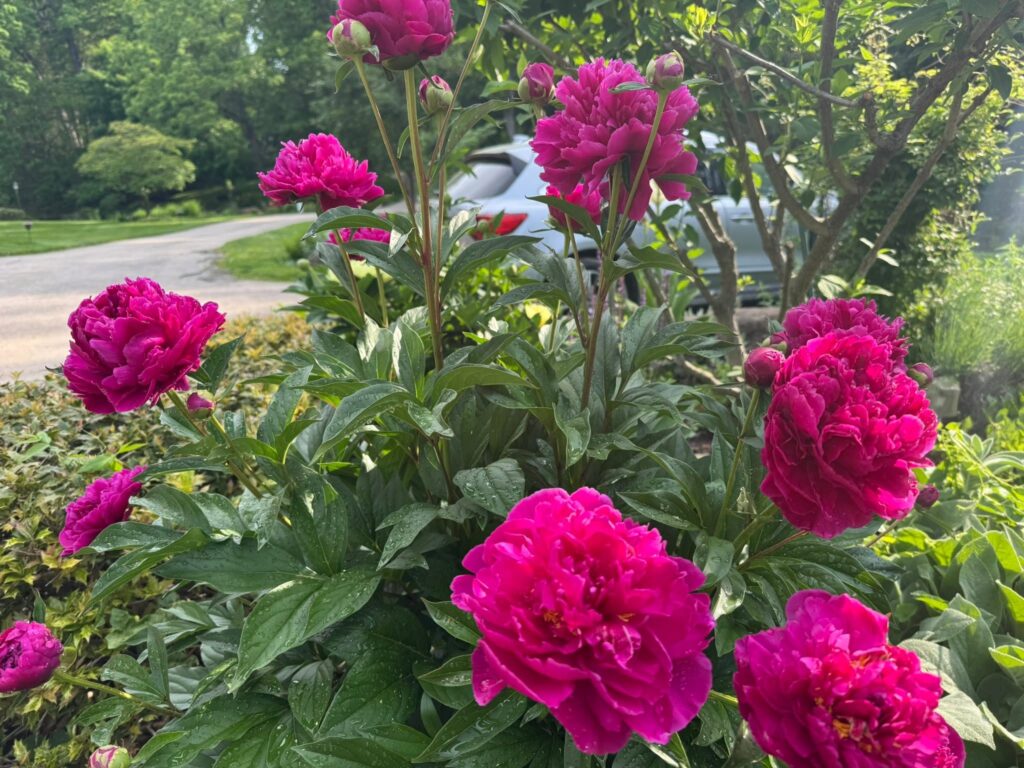
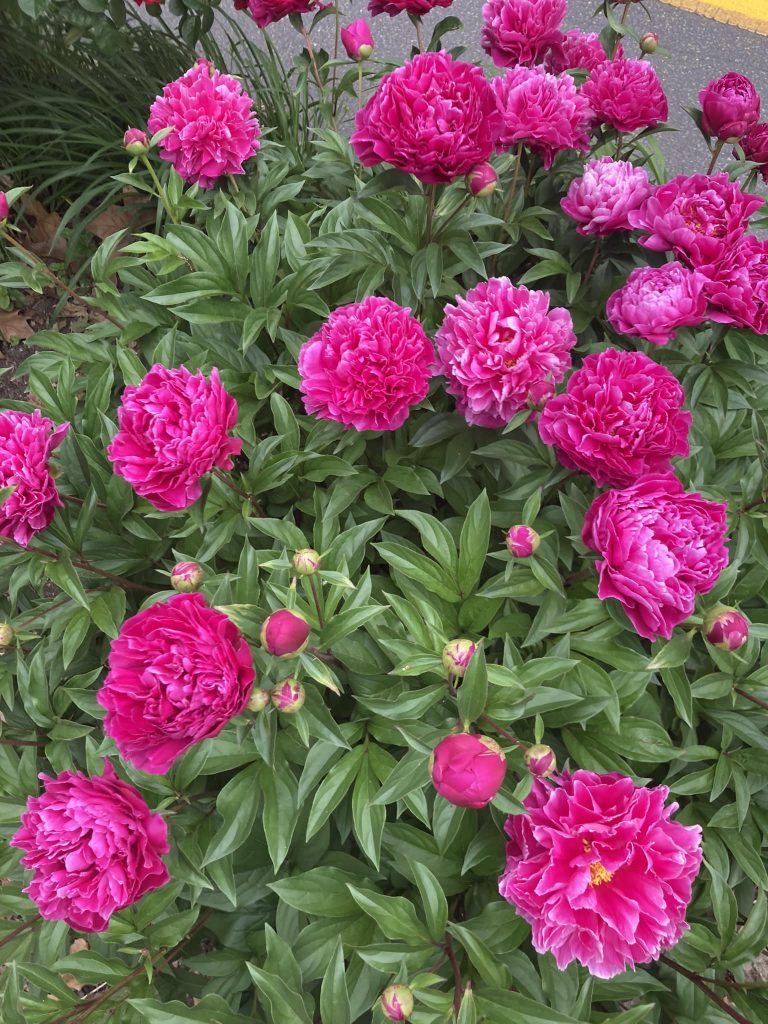
A peony in full bloom is hard to forget. The flowers are huge, ruffled, and wonderfully fragrant, and they arrive in pink, white, and deep red. Varieties like ‘Sarah Bernhardt’ have been loved by gardeners for well over a century.
Most peonies flower best with at least six hours of direct sun. Planting depth matters more than many people realize. Set the buds no more than about two inches below the soil surface, or the plant may refuse to bloom.
Patience is the price of admission. A young peony may take two or three years to flower well. After that, it can live for decades and become a true family heirloom.
15. Catmint (Nepeta)
Zones: 3–8 | Height: 1–3 feet | Bloom: Late spring to fall
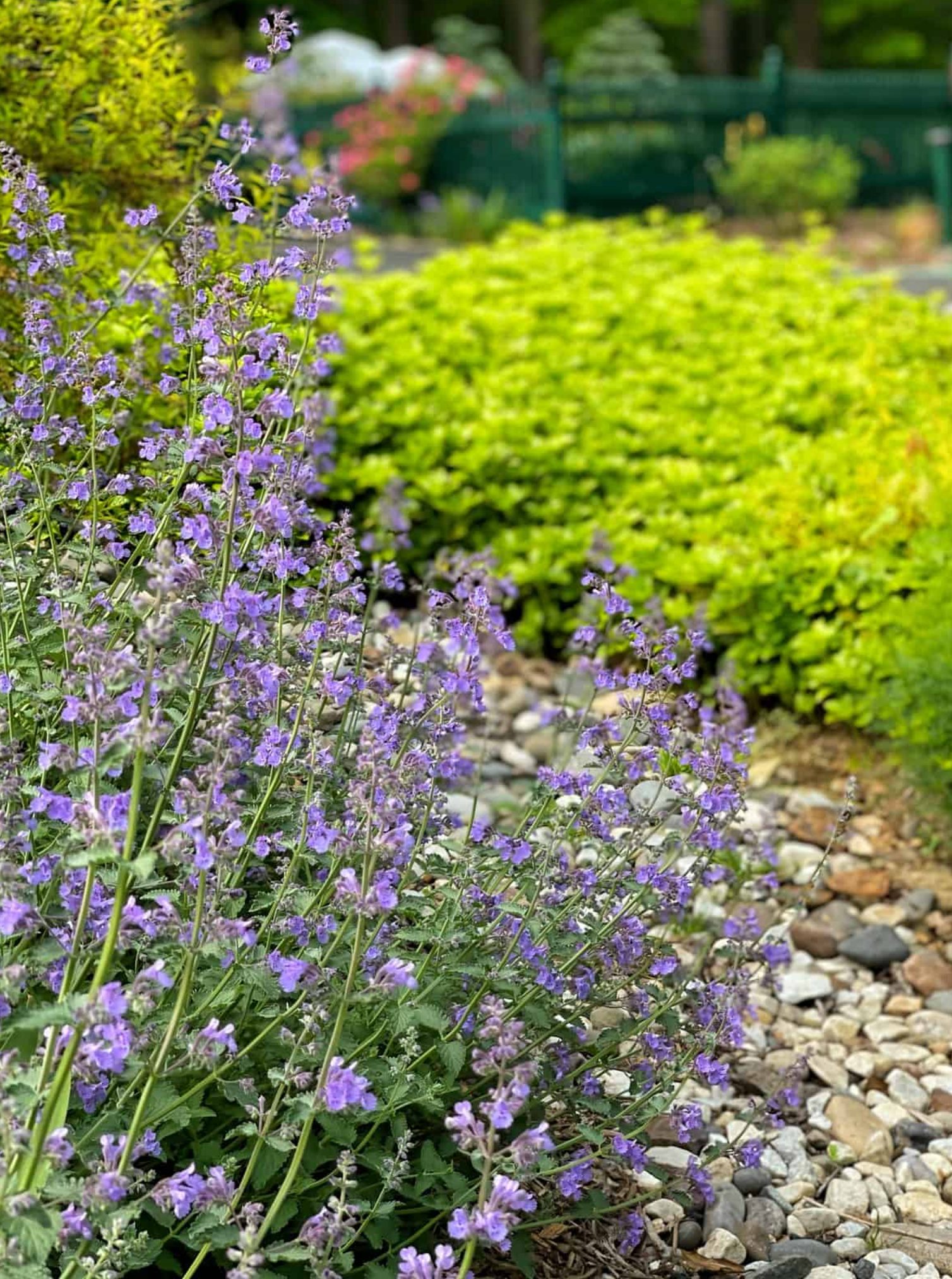
Catmint is one of those plants that quietly does everything right. Soft lavender-blue flowers cover gray-green foliage for months, and bees visit constantly. It looks good beside roses, lavender, and nearly anything with pink or yellow flowers.
It handles heat, poor soil, and dry weather with ease. Deer generally ignore it, which is a real advantage in some neighborhoods. Cats may enjoy rolling in it, so plan accordingly.
Shear the whole plant back by half after its first bloom. New growth appears quickly, and a second flush of flowers follows. ‘Walker’s Low’ is a popular variety and stays neatly mounded.
16. Shasta Daisy (Leucanthemum × superbum)
Zones: 5–9 | Height: 1–3 feet | Bloom: Early to midsummer
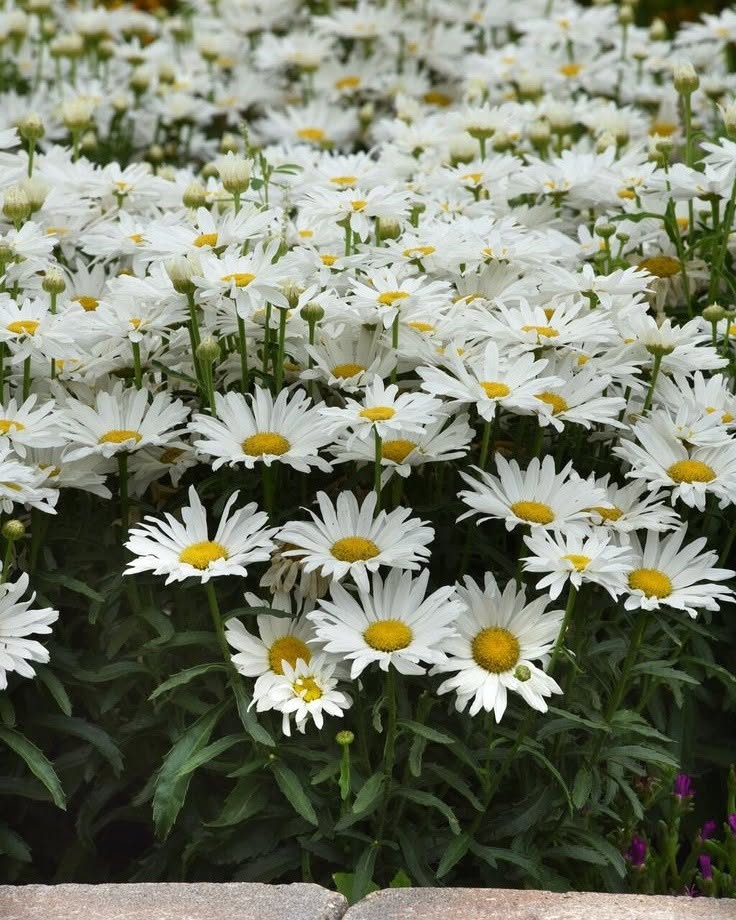
Shasta daisies bring crisp white petals and bright yellow centers. They look fresh next to almost any color, and they are excellent for cutting. A handful in a jar can brighten a whole kitchen table.
They grow best in full sun and fertile, well-drained soil. During dry spells, regular watering helps keep the blooms coming. Winter wetness is the bigger threat, since soggy soil can rot the roots.
Divide the clumps every two to three years, ideally in early spring. This keeps them strong and prevents the centers from dying out. Compact varieties like ‘Becky’ are also very tough.
ALSO READ: 35 Flowers That Look Like Daisies (And How to Tell Them Apart)
17. Hollyhock (Alcea rosea)
Zones: 3–8 | Height: 5–8 feet | Bloom: Midsummer
Hollyhocks bring instant cottage-garden charm. Tall spires carry papery, saucer-shaped flowers in pink, red, yellow, and white. Along a fence or sunny wall, they look as though they have always been there.
Most are biennial or short-lived perennials, so they may not live long. They compensate by self-seeding freely. Once you have them, new plants tend to appear each year without much help.
Rust is the main problem, showing up as orange spots on the leaves. Water at the base of the plant rather than overhead, and remove affected leaves promptly. Good spacing also helps air move through the foliage.
ALSO READ: 15 Weeds That Look Like Hollyhocks (Spot The Difference)
18. Delphinium
Zones: 3–7 | Height: 3–6 feet | Bloom: Early summer
Delphiniums offer some of the truest blues in the garden. Their tall spires rise like church steeples in early summer and demand attention. The ‘Pacific Giants’ series is the group most people picture.
They prefer full sun but perform best where summers are mild. In hot regions, some afternoon shade keeps them from burning out. They also like rich soil and steady moisture, which sets them apart from many plants here.
Stake tall stems early, before the wind gets a chance. I learned this the hard way after a summer storm snapped three of my best spikes in one night. A few bamboo canes now save me the heartache.
19. New England Aster (Symphyotrichum novae-angliae)
Zones: 3–8 | Height: 3–6 feet | Bloom: Late summer to fall

Just when the garden begins to look tired, asters arrive. Masses of purple, pink, or blue daisy-like flowers open in September and October. Migrating monarch butterflies depend on them for nectar, which makes them worth planting for that reason alone.
New England aster is native to much of North America and adapts well to average garden soil. It needs full sun and decent airflow. Otherwise, powdery mildew can spot the lower leaves.
To keep plants sturdy, cut them back by about half in early summer. This produces shorter, bushier growth and prevents the stems from flopping over. Compact varieties like ‘Purple Dome’ need even less fuss.
20. Balloon Flower (Platycodon grandiflorus)
Zones: 3–8 | Height: 1–3 feet | Bloom: Midsummer
Balloon flower earns its name honestly. The buds puff up like tiny paper balloons, then open into star-shaped blooms of blue, white, or pink. Children enjoy watching this unfold, and I confess I do, too.
It grows in full sun or light shade and prefers well-drained soil. Plants emerge late in spring, so mark the spot to avoid digging it up by mistake. Once settled, it dislikes being moved.
Pinch the stems back in early June for a bushier, sturdier plant. Deadhead spent flowers to encourage more buds. It is a graceful, long-lived perennial with few problems.
21. Hardy Ice Plant (Delosperma)
Zones: 5–9 | Height: 2–4 inches | Bloom: Late spring to summer
Hardy ice plant forms a low, spreading mat of succulent leaves. In summer, it is smothered with shiny, daisy-like flowers in magenta, yellow, or orange. The color is almost too bright to look at in midday sun.
This is a plant for punishing spots. It thrives on hot slopes, in gravel, and along the edges of driveways. Drainage is the one requirement, because winter wetness is what usually kills it.
The flowers open fully only on sunny days, so do not be alarmed if they close on a cloudy afternoon. Use it in rock gardens or as a colorful ground cover. It pairs well with sedum and blue fescue.
22. Hardy Hibiscus (Hibiscus moscheutos)
Zones: 4–9 | Height: 3–6 feet | Bloom: Midsummer to early fall
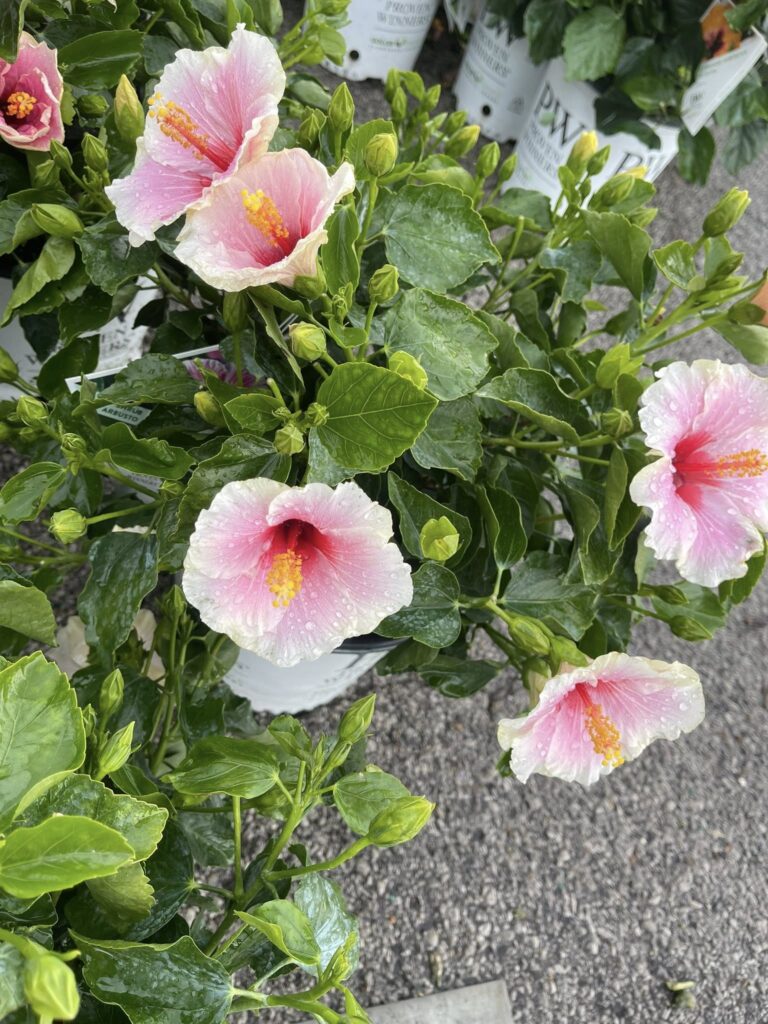
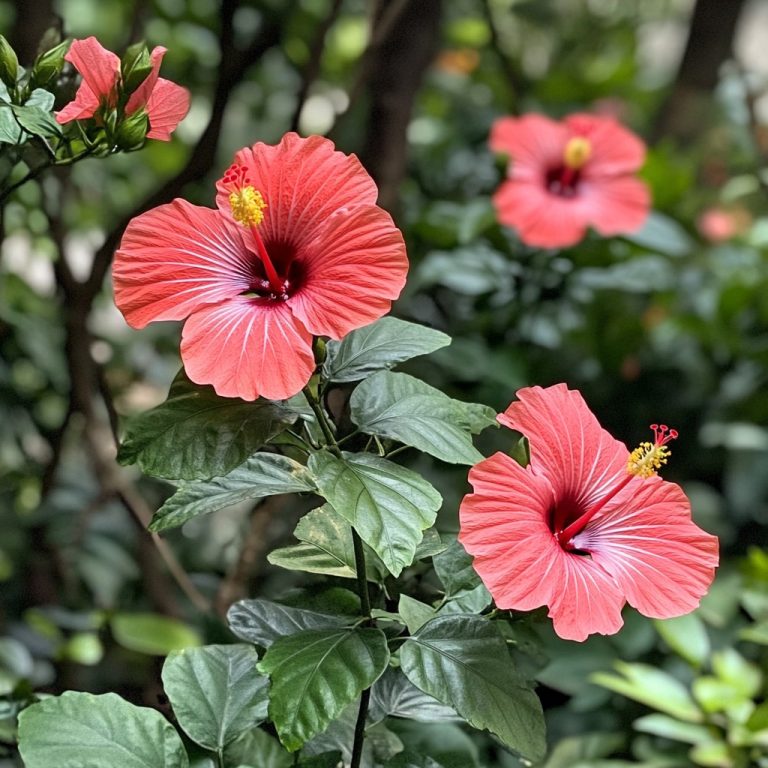
Hardy hibiscus produces flowers the size of dinner plates, sometimes up to ten inches across. They come in red, pink, and white, often with a darker eye. For a plant that survives cold winters, the tropical look is remarkable.
It loves heat and sun, but it drinks more than most plants here. Naturally found in wet places, it does well in low spots or beside a rain garden. Dry soil leads to wilting and dropped buds.
Be patient in spring. Hardy hibiscus is among the last plants to wake up, sometimes not showing growth until late May. Do not give up on it too early.
23. Rose (Rosa)
Zones: Varies by type, commonly 4–9 | Height: 1–10 feet | Bloom: Late spring to frost
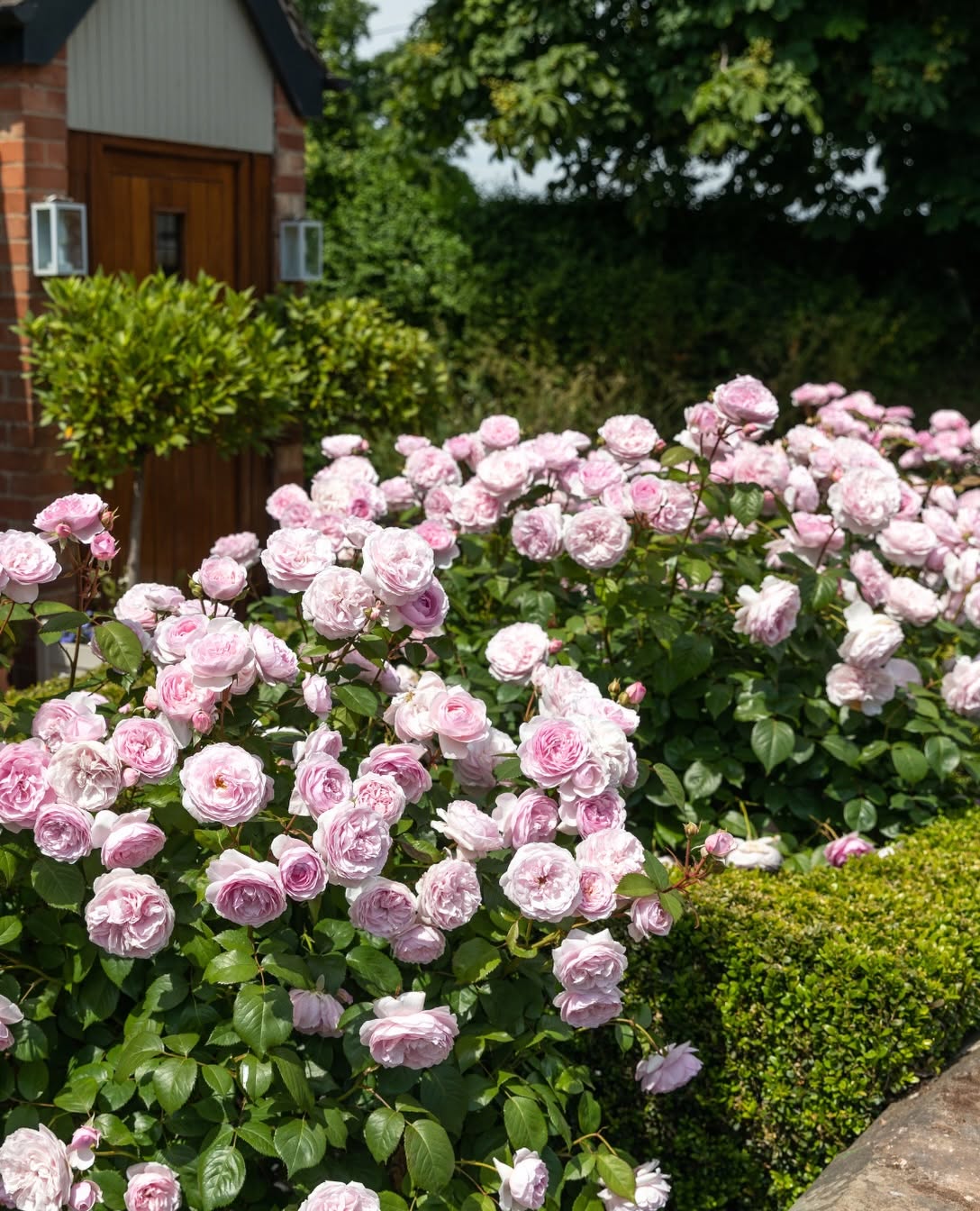
Roses need sun more than almost any other shrub. Six to eight hours of light means better flowers, and it also helps leaves dry quickly after rain or dew. That alone reduces many common diseases.
If you are new to roses, choose modern shrub types such as Knock Out. They resist black spot, keep blooming until frost, and need much less spraying than older hybrid teas. Many gardeners are surprised at how easy they are.
Water at the base and add a thick layer of mulch. Give each plant enough space for air to circulate. Prune in early spring, once the worst of the cold has passed.
24. Agastache (Hummingbird Mint)
Zones: 5–9 | Height: 2–4 feet | Bloom: Midsummer to fall
Agastache sends up upright spikes of tubular flowers in purple, orange, and coral. Brush the leaves, and you will smell anise or mint. Hummingbirds seem to find these plants from across the garden.
This is a heat lover that hates wet, heavy ground. Plant it in full sun and lean, well-drained soil. Overwatering and rich compost are its real enemies, so treat it a little rough.
Leave the seed heads standing over winter for finches and other birds. Cut the stems back in spring, when new growth appears at the base. ‘Blue Fortune’ is a dependable, bee-friendly choice.
25. Globe Thistle (Echinops)
Zones: 3–8 | Height: 2–4 feet | Bloom: Midsummer
Globe thistle has perfectly round, steel-blue flower heads that look almost sculptural. Bees flock to them in midsummer, and the effect against silvery, spiky leaves is striking. It adds a bold shape to soft, frilly borders.
It tolerates drought, heat, and poor soil. Deer usually pass it by, and the plant demands very little attention. In rich soil, though, it can grow tall and seed itself around more than you might like.
The blooms dry beautifully. Cut a few stems just before the flowers fully open, hang them upside down, and enjoy them all winter. ‘Veitch’s Blue’ is a well-known and reliable variety.
26. Sea Holly (Eryngium)
Zones: 4–9 | Height: 1–3 feet | Bloom: Midsummer to early fall
Sea holly looks unlike almost anything else in the garden. Spiky, metallic-blue flowers sit on stiff collars of silvery bracts, and the whole plant seems to shimmer in bright light. More than one visitor has asked me if it is a thistle.
It is a coastal plant by nature, so it loves sun and sandy, fast-draining soil. Once established, it needs very little water. The long taproot dislikes being disturbed, so choose its permanent home carefully.
Plant it where you can admire it up close. Pollinators love it, and the dried stems last well in bouquets. ‘Big Blue’ is a good variety to start with.
Annuals and Heat-Loving Bloomers for Instant Color
27. Zinnia
Type: Annual | Height: 6 inches–4 feet | Bloom: Early summer to frost
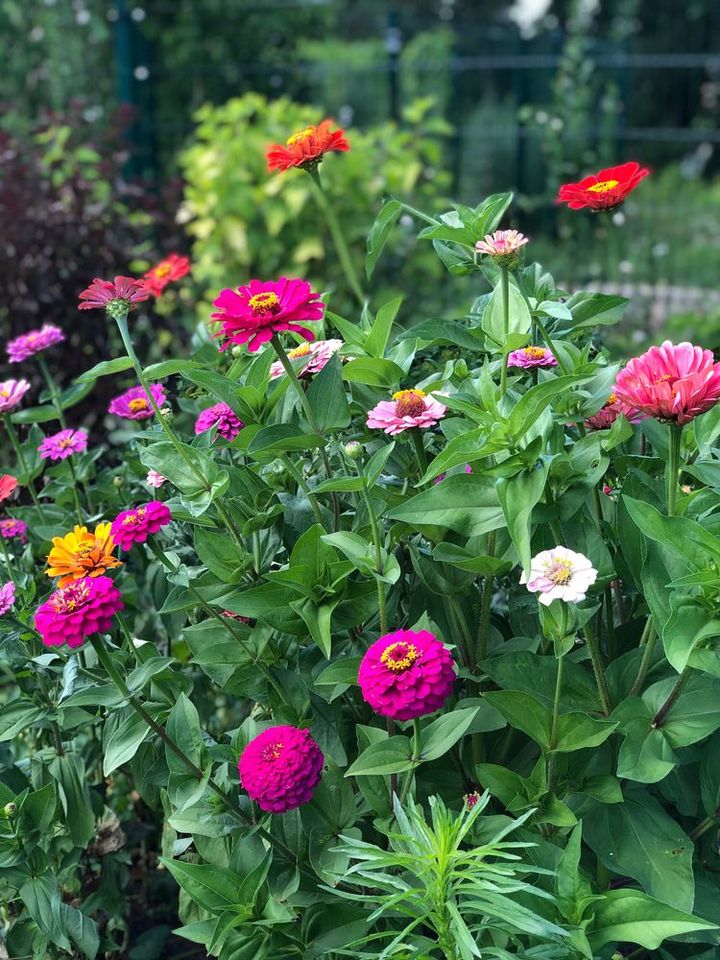
Zinnias are among the easiest flowers to grow from seed. They sprout quickly and often bloom within about eight weeks of sowing. Colors range from soft pastels to bold, fiery shades, so there is something for every taste.
They adore heat and full sun, and butterflies simply cannot resist them. The one real problem is powdery mildew, which appears when leaves stay wet. Water at the soil level and space plants well to keep foliage healthy.
Pick them often. The more you cut, the more they bloom. Varieties like ‘Benary’s Giant’ make superb cut flowers, while ‘Profusion’ types stay compact and resist disease.
28. Marigold (Tagetes)
Type: Annual | Height: 6 inches–3 feet | Bloom: Late spring to frost
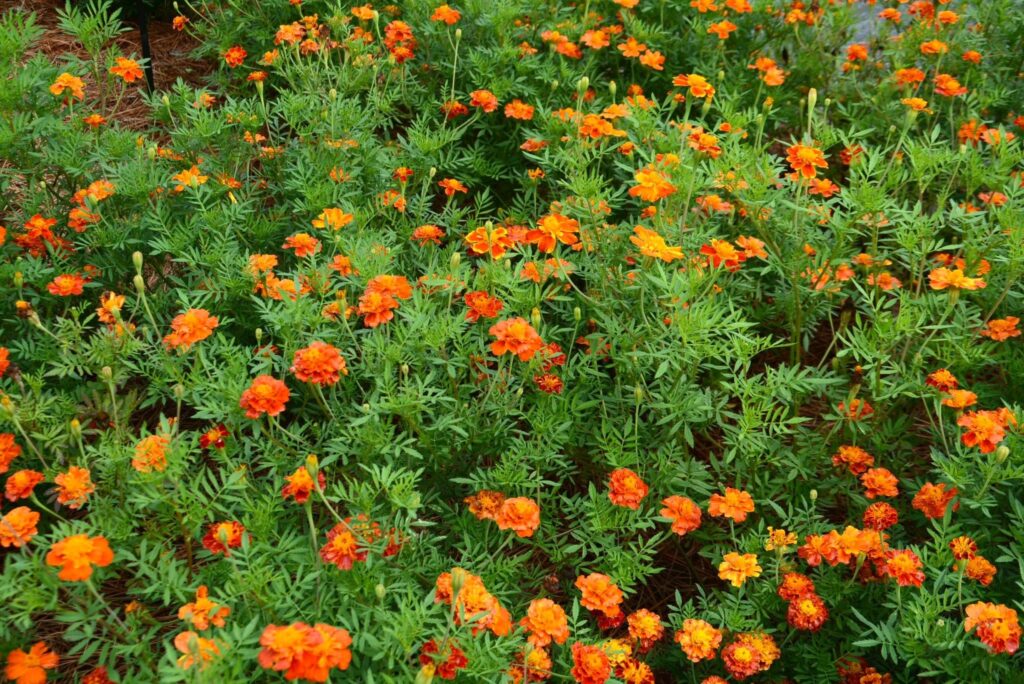
Marigolds are cheerful, inexpensive, and nearly foolproof. Their orange, yellow, and red flowers keep opening from late spring until the first hard frost. Even in a heat wave, they tend to look presentable.
They grow in average soil and tolerate short dry spells. Containers, borders, and vegetable gardens all suit them. Many gardeners tuck them beside tomatoes, both for the color and for tradition.
Remove faded blooms regularly. It is a simple habit, and it keeps the plants flowering for months. French marigolds stay compact, while African types grow taller with bigger blooms.
29. Sunflower (Helianthus annuus)
Type: Annual | Height: 2–12 feet | Bloom: Midsummer to fall
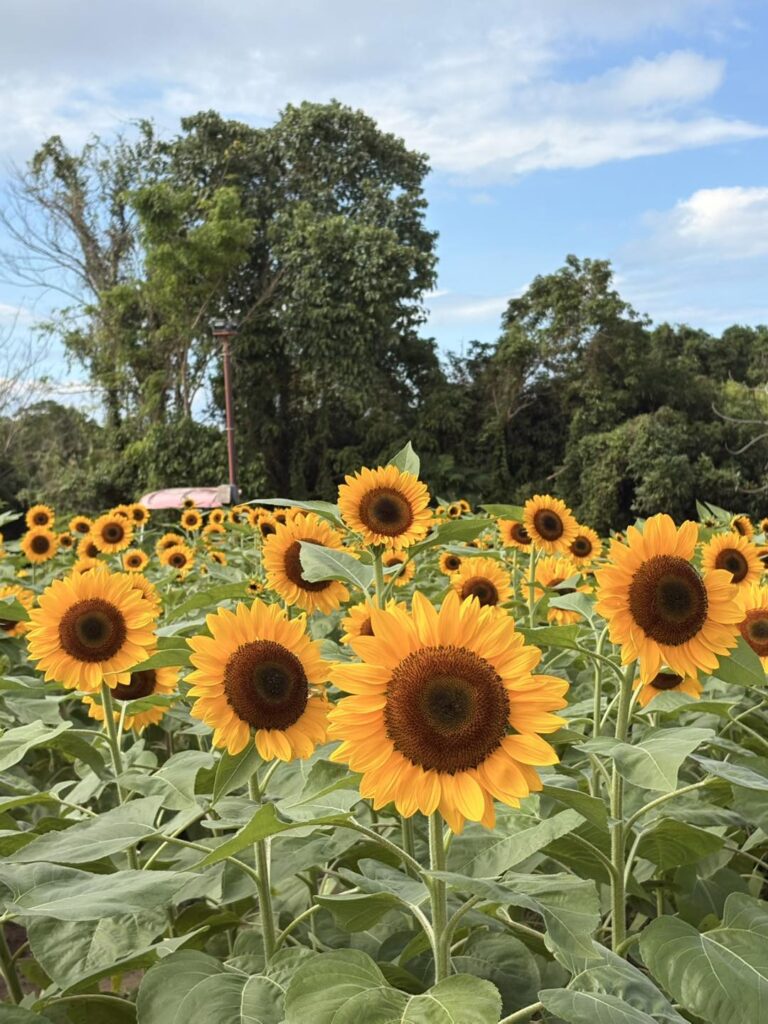
No flower is more closely tied to the sun than this one. Young sunflower heads actually track the light across the sky each day. Kids love growing them, and honestly, so do I.
Sow seeds directly in the garden once the danger of frost has passed. Sunflowers grow fast in full sun and deep, well-drained soil. Tall types may need staking in windy spots, and their roots reach deep in search of water.
Leave some heads standing in autumn. Chickadees and finches will feast on the seeds through the colder months. For smaller spaces, try dwarf varieties like ‘Teddy Bear’.
ALSO READ: 25 Flowers That Look Like Sunflowers (Identification, With Pictures)
30. Cosmos
Type: Annual | Height: 2–5 feet | Bloom: Midsummer to frost
Cosmos look delicate, but the plants are surprisingly tough. Ferny leaves and daisy-like flowers in pink, white, and magenta sway with every breeze. They fit naturally in cottage gardens and meadow-style plantings.
Interestingly, cosmos prefers poor soil. Rich ground produces tall, leafy plants with few flowers. Once established, they need very little water, which makes them a smart choice for dry summers.
Sow the seeds directly after the last frost. Plants often reseed themselves for the following year. Picking blooms encourages branching and keeps the display going.
31. Petunia
Type: Annual | Height: 6–18 inches | Bloom: Spring to frost
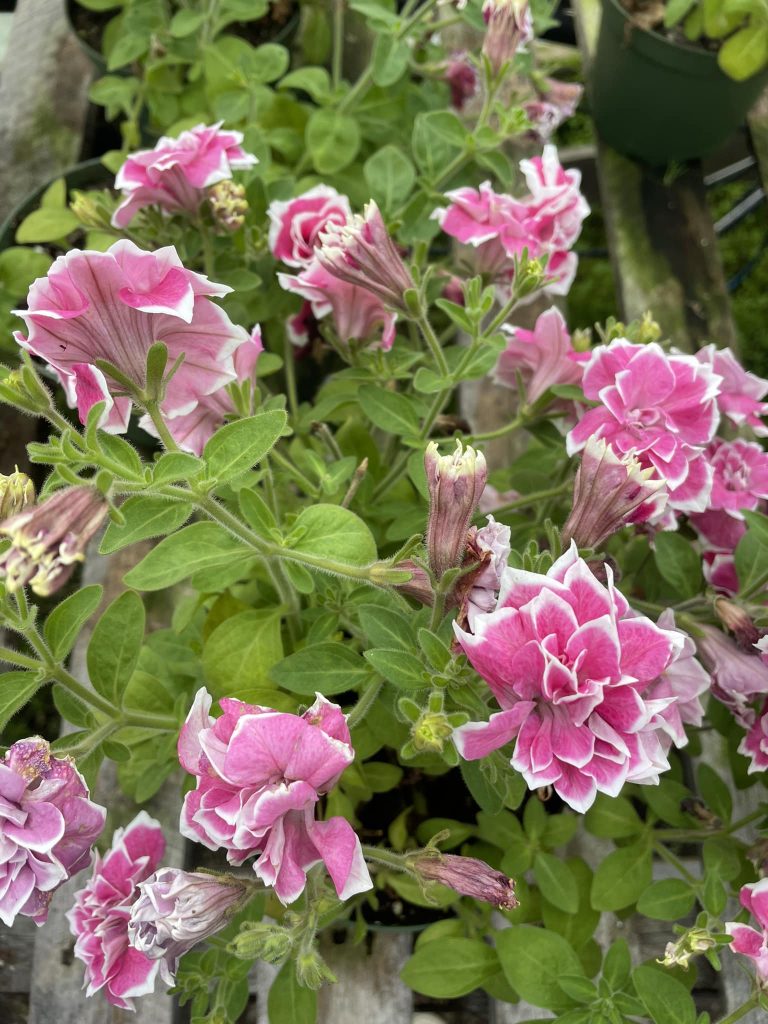
Petunias deliver constant color in baskets, borders, and containers. Modern series, such as Wave and Supertunia, bloom heavily and need far less deadheading than older types. The color range is huge, from soft cream to deep purple.
To perform well, they need at least six hours of sun and regular feeding. Container plants also dry out quickly in hot weather, so check them daily. A slow-release fertilizer at planting time helps a great deal.
If plants turn leggy in midsummer, trim them back by about a third. New growth appears within a couple of weeks. The result is a fuller plant and a fresh burst of flowers.
32. Moss Rose (Portulaca)
Type: Annual | Height: 3–8 inches | Bloom: Summer to frost
Portulaca is built for the hottest spots in your garden. Its succulent leaves hold water, and its silky flowers open wide in bright sunshine. Pink, orange, yellow, and white blooms carpet the ground in a matter of weeks.
It thrives in poor, sandy soil and needs very little water. Overwatering is the fastest way to lose it. Hot containers, gravel beds, and dry edges are ideal places.
The flowers close on cloudy days and in the evening, which is perfectly normal. Once summer heat arrives, the plants respond with even more blooms. It also reseeds easily in warm climates.
33. Geranium (Pelargonium)
Type: Tender perennial, usually grown as an annual | Height: 1–2 feet | Bloom: Spring to frost
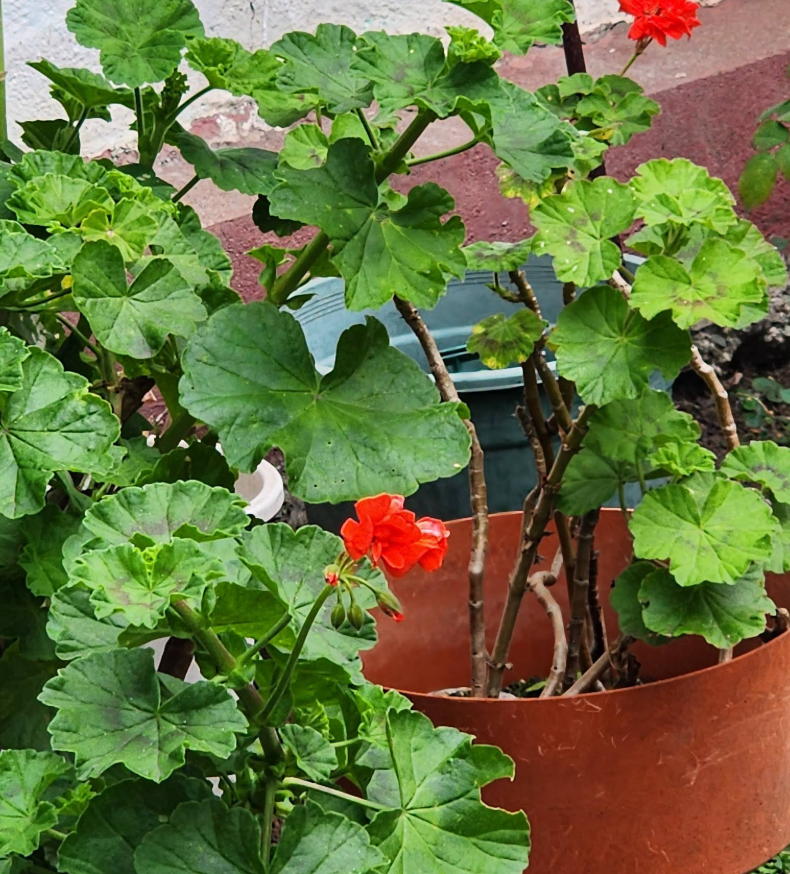
Geraniums are old favorites for pots, window boxes, and porch railings. Round flower clusters in red, pink, white, and salmon appear from spring until frost. They handle summer heat better than many people expect.
They prefer full sun, though some afternoon shade helps in very hot regions. Let the soil dry slightly between waterings, since soggy roots invite disease. Pinch off faded flower heads to keep the plant looking neat.
Bring pots indoors before the first frost. With a bright window and light watering, geraniums can survive the winter. Many gardeners keep the same plants going for years.
34. Spider Flower (Cleome)
Type: Annual | Height: 3–5 feet | Bloom: Early summer to frost
Cleome is dramatic and full of personality. Its airy, rounded flower heads look like slow-motion fireworks, with long stamens trailing like whiskers. Pink, white, and purple are the most common shades.
It loves sun and heat, and it manages dry weather well. Plants reseed easily, so you may see them return each year. Thorns along the stems mean that gloves are wise when cutting or weeding.
Use cleome at the back of a border, where its height can shine. It fills space quickly, which helps in new gardens. Modern varieties like ‘Señorita Rosalita’ have fewer thorns and produce less seed.
35. Lantana
Type: Perennial in zones 9–11; annual elsewhere | Height: 1–4 feet | Bloom: Late spring to frost
Lantana is a butterfly magnet, plain and simple. Small flowers gather in round clusters that shift color as they age, often moving from yellow to orange to pink. The result looks like a tiny, multicolored bouquet.
It thrives in heat, humidity, and dry conditions, and few flowers can match its stamina in a hot summer. Give it full sun and well-drained soil. Trailing varieties look wonderful in hanging baskets and on retaining walls.
There are two cautions. In warm climates, some lantana types can become invasive, so check local guidance before planting. Also, parts of the plant are toxic if eaten, so keep it away from curious pets and children.
ALSO READ: 15 Flowers That Smell Like Vanilla (With Pictures, And Growing Details)
Check Your Hardiness Zone First
Annuals only need to survive one season, but perennials must survive your winters as well. The USDA Plant Hardiness Zone Map is the standard tool gardeners and growers use to decide which perennial plants are most likely to thrive at a location, based on the average annual extreme minimum winter temperature. You can enter your zip code on the USDA website and get your zone in seconds.
The zones listed with each flower below are approximate. Local conditions matter, and so does the specific variety. When in doubt, read the plant label or ask at a local nursery.
Why Sun-Loving Flowers Matter Beyond Looks
A sunny flower bed does more than brighten a yard. According to the USDA, about three-fourths of the world’s flowering plants and roughly 35 percent of the world’s food crops rely on animal pollinators to reproduce. Bees and butterflies also prefer warm, open sites, so your sunny border may become a small refuge for them.
The value is real, too. USDA writers estimate that the ecological services of pollinators are worth about $200 billion each year. One garden will not change that number, of course. But many gardens together can make a difference.
Five Habits That Keep Sun-Loving Flowers Happy
Even tough plants need a good start. These simple habits make the biggest difference in my experience:
- Water deeply and less often. This pushes roots down, where the soil stays cooler.
- Mulch with 2–3 inches of shredded bark or compost to slow evaporation.
- Improve drainage. Most sun lovers dislike wet feet, especially in winter.
- Water new plants regularly through their first season, even the “drought-tolerant” ones.
- Go easy on fertilizer. Too much makes leafy, floppy plants with fewer flowers.
Extension specialists agree. Nebraska Extension notes that many drought-tolerant perennials do best in full sun and well-drained soil, but even the toughest still need water during long dry periods.
How to Design a Full-Sun Flower Bed That Looks Natural
Begin with tall, bold plants at the back, such as hollyhock, Russian sage, or sunflower. Then add a middle layer of coneflower, salvia, and black-eyed Susan. Finish the front edge with low growers like sedum, ice plant, or portulaca.
Repeat colors and shapes across the bed. This gives the eye a place to rest and makes the planting feel intentional. Groups of three or five look more natural than single plants scattered about.
Aim for something in bloom in every season. Peony and catmint carry the spring, coneflower and daylily take over in summer, and aster and sedum finish the year. With this plan, your garden never goes quiet for long.
ALSO READ: 25 Flowers That Look Like Birds (With Details Explained)
Watering Tips for Hot, Sunny Beds
Sun-loving does not always mean drought-proof. New plants need steady moisture during their first season, because their roots have not yet reached deeper soil. Penn State Extension shares a helpful list of trees, shrubs, annuals, and perennials that do more than survive long, hot summers.
Water early in the morning whenever you can. This reduces evaporation and lets the leaves dry before evening, which cuts down on disease. Avoid light, frequent sprinkling, because it teaches roots to stay near the surface.
ALSO READ: 25 Flowers That Don’t Need Direct Sun (With Pictures)
Final Thoughts
A sunny garden is a gift, even if it takes a little planning. With these 35 flowers, you can build months of color, fragrance, and movement, and you will likely see more bees and butterflies as well. Some options are ideal for beginners, while others reward those who enjoy a challenge.
My advice is simple. Start with three or four plants that suit your zone and soil, then add more each year. The best gardens I have seen were never finished in a single season. They grew slowly, and they got better with time.
References
- USDA Agricultural Research Service. USDA Plant Hardiness Zone Map. https://planthardiness.ars.usda.gov/
- U.S. Department of Agriculture. The Importance of Pollinators. https://www.usda.gov/about-usda/general-information/initiatives-and-highlighted-programs/peoples-garden/importance-pollinators
- USDA Farmers.gov. The Value of Birds and Bees. https://www.farmers.gov/blog/value-birds-and-bees
- Penn State Extension. Heat and Drought Tolerant Plants. https://extension.psu.edu/heat-and-drought-tolerant-plants
- Iowa State University Extension. Perennials Tolerant of Dry Conditions. https://yardandgarden.extension.iastate.edu/how-to/perennials-tolerant-dry-conditions
- University of Nebraska–Lincoln Extension. Perennials in Water-Wise Landscapes (G1214). https://extensionpubs.unl.edu/publication/g1214/pdf/view
- Colorado State University Extension. Top 20 Drought Tolerant Perennial Flowers for Colorado. https://engagement.source.colostate.edu/top-20-drought-tolerant-perennial-flowers-colorado/

Tim M Dave is a gardening expert with a passion for houseplants, particularly cacti and succulents. With a degree in plant biology from the University of California, Berkeley, he has vast experience in gardening. Over the years, he has cultivated a vast collection of desert plants and learned a great deal about how to grow and care for these unique companions.