35 Flowers That Look Like Daisies (And How to Tell Them Apart)
I have always had a soft spot for daisies. There is something about that cheerful white-and-yellow face that makes a garden feel friendly. But here is the twist: many flowers that look exactly like daisies are not daisies at all.
They belong to a massive plant family called Asteraceae, also known as the aster or composite family. This family is one of the largest groups of flowering plants on Earth, with more than 32,000 known species spread across roughly 1,900 genera, according to botanical classification records used by universities and herbaria worldwide.
What we call a “daisy face” is actually two flowers in one. The outer ray florets look like petals. The inner disc florets form the button-like center. This structure repeats itself across dozens of unrelated plants, which is exactly why so many blooms get mistaken for daisies.
In this guide, I have gathered 35 flowers that look like daisies, complete with their real names, how to grow them, and small details that help you tell one from another. Let’s get into it.
1. Shasta Daisy
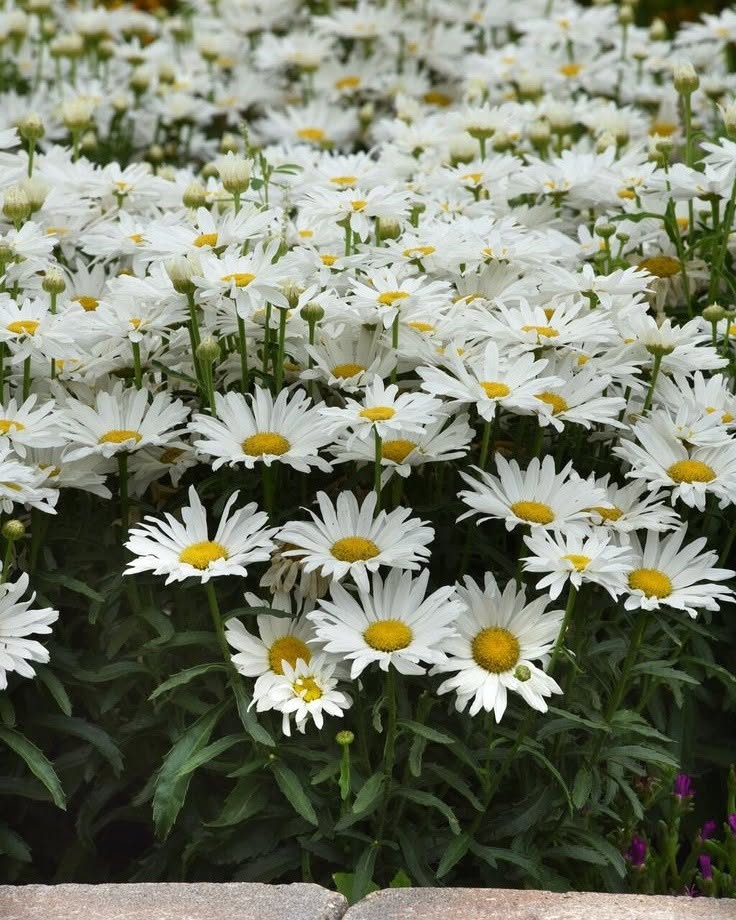
The Shasta daisy (Leucanthemum × superbum) is probably the flower most people picture when they hear the word “daisy.” It has bright white ray petals wrapped around a golden-yellow disc, and the blooms can stretch up to five inches across, according to Mississippi State University Extension.
This perennial grows two to four feet tall and thrives in USDA hardiness zones 5 through 9. It prefers full sun and well-drained soil, and it blooms from early summer right through fall if you deadhead the spent flowers regularly.
What makes it stand out from a true wild daisy is its size and sturdiness. Breeders developed it specifically for cutting gardens, so the stems are thicker and the blooms last longer in a vase. I always recommend it to beginner gardeners because it is nearly impossible to kill.
2. Oxeye Daisy
The oxeye daisy (Leucanthemum vulgare) is the wild cousin of the Shasta daisy, and it is the one you see growing along highways and in open fields. It looks almost identical, just smaller, with flower heads around two inches wide.
This plant is native to Europe and Asia but has spread aggressively across North America. A single plant can produce over 500 seeds, according to weed science records from Colorado’s noxious weed program, which explains why it takes over meadows so quickly.
In fact, several U.S. states classify oxeye daisy as a noxious weed because it reduces crop yields and crowds out native plants in pastures. It is pretty to look at, but if you find it in your yard, know that it spreads fast and is hard to fully remove once established.
ALSO READ: 35 Weeds With White Flowers (Names, With Pictures)
3. English Daisy
The English daisy (Bellis perennis) is the tiny, low-growing daisy you often see dotting lawns in spring. It rarely grows taller than six inches, making it one of the smallest plants on this list.
Its flowers can be white, pink, or red, and some cultivated varieties have double, pom-pom-like blooms instead of the classic flat daisy shape. It prefers cool weather and often struggles once summer heat sets in.
Gardeners in the UK have used it for centuries as edging in formal beds. I find it charming precisely because it looks a little wild, even when it is planted in a neat row. It self-seeds easily, so one season of English daisies often turns into several.
4. Gerbera Daisy
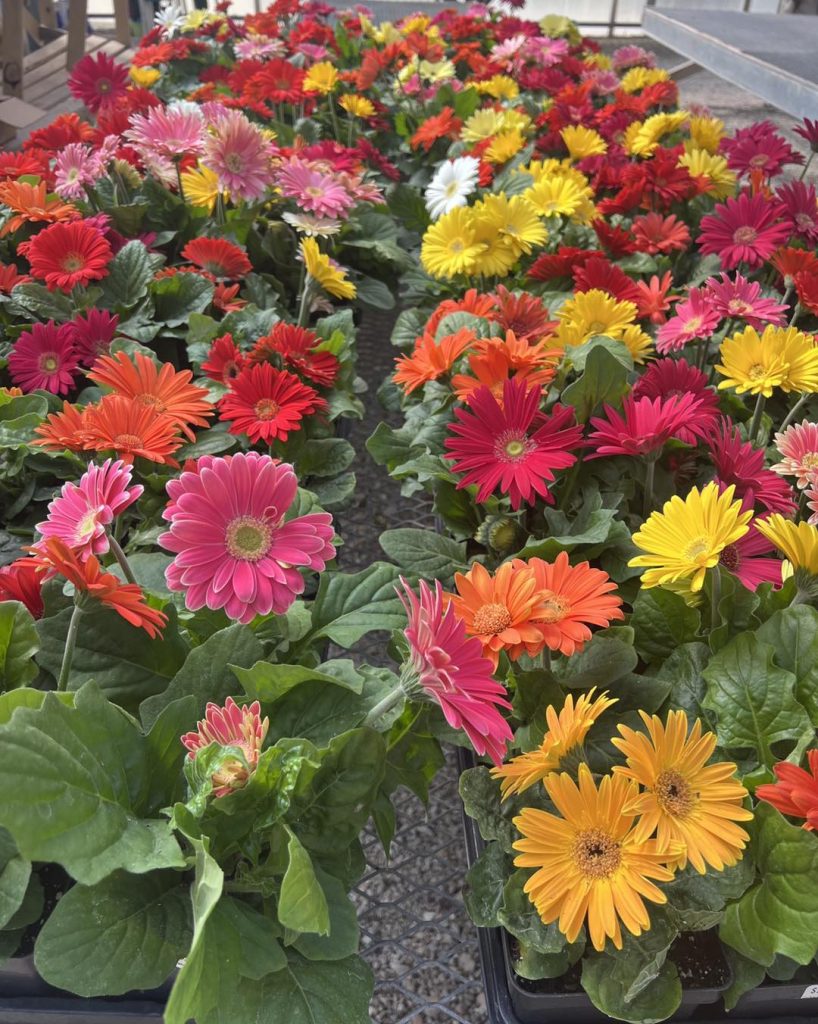
The Gerbera daisy (Gerbera jamesonii) takes the daisy shape and turns the volume way up. The blooms come in electric shades of orange, pink, red, and yellow, and they can reach up to five inches in diameter.
Originally from South Africa, this plant is a favorite in the cut flower industry because of its long vase life and bold color range. It grows best in full sun and warm climates, typically USDA zones 8 through 11, though many people grow it as an annual or houseplant elsewhere.
What separates it from a true daisy is petal count and texture. Gerbera petals are often layered in multiple rows, giving the flower a fuller, almost dahlia-like density. It is one of the most photographed flowers in the world, and once you see one in person, you understand why.
5. African Daisy (Osteospermum)
Osteospermum, commonly called African daisy or Cape daisy, has a slightly different center than most daisies. Instead of a flat yellow disc, many varieties have a dark blue or purple center that almost looks metallic in sunlight.
This plant is native to South Africa and loves heat and dry conditions. It grows about one to three feet tall, blooms from spring through fall, and closes its petals at night or on cloudy days, which is a fun detail to watch if you grow it at home.
I personally love this one for containers because it spills nicely over the edge of a pot. It is more heat-tolerant than the Shasta daisy, which makes it a smart pick for gardeners in hotter regions where classic daisies tend to wilt by midsummer.
6. Marguerite Daisy
The Marguerite daisy (Argyranthemum frutescens) is a shrubby, bushy plant that produces daisy flowers nonstop through the growing season. It can grow into a rounded mound two to three feet wide, covered almost entirely in blooms.
Native to the Canary Islands, it prefers mild climates and does not tolerate hard frost well. Many gardeners in colder zones grow it as a summer annual or bring potted specimens indoors for winter.
Its finely cut, almost fern-like foliage is a giveaway that separates it from the Shasta daisy. The leaves are more delicate and lacy, giving the whole plant a softer, more feathery look even before it flowers.
7. Michaelmas Daisy
Michaelmas daisy is the common name for several Aster species, most notably Aster amellus and Aster novi-belgii. Unlike single-bloom daisies, this plant produces dozens of small flowers per stem, creating a cloud-like effect in the garden.
It blooms in late summer and fall, often right up until the first frost, which is how it got its name after the Christian feast of Michaelmas in September. Colors range from purple and blue to pink and white.
This is a taller plant, often reaching three to four feet, and it works beautifully at the back of a border. I think of it as the daisy family’s grand finale before winter, since it keeps blooming long after most summer flowers have faded.
8. Painted Daisy
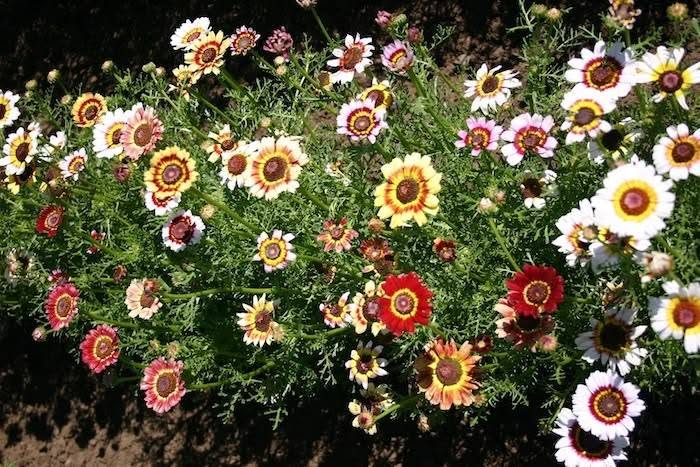
The painted daisy (Tanacetum coccineum), also called pyrethrum daisy, brings unusually vivid color into the daisy shape. Petals appear in shades of red, pink, and salmon, wrapped around a classic yellow center.
This perennial grows about one to two feet tall and prefers cooler summers, doing best in USDA zones 3 through 7. It blooms in late spring to early summer and tends to fade once the heat rises.
Historically, this plant had commercial importance because its dried flowers contain natural insect-repelling compounds. Farmers once grew fields of painted daisies specifically to produce pyrethrum powder, a fact that always surprises people when I mention it.
9. Swan River Daisy
Swan River daisy (Brachyscome iberidifolia) is a small, delicate annual native to Australia. Its flowers are only about one inch wide, but a single plant can produce so many blooms that it looks like a carpet of color.
It grows fast, typically reaching eight to twelve inches tall, and works well in hanging baskets or as a border edging plant. Colors range from blue and purple to white and pink, always with a small yellow center.
This flower thrives in cooler weather and can struggle in intense summer heat. I like planting it early in spring for a quick burst of color while waiting for slower perennials to establish themselves.
10. Livingstone Daisy
The Livingstone daisy (Dorotheanthus bellidiformis) is a low, ground-hugging succulent from South Africa with dazzling, almost glittery petals. The flowers only open in full sunshine, closing up on cloudy days and at night.
It grows just four to six inches tall but spreads wide, making it an excellent choice for rock gardens or as ground cover in dry, sunny spots. It tolerates poor soil and drought far better than most true daisies.
What makes this one unforgettable is the texture. The petals have a satin sheen, and colors range from hot pink to orange, often with contrasting stripes. It genuinely looks like it was dusted with sugar.
ALSO READ: 35 Flowers Safe for Cats (Pet Friendly Blooms, With Pictures)
11. Cape Daisy (Dimorphotheca)
Dimorphotheca, also called Cape marigold or Cape daisy, is another South African native with a daisy shape and a surprising trick. The underside of each petal is often a completely different color than the top.
This annual grows one to one and a half feet tall and blooms heavily through spring and early summer. It handles heat and drought well once established, making it popular in xeriscaped gardens.
The two-toned petals are the easiest way to identify it. When the flower closes in the evening, you suddenly see a burst of contrasting color on the outside that was hidden all day.
12. Blackfoot Daisy
Blackfoot daisy (Melampodium leucanthum) is a tough little perennial native to the southwestern United States and Mexico. It produces small white flowers with yellow centers, rarely more than one inch across.
This plant grows in a low, rounded mound about six to twelve inches tall and is remarkably drought-tolerant, thriving in rocky, alkaline soils where many other plants fail. It blooms almost continuously from spring through fall.
I recommend this one specifically for desert or xeriscape gardens. It requires almost no maintenance once established, and its long bloom season means you get daisy-like color for most of the year without much effort.
13. Seaside Daisy
Seaside daisy (Erigeron glaucus) is native to the coastal areas of California and Oregon. It has narrow, thread-like petals in shades of lavender and pink, giving it a slightly shaggier look than a classic daisy.
It grows low, typically six to twelve inches tall, and spreads to form a mat, which makes it excellent for coastal gardens, rock walls, and erosion control on slopes. It tolerates salt spray and sandy soil with ease.
The thin, numerous petals are the key identifier here. Where a Shasta daisy has broad, flat petals, seaside daisy petals are fine and almost hair-like, giving the whole flower a fuzzier appearance.
14. Annual Fleabane
Annual fleabane (Erigeron annuus) is a common wildflower found across much of North America. It produces small white or pale pink flowers with narrow petals, often blooming in large clusters on branching stems.
This plant can grow two to five feet tall, much taller than most garden daisies, and it often appears uninvited in fields, roadsides, and disturbed soil. It is considered a weed by many farmers, though pollinators love it.
The name “fleabane” comes from an old belief that the dried plant repelled fleas. I find that detail amusing, since there is little modern evidence to support it, but the name has stuck for centuries anyway.
15. Purple Coneflower
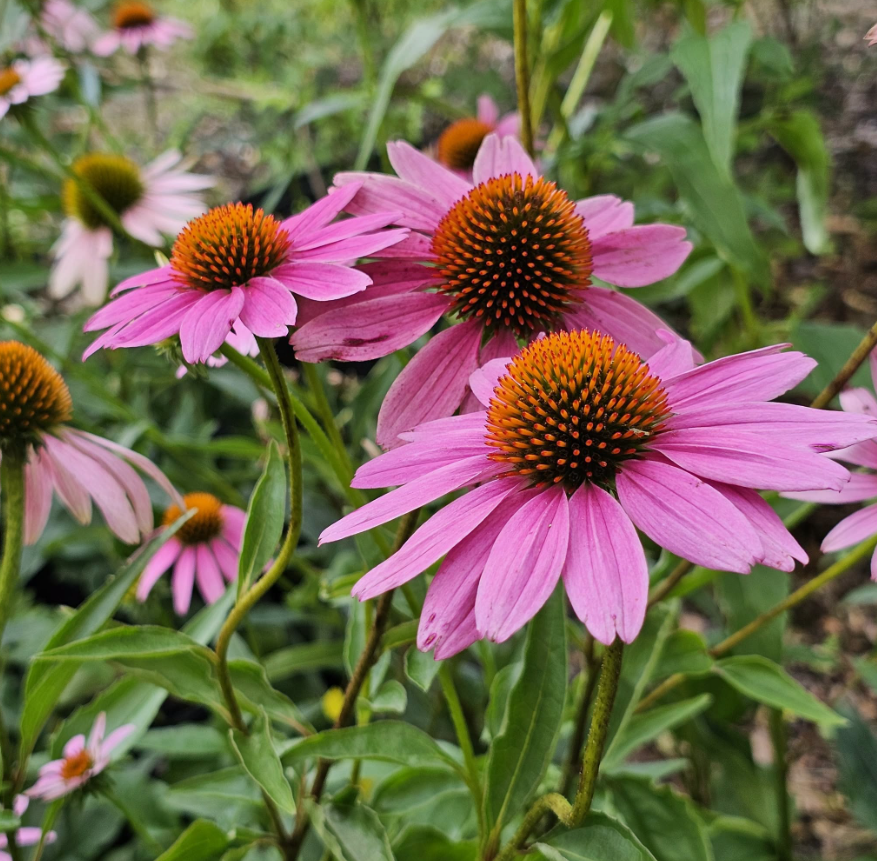
The purple coneflower (Echinacea purpurea) is a native North American perennial with a daisy shape and a distinctly raised, spiky center cone. According to North Carolina State University Extension, it belongs to the daisy family and typically grows three to four feet tall.
Its pinkish-purple ray petals often droop slightly downward as the flower matures, which is a clear visual difference from the flat-faced Shasta daisy. It blooms from early summer through mid-fall and tolerates heat, humidity, and drought very well.
Beyond its looks, this plant has real cultural weight. Native American communities used echinacea species medicinally for generations, and it remains one of the best-known herbal supplements today. I always think it earns its spot as both a garden showpiece and a plant with history.
16. Black-Eyed Susan
Black-eyed Susan (Rudbeckia hirta) is one of the most recognizable native wildflowers in the United States. Its golden-yellow petals surround a dark brown, almost black, domed center, which is exactly where it gets its name.
This plant grows one to three feet tall, according to USDA plant guide records, and blooms from summer into early fall. It is a short-lived perennial or biennial, often grown as an annual, and it self-seeds readily once established.
It also plays an important ecological role. The USDA notes that black-eyed Susan seeds attract birds such as goldfinches, while the flowers support bees and butterflies throughout the growing season. It is a genuinely useful plant, not just a pretty one.
17. Chamomile
Chamomile (Matricaria chamomilla), also called German chamomile, produces small white-and-yellow flowers that look like miniature daisies, usually under one inch wide. The plant itself grows one to two feet tall with feathery, aromatic foliage.
It is an annual that thrives in cool weather and blooms heavily in late spring through summer. Crushing the leaves or flowers releases a sweet, apple-like scent that is instantly recognizable to anyone who has smelled chamomile tea.
Speaking of tea, this is one of the few flowers on this list you can actually drink. Dried chamomile flowers have been used for centuries as a calming herbal infusion, and I always keep a few plants near my kitchen garden for exactly that reason.
18. Feverfew
Feverfew (Tanacetum parthenium) looks like a smaller, more delicate cousin of the Shasta daisy. Its flowers rarely exceed three-quarters of an inch, but a single plant produces so many blooms that it creates a cloud-like effect.
This short-lived perennial grows about one to two feet tall and has a strong, somewhat bitter scent when the leaves are crushed. It blooms from early summer through fall and self-seeds generously in the garden.
Historically, feverfew was used as a folk remedy for headaches and fevers, which is where the name comes from. Whether or not it truly works medicinally, it remains a lovely filler flower in cottage gardens and cutting beds.
19. Cosmos
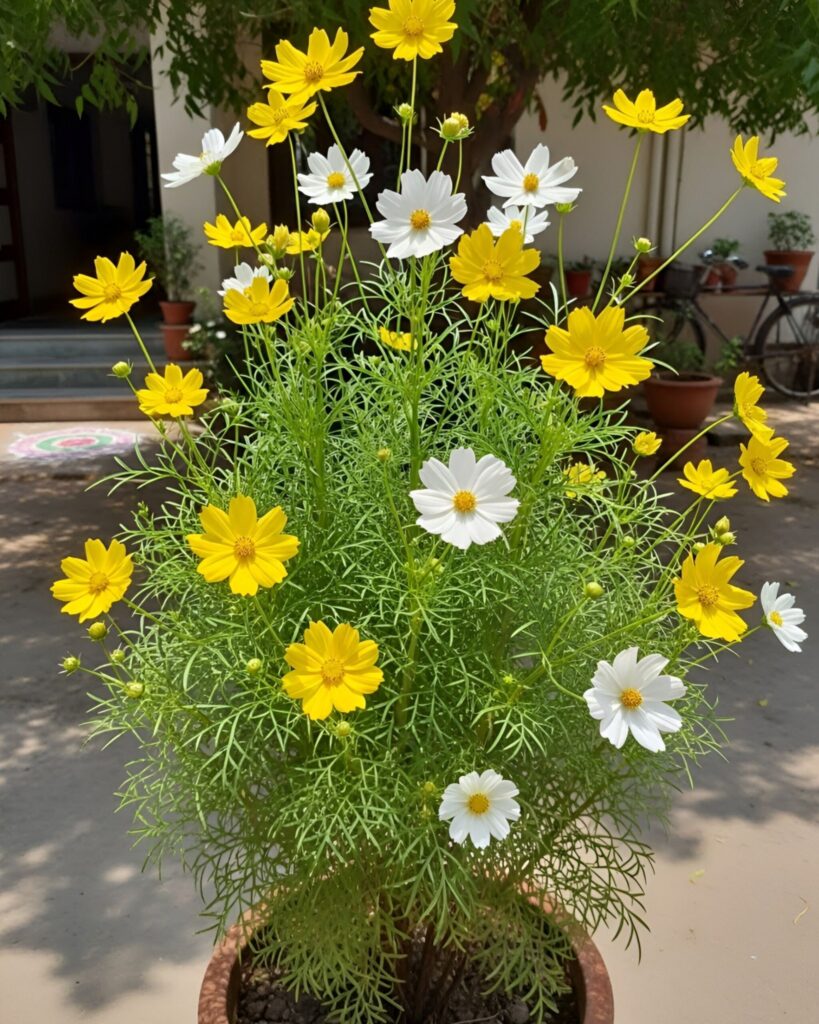
Cosmos (Cosmos bipinnatus) has a wide, flat daisy face in shades of pink, white, and deep red, often reaching three to four inches across. The foliage is thin and feathery, almost like dill, which gives the whole plant an airy quality.
This annual can grow surprisingly tall, sometimes reaching four to six feet, and it blooms from summer straight through the first frost. It thrives in poor soil and full sun, actually producing fewer flowers if the soil is too rich.
I always recommend cosmos to new gardeners because it is nearly foolproof. Scatter the seeds, water occasionally, and within weeks you have tall, swaying daisy-like blooms that attract bees and butterflies all season long.
20. Single-Petal Zinnia
Most zinnias have dense, layered petals, but the single-flowered varieties, such as Zinnia elegans ‘Profusion’ or wild Zinnia peruviana, have a flat daisy shape with one visible ring of petals around a central disc.
These annuals grow anywhere from one to three feet tall, depending on the variety, and bloom from summer through the first frost. They tolerate heat exceptionally well, making them a strong choice for hot climates.
The single-petal form is the giveaway here. Once you compare it side by side with a fully double zinnia, the daisy resemblance becomes obvious, especially in smaller-flowered heirloom varieties.
21. New England Aster
New England aster (Symphyotrichum novae-angliae) is a tall, native North American perennial with a burst of narrow purple, pink, or white petals around a yellow center. It can reach three to six feet tall, towering over most other daisy-like flowers on this list.
It blooms in late summer and fall, providing one of the last major nectar sources for pollinators before winter arrives. Monarch butterflies in particular rely on late-blooming asters during their migration south.
I think of this plant as a quiet hero of the fall garden. It is not as flashy as a Gerbera daisy, but its timing and ecological value make it one of the most important flowers on this entire list.
22. Nippon Daisy
The Nippon daisy (Nipponanthemum nipponicum), sometimes called Montauk daisy, is a shrubby perennial from Japan with thick, glossy leaves and classic white daisy flowers. It blooms notably late, often into October and November.
This plant grows two to three feet tall and forms a dense, woody-based mound over time, unlike the softer growth habit of a Shasta daisy. It handles coastal conditions and salt spray remarkably well, which is why it is common in seaside gardens in the northeastern United States.
Its late bloom time is the standout feature. When most daisies have finished for the year, the Nippon daisy is just getting started, offering a fresh wave of white blooms right before the first hard frost.
23. Signet Marigold
Signet marigold (Tagetes tenuifolia) is a lesser-known marigold type with small, flat, daisy-like flowers instead of the dense pom-pom shape most people associate with marigolds. Blooms are typically under one inch wide in shades of yellow and orange.
This annual grows six to twelve inches tall with finely cut, lacy foliage that has a citrusy scent when crushed. It blooms nonstop from early summer until frost and handles heat and dry spells with ease.
I like using this one in vegetable gardens because it doubles as a companion plant, reportedly helping repel certain pests. The edible petals also make a nice, peppery garnish, something most people never expect from a marigold.
24. Tahoka Daisy
Tahoka daisy (Machaeranthera tanacetifolia) is a wildflower native to the central and southwestern United States. Its violet-blue petals surround a bright yellow center, and the fern-like foliage adds a soft, textured look to the plant.
This annual grows one to two feet tall and thrives in dry, sandy, or rocky soils where many other flowers struggle. It blooms from late spring through fall, tolerating heat and drought with very little care.
Its blue-violet color is fairly rare among daisy-shaped flowers, most of which lean toward white, yellow, or pink. That unusual shade alone makes the Tahoka daisy stand out in a native plant or wildflower garden.
25. Crown Daisy
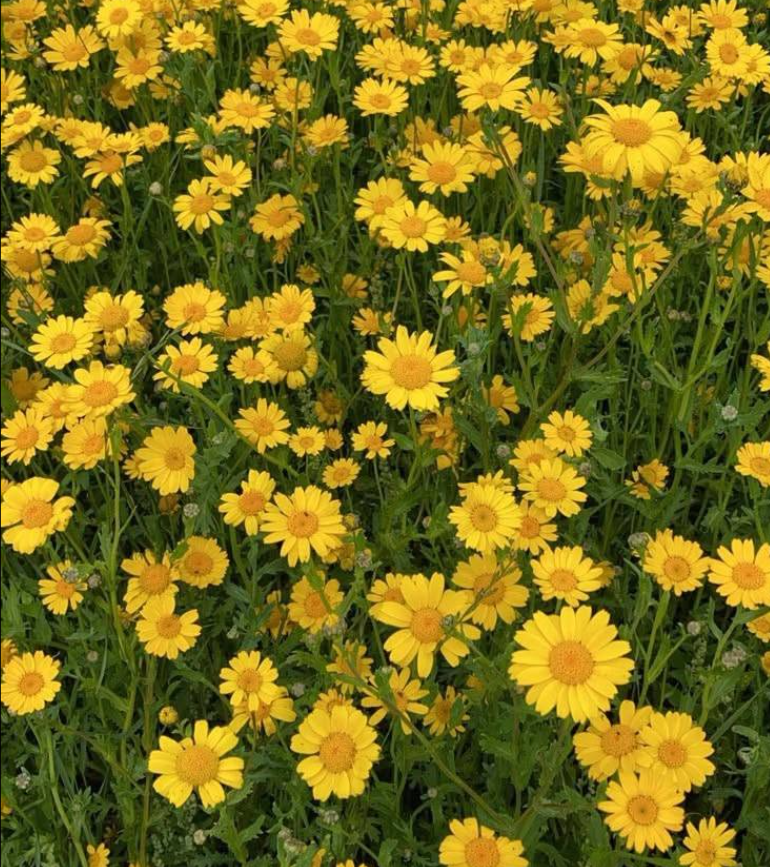
The crown daisy (Glebionis coronaria), also known as garland chrysanthemum, has bright yellow, daisy-shaped flowers and is grown both as an ornamental and as a vegetable in parts of Asia. Young leaves are commonly eaten in stir-fries and soups.
This annual grows one to two feet tall and blooms in late spring through summer. It prefers cool weather and tends to bolt or become bitter-tasting once temperatures rise in summer, which affects its use as a food crop.
Its dual purpose is what makes it interesting. Few flowers on this list can be admired in a vase one day and added to dinner the next, which is exactly why crown daisy has been cultivated for centuries in East Asian cuisine.
26. Ox-Eye Sunflower
Ox-eye sunflower (Heliopsis helianthoides) looks like a cross between a daisy and a small sunflower, with bright yellow petals around a slightly raised, darker yellow-brown center. It is native to much of North America.
This perennial grows three to five feet tall, according to native plant records used by university extension programs, and blooms from early summer into fall. It tolerates a wide range of soils and is highly attractive to pollinators.
Unlike the true sunflower, this plant produces multiple smaller blooms per stem rather than one giant flower head. That branching habit, combined with its daisy-like proportions, is what earns it a spot on this list rather than in the sunflower category.
27. Golden Marguerite
Golden marguerite (Anthemis tinctoria) produces bright, solid yellow daisy flowers, including both the petals and the center disc, which sets it apart from most white or bicolor daisies on this list. Its foliage is finely divided and fern-like.
This perennial grows one to three feet tall and blooms heavily from early summer through fall, especially if deadheaded regularly. It handles poor, dry soil well and is often used in cottage gardens and wildflower meadows.
Historically, this plant was used to produce a yellow dye, which is where the species name “tinctoria” comes from. It is a small detail, but it adds an interesting layer of history to a flower most people just see as decorative.
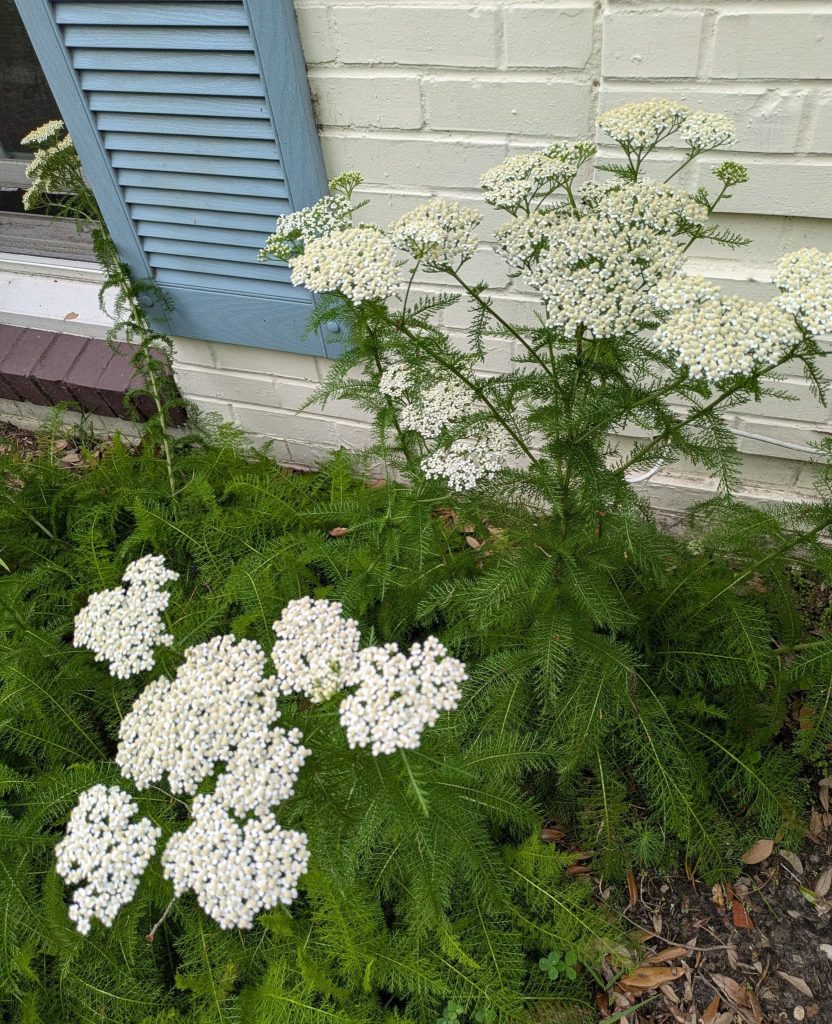
28. Yarrow
Yarrow (Achillea millefolium) does not have a single large daisy flower. Instead, it produces flat-topped clusters made up of dozens of tiny daisy-shaped florets, each with white or pastel petals around a yellow center.
This perennial grows one to three feet tall with feathery, almost fern-like leaves, and it is remarkably drought-tolerant once established. It blooms from late spring through fall and spreads readily by underground rhizomes.
The clustered growth habit is the biggest difference from a classic daisy. From a distance, a patch of yarrow can look like a solid mat of color, but up close, you can see it is really made of many tiny individual daisy faces.
29. New York Aster
New York aster (Symphyotrichum novi-belgii) is closely related to the New England aster but tends to have smoother leaves and slightly flatter, more traditional daisy-shaped flowers. Colors range widely, from blue and purple to pink and white.
This perennial grows two to four feet tall and blooms in late summer and fall, often continuing until the first frost. It prefers moist, well-drained soil and full sun, though it tolerates partial shade reasonably well.
Many modern garden cultivars, often sold simply as “Michaelmas daisies,” are actually bred from this species. If you buy a compact, colorful aster from a garden center in autumn, there is a good chance it traces back to New York aster genetics.
30. Blanket Flower
Blanket flower (Gaillardia pulchella and Gaillardia aristata) has a bold, two-toned daisy shape, often with red centers fading into yellow-tipped petals. The overall effect looks almost like a tiny sunset painted onto each bloom.
This perennial or annual grows one to two feet tall and is native to prairies and open areas of North America. It tolerates heat, drought, and poor soil extremely well, making it a favorite for low-maintenance gardens.
The warm, layered coloring is what makes blanket flower instantly recognizable. Where most daisies stick to a single petal color, this one blends two or three shades into every single bloom, which is a genuinely striking effect in person.
31. Leopard’s Bane
Leopard’s bane (Doronicum orientale) is one of the earliest daisy-like flowers to bloom in spring, often appearing before many other perennials have even woken up. Its bright yellow petals surround a matching yellow center.
This plant grows one to two feet tall and prefers cooler conditions, often going dormant or struggling in the heat of summer. It does best in partial shade with moist, well-drained soil, unlike most sun-loving daisies on this list.
Its early bloom time is the real selling point. When the rest of the garden is still waking up, leopard’s bane is already putting on a full daisy display, which makes it a valuable addition for extending the flowering season.
32. Mexican Fleabane
Mexican fleabane (Erigeron karvinskianus) is a small, sprawling perennial that produces tiny daisy flowers, starting white and slowly turning pink as they age. A single plant can display all three color stages at once.
It grows only six to twelve inches tall but spreads widely, making it perfect for wall crevices, rock gardens, and pathway edges. It blooms almost continuously from spring through fall in mild climates.
The color-changing trait is what makes this plant so charming. Instead of one uniform look, each clump becomes a mix of white, pink, and blush-toned blooms all at the same time, adding natural depth to any planting.
33. Easter Daisy
Easter daisy (Townsendia exscapa) is a tiny, cushion-forming wildflower native to the dry plains and mountains of North America. Its stemless flowers sit almost directly on the ground, rarely rising more than an inch or two in height.
This perennial blooms extremely early, often right around Easter in many regions, which is exactly how it earned its common name. It thrives in poor, rocky, well-drained soil and struggles in wet or overly fertile conditions.
Its low, ground-hugging form is unlike almost anything else on this list. Most daisy-like flowers stand upright on visible stems, but Easter daisy grows so close to the soil that the blooms almost appear to float directly above the ground.
34. Mount Atlas Daisy
Mount Atlas daisy (Anacyclus pyrethrum var. depressus) is a low, spreading perennial native to the Atlas Mountains of North Africa. Its flowers open white with a yellow center and often display a deep red or maroon reverse on the petals.
This plant grows only two to four inches tall, spreading outward instead of upward, which makes it an excellent choice for rock gardens, gravel beds, and container edges. It prefers sharp drainage and struggles in heavy, wet soil.
The red-backed petals are its signature feature. As the flowers close in the evening, that hidden maroon color suddenly becomes visible, creating a striking two-tone effect very similar to the Cape daisy mentioned earlier.
35. Blue Daisy
The blue daisy (Felicia amelloides) is one of the few truly blue-flowered plants on this list, with soft sky-blue petals surrounding a bright yellow center. It originates from South Africa and has a naturally rounded, bushy growth habit.
This tender perennial grows one to two feet tall and is often treated as an annual in colder climates, since it does not tolerate frost. It blooms from spring through fall in full sun and prefers well-drained, moderately fertile soil.
True blue flowers are genuinely rare in nature, which is part of why this plant is so beloved among collectors. Pairing it with yellow or white daisies in the same bed creates a color contrast that is hard to achieve with almost any other flower.
How to Tell These Daisy Look-Alikes Apart
With 35 flowers on one list, a few quick identification tips can help.
Check the petal texture first. Broad, flat petals usually point to Shasta or oxeye daisy, while thin, thread-like petals suggest fleabane or seaside daisy varieties.
Look at the center closely. A raised, cone-shaped center almost always means you are looking at a coneflower or black-eyed Susan, not a true daisy.
Consider the growth habit. Ground-hugging plants like Easter daisy and Mount Atlas daisy behave very differently in the garden compared to tall, upright asters and cosmos.
Final Thoughts
Writing this list reminded me just how clever nature can be. One simple shape, repeated across 35 different flowers and dozens more beyond them, has managed to fill gardens, meadows, and even dinner plates across the entire world.
Whether you are planting a pollinator garden, filling a vase, or just trying to identify what is growing wild near your home, I hope this guide makes the daisy family feel a little less confusing and a lot more fascinating.
References
- NC State Extension – Echinacea purpurea (Purple Coneflower) Plant Profile
https://plants.ces.ncsu.edu/plants/echinacea-purpurea/ - NC State Extension – Rudbeckia hirta (Black-Eyed Susan) Plant Profile
https://plants.ces.ncsu.edu/plants/rudbeckia-hirta/common-name/black-eyed-susan/ - University of Illinois Extension – Shasta Daisy
https://extension.illinois.edu/flowers/shasta-daisy - Oklahoma State University Extension – Shasta Daisy Plant Identification Profile
https://extension.okstate.edu/programs/plant-id/plant-profiles/shasta-daisy - Washington State Noxious Weed Control Board – Oxeye Daisy
https://www.nwcb.wa.gov/weeds/oxeye-daisy - USDA Forest Service – Oxeye Daisy Field Guide
https://www.fs.usda.gov/media/17469 - USDA Natural Resources Conservation Service – Black-Eyed Susan Plant Guide
https://plants.sc.egov.usda.gov/DocumentLibrary/plantguide/pdf/pg_ruhi2.pdf

Tim M Dave is a gardening expert with a passion for houseplants, particularly cacti and succulents. With a degree in plant biology from the University of California, Berkeley, he has vast experience in gardening. Over the years, he has cultivated a vast collection of desert plants and learned a great deal about how to grow and care for these unique companions.