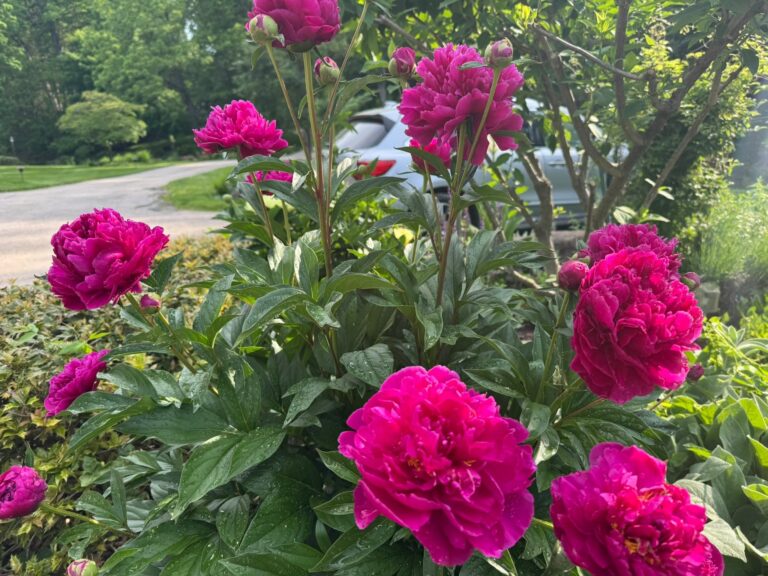
25 Flowers That Look Like Peonies (And How to Tell Them Apart)
Peonies are one of the most beloved flowers in the world. Their lush, ruffled petals and soft fragrance make them a favorite for gardens, weddings, and bouquets.
But peonies only bloom for a few short weeks each spring. That leaves many flower lovers searching for lookalikes that can fill the gap.
I have spent years exploring gardens and flower markets, and I have noticed something interesting. Many flowers share the same full, layered look as peonies, even though they belong to completely different plant families.
This guide covers 25 flowers that look like peonies. Each one has its own charm, growing needs, and best use. Whether you want a peony substitute for your wedding bouquet or a new addition to your flower bed, you will find something here.
25 Flowers That Look Like Peonies
Peonies are known for their rounded shape and densely packed petals. This look comes from a genetic trait called “doubling,” where a flower produces extra petals instead of standard reproductive parts.
Many other flower species share this same doubling trait. Roses, ranunculus, dahlias, and camellias all have double-petaled varieties that closely mimic the peony’s signature ruffled form.
Understanding this helps explain why so many unrelated flowers end up looking alike. Now let’s look at the 25 best peony lookalikes you can grow or buy.
1. Garden Roses (David Austin Roses)
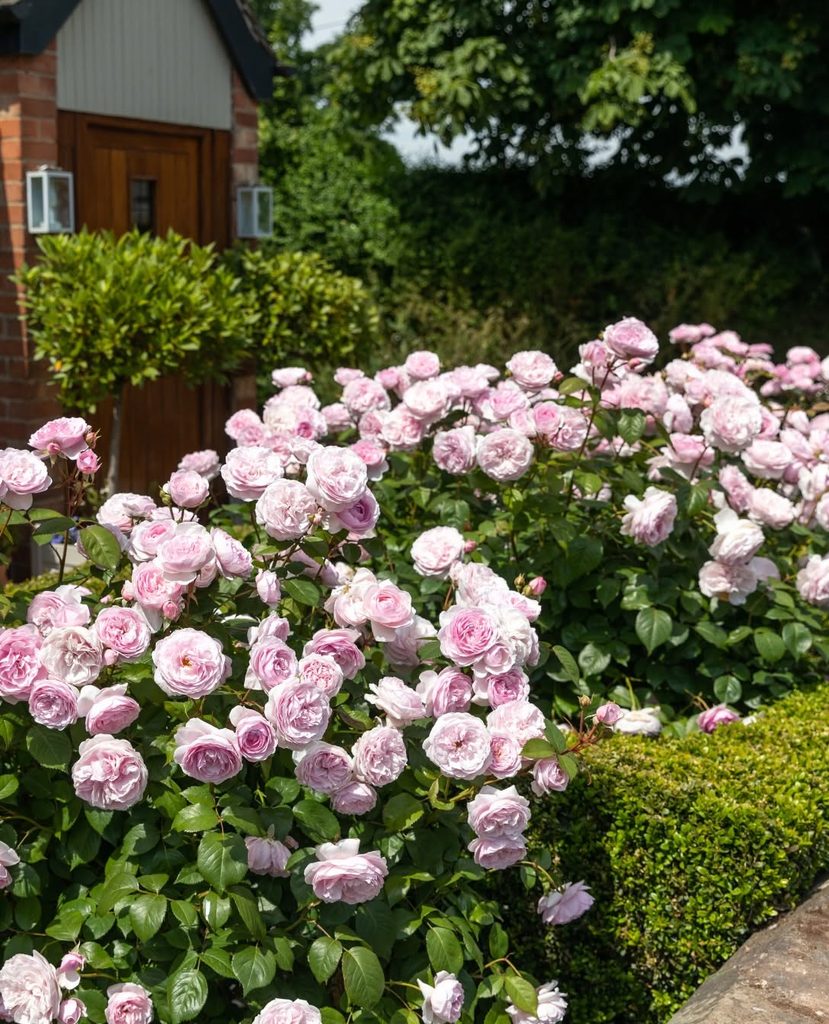
David Austin roses are often mistaken for peonies at first glance. Their cupped, layered petals create the same romantic, full-bloom effect that peonies are known for.
I have arranged both flowers side by side in bouquets, and even close friends could not tell them apart. The color range is also similar, spanning soft pinks, creams, and deep reds.
Unlike peonies, garden roses bloom repeatedly throughout the growing season. This makes them a practical substitute when peonies are out of season, which is most of the year.
2. Ranunculus
Ranunculus flowers are famous for their tightly packed, paper-thin petals. Each bloom can contain dozens of layers, giving it a rose-like yet distinctly peony-esque fullness.
These flowers are a favorite among florists because they hold up well after cutting. They also come in nearly every color, from pure white to deep burgundy.
Ranunculus tends to be smaller than peonies, usually around 3 to 4 inches wide. Still, the petal structure is close enough that many people use them as peony substitutes in bouquets.
3. Camellias
Camellias are woody shrubs that produce glossy leaves and rounded, multi-petaled flowers. The double varieties, in particular, look remarkably similar to peonies.
I remember seeing a camellia bush in full bloom during late winter and mistaking it for an early peony. The resemblance was that convincing, especially from a short distance.
One key difference is timing. Camellias typically bloom in winter or early spring, which makes them valuable for gardeners who want peony-like color before peonies even wake up.
4. Dahlias
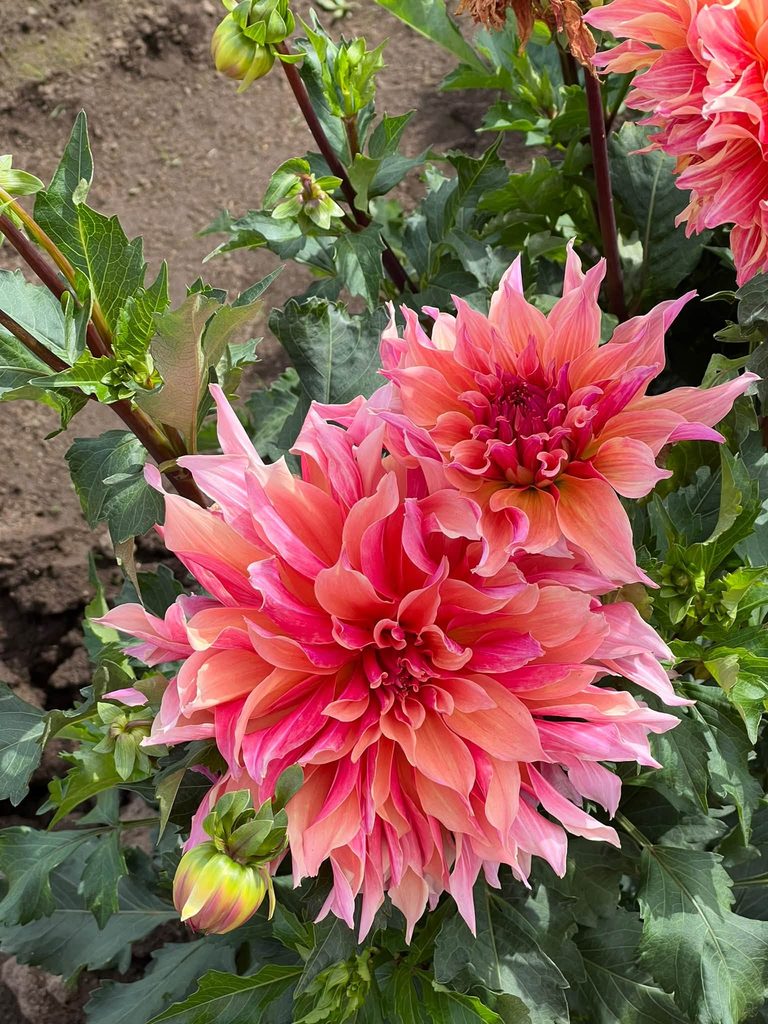
Dahlias are known for their incredible diversity. There are over 20,000 registered dahlia cultivars, and many of the “decorative” or “ball” types closely resemble peonies.
Their petals curve inward and stack in layers, creating a rounded, symmetrical bloom. Dahlias also come in bold colors that peonies rarely offer, like bright orange and deep purple.
Because dahlias bloom from summer through fall, they extend the peony look well beyond the peony’s short spring window. This makes them a smart choice for continuous garden color.
5. Carnations
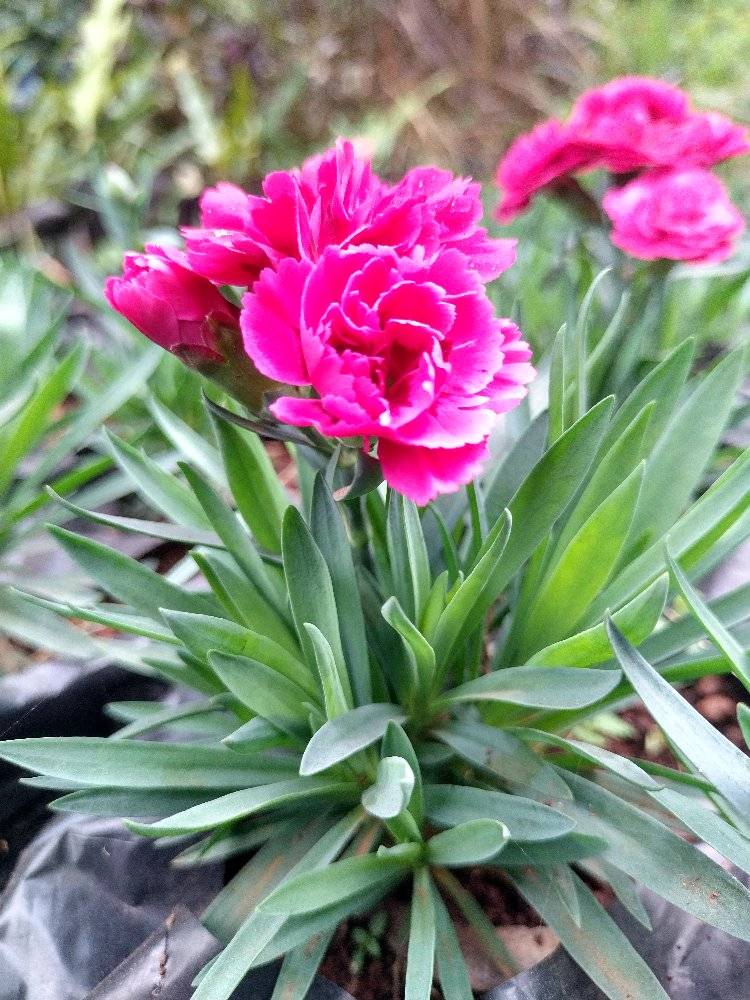
Carnations often get overlooked, but the ruffled, double varieties can pass for peonies in the right arrangement. Their frilly, crinkled petals mimic the peony’s textured surface.
I have seen carnations used as budget-friendly peony substitutes in wedding centerpieces. Once dyed or grouped densely, they create a strikingly similar visual effect.
Carnations are also far more affordable and long-lasting than peonies. A single carnation bloom can stay fresh for two to three weeks, compared to a peony’s much shorter vase life.
6. Double Tulips
Double tulips, sometimes called “peony tulips,” were bred specifically to mimic the peony’s full, rounded shape. The resemblance is right there in the nickname.
These tulips have extra layers of petals instead of the typical simple tulip cup. Varieties like ‘Angelique’ and ‘Carnaval de Nice’ are especially convincing peony lookalikes.
Double tulips bloom in early spring, slightly before most peonies. This makes them a great transitional flower for gardeners who want that peony fullness before the real thing arrives.
7. Japanese Anemones
Japanese anemones have a softer, more delicate look than true peonies, but their double-petaled forms still create a similar fluffy silhouette. They sway gently on tall, wiry stems.
I find these flowers particularly graceful in late summer gardens, when most peonies have long finished blooming. They fill an important seasonal gap.
Colors range from pure white to soft pink and rose. While smaller than peonies, their layered centers give them that same romantic, garden-fresh appearance.
ALSO READ: 45 Types of Peonies (Variety, Color, and Bloom Explained)
8. Icelandic Poppies
Icelandic poppies have tissue-thin, crinkled petals that flutter in the breeze. Their double varieties bunch up in a way that recalls a loosely formed peony bloom.
These flowers thrive in cooler climates and often bloom in early spring. I have grown them alongside peonies, and the color palette overlaps beautifully.
One thing to note is fragility. Poppy petals are far more delicate than peony petals, so they bruise and wilt faster once cut and placed in a vase.
9. Rose of Sharon
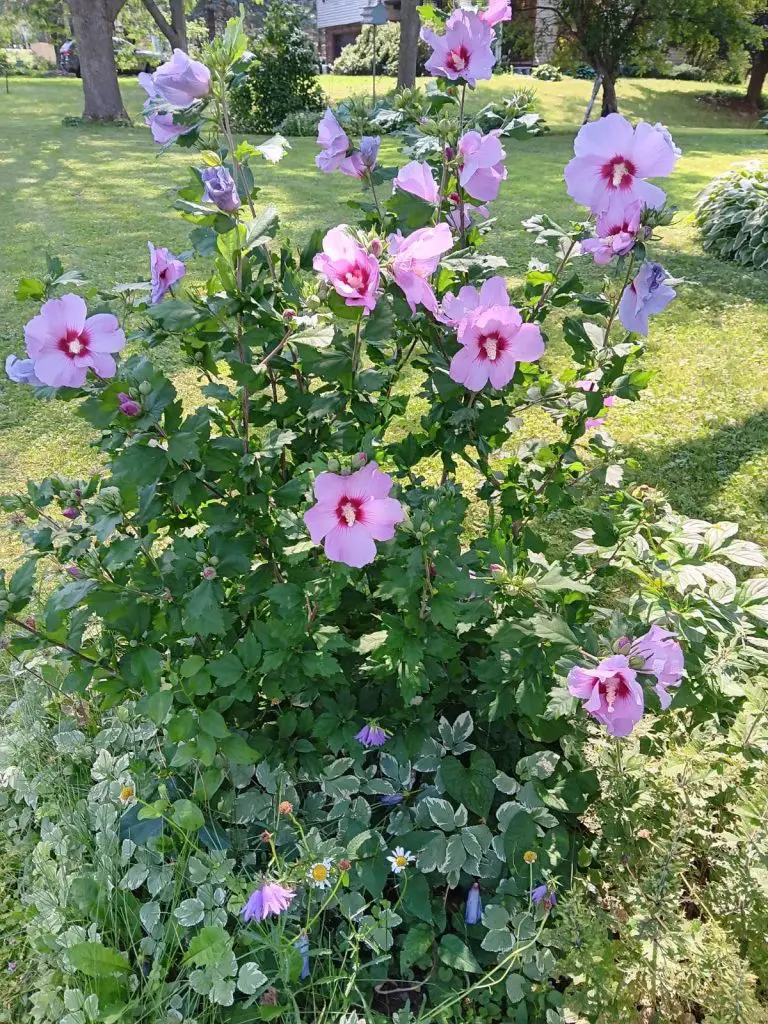
Rose of Sharon is a hardy shrub in the hibiscus family. Its double-flowered cultivars produce large, ruffled blooms that genuinely resemble peonies from a distance.
I planted one along a fence line a few years ago, and visitors regularly ask if it is a peony bush. The confusion is understandable given the flower shape.
Unlike peonies, Rose of Sharon blooms through the heat of summer, often from July into September. This makes it valuable in regions where peonies struggle with warm climates.
10. Hollyhocks
Hollyhocks are tall, old-fashioned cottage garden flowers. Their double-flowered varieties produce ruffled, layered blooms that stack up the stem in a peony-like fashion.
I love how these flowers add vertical interest to a garden bed. Each individual bloom, when double, can look like a smaller peony perched along a tall stalk.
Hollyhocks are biennial or short-lived perennials, meaning they often need replanting every couple of years. Still, their charm makes the extra effort worthwhile for many gardeners.
11. Lisianthus
Lisianthus is a florist favorite because its double form looks almost identical to a small garden rose or peony. The petals are silky and slightly ruffled.
I have used lisianthus in bouquets as a peony substitute during off-season months, and it blends in seamlessly. The color range includes soft pastels and deep purples.
This flower also has an impressive vase life, often lasting up to two weeks. That is significantly longer than a real peony, which typically lasts five to seven days.
12. Peony Mums
Peony mums, also called peony-flowered chrysanthemums, were bred to mimic the peony’s rounded, layered look. The name itself gives away the intended resemblance.
These flowers bloom in fall, well after peony season has ended. This makes them one of the most practical substitutes for autumn weddings and events.
I appreciate how sturdy peony mums are compared to real peonies. They hold their shape for longer periods, both in the garden and after being cut for arrangements.
13. Tuberous Begonias
Tuberous begonias produce some of the most peony-like blooms in the shade garden. Their double flowers are large, rounded, and packed with soft, waxy petals.
I have grown these in hanging baskets, and the resemblance to peonies always surprises first-time visitors. The flowers can reach 4 to 6 inches across.
Unlike peonies, begonias thrive in partial shade rather than full sun. This makes them a useful option for shadier parts of the garden where peonies would struggle.
14. Gardenias
Gardenias are prized for their fragrance as much as their appearance. The double-flowered varieties have creamy white, swirling petals that echo a peony’s layered structure.
I find the scent almost as memorable as the look. Gardenias release a rich, sweet fragrance that many people compare favorably to fresh peonies.
These shrubs need warm, humid conditions to thrive, so they are best suited to southern climates or greenhouse growing in cooler regions.
15. Magnolias
Certain magnolia varieties, especially the star and saucer types, produce large, cupped blooms with layered petals. Some double cultivars come remarkably close to a peony’s fullness.
I have stood under a blooming magnolia tree and noticed individual flowers that, if picked and placed in a vase, could easily be mistaken for peonies.
Magnolias bloom on trees rather than perennial shrubs or stems, which changes how they are used. They work beautifully as a landscape feature rather than a cut flower.
16. Azaleas
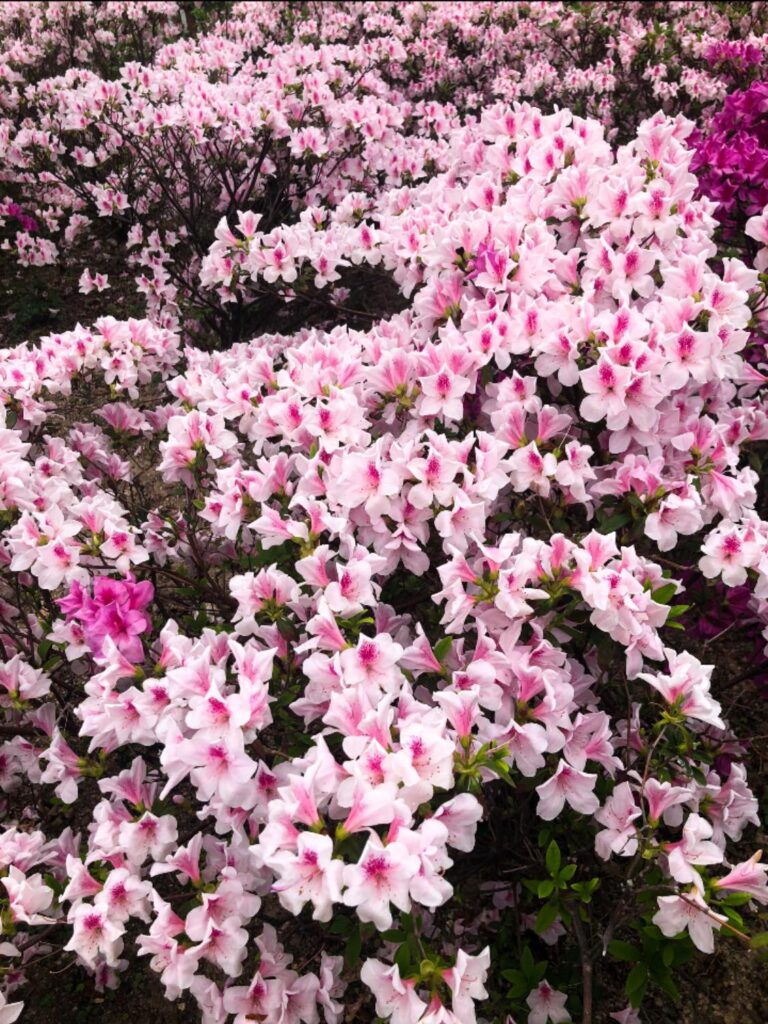
Double-flowered azaleas produce ruffled, layered blooms in clusters along woody branches. Individually, each flower can resemble a miniature peony in shape and texture.
I have seen entire azalea hedges in bloom that, from across a yard, create a visual effect similar to a peony garden in full swing.
These shrubs bloom in spring, often overlapping with early peony season. This makes them a natural companion planting for gardeners who want extended color in the same bed.
17. Cabbage Roses
Cabbage roses, also called centifolia roses, are an old rose variety bred specifically for their densely packed, rounded petals. The name comes from their cabbage-like layered structure.
I consider these one of the closest true lookalikes on this list. Their fullness and softness rival even the most impressive peony blooms.
Cabbage roses are highly fragrant and often used in perfume production. They bloom once a year in early summer, similar to the peony’s limited flowering window.
18. Balloon Flowers
Balloon flowers are less obviously peony-like, but their double varieties produce a rounded, layered bloom that shares the same general silhouette. The buds even puff up like small balloons before opening.
I enjoy growing these because they are low-maintenance and reliably return each year. Their blue and purple tones offer a color option that true peonies rarely provide.
These flowers bloom in mid to late summer, which helps extend the peony-like look into a season when most true peonies have already finished.
19. Scabiosa
Scabiosa, also known as pincushion flowers, have a unique domed shape with layered petals surrounding a textured center. Certain double varieties lean closer to the peony look.
I find these flowers especially charming in cottage-style arrangements. They add movement and softness that pairs well with fuller blooms like roses or dahlias.
Scabiosa blooms from early summer through fall, giving gardeners a long season of peony-adjacent color without the wait for a single spring bloom period.
20. Dahlia-Flowered Zinnias
Zinnias bred in the dahlia-flowered style produce dense, rounded blooms with overlapping petals. They share the same layered structure that makes peonies so visually appealing.
I have grown these in cutting gardens because they bloom prolifically all summer long. Cutting the flowers regularly actually encourages the plant to produce even more.
Zinnias are also incredibly heat tolerant, thriving in conditions that would cause a real peony to wilt or stop blooming altogether.
21. Moss Rose
Moss rose, or portulaca, is a low-growing succulent with small but strikingly double flowers. Despite their tiny size, the layered petals mimic a peony’s structure in miniature form.
I like using these as a ground cover in sunny, dry areas where peonies simply cannot survive. They thrive in poor soil and require very little water.
The blooms typically open only in bright sunlight and close at night or on cloudy days, which gives the garden a changing, dynamic appearance throughout the day.
22. Peony Poppy
The peony poppy, a double-flowered form of the breadseed poppy, produces one of the most convincing peony imitations on this entire list. Its petals are soft, ruffled, and generously layered.
I have grown these from seed, and the transformation from bud to bloom feels almost identical to watching a peony open. The size can rival a true peony too.
These annual flowers are easy to grow from seed directly in the garden. They bloom in early summer and self-seed readily for future seasons.
23. Double Impatiens
Double impatiens, sometimes marketed as “rose impatiens,” produce small but fully layered blooms that resemble tiny peonies or roses. They work especially well in shaded garden beds.
I appreciate how these flowers bloom continuously from spring through the first frost. That is a much longer flowering window than a true peony ever offers.
Because they thrive in shade, double impatiens fill a gap that peonies cannot. Peonies require full sun, while these flowers actually prefer some protection from direct light.
24. Cockscomb
Cockscomb, or crested celosia, produces dense, folded blooms that some varieties style into a rounded, layered form reminiscent of a peony. The texture is velvety and unusual.
I find these flowers add a bold, sculptural element to gardens and dried arrangements alike. Their bright colors range from deep red to golden yellow.
Cockscomb thrives in hot, dry conditions and holds its shape well when dried. This makes it a favorite for long-lasting arrangements outside of the peony’s short season.
25. Rose Mallow
Rose mallow, a hardy hibiscus relative, produces enormous flowers that can reach up to 12 inches across. Double-flowered varieties have a layered, ruffled look similar to an oversized peony.
I have grown these near a pond, and the sheer size of the blooms always draws attention. They tower over most other flowers in the garden.
Rose mallow blooms in mid to late summer, filling the gap left by peonies with dramatic, eye-catching color right when the garden needs it most.
Choosing the Right Peony Lookalike for Your Garden
With so many options, choosing the right peony substitute depends on your climate, garden space, and the season you want covered. Consider your bloom timing first.
If you want spring color, double tulips or azaleas work well. For summer, dahlias, zinnias, and rose mallow keep the peony look going strong.
Fall gardeners should look toward peony mums. And for year-round indoor arrangements, ranunculus and lisianthus remain reliable, long-lasting choices.
Final Thoughts
Peonies may only bloom for a few weeks each year, but their signature look does not have to disappear once the season ends. These 25 flowers prove that the peony’s romantic, full-petaled charm can be found almost anywhere, if you know where to look.
I hope this list gives you a solid starting point, whether you are planning a garden bed or searching for the perfect wedding bouquet substitute.

Tim M Dave is a gardening expert with a passion for houseplants, particularly cacti and succulents. With a degree in plant biology from the University of California, Berkeley, he has vast experience in gardening. Over the years, he has cultivated a vast collection of desert plants and learned a great deal about how to grow and care for these unique companions.