35 Flowers That Bloom in Winter (With Pictures)
I used to think gardens simply shut down in winter. Bare branches, gray skies, and soil that looked completely asleep. Then I noticed a cluster of snowdrops pushing straight through frost one January morning, and my whole idea of winter gardening changed.
Winter blooms feel almost defiant. While most plants rest, a surprising number choose exactly this season to show off. They bring color when we need it most, often with very little competition for attention from pollinators or admirers.
According to the USDA Agricultural Research Service, the United States alone spans 13 distinct plant hardiness zones, each separated by roughly 10 degrees Fahrenheit of average winter minimum temperature. That range is exactly why some flowers bloom happily in a Georgia winter while others need the relative warmth of Florida or California.
Below, I have gathered 35 flowers that bloom during the coldest months of the year. Some are frost-defying perennials, others are cozy houseplants, and a few are simply tough enough to shrug off snow entirely.
The Complete List: 35 Winter-Blooming Flowers
1. Hellebore (Lenten Rose)
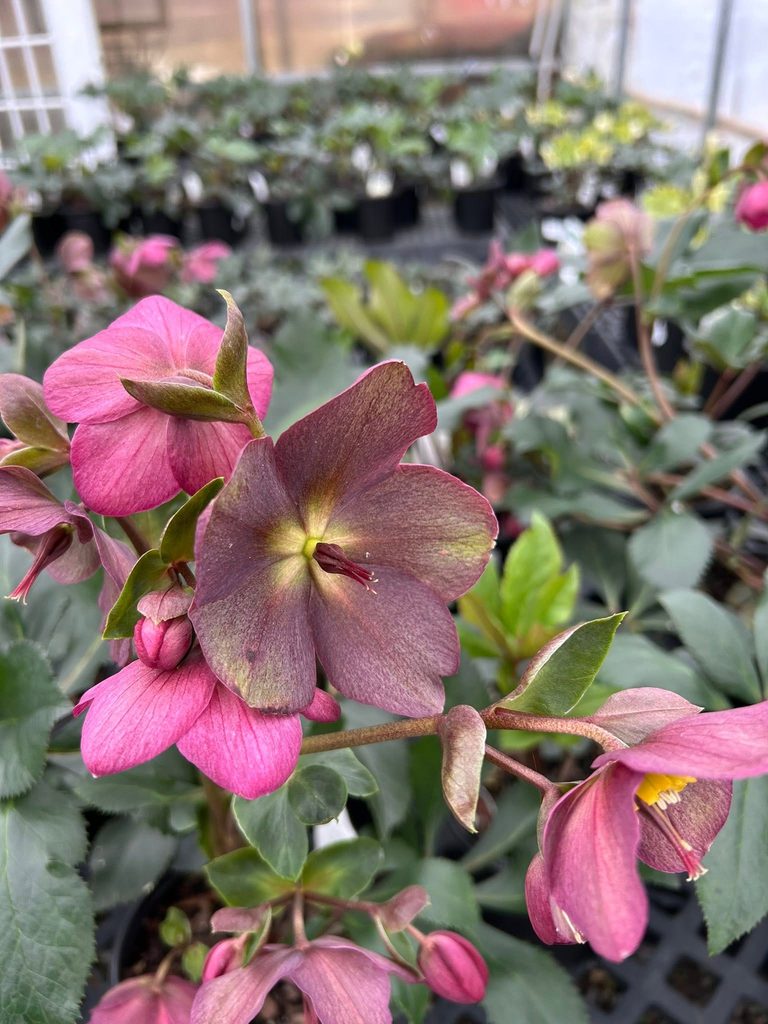
Hellebores, often called Lenten roses, are among the most reliable winter performers in temperate gardens. Their nodding, cup-shaped flowers appear in shades of pink, purple, white, and deep green, often right through a light snow cover.
I always find it a little magical to see these blooms holding steady in near-freezing conditions. Few perennials manage that kind of quiet resilience without any noticeable damage to their petals.
Hellebores thrive in USDA hardiness zones 4 through 9, preferring partial to full shade. Once established, they require very little maintenance and will often self-seed into small, thriving colonies over time.
2. Christmas Rose
Christmas rose, or Helleborus niger, is a close relative of the Lenten rose but blooms noticeably earlier, often opening its pure white flowers right around the December holidays in milder climates.
Its common name comes directly from this timing, and gardeners in Europe have prized it for centuries as one of the few flowers reliably available during the darkest weeks of the year.
Like other hellebores, it prefers rich, well-drained soil and dappled shade. It is hardy in zones 3 through 8, making it accessible to a wide range of northern gardeners.
3. Witch Hazel
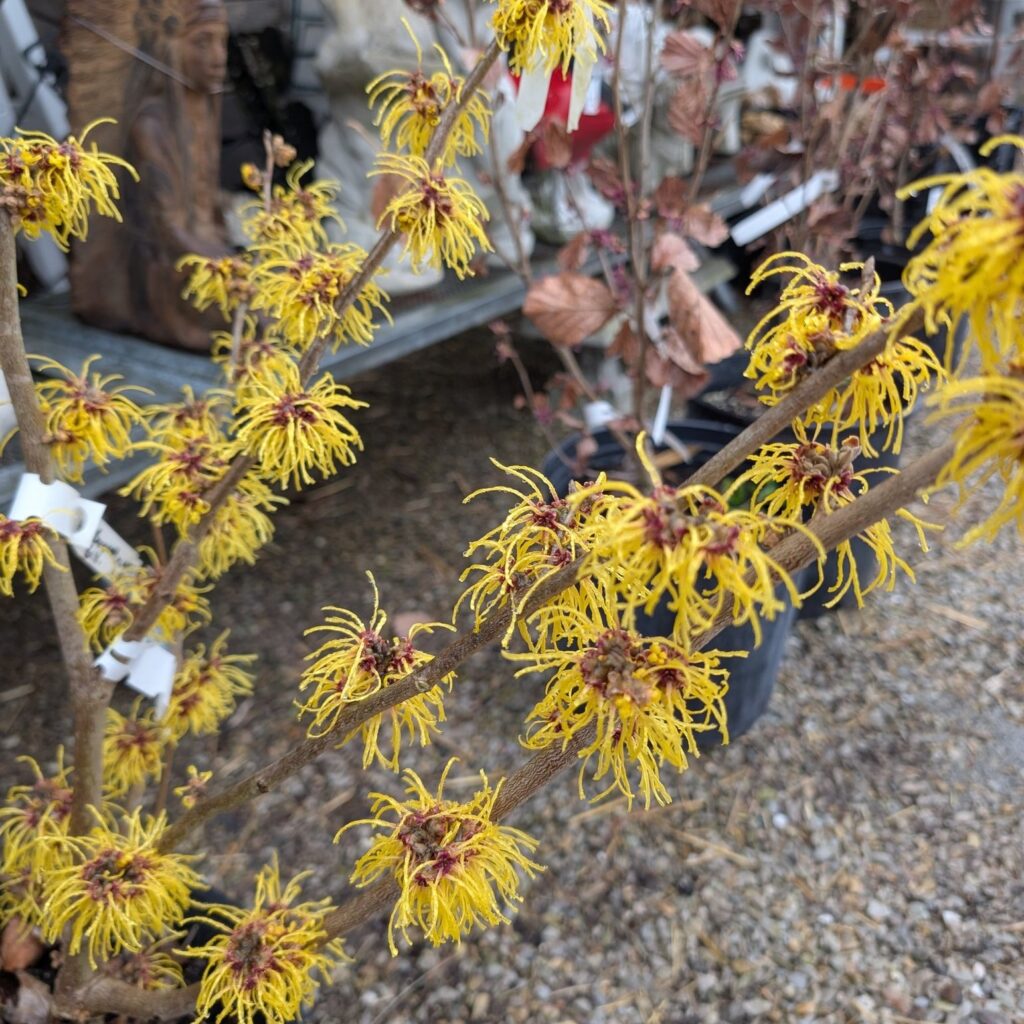
Witch hazel produces spidery, ribbon-like flowers in vivid yellow, orange, or red, unfurling along bare branches in the dead of winter when almost nothing else is blooming nearby.
The effect is genuinely striking. Bare wood suddenly bursts into delicate, thread-thin petals, often accompanied by a subtle, spicy fragrance that carries surprisingly far on cold, still air.
Witch hazel is hardy across USDA zones 3 through 9, tolerating both full and partial sun. It grows best in well-drained, slightly acidic soil, making it a favorite for woodland-edge plantings.
4. Camellia japonica
Camellia japonica is often described as the showstopper of southern winter gardens, and it earns that reputation with glossy evergreen foliage and rose-like blooms in white, pink, and deep red.
Depending on the cultivar, bloom times stretch from early winter into early spring, giving gardeners weeks of continuous color from a single, low-maintenance shrub.
These camellias grow well in USDA zones 7 through 9, preferring morning sun and afternoon shade. Mature plants can reach 7 to 12 feet tall, making an excellent flowering privacy screen.
5. Camellia sasanqua
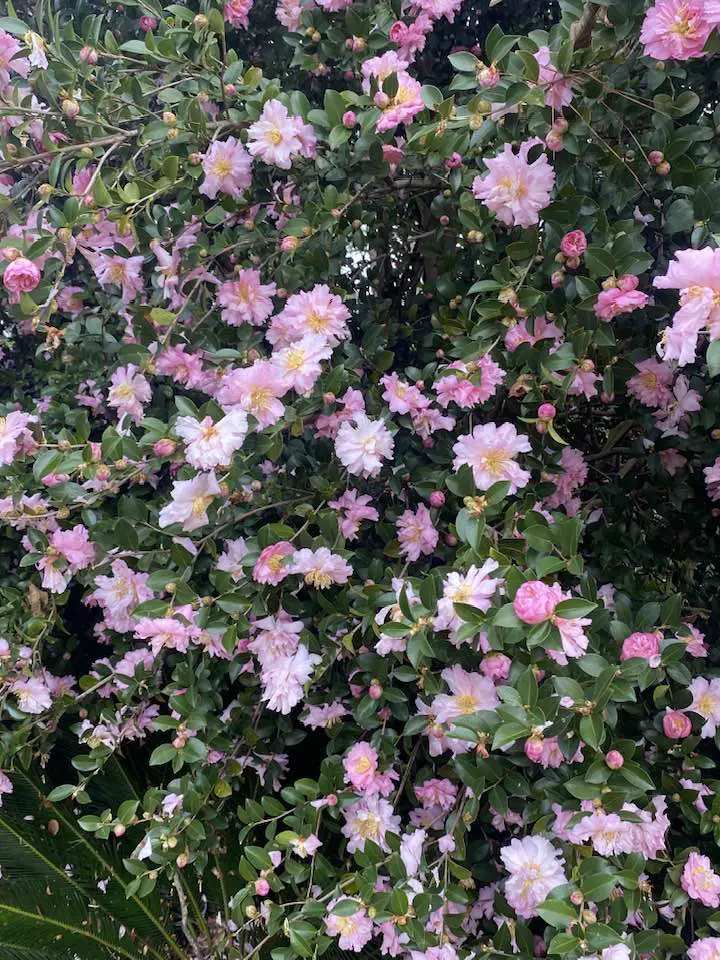
Camellia sasanqua is a close cousin of C. japonica, but it tends to bloom earlier, often starting in September and continuing well into December depending on the specific cultivar chosen.
Its flowers are generally smaller and more delicate looking, though no less colorful, appearing in shades ranging from pure white through soft pink to deep rose red.
Gardeners sometimes describe camellias collectively as “the winter rose,” a nickname that fits well given how much color they add during months when roses themselves have long since stopped blooming.
6. Winter Jasmine
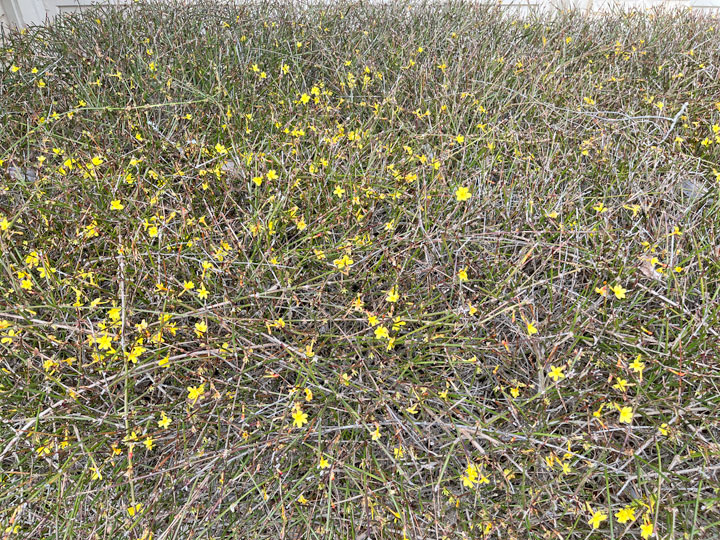
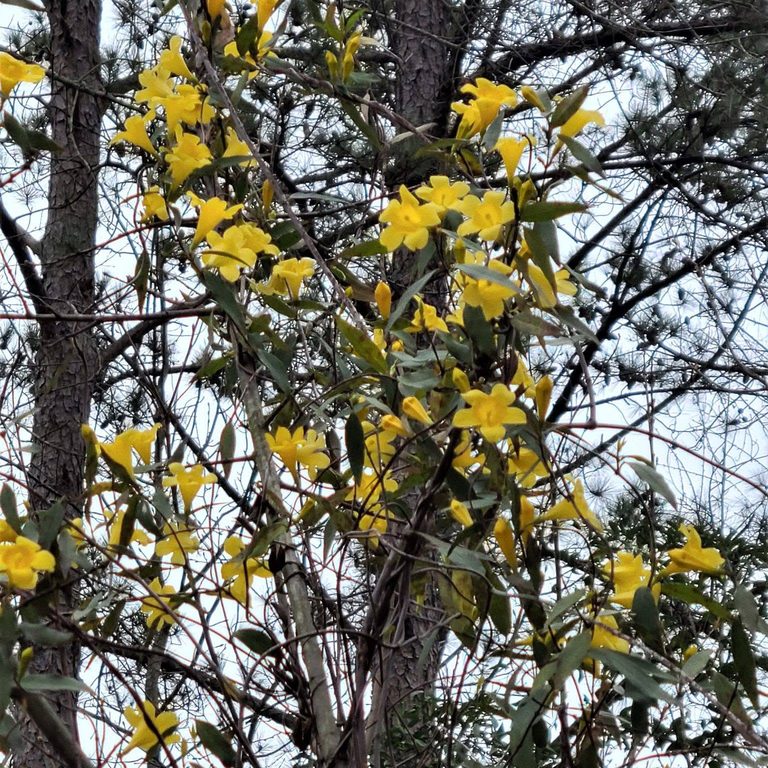
Winter jasmine produces an abundance of cheerful, star-shaped yellow flowers along arching, trailing stems, often blooming even before the plant’s own leaves have fully emerged for the season.
Unlike its fragrant summer-blooming relatives, winter jasmine carries little to no scent. What it lacks in fragrance, however, it more than makes up for in sheer volume of cheerful color.
This deciduous shrub is hardy in USDA zones 6 through 10 and can be trained to climb walls or trail attractively over garden walls, banks, and containers throughout the cold season.
7. Pansy
Pansies remain one of the most dependable winter bedding plants available, with charming, face-like blooms available in nearly every color imaginable, from deep purple to sunny yellow.
According to Mississippi State University Extension horticulturists, pansies planted in early fall establish strong roots before winter sets in, allowing them to bloom continuously right through frost and often into spring.
They perform best in full sun to partial shade with well-drained, fertile soil. Their sheer reliability is exactly why so many public parks and home gardens lean on them for consistent cold-season color.
8. Viola
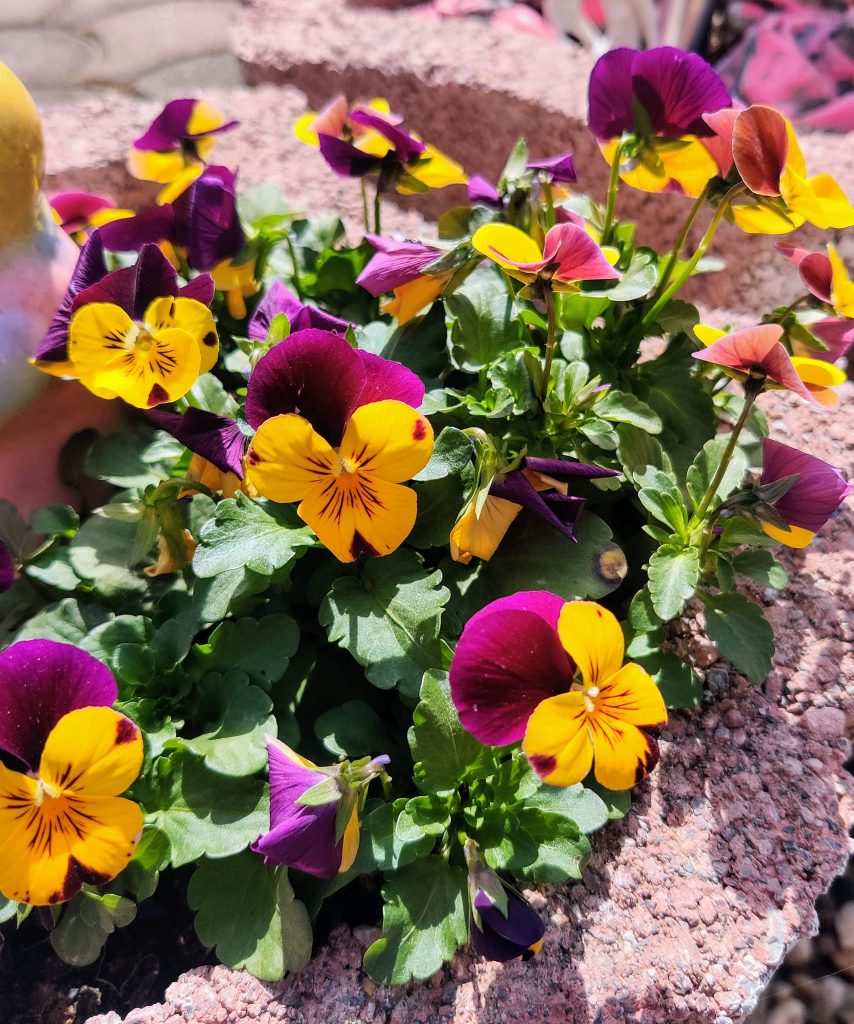
Violas are essentially the smaller, more delicate cousin of the pansy, forming tidy six-inch mounds that make them especially well suited to container gardening during the winter months.
They tolerate shade better than most pansies, which makes them a useful choice for spots in the garden that receive limited winter sunlight due to bare trees or nearby structures.
Violas bloom in an impressive range of colors and combinations, often continuing to flower through both winter and into the following spring without requiring much attention.
9. Snowdrop
Snowdrops are frequently celebrated as the very first flower to emerge after the depths of winter, pushing their small, nodding white blossoms directly through late snow cover with real determination.
I find something genuinely hopeful about spotting snowdrops in a still-frozen garden bed. They arrive before almost anything else, announcing that the coldest stretch of the year is finally loosening its grip.
Snowdrops naturalize readily in woodland settings and lawns alike, generally emerging in late winter across USDA zones 3 through 7, often while patches of snow still linger nearby.
10. Winter Aconite
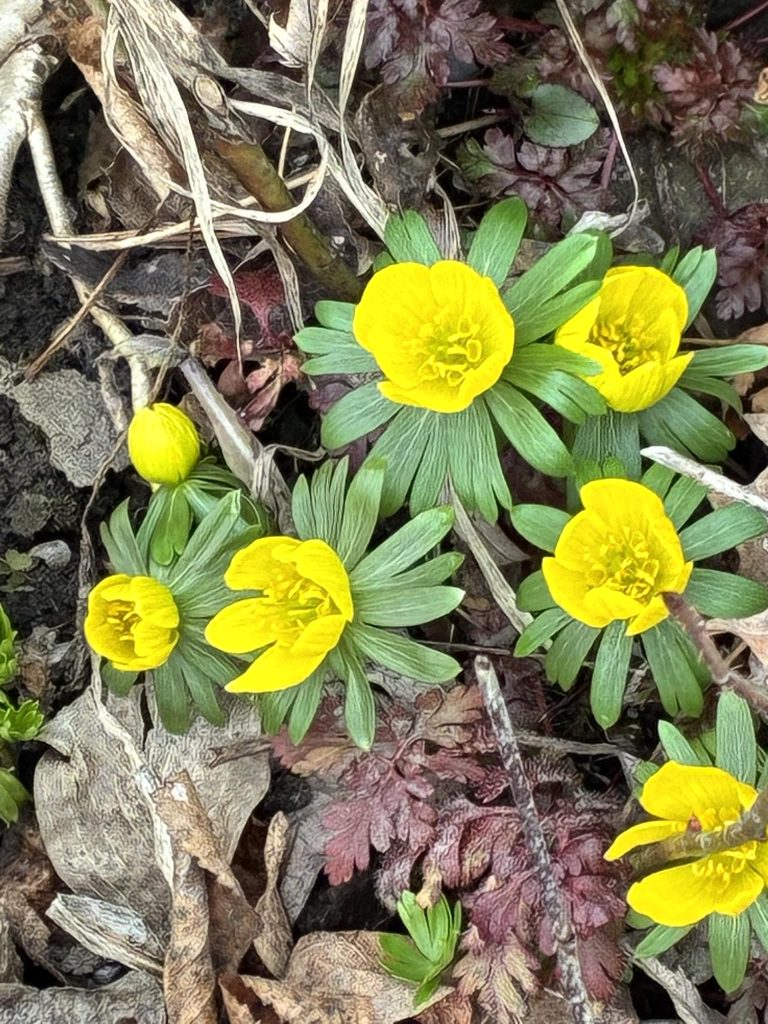
Winter aconite produces bright, buttery yellow, buttercup-shaped flowers that often appear even earlier than snowdrops, sometimes opening while snow is still actively falling around them.
Its low-growing habit and cheerful color make it an excellent companion planting alongside snowdrops, creating a striking contrast of white and yellow across an otherwise bare winter landscape.
This hardy perennial thrives in zones 3 through 7 and prefers partial shade with moist, well-drained soil, often naturalizing beneath deciduous trees where summer shade is less of a concern.
ALSO READ: 25 Trees and Shrubs That Bloom in Winter (With Pictures)
11. Crocus
Crocus flowers are famous for practically bursting out of frozen ground, their blue, purple, yellow, and white blooms appearing almost overnight once late winter temperatures begin to moderate slightly.
There is a reason crocus blooms are so often associated with “spring fever,” even though many varieties technically open their petals while winter technically still holds the calendar.
Crocus corms are typically planted in autumn alongside spring bulbs, and they reliably emerge in late winter across most temperate hardiness zones, tolerating light frost without any visible damage.
12. Cyclamen coum
Cyclamen coum produces small, upswept flowers in shades of pink, magenta, and white, rising above distinctively patterned, heart-shaped leaves that persist through the coldest months of the year.
This diminutive perennial is often tucked beneath deciduous trees or shrubs, where its winter blooms provide a welcome splash of color long before anything else in the bed has stirred.
Hardy in USDA zones 5 through 9, cyclamen coum prefers well-drained soil and dappled shade, making it a natural companion for snowdrops and winter aconite in a layered winter display.
13. Winter Heath
Winter heath, or Erica carnea, blooms reliably throughout the coldest months according to Washington State University Extension horticulturists, producing dense mats of small, bell-shaped pink or white flowers.
This low, spreading evergreen thrives in full sun and works particularly well as a ground cover, softening the edges of paths and borders when little else in the garden offers texture or color.
Winter heath performs especially well in regions with acidic soil and consistently cool, moist winters, making it a favorite choice for gardens in the Pacific Northwest and similar climates.
14. Wintersweet
Wintersweet produces small, waxy, pale yellow flowers with a deep purple center, blooming on bare branches during the coldest weeks of the year, often as early as December in milder climates.
Its fragrance is genuinely remarkable. Many gardeners describe it as one of the most powerfully scented winter shrubs available, capable of perfuming an entire garden corner from a single mature plant.
This deciduous shrub prefers full sun to partial shade and well-drained soil, generally thriving in USDA zones 7 through 9 where winter temperatures remain moderate enough to protect its delicate blooms.
15. Winter Daphne
Winter daphne is a slow-growing, evergreen shrub prized above all for its intensely fragrant flowers, which present in small, clustered spheres of white to pale pink during the depths of winter.
According to University of Georgia Extension horticulturists, this compact shrub typically reaches only three to four feet in height, making it a manageable choice even for smaller garden spaces.
Its fragrance alone has made winter daphne a favorite for planting near entryways and windows, where its scent can be appreciated on cold mornings without needing to venture far into the yard.
16. Mahonia
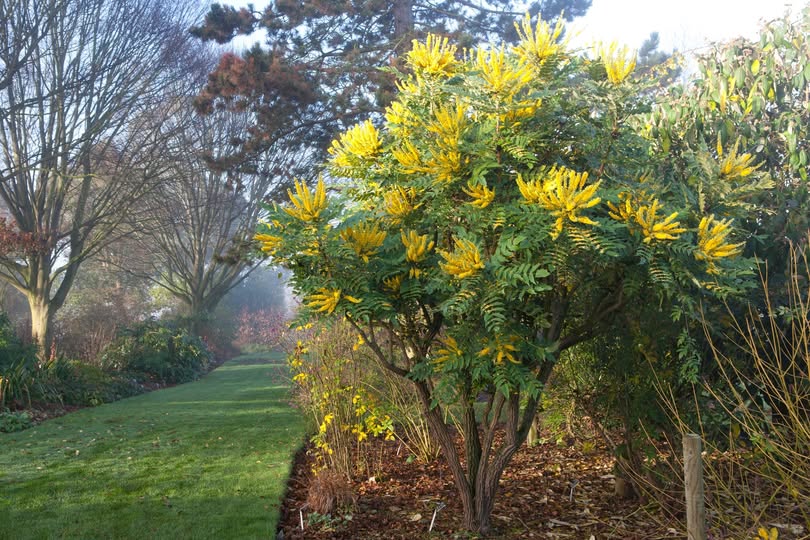
Mahonia produces striking clusters of bright yellow flowers held above spiny, holly-like evergreen foliage, generally blooming during late fall through winter depending on the specific species and climate.
Beyond their visual appeal, mahonia flowers serve as an important nectar source for overwintering pollinators and songbirds at a time when few other nectar-producing plants remain active nearby.
Hardy across a wide range of zones depending on species, mahonia tolerates shade well, making it a useful structural addition to woodland gardens that need winter interest at multiple heights.
17. Paperwhite Narcissus
Paperwhite narcissus are prized for their clusters of small, intensely fragrant white flowers, which bloom reliably indoors during winter when forced from bulbs planted in shallow water or pebbles.
Unlike most bulbs on this list, paperwhites are typically grown as an indoor winter houseplant rather than an outdoor garden perennial, since they generally cannot survive freezing outdoor temperatures.
From bulb to bloom, paperwhites take roughly four to six weeks indoors, making them a popular choice for holiday displays and a dependable source of fragrant winter color on any windowsill.
18. Amaryllis
Amaryllis produces enormous, trumpet-shaped blooms in red, white, pink, and striking picotee combinations, and it ranks among the most popular winter-flowering bulbs grown indoors during the holiday season.
Its bold, dramatic flowers make a striking centerpiece on any table, and a single bulb can produce multiple flower stalks over the course of several weeks once it begins blooming indoors.
Amaryllis performs best with full sun for roughly six hours a day and thrives outdoors only in the mildest climates, which is exactly why most gardeners grow it as a container plant.
19. Poinsettia
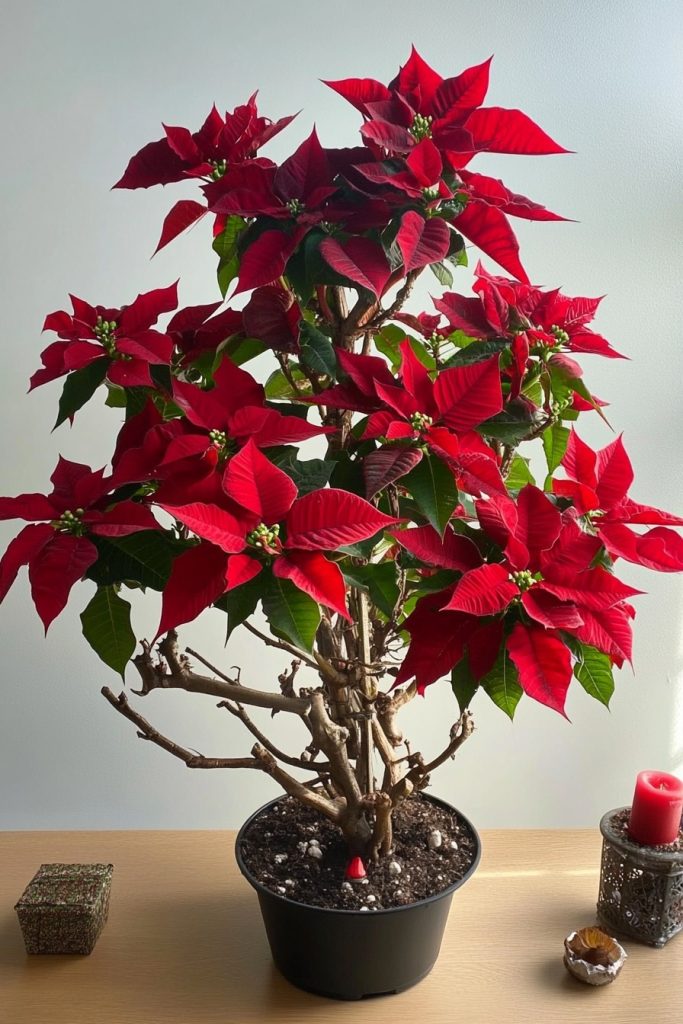
Poinsettia is perhaps the single most recognizable winter-blooming plant in the world, instantly associated with the December holiday season thanks to its brilliant red, pink, or white bracts.
Technically, what most people call the “flower” is actually a cluster of modified leaves called bracts, surrounding the plant’s true, comparatively tiny and unremarkable yellow flowers at the center.
Poinsettias require bright, indirect light and consistent temperatures to maintain their color, which is why they are almost always grown indoors as a temporary holiday houseplant rather than outdoors.
20. Christmas Cactus
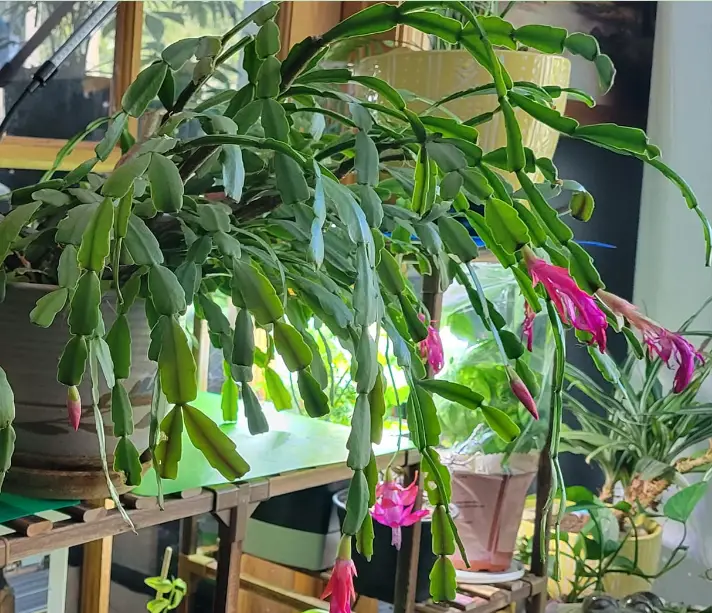
Christmas cactus produces stunning, tubular flowers in shades of pink, red, purple, and white, blooming reliably around the December holidays when given the right combination of light and temperature cues.
Unlike desert cacti, this plant actually originates from humid, shaded forests in Brazil, which explains why it prefers indirect light and consistently moist, rather than dry, growing conditions indoors.
With proper care, a single Christmas cactus can live and rebloom reliably for decades, often becoming a genuine family heirloom passed down between generations of dedicated houseplant enthusiasts.
21. Primrose
Primrose produces cheerful clusters of small, five-petaled flowers in nearly every color imaginable, often blooming in late winter well before most other perennials have even begun to stir.
These compact, low-growing plants work beautifully in containers, window boxes, and border edges, offering an early burst of color right at the point in the season when gardeners need it most.
Primroses generally prefer partial shade and consistently moist, well-drained soil, thriving across a wide range of USDA zones depending on the specific species and cultivar selected.
22. Flowering Quince
Flowering quince is a deciduous shrub in the rose family, and according to North Carolina State Extension horticulturists, it ranks among the very first shrubs to bloom in late winter to early spring.
Its showy flowers appear in shades of pink, red, and white, typically opening on bare, thorny branches before the plant’s own foliage has emerged for the season.
Since blooming occurs on old growth, pruning should be done sparingly and only immediately after flowering. Established plants tolerate drought well and thrive in full sun to partial shade.
23. Cornelian Cherry Dogwood
Cornelian cherry dogwood produces small, bright yellow flower clusters along its bare branches in late winter, well before the more familiar white and pink dogwood blooms of spring even begin to form.
This small, multi-stemmed tree offers understated but genuinely welcome color at a time of year when most flowering trees remain firmly dormant and visually unremarkable.
Later in the season, the tree produces edible, cherry-like red fruit, giving it ornamental interest that extends well beyond its relatively brief but cheerful winter flowering period.
24. Spring Snowflake
Spring snowflake produces delicate, white, bell-shaped flowers with distinctive green tips on each petal, often blooming in late winter while the surrounding ground may still be covered in snow.
Despite the name suggesting a spring-only bloom, this hardy bulb frequently begins flowering well before the official start of spring in many temperate climates, particularly in sheltered garden spots.
Spring snowflake naturalizes readily in woodland settings and thrives in moist, well-drained soil, making it an easy, low-maintenance addition to any winter or early spring bulb display.
25. Algerian Iris
Algerian iris produces delicate, fragrant lavender-blue flowers throughout the winter months, a striking contrast to most other iris species, which typically bloom exclusively in spring or early summer.
Its grass-like evergreen foliage provides year-round structure, while the unexpected winter blooms offer a genuine surprise to gardeners not familiar with this particular iris species and its unusual timing.
This iris performs best in full sun with well-drained, even somewhat poor soil, and it tolerates drought remarkably well once fully established in a suitable Mediterranean-style garden bed.
26. Sweet Box
Sweet box is a low-growing, evergreen shrub prized for its small, inconspicuous white flowers, which pack an outsized, intensely sweet fragrance that can perfume an entire garden path in winter.
Because the flowers themselves are quite small and easy to overlook visually, many gardeners first notice sweet box by scent alone, often before spotting the actual blooms tucked beneath its glossy leaves.
This shrub thrives in shade, making it a valuable choice for winter interest in spots too dark for most other flowering plants, particularly beneath larger evergreen trees or north-facing walls.
27. Winter Honeysuckle
Winter honeysuckle produces small, creamy white flowers with an intensely sweet fragrance, blooming on bare branches during the coldest stretches of winter well before its leaves fully emerge.
Its scent is often compared to jasmine or citrus blossom, and a single well-placed shrub can noticeably perfume an entire garden corner on still, cold winter days when fragrance travels particularly far.
This deciduous shrub tolerates a wide range of soil conditions and performs best in full sun to partial shade, generally thriving across a broad span of temperate USDA hardiness zones.
28. Dianthus
Dianthus, affectionately nicknamed “pinks” by generations of gardeners, produces compact, tidy blossoms with distinctively fringed petals in shades of pink, red, lavender, and white throughout winter.
According to Mississippi State University Extension specialists, these charming plants round out any winter garden beautifully, offering both color and a light, clove-like fragrance in cooler weather.
Dianthus thrives in full sun with well-drained soil, and its compact growth habit makes it an excellent choice for edging garden beds, containers, and rock gardens alike.
29. Snapdragon
Snapdragons are surprisingly cold-tolerant, often continuing to bloom after light freezes according to horticultural extension specialists, producing elegant, colorful flower spikes that add real vertical drama to winter beds.
Their blooms range from classic reds and pinks through apricot, peach, and striking bicolor combinations, giving gardeners plenty of options for coordinating with existing winter color schemes.
Butterflies and other pollinators appreciate snapdragons even during cooler weather, making this cold-hardy annual a useful addition for anyone hoping to support winter pollinator activity nearby.
30. Calendula
Calendula, sometimes called pot marigold, produces cheerful, daisy-like flowers in warm shades of orange and yellow, tolerating light frost far better than many other annual bedding plants.
Beyond its ornamental appeal, calendula carries a long history of use in traditional skincare preparations, and its petals remain edible, occasionally appearing as a colorful garnish on winter dishes.
This hardy annual prefers full sun and moderately fertile, well-drained soil, blooming reliably through mild winters in warmer climates and continuing well into the following spring season.
31. Stock
Stock produces dense spikes of intensely fragrant flowers in shades of purple, pink, and white, and it ranks among the more underrated cool-season flowers available for winter garden beds.
Its clove-like fragrance is often compared favorably to that of hyacinth, making stock a popular choice for cut flower arrangements brought indoors during the colder months of the year.
This cool-season annual prefers full sun and rich, well-drained soil, generally performing best when temperatures remain mild rather than experiencing severe or prolonged hard freezes.
32. Coast Silk Tassel
Coast silk tassel produces long, dangling, silvery-gray catkins during the winter months, creating a genuinely unusual textural effect that stands apart from more conventional winter flowering shrubs.
According to Washington State University Extension horticulturists, this evergreen shrub performs particularly well in maritime climates, thriving in the cool, temperate conditions found throughout the Pacific Northwest.
Its unusual, tassel-like blooms make coast silk tassel a favorite among gardeners specifically seeking unconventional winter texture rather than traditional, brightly colored petals.
33. Winter Clematis
Winter clematis, sometimes called Clematis cirrhosa, produces nodding, bell-shaped cream flowers, often speckled with maroon spots, climbing vigorously across trellises and fences during the coldest months.
Its evergreen foliage provides year-round structure, while the winter blooms offer an unexpected burst of interest at a time when most other climbing vines have long since gone fully dormant.
This vigorous climber prefers full sun to partial shade and well-drained soil, generally thriving in the milder winter climates found throughout much of the southern and coastal United States.
34. Bergenia
Bergenia produces clusters of pink or white flowers on sturdy stalks rising above large, glossy, leathery leaves that often take on attractive bronze or reddish tones during the coldest months.
According to Iowa State University Extension horticulturists, this reliable perennial offers genuine winter interest even before flowering begins, thanks to its striking evergreen foliage alone.
Bergenia thrives in partial shade with moist, well-drained soil, making it a dependable, low-maintenance choice for adding both color and structural interest to a winter garden bed.
35. Skimmia
Skimmia produces small, fragrant clusters of white or pink flower buds through winter, eventually opening into delicate blooms just as the coldest stretch of the season begins to ease.
This compact, evergreen shrub also produces bright red berries on female plants, provided a male pollinator variety is planted nearby, extending its visual interest well beyond the flowering period alone.
Skimmia performs best in partial to full shade with consistently moist, well-drained, slightly acidic soil, making it an excellent choice for shaded winter borders and woodland-style plantings.
ALSO READ: 35 Flowers Poisonous to Cats (Info, With Pictures)
Why Some Flowers Bloom in Winter
It seems counterintuitive at first. Cold weather usually signals dormancy, not flowering. Yet certain plants have evolved specifically to bloom when competition for pollinators is lowest.
Fewer blooming rivals means less competition for the insects still active in cold weather. Winter-flowering plants often produce strong fragrance for this exact reason, since scent needs to travel further to attract scarce pollinators.
Many of these flowers also originate from regions with naturally mild or short winters, such as parts of Asia and the Mediterranean, which explains why they tolerate cold snaps that would devastate typical summer bloomers.
The Numbers Behind Winter Blooms
Understanding when and where these flowers thrive comes down largely to one key resource. The USDA Plant Hardiness Zone Map divides North America into 13 distinct zones, each based on average annual extreme minimum winter temperature.
Each zone represents roughly a 10-degree Fahrenheit difference from its neighbor, meaning a flower rated for zones 7 through 9 will likely struggle or fail entirely if planted several zones colder than its recommended range.
This matters enormously for winter bloomers specifically, since their flowering displays depend on surviving, rather than simply tolerating, genuinely cold conditions throughout the entire blooming period.
Before planting any flower from this list outdoors, checking your specific USDA hardiness zone against the plant’s recommended range remains the single most reliable way to guarantee a successful winter display.
How to Plan a Winter-Blooming Garden
Getting the timing right matters just as much as choosing the right plants. Most winter-blooming perennials, shrubs, and bulbs should be planted in early fall, giving roots several weeks to establish before the ground fully freezes.
Layering bloom times creates continuous color rather than a single, brief winter display. Pairing early bloomers like winter aconite with later performers like hellebores extends interest across the entire cold season.
Placement matters too. Positioning fragrant winter shrubs like daphne or wintersweet near a frequently used path or entryway means you will actually notice and enjoy their scent during the coldest months.
Finally, checking your local university extension office for region-specific frost dates and recommended cultivars remains one of the most reliable ways to avoid disappointment once winter fully arrives.
Frequently Asked Questions
Can winter flowers survive snow and frost? Yes. Many of the flowers on this list, including snowdrops, winter aconite, and hellebores, are specifically adapted to bloom through light snow and frost without visible damage to their petals.
What is the easiest winter flower for a beginner to grow? Pansies and violas are widely considered the most forgiving choices, tolerating a wide range of conditions while still delivering reliable, long-lasting color from fall through the following spring.
Do winter-blooming flowers need special care compared to summer flowers? Not usually. Most require the same basics, appropriate sunlight and well-drained soil, though timing matters more, since fall planting is essential to allow root establishment before hard freezes arrive.
Final Thoughts
Writing this list reminded me how much color quietly exists in gardens most people assume are completely dormant. Winter is not actually empty. It simply asks you to look a little more closely.
A handful of well-chosen winter bloomers can transform a bare, gray landscape into something genuinely worth stepping outside for, even on the coldest mornings of the year.
Start with just two or three flowers from this list. Once you see how much brightness they bring to a quiet winter garden, adding more each season becomes an easy, rewarding habit.
References
- United States Department of Agriculture, Agricultural Research Service — USDA Plant Hardiness Zone Map. https://planthardiness.ars.usda.gov/pages/view-maps
- University of Georgia Extension, Forsyth County — Flowering Plants That Brighten Winter Landscapes. https://site.extension.uga.edu/forsyth/flowering-plants-that-brighten-winter-landscapes/
- Washington State University Extension, King County — Choosing Winter Flowering Shrubs, Tip Sheet #10. https://extension.wsu.edu/king/mg-home/gardening-resources/tip-sheets/tip-sheet-10
- Mississippi State University Extension Service — Certain Plants Keep Gardens Bright Despite Winter Weather. https://extension.msstate.edu/news/southern-gardening/2025/certain-plants-keep-gardens-bright-despite-winter-weather
- Iowa State University Extension and Outreach — Perennials with Winter Interest. Yard and Garden. https://yardandgarden.extension.iastate.edu/how-to/perennials-winter-interest
- Clemson Cooperative Extension, Home & Garden Information Center — Winter Interest in the Landscape. https://hgic.clemson.edu/hot-topic/winter-interest-in-the-landscape/
- North Carolina State Extension, Wayne County — What’s Blooming in February. https://wayne.ces.ncsu.edu/2022/02/whats-blooming-in-february

Tim M Dave is a gardening expert with a passion for houseplants, particularly cacti and succulents. With a degree in plant biology from the University of California, Berkeley, he has vast experience in gardening. Over the years, he has cultivated a vast collection of desert plants and learned a great deal about how to grow and care for these unique companions.