35 Best Flowers to Grow in Your Vegetable Garden (With Pictures)
Most vegetable gardeners think flowers are just for looks. I used to think that too, until my tomato yield jumped after I tucked a few marigolds between the rows.
Flowers are not decoration in a food garden. They are working plants with a job to do.
They pull in bees, confuse pests, and even change the soil beneath your feet. In fact, about one-third of all agricultural output in the United States depends on pollinators, and the addition of bees to one working farm increased tomato production by 25 percent in a single season.
That is not a small number. That is the difference between a so-so harvest and a bumper one.
This guide walks through 35 of the best flowers for a vegetable garden, one by one. I will explain what each flower does, how to plant it, and where it works best.
Why Flowers Belong in a Vegetable Garden
Flowers do three main things in a vegetable bed: they attract helpful insects, they repel harmful ones, and they improve the soil.
Research from Washington State University Extension confirms that companion planting practices, when scientifically grounded, improve plant health and productivity while decreasing damage from insects and disease. That is a research-backed reason to plant flowers, not just a garden myth.
Clemson Extension adds that a dense mix of companion plants can outcompete weeds for water, sunlight, and nutrients, which means less weeding for you.
I have seen this firsthand. A bed with mixed flowers and vegetables always looks fuller and needs less maintenance than a bed of vegetables alone.
Now, let’s get into the list.
1. Marigold
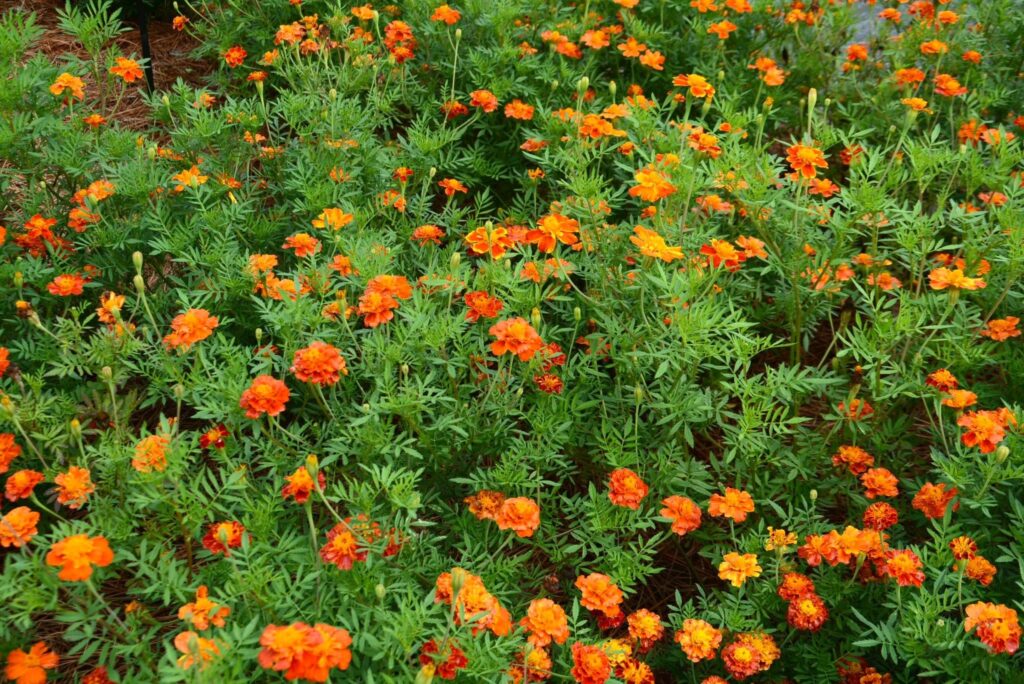
Marigold is the single most recommended flower for vegetable gardens, and for good reason. Its roots release a compound that works against soil pests.
University of Florida research shows marigold can suppress 14 genera of plant-parasitic nematodes, with root-knot nematodes among the most affected. That is a serious pest problem solved by a simple flower.
Plant marigolds along garden borders or between tomato and pepper plants. They bloom fast, tolerate poor soil, and need almost no care once established.
2. Nasturtium
Nasturtium is often called a “trap crop.” It draws aphids away from your vegetables and onto itself instead.
I like nasturtium because every part of it is edible. The flowers, leaves, and even the seed pods can go straight into a salad.
Grow it near squash, cucumbers, or beans. It spreads quickly, so give it room, or let it climb a trellis if space is tight.
3. Calendula (Pot Marigold)
Calendula is not the same plant as marigold, though the names get confused often. It is another strong trap crop, especially for aphids.
Its bright orange and yellow petals bloom for months, even through light frost. That long bloom window makes it a reliable food source for beneficial insects all season.
Plant calendula near brassicas like cabbage and broccoli. It also self-seeds, so once established, it tends to come back on its own.
ALSO READ: 35 Flowers That Attract Butterflies (With Pictures)
4. Borage
Borage is a personal favorite of mine because bees seem to love it more than almost anything else in the garden. Its blue star-shaped flowers are constantly buzzing.
It is also known to help deter tomato hornworm and cabbage worm when planted nearby. Some gardeners swear it improves the flavor of nearby strawberries, though that claim is more folklore than proven science.
Borage grows tall and a little wild, so give it its own corner. It reseeds easily, meaning one planting can return for years.
5. Sunflower
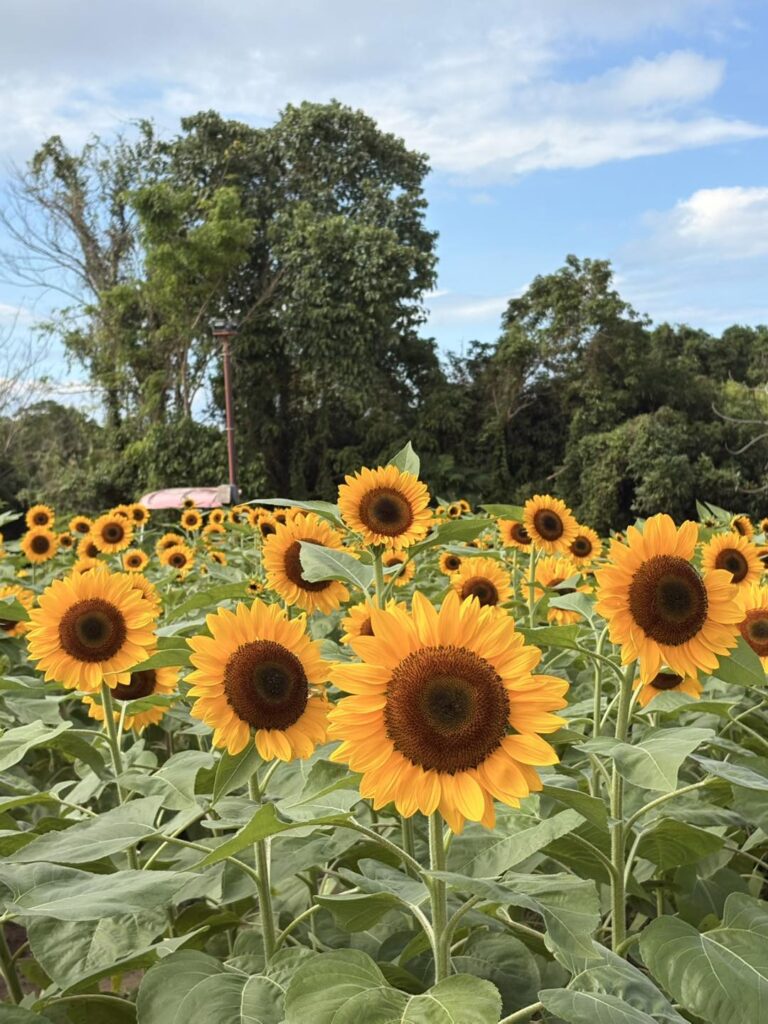
Sunflowers do double duty: they attract pollinators and act as a natural trellis for climbing vegetables like beans or peas.
Michigan State University Extension lists sunflowers among the easy-to-grow flowers that attract pollinators, alongside salvia, zinnia, and marigold. Better pollination directly means better yield.
Plant tall varieties along the north side of your garden so they don’t shade smaller vegetables. Their seeds are also a nice bonus harvest at season’s end.
6. Zinnia
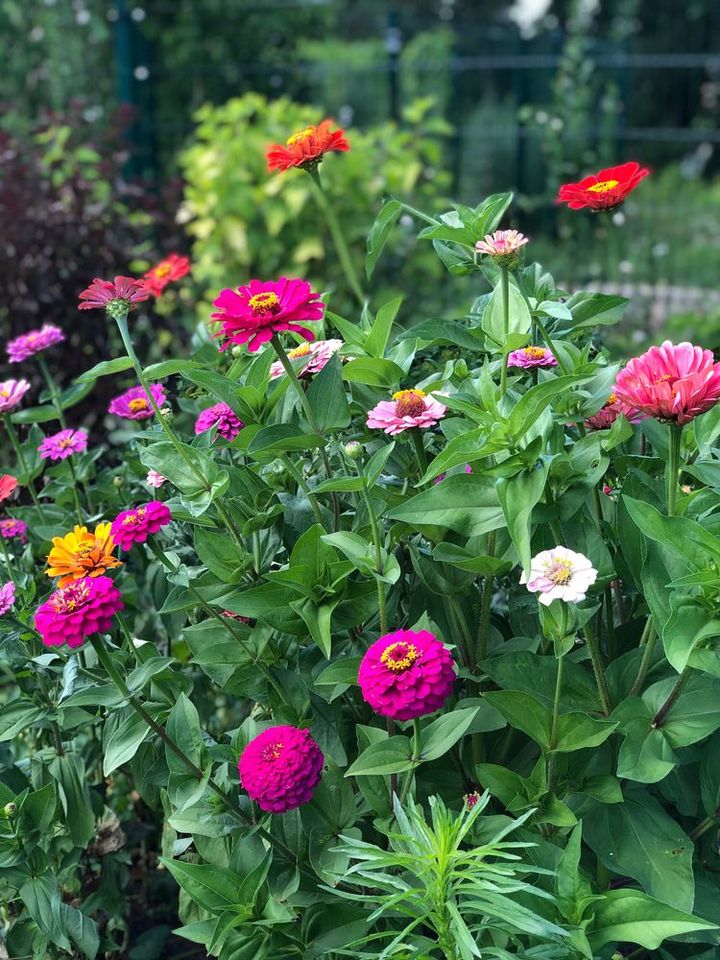
Zinnias are a beginner-friendly flower that blooms fast and rewards very little effort. They come in nearly every color, which makes them useful for filling in gaps visually.
Butterflies are especially drawn to zinnias, more so than many other garden flowers. If you want to support monarch butterflies specifically, zinnia is a strong choice.
Cut zinnias often to encourage more blooms. The more you cut, the more they grow back, so don’t be shy with the scissors.
7. Cosmos
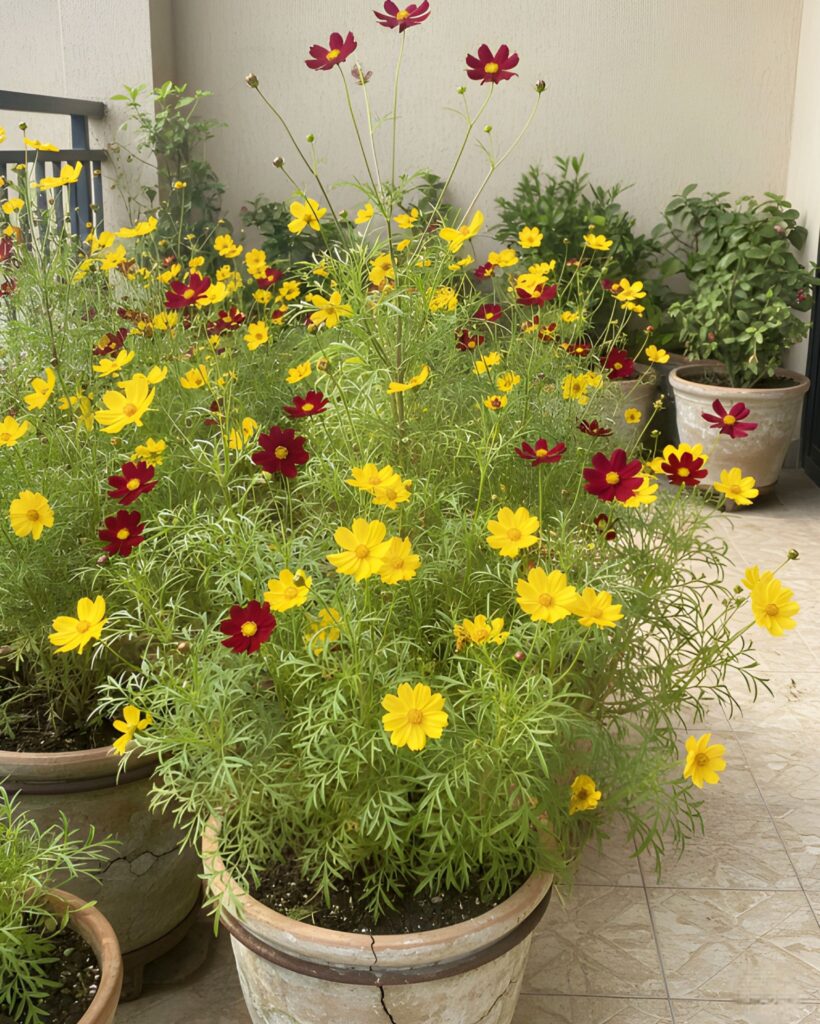
Cosmos is another flower that appears on the Michigan State University list of pollinator attractors. It has delicate, airy blooms that sway in the wind, giving a garden a softer look.
It grows well in poor soil, which makes it useful for the “bad corner” of your garden where vegetables struggle. Cosmos does not need rich soil to thrive; in fact, too much fertilizer can reduce its blooms.
Space cosmos between taller vegetables like corn. It tolerates a bit of shade and still flowers reliably.
8. Sweet Alyssum
Sweet alyssum is a low, spreading flower with a honey-like scent that draws in hoverflies. Hoverflies are excellent natural predators of aphids.
I plant it along garden pathways because it fills in bare soil quickly and smothers weed seedlings. It also tolerates light foot traffic better than most flowers.
It blooms in cooler weather, so plant it early in spring or again in fall for a second flush. It rarely needs deadheading to keep flowering.
ALSO READ: 35 Flowers That Attract Bees (With Pictures, And Growing Tips)
9. Petunia
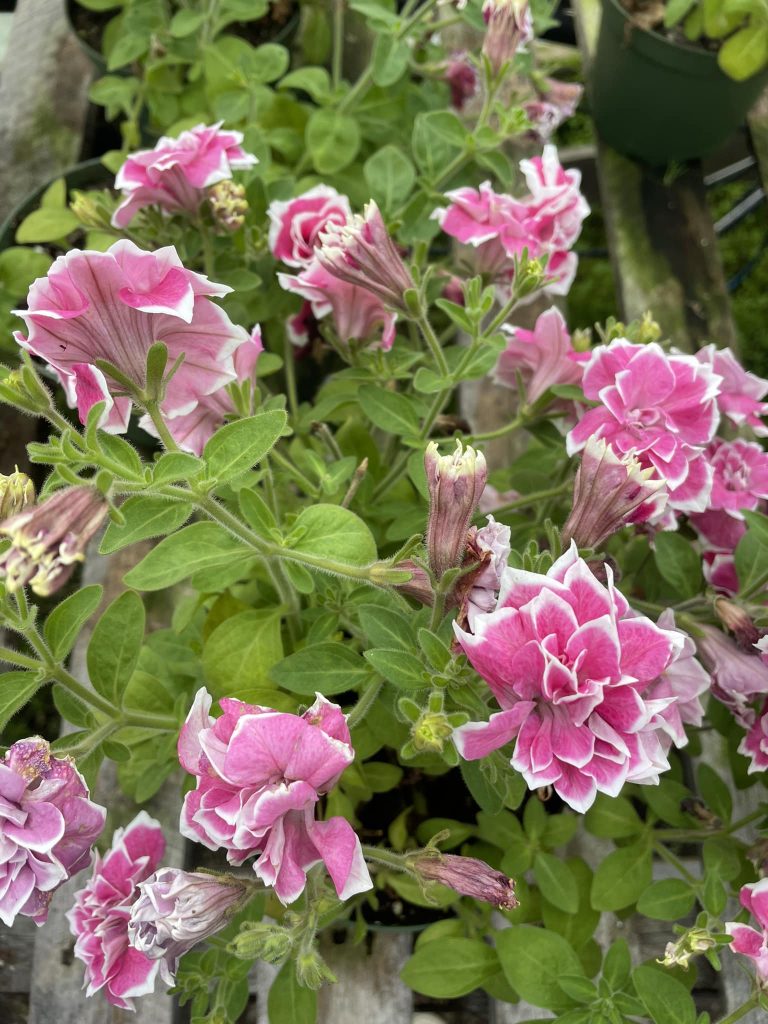
Petunia has a reputation for repelling tomato hornworm, a pest that can strip a tomato plant of leaves overnight. While research on this is mixed, many gardeners report fewer hornworms nearby.
It is also simply cheerful to look at, with trumpet-shaped blooms in nearly every shade. Petunias work well in containers if you are short on garden bed space.
Deadhead spent blooms regularly to keep petunias flowering through summer. They do best with consistent watering rather than deep, occasional soaks.
10. Sweet Pea
Sweet pea is a climbing flower with one of the most fragrant blooms in the garden. Its scent alone is worth growing it for.
As a legume, sweet pea can add a small amount of nitrogen to the soil, similar to bush beans. This is a modest benefit, but every bit helps in a food garden.
Give sweet pea a trellis or fence to climb. Plant it early, since it prefers cooler spring temperatures over summer heat.
11. Yarrow
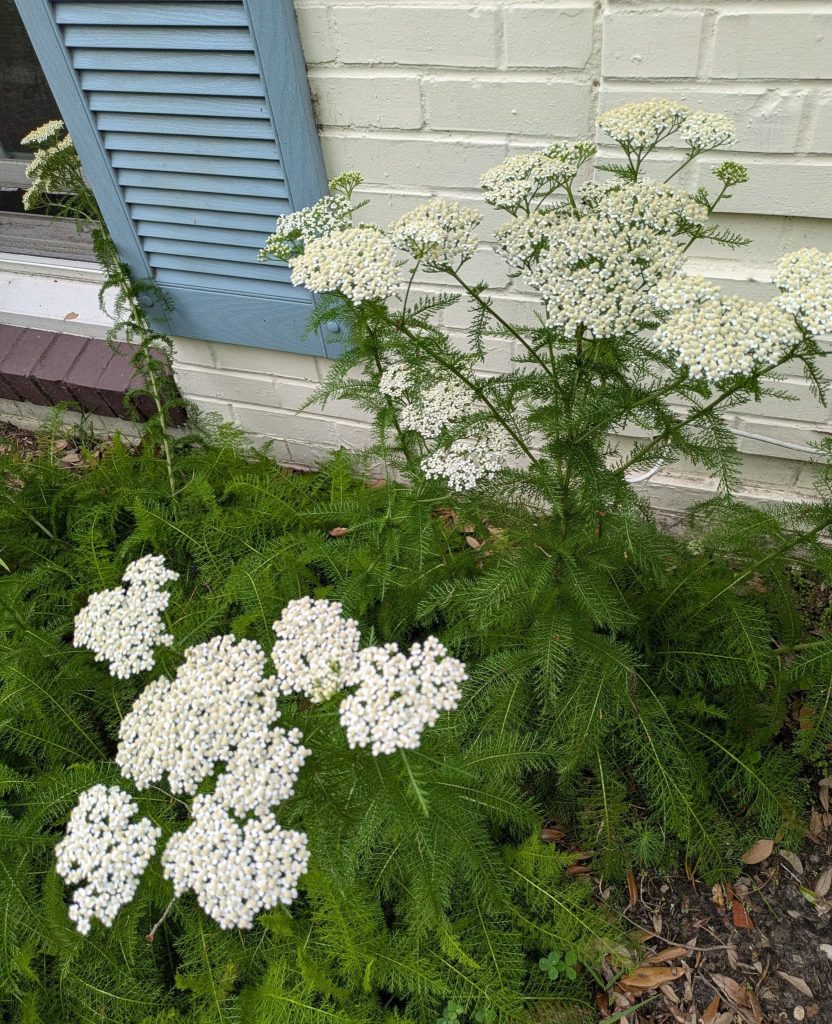
Yarrow is a tough, drought-tolerant flower that attracts ladybugs, lacewings, and parasitic wasps. These are three of the most effective natural predators against garden pests.
Its flat flower clusters make it easy for small beneficial insects to land and feed. That is a small design detail in nature that makes a big difference for pest control.
Yarrow spreads through its roots, so plant it where it has room to expand. It works well along garden edges rather than in tight rows.
12. Snapdragon
Snapdragon adds vertical color and blooms early in the season, before many other flowers get started. Bumblebees in particular are strong enough to open its snapping flower shape.
It handles cool weather well, making it a good choice for spring plantings alongside lettuce and peas. In hot climates, it may fade once summer heat arrives.
Pinch back young snapdragon plants to encourage bushier growth. This results in more blooms later in the season.
13. Geranium
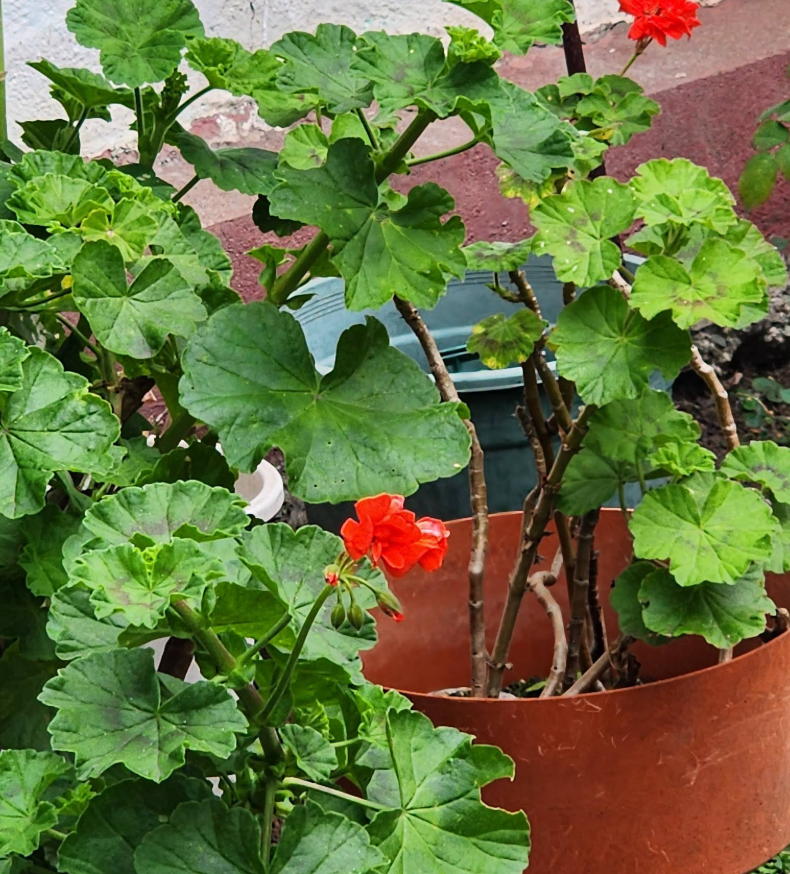
Geranium is often mentioned for repelling mosquitoes, ants, and leafhoppers, thanks to its strong scent. Many gardeners plant it near seating areas for this reason.
It is a hardy, low-maintenance flower that tolerates dry spells better than most. This makes it useful in garden zones you cannot water as often.
Plant geraniums along garden borders or in containers near vegetable beds. They do not require rich soil to bloom well.
14. Nigella (Love-in-a-Mist)
Nigella has an unusual, delicate appearance with feathery foliage surrounding each bloom. It is a quiet favorite among gardeners who want something a little different.
Bees are drawn to its blue and white flowers, and the seed pods that follow are attractive enough to use in dried arrangements. That gives it a second season of use after blooming ends.
It reseeds itself readily. Once planted, you may find new nigella seedlings popping up for years without replanting.
15. Bachelor’s Button (Cornflower)
Bachelor’s button, also called cornflower, is one of the easiest flowers to grow from seed directly in soil. It tolerates neglect better than most ornamental flowers.
Its bright blue color is somewhat rare in nature, which makes it a strong visual draw for bees. Edible petals are a bonus, often used to add color to salads.
Direct sow it early in spring. It blooms quickly and continues through early summer with minimal care.
ALSO READ: 35 Flowers That Attract Hummingbirds (And Keep Them Coming Back)
16. Larkspur
Larkspur produces tall spikes of blue, pink, or white flowers that bees find hard to resist. It is closely related to delphinium but tends to be easier to grow.
Note that larkspur is toxic if eaten, so plant it at a distance from edible flowers you plan to harvest. Keep this in mind if you have pets or young children in the garden.
It self-seeds well in cooler climates. Once you grow it one season, it often returns without extra effort.
17. Lavender
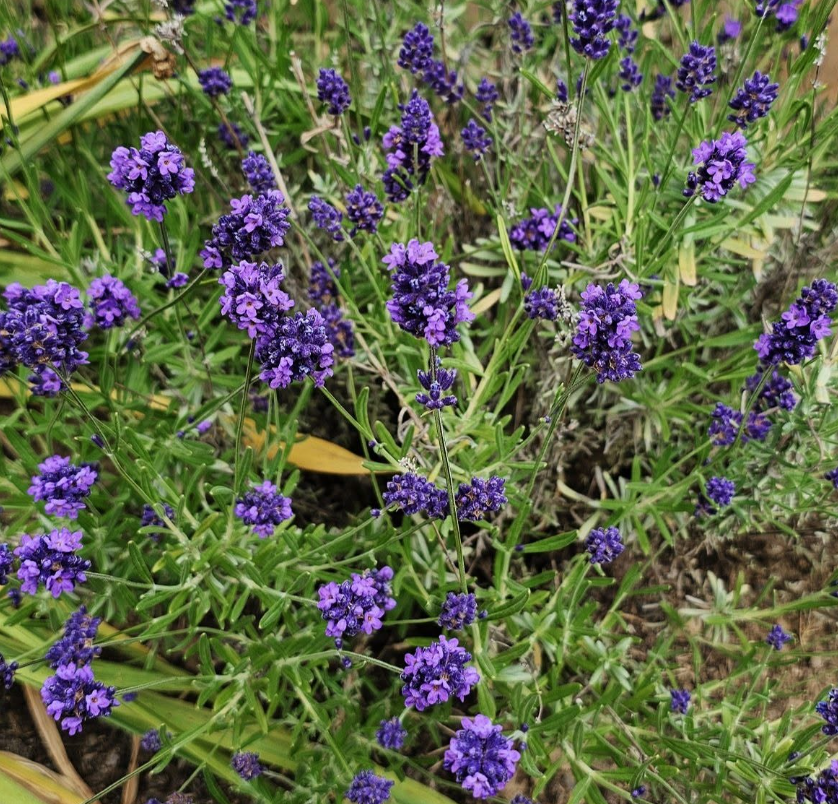
Lavender is well known for repelling moths, flies, fleas, and mosquitoes with its strong fragrance. It is one of the most functional flowers you can add to a garden border.
Beyond pest control, lavender is a magnet for bees and butterflies during its bloom period. It also holds up well in dry, sunny spots where many vegetables struggle.
Plant it along garden edges where its scent can drift across the beds. It prefers well-drained soil and does not like sitting in wet ground.
18. Salvia
Salvia, sometimes called sage in its ornamental forms, appears frequently on lists of top pollinator flowers, alongside sunflowers and zinnias. Hummingbirds are especially drawn to red salvia varieties.
It blooms for a long stretch of the growing season, which means a steady food source for pollinators rather than a short burst. That consistency matters for keeping bees returning to your garden.
Salvia tolerates heat and dry spells well. Plant it in a sunny spot and it will largely take care of itself.
19. Catmint (Nepeta)
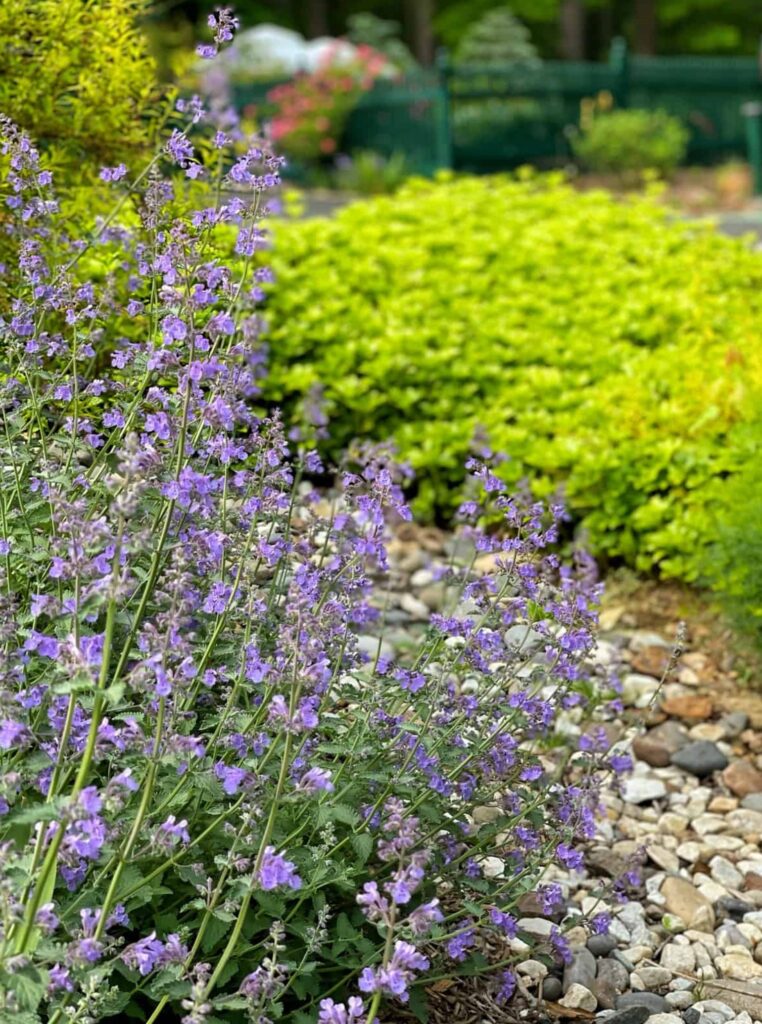
Catmint is known to deter aphids, cabbage loopers, Colorado potato beetles, cucumber beetles, flea beetles, Japanese beetles, and squash bugs. That is a long list of pests handled by one plant.
It also attracts bees consistently throughout summer. Its silvery foliage adds contrast against green vegetable leaves, which I find helps a garden bed look more intentional.
Catmint is drought-tolerant and spreads over time. Trim it back after its first bloom to encourage a second flush later in the season.
20. Phlox
Phlox produces clusters of fragrant flowers that bloom through much of summer, drawing in butterflies and moths. Its scent is strongest in the evening, which supports night-flying pollinators too.
It grows well in borders around a vegetable garden without competing heavily for nutrients. Taller varieties work well as a backdrop behind shorter vegetable rows.
Water phlox at the base rather than overhead to avoid powdery mildew. Good airflow between plants also helps prevent this issue.
21. Coreopsis
Coreopsis is a cheerful yellow flower that tolerates poor soil, drought, and neglect better than almost anything else on this list. It is close to a “plant it and forget it” flower.
It blooms for a long season and attracts a steady stream of small pollinators. Its seeds also feed birds later in the year, adding another layer of garden life.
Deadhead spent blooms to extend flowering further into fall. Otherwise, it needs very little upkeep.
22. Bee Balm (Monarda)
Bee balm lives up to its name, drawing in bees, butterflies, and hummingbirds in large numbers. Its unusual, spiky flower shape stands out in any garden bed.
It has a minty scent that some gardeners believe helps mask the smell of nearby vegetables from certain pests. This effect is harder to measure scientifically, but the pollinator benefit is well documented.
Bee balm can spread aggressively through underground runners. Plant it in a contained space or be ready to divide it every couple of years.
23. Shasta Daisy
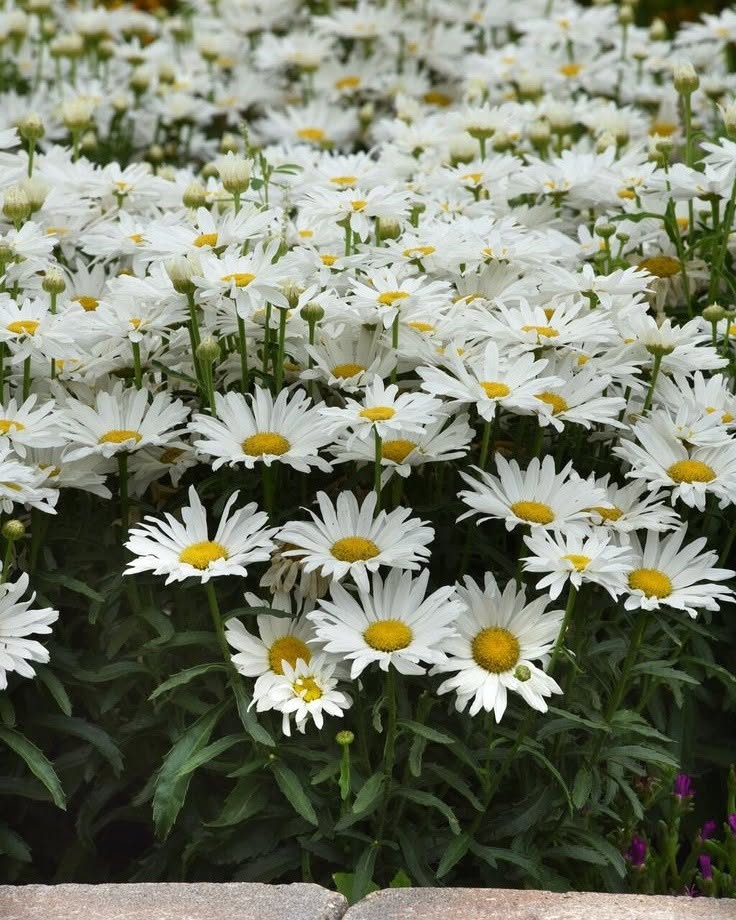
Shasta daisy offers simple, classic white blooms that draw a wide range of pollinators, including hoverflies and small native bees. Its flat flower shape makes nectar easy to access.
It is a perennial, meaning it returns yearly without replanting once established. That makes it a low-effort, long-term addition to a vegetable garden border.
Divide clumps every few years to keep the plant vigorous. Otherwise, it needs little more than occasional watering.
24. Chrysanthemum
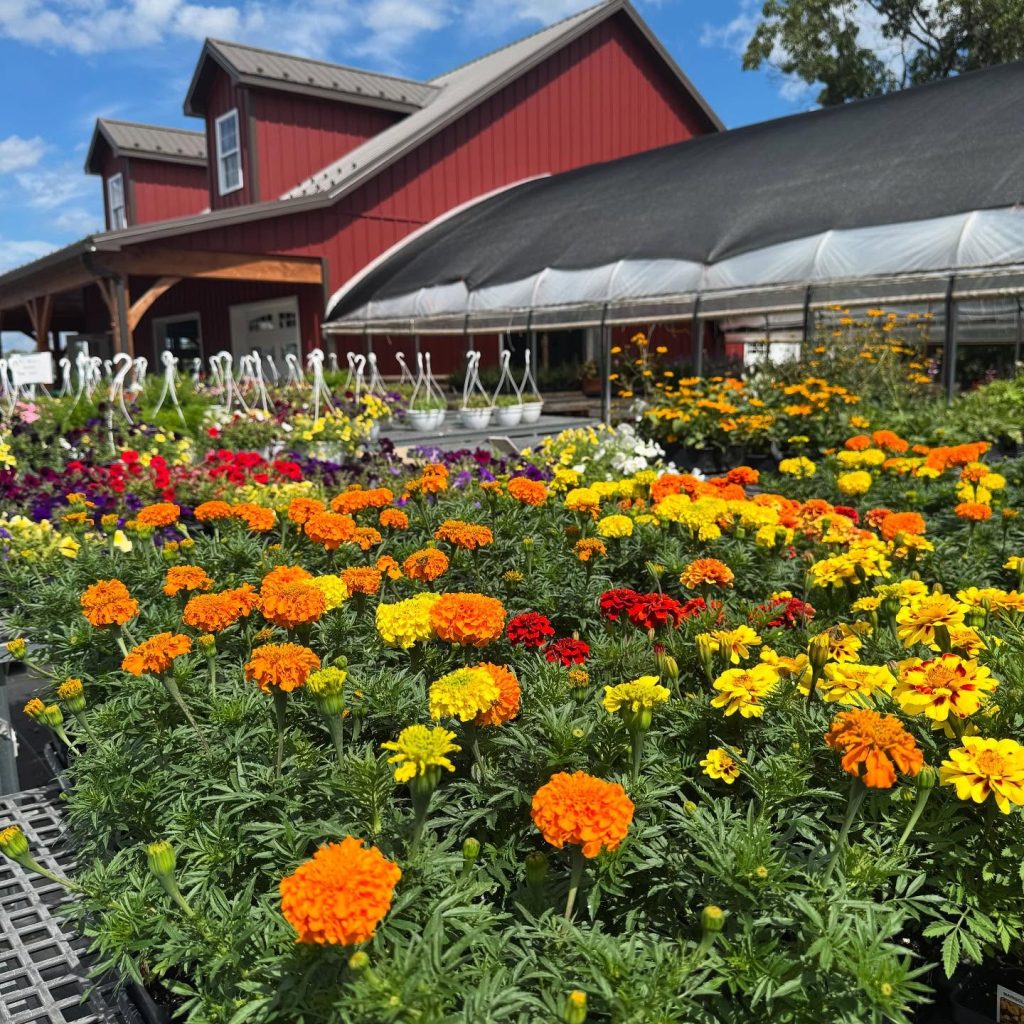
Chrysanthemum blooms later in the season than most flowers on this list, which makes it valuable for supporting pollinators into fall. Bees looking for late-season nectar will find it here.
Some varieties contain pyrethrin, a natural compound used in insect repellents. This gives chrysanthemum a mild pest-deterring reputation beyond just its blooms.
Plant it along the edges of a fall vegetable garden, near late brassicas or root vegetables. It handles cooler temperatures better than summer-blooming flowers.
25. Hollyhock
Hollyhock grows tall, sometimes reaching six feet or more, and works well as a natural backdrop or windbreak for a vegetable garden. Bees are drawn strongly to its wide, open blooms.
It is also sometimes used as a trap crop for Japanese beetles, drawing them away from more valuable crops. This makes it more than just a pretty background plant.
Give hollyhock space at the back of a garden bed. It can self-seed generously, so thin seedlings if you want more control over placement.
26. Verbena
Verbena produces clusters of small flowers that bloom nearly nonstop through summer heat. Butterflies are particularly fond of it, more so than many showier flowers.
It tolerates drought well once established, making it a practical choice for gardeners who cannot water daily. Low-growing varieties also work as a living ground cover between vegetable rows.
Trim verbena back midseason if it starts to look leggy. This encourages fresh, dense growth and more blooms.
27. Dahlia
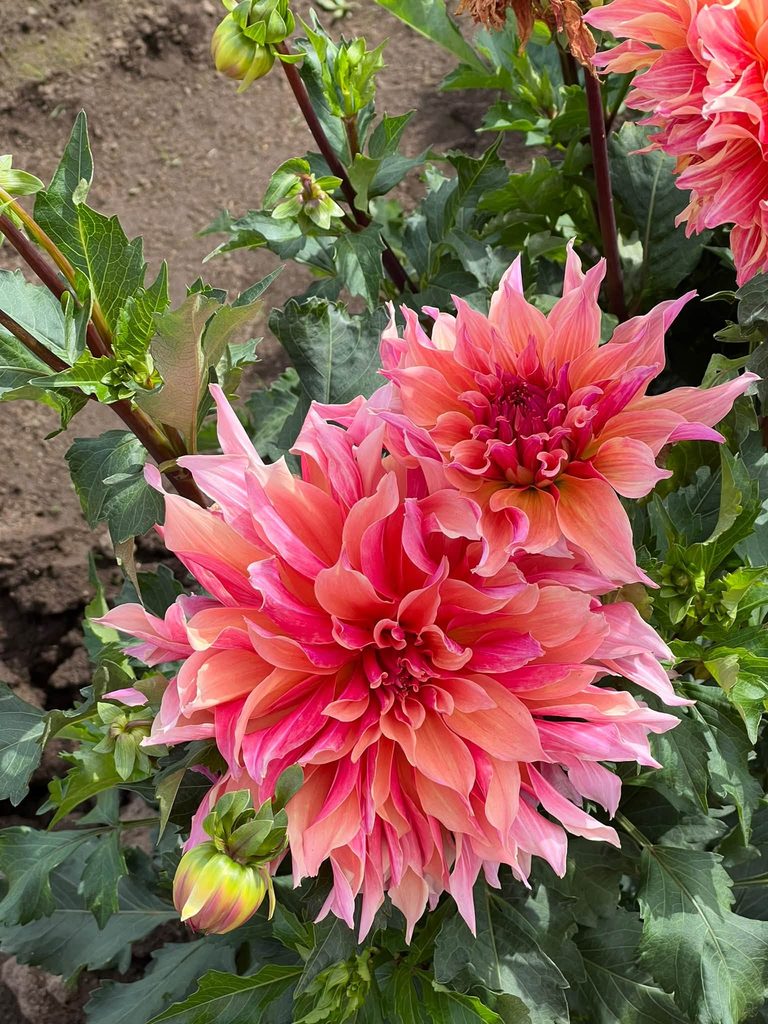
Dahlia offers some of the boldest, largest blooms of any flower on this list, and pollinators respond to that size. Bees can access pollen easily from single-petaled varieties in particular.
It requires a bit more care than others here, including staking for taller varieties and digging up tubers in cold climates before winter. That extra effort pays off with a striking display.
Plant dahlia toward the back of a vegetable bed where its height won’t shade smaller crops. Full sun brings out its best blooms.
28. Aster
Aster is another late-season bloomer, stepping in just as many summer flowers fade. This timing makes it critical for pollinators preparing for winter.
Its daisy-like flowers, usually in shades of purple or blue, are easy for bees and butterflies to feed from. Migrating monarch butterflies often rely on aster blooms during their fall journey.
Plant aster near fall vegetables like kale or Brussels sprouts. It is a perennial, so it will return each year with minimal replanting.
29. Lupine
Lupine is a nitrogen-fixing flower, meaning its roots host bacteria that convert atmospheric nitrogen into a form plants can use. The University of Delaware Extension lists this nitrogen-fixing behavior among key soil benefits companion plants can offer a garden.
Its tall flower spikes come in blue, purple, pink, and white, adding real visual drama to a garden bed. Bees are strongly drawn to its shape and color.
Plant lupine where it can grow undisturbed for a season or two, since nitrogen-fixing benefits build gradually. It prefers slightly acidic, well-drained soil.
30. Crimson Clover
Crimson clover is often grown as a cover crop rather than a pure ornamental, but its deep red blooms are genuinely beautiful and useful. Like lupine, it fixes nitrogen in the soil.
It is commonly used in rotation with vegetable beds, planted in fall or early spring before main crops go in. This builds soil fertility naturally, without added fertilizer.
Bees favor crimson clover heavily during its bloom window. Cut it down before it seeds if you want to prevent it from spreading beyond its bed.
31. Four O’Clocks
Four o’clocks are named for their habit of opening late in the afternoon, which makes them a magnet for evening pollinators like moths and some bees. Their fragrance is strongest at dusk.
They also have a reputation for repelling Japanese beetles, drawing them away from vegetables like beans. Some gardeners use them intentionally as a trap crop for this reason.
Note that the seeds and roots of four o’clocks are toxic if ingested. Keep this in mind around children and pets, and place them away from edible harvest areas.
32. Poppy
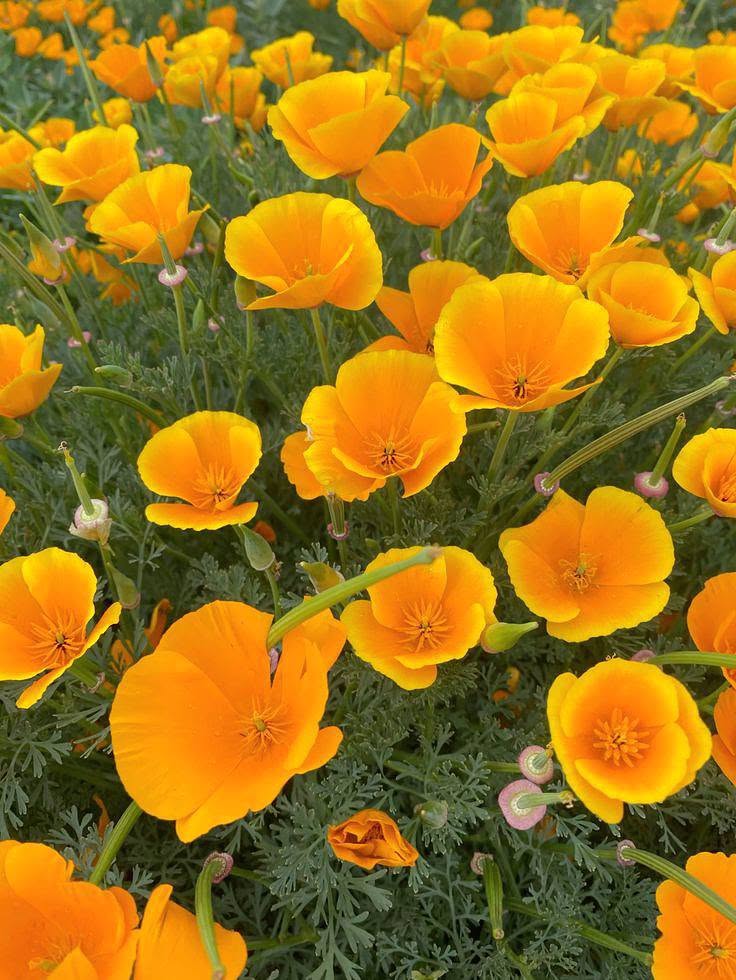
Poppy offers a burst of early color, often blooming before many vegetables have even sprouted. Bees rely on its pollen-rich center, since poppies produce little to no nectar.
It self-seeds easily and often reappears without any effort the following year. This makes poppy a low-maintenance choice for filling gaps in a vegetable garden.
Scatter poppy seeds directly onto soil in early spring, since they dislike being transplanted. Light, not depth, triggers germination, so barely cover the seeds.
33. Sweet William
Sweet William produces clusters of small, fragrant flowers in shades of pink, red, and white. It is technically a biennial, meaning it blooms in its second year after planting.
Butterflies are especially drawn to its clustered blooms, which offer an easy landing spot. It also works well as a cut flower if you want to bring some of the garden indoors.
Plant sweet William in a border where it can establish over two seasons. Once blooming, it often reseeds and continues on its own.
34. Pansy
Pansy is one of the few flowers that thrives in cool weather, blooming through early spring and again in fall. This makes it useful for extending pollinator activity beyond peak summer.
Its flowers are edible and often used to decorate baked goods or salads, adding a practical bonus to its garden role. Bees visit it, though less intensely than sun-loving summer flowers.
Plant pansies along garden borders where they can handle partial shade. Deadhead regularly to keep them blooming as long as possible.
35. Hyssop
Hyssop rounds out this list as a fragrant, upright flower that draws bees and butterflies consistently through summer. Its strong scent is also thought to help mask the smell of nearby vegetables from some pests.
It tolerates poor, dry soil well, making it a low-maintenance addition to garden borders. Once established, it requires little watering compared to many vegetables nearby.
Trim hyssop after its first bloom to encourage a second round of flowers. It works especially well planted near cabbage family crops.
Bringing It All Together
Thirty-five flowers is a lot to take in, so here is the simple version. Pick two or three from this list based on what pest problem or pollinator need you actually have.
If nematodes are your issue, start with marigold. If aphids are the problem, nasturtium and calendula will do the heavy lifting.
If you just want more bees and better pollination overall, sunflower, zinnia, salvia, and borage are a strong, easy starting combination.
Companion planting is not magic, and not every folklore pairing holds up under research. But the science on pollinator attraction, pest confusion, and soil benefit from flowers is genuinely solid.
Start small this season. Add a few flowers, watch what happens, and expand from there next year.
References
- Washington State University Extension — Gardening with Companion Plants — https://pubs.extension.wsu.edu/product/gardening-with-companion-plants-home-garden-series/
- West Virginia University Extension — Companion Planting — https://extension.wvu.edu/lawn-gardening-pests/gardening/garden-management/companion-planting
- University of Delaware Cooperative Extension — The New Companion Planting: Adding Diversity to the Garden — https://www.udel.edu/academics/colleges/canr/cooperative-extension/fact-sheets/adding-diversity-garden/
- Oregon State University Extension Service — Practice the Good Neighbor Policy in the Garden: Try Companion Planting — https://news.oregonstate.edu/news/practice-good-neighbor-policy-garden-try-companion-planting
- Clemson Cooperative Extension, Home & Garden Information Center — Plant Partners: 5 Benefits of Companion Planting — https://hgic.clemson.edu/plant-partners-5-benefits-of-companion-planting/
- Michigan State University Extension — The Benefits of Planting Flowers and Herbs in Your Vegetable Garden — https://www.canr.msu.edu/news/the-benefits-of-planting-flowers-and-herbs-in-your-vegetable-garden
- UF/IFAS Extension (University of Florida) — Marigolds (Tagetes spp.) for Nematode Management — https://ask.ifas.ufl.edu/ng045

Tim M Dave is a gardening expert with a passion for houseplants, particularly cacti and succulents. With a degree in plant biology from the University of California, Berkeley, he has vast experience in gardening. Over the years, he has cultivated a vast collection of desert plants and learned a great deal about how to grow and care for these unique companions.