25 South Carolina Native Flowers (With Growing Details)
South Carolina does not do quiet color. From the sandy dunes of the Lowcountry to the granite ridges of the Upstate, this state bursts with flowers that have grown here for thousands of years, long before anyone planted a garden bed.
I have walked more than a few of these trails myself, and I can tell you: nothing compares to spotting a wild trillium poking through leaf litter in March, or catching the sweet, almost honeyed scent of Carolina jessamine drifting along a fence line.
South Carolina’s flora includes roughly 3,000 native vascular plant species, according to the South Carolina Encyclopedia, spread across four distinct physiographic regions. That diversity means the state has one of the richest native flower populations in the eastern United States.
This guide covers 25 of the most iconic, useful, and downright beautiful native flowers you can find growing wild in South Carolina.
Let’s get into the list.
25 South Carolina Native Flowers
1. Yellow Jessamine (Carolina Jessamine)
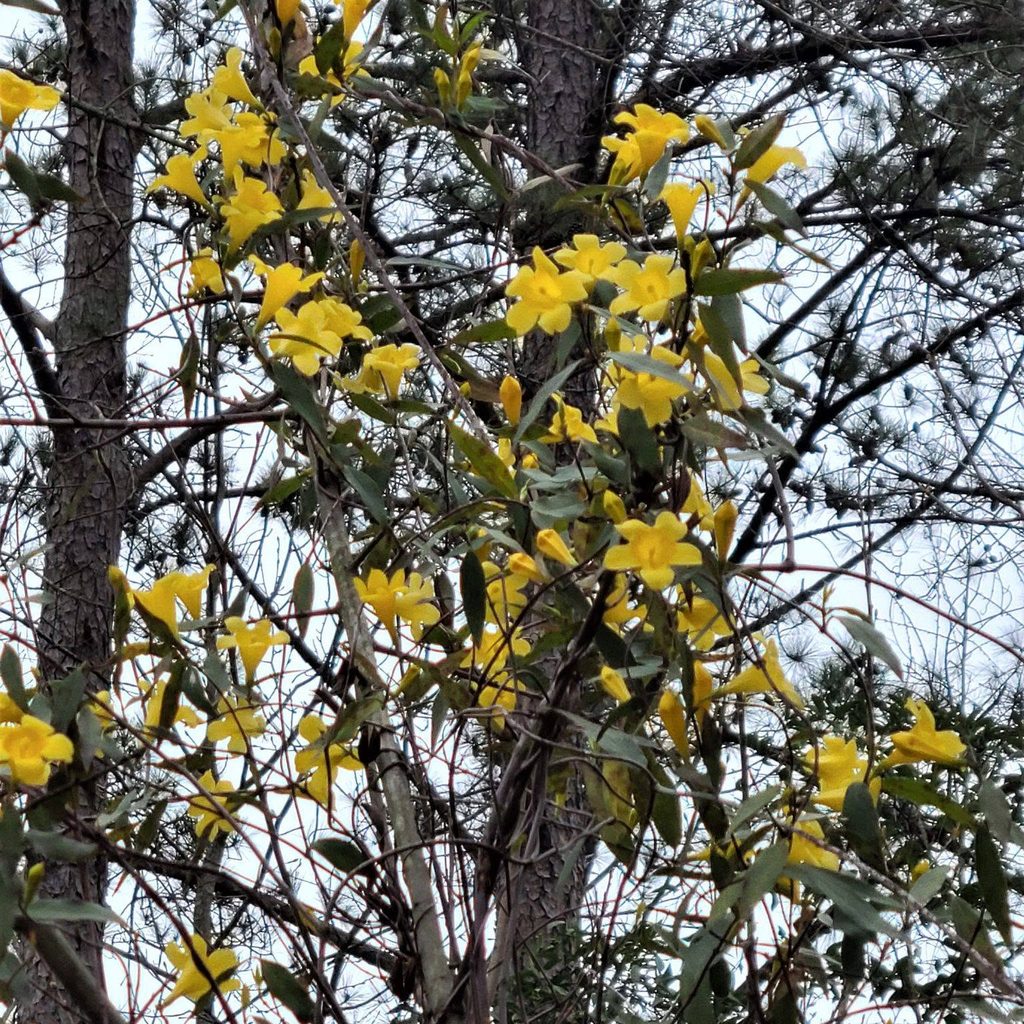
Yellow jessamine, or Gelsemium sempervirens, is South Carolina’s official state flower, chosen by the General Assembly on February 1, 1924. Lawmakers picked it because it grows in “every nook and corner of the state” and blooms as winter fades, symbolizing renewal.
This evergreen, twining vine produces small, funnel-shaped golden flowers with a sweet fragrance. You will spot it climbing fences, pines, and trellises from the coast to the foothills, typically flowering in late winter into early spring.
I always find it a little thrilling to see that first burst of yellow jessamine after a gray Carolina winter. It genuinely feels like the state’s own signal that spring has arrived.
One important note: every part of this plant is toxic if ingested, so admire it visually and keep children and pets from chewing on it. The flower also appears on the South Carolina state quarter, alongside the Carolina wren and palmetto tree.
2. Goldenrod
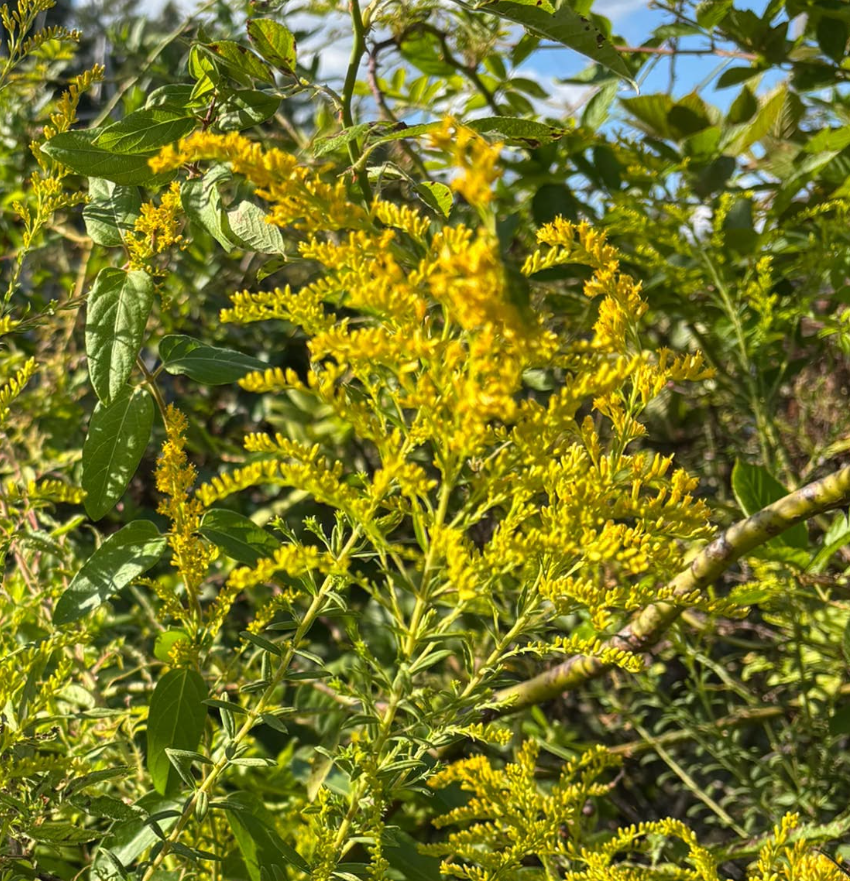
Goldenrod (Solidago species) has held the title of South Carolina’s official state wildflower since 2003, a distinct honor from the state flower designation. Its tall, feathery yellow plumes light up meadows and roadsides from late summer through fall.
Contrary to popular belief, goldenrod does not cause seasonal allergies. That reputation belongs to ragweed, which blooms at the same time but relies on wind for pollination rather than insects.
Goldenrod is a magnet for bees, butterflies, and migrating monarchs preparing for their long journey south. Plant it in full sun and well-drained soil, and it will spread readily, forming dense, cheerful colonies within a couple of seasons.
3. Purple Coneflower
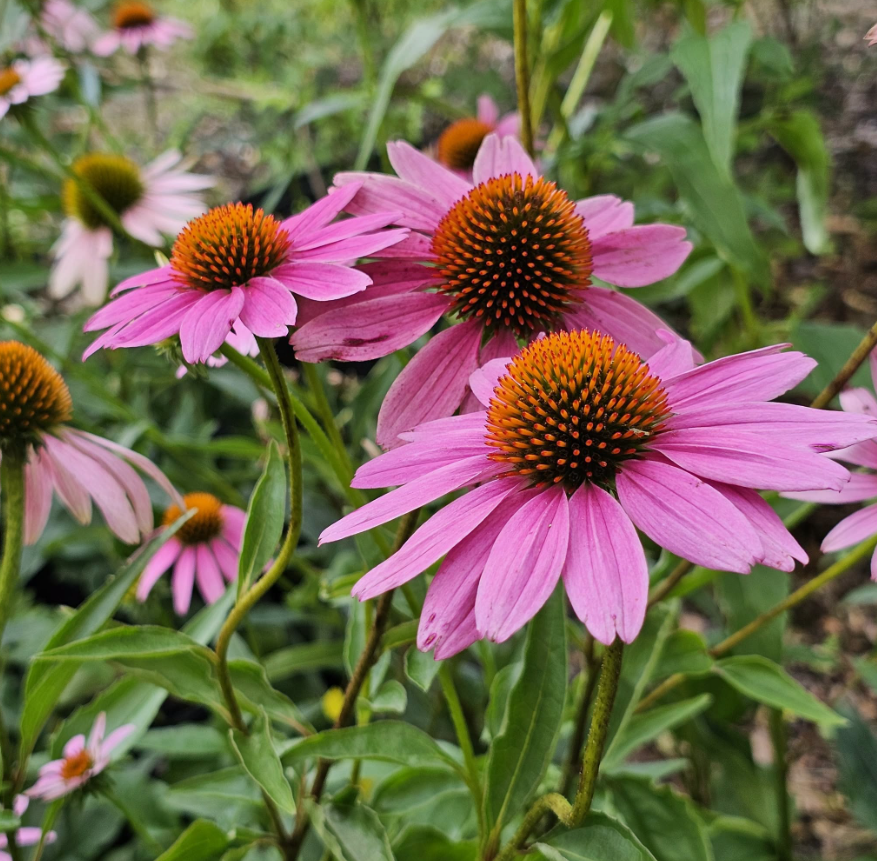
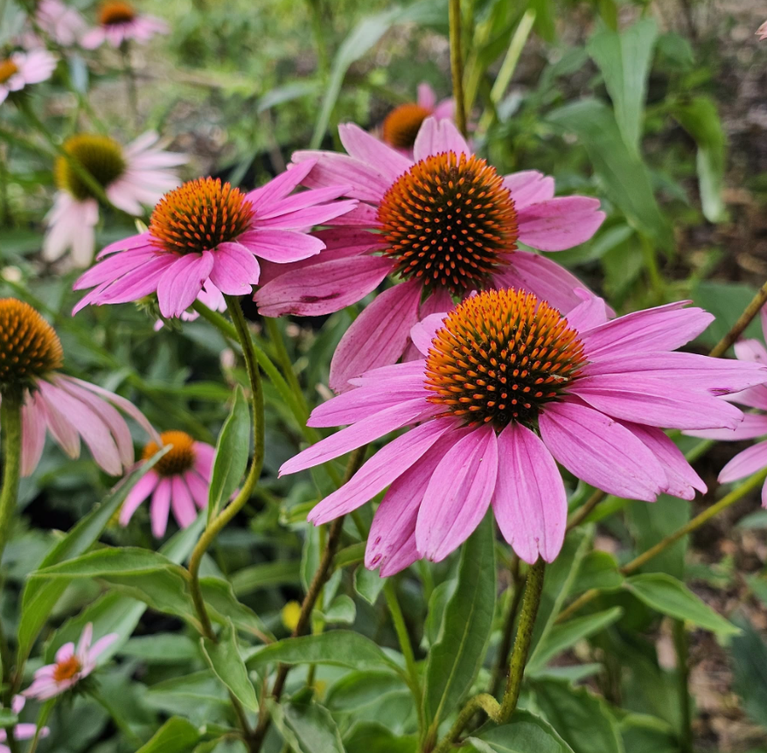
Purple coneflower (Echinacea purpurea) is one of the most recognizable native perennials in the Southeast, with its dusky-pink petals drooping around a spiky, copper-colored center cone.
This flower blooms from early summer through the first frost, making it one of the longest-flowering natives available. It thrives in poor, dry soil and needs almost no maintenance once established.
Goldfinches love the seed heads in autumn, so resist the urge to deadhead everything. Leaving a few spent blooms standing through winter gives birds a natural food source when little else is available.
South Carolina is also home to the rarer smooth coneflower (Echinacea laevigata), a federally listed threatened species found in only a handful of Piedmont sites.
4. Black-Eyed Susan
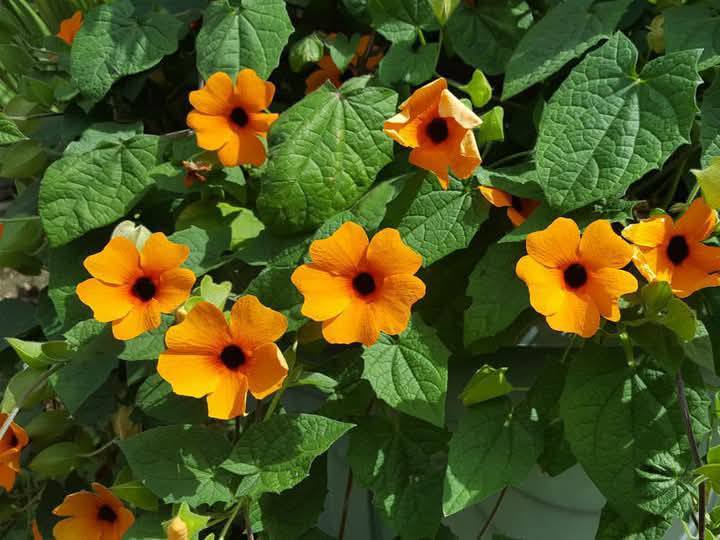
Black-eyed Susan (Rudbeckia hirta) is arguably the most photographed wildflower in the entire Southeast, and for good reason. Its bright golden-yellow petals surround a deep brown, dome-shaped center.
This biennial or short-lived perennial reseeds itself aggressively, so a small patch can become a full meadow within two or three growing seasons. It tolerates drought, poor soil, and neglect better than almost any other native bloom.
Black-eyed Susan blooms from June through September across the entire state, attracting bees, butterflies, and beneficial predatory insects that help control garden pests naturally.
5. Butterfly Weed
Butterfly weed (Asclepias tuberosa) produces clusters of vivid orange flowers atop stiff, upright stems, and it is one of the few milkweed species with dry, non-milky sap.
Monarch butterflies depend entirely on milkweed species like this one to lay their eggs, since monarch caterpillars eat nothing else. Without milkweed, the monarch’s multigenerational migration simply could not happen.
This plant prefers dry, sandy soil and full sun, which makes it perfect for the coastal plain and sandhills regions of South Carolina. Once established, its deep taproot makes it remarkably drought-tolerant.
ALSO READ: 25 Trees Native to South Carolina (With Growing Details)
6. Swamp Milkweed
Swamp milkweed (Asclepias incarnata) is the wetland cousin of butterfly weed, favoring the moist soils near ponds, ditches, and streambanks found throughout the Midlands and Lowcountry.
Its clusters of soft pink to mauve flowers bloom from June through August, releasing a light vanilla-like scent that draws in swallowtails, monarchs, and native bees in large numbers.
Unlike butterfly weed, swamp milkweed tolerates and even prefers consistently damp soil, making it an excellent choice for rain gardens or the edges of backyard water features.
7. Cardinal Flower
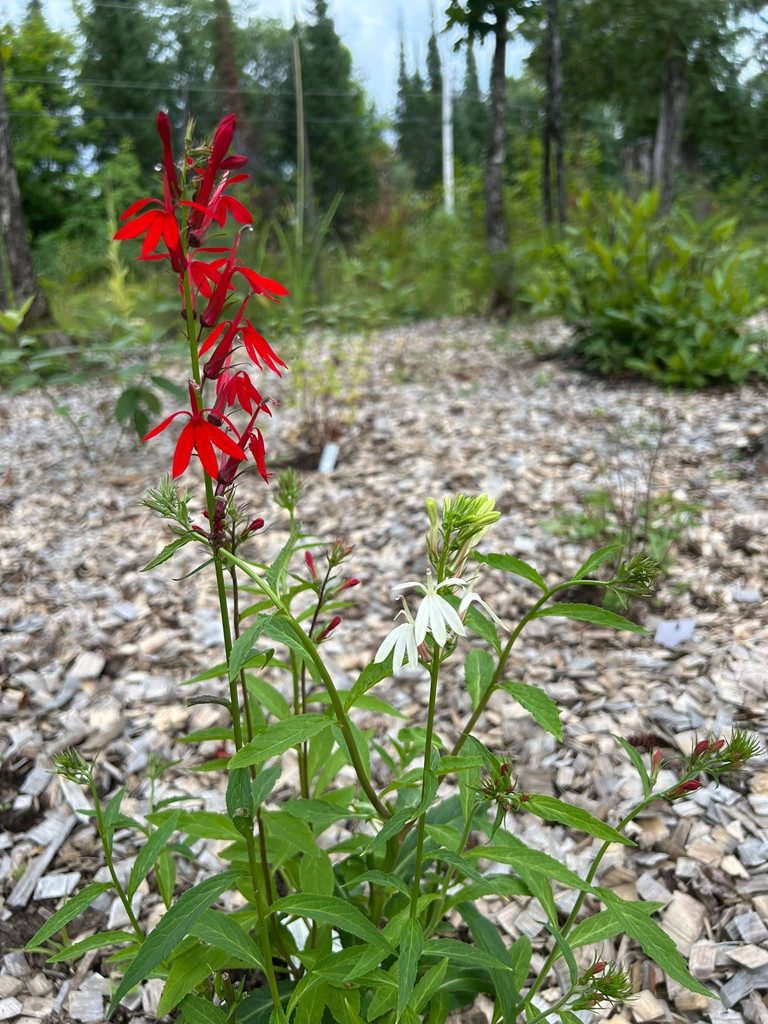
Cardinal flower (Lobelia cardinalis) produces some of the most intensely red blooms found anywhere in nature, growing on tall spikes that can reach four feet in wet, shaded areas.
Ruby-throated hummingbirds are its primary pollinators, since the flower’s long, tubular shape is perfectly matched to a hummingbird’s bill and tongue length. Few insects can reach the nectar hidden inside.
You will find cardinal flower along streambanks, in swamps, and near springs throughout South Carolina, typically blooming from July into September. It prefers partial shade and consistently moist soil.
8. Carolina Lily
The Carolina lily (Lilium michauxii) is a woodland showstopper, with recurved orange-red petals speckled in maroon, resembling a small Turk’s cap turned inside out.
This lily grows in dry to moderately moist woodlands across the Piedmont and Upstate, blooming from July through August. It is far less common than it once was, due to habitat loss and deer browsing pressure.
If you are lucky enough to spot one on a summer hike, take a photo instead of a cutting. Wild lily populations recover slowly, and every undisturbed plant helps maintain the species locally.
9. Trumpet Honeysuckle (Coral Honeysuckle)
Trumpet honeysuckle (Lonicera sempervirens) should not be confused with the invasive Japanese honeysuckle that chokes out roadside vegetation across the Southeast.
This native vine produces coral-red, tubular flowers that hummingbirds absolutely adore, and unlike its invasive lookalike, it behaves well in gardens without smothering neighboring plants.
It blooms from spring through summer, occasionally rebooming into fall, and grows happily on fences, arbors, or mailbox posts. Give it full sun for the heaviest flower production.
ALSO READ: 45 Native North Carolina Flowers (With Growing Details)
10. Purple Passionflower (Maypop)
Purple passionflower, commonly called maypop (Passiflora incarnata), produces one of the most architecturally striking blooms in North America, with fringed purple and white filaments radiating from a central crown.
This vine is the exclusive host plant for the Gulf fritillary and variegated fritillary butterflies, meaning their caterpillars cannot develop on any other plant species.
Maypop spreads through underground runners, so give it room, or plant it in a container if space is tight. Its egg-shaped fruit, which ripens in late summer, is edible and slightly tart-sweet, similar to a passion fruit.
11. Spider Lily
South Carolina hosts a nationally significant population of the rocky shoals spider lily (Hymenocallis coronaria), which grows exclusively in fast-flowing shoals of Piedmont rivers.
The Catawba River near Landsford Canal State Park hosts one of the largest colonies of this species in the world, drawing photographers and botanists every May when thousands of white, spidery blooms open at once.
This plant requires very specific conditions: rocky riverbeds with swift current and full sun. It cannot be transplanted successfully to typical garden settings, which makes seeing it in the wild a genuinely special experience.
12. Blazing Star
Blazing star, also called gayfeather (Liatris species), sends up tall purple flower spikes that bloom from the top down, an unusual pattern among native wildflowers.
South Carolina is home to several Liatris species, including the rare pinkscale blazing star, found mainly in sandhill habitats. The more common species thrive in meadows, prairies, and roadside plantings statewide.
Bees and butterflies flock to blazing star in late summer, and the dried flower spikes hold their shape well into winter, adding structural interest to naturalized gardens.
13. Wild Blue Indigo
Wild blue indigo (Baptisia australis) produces striking spikes of deep blue, pea-like flowers in late spring, resembling a wild lupine but far more heat and drought tolerant.
This plant can live for decades once established, developing a deep taproot that makes it nearly impossible to move but incredibly resilient to South Carolina’s hot, dry summers.
It also serves as a host plant for several native butterfly and skipper species, and its blue-green foliage remains attractive even after the flowers fade in early summer.
14. Joe-Pye Weed
Joe-Pye weed (Eutrochium species) towers over most native perennials, often reaching six to seven feet tall, topped with dusty pink to mauve flower clusters that bloom from midsummer into fall.
Butterflies, especially swallowtails and monarchs, treat Joe-Pye weed as a favorite late-season nectar stop before migration begins. Its vanilla-scented blooms are genuinely fragrant up close.
This plant prefers moist soil and partial sun, making it ideal for the edges of ponds, ditches, or low-lying areas that stay damp through summer across the Midlands and coastal plain.
ALSO READ: 20 North Carolina Native Shrubs (With Growing Details)
15. Turk’s Cap Lily
Turk’s cap lily (Lilium superbum) is one of the tallest native lilies in North America, occasionally reaching heights of seven feet, with dozens of nodding, deep orange, recurved blooms per stalk.
A single mature plant can produce more than 20 flowers in one season, creating a dramatic display in the moist mountain coves and stream valleys of the Upstate where it grows best.
It blooms from July through August and depends heavily on swallowtail butterflies for pollination, since its long floral tubes match their tongue length precisely.
16. Southern Blue Flag Iris
Southern blue flag iris (Iris virginica) grows in wet meadows, marshes, and pond edges throughout the coastal plain, producing violet-blue blooms with distinctive yellow and white throat markings.
This iris blooms from April through June and spreads through rhizomes, forming dense colonies that stabilize soil along waterways and reduce erosion naturally.
It is a favorite among native plant gardeners building rain gardens, since it tolerates both standing water and brief dry spells once its root system matures.
17. Wild Columbine

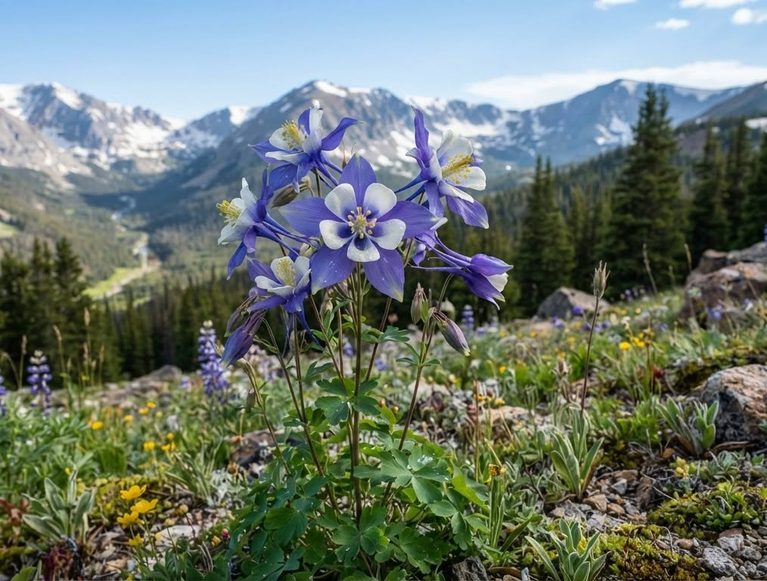
Wild columbine (Aquilegia canadensis) produces delicate, nodding red and yellow flowers with long, backward-pointing spurs that store nectar deep inside each bloom.
Only hummingbirds and long-tongued insects can reach that nectar, making columbine an important early-season food source when ruby-throated hummingbirds first arrive in South Carolina each spring.
It grows naturally on rocky slopes, bluffs, and open woodlands in the Upstate, blooming from March through May. The plant tolerates partial shade better than most sun-loving natives on this list.
18. Indian Pink
Indian pink (Spigelia marilandica) is a woodland gem with tubular red flowers that flare open into bright yellow, star-shaped tips, creating a striking two-tone effect.
Hummingbirds visit this flower more reliably than almost any other native species, according to multiple pollinator studies across the Southeast, making it a top pick for shaded hummingbird gardens.
It grows in rich, moist woodland soil throughout the Piedmont and Upstate, blooming from May through June, and stays relatively compact compared to other woodland perennials.
19. Swamp Rose Mallow
Swamp rose mallow (Hibiscus moscheutos) produces dinner-plate-sized blooms, sometimes reaching eight inches across, in shades of white, pink, or deep rose with a contrasting red throat.
Few native perennials in North America produce flowers this large, and the plant’s sheer scale makes it an unmistakable presence in marshes, ditches, and pond margins across the Lowcountry.
It blooms from July through September, dying back completely in winter before returning vigorously each spring. Bumblebees are its primary pollinators, often seen disappearing entirely inside a single bloom.
20. Carolina Rose
Carolina rose (Rosa carolina) is one of the few true wild roses native to the eastern United States, producing simple, five-petaled pink flowers with a light, classic rose fragrance.
Unlike cultivated roses, this native species requires no spraying, feeding, or winter protection, and it tolerates poor, sandy soils found across much of the coastal plain and sandhills.
It blooms in late spring, followed by small red rose hips that persist into winter and provide food for birds during the leaner months of the year.
21. Oakleaf Hydrangea
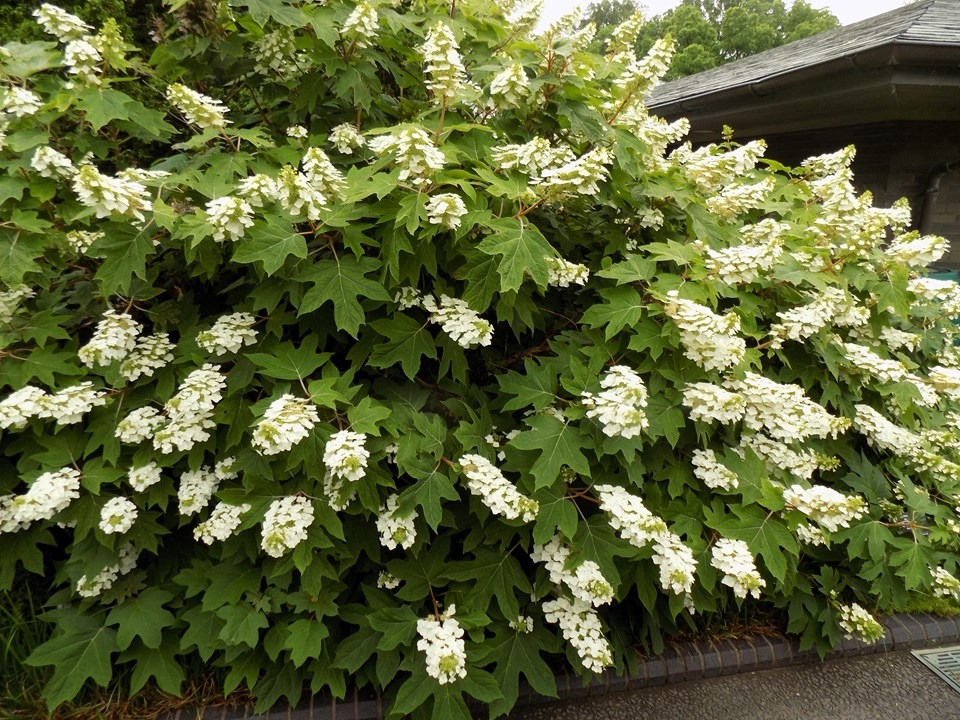
Oakleaf hydrangea (Hydrangea quercifolia) is one of the most beloved native shrubs in the Southeast, named for its large, deeply lobed leaves that resemble oak foliage.
Its cone-shaped white flower clusters bloom in early summer and gradually shift to pink and then rusty bronze, giving this plant multiple seasons of visual interest from a single bloom cycle.
It grows naturally in shaded woodlands and ravine slopes across the Piedmont and Upstate, and its fall foliage turns a deep burgundy that rivals any imported ornamental shrub.
22. Catesby’s Trillium
Catesby’s trillium (Trillium catesbaei) is a true spring ephemeral, unfurling three-petaled, nodding pink or white blooms just above a whorl of three leaves close to the forest floor.
Trilliums grow extremely slowly, sometimes taking seven years or more to flower from seed, which is why undisturbed populations in old-growth forests are so botanically valuable and worth protecting.
It appears in rich, moist woodlands throughout the Upstate from March through May, often alongside other spring wildflowers like bloodroot and wild ginger.
23. Bee Balm
Bee balm (Monarda didyma and Monarda fistulosa) produces shaggy, firework-shaped flower heads in shades of red, pink, and lavender, held above aromatic, mint-scented foliage.
This plant belongs to the mint family, and crushing a leaf releases a sharp, citrusy fragrance that has long been used in teas and folk remedies across the Southeast.
Hummingbirds, bees, and butterflies all visit bee balm heavily from June through August. It spreads by rhizomes, so give it space in a naturalized bed rather than a tightly controlled border.
24. Venus Flytrap
The Venus flytrap (Dionaea muscipula) is South Carolina’s most famous carnivorous plant, though its native range is remarkably small and specific compared to every other flower on this list.
Wild Venus flytraps exist naturally only within roughly a 60-mile radius of Wilmington, North Carolina, which includes a narrow strip of northeastern South Carolina, according to the USDA Natural Resources Conservation Service.
This plant grows around the edges of unique wetlands called Carolina bays, snapping its hinged leaves shut on insects for nutrients its sandy, nutrient-poor soil cannot provide. It is currently under federal review for threatened or endangered status, so wild populations should never be disturbed or collected.
Its small, white, star-shaped flowers bloom on a tall stalk in May, kept deliberately far from the trapping leaves so pollinating insects are not accidentally eaten.
25. Flowering Dogwood
Flowering dogwood (Cornus florida) rounds out this list as one of the most beloved native trees in South Carolina, producing four-petaled white or pink bracts each spring that many mistake for the true flower.
The actual flowers are the small, yellow-green clusters at the center, while the showy white “petals” are modified leaf bracts designed to attract pollinators from a distance.
Dogwood blooms from March through April across the entire state, followed by bright red berries in fall that feed dozens of bird species, including cardinals, robins, and cedar waxwings.
Sadly, dogwood anthracnose, a fungal disease, has reduced wild dogwood populations significantly since the 1970s, making healthy specimens increasingly valuable to conservationists and home gardeners alike.
Why Native Flowers Deserve a Spot in Your Garden
Native plants matter beyond their looks, too. Keystone native species support up to 90% of local butterfly and moth populations and around 60% of native bee populations, based on data from the South Carolina Wildlife Federation.
Choosing native flowers for your yard is one of the simplest ways to help local wildlife thrive.
Additionally, native South Carolina blooms outperform imported ornamentals in almost every practical way.
They need less water and fertilizer. Native flowers evolved with South Carolina’s clay soils, sandy coastal plains, and humid summers. They simply do not need the pampering that exotic species demand.
They feed local wildlife. Butterflies, moths, bees, and hummingbirds co-evolved alongside these plants. Many depend on specific native species to complete their life cycles.
They resist regional pests and diseases far better than imported varieties, which cuts down on chemical treatments.
Bringing South Carolina’s Native Flowers Into Your Own Yard
Planting even a handful of these species creates a ripple effect across your local ecosystem. Bees find food, caterpillars find host plants, and birds find both shelter and berries through the colder months.
Start small. Pick two or three flowers suited to your specific soil and light conditions, rather than trying to recreate an entire meadow overnight. Success builds confidence, and confidence builds bigger gardens.
Check with the South Carolina Native Plant Society or your local Clemson Extension office before planting. They can confirm which species suit your exact region, from the Blue Ridge Escarpment down to the barrier islands.
South Carolina’s wildflowers have survived hurricanes, droughts, and centuries of changing land use. Giving them a place in your garden is one small way of keeping that resilience alive for the next generation to enjoy.
Frequently Asked Questions
What is South Carolina’s official state flower? Yellow jessamine (Gelsemium sempervirens) has held this title since 1924.
What is South Carolina’s official state wildflower? Goldenrod (Solidago species) received this separate designation in 2003.
Are South Carolina native flowers hard to grow? No. Most require less water, fertilizer, and pest control than non-native ornamentals, since they are already adapted to local soil and climate conditions.
Can I dig up wild native flowers to plant at home? It is best not to. Many wild populations are already under pressure from habitat loss. Buy nursery-propagated natives instead, or collect seed responsibly with landowner permission.

Tim M Dave is a gardening expert with a passion for houseplants, particularly cacti and succulents. With a degree in plant biology from the University of California, Berkeley, he has vast experience in gardening. Over the years, he has cultivated a vast collection of desert plants and learned a great deal about how to grow and care for these unique companions.