25 Flowers That Mean Friendship (With Pictures, And Meanings)
A good friend is rare. A good flower is simple. Together, they can say what words often cannot.
If you are searching for flowers that mean friendship, you probably want a gift that says “thank you” or “I am here for you.” You want warmth without romance. That is exactly what this guide offers.
Below, you will find 25 flowers linked to friendship, loyalty, and shared joy, with their meaning, the history behind them, and a simple tip for giving them.
Quick answer: The best-known friendship flowers are the yellow rose, sunflower, iris, alstroemeria, and daisy. In Chinese culture, the orchid and the plum blossom hold the same role.
25 Flowers That Symbolize Friendship
1. Yellow Rose: The Classic Friendship Flower
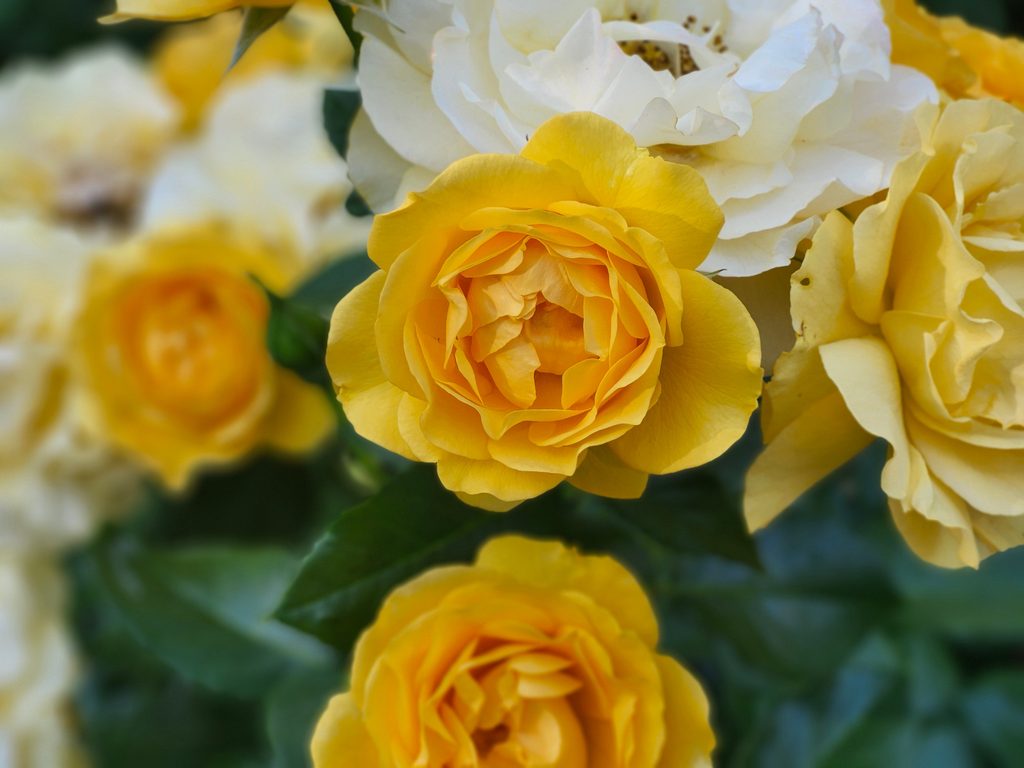
The yellow rose is the first flower most people name for friendship. Its sunny color speaks of joy, warmth, and loyalty. It says “I value you” with no romantic pressure.
The meaning has changed over time. In Victorian guides, yellow roses often carried a harsher message, such as jealousy. Over the 20th century, the meaning softened into the friendly one we know today.
To give it well, choose a small bunch of full yellow blooms. Pair it with a note. A red rose says love, but a yellow rose says “I am glad you are in my life.”
2. Sunflower: Loyalty That Faces the Light
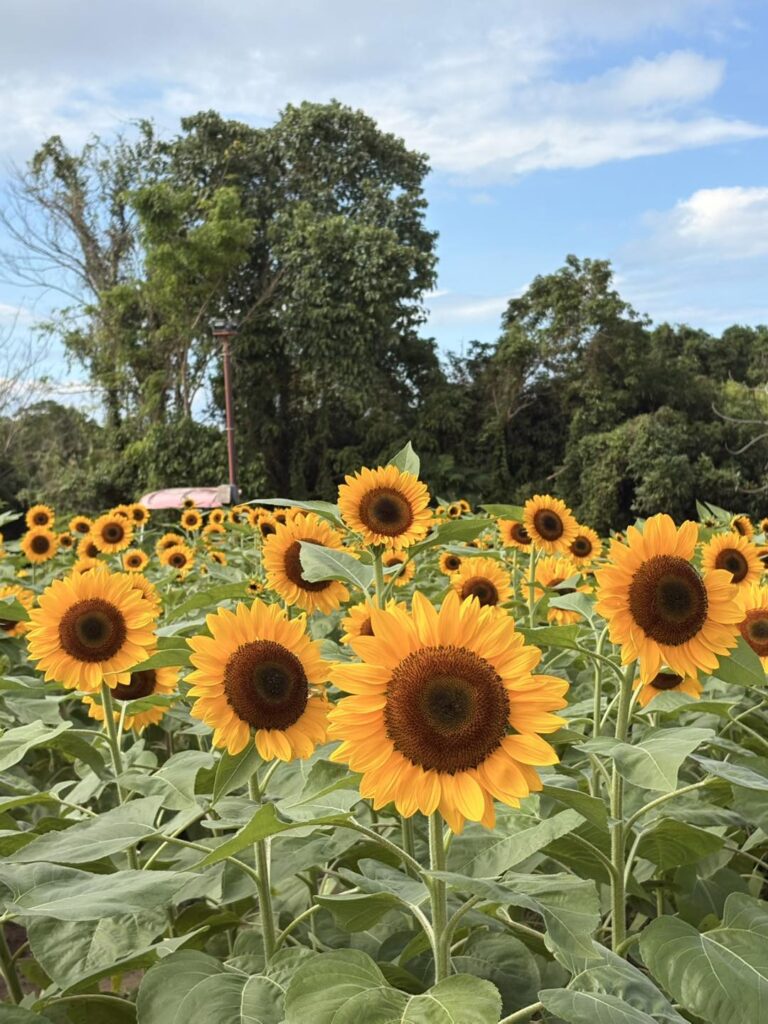
The sunflower stands for loyalty, warmth, and lasting joy. Young plants turn their heads to follow the sun, so people link the flower with faithful friends who always face you.
Its history is long. Iowa State University Extension reports that Native Americans have used wild sunflowers for food and medicine for at least 8,000 years. Cultivation may have begun as early as 2300 B.C.
The name comes from the Greek helios (sun) and anthos (flower). A sunflower is bold and cheerful, much like a friend who lights up the room. I think it is the happiest gift on this list.
READ MORE ON: Different Types of Sunflowers: Tall, Dwarf and Other Major Varieties
3. Iris: A Message of Faith and Hope
The iris is a favorite in friendship bouquets. Iowa State University Extension lists it in its flower-meaning guide with a message that friendship means a great deal to the sender. It also stands for faith and hope.
The name has Greek roots. Iris was the goddess of the rainbow and a messenger of the gods. That makes the flower a fitting “message” for a friend.
Blue and purple irises look elegant in a vase. Give them to someone who has supported you through a hard season. They say, “I believe in you.”
4. Ivy: A Friend Who Clings Through Anything
Ivy is leafy, not showy, but its meaning is strong. In flower language it stands for fidelity and affection. Iowa State University Extension lists it among its symbolic plants.
The logic is easy to see. Ivy grips walls and trees and keeps growing in poor soil. People compare it to a friend who stays close in good times and bad.
Use ivy as greenery in a bouquet or tuck a trailing sprig into a gift basket. It adds a quiet message of loyalty without any fuss.
5. Daffodil: Cheer and a Fresh Start
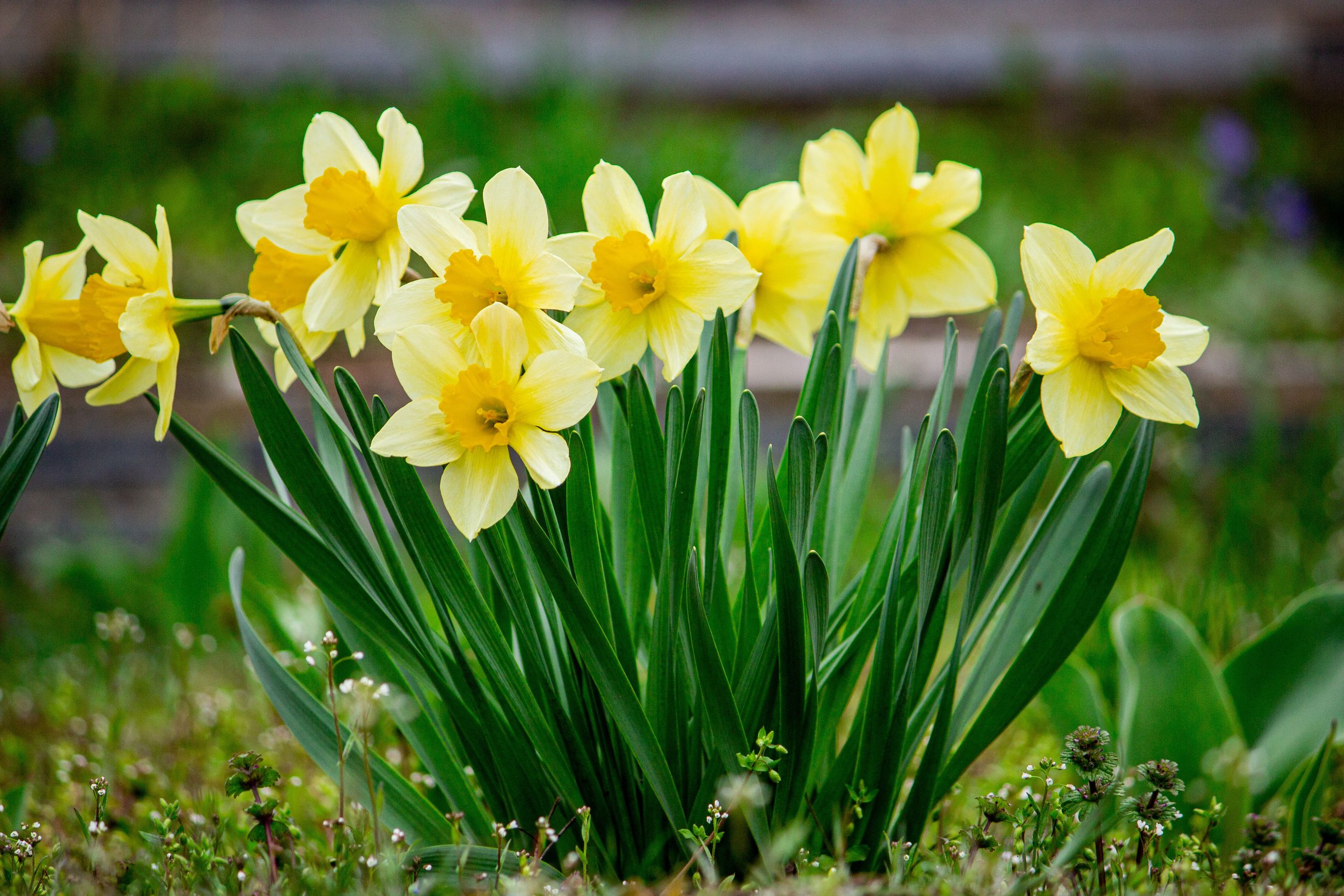
The daffodil is one of the first flowers to bloom in spring. Its trumpet-shaped yellow flowers bring cheer and new beginnings after a long winter.
That makes it ideal for a friend who needs encouragement. A bunch of daffodils says, “Better days are coming, and I am with you.”
It is also the traditional birth flower of March. Give a generous armful, since the stems are inexpensive. Keep them in their own vase, because cut daffodils release sap that can shorten the life of other flowers.
6. Daisy: Simple, Cheerful Loyalty
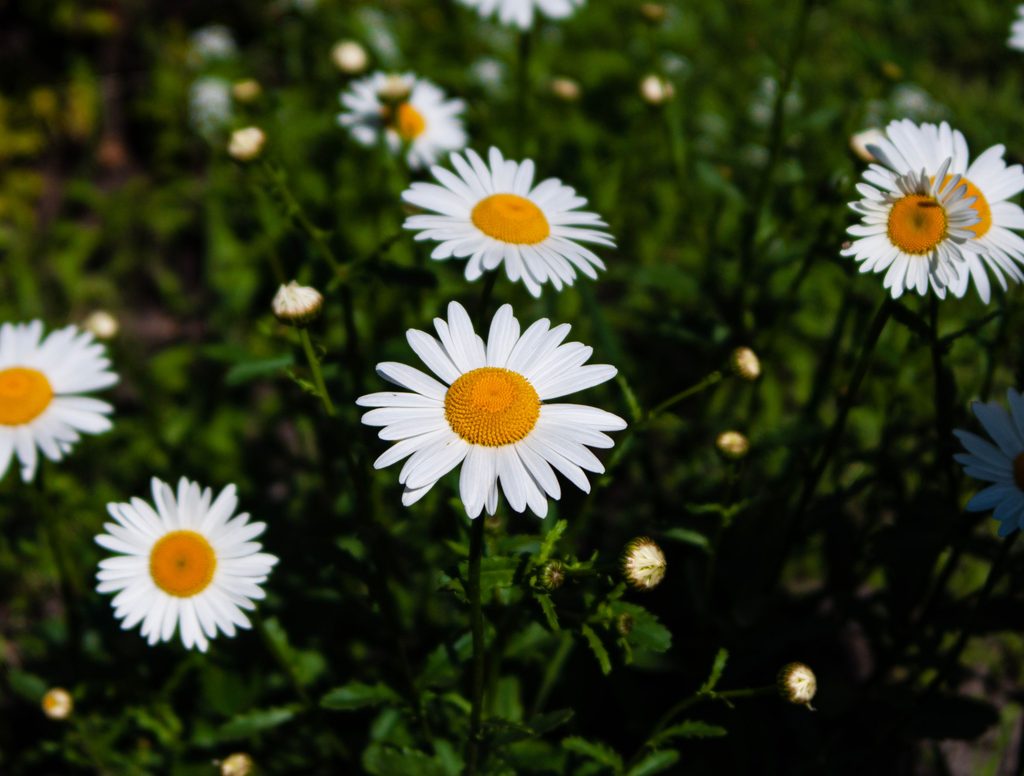
The daisy is the flower of easy, honest friendship. The U.S. National Park Service lists it in its language-of-flowers guide with the meaning of cheerfulness. Many people also link it with innocence and loyal affection.
Its name comes from the Old English phrase for “day’s eye.” The petals close at night and open at dawn, like an eye. That daily return suits a friend who is always there.
Most of us made daisy chains as children. I still remember sitting in a field and weaving one for a friend. A bunch of daisies brings back that same simple joy.
7. Yellow Tulip: Sunshine in a Bloom
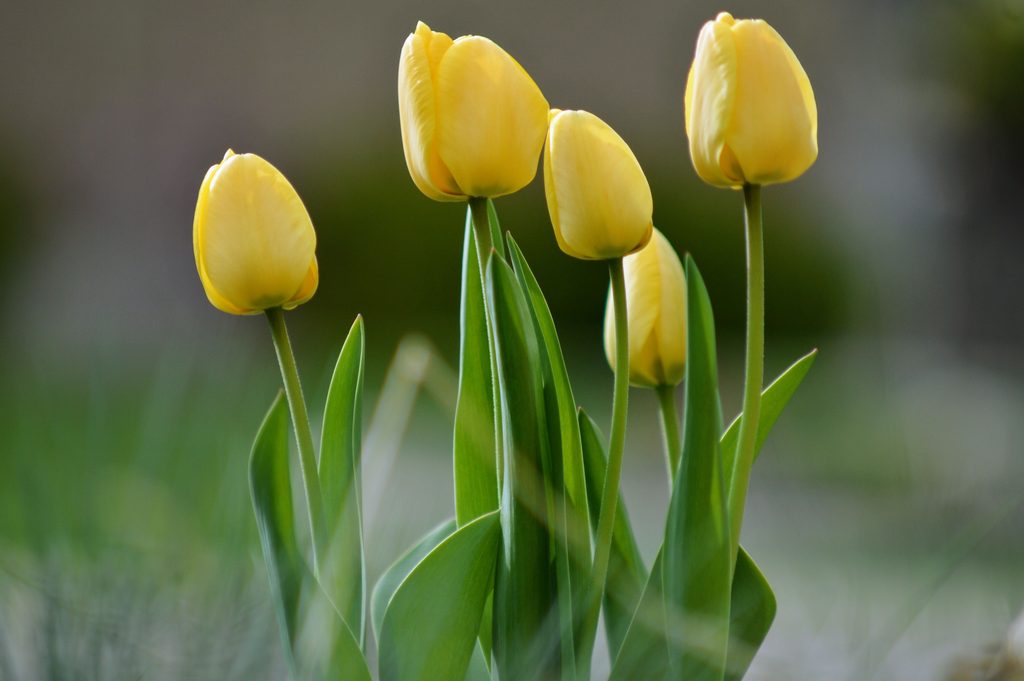
The yellow tulip carries a bright, modern message. Today it stands for cheerful thoughts and a warm friendship. It is a lovely gift for a friend who needs a lift.
Victorian guides, in contrast, linked yellow tulips with hopeless love. The meaning moved toward friendship in recent decades. This shows how flower language keeps changing.
Tulips have a famous past. In the 1630s, bulbs in the Netherlands sold for huge sums during “tulip mania,” which peaked in 1637. Today they are affordable, so give a full bunch.
8. Alstroemeria: Devotion and Lasting Support
The alstroemeria, or Peruvian lily, is a florist favorite for friendship. It stands for devotion, mutual support, and a bond that lasts. Its speckled petals come in nearly every color.
The plant is named for Clas Alströmer, a Swedish baron and student of the botanist Linnaeus. Despite its common name, it is not a true lily, but it shares the elegant look.
Its best feature is its life in a vase. Cut stems often last one to two weeks. That durability makes it a smart choice for a friend who is busy or far away.
ALSO READ: Flowers That Symbolize Strength (With Pictures, and Meanings)
9. Freesia: Trust and Thoughtfulness
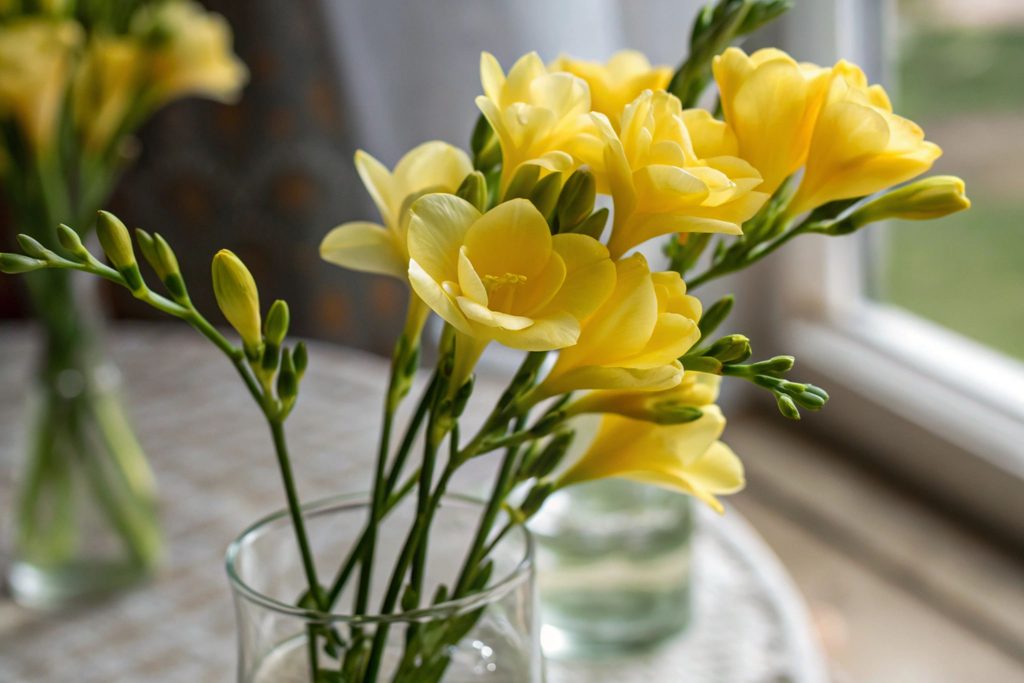
The freesia is small but unforgettable. Its sweet, citrus-like scent fills a room. In flower language it stands for trust, thoughtfulness, and friendship.
The flower is native to South Africa. It was named after Friedrich Freese, a German physician. Cut stems bloom upward along a curved stalk, which gives bouquets a graceful shape.
Give freesias to a friend you trust deeply. A few stems in a small vase can perfume a desk or a kitchen table for days.
10. Zinnia: Thoughts of Absent Friends
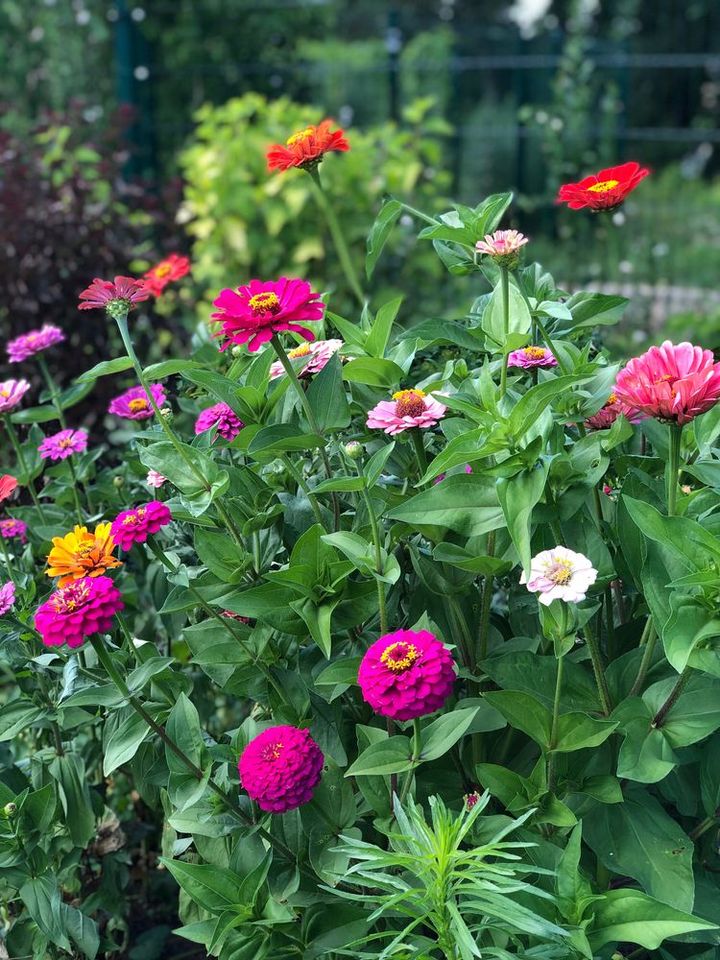
The zinnia has a gentle Victorian meaning: thoughts of absent friends. It is the right gift for someone who lives far away, or for a friendship that has survived distance.
The flower is named for Johann Gottfried Zinn, a German botanist. It is easy to grow from seed and blooms in bright reds, pinks, and oranges all summer.
Zinnias also made history. In January 2016, astronauts on the International Space Station grew and photographed a zinnia in orbit. Even in space, a friendship flower can bloom.
11. Sweet Pea: A Thank-You for Good Times
The sweet pea has a delicate, ruffled bloom and a sweet scent. In Victorian flower language, it expressed blissful pleasure and thanks for a lovely time. That makes it perfect after a happy day with a friend.
It also carried a farewell note. The CSUN collection shows a Victorian bouquet of sweet pea and pansy that asked the receiver to think of the sender after a parting.
The flower grows as a climbing vine and blooms in soft pinks, purples, and whites. Cut stems fade fast, so give them close to the day you pick them up.
12. Aster: “I Share Your Feelings”
The aster is a quiet friendship flower. The U.S. National Park Service links it with the message “I share your feelings,” a sentiment of deep understanding. It is ideal for a friend who listens.
The name comes from the Greek word for “star.” Its petals spread like a star around a golden center. Asters bloom late in the season, when many gardens fade.
That timing is meaningful. A friend who shows up late in the season, when others are gone, is rare. Give asters to someone who stood by you in hard times.
13. Forget-Me-Not: Friendship Across Distance
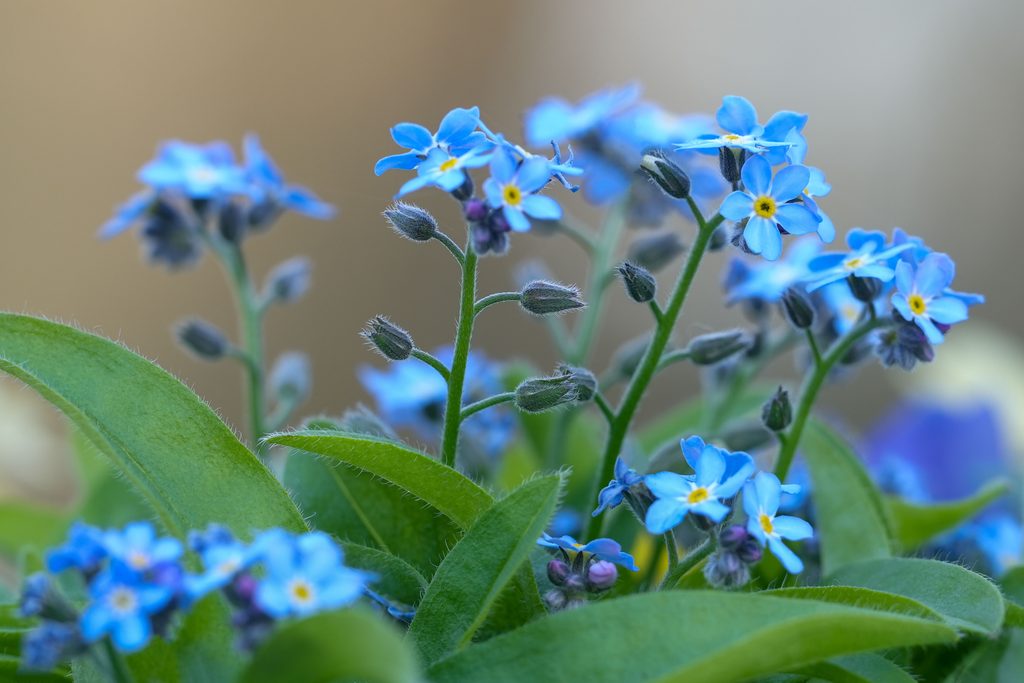
The forget-me-not speaks for itself. It stands for true love and faithful memory, and it is also a beautiful gift for friends who live far apart. The tiny blue flowers say, “Please keep me in your heart.”
A medieval legend tells of a knight who tossed the blooms to his lady as he drowned. His last words, “forget me not,” gave the plant its name. Whatever its origin, the story has lasted for centuries.
The flower is also the state flower of Alaska. Pair a small pot with a letter. It makes a lasting, living reminder of your bond.
14. Pink Carnation: Gratitude and Lasting Memory
The pink carnation carries a warm message of gratitude and affection. It says, “I will never forget you.” For many friends, this is the perfect thank-you flower.
Carnations are practical too. They are affordable and last a long time in water. A friend who receives a bouquet can enjoy it for up to two weeks with fresh water.
Colors matter. Pink is gentle and friendly. Red carnations speak of deeper admiration, and white carnations are tied to remembrance. For friendship, pink is the safest choice.
15. Chrysanthemum: Joy and Long Friendship
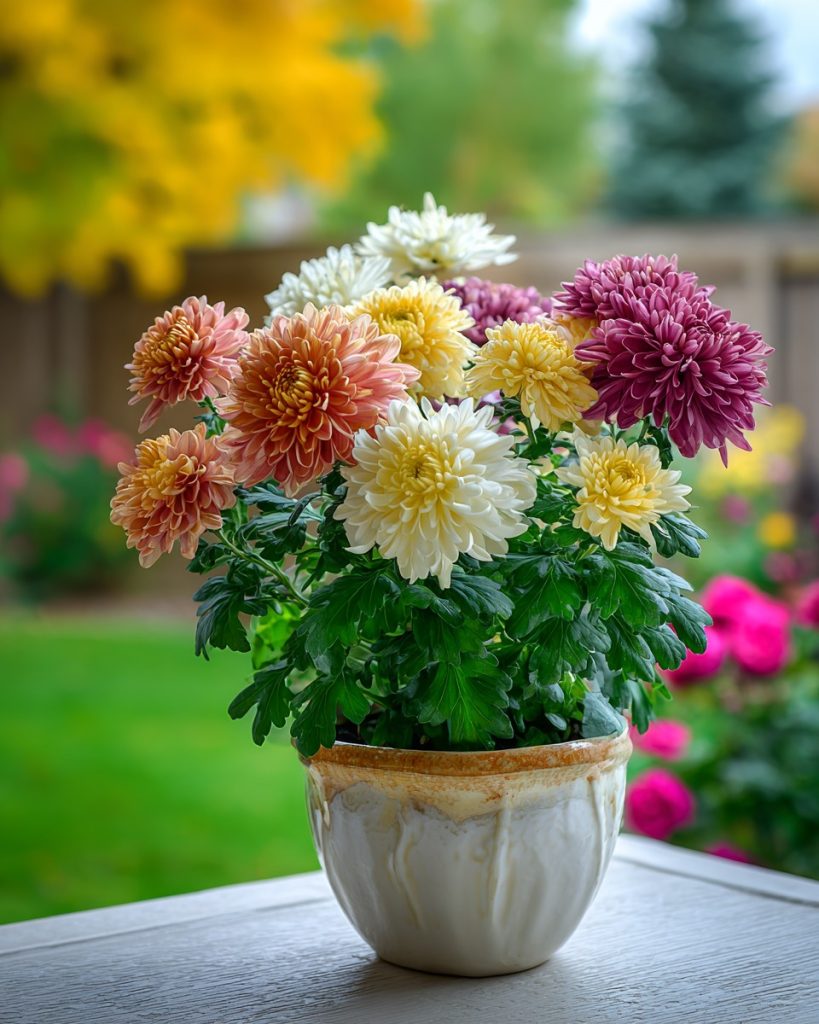
In much of Asia, the chrysanthemum is a flower of happiness and long life. N.C. Cooperative Extension reports that mums began in China more than 2,500 years ago. Japan celebrates a National Chrysanthemum Day known as the “Festival of Happiness.”
This makes mums a joyful gift among friends in many cultures. A potted mum, with its rich autumn colors, is a lasting present.
One caution applies. In parts of Europe, chrysanthemums are tied to remembrance and graves. If your friend is from Europe, choose another flower. When in doubt, a note explaining your good intent will help.
READ MORE ON: Types of Mums (Different Chrysanthemum Varieties, With Pictures)
16. Hydrangea: Gratitude and Togetherness
The hydrangea is a big, generous bloom made of many tiny florets. Today it stands for heartfelt emotion and gratitude. The clustered shape also suggests friends who gather close.
Its color is a small science lesson. In acidic soil, many hydrangeas turn blue. In alkaline soil, they turn pink. Gardeners often say the same plant can become a different friend in a different place.
Victorian guides gave hydrangea a less friendly meaning, such as boastfulness. Modern florists have changed that. Give it as a heartfelt “thank you for understanding me.”
17. Gerbera Daisy: Pure Cheer in Bold Color

The gerbera daisy is hard to ignore. Its big, bright face comes in red, orange, yellow, and pink. It stands for cheerfulness and innocent joy.
It is native to South Africa and is also called the Transvaal daisy. The name honors Traugott Gerber, a German botanist and physician.
Gerberas suit friends who love fun. Give a single stem in a bud vase, or a dozen in a rainbow of colors. Either way, the message is, “You make my days brighter.”
18. Lavender: Calm, Trust, and Devotion
The lavender plant stands for calm, trust, and quiet devotion. Its soft purple spikes and soothing scent make it a gift for a friend who is stressed or tired.
The name likely comes from the Latin lavare, meaning “to wash.” The Romans used lavender in their baths. People have valued it for cleanliness and calm ever since.
A dried lavender bundle lasts for months. I like giving it with a handwritten note that says, “Take a breath. I am here.”
READ MORE ON: 35 Types of Lavender Plants (Different Varieties Explained, With Pictures)
19. Baby’s Breath: The Friend Who Supports
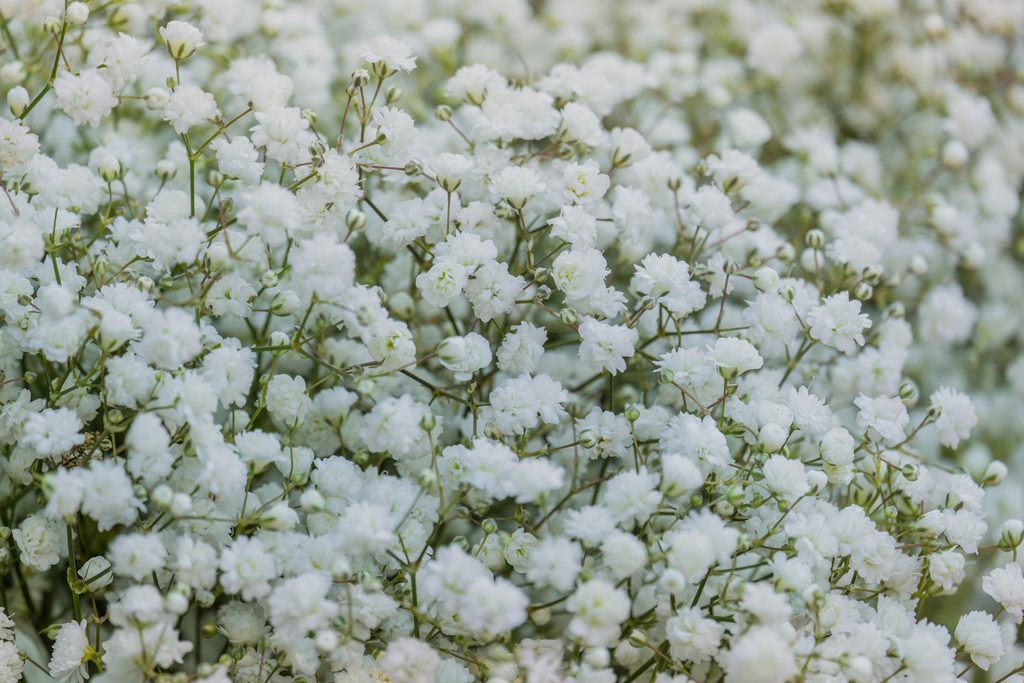
Baby’s breath looks small, but its meaning is large. It stands for everlasting affection and loyal support. Florists use it to lift every other flower in a bouquet.
That role is a good picture of friendship. The best friends often stay in the background and make you shine. The botanical name, Gypsophila, means “chalk-loving.”
The flower dries beautifully, so a gift can last a long time. Tie a loose bunch with twine for a simple, honest present.
20. Cosmos: Harmony and Peace
The cosmos takes its name from the Greek word kosmos, meaning order and harmony. In flower language, it stands for peace, modesty, and balanced friendship.
The flower is native to Mexico. Its petals are thin and papery and sway in the slightest wind. Cosmos bloom in pink, white, and deep red from summer through fall.
Give them to a friend who keeps your life steady. A friendship built on harmony does not need drama. It needs honesty, patience, and shared laughter.
21. Gladiolus: A Friend of Strong Character
The gladiolus stands tall, and so does its meaning. It represents strength of character, honor, and integrity. Its Latin root, gladius, means sword, so it is also called the sword lily.
Tall flower spikes open from the bottom up. This suits a friend who grows and rises over time. Gladioli are also the traditional flower of August.
Give them to a friend you respect for standing firm. A few tall stems in a big vase create drama and show real admiration.
22. Lily of the Valley: The Return of Happiness
This tiny white bell flower stands for humility and the return of happiness. Victorian guides prized it, and it appears in classic lists of flower meanings. It is perfect for a friend who has just come through hard times.
In France, people give small bunches on 1 May as a good-luck gift. The custom turns a simple flower into a sign of shared hope.
One serious caution applies. Every part of the plant is poisonous if eaten. Keep it away from small children and pets, and wash your hands after handling it.
23. Orchid: The Fragrance of True Friendship
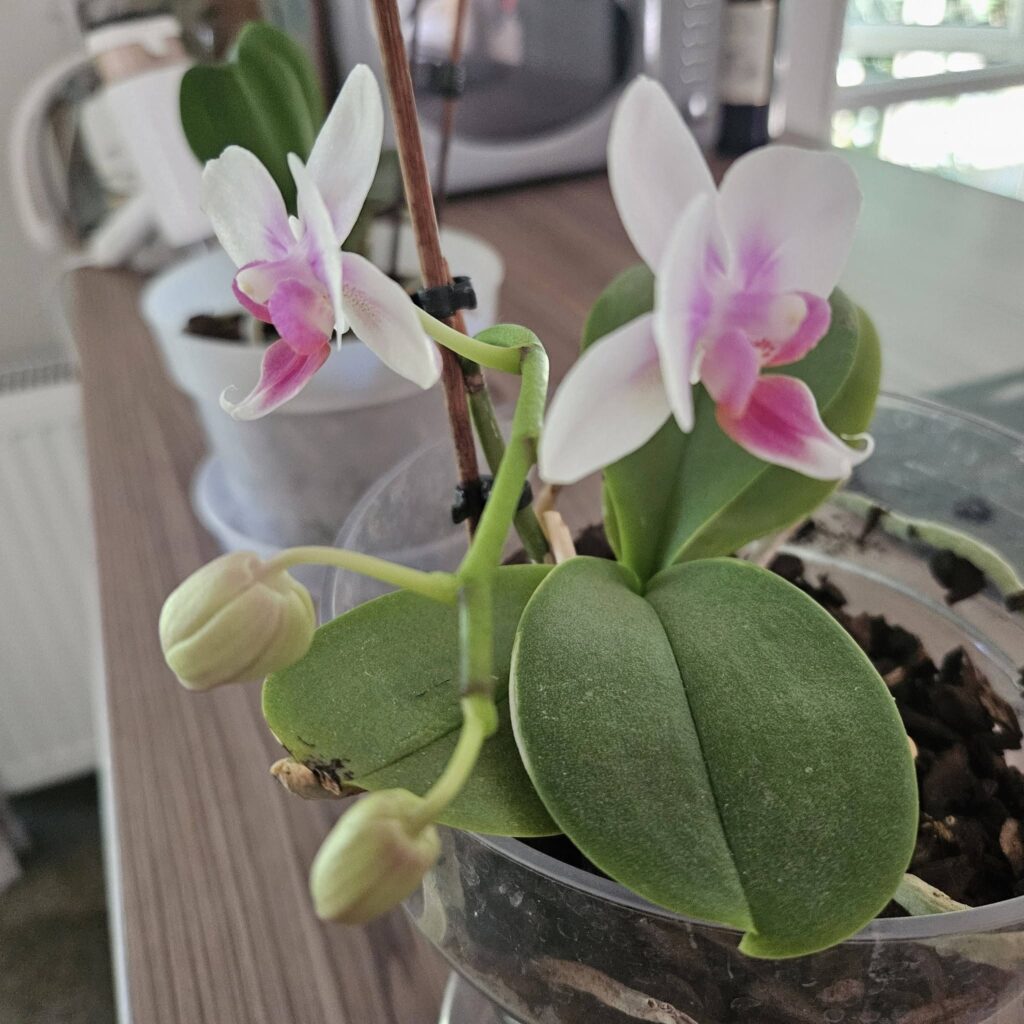
In China, the orchid is a symbol of integrity, refinement, and true friendship. A classic phrase describes a deep friendship as being “golden” and as fragrant as orchids. The image is of a bond that is strong and gentle at once.
The orchid is also one of the “Four Gentlemen” of Chinese art, together with the plum blossom, bamboo, and chrysanthemum. Artists have painted these four plants for centuries.
A potted orchid makes a lasting gift, since it can bloom again for months. Choose a white or soft purple phalaenopsis for a friend who values quiet beauty.
24. Plum Blossom: Friendship Through Hard Winters
The plum blossom opens in late winter, often while snow still lies on the ground. In East Asia, it stands for courage and friendship that survives hardship.
It joins pine and bamboo as the “Three Friends of Winter.” Each plant stays strong in the cold. Together they stand for loyalty that does not fade when life turns difficult.
If you cannot find fresh plum branches, a painting or a card with the image works well. Send it to the friend who stayed with you through your coldest season.
25. Peach Rose: Gratitude and Sincerity
The peach rose closes our list with a gentle message. It stands for gratitude, sincerity, and modesty. It is a way to say, “Thank you for being genuine with me.”
Its warm color sits between the passion of red and the cheer of yellow. That balance makes it ideal for close friends and new ones alike.
It also works well for coworkers, mentors, and neighbors. A single peach rose in a small vase is a graceful, low-pressure gift that says thank you.
Why Friendship Deserves Flowers
Friendship is good for us, and many people lack it. NIH MedlinePlus Magazine reports that about 1 in 4 adults aged 65 and older is socially isolated. It also reports that about 1 in 3 adults aged 45 and older feel lonely.
A small bouquet can break that silence. It tells a friend, “I thought of you.” I have seen a single stem change someone’s whole day.
Our habit of giving flowers with meaning comes largely from the Victorians. They called it floriography, the “language of flowers.” The CSUN Special Collections holds guides printed in Boston in 1852 and in London in 1884.
The 1884 guide even named plants for friendship. They include acacia, blue periwinkle, oak-leaved geranium, and arbor vitae. Many modern meanings, however, have drifted since then.
One date is worth knowing. The United Nations proclaimed 30 July as the International Day of Friendship in 2011, as Santa Fe College explains. It is a perfect day to send flowers.
Remember that meanings vary by culture and color. When in doubt, add a short handwritten note. Your words will always matter most.
How to Give Friendship Flowers Well
The right flower matters, but the right gesture matters more. These simple tips help:
- Add a handwritten note. Your words explain the meaning better than any dictionary.
- Check culture first. A flower that means joy in one country may mean grief in another.
- Think about pets. True lilies are dangerous to cats, so choose another bloom if your friend has one.
- Pick the color with care. Yellow, pink, and peach read as friendly. Red leans romantic.
- Give on a meaningful day. The International Day of Friendship on 30 July is a perfect chance.
Frequently Asked Questions
What is the best flower for friendship?
The yellow rose is the most popular friendship flower. The sunflower, iris, alstroemeria, and daisy are also strong choices.
What color rose means friendship?
Yellow roses are the classic choice. Peach and pink roses also express gratitude and warm affection without romance.
What flower means friendship in Chinese culture?
The orchid and the plum blossom both carry this meaning. Orchids stand for a refined, loyal bond, while plum blossoms stand for friendship that lasts through hardship.
When is International Day of Friendship?
It falls on 30 July each year. The United Nations proclaimed it in 2011 to promote peace and understanding between people.
Final Thoughts
The 25 flowers in this guide show how many ways people have found to say “you matter to me.” Some, like the yellow rose and sunflower, shine with open joy. Others, like the orchid and plum blossom, speak of loyalty that survives hard seasons.
I believe the best friendship flower is the one that fits your friend. Use these meanings as a guide, then follow your heart. A small bouquet and an honest note will always be remembered.
References
- Iowa State University Extension and Outreach. Flowers and Their Meanings: The Language of Flowers
- Iowa State University Extension and Outreach. Sunflowers: From Native American Staple to Modern Garden Favorite
- CSUN University Library, Special Collections & Archives. Floriography: The Language of Flowers
- N.C. Cooperative Extension, NC State University. Chrysanthemums: More Than Just Festival Flowers
- Santa Fe College. International Friendship Day, July 30
- U.S. National Park Service. Language of Flowers
- NIH MedlinePlus Magazine. Stay Connected: Tips from the National Institute on Aging for Combating Social Isolation and Loneliness

Tim M Dave is a gardening expert with a passion for houseplants, particularly cacti and succulents. With a degree in plant biology from the University of California, Berkeley, he has vast experience in gardening. Over the years, he has cultivated a vast collection of desert plants and learned a great deal about how to grow and care for these unique companions.