25 Flowers That Repel Mosquitoes (With Growing Details)
Few things ruin a calm evening like the thin whine of a mosquito. I have spent many evenings on a garden bench, slapping my arms and wishing for a quiet solution. That search led me to flowers that mosquitoes tend to avoid.
The good news is that some plants do carry natural oils that mosquitoes dislike. The honest news is that they work best when used the right way. This guide explains both, so you can plant with realistic expectations.
What the Science Says About Mosquito-Repelling Flowers
Let me start with the truth. Growing a plant in your garden does not create a bite-proof shield. Extension experts at Colorado State University note that the volatile oils in these plants are released mainly when the leaves are crushed or burned.
Some research is more encouraging. In a pilot study in Tanzania, houses surrounded by lantana had 50% fewer mosquitoes indoors than houses without it. The study covered 231 homes with lantana and 90 without.
Washington State University Extension also notes that crushed leaves or refined plant extracts can perform about as well as a low-percentage DEET product. So the plants have real value. They work best as one layer of a wider plan.
In short: use these flowers to make your space less inviting. Then add standing-water control, screens, and an EPA-registered repellent for real protection.
25 Flowers and Flowering Plants That Repel Mosquitoes
1. Marigolds (Tagetes)
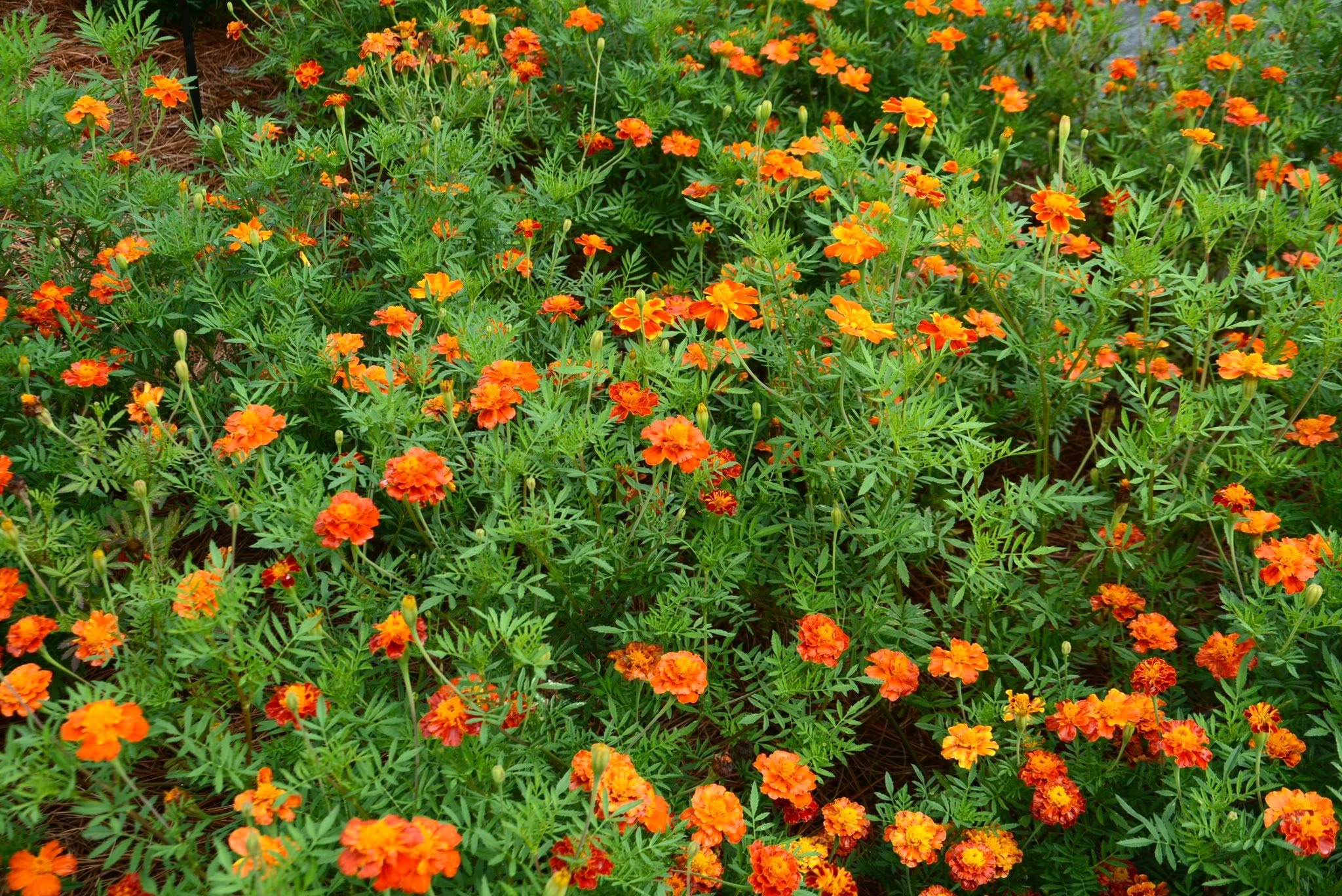
Marigolds are the first flower most gardeners think of, and for good reason. Their strong, sharp scent comes from oils that many insects find unpleasant. Their bright orange and yellow blooms also lift any garden bed.
I like to place them in pots near doorways and seating areas. Container planting keeps the scent close to where people sit. Give them full sun and regular watering.
Keep in mind that marigolds work best when the petals and leaves are lightly brushed. A gentle rub releases more fragrance. They are cheap, easy, and a fine starting point.
2. Lavender (Lavandula)
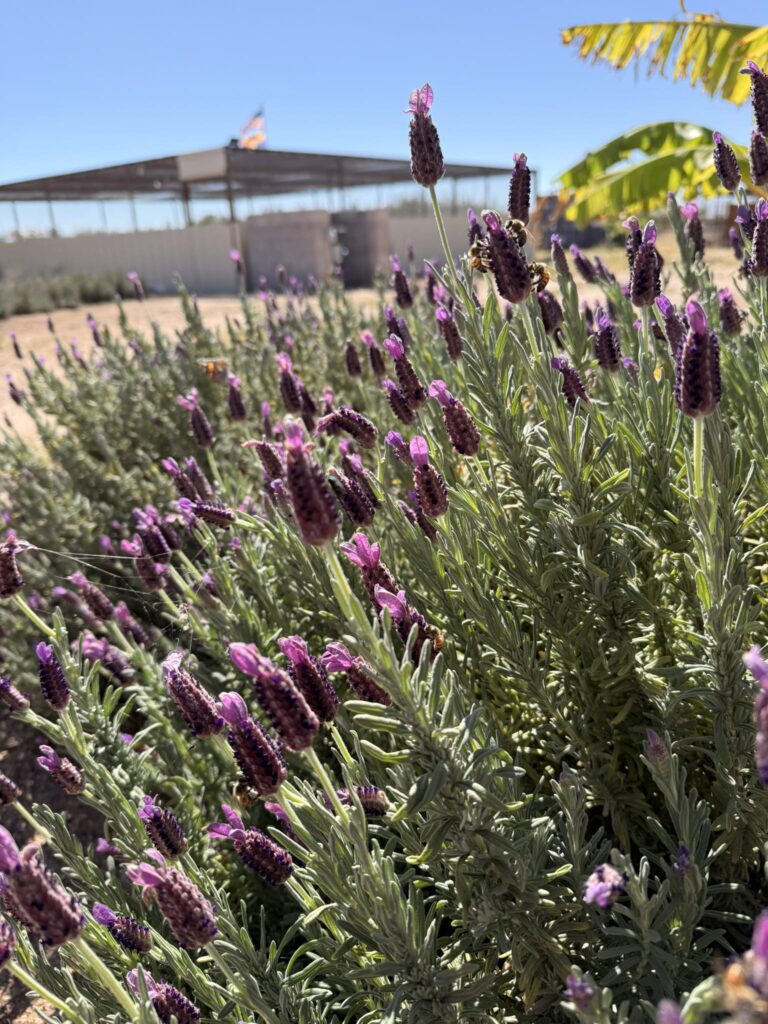
Lavender smells calming to people, but many insects avoid it. The scent comes from compounds such as linalool. Both the New York Botanical Garden and university extension sources list lavender among plants said to repel mosquitoes.
Plant it in full sun and well-drained soil. It dislikes wet roots, so avoid heavy clay. Raised beds and pots suit it well.
Beyond the garden, lavender sprigs can be tucked near windows and porches. Crush a few leaves in your hands before sitting outside. The fragrance is a lovely bonus.
3. Lantana (Lantana camara)
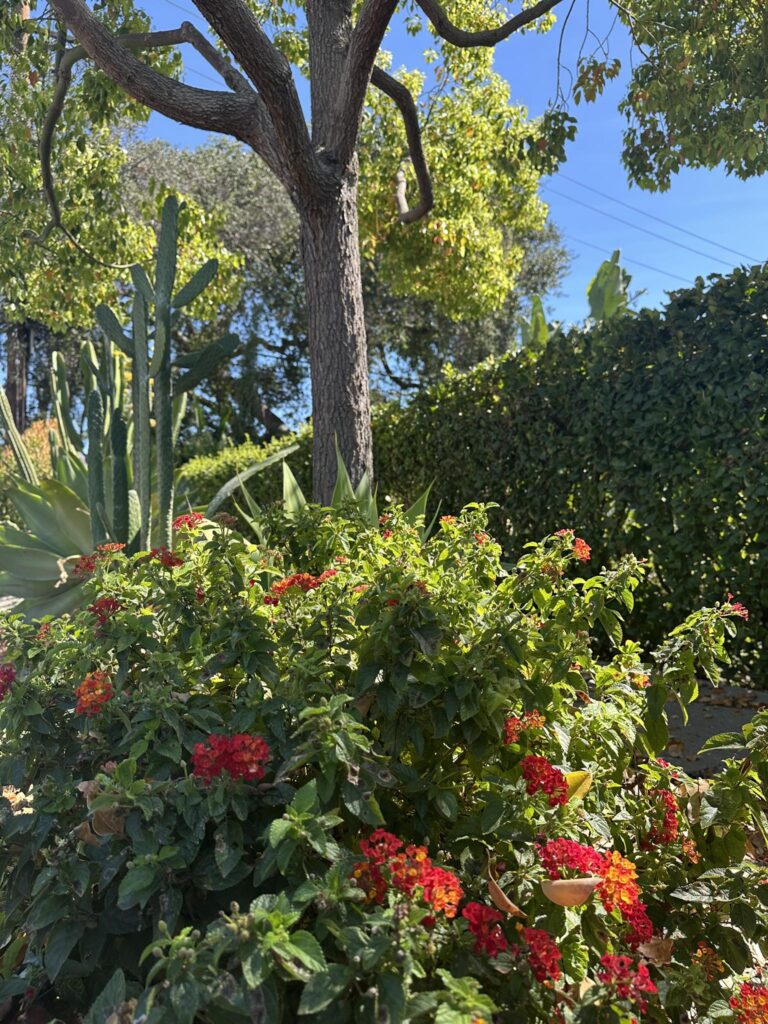
Lantana has the strongest research behind it among flowers. In the Tanzania pilot study, houses with lantana had 56% fewer Anopheles gambiae mosquitoes and 83% fewer Anopheles funestus. Both are malaria carriers.
The plants were grown around house walls, where mosquitoes enter through small gaps. That placement matters. Dense, tall lantana acts as both a scent barrier and a physical screen.
A word of caution. Lantana can be invasive in warm regions, and its berries are toxic to pets and children if eaten. Check local rules before planting it widely.
4. Pyrethrum Daisy (Tanacetum cinerariifolium)
This daisy is the natural source of pyrethrins, a well-known insecticide ingredient. That gives it a serious reputation in pest control. Its white petals and yellow centers look cheerful in a cottage garden.
Note that the plant in the ground is far weaker than the processed extract. Still, growing it adds another aromatic layer to your beds. Plant it in full sun with good drainage.
Keep it away from ponds and fish if you ever make homemade sprays from it. Pyrethrins can harm aquatic life. Use it with care.
5. Citronella Geranium (“Mosquito Plant”)
This scented geranium is sold widely as a mosquito plant. Its lemony smell makes the claim sound convincing. I have to be honest, though. University of Guelph studies, cited by Colorado State, found no repellent effect.
The plant does not contain true citronella oil. It simply smells similar when crushed. Think of it as a fragrant ornamental rather than a proven repellent.
I still grow one in a pot because the foliage smells wonderful. Just do not rely on it alone. Treat it as a pleasant extra.
ALSO READ: 15 Herbs That Repel Bugs (Naturally, With Details)
6. Catnip (Nepeta cataria)
Catnip is a tough, fast-growing herb with soft purple-blue flowers. Its key compound, nepetalactone, is often studied for insect-repelling properties. Mississippi State University Extension lists it among herbs that may help deter mosquitoes.
It grows easily in sun or partial shade. It spreads quickly, so a container is often the smarter choice. Cut it back after flowering to control it.
There is one clear downside. Cats love it, and they may roll through your beds. If you own a cat, expect some flattened plants.
7. Bee Balm (Monarda)
Bee balm produces bold, shaggy flowers in red, pink, and purple. It also carries a citrusy, minty scent. Mississippi State University Extension names it among herbs with some scientific evidence for deterring mosquitoes.
Pollinators adore it, so you gain a lively garden as well. Plant it where air can move freely. Good airflow helps prevent mildew, which often troubles this plant.
Crushed leaves smell strongly of oregano and citrus. Rub a few leaves on your hands before you sit outside. It is a simple, pleasant habit.
8. Lemon Balm (Melissa officinalis)
Lemon balm is a hardy herb with small white flowers and a bright lemon fragrance. Extension sources and the New York Botanical Garden both list it among plants said to repel mosquitoes. Its scent comes from citrus-type compounds.
It grows well in sun or part shade. It is a vigorous spreader, so keep it in a pot. Otherwise it can take over a bed within a season.
I like to crush a handful of leaves and rub them on my forearms during garden work. The smell is clean and fresh. Always test on a small patch of skin first.
9. Holy Basil (Ocimum tenuiflorum)
Holy basil, also called tulsi, is treasured in many kitchens and homes. Its spicy scent comes from aromatic oils, and the New York Botanical Garden lists it among plants said to repel mosquitoes. Its small purple flower spikes attract bees.
Grow it in a warm, sunny spot with regular water. Pinch off the flower buds now and then to keep the leaves lush. You can also use it in tea and cooking.
Pots near windows and doors work well. The plant is small and tidy. It suits balconies as well as gardens.
10. Camphor Basil (Ocimum kilimandscharicum)
This basil deserves special mention, especially for readers in East Africa. In a Tanzanian ethnobotanical survey, 67% of 120 households used two Ocimum species, including this one, as a repellent. That makes it one of the most widely used local remedies.
Researchers also tested its essential oil against malaria mosquitoes and compared it with citronella and DEET. Traditional use is strong here, and the science is promising.
It grows into a woody, shrubby plant with spikes of small flowers. Give it sun and warmth. Its strong camphor smell is not for everyone, but it is memorable.
11. Rosemary (Salvia rosmarinus)
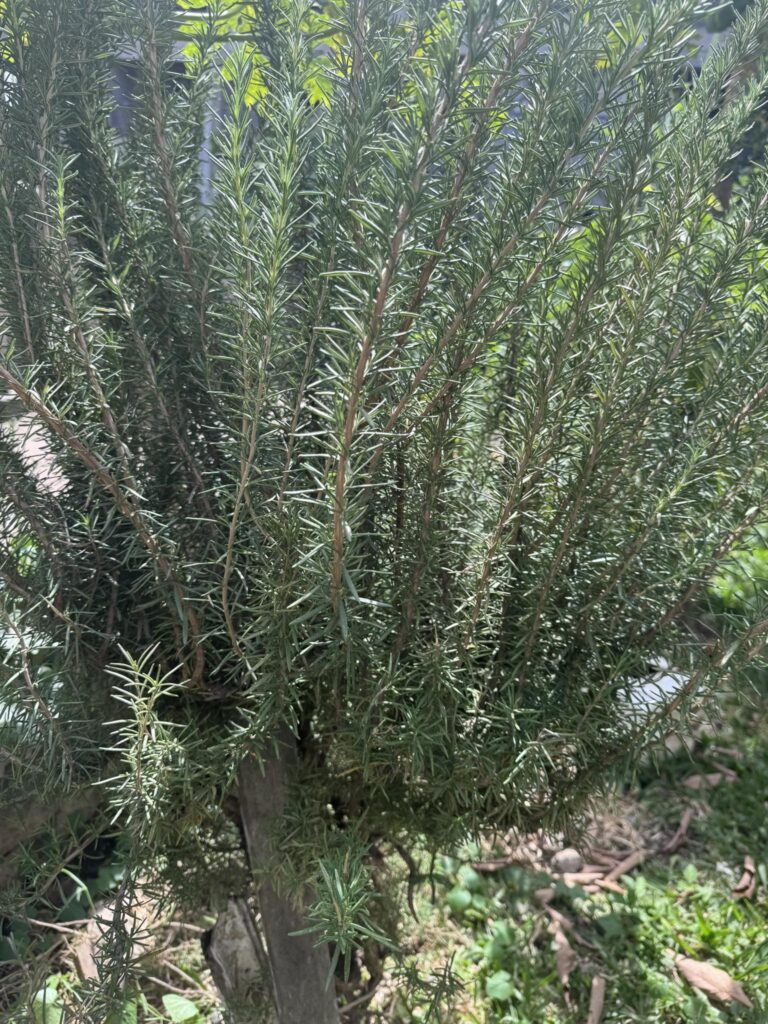
Rosemary is a fragrant, needle-leaved shrub that produces small blue flowers. Its oils are strong and resinous. Several extension and garden sources list it among plants said to deter mosquitoes.
It thrives in hot sun, poor soil, and dry conditions. Overwatering is its main enemy. In cold climates, grow it in a pot and bring it indoors for winter.
A simple trick I use is tossing a few sprigs on a barbecue grill. The fragrant smoke drifts across the patio. Burning plant material releases oils faster than a living plant does.
12. Petunias
Petunias are cheerful, colorful, and easy to find. Many gardening guides say they help deter certain insects. Scientific evidence for mosquitoes specifically is limited, so I treat this as a bonus rather than a promise.
They grow best in full sun with regular feeding and watering. Hanging baskets keep them near your seating area. They bloom for months.
Petunias are a good choice if you want color first and gentle pest benefits second. Just do not expect them to replace stronger aromatic plants.
13. Ageratum (Floss Flower)
Ageratum forms soft, fluffy clusters of blue, lavender, or white blooms. Its leaves contain coumarin, a compound that gives off a distinct scent. Garden folklore links it to insect deterrence.
The evidence is modest, so I list it as a supporting plant. It works nicely as a low border. Plant it in sun or light shade with moist, rich soil.
It also makes a lovely edging along paths and patios. Its soft texture contrasts well with spiky lavender and bold marigolds.
14. Nasturtiums
Nasturtiums have bright, edible flowers in orange, red, and yellow. Their peppery scent is noticeable when the leaves are bruised. They are better known for drawing aphids away from other plants than for repelling mosquitoes.
I include them because they are easy and useful. They grow quickly from seed and thrive in poor soil. Too much fertilizer gives you leaves but few flowers.
Use them as a cheerful border near vegetable beds. The flowers also taste good in salads. Consider them a helpful companion rather than a main defense.
15. Sage (Salvia officinalis)
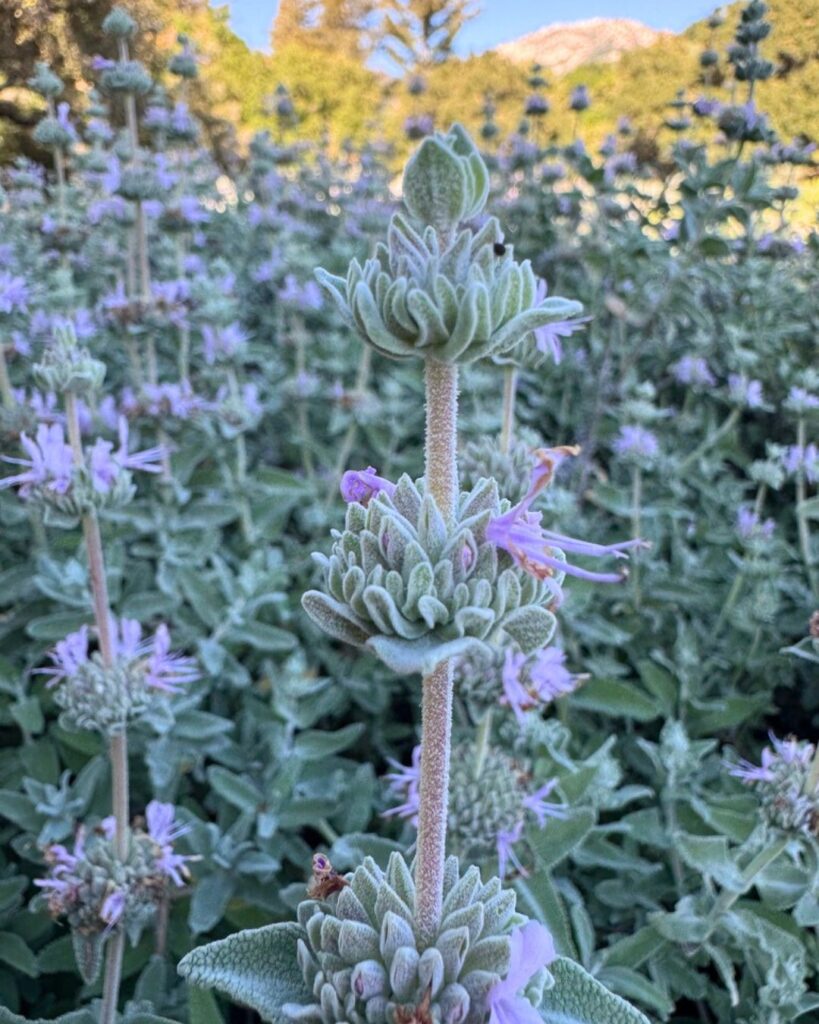
Sage is a silvery, aromatic herb with purple flower spikes. Its leaves are rich in oils that release a strong scent when burned or crushed. Several sources list it among plants used against mosquitoes.
A traditional trick is to toss dried sage onto a campfire. The smoke can help keep mosquitoes away from your seating area for a while. Use it safely and keep fires under control.
In the garden, sage prefers full sun and dry, well-drained soil. It is also very attractive to bees. A single plant can serve the kitchen and the patio.
16. Peppermint (Mentha × piperita)
Peppermint has a sharp, cool scent from menthol-rich oils. Many gardeners list it among the mint-family plants that mosquitoes avoid. It also produces pretty pale purple flowers in summer.
It spreads aggressively through underground runners. Always grow mint in a container unless you want it everywhere. A large pot near the door works well.
Crushed mint leaves smell wonderful in a cold drink and on the skin. I keep a pot by my back steps for both purposes.
17. Lemon Thyme (Thymus × citriodorus)
Lemon thyme is a low, mat-forming herb with tiny pink flowers. Mississippi State University Extension names it among herbs with some scientific support for deterring mosquitoes. Iowa State University, however, notes that plants must be crushed to have any effect.
That makes lemon thyme a good path or patio plant. Every time you step on it, a burst of lemon scent rises. It also handles light foot traffic well.
Plant it in full sun and dry soil. It needs little care once established. It is also delicious in cooking.
18. Garlic Chives (Allium tuberosum)
Garlic chives produce pretty white, star-shaped flower heads in late summer. Their leaves carry a mild garlic aroma. Sulfur compounds in the allium family are often linked to insect deterrence.
Scientific proof for mosquitoes is limited. Still, gardeners find them useful along borders. They are hardy, low-maintenance, and edible.
Deadhead the flowers before they set seed. Otherwise the plant can self-sow widely. It is a tidy way to add scent and flavor near the kitchen door.
ALSO READ: 10 Beautiful Flowers That Repel Snakes from Your Garden
19. Ornamental Alliums
Ornamental alliums have round, purple flower globes on tall stems. They belong to the same family as onions and garlic. Their sulfur-rich scent is subtle until the plant is damaged.
I enjoy them for their sculptural beauty first. Plant the bulbs in autumn in full sun and well-drained soil. They return each year with little effort.
Their effect on mosquitoes is likely small. Yet they combine well with lavender and roses. Together they create a layered, fragrant border.
20. Feverfew (Tanacetum parthenium)
Feverfew is a small, daisy-like flower with a bitter, pungent smell. It is a relative of the pyrethrum daisy. Gardeners often plant it to discourage various insects.
The evidence for mosquitoes is mostly traditional, so I keep my claims modest. It grows easily in sun or part shade and reseeds freely. You will soon have plenty.
Handle it with care if you have sensitive skin. Some people react to the leaves. Wear gloves when trimming it.
21. Tansy (Tanacetum vulgare)
Tansy has clusters of golden, button-like flowers and strong-smelling leaves. It has a long history as an insect-deterring plant in old gardens. Its scent is sharp and camphor-like.
There are important cautions. Tansy is toxic if eaten and can be invasive in some regions. Keep it away from pets, children, and livestock.
Check local guidance before planting it. In many areas it is listed as a weed. It is better suited to careful gardeners who can control its spread.
22. Calendula (Pot Marigold)
Calendula has bright orange and yellow petals and a resinous scent. It is often confused with true marigolds, but it is a different plant. Garden tradition links it to pest deterrence.
I treat it mainly as a beautiful, useful flower. It grows well from seed and blooms for months if you remove faded flowers. The petals are edible and often used in skin balms.
Plant it beside vegetables or herbs. It brightens the bed and attracts helpful insects. Any mosquito-deterring effect is a small extra.
23. Lemon Verbena (Aloysia citrodora)
Lemon verbena has one of the strongest lemon fragrances in the plant world. Its leaves are rich in citral, the same compound found in lemongrass. Tiny white or pale lilac flowers appear in summer.
It is tender, so grow it in a pot in cold regions and shelter it in winter. Give it full sun and regular water. Rub a leaf and the scent fills the air.
I like it beside outdoor chairs where I can brush it easily. The fragrance feels cheerful and clean. It also makes a fine herbal tea.
ALSO READ: 35 Flowers That Attract Butterflies (With Pictures)
24. Chamomile
Chamomile has small white daisy-like flowers with yellow centers and an apple-like scent. It is gentle, familiar, and easy to grow. Gardeners often include it in mixed herb beds.
Its mosquito-deterring power is mild, and I want to be clear about that. Think of it as a soft, supportive plant rather than a strong repellent. It also draws hoverflies, which help control garden pests.
It grows well in sun or light shade. Harvest the flowers for tea. It is a modest plant with many small benefits.
25. Wormwood (Artemisia absinthium)
Wormwood is a silvery, bitter-smelling plant with tiny yellow flowers. Colorado State University lists Artemisia species among plants commonly said to repel mosquitoes. It is known for its very strong aroma.
Like other plants on this list, it works best when crushed or burned. It can be toxic in large amounts, so keep it away from children and pets. Never use it as a home remedy on the body.
Grow it in full sun and dry soil. It is a striking foliage plant for the back of a border. Handle it thoughtfully and enjoy its silver texture.
How to Get the Best Results From Mosquito-Repelling Flowers
Plant in groups. A single pot is easy to ignore, but a cluster near a patio creates a stronger scent zone. Place them near doors, windows, and seating areas.
Crush the leaves. Rubbing a leaf between your fingers releases its oils. A quick brush as you walk past helps too. Test on a small patch of skin before rubbing leaves on your arms.
Use pots for spreaders. Mint, lemon balm, catnip, and lantana can take over a garden. Containers keep them under control. They also let you move plants where you need them.
Combine with proven steps. The CDC and EPA advise using an EPA-registered repellent, wearing long sleeves, fixing window screens, and removing standing water. Plants support these steps; they do not replace them.
Where Mosquitoes Breed: The Step Flowers Cannot Replace
Mosquitoes lay their eggs in water, so standing water matters more than any flower. Empty flowerpot saucers, buckets, and birdbaths at least once a week. Clear blocked gutters too.
Extension experts consistently place water control first. If breeding sites remain, mosquitoes will keep arriving. Even the best-planted garden cannot outwork a neglected bucket of water.
Fill low spots and cover water barrels tightly. For water you cannot remove, ask your local garden center about larvicide products. Always follow label directions.
Final Thoughts
Mosquito-repelling flowers will not turn your garden into a fortress. But lavender, marigolds, lantana, basil, and bee balm can make it more pleasant. They also bring color, fragrance, and pollinators.
My advice is simple. Choose four or five plants from this list that suit your climate. Group them near where you relax. Crush a leaf when you sit down, and keep your water sources dry.
Used together with screens, repellent, and good habits, these flowers can help you enjoy more calm evenings outdoors. That is a result worth planting for.
References
- Colorado State University Extension (PlantTalk Colorado). “Do Plants Repel Mosquitoes?” https://planttalk.colostate.edu/topics/insects-diseases/1400-20-plants-repel-mosquitoes
- Iowa State University Extension and Outreach. “What plants will repel mosquitos when planted nearby?” https://yardandgarden.extension.iastate.edu/faq/what-plants-will-repel-mosquitos-when-planted-nearby
- Mississippi State University Extension. “Can Fragrant Plants Help Repel Insects?” https://extension.msstate.edu/blog/can-fragrant-plants-help-repel-insects
- U.S. Environmental Protection Agency (EPA). “Find the Repellent that is Right for You.” https://www.epa.gov/insect-repellents/find-repellent-right-you
- Centers for Disease Control and Prevention (CDC). “Mosquito Control & Bite Prevention Flipbook.” https://stacks.cdc.gov/view/cdc/41688/cdc_41688_DS1.pdf
- National Institutes of Health (PMC). “Repellent Plants Provide Affordable Natural Screening to Prevent Mosquito House Entry in Tropical Rural Settings” (Lantana study, PLoS ONE). https://pmc.ncbi.nlm.nih.gov/articles/PMC3192125
- National Institutes of Health (PMC). “Ethnobotanical study of some of mosquito repellent plants in north-eastern Tanzania” (Malaria Journal). https://pmc.ncbi.nlm.nih.gov/articles/PMC2519077

Tim M Dave is a gardening expert with a passion for houseplants, particularly cacti and succulents. With a degree in plant biology from the University of California, Berkeley, he has vast experience in gardening. Over the years, he has cultivated a vast collection of desert plants and learned a great deal about how to grow and care for these unique companions.