15 Herbs That Repel Bugs (Naturally, With Details)
I’ve never liked spraying chemicals near where my family eats and plays. So a few years back, I started leaning on herbs instead, and honestly, the results surprised me.
Many common herbs contain natural oils that insects find genuinely unpleasant. Mosquitoes, ants, moths, and even ticks tend to avoid areas where these plants grow thick.
Research backs this up too. A well-known Iowa State University study found that nepetalactone, the compound in catnip, repelled mosquitoes roughly ten times more effectively than DEET in lab conditions.
Below, I’ve gathered 15 herbs that repel bugs, along with how each one works and where it fits best in your garden or home.
1. Lavender
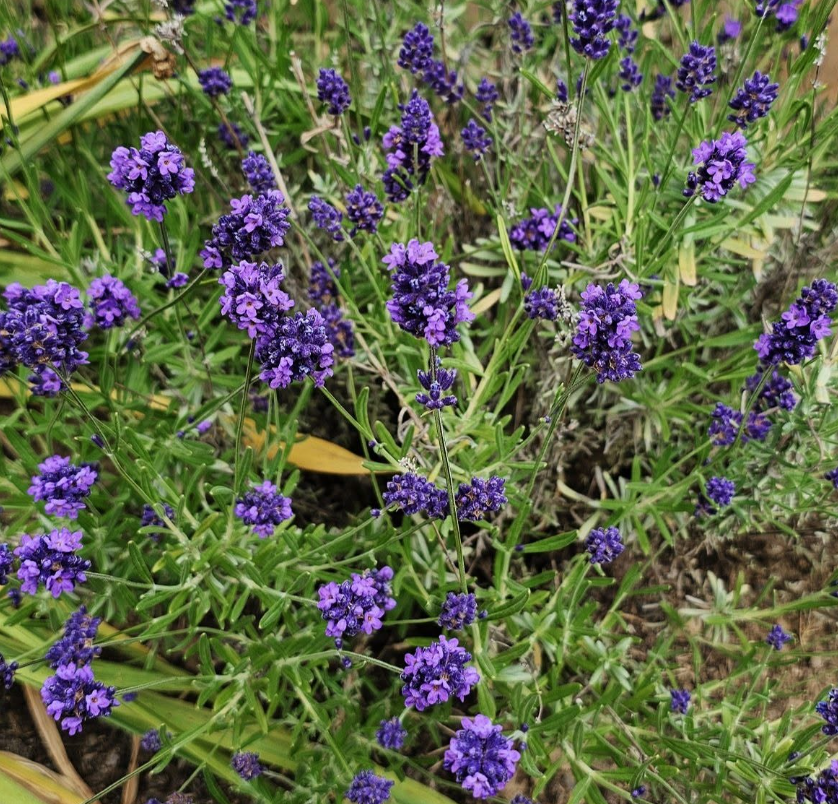
Lavender’s calming scent is lovely to us, but insects see things differently. Its strong floral aroma masks the human scent cues that mosquitoes and moths use to find us.
This perennial herb thrives in zones 5 to 9, preferring full sun and well-drained, slightly alkaline soil. It’s drought-tolerant once established, which makes it low-maintenance.
I like planting it near doorways and patio seating. The scent works passively there, and you get the added bonus of pollinator activity from bees, which actually love it.
Beyond the garden, dried lavender sachets are commonly placed in closets and drawers to deter clothes moths, a use that dates back centuries in European households.
READ MORE ON: 35 Types of Lavender Plants (Different Varieties Explained, With Pictures)
2. Basil
Basil isn’t just a kitchen staple. Its strong scent, driven by compounds like linalool and eugenol, disrupts the way mosquitoes and flies locate hosts.
It grows best in full sun, in warm soil, and doesn’t tolerate frost at all. Most gardeners treat it as an annual outside of tropical climates.
Placing potted basil near outdoor dining areas genuinely helps reduce fly activity during meals. I’ve done this myself at summer barbecues, with noticeably fewer flies landing on food.
Crushing a few leaves releases the oils faster, which intensifies the repelling effect temporarily. It’s a simple trick that costs nothing and takes seconds.
3. Peppermint
Peppermint’s sharp, cooling scent is one of the most widely studied natural repellents, shown in multiple trials to deter ants, mosquitoes, and even spiders.
This herb spreads aggressively, so container planting is strongly recommended unless you want it taking over an entire bed within a single season.
It tolerates partial shade better than most herbs on this list, and it prefers consistently moist, well-drained soil rather than dry conditions.
I keep a pot near my back door, and I’ve noticed fewer ants crossing that threshold since. Crushed leaves rubbed on skin also offer short-term mosquito relief.
4. Rosemary
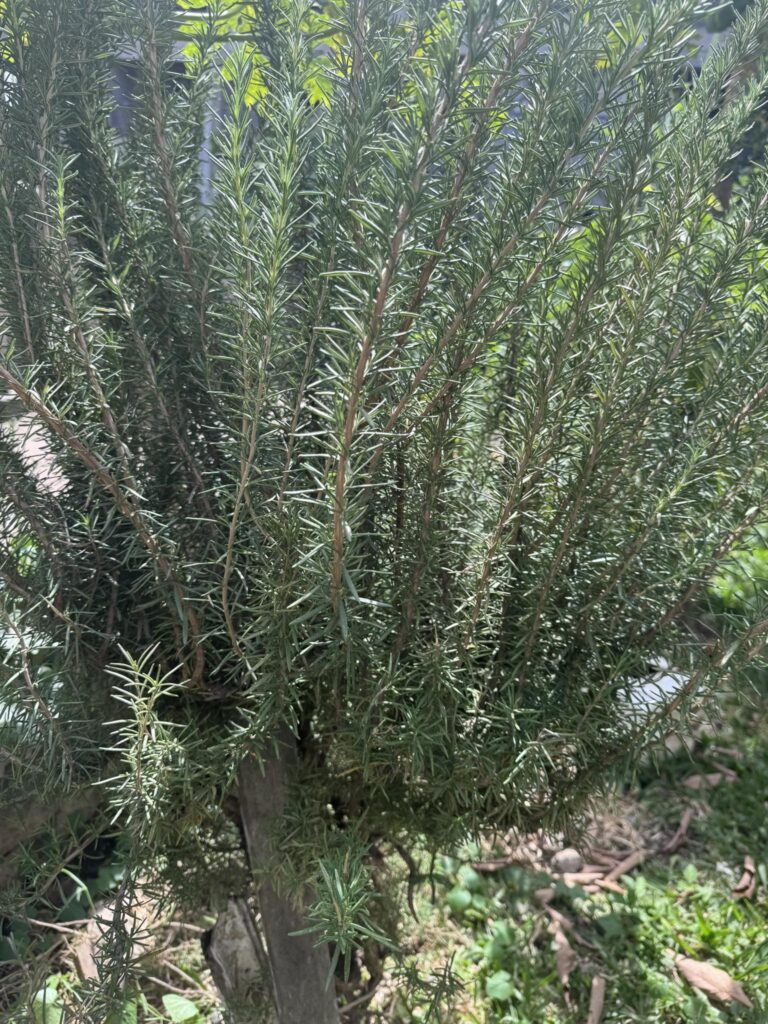
Rosemary’s woody, resinous scent is unmistakable, and it happens to be one of the more effective herbs against mosquitoes, cabbage moths, and carrot flies.
It’s a Mediterranean native, so it thrives in hot, dry, sunny conditions with excellent drainage. Overwatering is actually the most common way gardeners kill this plant.
Tossing dry rosemary sprigs onto a grill or fire pit releases smoke that noticeably reduces nearby mosquito activity, a trick used at outdoor gatherings for generations.
It also pairs well as a companion plant near vegetable beds, particularly around cabbage family crops, where its scent confuses egg-laying moths searching for host plants.
READ MORE ON: 15 Varieties of Rosemary (Different Types Explained, With Pictures)
5. Citronella Grass
Citronella is probably the most commercially recognised bug-repelling plant, thanks to decades of candles and sprays built around its distinctive lemony oil.
This clumping grass grows tall, often reaching 4 to 6 feet, and needs a warm climate to thrive, generally suited to zones 9 through 11.
The Centers for Disease Control notes that plant-based repellents like citronella oil can offer short-term protection against mosquitoes, though typically less lasting than synthetic options like DEET.
Planting it in large pots around a patio perimeter creates a natural barrier. Just remember that the live plant works less intensely than its distilled essential oil.
6. Lemongrass
Lemongrass shares citronella’s active compound, citral, which explains why both plants share such a similar reputation for keeping mosquitoes at a distance.
It grows in clumps up to 4 feet tall, preferring full sun and consistently moist soil. It thrives outdoors in zones 9 to 11, or in containers elsewhere.
Crushing the stalks releases oil almost instantly, which is why many gardeners rub bruised stems directly on exposed skin during evening garden work.
Beyond bug control, it’s a genuinely useful culinary herb, common in Southeast Asian cooking, so the plant earns its space even beyond pest management.
ALSO READ: 30 Types of Herbs (With Growing Details)
7. Catnip
Catnip’s reputation among cats is well known, but its insect-repelling properties are arguably more impressive, backed by real, peer-reviewed research.
The Iowa State study mentioned earlier found nepetalactone repelled mosquitoes far more effectively than DEET at comparable concentrations, a result that surprised even the researchers.
This herb grows easily in zones 3 to 9, tolerating poor soil and partial shade. It spreads readily, so many gardeners contain it in pots.
One caution: if you have cats, expect them to take a serious interest in this plant, sometimes trampling it flat within days of planting it outdoors.
8. Chives
Chives are a quiet workhorse in the garden. Their oniony scent deters aphids, Japanese beetles, and carrot flies, while attracting pollinators when in bloom.
This hardy perennial suits zones 3 to 9, tolerating cold well and requiring minimal care beyond occasional division every few years to keep clumps healthy.
Planting chives near roses or carrots is a classic companion planting strategy, one that gardeners have relied on for generations to reduce pest pressure naturally.
I let mine flower each spring. The purple blooms are genuinely pretty, and pollinators visit heavily, which balances out the pest-repelling role nicely.
9. Garlic Chives and Garlic
Garlic’s sulphur compounds are unmistakable to insects, and studies suggest garlic-based sprays can deter aphids, mosquitoes, and even some tick species effectively.
Garlic prefers full sun and well-drained soil, planted in fall for a summer harvest in most climates, though garlic chives can be grown as a perennial herb.
Homemade garlic spray, made by steeping crushed cloves in water, is a common organic pest deterrent used on vegetable crops to reduce aphid infestations.
The smell fades on human skin within hours, but on plants, it lingers long enough to meaningfully disrupt feeding insects searching by scent.
READ MORE ON: 15 Types of Garlic Explained: Variety, Flavor, and Uses
10. Thyme
Thyme contains thymol, a compound found in many commercial insect repellents, and it’s proven effective against mosquitoes and cabbage worms alike.
This low-growing herb thrives in zones 5 to 9, preferring dry, sandy soil and full sun. It’s remarkably drought-tolerant once its roots are established.
Burning dried thyme leaves has actually been studied as a mosquito deterrent, with research suggesting meaningful reductions in mosquito landing rates near the smoke.
I grow it along garden pathways, where stepping on it releases scent naturally. It’s a small detail, but it adds up over a full season.
11. Sage
Sage’s dusty, herbal aroma repels mosquitoes and moths effectively, and like rosemary, it releases even stronger deterrent properties when burned.
It grows well in zones 4 to 10, tolerating drought and poor soil far better than rich, consistently moist conditions, which can actually cause root problems.
Bundled sage, burned as smudge sticks, has long been used both ceremonially and practically to clear insects from outdoor spaces before gatherings.
I’ve found fresh sage less potent than dried, so if repelling bugs is your main goal, letting stems dry fully before use makes a real difference.
12. Marigold
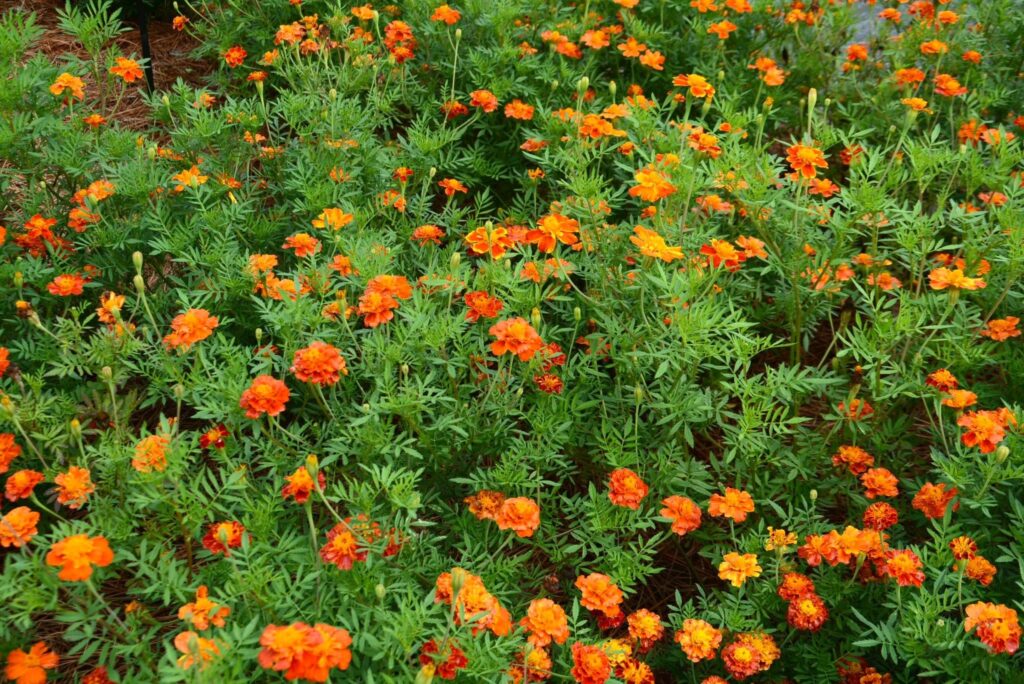
Marigolds aren’t a culinary herb, but they’re so consistently used for pest control that most gardening guides include them alongside true herbs on lists like this.
Their roots release compounds that repel nematodes underground, while their strong floral scent deters aphids, mosquitoes, and whiteflies above the soil line.
This annual thrives in full sun, tolerating poor soil and heat exceptionally well. It’s one of the easiest plants to grow from seed.
Interplanting marigolds throughout vegetable beds is a long-standing organic gardening practice, and many gardeners, myself included, simply won’t plant tomatoes without them nearby anymore.
READ MORE ON: Types Of Marigolds (Varieties List With Pictures)
13. Lemon Balm
Lemon balm, a member of the mint family, carries citronellal, the same compound family found in citronella, giving it genuine mosquito-repelling properties.
It grows vigorously in zones 4 to 9, tolerating partial shade better than most herbs here, and spreads readily, so containment is worth considering.
Crushed leaves rubbed on skin offer temporary relief from mosquito bites, a folk remedy that’s held up reasonably well under modern scrutiny.
I keep it near seating areas specifically for this reason. It smells wonderful to us and remains genuinely unpleasant to biting insects nearby.
14. Wormwood
Wormwood carries an intensely bitter scent, and historically, it’s been used to repel moths, flies, and ticks from stored fabrics and outdoor spaces alike.
This hardy perennial suits zones 4 to 9, tolerating poor, dry soil with ease. It’s drought-tolerant and requires very little maintenance once established.
Its bitterness comes from absinthin and thujone, compounds also responsible for the plant’s historical use in the spirit absinthe, though in far more concentrated form.
Dried wormwood sprigs placed among stored linens or clothing have long served as a natural alternative to synthetic mothballs in many households.
15. Tansy
Tansy produces clusters of button-like yellow flowers and a sharp, camphor-like scent that ants, flies, and moths generally avoid altogether.
It grows aggressively in zones 3 to 8, tolerating poor soil and neglect well, though its spreading habit means careful placement or containment matters.
Historically, tansy leaves were rubbed directly onto meat to deter flies before refrigeration existed, a practical use that predates modern pest control by centuries.
One caution: tansy is toxic if ingested in large amounts, so it’s best treated strictly as an ornamental and repellent plant, not a culinary one.
Final Thoughts
These 15 herbs that repel bugs offer a genuinely practical, low-cost way to reduce pest pressure without reaching for chemical sprays every season.
None of them work as a complete barrier on their own. But planted together, near seating areas, doorways, and vegetable beds, the combined effect adds up meaningfully.
I’d start small. Pick two or three that suit your climate, plant them where you actually spend time outdoors, and let the results speak for themselves.

Tim M Dave is a gardening expert with a passion for houseplants, particularly cacti and succulents. With a degree in plant biology from the University of California, Berkeley, he has vast experience in gardening. Over the years, he has cultivated a vast collection of desert plants and learned a great deal about how to grow and care for these unique companions.