35 Types of Flowers for Bouquets (With Arrangement Ideas)
A good bouquet can change the mood of a room. It can also say what words cannot. I have given flowers for weddings, birthdays and hard days, and I have learned one thing: the right mix makes all the difference.
Choosing flowers is not only about colour. Shape, height, scent and vase life matter too. This guide covers 35 types of flowers for bouquets in four clear groups, so you can build arrangements with confidence.
How a Bouquet Is Built
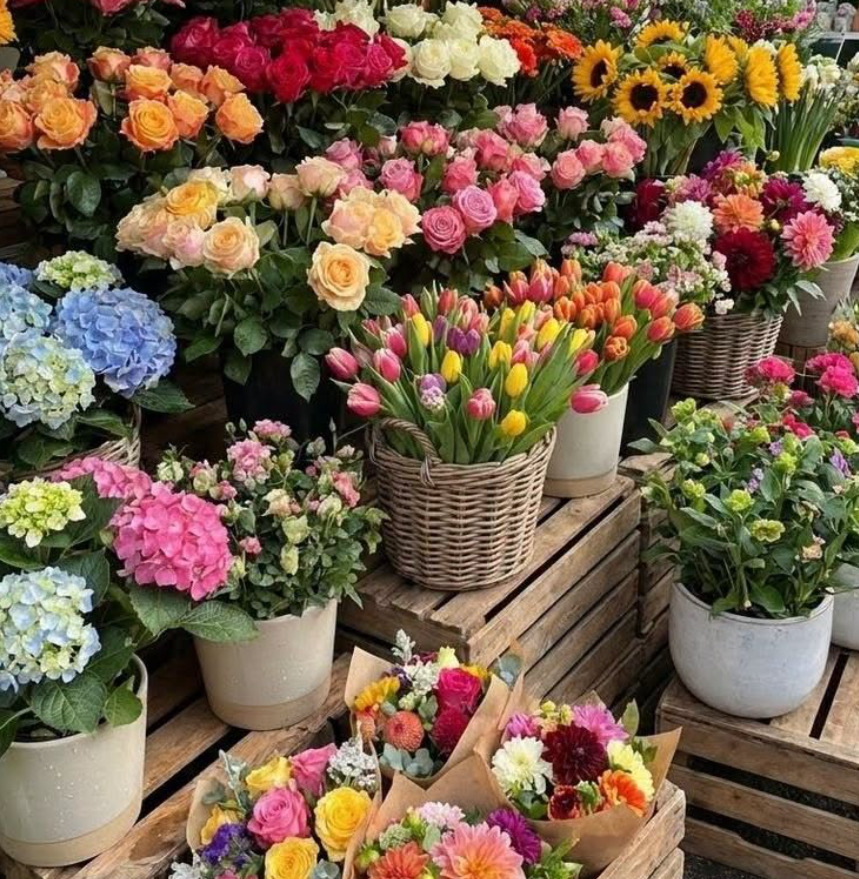
Most florists use four kinds of flowers in each bouquet. Each one plays a different role.
- Focal flowers are large and eye-catching. They draw the eye first.
- Line flowers are tall spikes. They give height and structure.
- Supporting flowers are medium-sized. They add colour and volume.
- Fillers are small and airy. They soften the edges and fill gaps.
The flower business is large. USDA’s National Agricultural Statistics Service reports that U.S. floriculture sales totalled $6.71 billion in 2024. Cut flowers alone reached $414.0 million among operations with $100,000 or more in sales. The same report counts 11,262 floriculture producers across the country.
That tells us something simple. Millions of people love fresh flowers, and growers work hard to supply them.
Focal Flowers: The Stars of the Bouquet (14 Types)
Focal flowers are the showpieces. Choose one to three of these, then build around them.
1. Rose
The rose is the classic bouquet flower. It comes in almost every colour, from deep red to soft blush. Its layered petals and sweet scent make it a favourite for romance.
Roses are also a strong choice for long-lasting bouquets. University guidance shows they respond well to good handling and preservative treatments. Cut them in the bud stage so they open slowly in the vase.
Remove any leaves below the water line. Use clean water and a floral preservative. A fresh cut every two days helps stems drink well.
2. Peony
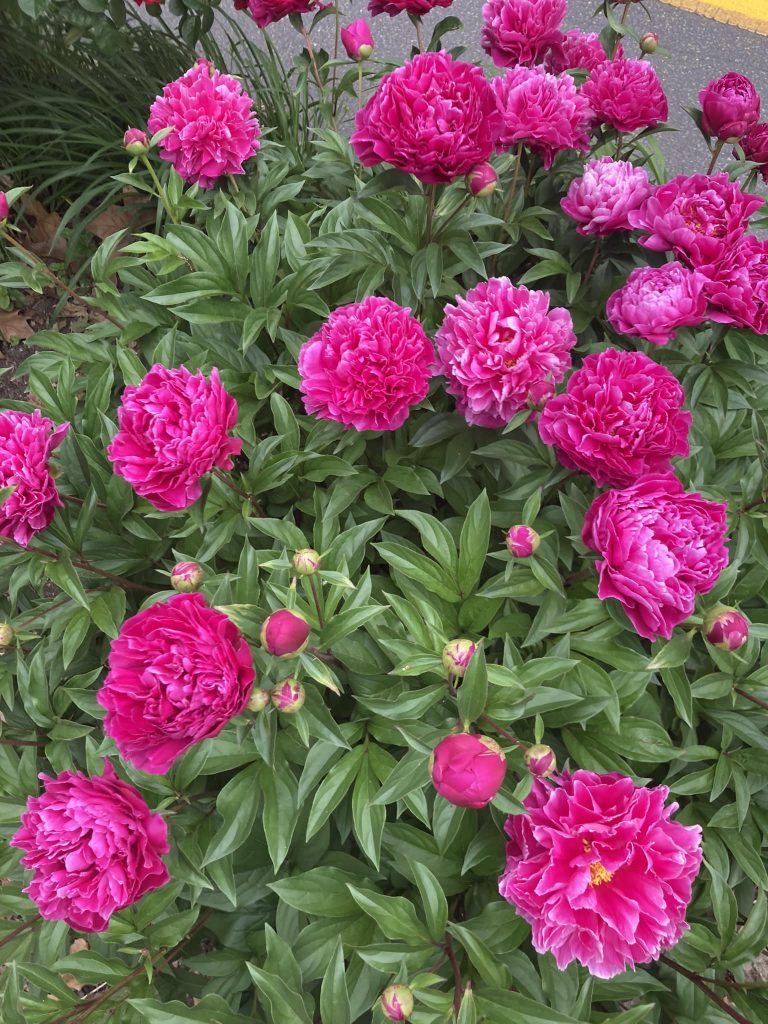
Peonies are the queens of spring bouquets. Their flowers are big, lush and fragrant. Michigan State University Extension describes them as 3 to 8 inches across, in both single and double forms.
The same source lists a vase life of 3 to 7 days. That is short, but the beauty is worth it. Florists often cut them in the tight “marshmallow” stage, when the bud is soft but closed.
Missouri Extension also notes that peony leaves make a lovely greenery. Keep them cool overnight to slow opening. Peonies are perfect for weddings and special occasions.
3. Dahlia
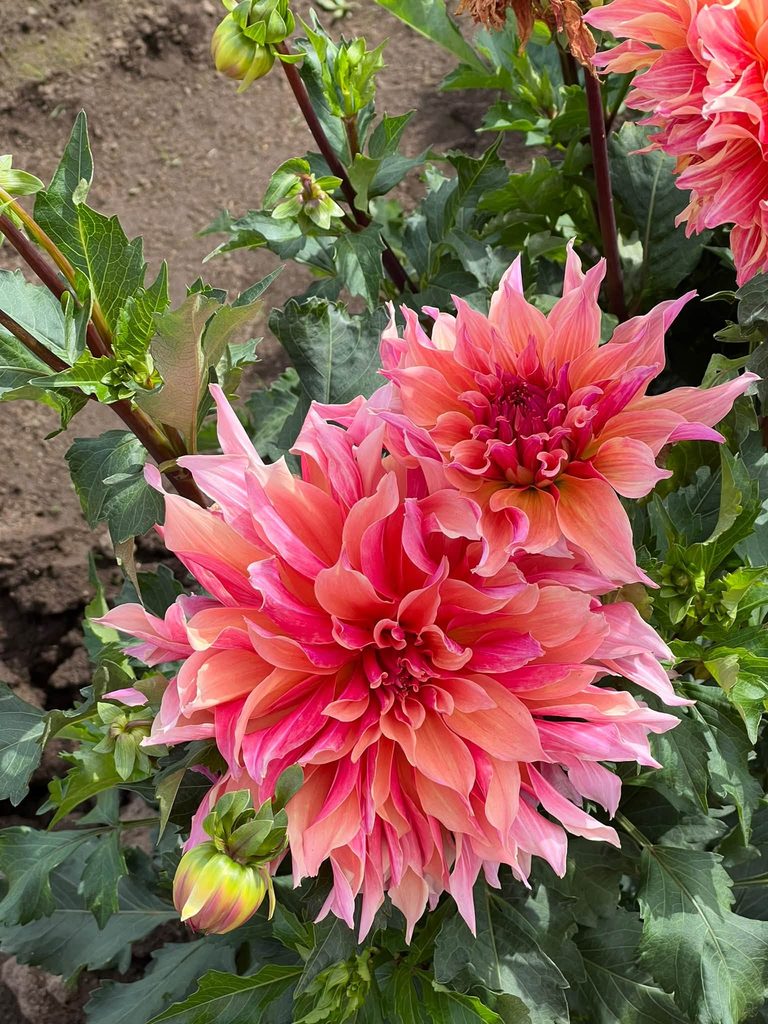
Dahlias come in many shapes, from small pompons to plates the size of a dinner dish. Their colours are rich and bold. They are a star of late-summer bouquets.
Their vase life is short. North Carolina State University trials found that dahlias ‘Naomi’ and ‘Thalia’ averaged 5 to 6 days, regardless of treatment. Penn State Extension also notes that most dahlias have a short vase life.
Cut them when they are nearly fully open, since they will not open much more. Use them for events where beauty matters more than longevity. Change the water often.
4. Sunflower
Sunflowers bring instant joy. Their golden petals and dark centres suit rustic bouquets. Missouri Extension lists them among the large blooms for cutting.
North Carolina State University trials recorded about 7 to 8 days of vase life for the ‘Stella Gold’ and ‘Lemon Éclair’ varieties. Michigan State University Extension gives a range of 7 to 10 days.
Choose pollen-free varieties for indoor use, as they are less messy. Cut sunflowers early in the morning. Pair them with greenery or lavender for a natural look.
5. Lily
Lilies are elegant and often very fragrant. Their large trumpet shapes give bouquets a dramatic look. Asiatic and Oriental types are the most common in floral shops.
Handling matters. The University of Massachusetts Amherst lists Asiatic lilies as ethylene-sensitive, which means ripe fruit or aging flowers can shorten their life. North Carolina State trials found average vase life of about 8 to 9 days for some lilies, such as ‘Dolly Madison’ at 9 days.
Remove the orange anthers to prevent pollen stains. Please note that lilies are highly toxic to cats. Keep them away from pets.
ALSO READ: 25 Types of Vases (With Names, and Pictures)
6. Hydrangea
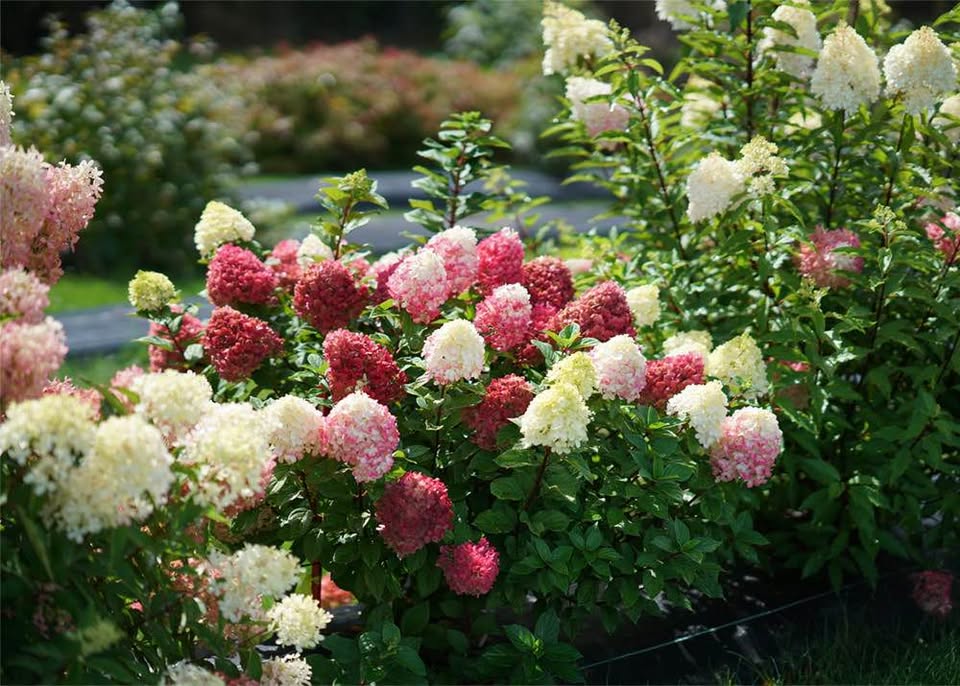
Hydrangeas offer big, soft, cloud-like heads. They add volume and colour to any bouquet. Blue, pink, white and green shades are all popular.
They drink through their petals as well as their stems, so they can wilt quickly. Cut them when the flower heads are firm. Recut the stems and place them in cool water at once.
If they droop, submerge the whole head in cool water for 30 minutes. This often revives them. Hydrangeas are ideal for large vases and centrepieces.
7. Ranunculus
Ranunculus has layered, paper-thin petals that look like tiny roses. Colours include white, coral, yellow and deep red. It is a favourite of wedding florists.
The stems are slender and delicate. Cut them when the buds are just showing colour and feel slightly soft. They open beautifully in the vase.
Keep them in a cool place and away from heat. Avoid overcrowding the vase. They pair well with sweet peas and tulips.
8. Tulip
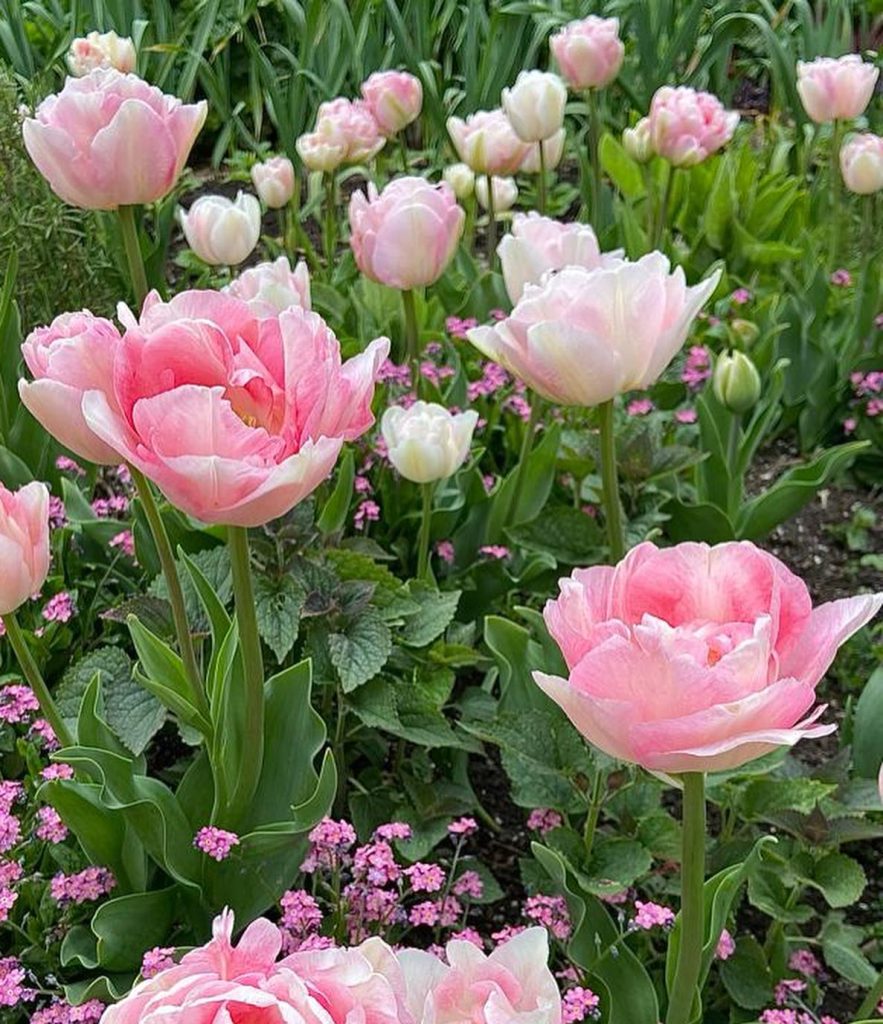
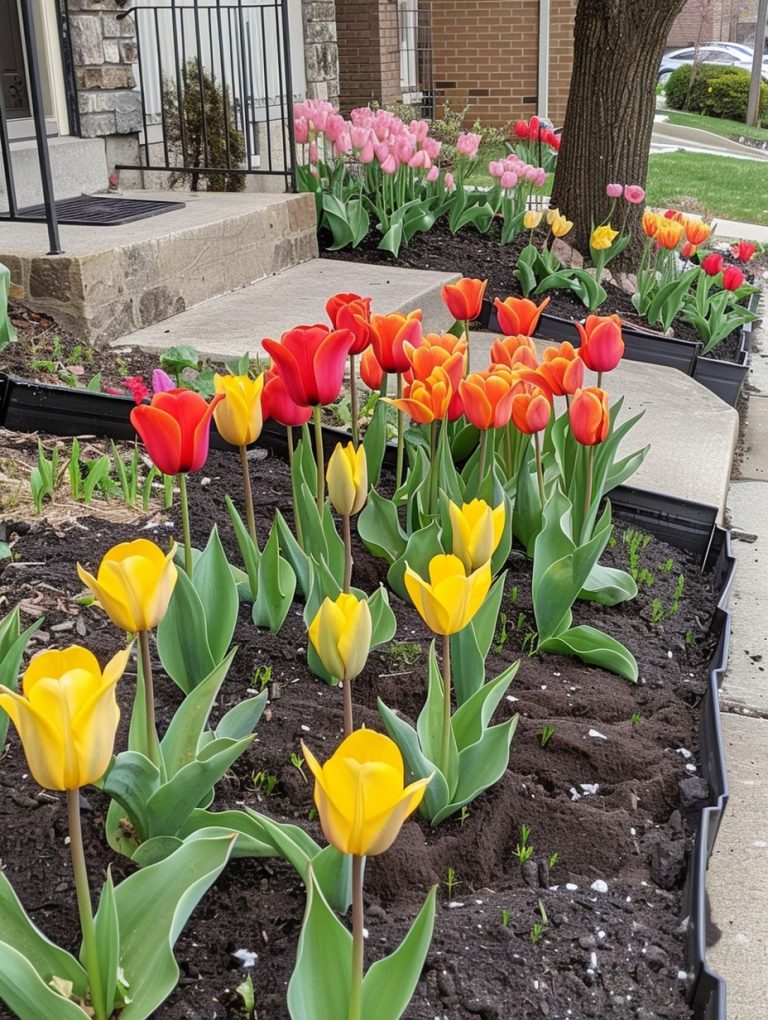
Tulips are a joyful sign of spring. Their cup-shaped flowers come in nearly every colour. They look modern and fresh, even in a simple vase.
A quirky trait: tulip stems keep growing after cutting. They may bend toward light and lengthen in the vase. Many florists trim them again after a day or two.
Use cool, shallow water. Arrange them alone for a clean look, or mix them with narcissus. They are best in spring bouquets.
9. Lisianthus (Eustoma)
Lisianthus looks like a soft, ruffled rose. It is a favourite for weddings and elegant bouquets. Colours include white, lavender, pink and deep purple.
It also lasts a long time. North Carolina State trials recorded 17 to 21 days for ‘Alice Pink’ with a holding solution, and 12 days for ‘Malibu Purple’. That is among the best vase lives of any cut flower.
Remove lower leaves and use clean water. Multiple buds on a stem open in turn. Lisianthus is perfect when you want long-lasting elegance.
10. Gerbera Daisy
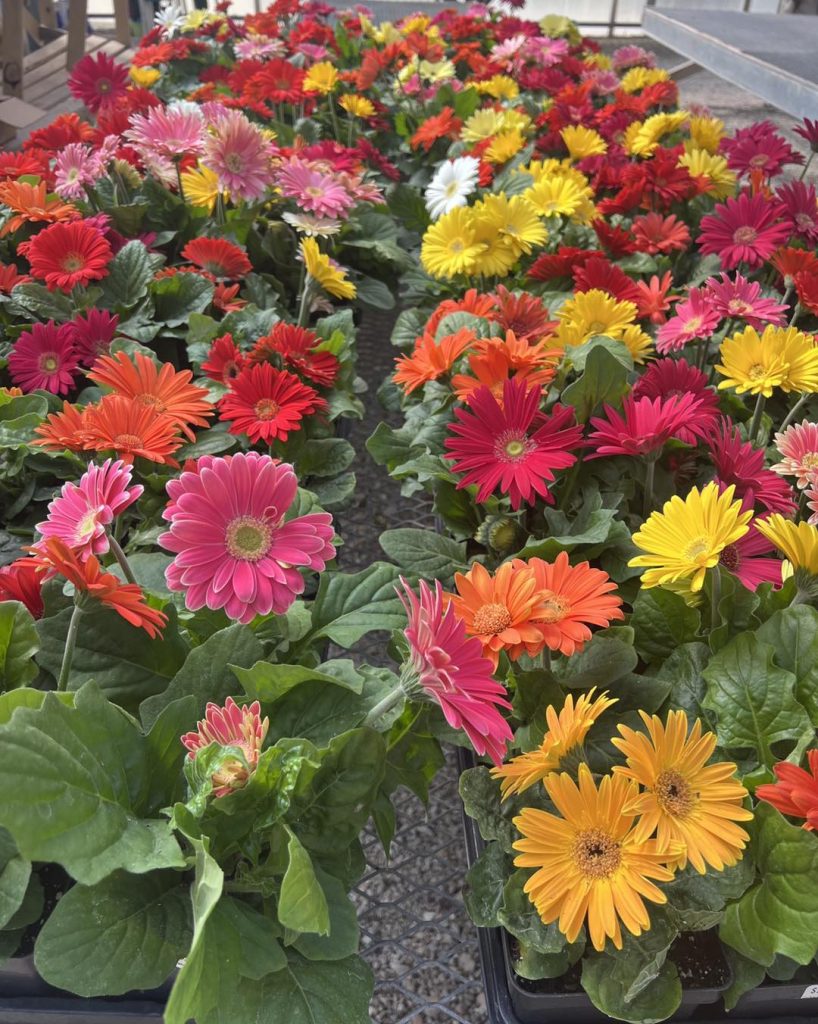
Gerbera daisies are bright, cheerful and easy to recognise. Their large, flat faces come in vivid shades of orange, pink, red and yellow. They make bouquets feel playful.
The University of Massachusetts lists gerbera among the flowers that respond to preservative pulse treatments. The stems can be soft, so many florists use shallow water. Deep water often causes the stem to bend.
Cut them when the flower is fully open. Keep them cool and out of direct sun. They are a good choice for children’s birthday bouquets.
11. Anemone
Anemones have a striking dark centre surrounded by silky petals. They come in white, red, pink and purple. Their bold contrast makes them perfect for modern bouquets.
Michigan State University Extension describes similar cup-shaped flowers that open flat around a dark centre. They prefer cool conditions. The University of Massachusetts also lists anemone among the flowers that benefit from preservative treatments.
Anemones open wide in warm rooms and close at night. Cut them in the bud stage for longer life. Keep them away from heaters.
12. Zinnia
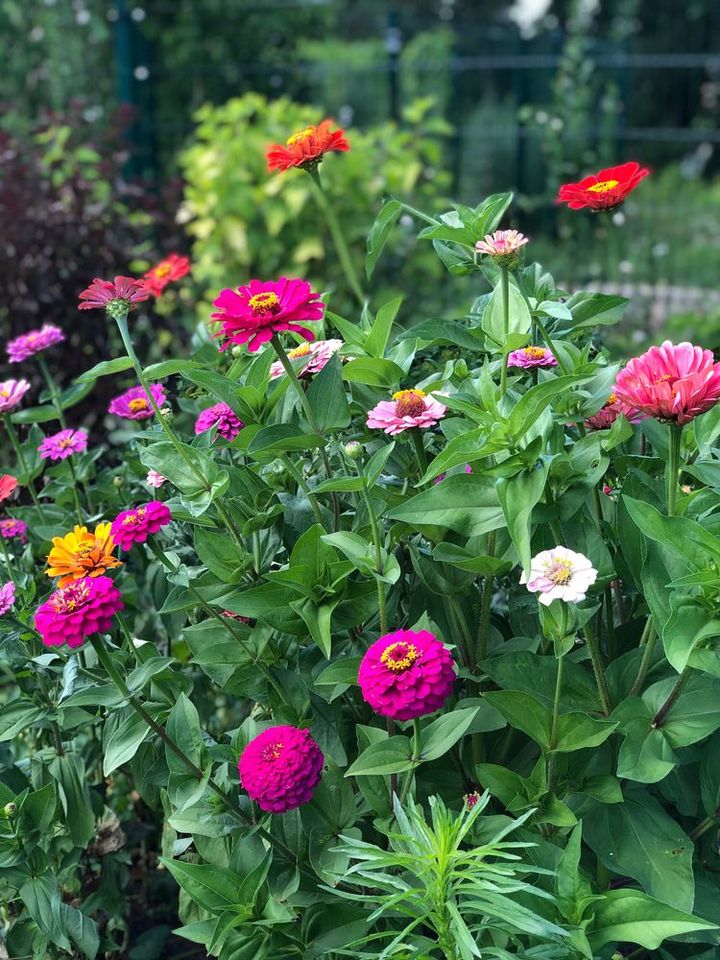
Zinnias are bright, cheerful and easy to grow. They give a country-garden feel to bouquets. Colours range from soft cream to vivid magenta.
Vase life varies with variety and handling. Michigan State University Extension gives 5 to 7 days. But North Carolina State trials found that ‘Benary’s Giant Lime’ reached 23.5 days in clean, high-quality water. Hydrating and holding solutions actually shortened its life.
The lesson is clear: keep water clean and skip extra treatments for zinnias. Cut them when the stem is stiff. Zinnias are an excellent budget-friendly choice.
13. Carnation
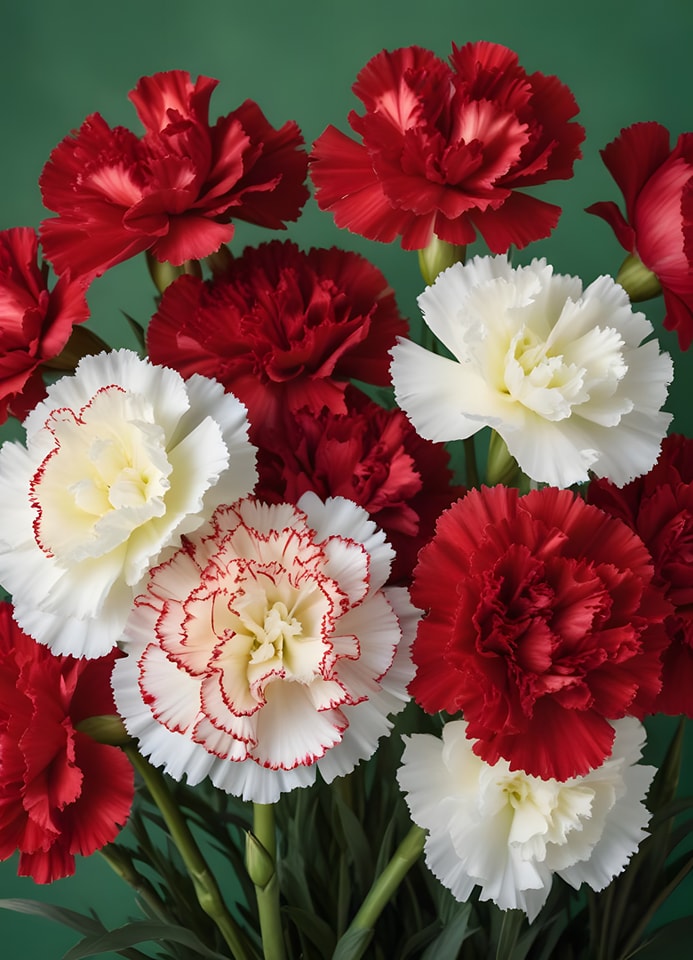
Carnations are a classic. Their ruffled petals and long life make them a favourite for budget bouquets. Many now come in modern colours like green and plum.
They are known for lasting well. The University of Massachusetts lists carnations among the flowers that respond to preservative treatments. Fruit and ripening produce can hurt them, so keep them away.
Trim the stems just above a node. Use fresh water every few days. Carnations look lovely in mixed bouquets and small posies.
14. Chrysanthemum
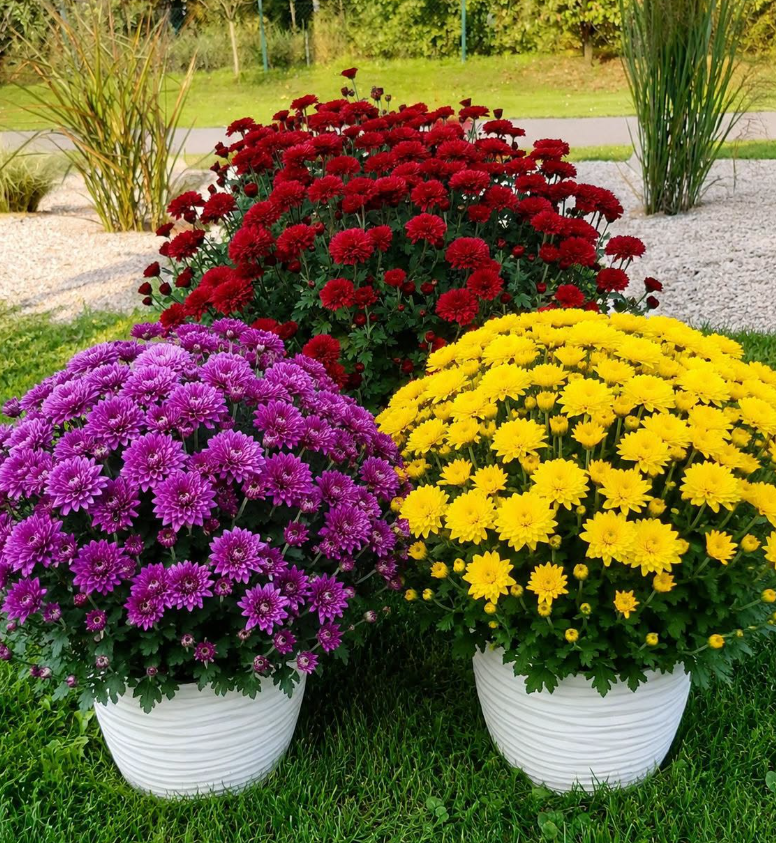
Chrysanthemums are tough, colourful and long-lasting. They come in many forms, from daisy types to big pompons. Autumn bouquets often rely on them.
Their stems are sturdy and their blooms hold well. Many types last more than a week with good care. They pair well with sunflowers and dahlias.
Strip the lower leaves before placing stems in water. Change the water often, as chrysanthemum stems can turn the water cloudy. They are excellent for cost-conscious, long-lasting arrangements.
Line Flowers: Height and Structure (5 Types)
Line flowers are tall spikes. They form the backbone of a bouquet and lead the eye upward.
15. Snapdragon
Snapdragons are tall, colourful spikes with tiny “dragon mouth” flowers. They come in pink, white, yellow, orange and red. Michigan State University Extension notes that line flowers like snapdragons create structure.
Handling matters. Oklahoma State University explains that snapdragon spikes bend upward if laid flat, so keep them upright. The University of Massachusetts also lists them as ethylene-sensitive.
Store them upright in a bucket. Cut them when the lower third of flowers is open. They are ideal for tall vases.
ALSO READ: 25 Flowers That Look Like Bells (Details, With Pictures)
16. Delphinium
Delphinium gives a dramatic, cathedral-like height. Its blue, purple and white spikes are a garden classic. It is a favourite in wedding arrangements.
The University of Massachusetts lists delphinium as ethylene-sensitive. That means fruit bowls and ageing flowers nearby can shorten its life. Keep it in a cool, well-ventilated place.
The plant is toxic if eaten, so keep it away from pets and children. Cut when about half the flowers on the spike are open. It pairs beautifully with roses and peonies.
17. Gladiolus
Gladiolus is a tall spike of large, ruffled flowers. It offers a strong vertical line and a wide range of colours. It is a summer favourite.
Oklahoma State University notes that gladiolus spikes bend upward if not kept upright. Michigan State University Extension also lists it as a line flower. Store the stems vertically to keep them straight.
Cut when the lowest few florets show colour. The upper buds will open in the vase. Remove faded lower flowers to keep the spike tidy.
18. Stock
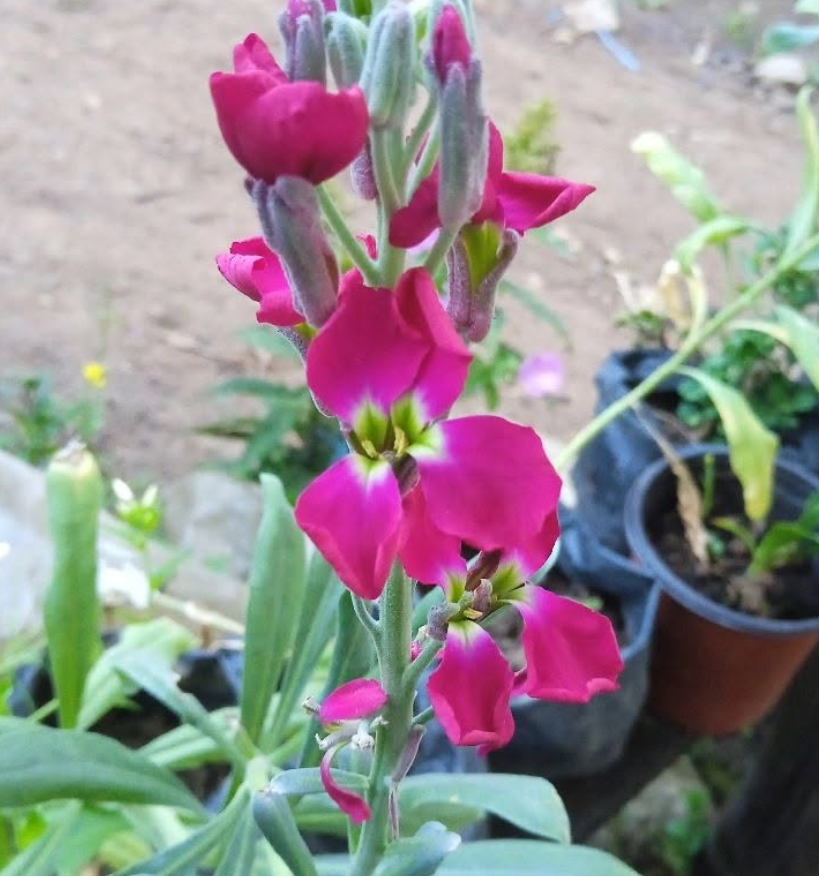
Stock has thick spikes of ruffled flowers with a spicy, clove-like scent. Colours include white, pink, purple and cream. It fills a room with fragrance.
The University of Massachusetts includes stock in its list of flowers that respond to preservative treatments. Its stems are stout and sturdy. They work well in cottage-style bouquets.
Strip the lower leaves, as they rot quickly and smell unpleasant. Change the water often. Stock is a lovely choice for spring weddings.
19. Liatris (Blazing Star)
Liatris forms tall purple spikes that bloom from the top down. This is unusual, as most spikes open from the bottom. The effect is striking and modern.
It adds strong vertical lines and a fluffy, feathery look. It is also a favourite with butterflies in the garden. In a vase, it lasts well and can even be dried.
Cut it when the top third shows colour. Use it with round flowers like roses and dahlias. Liatris is perfect for contemporary arrangements.
Supporting Flowers: Colour and Volume (9 Types)
Supporting flowers fill the space between focal flowers and fillers. They add depth and colour.
20. Alstroemeria (Peruvian Lily)
Alstroemeria has speckled, lily-like blooms in bright colours. Each stem carries several flowers, so it gives good value. It is a florist favourite.
The University of Massachusetts lists it among flowers that benefit from preservative treatments. It is typically a longer-lasting cut flower. Many bouquets stay fresh for a week or more.
Remove the lower leaves. Pull, rather than cut, the stems to remove old flowers. Use it to add colour to mixed bouquets.
21. Freesia
Freesia is prized for its sweet, citrus-like fragrance. Its small trumpet flowers open along an arching stem. Colours include white, yellow, pink and purple.
The University of Massachusetts lists freesia among flowers that respond to preservative treatment. It is also ethylene-sensitive, so avoid placing it near fruit. Keep the vase cool.
Cut when the first buds begin to open. The rest will follow. Freesia is a wonderful choice for scented bridal bouquets.
22. Sweet Pea
Sweet peas are soft, ruffled and heavenly scented. They come in pastel shades and deep jewel tones. Their delicate look suits romantic bouquets.
The University of Massachusetts lists sweet pea as ethylene-sensitive. That means they do not like ripe fruit or crowded, warm rooms. Their vase life is short, but their scent is unmatched.
Cut them often to keep plants flowering. Use cool water and keep them out of heat. Sweet peas are ideal for small spring posies.
23. Cosmos
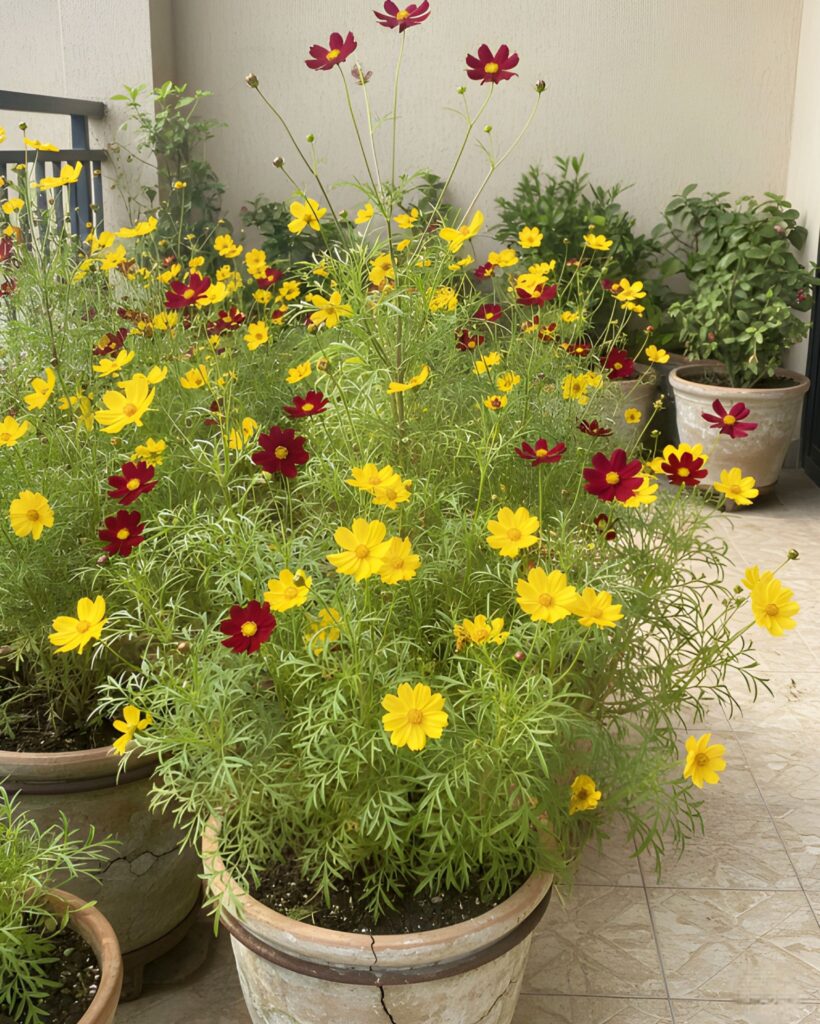
Cosmos has airy, daisy-like flowers on thin stems. It adds a wild, meadow feeling to bouquets. Colours include white, pink and deep magenta.
Missouri Extension lists cosmos among the small blooms for cutting. It blooms freely from summer to frost. The more you cut, the more it grows.
Cut in the bud stage when the flowers are just opening. Use plenty of water. Cosmos is a great choice for casual, garden-style bouquets.
24. Scabiosa (Pincushion Flower)
Scabiosa has round, papery flowers on slender stems. Its centre looks like a tiny pincushion. It also produces interesting seed heads.
Michigan State University Extension lists its flowers as 2 to 3 inches wide with a papery texture. It gives a vase life of 5 to 7 days. The soft colours suit romantic bouquets.
Cut when the flower is about half open. Its light shape adds movement. It is a wonderful partner for roses and ranunculus.
25. Black-Eyed Susan (Rudbeckia)
Black-eyed Susan is a golden, daisy-like flower with a dark, cone-shaped centre. It adds cheerful mass to bouquets. It is easy to grow and long-blooming.
Michigan State University Extension lists a vase life of 7 to 10 days. It also notes that Linnaeus named the genus Rudbeckia after two Swedish professors, Olof Rudbeck the Younger and his father. Missouri Extension lists it among large cut blooms.
Use it with sunflowers, zinnias and grasses. Change the water every two days. It is a fine choice for late-summer bouquets.
26. Coneflower (Echinacea)
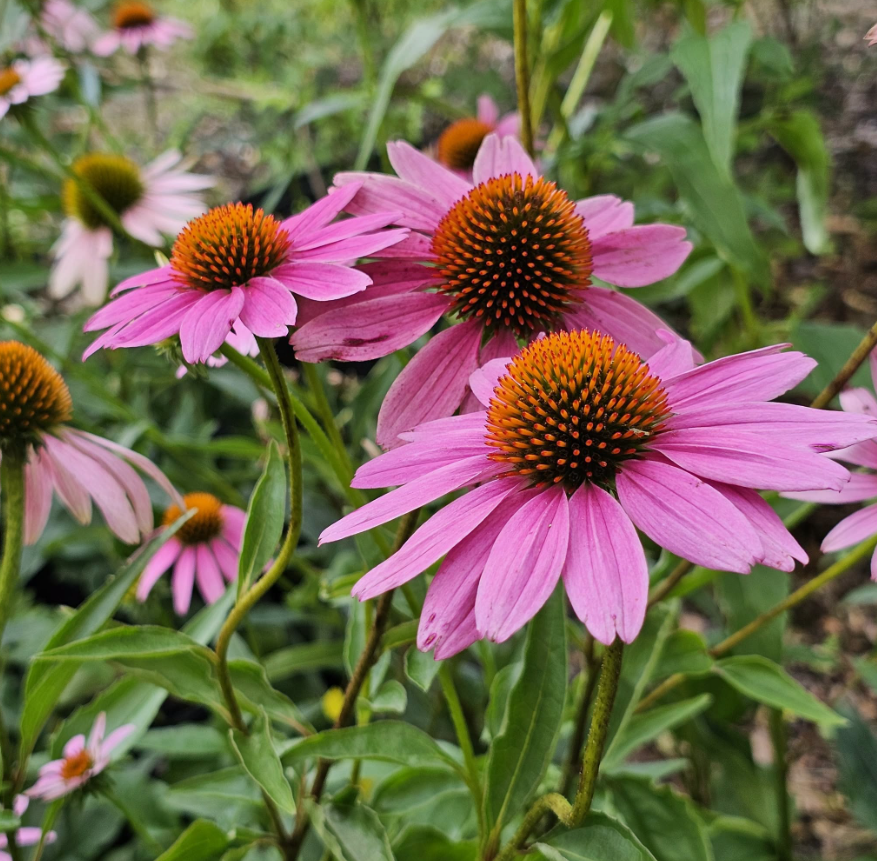
Coneflowers have prominent, spiky centres and drooping petals. They come in purple, white, orange and yellow. Pollinators love them, and so do florists.
Missouri Extension lists coneflower in its cut flower garden guide. The stems are tough and the blooms are long-lasting. The centres also make lovely seed heads.
Cut when the petals are fully open. Combine them with grasses for a natural look. Coneflower suits relaxed, rustic bouquets.
27. Sweet William (Dianthus)
Sweet William is a small, clustered flower with a spicy scent. The blooms are dense and colourful, often with fringed petals. It is a cottage-garden favourite.
Dianthus can last very well. North Carolina State trials recorded 15 days for Dianthus ‘Amazon Neon’ with a holding solution. That is impressive for a small flower.
Cut when about half the florets in a cluster are open. Use it as a supporting flower in mixed bouquets. It adds both colour and long life.
28. Celosia
Celosia has bold, velvety plumes or brain-like crests. Its colours are vivid, from red to gold to pink. It adds texture and drama.
Missouri Extension lists celosia among the showy blooms for cutting. It is also excellent for drying. Fresh or dried, it keeps its strong colour.
Cut when the flower is fully coloured. Strip the leaves and place stems in clean water. Celosia is a great choice for autumn bouquets.
ALSO READ: 15 Flowers That Smell Like Vanilla (With Pictures, And Growing Details)
Fillers: Softness and Movement (7 Types)
Fillers are small flowers that make bouquets look full and natural. They soften hard edges and connect other flowers.
29. Baby’s Breath (Gypsophila)
Baby’s breath is a cloud of tiny white flowers on wiry stems. It is the most famous filler flower in the world. It adds a soft, airy touch.
Missouri Extension lists baby’s breath among its filler flowers. The University of Massachusetts also includes gypsophila in its list of flowers that respond to preservative treatment. It also dries well.
Use small sprigs rather than big bunches. Cut when about half the flowers are open. It pairs beautifully with roses.
30. Statice
Statice has papery, colourful flowers on winged stems. It comes in purple, pink, yellow and white. Missouri Extension lists it as a filler flower.
It lasts a long time in the vase. It is also one of the best flowers for drying. The colours stay bright for months.
Cut when most flowers on the stem are open. Hang bunches upside down to dry. Statice adds texture and colour to any bouquet.
31. Queen Anne’s Lace (Ammi)
Queen Anne’s lace has flat, lacy white flower heads. The cultivated form, Ammi majus, gives a delicate, wild look. Missouri Extension lists it among filler flowers.
It adds a light, airy feel. It pairs well with dahlias and roses. The stems are slim but strong.
Please be careful. Some wild lookalikes are toxic, such as poison hemlock. Use only cultivated plants from a trusted source. Cut when the flower heads are fully open.
32. Bachelor Button (Cornflower)
Bachelor button is a small, bright flower, best known for its blue colour. It also comes in pink, white and deep maroon. Missouri Extension lists it as a small bloom for cutting.
The fringed petals are delicate. It fills gaps beautifully. It also dries well.
Cut when the flower is about half open. Use it in small bunches for a pop of colour. It suits summer garden bouquets.
33. Lavender
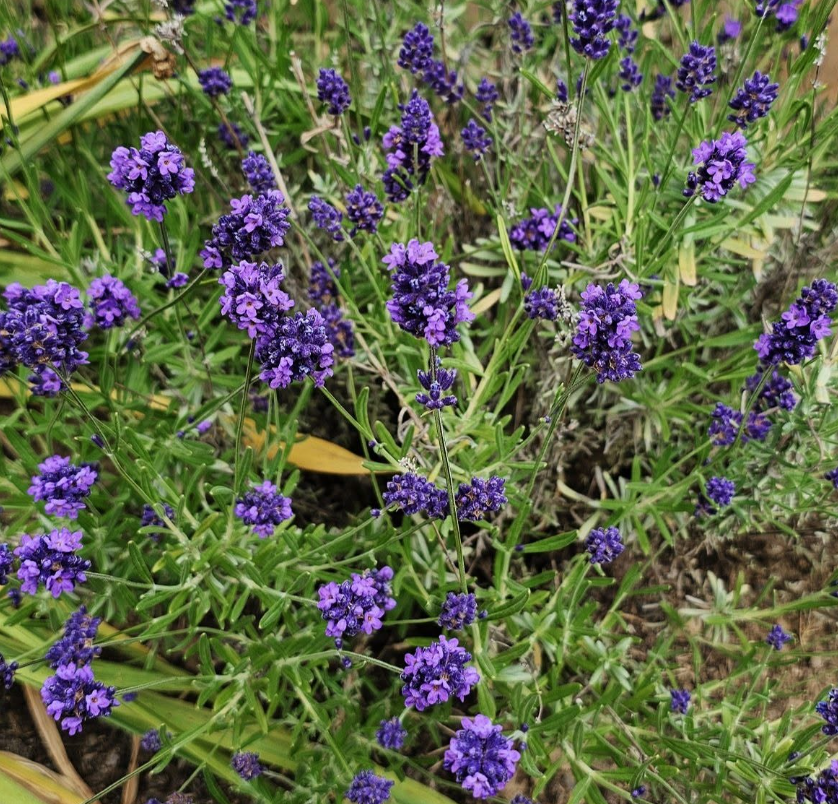
Lavender gives bouquets both colour and calming fragrance. Its silvery stems and purple spikes add texture. It also attracts bees in the garden.
It lasts well and dries beautifully. A few stems can scent a whole room. It pairs well with roses, sunflowers and herbs.
Cut when about half the flowers on the stem are open. Use it fresh or dried. Lavender is a lovely finishing touch.
34. Strawflower
Strawflower has stiff, papery petals that look almost artificial. Colours include gold, orange, pink and white. It is often called an “everlasting.”
Missouri Extension lists strawflower among the flowers for cutting. It dries easily and keeps its colour. It is popular in dried arrangements.
Cut when the flowers are half open. Hang them upside down to dry. Strawflowers add bright, long-lasting accents.
35. Waxflower
Waxflower is a delicate Australian shrub with tiny, waxy flowers along woody stems. It comes in white and pink. It works as a filler in roses and lily bouquets.
The stems are strong and the flowers hold well. It has a light, pleasant scent. It adds fine texture without overpowering larger blooms.
Use small branches and recut the stems. Keep them in cool, clean water. Waxflower is a favourite of professional florists.
How to Make Bouquet Flowers Last
A few simple habits can double your vase life. Extension guidance gives clear, practical steps.
- Cut in the cool part of the day. Missouri Extension advises early morning.
- Use clean buckets and vases. Penn State suggests a bleach solution of one part bleach to nine parts water.
- Add floral preservative. Penn State also notes that 1 tablespoon of powdered citric acid can acidify 4 gallons of water.
- Keep flowers away from fruit. The University of Massachusetts warns that ethylene shortens vase life.
- Recut stems and change water often. Do this every two days.
Remember, treatments are not always helpful. North Carolina State trials showed that zinnias can do better in plain, clean water. When in doubt, cleanliness matters most.
Final Thoughts
Great bouquets come from good planning. Pick one or two focal flowers, add a line flower, mix in supporting blooms and finish with a filler. That simple formula works every time.
If you are new to bouquets, start with roses, snapdragons and baby’s breath. They are easy to find and easy to arrange. If you grow your own, try zinnias, cosmos and sunflowers for the best return.
I hope this guide helps you choose with joy. A handful of flowers, well chosen, can brighten anyone’s day.
References
- USDA National Agricultural Statistics Service. Floriculture in 2024 (2024 Floriculture Crops). https://www.nass.usda.gov/Publications/Highlights/2026/2024-floriculture-highlights.pdf
- University of Massachusetts Amherst (CAFE). Harvesting and Handling Cut Flowers. https://www.umass.edu/agriculture-food-environment/greenhouse-floriculture/fact-sheets/harvesting-handling-cut-flowers
- Oklahoma State University Extension. The Care and Handling of Cut Flowers. https://extension.okstate.edu/fact-sheets/the-care-and-handling-of-cut-flowers
- University of Missouri Extension. The Cut Flower Garden (YM103). https://extension.missouri.edu/publications/ym103
- North Carolina State University Cut Flowers Program. 2002 Postharvest Trials. https://cutflowers.ces.ncsu.edu/postharvest-trials-by-year/2002-postharvest-trials/
- Michigan State University Extension. Top-rated garden flowers for cutting – Part 1. https://www.canr.msu.edu/news/garden_flowers_for_cutting_part_1
- Penn State Extension. Great Cut Flowers from Your Home Garden. https://extension.psu.edu/great-cut-flowers-from-your-home-garden

Tim M Dave is a gardening expert with a passion for houseplants, particularly cacti and succulents. With a degree in plant biology from the University of California, Berkeley, he has vast experience in gardening. Over the years, he has cultivated a vast collection of desert plants and learned a great deal about how to grow and care for these unique companions.