25 Rabbit Resistant Flowers (Identification, With Pictures)
Few things hurt a gardener more than walking out in the morning and finding a row of fresh flowers cut to the ground. The stems are clean, as if someone used scissors. That is the signature of a rabbit.
The good news is that you do not have to give up on flowers. Rabbits are selective eaters, and many beautiful plants sit low on their menu.
In this guide, I share 25 rabbit-resistant flowers, how to plant them, and what to do when a hungry rabbit ignores the rules.
Why Some Flowers Are Rabbit-Resistant
Rabbits avoid plants for a few simple reasons. Understanding them helps you choose better, even beyond this list.
Colorado State University Extension notes that animals are generally discouraged by very aromatic plants, prickles and spines, tough leathery leaves, toxic plants, and milky sap.
Rabbits are also prolific. Iowa State University Extension reports that a cottontail can have up to six litters per year, with up to six babies in each litter. That is why a quiet garden can suddenly have a rabbit problem.
25 Rabbit-Resistant Flowers for Your Garden
1. Lavender (Lavandula)
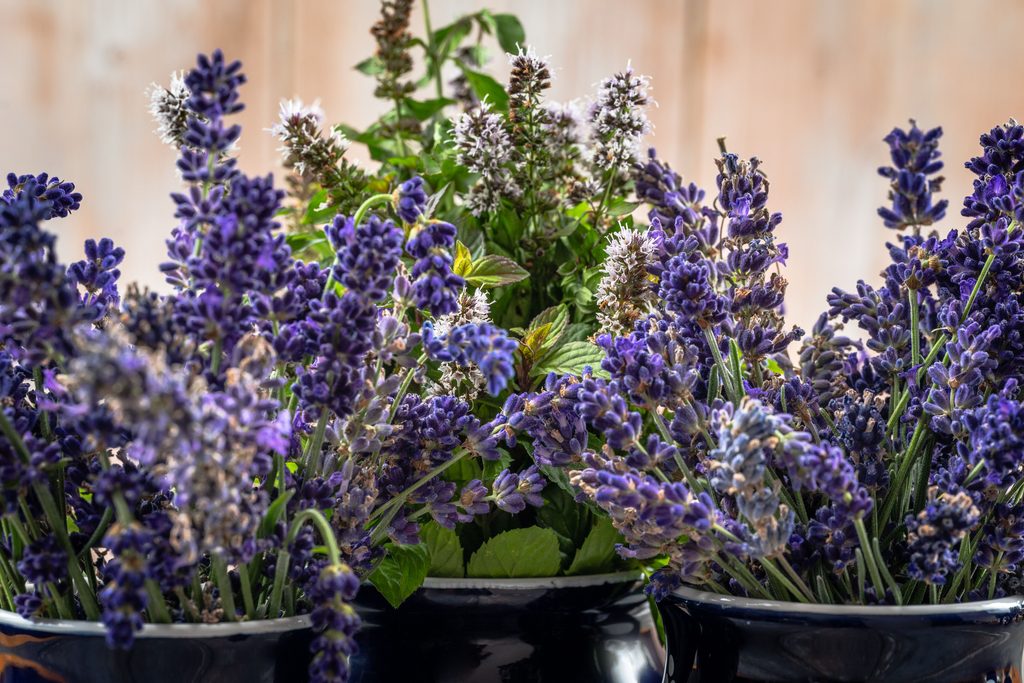
Lavender is my first pick, and the data supports it. In the Arizona survey, 100% of 20 sources reported lavender as never or rarely damaged. Few plants score this well with that many reports.
The strong, oily scent is the reason. To a rabbit, lavender smells medicinal and unpleasant. To us, it smells like a spa.
Plant it in full sun and well-drained soil. It hates wet roots. Use it along paths or borders as a fragrant first line of defense.
2. Catmint (Nepeta)
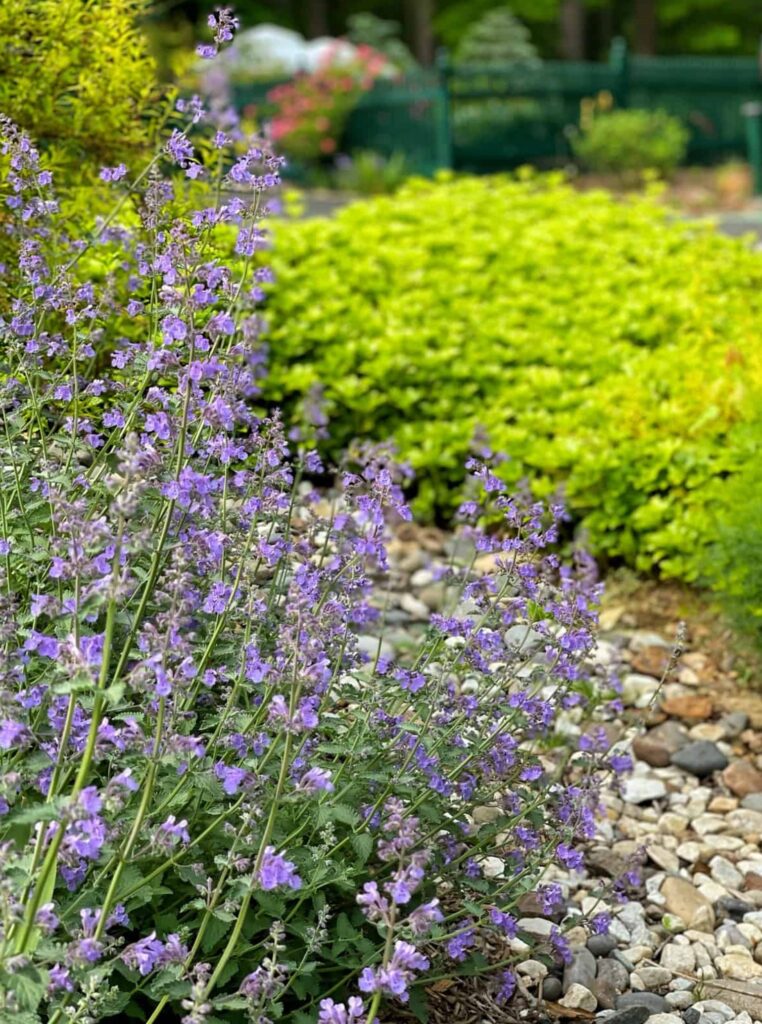
Catmint gives you months of blue-purple flowers with very little effort. About 93% of 14 sources rated it never or rarely damaged. It is tough and reliable.
Its leaves release a minty scent when brushed. Rabbits seem to dislike it, even though cats love it.
Cut it back after the first flush of flowers. It will often bloom again. I like it as a soft edging plant in front of roses.
3. Salvia (Sage)
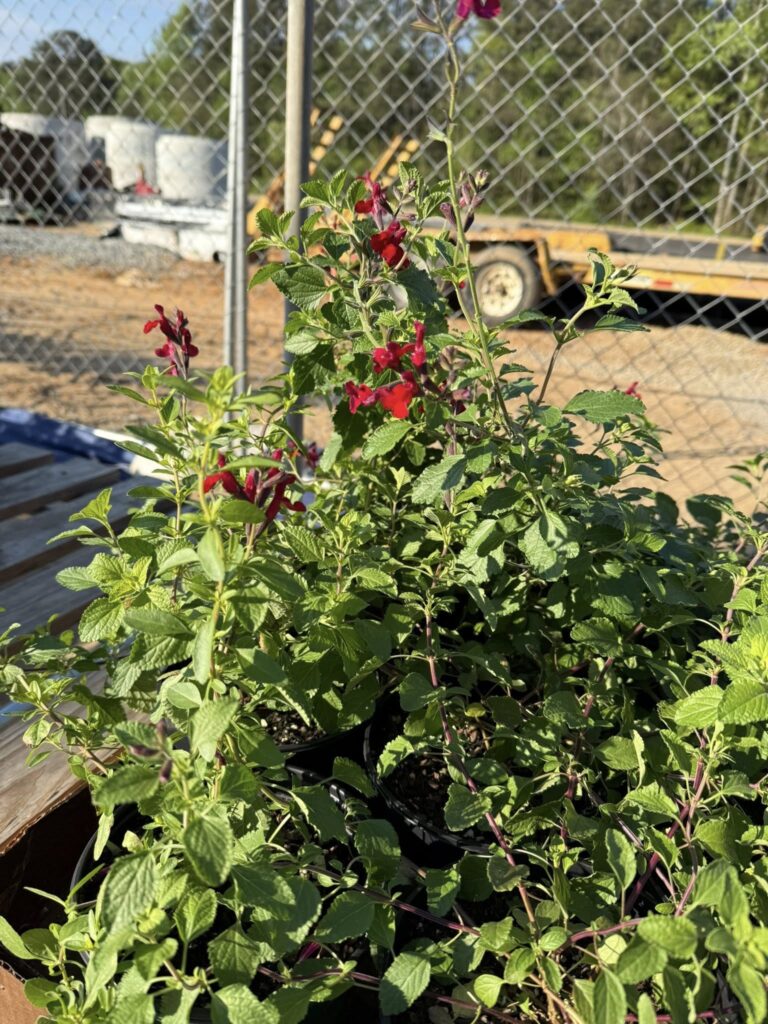
Salvia is a large family of flowering sages. About 93% of 14 sources for perennial sage, and about 85% of 13 sources for annual salvia, reported little or no damage.
The leaves are aromatic and slightly rough. Rabbits do not enjoy the taste.
Salvias like sun and good drainage. They also attract bees and hummingbirds, so you get a lively garden without the nibbling.
4. Daffodil (Narcissus)
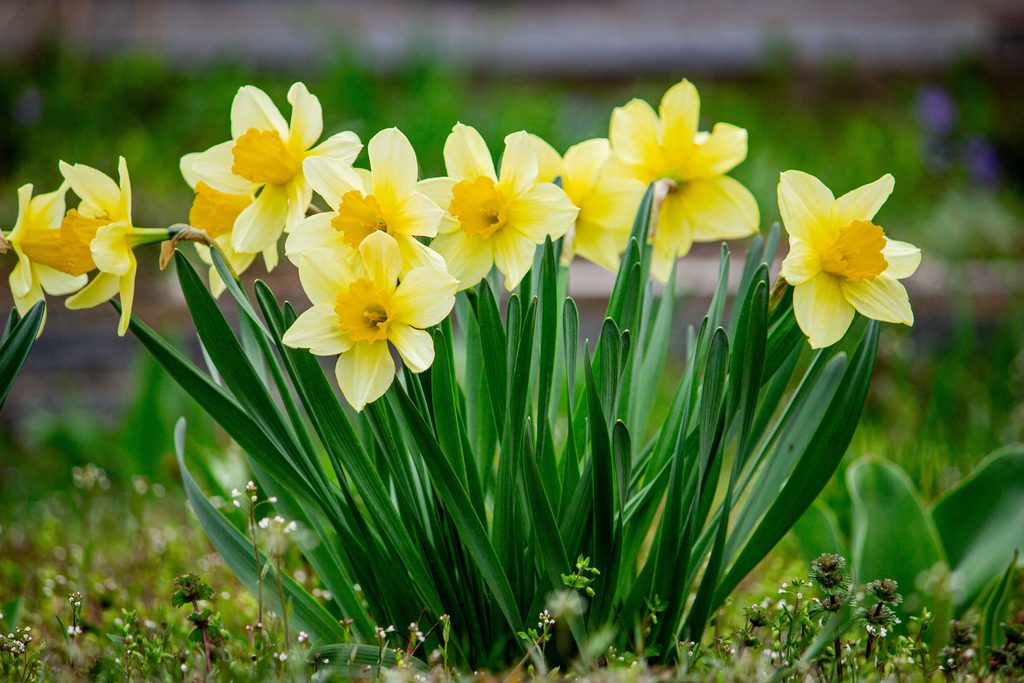
Daffodils are the classic rabbit-proof bulb. The Arizona survey shows about 94% of 16 sources reporting little or no damage. That is one of the best scores among bulbs.
The bulbs and leaves contain natural compounds that taste bitter and can be toxic. Rabbits learn to leave them alone.
Plant bulbs in autumn, pointed end up. In cool climates, they bring cheerful yellow color after winter. Keep them away from curious pets and small children.
5. Bee Balm (Monarda)
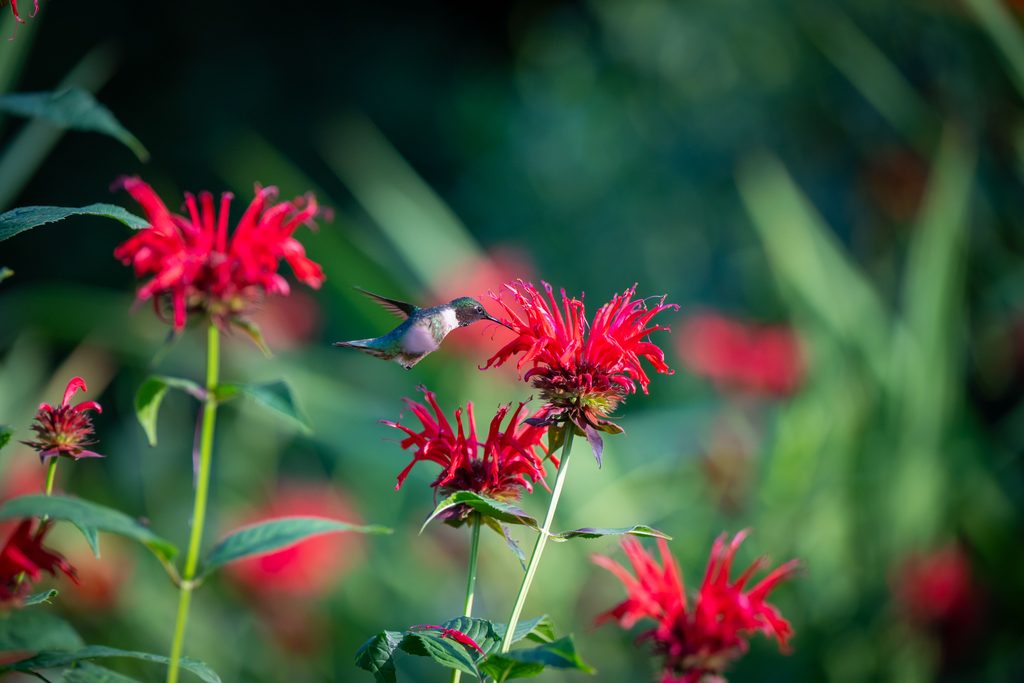
Bee balm is a bold, shaggy flower in red, pink, or purple. All 10 sources in the Arizona survey reported it as never or rarely damaged. Colorado State also lists it as critter-resistant.
It belongs to the mint family, and its leaves have a strong, spicy aroma. Rabbits tend to ignore it.
Give it sun and a little moisture. It spreads gently, and pollinators love it. Good air circulation helps prevent mildew.
6. Foxglove (Digitalis)
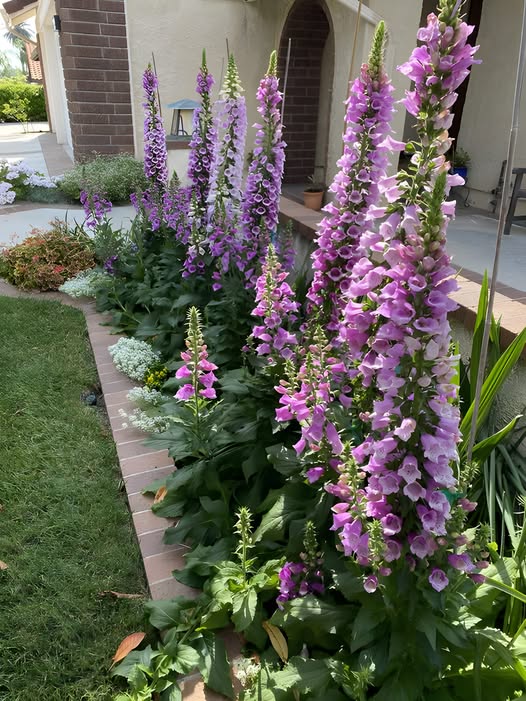
Foxglove produces tall spikes of bell-shaped flowers. About 86% of 7 sources reported it as seldom damaged. It is a biennial, so it blooms in its second year.
The plant is poisonous, and rabbits instinctively avoid it. That same toxicity means you must be careful around children and pets.
Plant it at the back of a shady border. It often self-seeds, so you get new plants each year with no extra work.
7. Yarrow (Achillea)
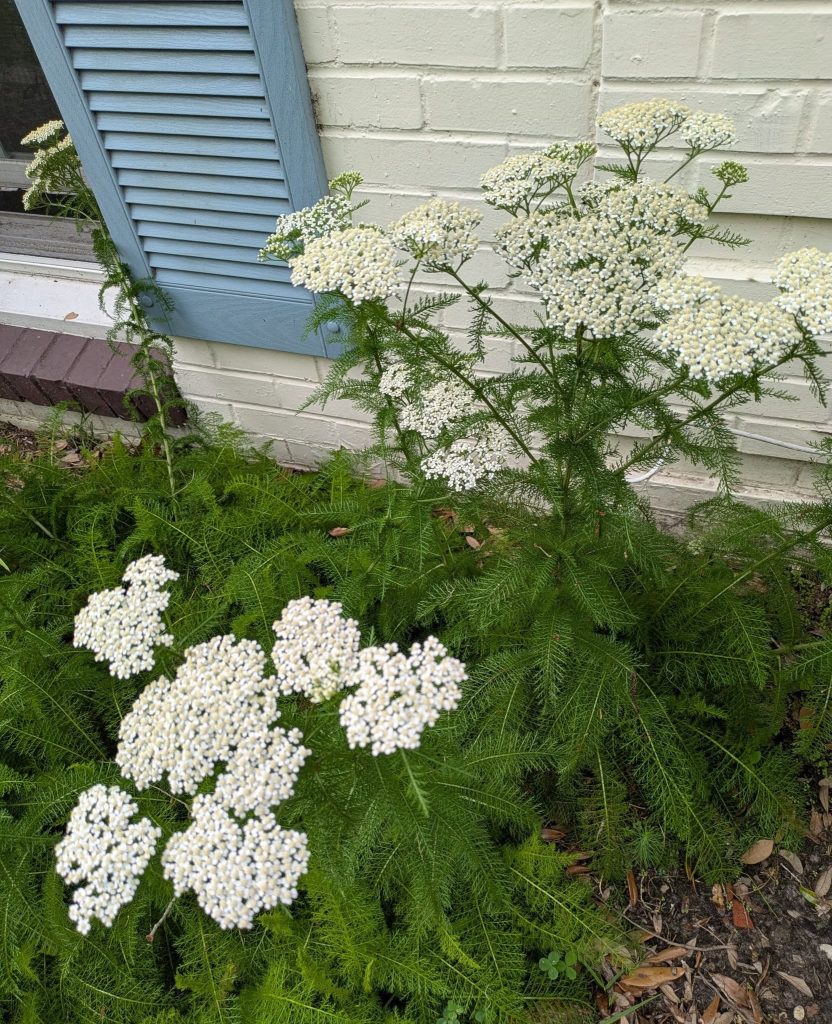
Yarrow is a tough, drought-tolerant flower with flat clusters of tiny blooms. About 88% of 17 sources said rabbits rarely touch it.
The feathery leaves have a strong, herbal smell. Rabbits find them unappealing.
I recommend yarrow for hot, dry spots where other flowers struggle. It thrives on neglect, and it is also popular in cut-flower arrangements.
8. Lamb’s Ear (Stachys byzantina)
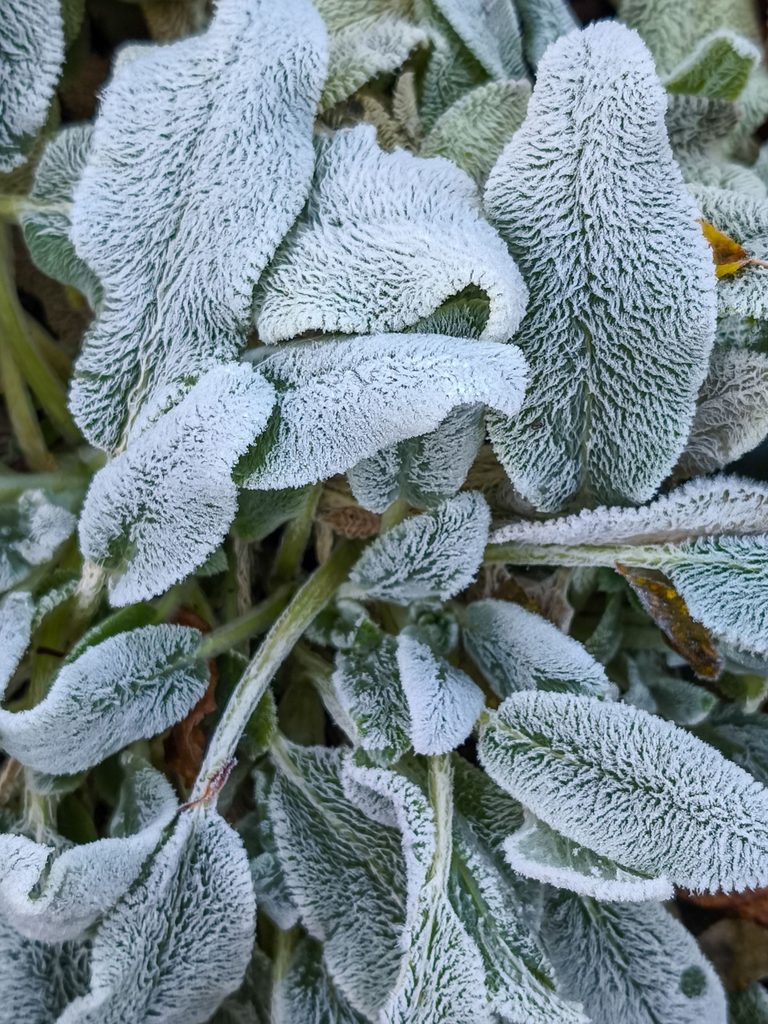
Lamb’s ear is famous for its soft, silvery leaves. In the survey, 100% of 12 sources reported it as never or rarely damaged.
The fuzzy texture is the secret. Rabbits do not like the feel of those hairy leaves in their mouths.
Children love touching it, which makes it a great family plant. Plant it in sun, and avoid overhead watering to prevent leaf rot.
9. Red Hot Poker (Kniphofia)
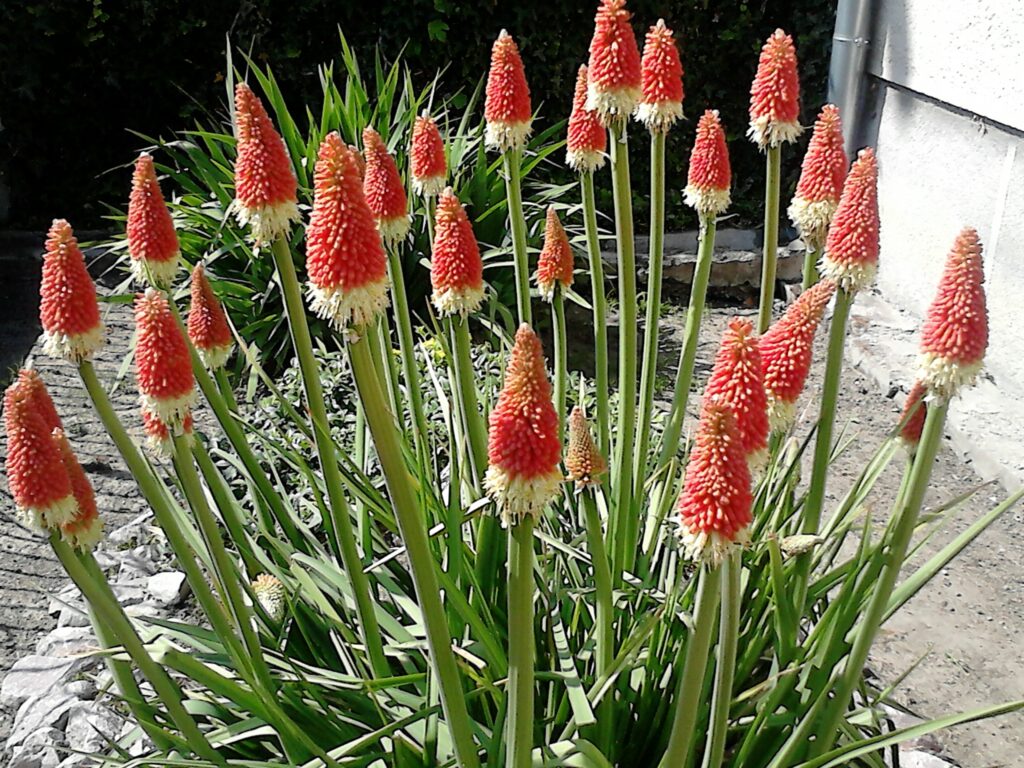
This plant looks like a torch, with orange and yellow flower spikes rising above grassy leaves. All 10 sources reported it as never or rarely damaged.
The tough, grass-like foliage is not appealing to rabbits. The bold flowers still draw plenty of attention from hummingbirds.
Plant it in full sun with good drainage. It makes a dramatic accent, and it needs little care once established.
10. Iris (Iris)
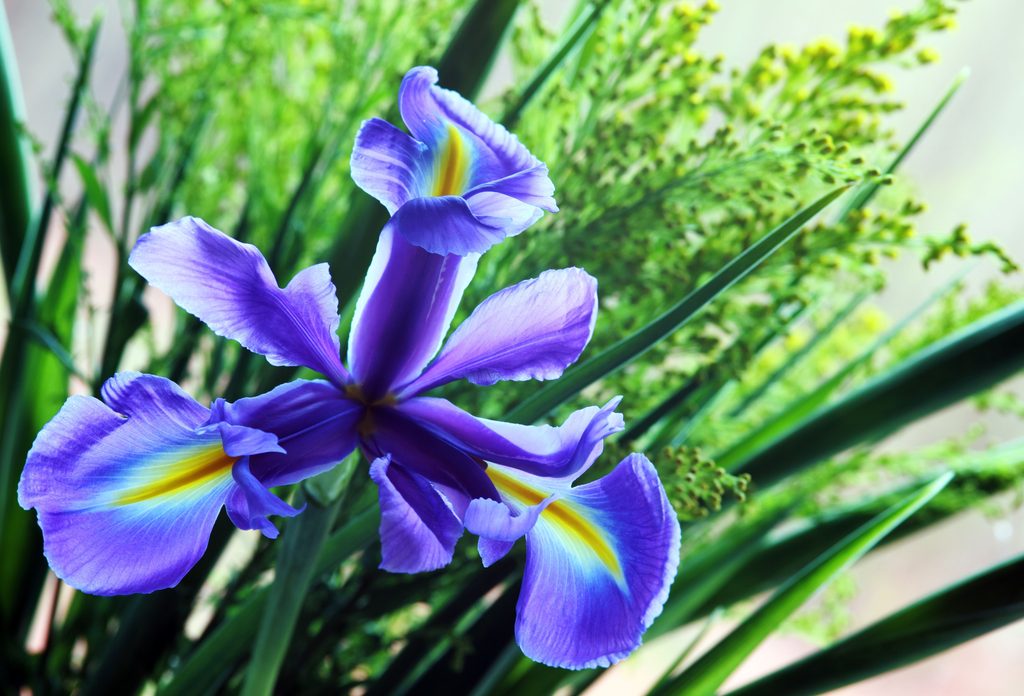
Irises are elegant, and they are also reliable. The Arizona data shows 90% of 20 sources reporting little or no damage. Colorado State lists irises too.
The sword-like leaves and underground rhizomes are not a rabbit favorite. Parts of the plant are mildly toxic, which adds to its defense.
Plant rhizomes shallowly so the tops are exposed to the sun. Divide clumps every few years to keep them blooming well.
11. Lantana (Lantana)
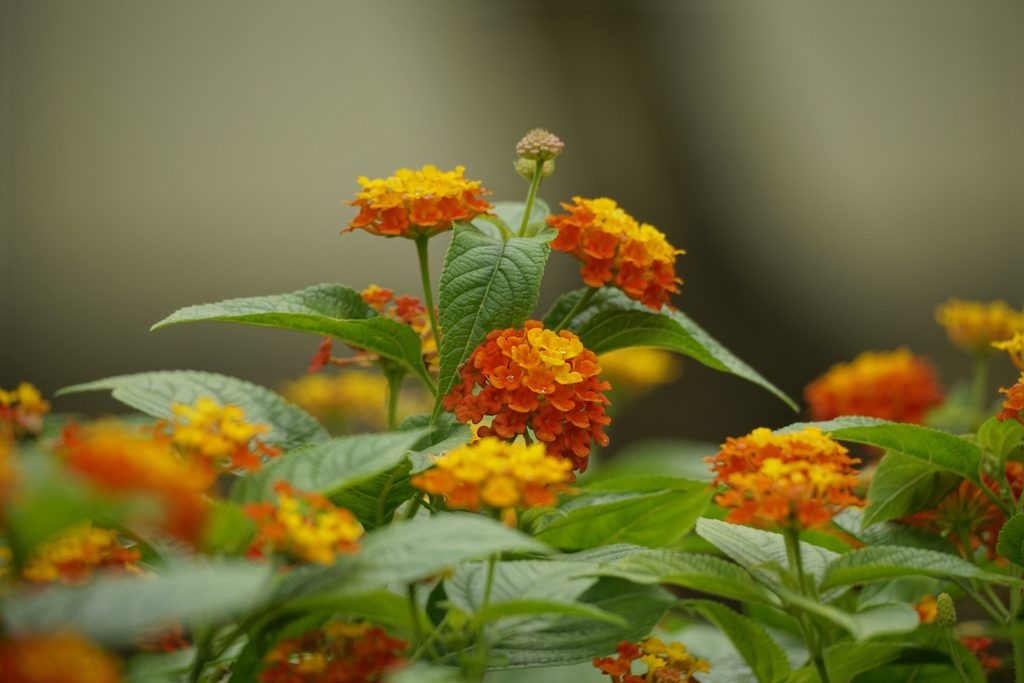
Lantana gives you nonstop clusters of multicolored flowers. All 7 sources in the survey reported it as never or rarely damaged.
The rough, scented leaves put rabbits off. The plant also handles heat very well.
In cold climates, it is grown as an annual. In warm regions, it can become a large, long-lived shrub. Butterflies love it.
12. Verbena (Verbena)
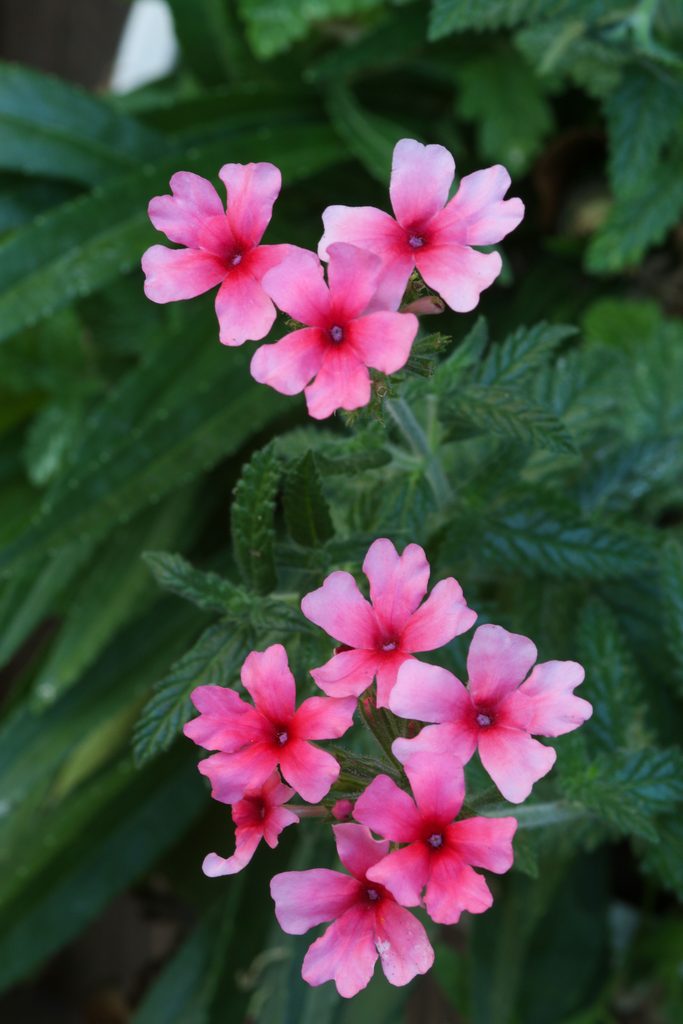
Verbena is a colorful, low-growing flower that blooms for months. About 90% of 10 sources reported little or no damage.
The slightly bristly leaves and mild scent are not attractive to rabbits. The bright purple, pink, and red clusters stay safe.
I like it in containers and borders. It prefers full sun and well-drained soil.
13. Astilbe (Astilbe)
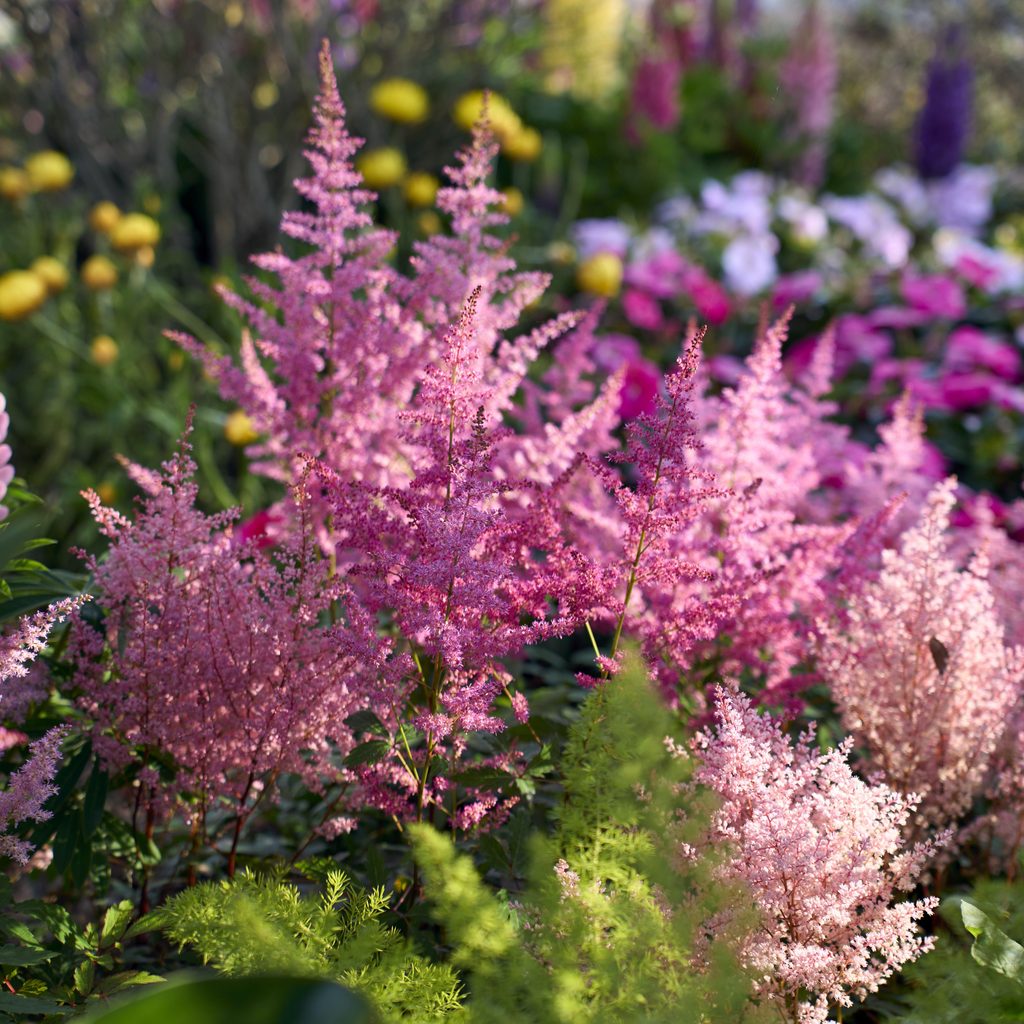
Astilbe is a great choice for shade. All 5 sources in the Arizona survey reported it as never or rarely damaged.
Its feathery plumes in pink, red, and white look soft, but the fern-like foliage is not tasty to rabbits.
Plant it in moist, partly shaded soil. It helps fill a gap where many sun-loving rabbit-resistant plants will not grow.
14. Bleeding Heart (Dicentra spectabilis)
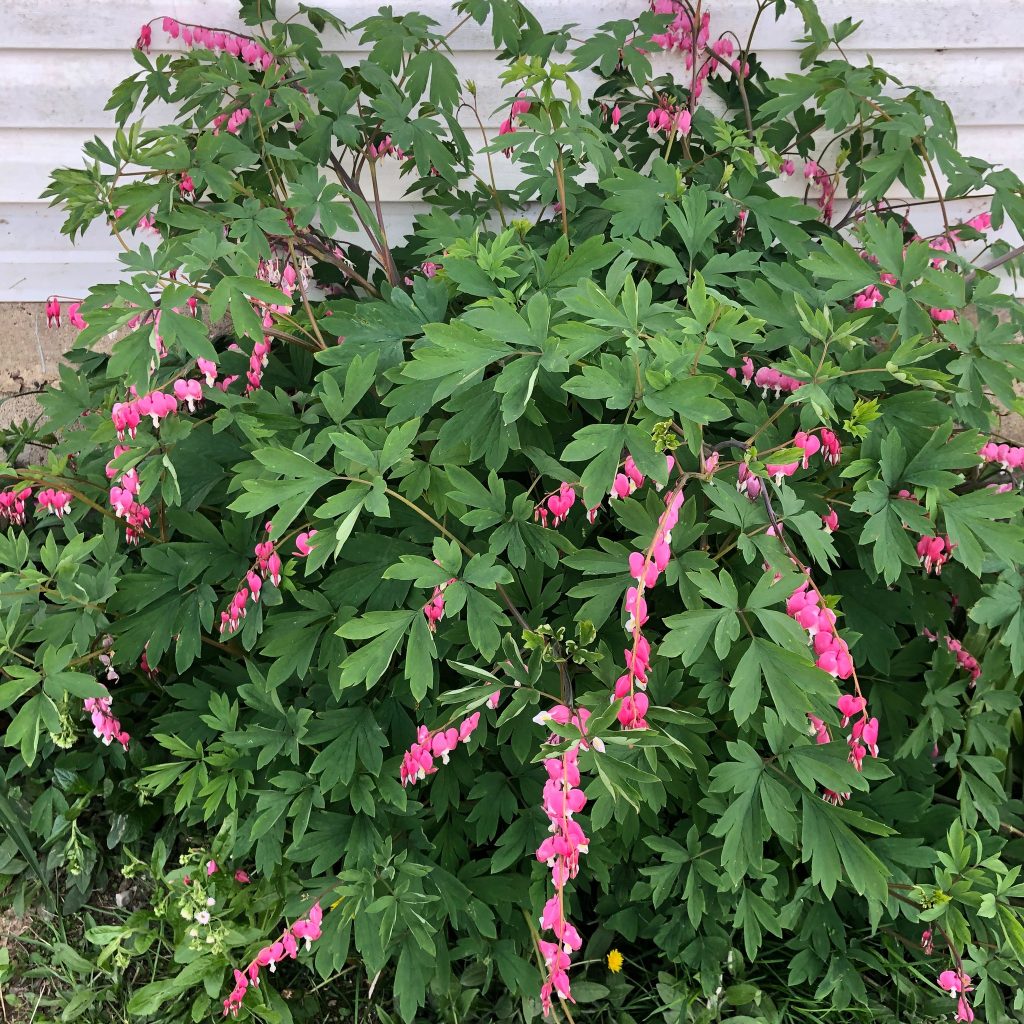
Bleeding heart has charming, heart-shaped pink flowers hanging from arching stems. All 5 sources reported little or no damage, and Colorado State lists it too.
The plant contains compounds that make it unpalatable and toxic if eaten. Rabbits seem to know this.
It is a spring bloomer that may fade by midsummer. Plant it with hostas or ferns to fill the space later. Keep it away from pets.
15. Aster (Aster)
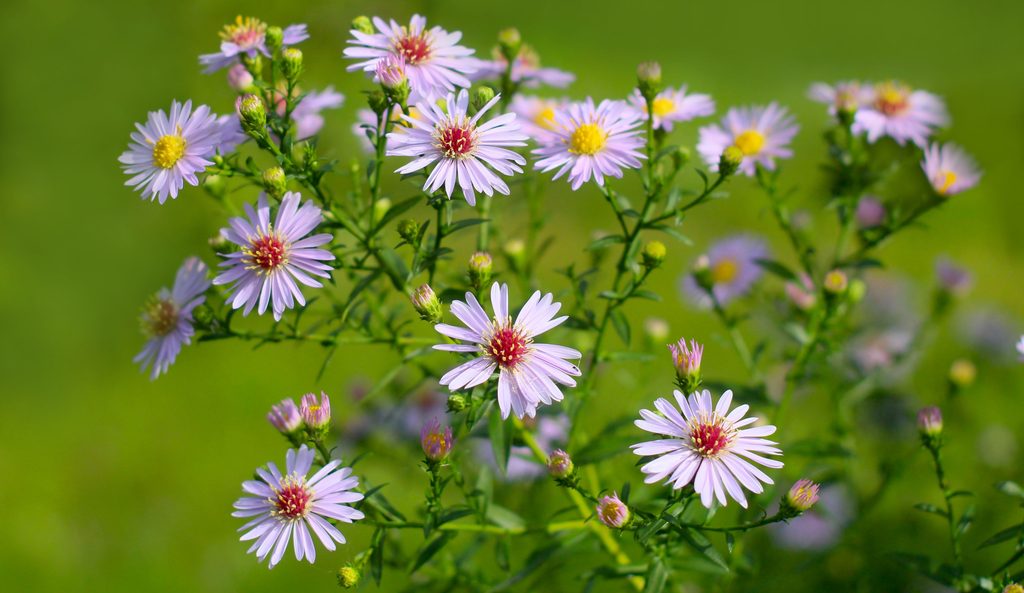
Asters give color in autumn, when many flowers are finished. About 93% of 14 sources reported little or no damage.
The small, daisy-like flowers appear in purple, pink, and white. Rabbits generally leave them alone.
Pinch the stems in early summer for bushier plants. Asters are also valuable for late-season pollinators.
16. Blanket Flower (Gaillardia)
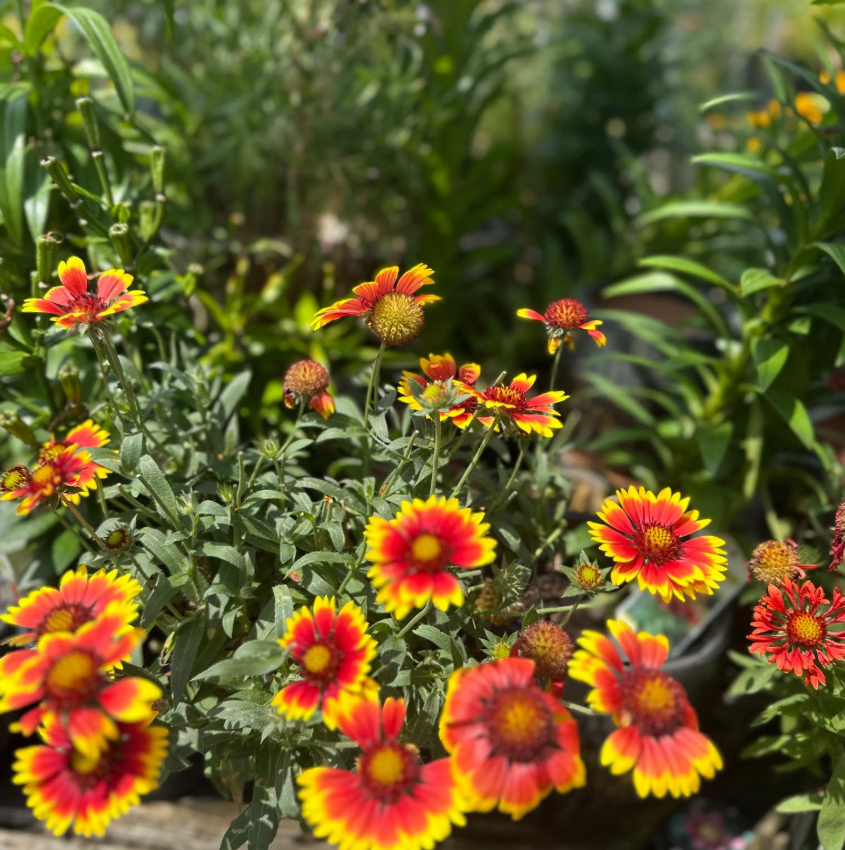
Blanket flower looks like a sunset, with red and yellow petals. About 86% of 14 sources reported it as seldom damaged. Colorado State also lists it.
The slightly rough, hairy leaves help protect it. It is also very tough in heat and drought.
Deadhead the spent flowers to encourage more blooms. It is a good choice for poor or sandy soil.
17. Ornamental Onion (Allium)
Alliums have round, purple flower globes on tall stalks. 75% of 8 sources said they are rarely damaged. Colorado State includes them among critter-resistant bulbs.
Think about the smell. Crushed leaves and bulbs smell like onion, which rabbits generally avoid.
Plant the bulbs in autumn. Alliums combine well with softer plants such as catmint, and they add height.
18. Lupine (Lupinus)
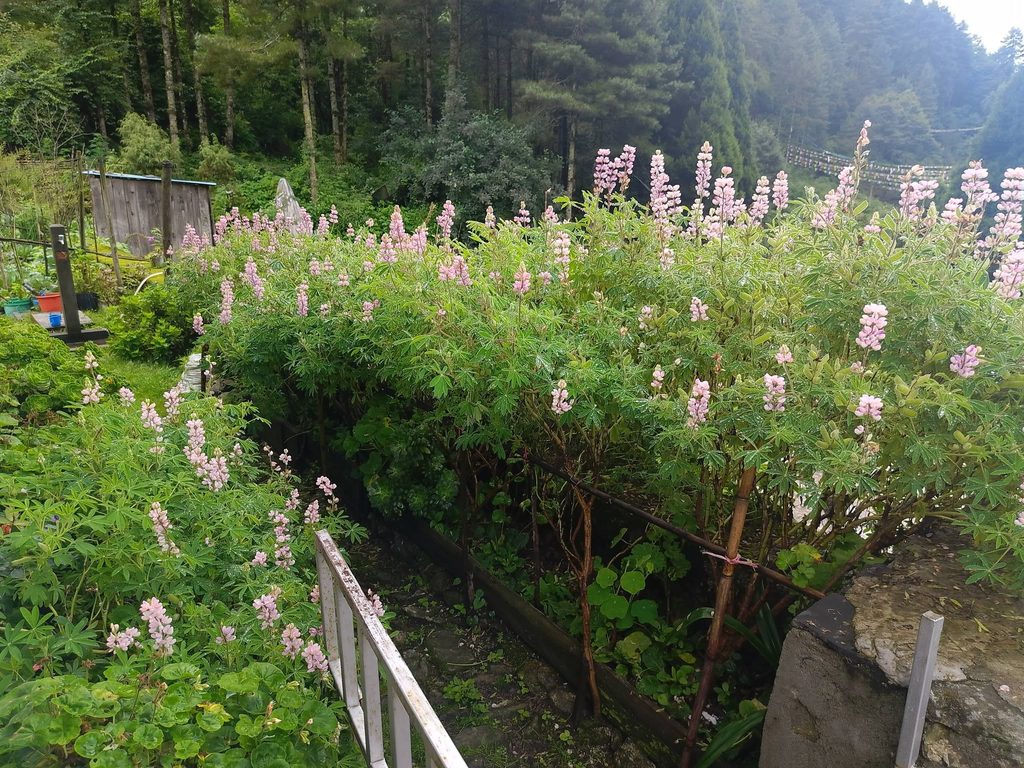
Lupines produce tall spikes of pea-like flowers in blue, pink, and purple. All 8 sources reported little or no damage.
The plants contain bitter compounds. They are also toxic if eaten, so keep an eye on pets and livestock.
Lupines prefer cool summers and well-drained soil. They are lovely in cottage-style gardens.
19. Russian Sage (Perovskia)
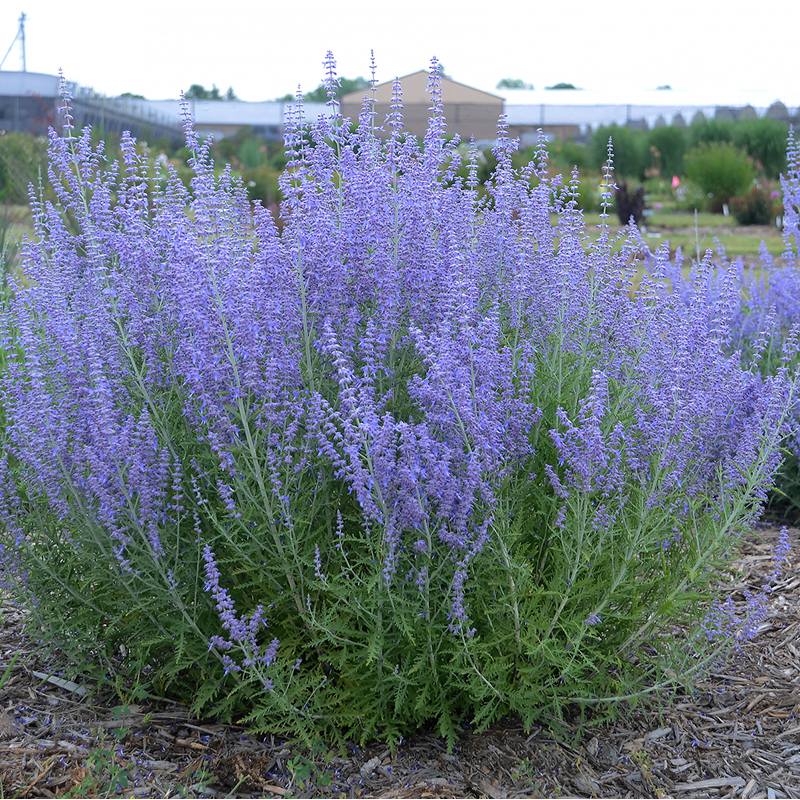
Russian sage is a hazy cloud of lavender-blue flowers on silvery stems. All 17 sources reported it as never or rarely damaged. That is a strong result.
The whole plant is aromatic. Rabbits do not like the pungent smell.
It loves full sun and handles drought well. Cut it back in late winter to keep it tidy.
20. Snapdragon (Antirrhinum)
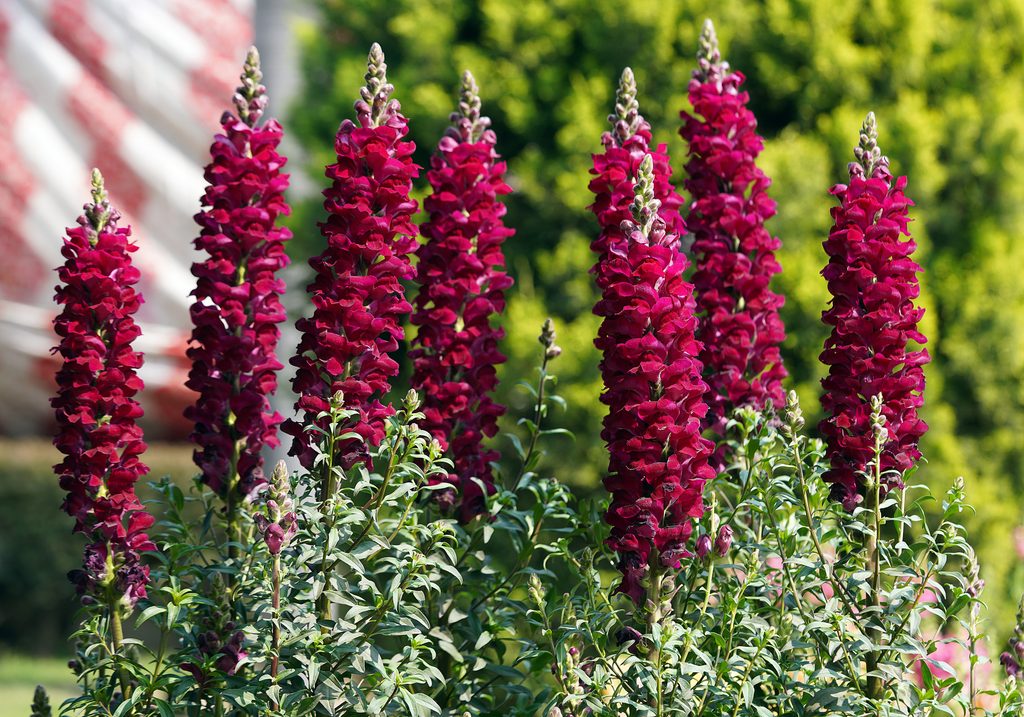
Snapdragons are a favorite annual. About 80% of 10 sources reported little or no damage in the Arizona survey.
The taste of the leaves is not appealing to rabbits, though results vary by region. I treat snapdragons as “mostly safe,” not guaranteed.
Plant them in cool weather for the best flowering. They add height to borders and make good cut flowers.
21. Anise Hyssop (Agastache)
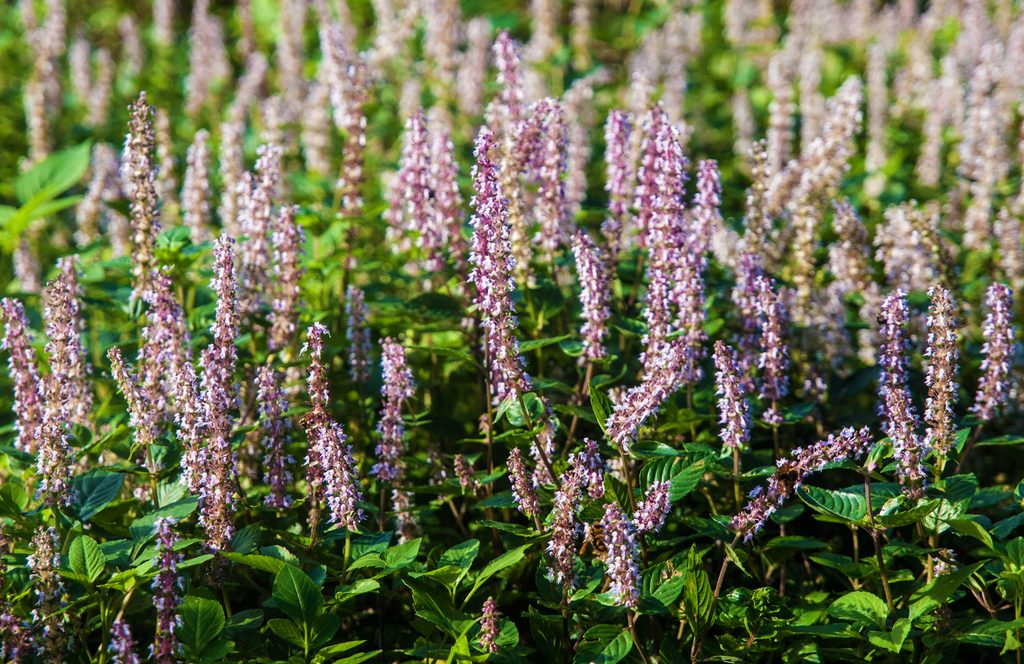
Anise hyssop has fragrant leaves with a licorice scent and purple flower spikes. All 3 sources for anise hyssop reported little or no damage. Hummingbird mint scored 88% from 8 sources.
The strong smell protects it. Pollinators, especially bees, love it.
It prefers sun and average soil. The data set is smaller for this plant, so I suggest planting it alongside other proven choices.
22. Butterfly Weed (Asclepias tuberosa)
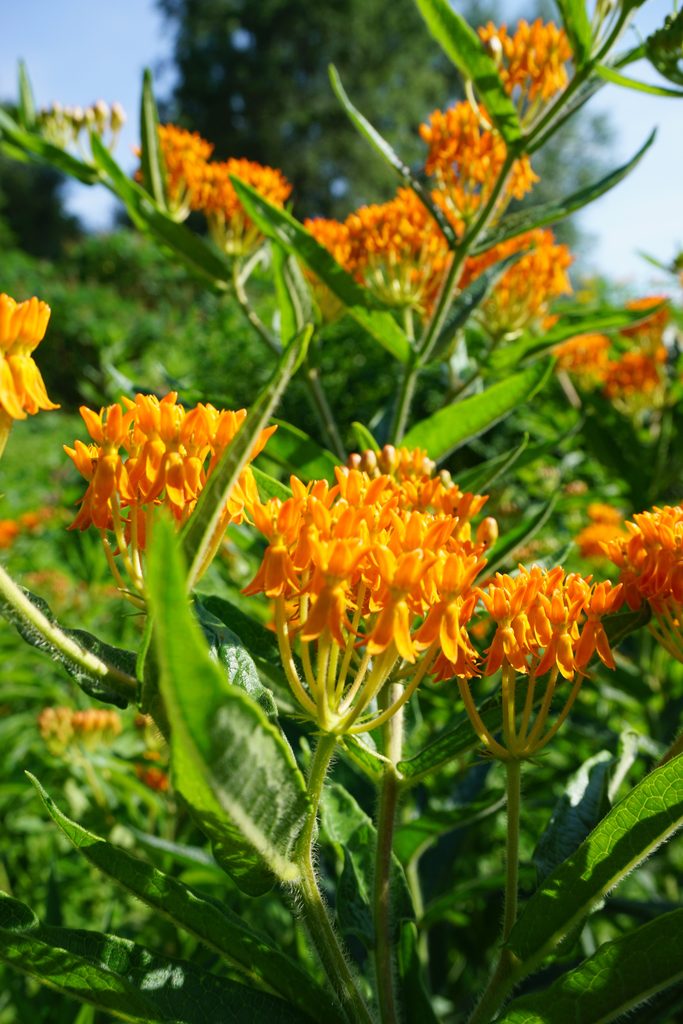
Butterfly weed has bright orange flowers that attract monarch butterflies. All 4 sources reported little or no damage.
The plant has milky sap, a defense that Colorado State lists as a deterrent. The sap is also toxic.
It has a deep taproot, so plant it once and leave it. It grows well in dry, sunny places.
23. Euphorbia (Spurge)
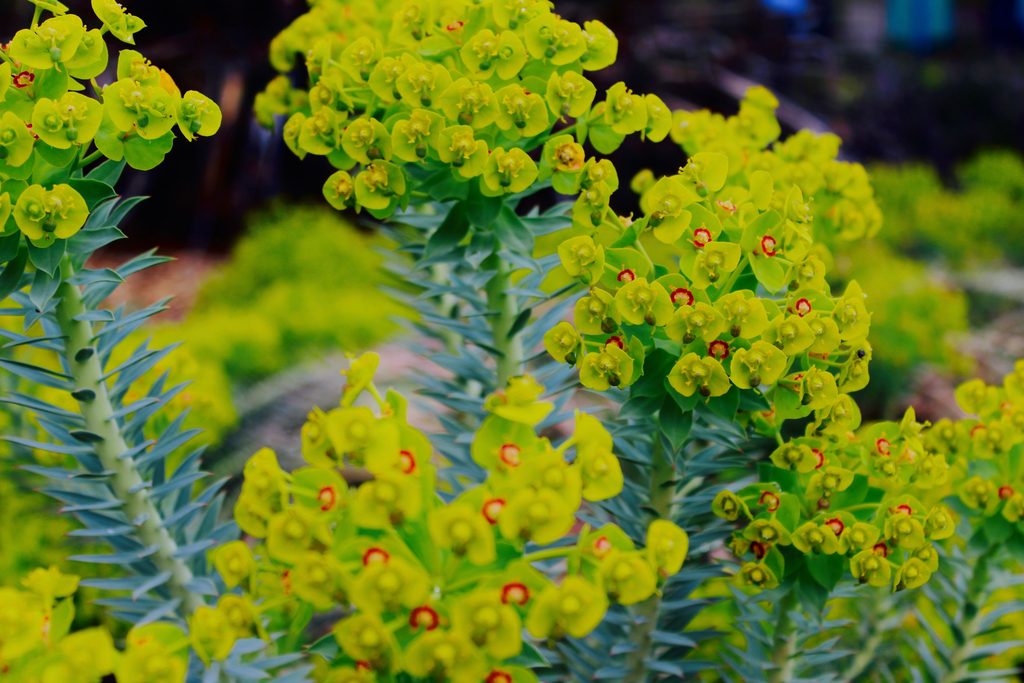
Euphorbia has unusual lime-green and yellow bracts. All 11 sources reported it as never or rarely damaged. It is a good plant for texture.
The milky sap is a skin irritant. Wear gloves when you cut or handle it.
It tolerates sun and dry soil. It is also a nice contrast to purple and blue flowers.
24. Hardy Geranium (Cranesbill)
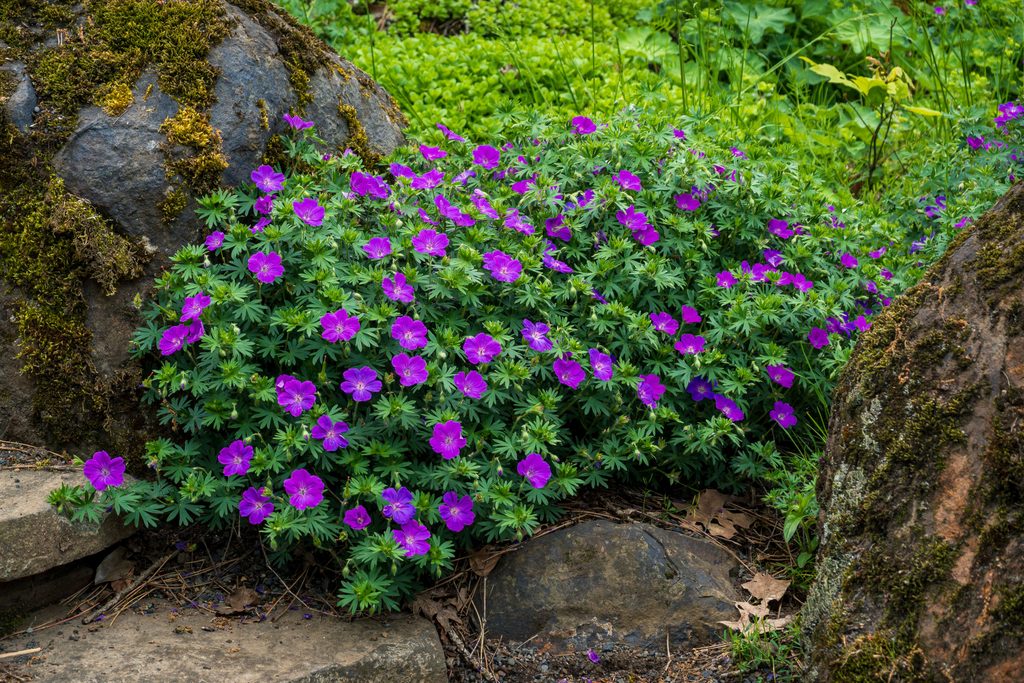
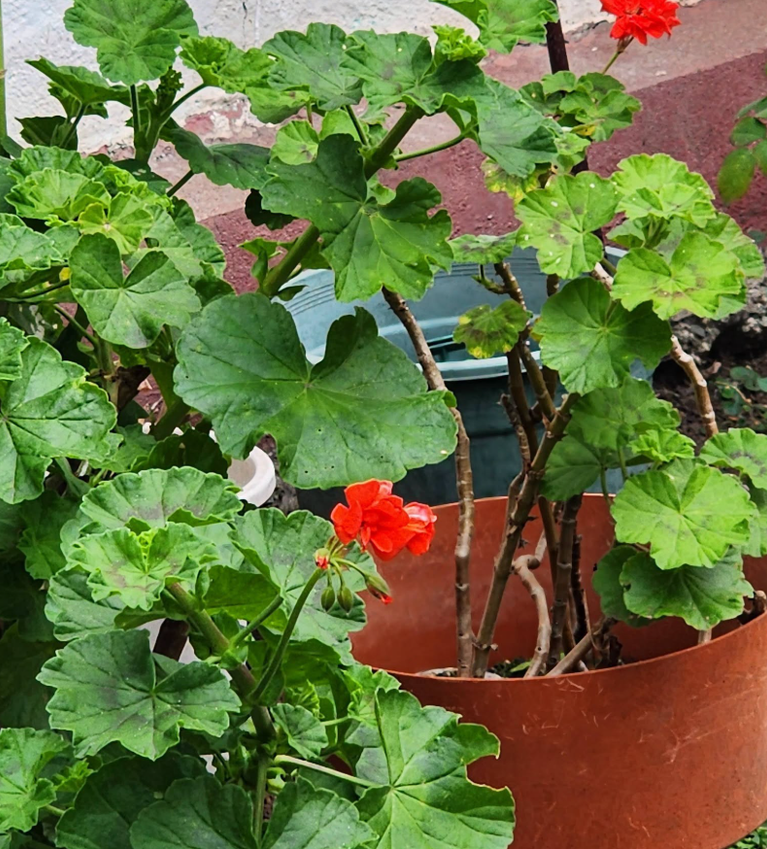
Hardy geraniums, or cranesbills, are not the same as pot geraniums. All 6 sources reported little or no damage.
The leaves have a strong scent and a slightly rough feel. Rabbits tend to skip them.
They bloom for weeks in pink, blue, or purple. They are easy to grow in sun or part shade.
25. Columbine (Aquilegia)
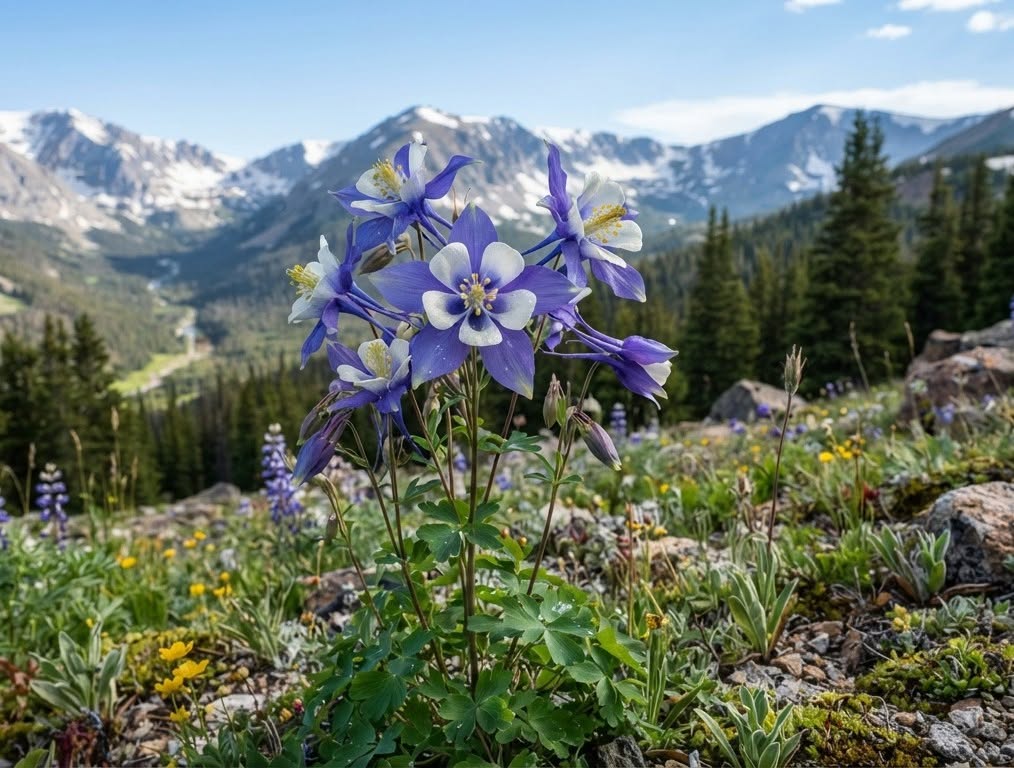
Columbine has delicate, spurred flowers that dance in spring. About 90% of 10 sources reported little or no damage.
I should add a warning here. Colorado State Extension calls it “marginal” and says it is especially vulnerable when newly planted. Protect young plants with a small wire cage.
Once established, it is fairly safe. It does well in part shade and often self-seeds.
How to Make Rabbit-Resistant Flowers Work Even Better
Choosing the right plant is only half the job. A few simple habits improve your results.
First, protect young plants. Newly planted flowers are more tempting. Colorado State notes that newly transplanted plants are more likely to be eaten.
Second, use a fence. Every source I reviewed agrees that fencing is the most reliable method. Iowa State and Oregon State suggest wire fencing about 2 feet high, with openings of about 1 inch. The Connecticut Agricultural Experiment Station recommends at least 3 feet. Bury the bottom a few inches.
Third, make your yard less inviting. Remove brush piles and tall weeds. Seal gaps under decks and sheds. Rabbits feed where they feel hidden.
Fourth, be careful with repellents. In a Connecticut trial, researchers placed three rabbits in a 24-by-48-foot enclosure. That is about 113 rabbits per acre, compared with the one per acre biologists consider healthy in the wild.
Only fencing beat the best repellent, a blood-based product called Plantskydd. Several other products performed much worse. Oregon State adds that repellents usually fail in the long term because rabbits get used to them.
ALSO READ: 25 Flowers Rabbits Can Eat Safely (And Those Not)
Frequently Asked Questions
Are any flowers completely rabbit-proof? No. Hungry rabbits will eat almost anything, especially in late winter when food is scarce. Every university source I read says the same thing.
Do marigolds keep rabbits away? Not reliably. Iowa State Extension notes that rabbits have been known to eat marigold flowers, and a rabbit’s tastes vary by region and season.
How do I know it was a rabbit? Look at the cut. Iowa State explains that rabbits snip stems cleanly, as if with scissors. Deer leave a more ragged edge.
Final Thoughts
A rabbit-resistant garden does not have to be a boring one. With lavender, catmint, daffodils, bee balm, and the other flowers above, you can build beds full of color and scent.
My advice is simple. Choose strong-scented, fuzzy, or toxic plants, protect the young ones, and add a low fence where pressure is high. Combine these steps, and you will spend more time enjoying flowers and less time mourning them.
References
- University of Arizona Cooperative Extension. Rabbit Plant Resistance Ratings (2025). https://extension.arizona.edu/publication/rabbit-plant-resistance-ratings
- Colorado State University Extension, Gilpin County. Rabbit, Ground Squirrel, and Deer-Resistant Plants. https://extension.colostate.edu/gilpin/resource/rabbit-ground-squirrel-and-deer-resistant-plants/
- Iowa State University Extension and Outreach. Rabbits: Damage Management. https://naturalresources.extension.iastate.edu/encyclopedia/rabbits-damage-management
- Iowa State University Extension and Outreach, Yard and Garden. How to Protect Gardens from Rabbits. https://yardandgarden.extension.iastate.edu/how-to/how-protect-gardens-rabbits
- University of Illinois Extension. Rabbits in the Landscape (Home, Yard and Garden Newsletter). https://hyg.ipm.illinois.edu/article.php?id=1216
- Oregon State University Extension Service. What can protect my shrubs from rabbits? https://extension.oregonstate.edu/ask-extension/featured/what-can-protect-my-shrubs-rabbits
- Connecticut Agricultural Experiment Station (.gov). Reducing Rabbit Damage in Connecticut (2015). https://portal.ct.gov/-/media/caes/documents/publications/fact_sheets/forestry_and_horticulture/effectivenessofrabbitrepellentsinctfactsheetmarch2015pdfpdf.pdf

Tim M Dave is a gardening expert with a passion for houseplants, particularly cacti and succulents. With a degree in plant biology from the University of California, Berkeley, he has vast experience in gardening. Over the years, he has cultivated a vast collection of desert plants and learned a great deal about how to grow and care for these unique companions.