40 Flowers That Come Back Every Year (Reliable Perennials, With Pictures)
Every gardener knows the feeling. You plant a bed of annuals in spring, and by autumn they are gone. Next year, you must buy, plant, and water them all over again.
Perennial flowers solve this problem. According to University of Minnesota Extension, annual plants live for one growing season, while perennials regrow every spring. You plant once and enjoy the blooms for years.
This guide lists 40 flowers that come back every year, with their hardiness zone, and basic care.
Spring-Blooming Perennials
Spring flowers give us the first real color after winter. Many of these plants are cold-loving and very reliable.
1. Peony (Paeonia)
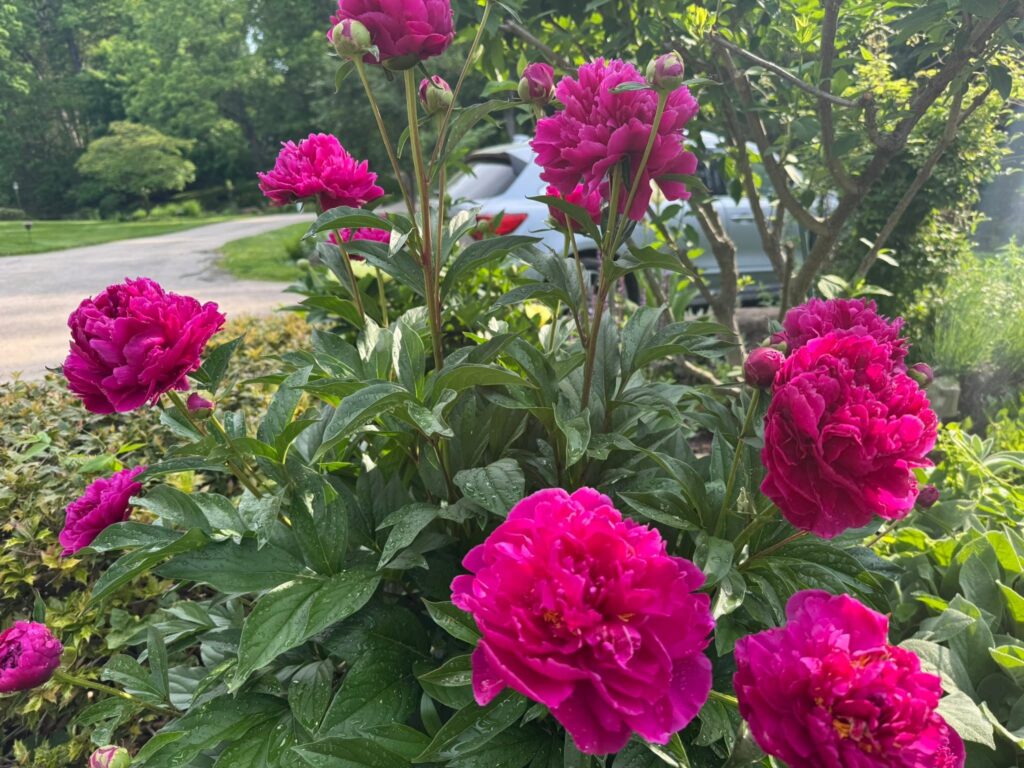
Peonies are the queens of the spring garden. Their large, fragrant blooms appear in pink, white, red, and coral. A well-sited peony can live for decades.
They grow in zones 3–8 and need full sun and well-drained soil. They also need a cold winter to flower well.
My advice: do not plant the roots too deep. Keep the buds near the soil surface, or the plant may refuse to bloom.
2. Bleeding Heart (Lamprocapnos spectabilis)
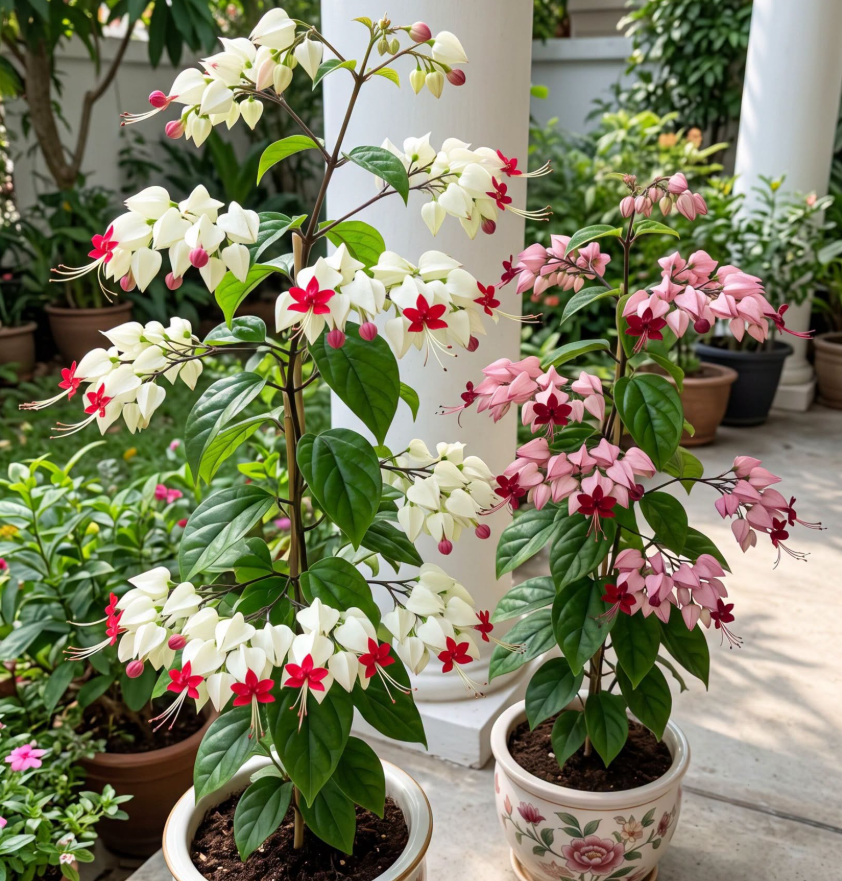
Bleeding heart carries tiny, heart-shaped flowers on arching stems. The effect is romantic and unusual. It brightens shady corners in late spring.
It thrives in zones 3–9 and prefers partial shade with moist, rich soil. Direct afternoon sun can scorch the leaves.
Do not panic if the foliage fades in summer. The plant simply goes dormant. It returns the following spring.
3. Columbine (Aquilegia)

Columbine has delicate, spurred flowers that look like tiny lanterns. They come in blue, purple, red, yellow, and bicolor forms. Hummingbirds love them.
It grows well in zones 3–8 and tolerates sun or part shade. Average, well-drained soil is enough.
Individual plants are often short-lived. However, columbine self-seeds freely, so new plants keep appearing.
4. Creeping Phlox (Phlox subulata)
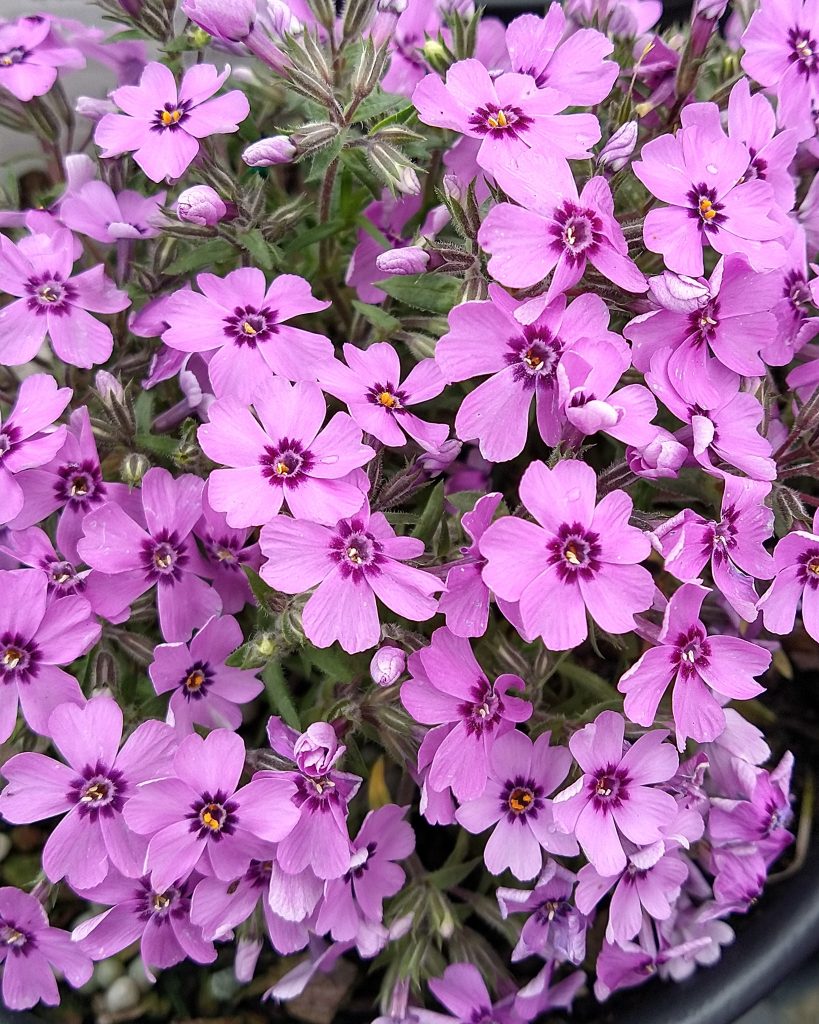
In early spring, creeping phlox covers the ground like a carpet of pink, purple, or white. It is one of the easiest ways to add instant color.
It is hardy in zones 3–9 and loves full sun. It works well on slopes, walls, and rock gardens.
After flowering, trim it lightly. This keeps the mat dense and tidy.
ALSO READ: 35 Flowers That Bloom in Spring (March, April, and May)
5. Bearded Iris (Iris germanica)
Bearded irises offer ruffled flowers in almost every color. Their sword-shaped leaves also add structure after the blooms fade.
They grow in zones 3–9 and need full sun. Good drainage is essential, because wet roots rot easily.
Divide the clumps every three to five years. This keeps the plants healthy and gives you free plants to share.
6. Lungwort (Pulmonaria)
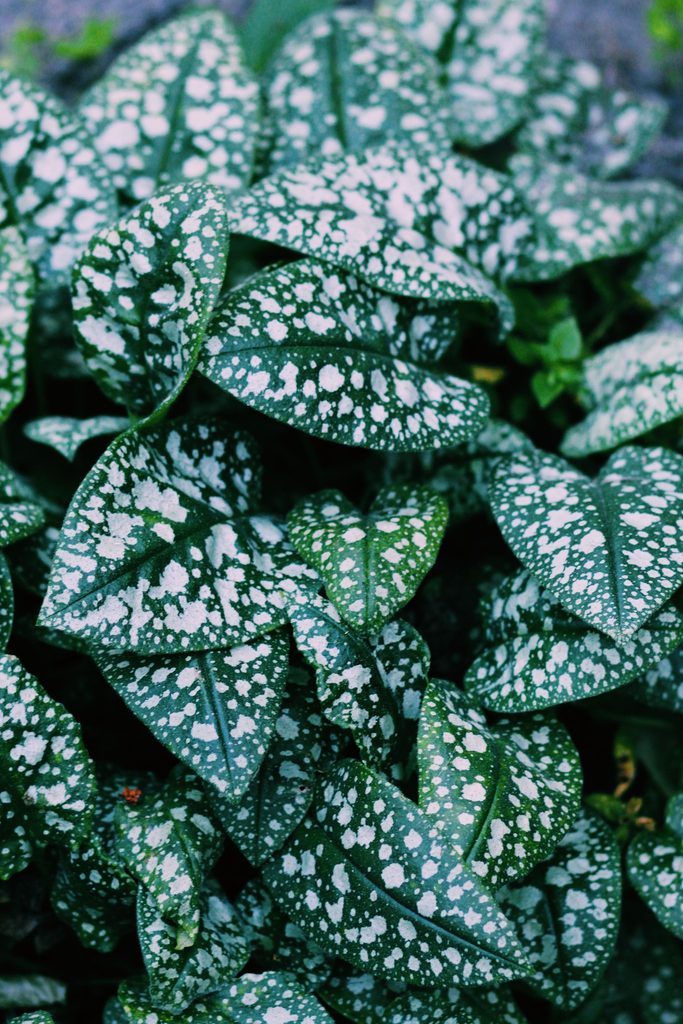
Lungwort is a quiet favorite in shade gardens. Its silver-spotted leaves look attractive all season. Its blue, pink, and purple flowers appear early.
It thrives in zones 3–8 with moist, shaded soil. Dry shade is more difficult for it.
Bees visit the early flowers when little else is blooming. That makes it valuable for pollinators.
7. Primrose (Primula)
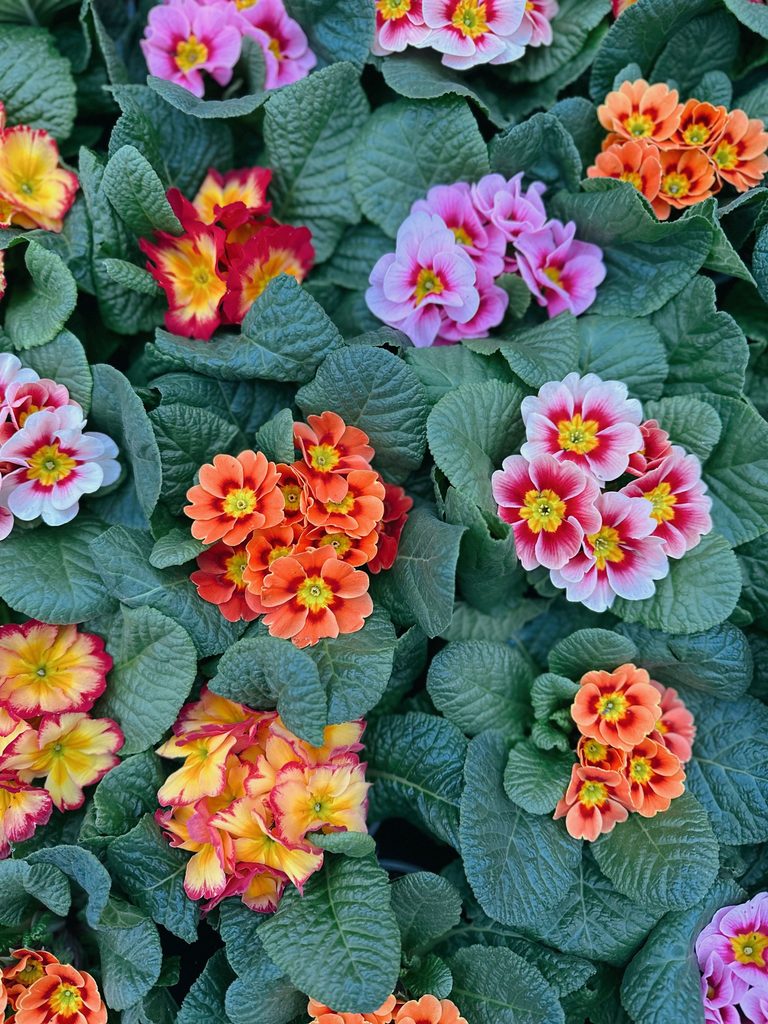
Primroses are cheerful, low plants with bright clusters of flowers. They bloom in early spring and bring welcome color to cool, damp areas.
Many garden types grow in zones 3–8. They prefer light shade and consistently moist soil.
Plant them near a path or doorway. Their small flowers are best enjoyed up close.
8. Daffodil (Narcissus)
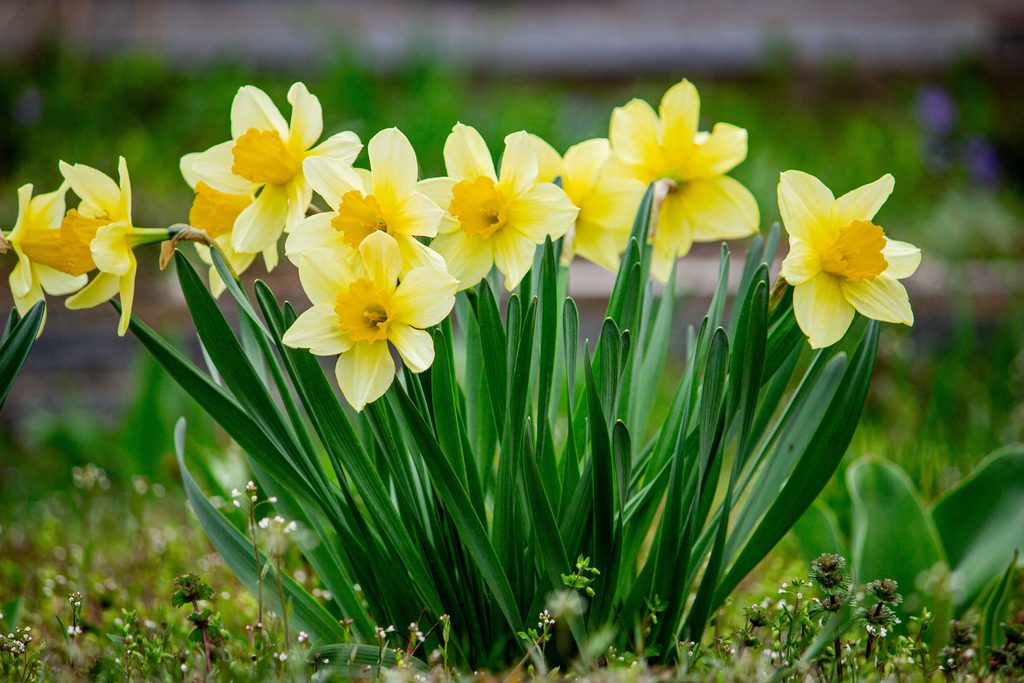
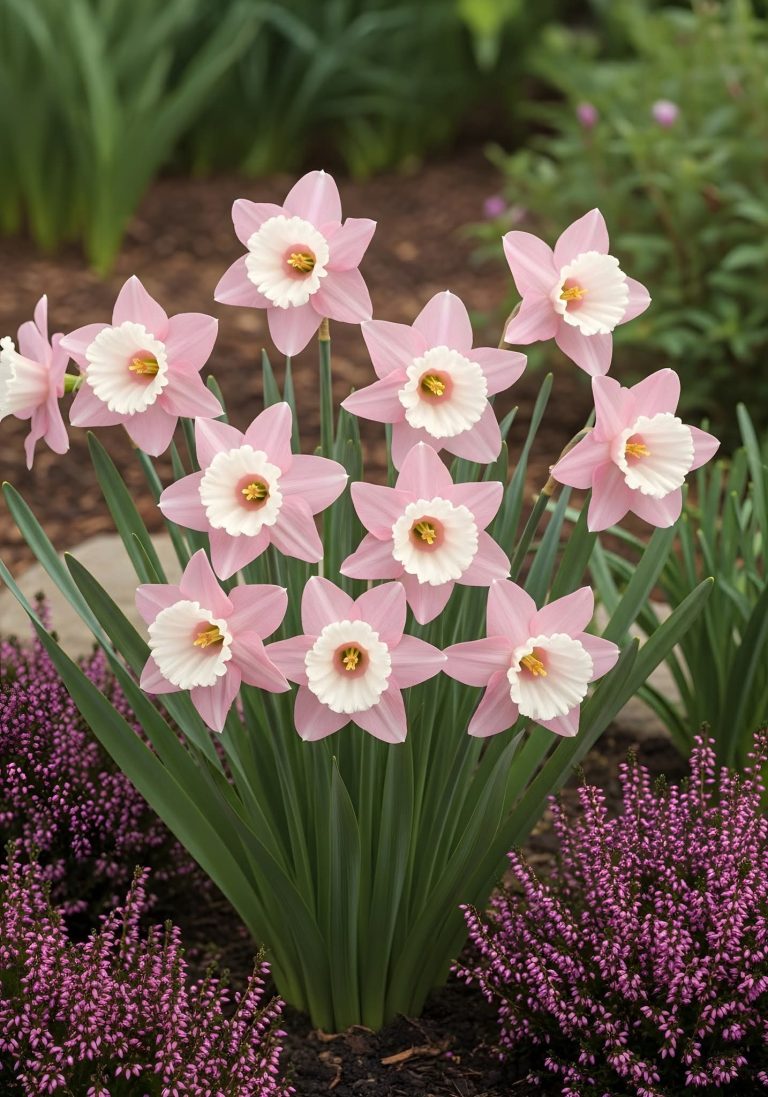
Daffodils are among the most dependable spring bulbs. Their golden trumpets signal that winter is truly over. Rodents and deer usually leave them alone.
They grow in zones 3–9 and prefer full sun to light shade. Plant bulbs in autumn, in well-drained soil.
Allow the leaves to die back naturally after blooming. This feeds the bulb for next year.
9. Tulip (Tulipa)
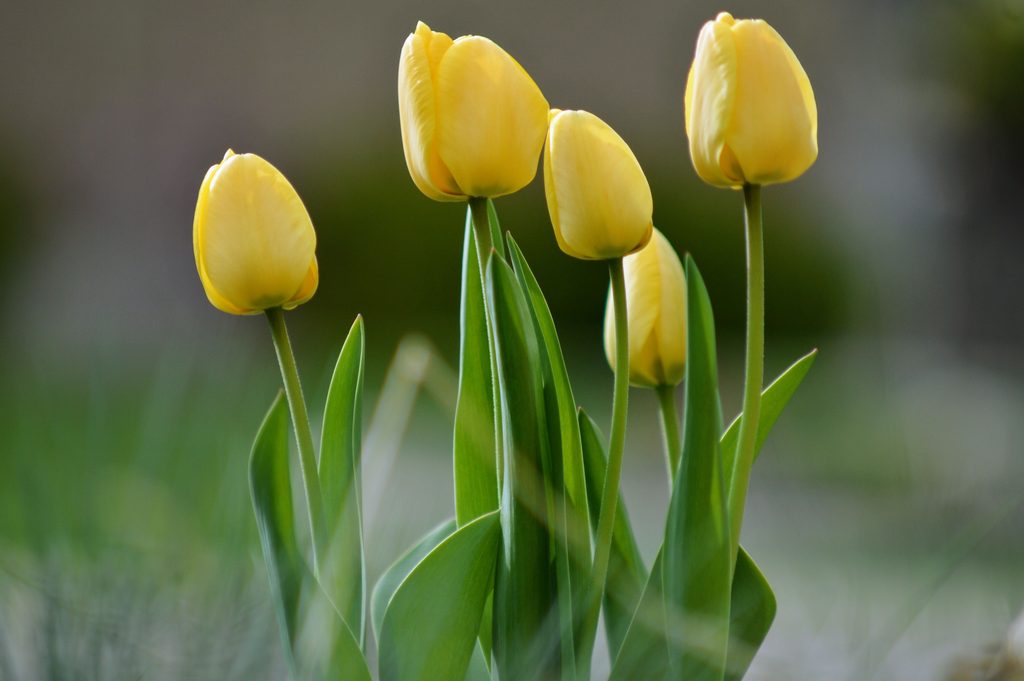
Tulips bring bold, clean color to spring beds. Many varieties exist, from simple cups to fringed and parrot types.
They are hardy in zones 3–8. Plant bulbs in autumn, in full sun and sharp drainage.
Some tulips fade after a few years. For better returns, choose Darwin hybrid or species tulips, which tend to last longer.
10. Hellebore (Helleborus)
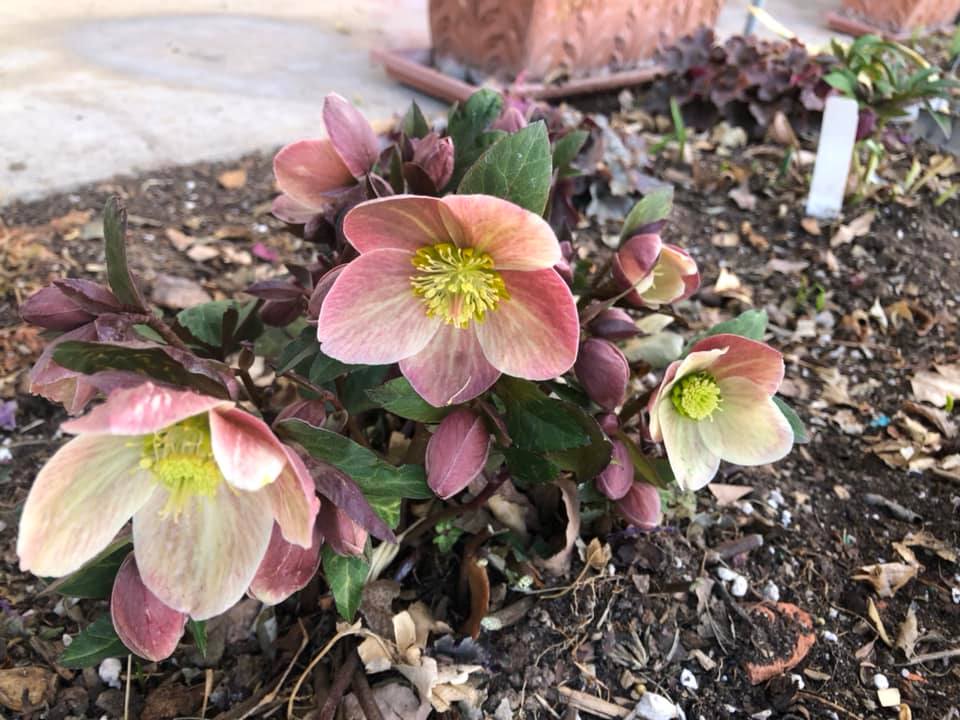
Hellebores bloom in late winter or very early spring. When the garden is still bare, their nodding flowers feel like a small miracle.
They grow in zones 4–9 and prefer part shade. Rich, well-drained soil suits them best.
Once established, they are tough and long-lived. They also resist most pests, including deer.
11. Brunnera (Brunnera macrophylla)
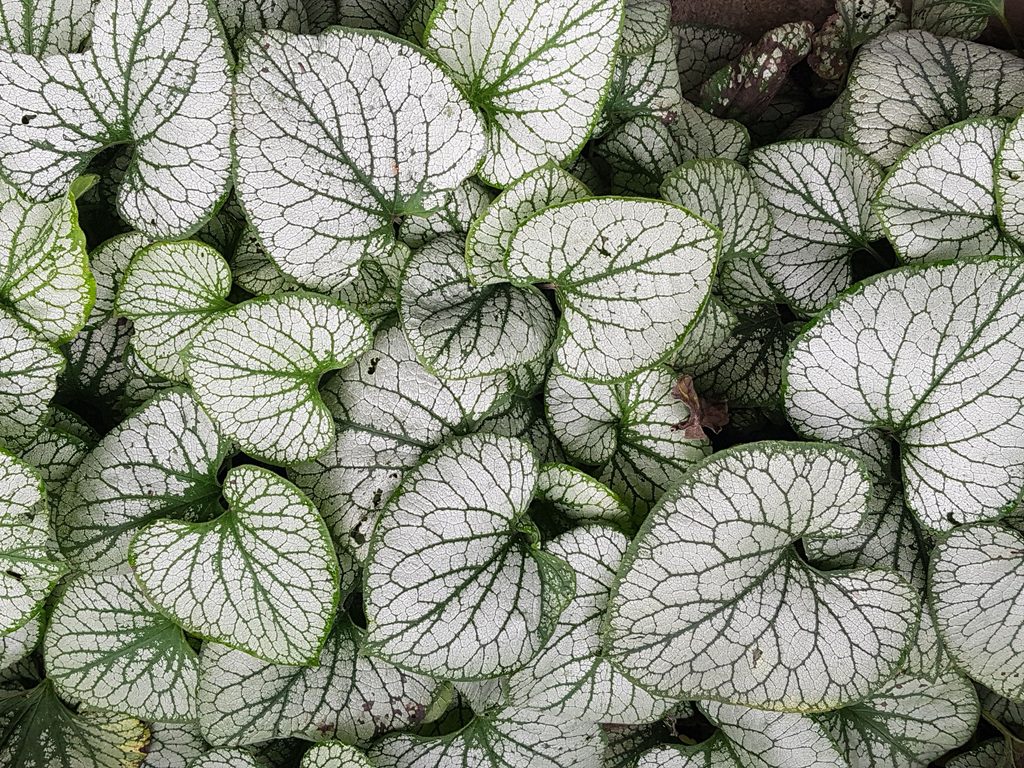
Brunnera produces sprays of tiny blue flowers that resemble forget-me-nots. Its heart-shaped leaves, often silver-patterned, stay attractive all summer.
It is hardy in zones 3–8 and does best in shade with moist soil.
This plant is excellent under trees. It fills empty spaces without becoming a nuisance.
12. Lily of the Valley (Convallaria majalis)
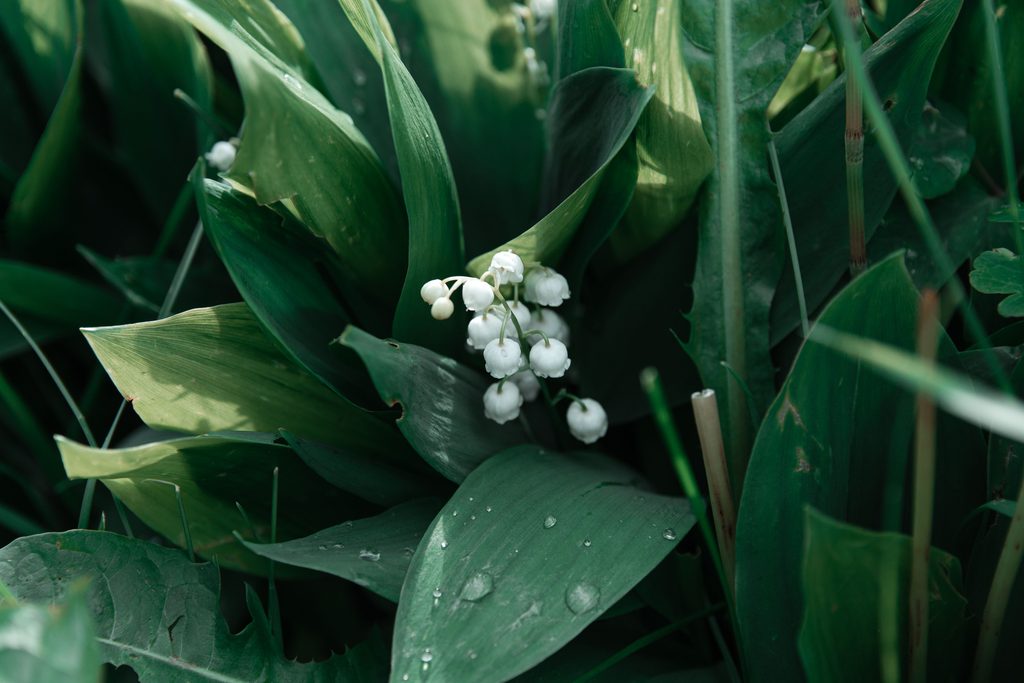
Lily of the valley bears small, white, bell-shaped flowers with a sweet fragrance. Many people associate the scent with spring weddings.
It grows in zones 2–9, even in deep shade. However, it spreads quickly through underground stems.
Plant it where it can roam freely. Also note that all parts of the plant are toxic if eaten.
Summer-Blooming Perennials
Summer is the main stage for perennials. These plants handle heat, attract pollinators, and fill borders with color.
13. Purple Coneflower (Echinacea purpurea)
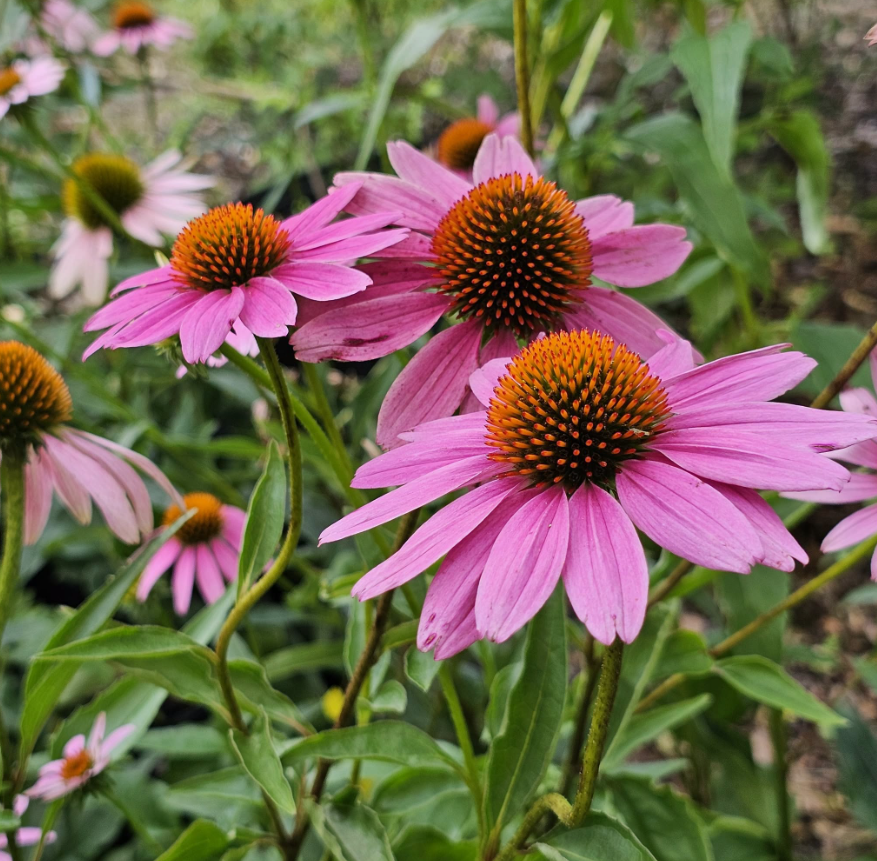
Purple coneflower is a true garden workhorse. Its daisy-like petals surround a raised, spiky cone. Butterflies and bees visit it constantly.
It thrives in zones 3–9 and needs full sun. It tolerates drought once established.
Leave the seed heads standing in autumn. Goldfinches feed on the seeds through winter.
14. Black-Eyed Susan (Rudbeckia)

Black-eyed Susans glow with golden petals and dark centers. They bloom for weeks, from mid-summer into fall.
Most types grow in zones 3–9 and enjoy full sun. They adapt to many soils, including heavy clay.
One caution: some popular forms are short-lived. Choose perennial types, such as Rudbeckia fulgida, for long-term performance.
15. Daylily (Hemerocallis)
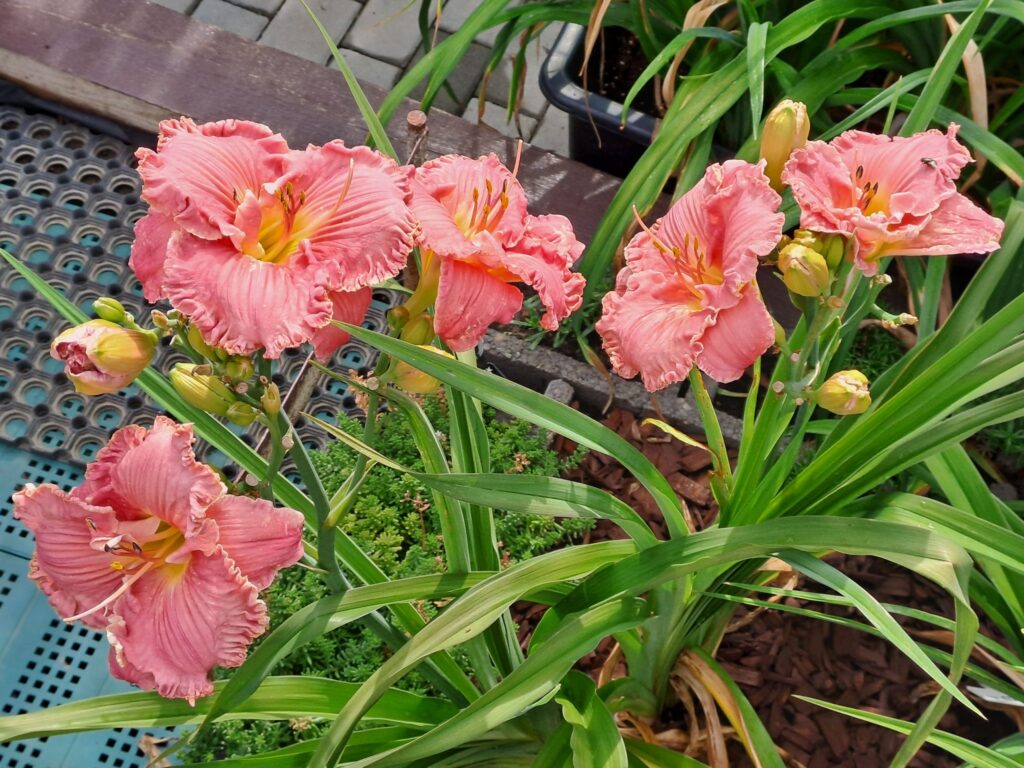
Each daylily flower lasts only a day. Even so, a healthy clump produces new blooms for weeks. The name fits the plant perfectly.
Daylilies grow in zones 3–10 and tolerate almost any soil. They prefer sun but accept some shade.
If you want a flower that survives neglect, this is it. Few perennials are tougher.
ALSO READ: 35 Stunning Flowers That Bloom in Summer (From June to September)
16. Perennial Salvia (Salvia nemorosa)
Perennial salvia produces tall spikes of blue, purple, pink, or white flowers. Bees adore them, and deer usually ignore them.
It grows in zones 4–9 and needs full sun with well-drained soil.
Cut the plants back after the first flush of bloom. Often, a second round of flowers follows.
17. Yarrow (Achillea millefolium)
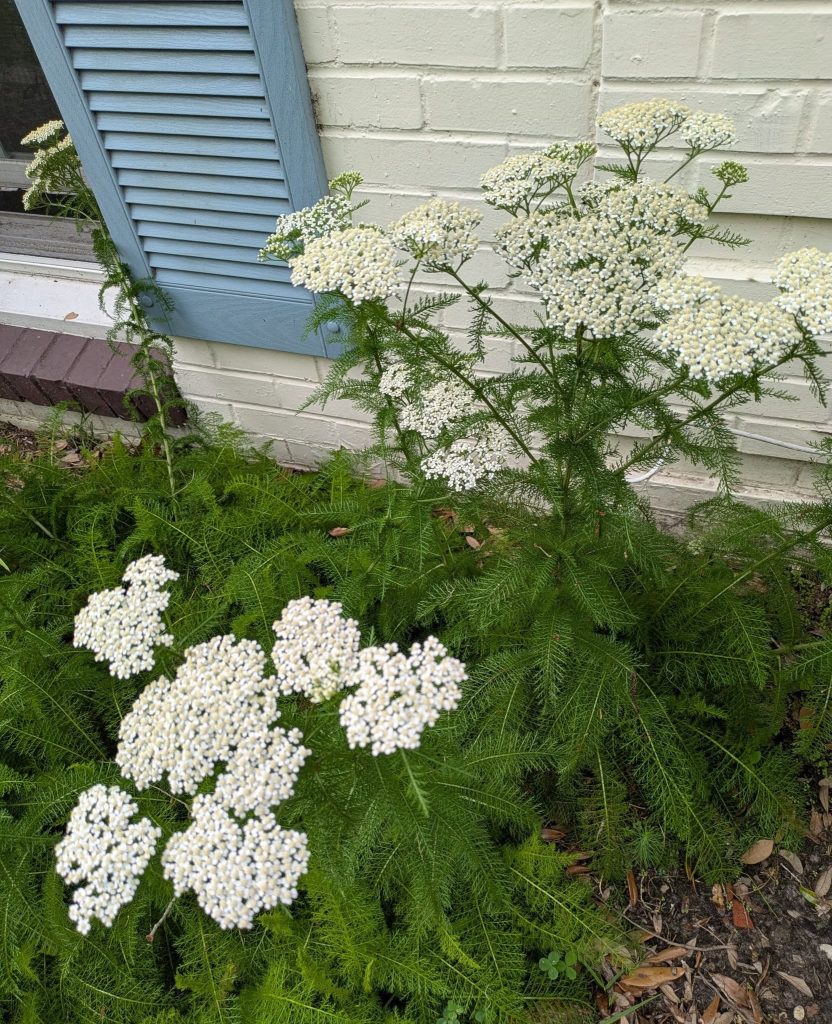
Yarrow has flat flower clusters above feathery, fern-like leaves. Colors include yellow, red, pink, and white. It is also excellent for dried bouquets.
It thrives in zones 3–9 and loves full sun. Poor, dry soil is perfectly fine.
Be aware that yarrow can spread. Divide it every few years to keep it in check.
18. Coreopsis (Coreopsis)
Coreopsis, also called tickseed, covers itself with cheerful yellow, gold, or pink flowers. It blooms for a very long time.
It grows in zones 3–9 in full sun. Thread-leaf varieties, such as ‘Moonbeam’, are especially popular.
Deadhead the faded flowers regularly. This encourages more blooms all summer.
19. Garden Phlox (Phlox paniculata)
Garden phlox forms large, fragrant clusters in pink, white, lavender, and red. It brings height and perfume to summer borders.
It is hardy in zones 4–8 and prefers sun, rich soil, and good air circulation.
Powdery mildew can be a problem. Look for mildew-resistant varieties and space the plants well.
20. Bee Balm (Monarda)
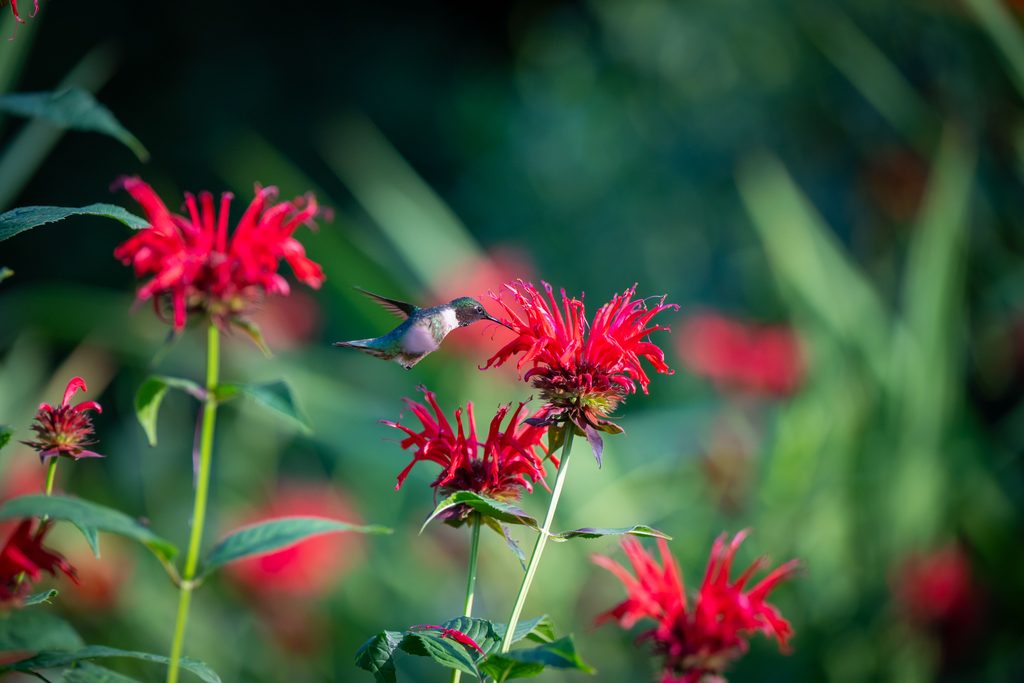
Bee balm has shaggy, colorful flowers in red, pink, and purple. As the name suggests, bees love it. Hummingbirds and butterflies do too.
It grows in zones 4–9 and prefers sun to part shade with moist soil.
Good airflow helps prevent mildew. Thin crowded stems in spring for healthier plants.
21. Shasta Daisy (Leucanthemum × superbum)
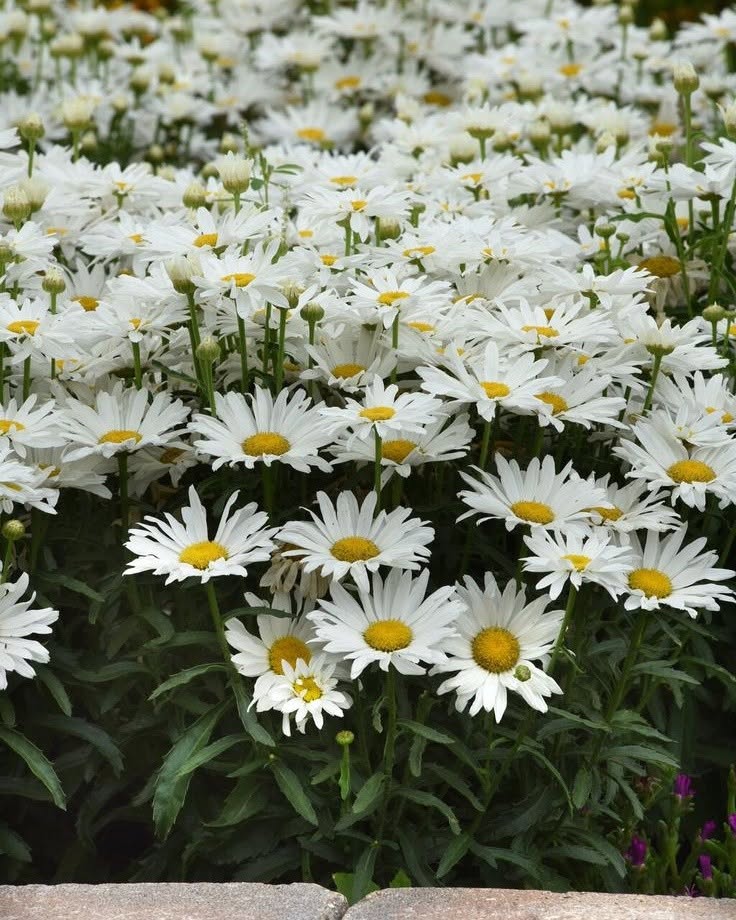
Shasta daisies are the classic white daisy with a golden center. They look fresh in borders and make lovely cut flowers.
They thrive in zones 5–9 and need full sun and well-drained soil.
Divide clumps every two to three years. Otherwise, the centers may weaken.
22. Catmint (Nepeta)
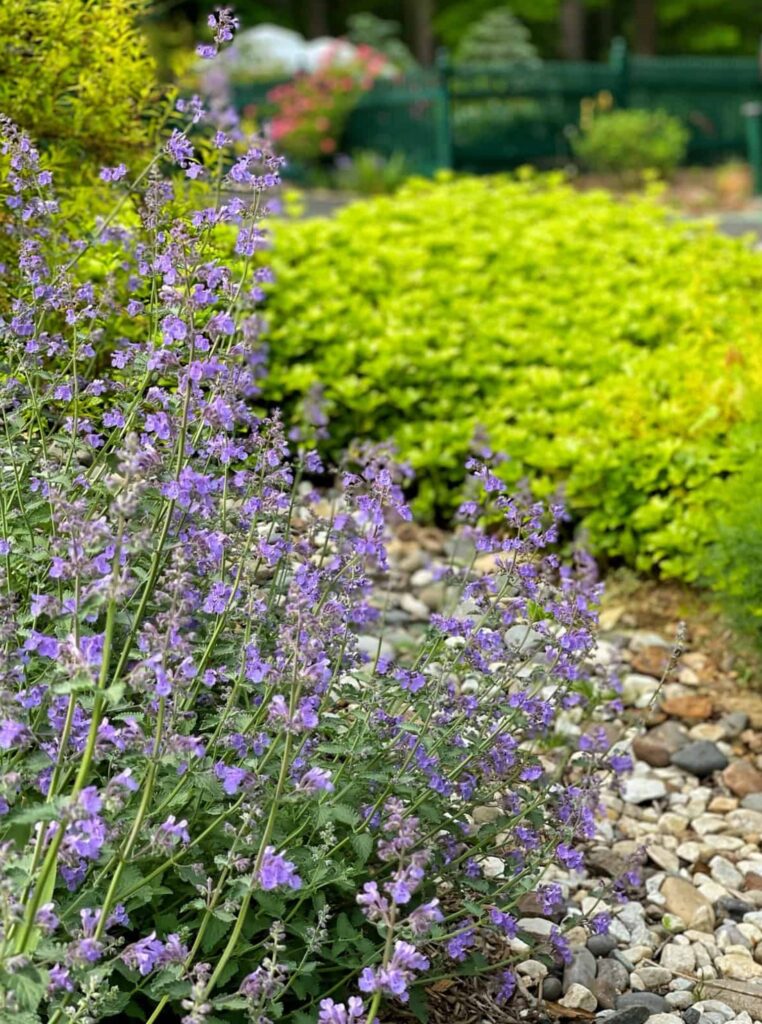
Catmint forms soft mounds of gray-green leaves topped with lavender-blue flowers. It looks like lavender but is far easier to grow in humid areas.
It is hardy in zones 3–8 and likes full sun. It tolerates heat and drought well.
Shear the plant after the first bloom. You will be rewarded with a fresh flush later in summer.
23. Russian Sage (Salvia yangii)
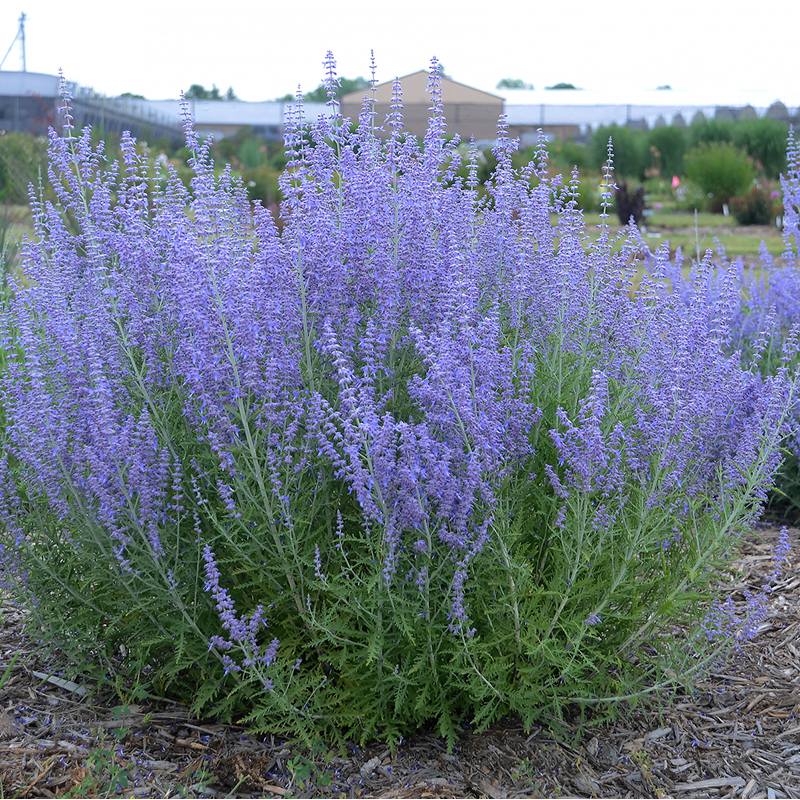
Russian sage creates a hazy cloud of silvery stems and violet-blue flowers. The foliage has a pleasant, sage-like scent.
It grows in zones 4–9 and demands full sun. Wet soil is its enemy.
It pairs beautifully with coneflowers and ornamental grasses. Pollinators visit it from midsummer to fall.
ALSO READ: 40 Perennial Flowers That Bloom All Summer (With Pictures, and Care Tips)
24. Delphinium (Delphinium)
Delphiniums send up dramatic spires of blue, purple, white, or pink. Few flowers match their vertical drama.
They grow in zones 3–7 and prefer cool summers, rich soil, and full sun.
Staking is usually necessary, because wind can snap the tall stems. Plant them in a sheltered spot.
25. Lupine (Lupinus)
Lupines produce tall, colorful flower spikes in shades of blue, pink, yellow, and white. Their star-shaped leaves are also attractive.
They grow in zones 4–8 and prefer cool climates with well-drained, slightly acidic soil.
Lupines dislike being moved. Choose the right spot from the start.
26. Blanket Flower (Gaillardia)
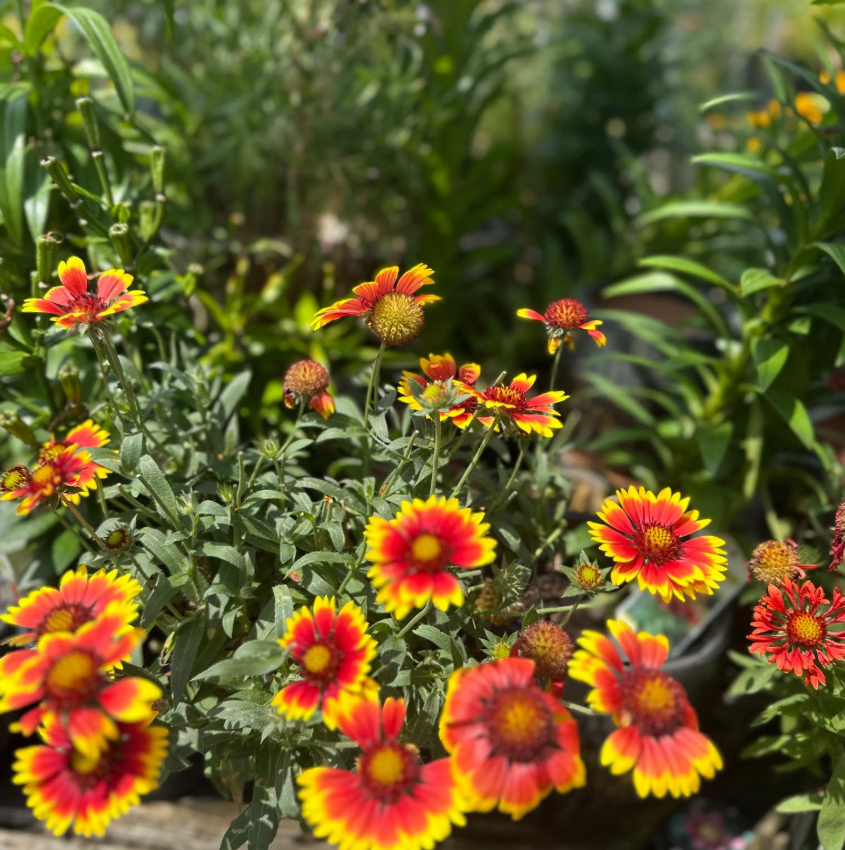
Blanket flower blooms in fiery red, orange, and yellow. The petals resemble a woven blanket, and the plant flowers nonstop in heat.
It is hardy in zones 3–10 and loves full sun. It handles drought and poor soil very well.
Avoid overwatering and heavy feeding. Too much care can shorten its life.
27. Hardy Geranium (Geranium)
Hardy geraniums, or cranesbills, are not the same as common pot geraniums. They form tidy mounds of lobed leaves with delicate five-petaled flowers.
Most types grow in zones 4–8 in sun or part shade.
They bloom for weeks and need little maintenance. I often recommend them to beginners.
28. Balloon Flower (Platycodon grandiflorus)
Balloon flower gets its name from its puffy buds. The buds pop open into star-shaped blue, white, or pink blooms.
It grows in zones 3–8 and prefers sun to light shade with well-drained soil.
This plant emerges late in spring. Mark its location so you do not dig it up by mistake.
29. Blazing Star (Liatris spicata)
Blazing star sends up tall, feathery purple spikes. Unusually, the flowers open from the top down.
It thrives in zones 3–9 in full sun. It grows well in average to moist soil.
Monarch butterflies and bees visit it often. It is also a strong choice for cut flowers.
30. Asiatic Lily (Lilium)
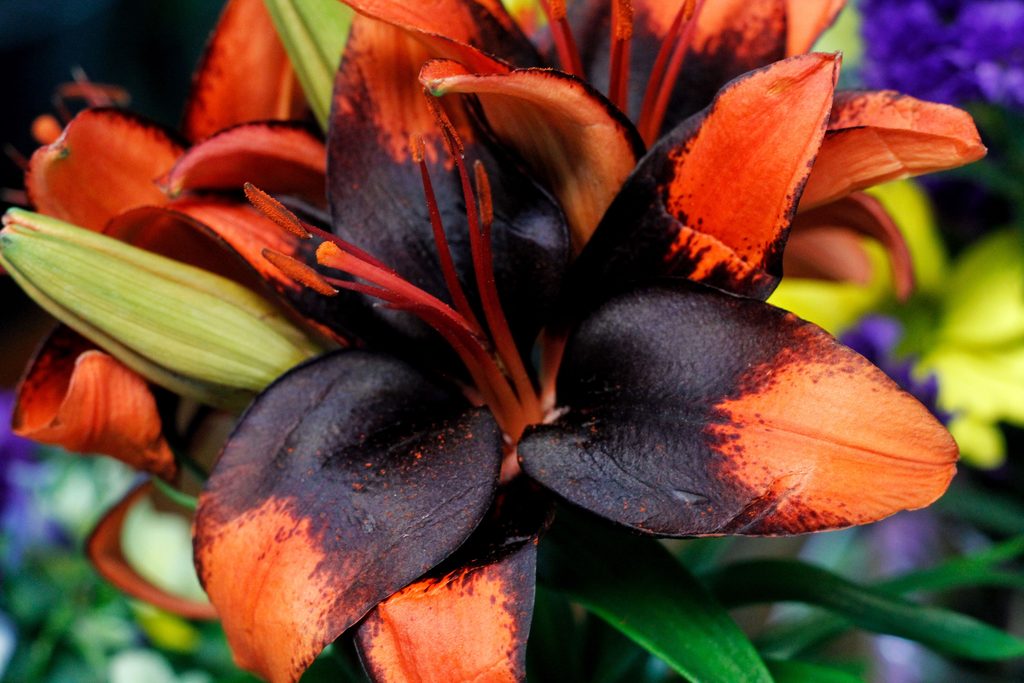
Asiatic lilies offer bold, upward-facing blooms in bright shades of orange, yellow, pink, and red. They bloom early in the lily season.
They grow in zones 3–9 and need full sun. Plant the bulbs in well-drained soil.
Note that lilies are highly toxic to cats. Plant them carefully if you have pets.
31. Ornamental Allium (Allium)
Allium produces round, purple globes that look like fireworks. They stand tall above other plants in late spring and early summer.
They are hardy in zones 3–9 and want full sun. Plant the bulbs in autumn.
Deer and rodents generally avoid them. Even dried seed heads remain attractive.
32. Lavender (Lavandula angustifolia)
Lavender is loved for its scent and its silvery foliage. The purple flower spikes also attract bees and butterflies.
English lavender grows in zones 5–9. It demands full sun and excellent drainage.
Prune lightly after flowering. Never cut into old, bare wood, because it may not regrow.
Fall-Blooming and Shade-Loving Perennials
When summer fades, these plants carry the garden forward. Some also thrive in the shadiest corners.
33. Sedum (Hylotelephium)
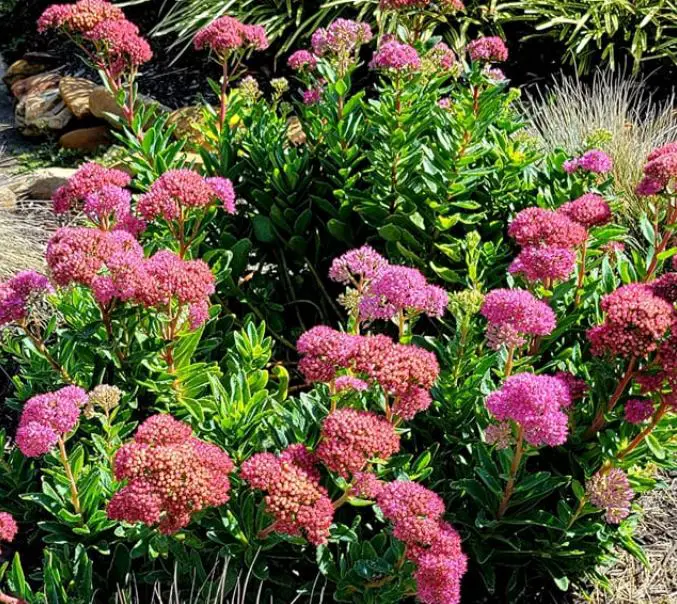
Tall sedums, such as ‘Autumn Joy‘, have thick, fleshy leaves and broad flower heads. The blooms start pink and deepen to rusty red in fall.
They grow in zones 3–9 and prefer full sun. Poor, dry soil suits them.
They store water in their leaves, so they handle drought easily. Late-season pollinators depend on them.
34. Aster (Symphyotrichum)
Asters bring purple, pink, and blue daisies to the autumn garden. Their timing is perfect, because little else blooms then.
They are hardy in zones 3–8 and need full sun. Moderate moisture keeps them healthy.
Pinch the stems in early summer. This creates sturdier, bushier plants with more flowers.
35. Japanese Anemone (Anemone × hybrida)
Japanese anemone has graceful, wiry stems topped with pink or white flowers. They sway in autumn breezes and look wonderfully natural.
It grows in zones 4–8 in part shade with moist, rich soil.
It can take a year or two to settle in. Be patient, because the display is worth the wait.
ALSO READ: 35 Cold Hardy Perennial Flowers (With Growing Details)
36. Hardy Hibiscus (Hibiscus moscheutos)
Hardy hibiscus produces enormous, dinner-plate-sized flowers in red, pink, and white. The tropical look surprises many visitors.
It thrives in zones 4–9 with full sun and plenty of water.
This plant wakes up late in spring. Do not assume it has died. New shoots often appear in late May.
37. Hardy Chrysanthemum (Chrysanthemum)
Garden mums offer a rich palette of gold, bronze, red, and purple in autumn. They are a classic seasonal favorite.
Hardy types grow in zones 5–9 in full sun. Good drainage is critical in winter.
Plant them in spring for the best chance of survival. Mums bought in autumn often struggle to establish before frost.
38. Hosta (Hosta)
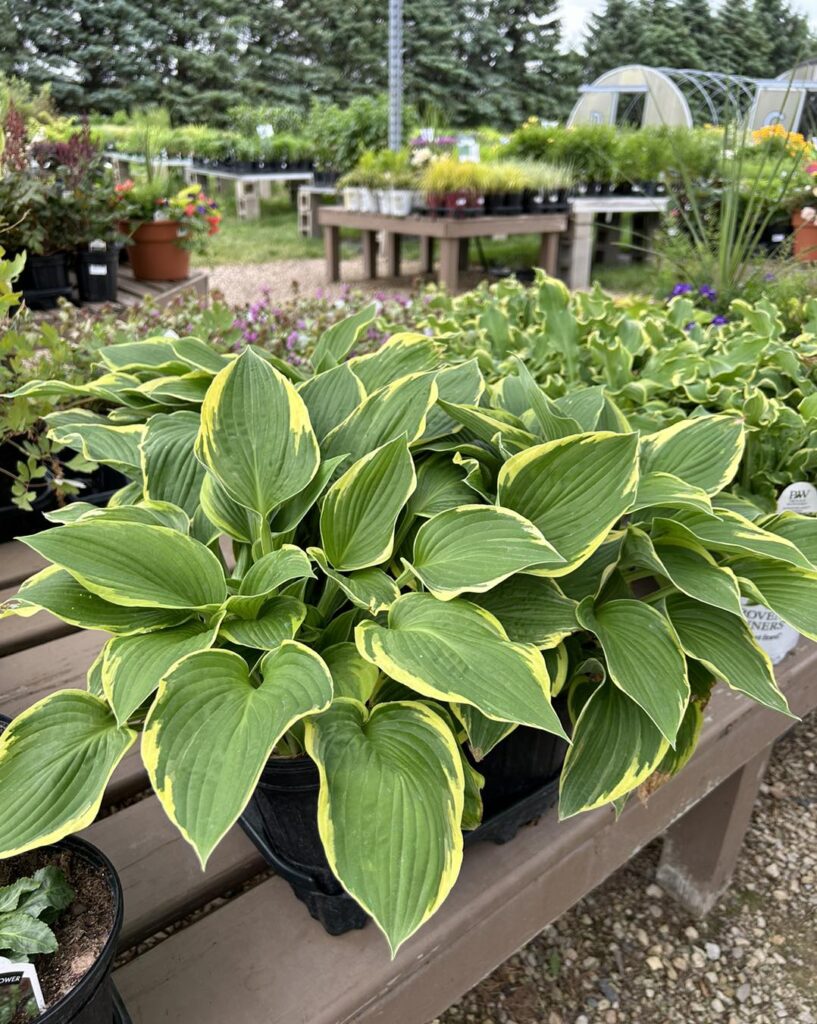
Hostas are grown mainly for their lush leaves, which come in green, blue, gold, and variegated forms. They also send up lavender or white flower spikes.
They are hardy in zones 3–9 and thrive in shade. They are among the most popular shade plants.
Slugs and deer love them, unfortunately. Keep a close eye on new growth in spring.
39. Astilbe (Astilbe)
Astilbe produces feathery plumes in pink, red, white, and lavender. The fern-like leaves look good even when the plant is not in bloom.
It grows in zones 3–9 and likes partial shade with consistently moist soil.
Dry soil causes the leaves to scorch. Mulch generously to hold moisture.
40. Turtlehead (Chelone)
Turtlehead is a lesser-known gem. Its pink or white flowers look like the head of a turtle. It blooms when other plants are finished.
It grows in zones 3–8 and tolerates part shade. Moist soil is its preference.
It does well in rain gardens and low spots. Butterflies, especially the Baltimore checkerspot, visit it.
Simple Tips for Keeping Perennials Coming Back
Planting well matters more than fussing later. A few habits will help your flowers return strongly each year.
- Match the plant to your zone. Check hardiness before you buy.
- Improve the soil. Add compost before planting.
- Water deeply while plants establish. Roots need time to settle.
- Mulch in autumn. It protects roots from winter cold.
- Divide crowded clumps. Do this every few years.
University of Maryland Extension notes that deadheading, which means removing spent flowers, can encourage more blooms in some species. It is a small task with a large reward.
Final Thoughts
Perennial flowers reward patience. In the first year, they build roots. In the second, they grow stronger. By the third year, many put on a spectacular show.
You do not need all 40 plants. Start with five or six that suit your zone and light. Choose a mix of bloom times so there is always something flowering.
I find there is real joy in seeing familiar shoots push through the soil each spring. These flowers feel like old friends returning.
References
- U.S. Department of Agriculture, Agricultural Research Service. “USDA Unveils Updated Plant Hardiness Zone Map.” https://www.ars.usda.gov/news-events/news/research-news/2023/usda-unveils-updated-plant-hardiness-zone-map/
- U.S. Department of Agriculture. “USDA Plant Hardiness Zone Map.” https://planthardiness.ars.usda.gov/
- University of Minnesota Extension. “Flowers for outdoor landscapes.” https://extension.umn.edu/node/1076
- University of Maryland Extension. “Perennials.” https://extension.umd.edu/RESOURCE/PERENNIALS
- Iowa State University Extension and Outreach. “Easy to Grow Perennials.” https://yardandgarden.extension.iastate.edu/how-to/easy-grow-perennials
- University of Illinois Extension. “Growing Irises: How to Plant, Grow and Care for Iris.” https://extension.illinois.edu/blogs/prairies-perennials/2020-05-28-growing-irises-how-plant-grow-and-care-iris
- Kansas State University. “New 2023 USDA Plant Hardiness Zone Map Released.” https://www.k-state.edu/news/turf/articles/2023/12/new-2023-usda-plant-hardiness-zone-map-released.html

Tim M Dave is a gardening expert with a passion for houseplants, particularly cacti and succulents. With a degree in plant biology from the University of California, Berkeley, he has vast experience in gardening. Over the years, he has cultivated a vast collection of desert plants and learned a great deal about how to grow and care for these unique companions.