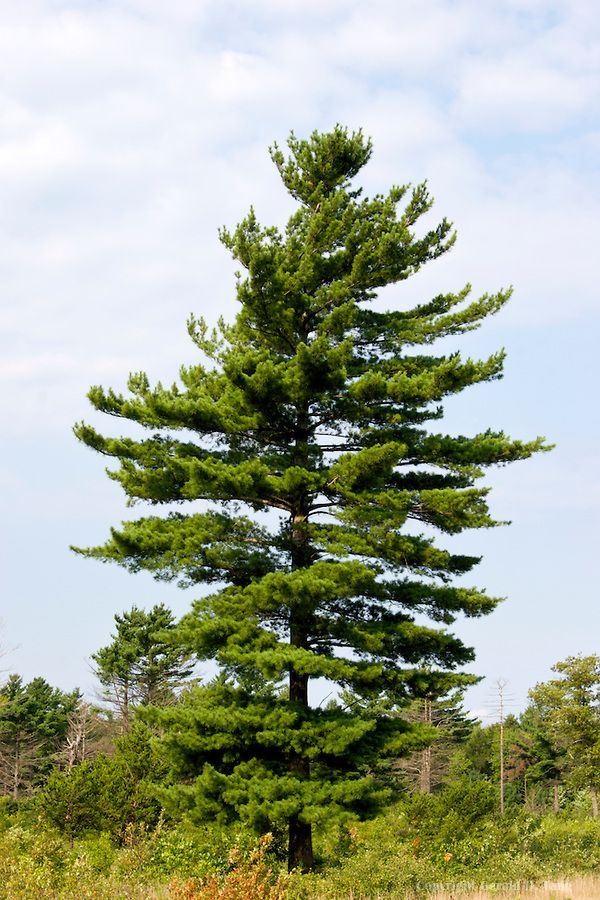
30 Beautiful Trees That Bloom in Spring (Identification, With Pictures)
Every spring, I find myself stopping on the pavement to look up. A tree that looked bare last week is suddenly covered in color. It never gets old.
If you are searching for trees that bloom in spring, you probably want the same feeling. You may need a showpiece for your garden, a street tree for your neighborhood, or ideas for a spring outing. This guide covers all three.
Below are 30 spring-flowering trees, with details on color, the bloom time, and the growing conditions.
Why Spring-Blooming Trees Matter
Spring blossoms do more than look nice. Early flowers feed bees and other pollinators when little else is in bloom. Many of these trees also produce berries or seeds that support birds later in the year.
Bloom timing can also tell us about the weather. In Washington, D.C., the National Park Service defines peak bloom as the day when 70% of the Yoshino cherry blossoms are open. The U.S. Environmental Protection Agency reports that, across 104 years of records, the average peak bloom date is April 3.
The same agency notes that peak bloom has trended earlier since the 1920s. Warm winters and early springs push buds open sooner. That is a useful reminder: bloom dates in this guide are guides, not promises.
30 Beautiful Trees That Bloom in Spring
1. Yoshino Cherry (Prunus × yedoensis)
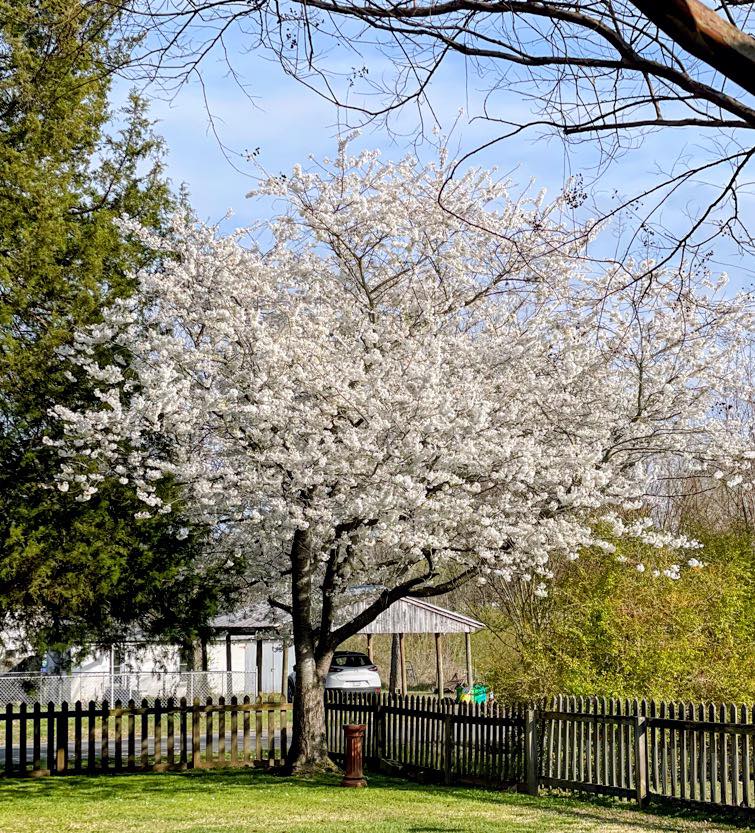
The Yoshino cherry is the star of Washington’s Tidal Basin. Its pale pink to white blossoms open before the leaves appear. The effect is soft, airy and a little dreamlike.
The National Park Service cares for about 3,800 cherry trees on the National Mall, and Yoshino trees make up roughly 70% of them. The first gift of 3,020 trees from Japan arrived in 1912. Some of the original trees still stand.
Yoshino cherries grow well in zones 5 to 8, in full sun and well-drained soil. Expect blossoms to last only about a week or two. Wind and rain can shorten the show quickly.
2. Kwanzan Cherry (Prunus serrulata ‘Kwanzan’)
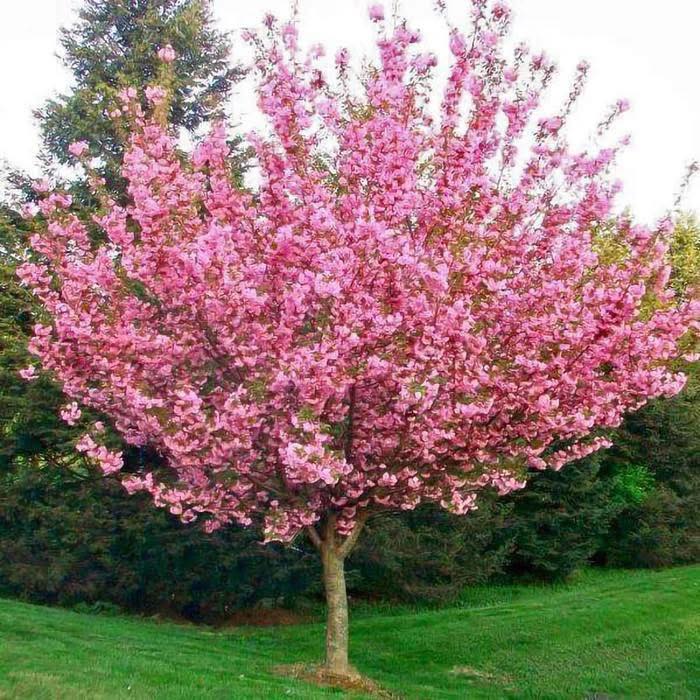
Kwanzan cherry trees bring bold, double pink flowers in thick clusters. They look almost like pompoms along the branches. I find them more dramatic than the Yoshino.
They bloom later, about 10 to 14 days after the Yoshino, according to National Park Service materials. That makes them a good choice if you want to extend the cherry season.
Plan for a vase-shaped tree of 25 to 30 feet. It grows best in zones 5 to 8 with full sun. Water young trees during dry spells to help them settle in.
3. Weeping Cherry (Prunus subhirtella ‘Pendula’)
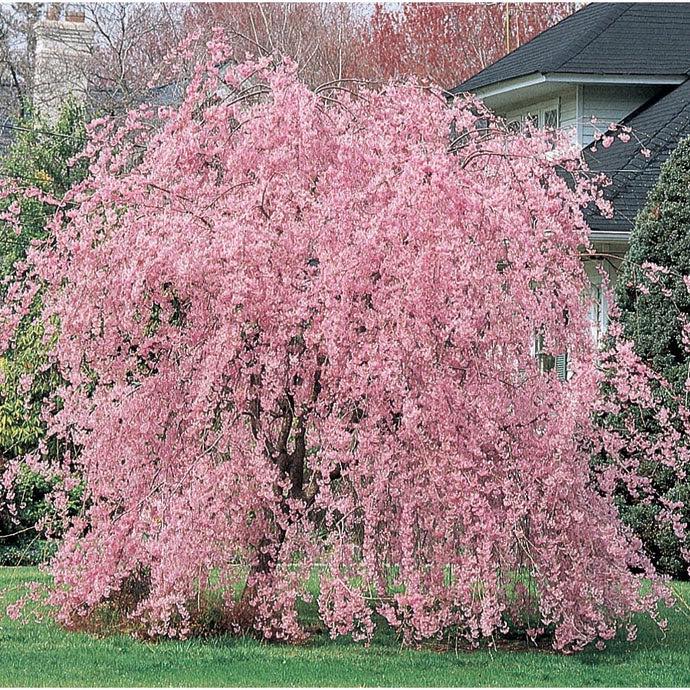
The weeping cherry has graceful, drooping branches covered in light pink blossoms. It looks like a living fountain. Many gardeners use it as a single focal point.
It flowers in early to mid spring, often a little before other cherries. The shape is the main attraction, so give it room. A weeping cherry looks best with open space around it.
This tree does well in zones 5 to 8. Choose a spot with full sun and drainage. Avoid heavy, wet soil, because roots rot easily in standing water.
4. Eastern Redbud (Cercis canadensis)

The eastern redbud is a native North American favorite. Tiny magenta-pink flowers appear along bare branches and even on the trunk. Few trees look so bold in early spring.
University of Florida extension sources list it as hardy in zones 4B to 9A. It usually reaches 20 to 30 feet. It is also the state tree of Oklahoma.
Redbuds prefer part shade in hot climates. Prune young trees to build a strong structure, because the branches can break in storms. White and purple-leaved varieties are also available.
5. Flowering Dogwood (Cornus florida)
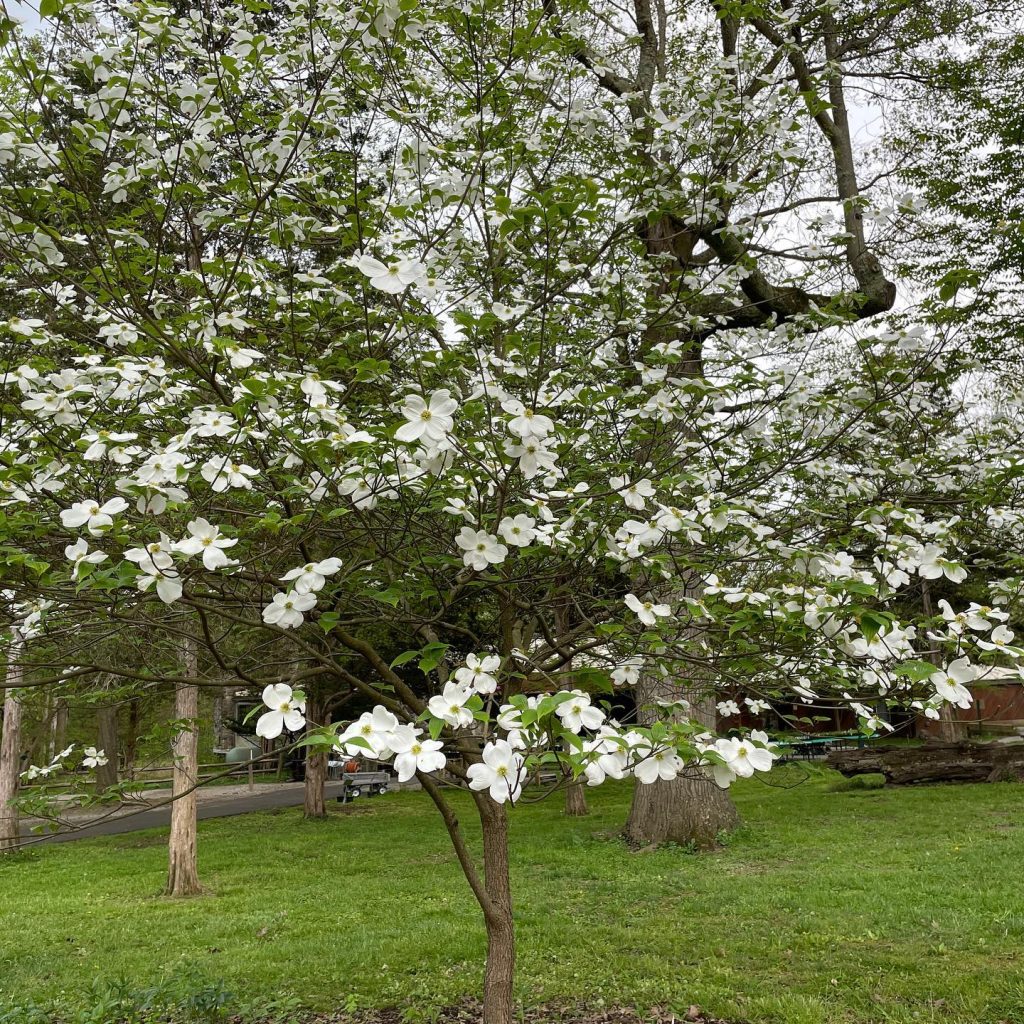
Flowering dogwood is a true herald of spring in the eastern United States. The showy “petals” are actually bracts, which are modified leaves around small true flowers. They are white, pink or sometimes red.
North Carolina made the dogwood its state flower in 1941. It is a small understory tree, so it enjoys partial shade and moist, well-drained soil. It grows in zones 5 to 9.
I should be honest: this tree can be tricky. It dislikes drought and can suffer from anthracnose. Plant it in a sheltered spot and mulch well to improve your chances.
6. Kousa Dogwood (Cornus kousa)
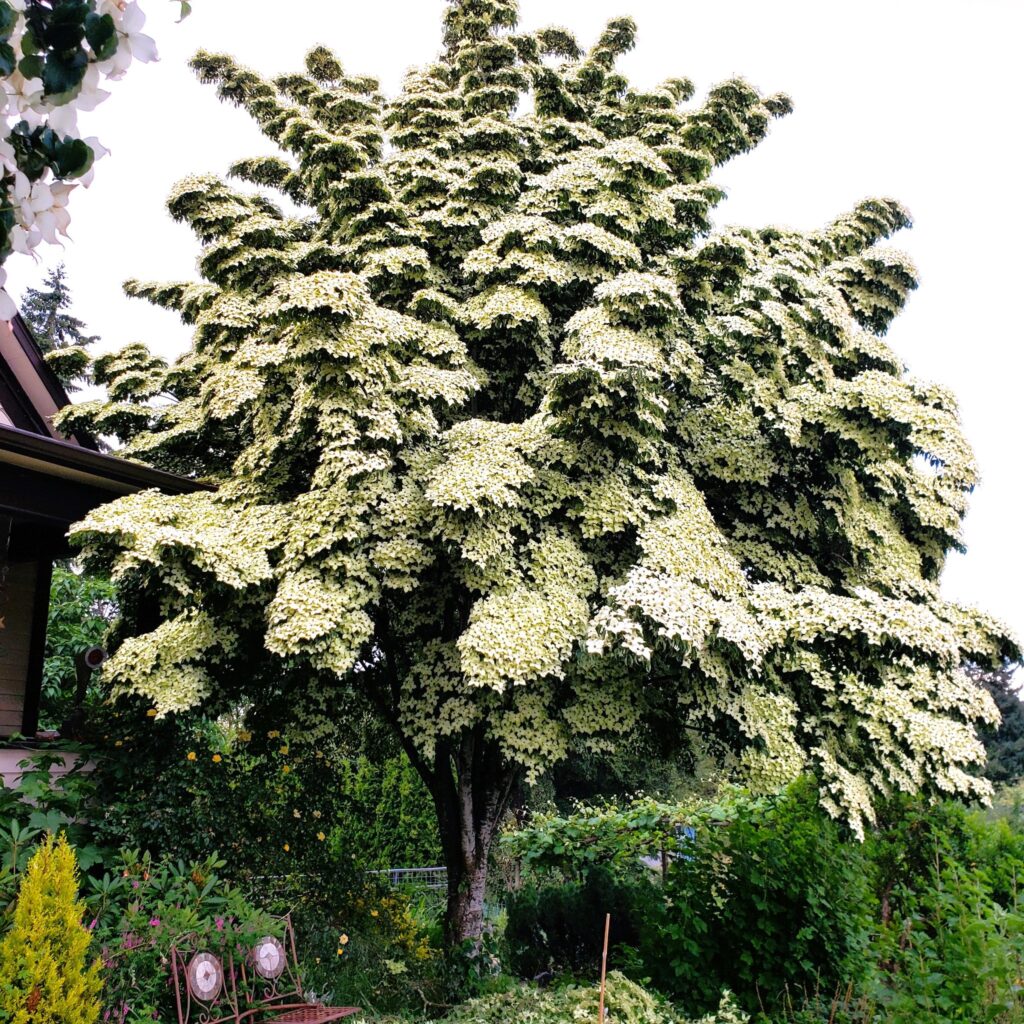
Kousa dogwood is the tougher Asian cousin of the native dogwood. Its pointed white bracts appear in late spring, after the leaves have opened. The flowers sit on top of the branches like stars.
North Carolina State Extension notes that kousa is more resistant to drought, cold and disease than flowering dogwood. That makes it a safer choice for many home gardens.
It also produces raspberry-like fruit and attractive peeling bark. Zones 5 to 8 suit it well. It blooms later, so it extends your dogwood season.
7. Saucer Magnolia (Magnolia × soulangeana)

Saucer magnolia is one of the most common flowering trees in many regions. Its large, goblet-shaped flowers range from white to deep pink and purple. They appear before the leaves.
University extension guides describe it as a tree of about 20 to 25 feet. It grows well in zones 5 to 9. The silver-gray bark also adds winter interest.
There is one catch. Early flowers are easily damaged by late frost, turning brown and limp. Plant it where it gets afternoon shade, which can delay bloom slightly.
Read more on: 11 Common Saucer Magnolia Problems: Why Your Tree Is Struggling and What You Can Do About It
8. Star Magnolia (Magnolia stellata)

Star magnolia is smaller and slightly earlier than the saucer type. Its white, star-shaped flowers have many narrow petals. They are fragrant and appear on bare branches.
It usually stays under 20 feet, so it fits small yards. It grows in zones 4 to 8. I like it near a patio, where you can enjoy the scent.
Because it blooms so early, frost can spoil the display. Choose a protected spot away from cold winds. Plant it in rich, slightly acidic soil.
9. Sweetbay Magnolia (Magnolia virginiana)
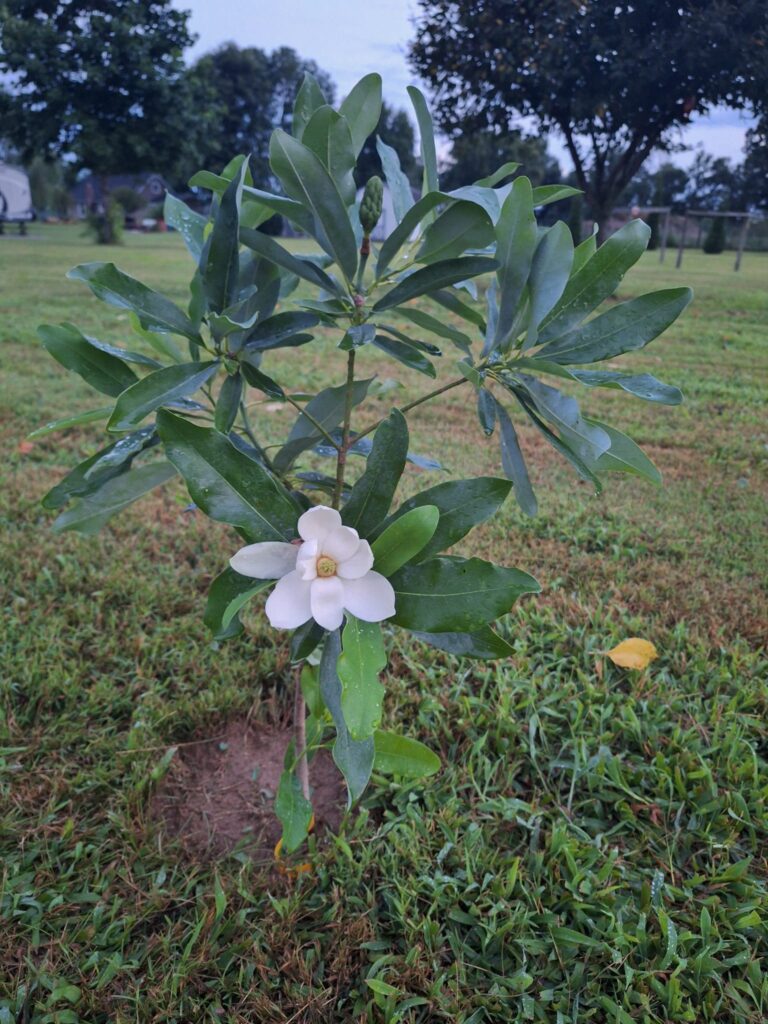
Sweetbay magnolia has creamy white, lemon-scented flowers that are smaller than other magnolias. They appear in late spring and can continue into early summer. The leaves have a silvery underside.
It is native to the eastern United States and often grows near wet areas. In warm regions it stays partly evergreen. It grows in zones 5 to 10.
This tree handles moist and even wet soil better than most. It makes a fine choice for rain gardens. Give it full sun or light shade.
10. Flowering Crabapple (Malus species)

Crabapples cover themselves in pink, red or white blossoms in mid spring. Buds are often deeper in color than the open flowers. The result is a two-tone effect that lasts for days.
They are hardy in zones 4 to 8 and stay compact, usually 15 to 25 feet. Small fruits ripen later and feed birds through winter.
Disease resistance varies widely between varieties. Always choose a cultivar rated resistant to scab and fire blight. Ask your local nursery for suggestions.
11. Serviceberry (Amelanchier species)

Serviceberry is a small native tree with delicate white flowers in early spring. They appear while the branches are still mostly bare. The blooms are followed by edible berries.
It is also known as shadbush or juneberry. Many species grow across a wide range, from cold northern areas to warmer southern ones. It is one of the most adaptable trees on this list.
Birds love the fruit, and so do people. Expect good fall color too. Plant it in full sun to part shade for the best flowering.
12. Fringe Tree (Chionanthus virginicus)

Fringe tree has an unusual look. Its flowers hang in long, wispy white clusters that resemble fringe. They appear in late spring, after most other trees have bloomed.
It is a native tree for zones 3 to 9. The tree grows slowly and often stays below 20 feet. Be patient, because it takes time to mature but rewards you.
Male and female trees are separate. Female trees can produce dark blue fruit. Plant it in full sun or part shade with moist soil.
13. Carolina Silverbell (Halesia carolina)
Carolina silverbell produces white, bell-shaped flowers that dangle in small groups along the branches. They open in mid to late spring. A mature tree can look like it is covered in snowdrops.
It is native to the southeastern United States and grows in zones 4 to 8. It is happiest in part shade with moist, acidic soil.
I recommend it for woodland gardens. Look up into the canopy, because the flowers hang low and are best seen from beneath.
14. Cornelian Cherry (Cornus mas)
Cornelian cherry is a true early bird. Small yellow flowers open in late winter or very early spring, often before any other tree. They bring a welcome glow on cold days.
Unlike many flowering trees, it is tough and adaptable. It grows in zones 4 to 8. In summer it produces small, tart red fruit.
The fruit can be used in jams and syrups. This is a great choice if you want early color and a useful harvest. Full sun is best.
15. Flowering Peach (Prunus persica)
Ornamental peach trees offer bright pink or red blossoms in early spring. Some varieties have double flowers that look like tiny roses. They are bright and cheerful.
These trees grow in zones 5 to 8 and prefer full sun. They are often grown for flowers rather than fruit. Fruit from ornamental forms is usually small and not tasty.
Peaches need good drainage and regular pruning. A late frost can destroy the blossoms, so choose a spot with good air flow to reduce risk.
16. Apple (Malus domestica)
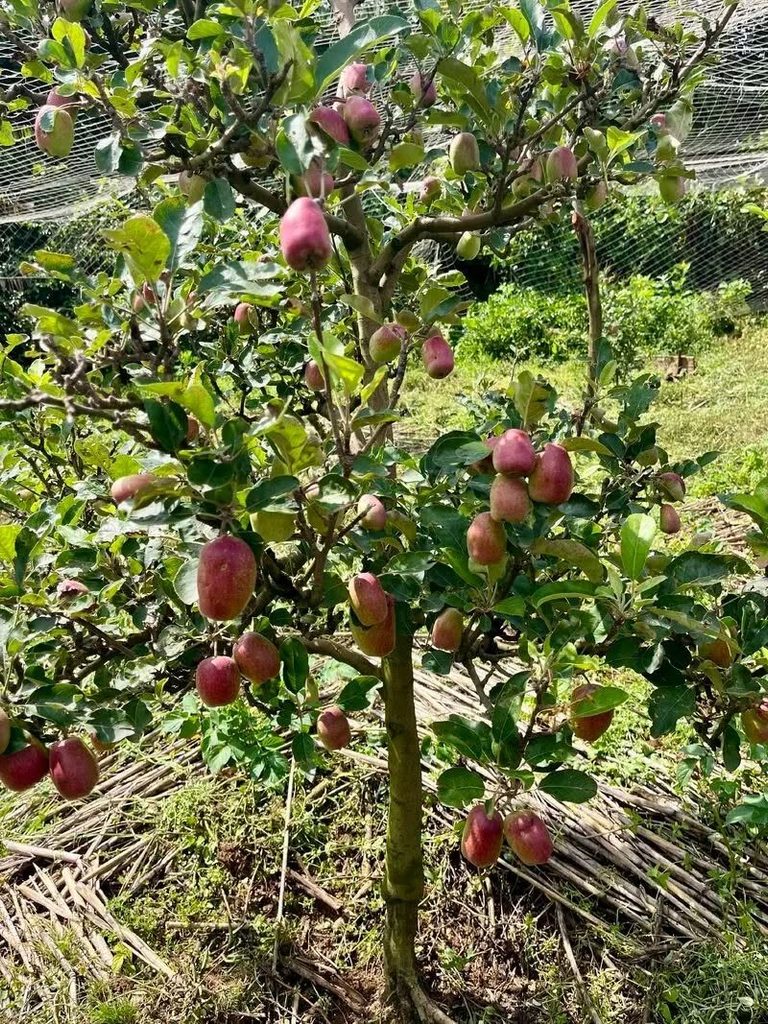
Apple blossoms are a classic sign of spring. The buds are pink, and the open flowers are white with a gentle blush. They are lightly fragrant and loved by bees.
Apple trees grow in many climates, usually zones 3 to 8 depending on the variety. They bloom in mid spring. A single tree can serve as both an ornamental and a fruit producer.
Most apples need a second variety nearby for pollination. Check pollination needs before you buy. Dwarf varieties suit small gardens.
17. Callery Pear (Pyrus calleryana)
Callery pear, including the popular ‘Bradford’ type, covers itself in bright white flowers in early spring. From a distance, it looks like a snow-covered tree. Many cities planted it for this reason.
I must add a caution here. This tree has become invasive in parts of the United States, and several states have restricted its sale. Its branches also split in storms.
If you love the look, choose a native alternative such as serviceberry or fringe tree. Check local rules before planting any pear. Responsible choice matters more than quick beauty.
18. Purple-Leaf Plum (Prunus cerasifera)
Purple-leaf plum has pale pink flowers that open in early spring, just as the dark purple leaves appear. The contrast is striking. It is a popular small tree in suburban gardens.
It grows in zones 4 to 8 and reaches about 15 to 25 feet. It likes full sun, which also keeps the leaf color rich.
The tree can be short-lived and prone to pests. Keep it healthy with good air flow and regular pruning. Fruit is small and may attract wildlife.
19. Japanese Apricot (Prunus mume)
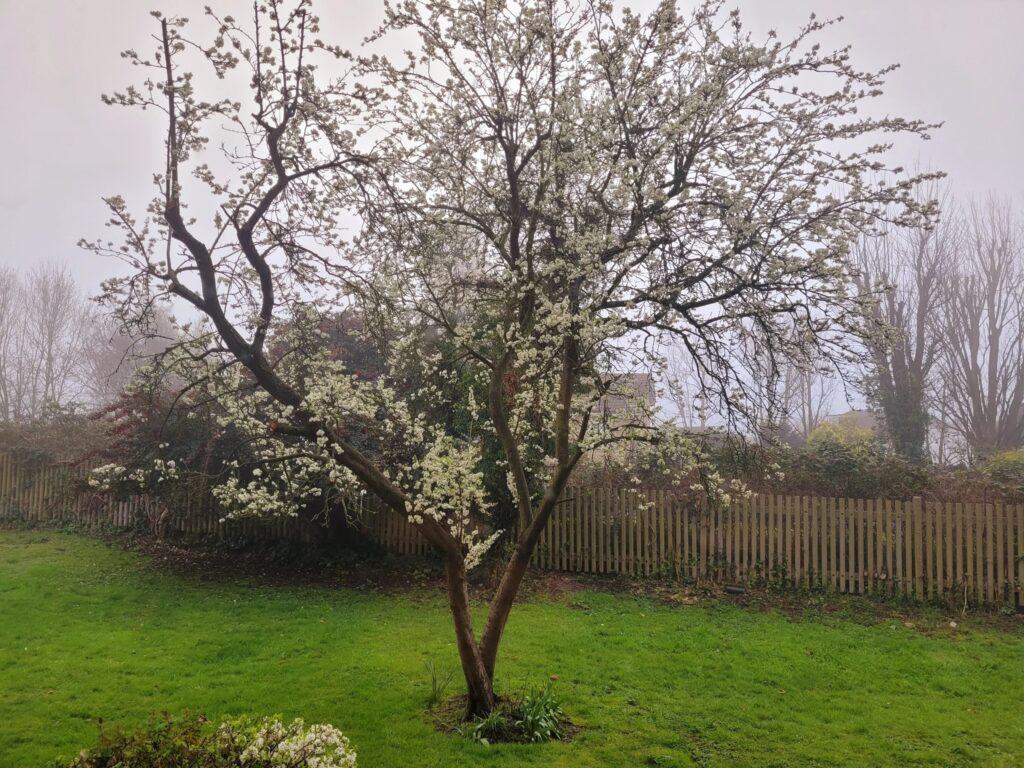
Japanese apricot, or ume, is loved across East Asia. Its fragrant pink, white or red flowers open in late winter to early spring. In some regions they appear while snow is still on the ground.
The tree suits zones 6 to 9 and prefers full sun. It stays small, often under 20 feet. The perfume is its greatest gift.
In Japan and China, the fruit is used for pickles and drinks. If you want scent along with beauty, this tree delivers. Protect it from harsh winter winds.
20. Flowering Almond Tree (Prunus dulcis)
Almond trees bloom very early, often in late winter or early spring. The blossoms are white to pale pink and look much like peach flowers. Orchards in warm regions become clouds of blossom.
They grow best in zones 7 to 9 with long, hot summers. In colder regions, early flowers face a high risk of frost damage.
If you live in a mild area, almonds can be both pretty and productive. For cold regions, a flowering cherry may be a safer option.
21. Hawthorn (Crataegus species)
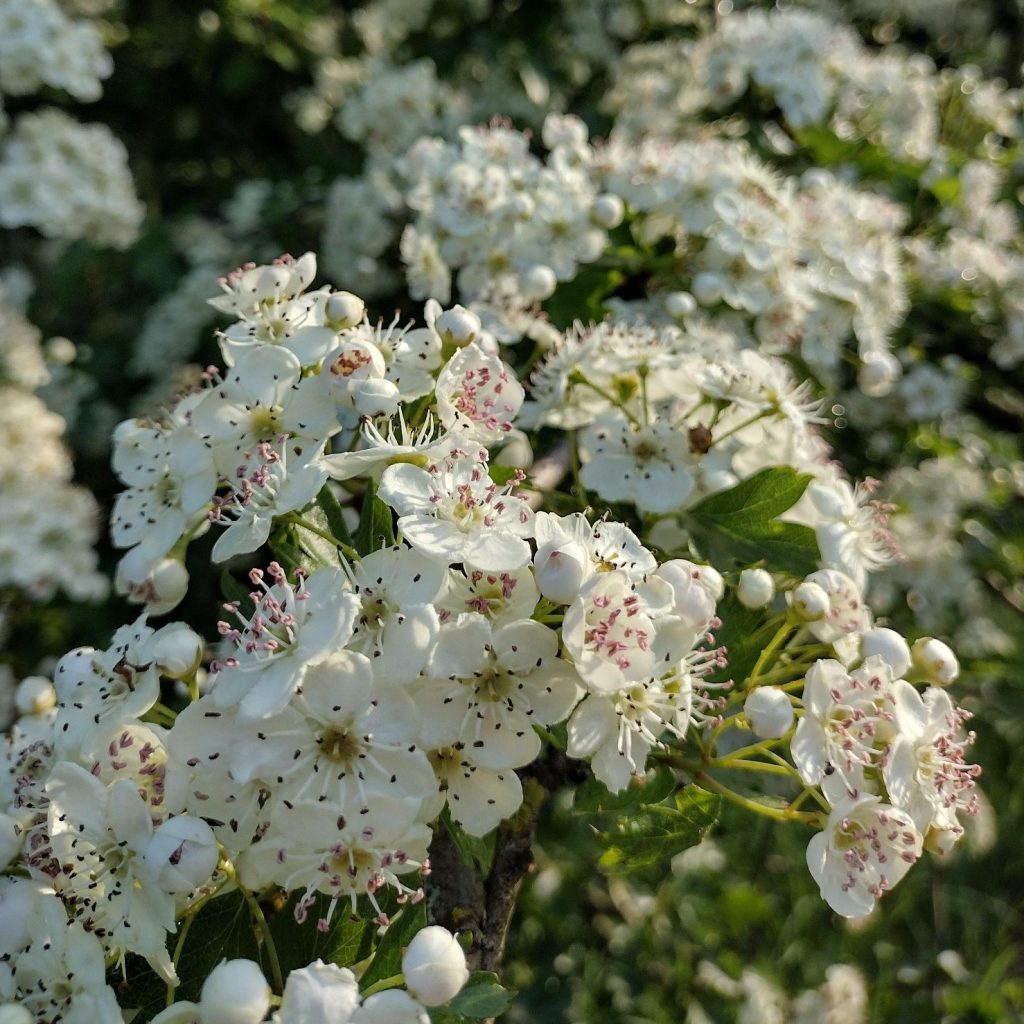
Hawthorn trees bloom in mid to late spring with clusters of white or pink flowers. Many species are tough and widely adapted. Red berries follow in autumn and feed birds.
Most hawthorns grow in zones 4 to 7. They are sturdy and tolerate poor soil. Some are used as street trees or in hedges.
Be careful of the sharp thorns. Place the tree away from paths and play areas. The flowers have a strong smell that some people find unpleasant.
22. Horse Chestnut (Aesculus hippocastanum)
Horse chestnut is a large, majestic tree with upright candle-like flower spikes. White flowers with pink or yellow marks appear in mid to late spring. The effect is grand and traditional.
It grows in zones 3 to 7 and can become very big. It needs room. This is a tree for parks and large gardens, not small yards.
The shiny brown seeds, called conkers, are poisonous if eaten. Keep that in mind if you have children or pets. Water it during dry summers.
23. Red Buckeye (Aesculus pavia)
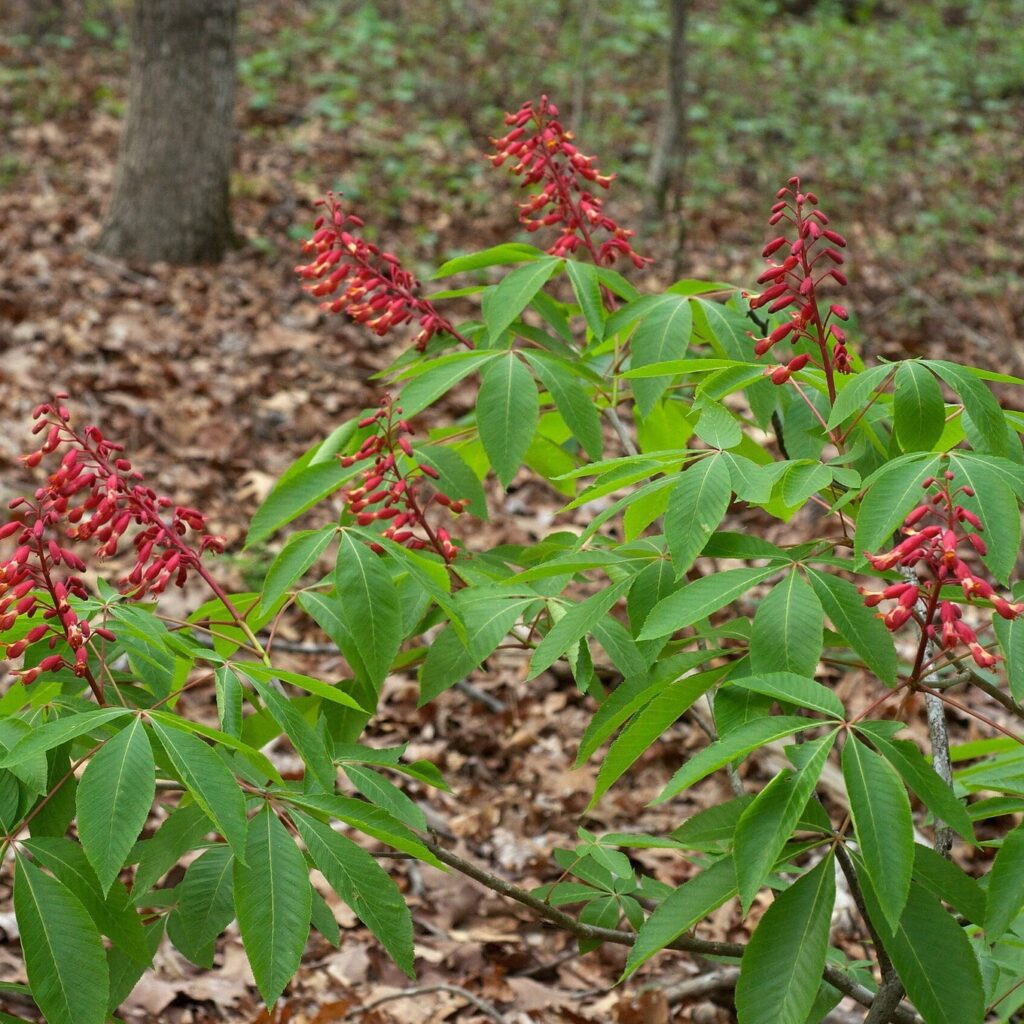
Red buckeye is a smaller relative of the horse chestnut. It bears bright red, tubular flowers in upright clusters in mid spring. Hummingbirds are often seen visiting.
It grows as a small tree or large shrub, usually 10 to 20 feet. Zones 4 to 8 are suitable. It prefers part shade and moist soil.
The seeds are toxic, so plant with care. If you want to attract hummingbirds early in the year, this is an excellent pick.
24. Golden Chain Tree (Laburnum × watereri)
Golden chain tree is unforgettable in late spring. Long, hanging chains of bright yellow flowers dangle from the branches. They look like golden rain.
It grows in zones 5 to 7 and stays small, about 15 to 25 feet. It likes sun and well-drained soil. It looks wonderful trained over a pergola.
A firm warning: every part of this tree is poisonous, especially the seeds. Avoid it if young children or pets use your garden.
25. Japanese Snowbell (Styrax japonicus)
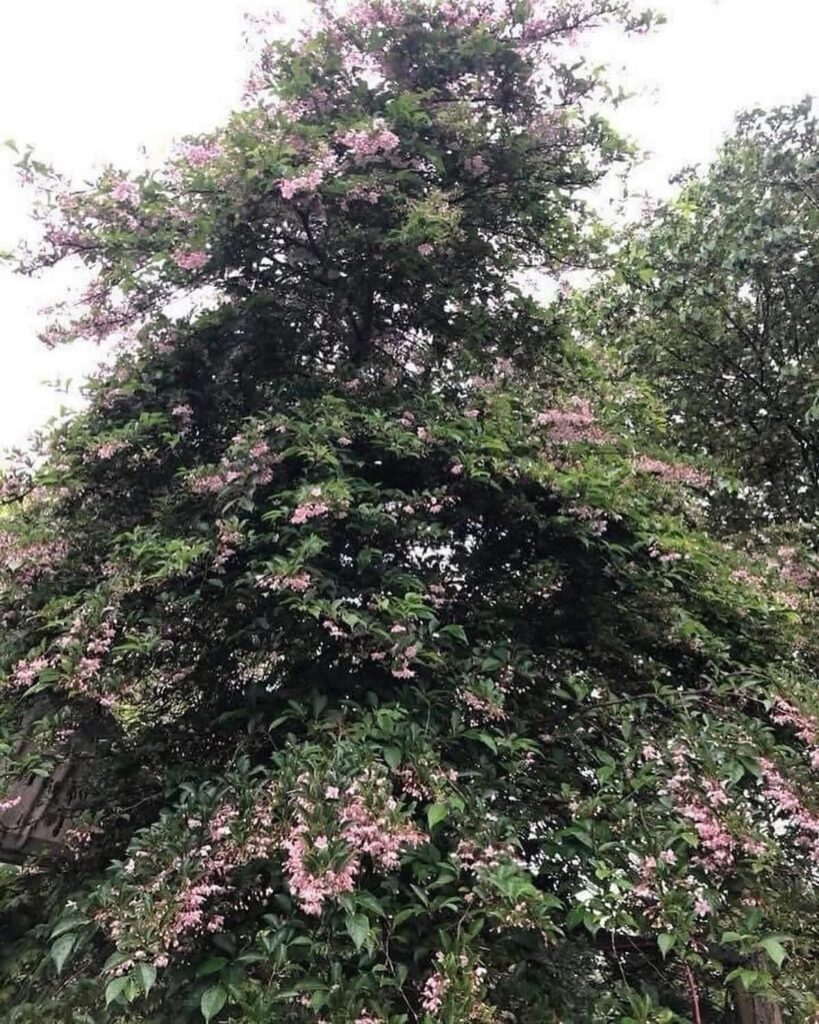
Japanese snowbell is a small, graceful tree. White, bell-shaped flowers hang beneath horizontal branches in late spring. Each flower has a golden center and a light scent.
It grows to about 20 to 30 feet in zones 5 to 8. The tree thrives in part sun and moist, acidic soil. It also has smooth, attractive bark.
The flowers hang down, so plant it where people can walk beneath it. A raised bank or a patio edge works well.
26. Japanese Tree Lilac (Syringa reticulata)
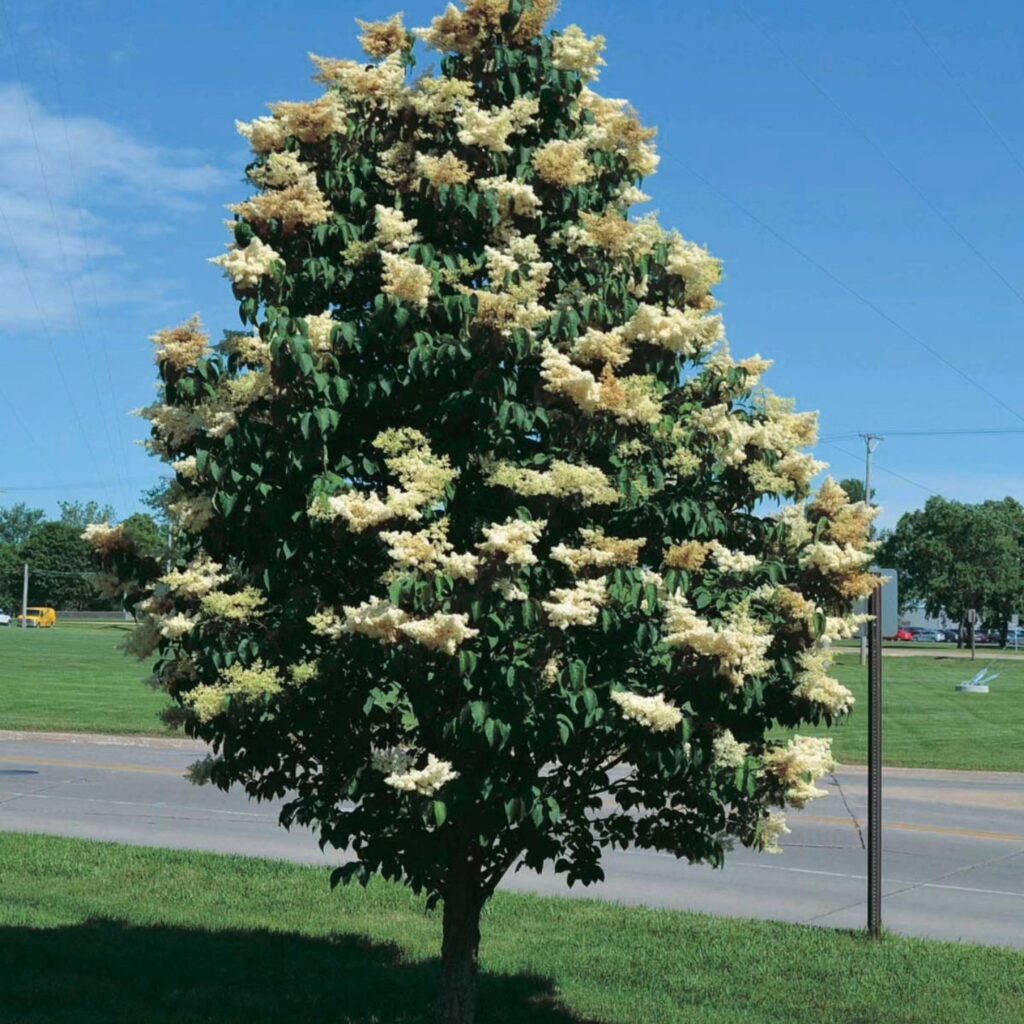
Japanese tree lilac is a tree-sized relative of the garden lilac. In late spring to early summer it produces large, creamy white flower plumes. They have a rich, sweet smell.
It is very hardy and grows in zones 3 to 7. It suits cold climates where other flowering trees struggle. The tree reaches 20 to 30 feet.
It is a popular street tree because it tolerates urban conditions. It is a good late bloomer to follow the cherries and magnolias.
ALSO READ: 11 Common Japanese Tree Lilac Problems: What’s Wrong With Your Tree and How to Fix It
27. Pacific Dogwood (Cornus nuttallii)
Pacific dogwood is a native of the western coast of North America. It bears large white bracts, often with a pink tint, in spring. It is the floral emblem of British Columbia.
It prefers cool, moist climates and part shade. It does not like hot, dry summers. It is also vulnerable to dogwood anthracnose.
Grow it only if your climate suits it. A native tree in the right place is a joy, but in the wrong place it struggles. Mulch and water carefully.
28. Paulownia (Paulownia tomentosa)
Paulownia, or princess tree, bears large clusters of fragrant lavender flowers before the leaves appear. The blooms are impressive on a mature tree. It also grows very fast.
That speed is a problem. In parts of the eastern United States, it spreads aggressively and is considered invasive. Seeds travel easily by wind.
I suggest enjoying it where you find it, rather than planting it. Check local guidance first. Many native trees offer a similar show without the risks.
29. Jacaranda (Jacaranda mimosifolia)
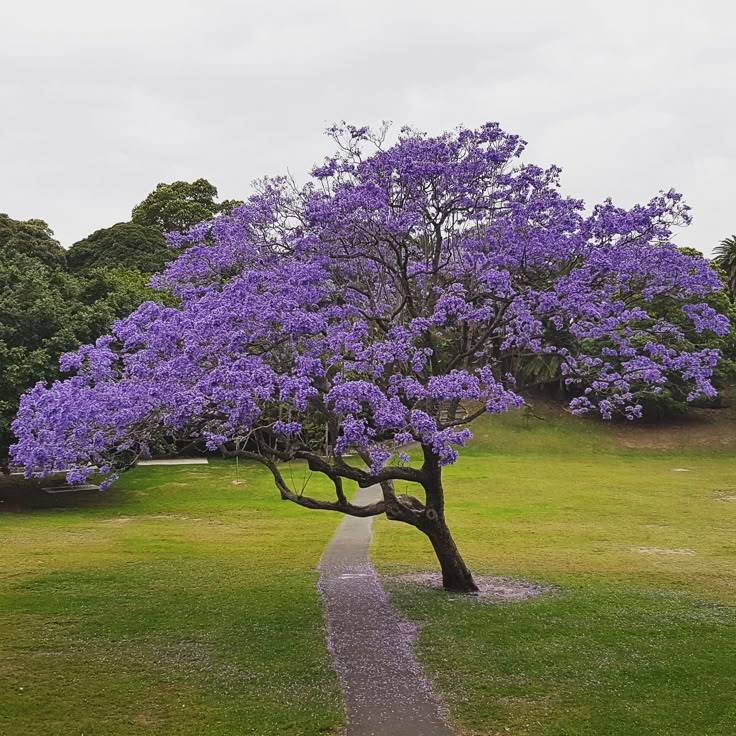
Jacaranda is famous for its cloud of purple-blue flowers. In many countries in the Southern Hemisphere, it blooms in spring, which falls between September and December. Streets in cities like Pretoria are lined with these trees.
It grows in warm, frost-free climates, usually zones 9 to 11. It needs full sun and well-drained soil. Young trees are sensitive to cold.
Expect a carpet of fallen flowers beneath the tree. Some people love it, and others dislike the cleanup. Either way, the show is spectacular.
30. Tulip Tree (Liriodendron tulipifera)
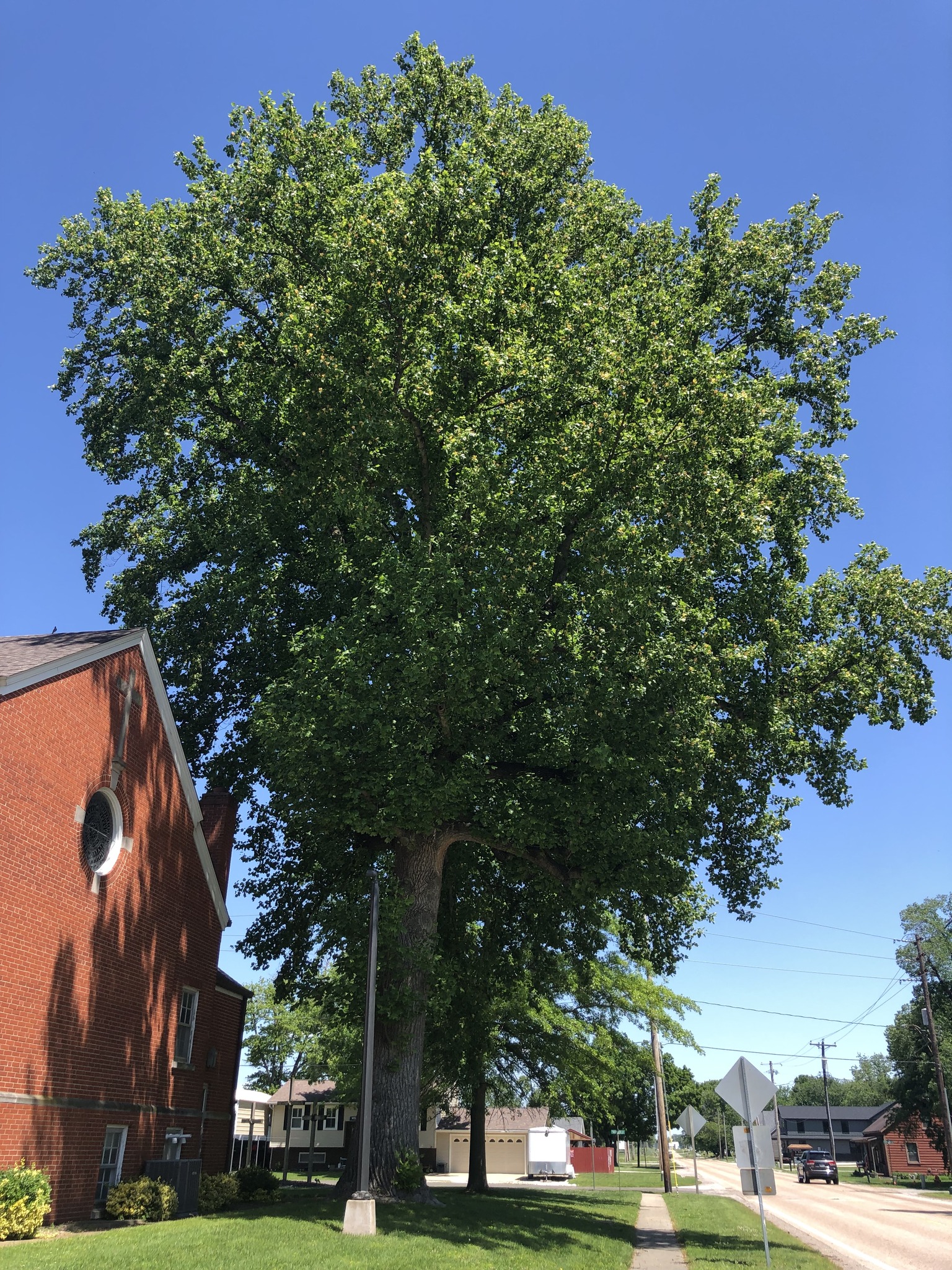
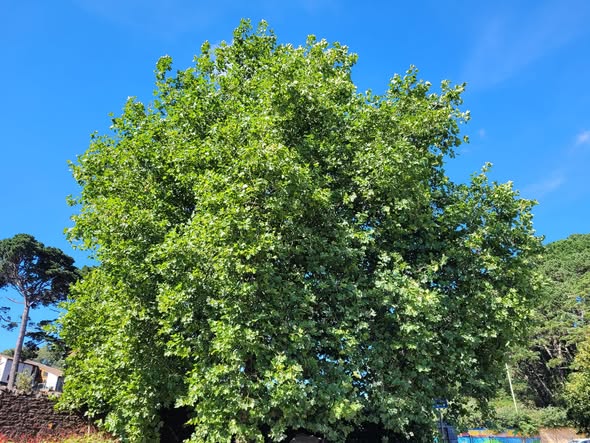
Tulip tree is a tall native with tulip-shaped yellow-green flowers marked with orange. They appear in late spring. The flowers are often high in the canopy, so they are easy to miss.
It is the state tree of Kentucky, Tennessee and Indiana. It grows in zones 4 to 9 and can exceed 70 feet. It is a tree for large spaces.
Bees love the nectar. The leaves also have a distinctive shape. Give this tree sun, deep soil and plenty of room to grow.
How to Choose the Right Spring-Blooming Tree
Start with your climate. Match the tree to your hardiness zone, and then check the expected size. Many problems start when a large tree is placed in a small yard.
Think about timing next. If you want a long season, plant a mix of early, middle and late bloomers. For example, pair a cornelian cherry with a Yoshino cherry and a kousa dogwood.
Finally, favor native or well-adapted species when you can. Local extension offices can recommend trees that suit your soil and climate. A healthy tree in the right place will outperform a fancy tree in the wrong one.
Frequently Asked Questions
Which trees bloom first in spring? Cornelian cherry, Japanese apricot and star magnolia are among the earliest. Some bloom in late winter, depending on climate.
What are the best small spring-flowering trees? Serviceberry, redbud, star magnolia and kousa dogwood all stay compact. They suit gardens and patios.
Why did my tree not bloom this year? A late frost, too much shade, heavy pruning at the wrong time or a young tree can all be causes. Most spring-flowering trees set buds the previous summer, so prune right after flowering.
Final Thoughts
Spring-blooming trees remind me why it is worth slowing down. They are brief, beautiful and different every year. I hope this list helps you choose well.
Pick a tree that fits your space and climate, and plant it with care. In a few seasons, you may be the one on the pavement, stopping to look up.
References
- National Park Service. Bloom Watch: National Mall Cherry Blossoms. https://www.nps.gov/subjects/cherryblossom/bloom-watch.htm
- U.S. Environmental Protection Agency. Climate Change Connections: Washington, D.C. (Cherry Blossoms). https://epa.gov/climateimpacts/climate-change-connections-washington-dc-cherry-blossoms
- USDA Natural Resources Conservation Service. Flowering Dogwood (Cornus florida L.) Plant Fact Sheet. https://plants.usda.gov/DocumentLibrary/factsheet/pdf/fs_cofl2.pdf
- North Carolina State Extension. Cornus florida, Plant Toolbox. https://plants.ces.ncsu.edu/plants/Cornus-florida
- University of Florida IFAS Extension. Cercis canadensis: Eastern Redbud. https://ask.ifas.ufl.edu/publication/ST145
- University of Illinois Extension. Saucer Magnolia (Magnolia × soulangiana). https://selectors.extension.illinois.edu/node/4088
- University of Maryland Extension. Flowering Dogwood. https://extension.umd.edu/resource/flowering-dogwood

Tim M Dave is a gardening expert with a passion for houseplants, particularly cacti and succulents. With a degree in plant biology from the University of California, Berkeley, he has vast experience in gardening. Over the years, he has cultivated a vast collection of desert plants and learned a great deal about how to grow and care for these unique companions.