15 Types of Bottlebrush Trees (With Pictures, and Care Tips)
Bottlebrush trees belong to the genus Callistemon, though many botanists now group them under Melaleuca because the two genera are so closely related. Either way, gardeners everywhere still call them bottlebrush, and the name fits perfectly.
The genus includes around 30 recognized species, and all but four are native only to Australia, according to the Australian Native Plants Society. That is a striking level of endemism for a plant family so widely grown across the world today.
This article walks through 15 major types of bottlebrush trees. I will cover their flower colors, growth habits, hardiness, and where each one performs best. By the end, you should know exactly which bottlebrush suits your climate and your garden goals.
Now let’s look at the 15 major types, one by one.
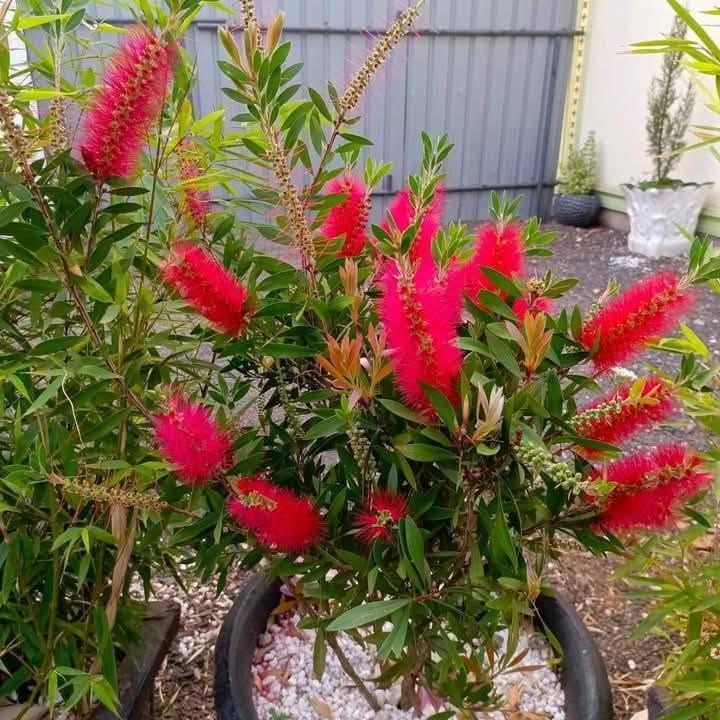
1. Crimson Bottlebrush (Callistemon citrinus)
This is the variety most people picture when they hear the word bottlebrush. It is often called the lemon bottlebrush because its crushed leaves release a citrus-like scent.
Callistemon citrinus produces bright red flower spikes and can grow as a large shrub or a small tree. It was among the very first Australian plants ever brought to Europe.
According to Oxford University’s Plants 400 project, this species was collected in 1770 at Botany Bay by naturalists Joseph Banks and Daniel Solander. It reached Kew Gardens shortly after and was sold by London nurseries by the 1790s.
Today, it remains the most widely cultivated bottlebrush worldwide. It handles a wide range of soils and thrives in full sun.
2. Weeping Bottlebrush (Callistemon viminalis)
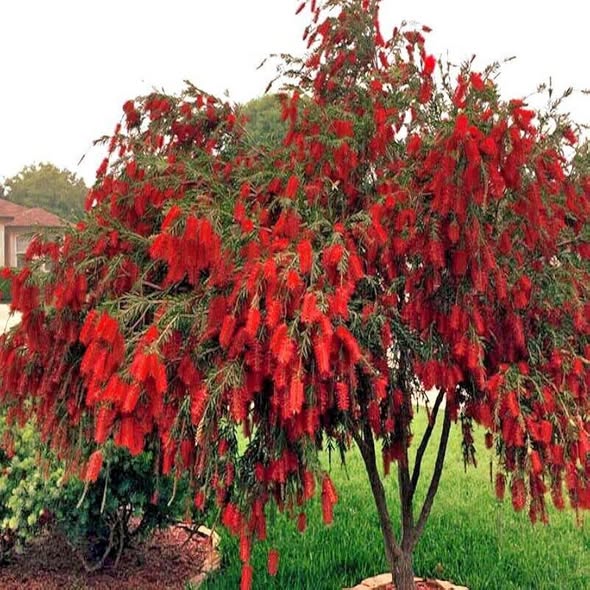
The weeping bottlebrush stands out for its graceful, drooping branches. It creates a soft, cascading look that many landscapers love for shading pathways.
This species can reach 20 to 50 feet tall in ideal conditions, based on data from the University of Arizona’s Campus Arboretum. That makes it one of the taller members of the family.
Its narrow, willow-like leaves give off a pleasant fragrance when crushed. The tree also tolerates a wide variety of soils, including less fertile ground.
I find this one especially striking near water features. The weeping form mirrors the movement of a stream beautifully.
3. Stiff Bottlebrush (Callistemon rigidus)
Also called the erect bottlebrush, this species has an upright, rigid growth pattern rather than a weeping one.
Its flower spikes measure about 4 inches long, made up of red stamens roughly one inch each. The University of Florida’s horticulture department notes that this shrub typically grows 5 to 15 feet tall.
The leaves are stiff, narrow, and sharply pointed, giving the plant a slightly spiky texture. Despite this, it remains a favorite for hedging because of its dense, uniform growth.
One related cultivar, C. sieboldii, can survive temperatures as low as 9°F, making it one of the hardier options for cooler climates.
4. Willow Bottlebrush (Callistemon salignus)
The willow bottlebrush earns its name from leaves that resemble willow foliage. Flower spikes on this species are usually white, cream, or pale pink, a nice change from the typical red.
The University of Florida’s forestry extension describes it as a useful ornamental street or median tree that produces moderate shade. It can also be pruned into a decorative hedge shape.
This species handles droughty conditions well once it becomes established. That resilience is part of why cities plant it along roadways and parking lots.
5. Lemon-Yellow Bottlebrush (Callistemon pallidus)
Callistemon pallidus produces soft, pale yellow to cream-colored flower spikes rather than the classic red. Gardeners often plant it for contrast against darker-flowered species nearby.
This variety typically grows as a medium-sized shrub, reaching roughly 2 to 4 meters in height and spread. Its greyish-green foliage adds texture even when the plant is not in bloom.
It handles a wide range of soil types and prefers full sun exposure. I appreciate how it softens a garden bed that might otherwise feel dominated by red tones.
6. Mountain Bottlebrush (Callistemon viridiflorus)
This species produces unusual acid-green flowers, a rare color choice within the bottlebrush family. It is one of the hardiest types available to gardeners in cooler regions.
Nursery growers rate this species as solidly hardy to USDA zone 7b, according to plant hardiness data from specialty growers who track long-term survival. That places it well ahead of most red-flowered varieties for cold tolerance.
Its compact form makes it suitable for smaller gardens or container growing. The unusual flower color also makes it a talking-point plant for visitors.
7. Alpine Bottlebrush (Callistemon pityoides)
Native to Australia’s cooler mountain regions, this species produces soft yellow flower spikes. It is built to handle frost, wind, and thin mountain soils.
Like the mountain bottlebrush above, it is rated hardy to zone 7b, making it one of the toughest bottlebrush options for temperate climates. A dwarf cultivar called ‘Harry’ can survive down to 0°F.
This makes the alpine bottlebrush a smart pick for gardeners in regions that experience real winter cold, somewhere most other Callistemon species would struggle.
8. Prickly Bottlebrush (Callistemon brachyandrus)
This species has a distinctive look. Small red flower spikes are tipped with bright yellow pollen, giving them an almost antler-like appearance.
It thrives along Australia’s East Coast and adapts well to overly wet soils and humid conditions, based on grower observations from Australian nursery experts. Regular pruning helps keep its growth in check.
The needle-like foliage is sharp to the touch, so I would not recommend planting it right next to a walking path. It works better as a background or barrier plant.
9. Kingaroy Bottlebrush (Callistemon formosus)
Named after the Kingaroy region of Queensland, this species produces soft lemon-yellow blooms. It is less common in cultivation than the red-flowered types, which makes it a nice option for collectors.
Its flower color pairs nicely with green foliage, creating a gentler visual effect than the bold red species. Like most bottlebrush types, it prefers full sun and well-drained soil.
This variety tends to appeal to gardeners who want something a little different from the classic red bottlebrush look everyone recognizes.
10. Dwarf Bottlebrush (Callistemon subulatus)
This compact species stays small, growing from roughly 1 to 9 feet tall depending on conditions and pruning. It produces red flower spikes freely throughout summer.
Its manageable size makes it a great fit for smaller yards, borders, or even large containers on a patio. Regular light pruning after flowering keeps the shape neat.
I like recommending this one to first-time bottlebrush growers. It is forgiving, compact, and blooms reliably without demanding much attention.
ALSO READ: 15 Common Bottlebrush Tree Problems (And How to Fix Them)
11. ‘Little John’ Dwarf Bottlebrush
This popular cultivar is a dwarf form of Callistemon viminalis. It features attractive blue-grey foliage paired with dark red flower spikes.
Little John rarely exceeds a meter or so in height, which makes it perfect for small gardens, pots, or foundation plantings near a house. It keeps a neat, rounded shape without much pruning.
Landscapers frequently use it as a specimen plant or accent piece. Its compact size does not sacrifice much in the way of flower display.
12. Narrow-Leaved Bottlebrush (Callistemon linearis)
As the name suggests, this species has notably narrow, needle-like leaves. Its flower spikes are typically a deep, rich red, similar to the classic crimson bottlebrush.
This variety tends to have a more open, airy growth habit compared to denser bottlebrush species. That openness can be an advantage in garden designs that need some visual breathing room.
It handles Australian coastal conditions well, tolerating both salt spray and sandy soils without much complaint.
13. Albany Bottlebrush (Callistemon glaucus / speciosus)
Sometimes labeled Callistemon speciosus, this species is known for dense, screening growth. It is considered incredibly hardy and adapts to a wide range of climates and soil types.
Full sun exposure is essential for good blooming, based on grower guidance from Australian horticultural sources. Without enough light, flowering can become sparse and disappointing.
Its bluish-green foliage gives it a slightly different texture than typical bottlebrush greenery, adding visual variety to mixed plantings.
14. ‘Kings Park Special’ Bottlebrush
This is one of the most widely planted hybrid cultivars in the bottlebrush world. It was developed in Western Australia and has become a landscaping staple across many countries.
The flower spikes are large, deep red, and produced in impressive quantity. Its vigorous growth and reliable flowering explain its enduring popularity with commercial landscapers.
I mention this one specifically because if you buy a bottlebrush at a general garden center without checking the label closely, there is a good chance it is this exact hybrid.
15. Fiery Bottlebrush (Callistemon phoeniceus)
This species produces some of the most intensely colored flower spikes in the entire genus, ranging from deep red to almost fiery orange-red tones.
It grows as a medium shrub or small tree and handles dry, sandy soils particularly well, reflecting its origins in drier parts of Western Australia. Drought tolerance is one of its strongest selling points.
Gardeners looking to create a bold, high-contrast planting often reach for this variety because of how vivid its blooms appear against green foliage.
ALSO READ: 25 Stunning Bushes That Attract Butterflies (With Pictures, and Care Tips)
Quick Comparison Table
| Bottlebrush Type | Flower Color | Typical Height | Best For |
| C. citrinus | Red | 8–15 ft | General gardens |
| C. viminalis | Red | 20–50 ft | Street trees, shade |
| C. rigidus | Red | 5–15 ft | Hedging |
| C. salignus | White/pink | Up to 25 ft | Street medians |
| C. pallidus | Pale yellow | 6–13 ft | Color contrast |
| C. viridiflorus | Green | Compact | Cold climates |
| C. pityoides | Yellow | Compact | Alpine gardens |
| C. brachyandrus | Red/yellow tip | Medium shrub | Barrier planting |
| C. formosus | Lemon-yellow | Medium shrub | Collector gardens |
| C. subulatus | Red | 1–9 ft | Small yards, pots |
| ‘Little John’ | Dark red | Under 3 ft | Containers, borders |
| C. linearis | Deep red | Medium shrub | Coastal gardens |
| C. glaucus | Red | Dense screen | Privacy screening |
| ‘Kings Park Special’ | Deep red | Medium tree | Landscaping, hedges |
| C. phoeniceus | Fiery red-orange | Medium shrub | Dry, sandy soils |
How to Choose the Right Bottlebrush for Your Garden
Consider your climate first. Alpine and mountain varieties handle cold far better than the classic crimson bottlebrush, which prefers warmer zones.
Think about available space. Weeping bottlebrush needs room to spread, while ‘Little John’ fits neatly into a small courtyard or pot.
Match flower color to your design. Pale yellow and green-flowered types offer a nice break from the red tones that dominate most bottlebrush gardens.
Check drainage needs. Nearly all bottlebrush species dislike soggy roots, so well-drained soil matters more than soil richness.
Why Bottlebrush Trees Are So Popular
Bottlebrush trees are low-maintenance. Most species tolerate poor soil, drought, and neglect once they are established. That makes them ideal for busy gardeners.
They attract wildlife reliably. The flowers hold generous nectar reserves, and nectar-feeding birds, bees, and butterflies visit them constantly. The University of Florida’s Florida-Friendly Landscaping program lists bottlebrush as a strong nectar source for butterflies and hummingbirds.
They belong to the Myrtaceae family, placing them in the same botanical family as eucalyptus and tea trees. This connection explains their aromatic, oil-rich foliage.
Many varieties handle salt and wind exposure well, which is why coastal towns often plant them along streets and parking areas.
Basic Care Tips for Bottlebrush Trees
Sunlight: Full sun produces the best flowering across nearly all bottlebrush species. Partial shade is tolerated but reduces bloom quantity.
Watering: These trees are drought-tolerant once established, but young plants need regular watering during their first year.
Pruning: Light pruning after flowering keeps the shape neat and encourages fresh growth for the next bloom cycle.
Fertilizing: A low-phosphorus fertilizer applied in spring and autumn supports healthy blooming without harming the roots.
Some Facts Worth Noting
The genus Callistemon contains around 30 species, with all but four found only in Australia, per the Australian Native Plants Society.
Callistemon citrinus was one of the first Australian plants introduced to European gardens, arriving at Kew Gardens shortly after its 1770 collection.
Weeping bottlebrush can reach heights of 20 to 50 feet, according to University of Arizona arboretum records, making it far taller than most people expect.
Some hardy cultivars, like ‘Harry’ Alpine bottlebrush, survive temperatures as low as 0°F, showing just how much variation exists within this single plant family.
Final Thoughts
Bottlebrush trees offer something for nearly every garden style, from bold red screens to soft yellow accents. I hope this list helps you find the right one for your own space.
Whatever type you choose, give it full sun, decent drainage, and a little patience. The birds and bees will thank you for it.
Common Questions About Bottlebrush Trees
Are bottlebrush trees the same as Melaleuca? Botanically, the two are extremely close. Many taxonomists now place Callistemon species inside the Melaleuca genus because the traditional way of separating them, based on how the stamens attach to the floral tube, turned out to be unreliable. Nurseries still list both names, so don’t be surprised if the same plant appears under either label.
Do bottlebrush trees attract bees and birds? Yes, consistently. The long stamens hide generous pools of nectar at their base, and that nectar draws bees, butterflies, and nectar-feeding birds like honeyeaters and hummingbirds. If you want a wildlife-friendly yard, this plant family is one of the more reliable choices available.
How fast do bottlebrush trees grow? Growth speed varies by species. Weeping bottlebrush is considered fast-growing and can add several feet a year under good conditions. Dwarf types like ‘Little John’ grow much slower, which suits their smaller intended footprint.
Can bottlebrush trees survive frost? Some can, though many cannot. The alpine and mountain species, such as Callistemon pityoides and Callistemon viridiflorus, tolerate real winter cold. The classic red-flowered types prefer warmer, frost-free regions and struggle below certain temperature thresholds.
Is bottlebrush considered invasive anywhere? In some regions, yes. The University of Florida’s IFAS Assessment program has flagged the weeping bottlebrush form, now classified as Melaleuca viminalis, as a predicted invasive species within Florida’s natural areas. It is worth checking local guidance before planting near wild or protected land.
What soil do bottlebrush trees prefer? Most species tolerate a wide range of soils but perform poorly in highly alkaline ground. Sandy loam with good drainage tends to produce the strongest results, and a slightly acid to slightly alkaline pH range works well for most varieties.
Bottlebrush Trees in Landscaping and Urban Design
City planners and landscape architects rely on certain bottlebrush species for very practical reasons. Willow bottlebrush, for example, works well as a street or median tree because it tolerates pollution, compacted soil, and drought once established.
Weeping bottlebrush is often chosen for parking lots and courtyards because its cascading branches soften hard architectural lines. It does, however, need some shelter from strong winds to keep its form intact.
Dwarf cultivars such as ‘Little John’ show up frequently in foundation plantings around commercial buildings and residential entrances. Their compact size means less pruning and lower long-term maintenance costs.
Coastal municipalities favor species like Callistemon linearis and Callistemon glaucus because they handle salt spray without significant leaf burn. This makes them dependable choices for seaside boardwalks and beachfront parks.
A Brief Look at Bottlebrush History
Bottlebrush trees carry a long history that goes beyond ornamental gardening. Indigenous Australian communities have traditionally soaked the flowers in water to create a naturally sweet drink, taking advantage of the abundant nectar these blooms produce.
Some species have also found their way into folk medicine practices outside Australia. Records show that essential oils from Callistemon viminalis have been used as natural insecticides and fungicides in various regions.
In parts of Jamaica, a tea made from the leaves has traditionally been used to address gastro-enteritis and skin irritation. Traditional Chinese medicine has similarly used bottlebrush preparations for certain minor ailments.
This blend of ornamental beauty and practical, traditional use is part of what makes the bottlebrush family so interesting to study, not just to plant.
Mistakes to Avoid When Growing Bottlebrush
Overwatering young plants is one of the most common issues gardeners run into. While mature bottlebrush trees handle drought well, soggy roots during the establishment phase can cause serious stress or root rot.
Planting in heavy shade often leads to disappointing flower displays. Nearly every species on this list needs strong, direct sunlight to produce its signature blooms in good numbers.
Ignoring local invasive species guidance can create problems down the road, particularly with weeping bottlebrush in certain U.S. regions. A quick check with a local extension office avoids future headaches.
Skipping post-bloom pruning allows some varieties to become leggy and sparse over time. A light trim after flowering keeps growth compact and encourages a fuller second flush.
References
- University of Florida IFAS Gardening Solutions – Bottlebrush: https://gardeningsolutions.ifas.ufl.edu/plants/trees-and-shrubs/shrubs/bottlebrush/
- Cal Poly SelecTree – Callistemon citrinus Tree Record: https://selectree.calpoly.edu/tree-detail/238
- Cal Poly SelecTree – Weeping Bottlebrush (Callistemon viminalis): https://selectree.calpoly.edu/tree-detail/241
- University of Florida IFAS Extension – Callistemon rigidus Fact Sheet FPS-93: https://hort.ifas.ufl.edu/shrubs/CALRIGA.PDF
- University of Arizona Campus Arboretum – Callistemon viminalis: https://apps.cals.arizona.edu/arboretum/taxon.aspx?id=49
- Oxford University Plants 400 Project – Callistemon Species: https://herbaria.plants.ox.ac.uk/bol/plants400/Profiles/cd/Callistemon
- Byron Bay Public School (NSW Department of Education) – Bottlebrush (Callistemon): https://byronbay-p.schools.nsw.gov.au/learning-at-our-school/sustainability/bottlebrush–callistemon-.html

Tim M Dave is a gardening expert with a passion for houseplants, particularly cacti and succulents. With a degree in plant biology from the University of California, Berkeley, he has vast experience in gardening. Over the years, he has cultivated a vast collection of desert plants and learned a great deal about how to grow and care for these unique companions.