25 Native Trees in Alabama (With Growing Details)
Alabama is a tree lover’s paradise. I have walked through pine flatwoods in the south and hardwood coves in the north, and every time, I am struck by how much variety this one state holds.
Alabama has roughly 23 million acres of forest, covering about 70 percent of its total land area. That makes it one of the most heavily forested states in the entire country.
Native trees are not just pretty. They evolved alongside local wildlife, soil, and climate conditions over thousands of years. That gives them a natural resilience that imported species often lack.
Birds, insects, and mammals depend on these trees for food and shelter. A single native oak can host hundreds of caterpillar species, which in turn feed songbirds during nesting season.
Alabama’s forests also carry real economic weight. The state grows an estimated 2.5 billion cubic feet of wood every year, according to Alabama Forestry Commission data. Forestry supports thousands of jobs statewide.
25 Native Trees in Alabama
Here are the 25 native trees every Alabamian should know.
1. Southern Longleaf Pine (Pinus palustris)
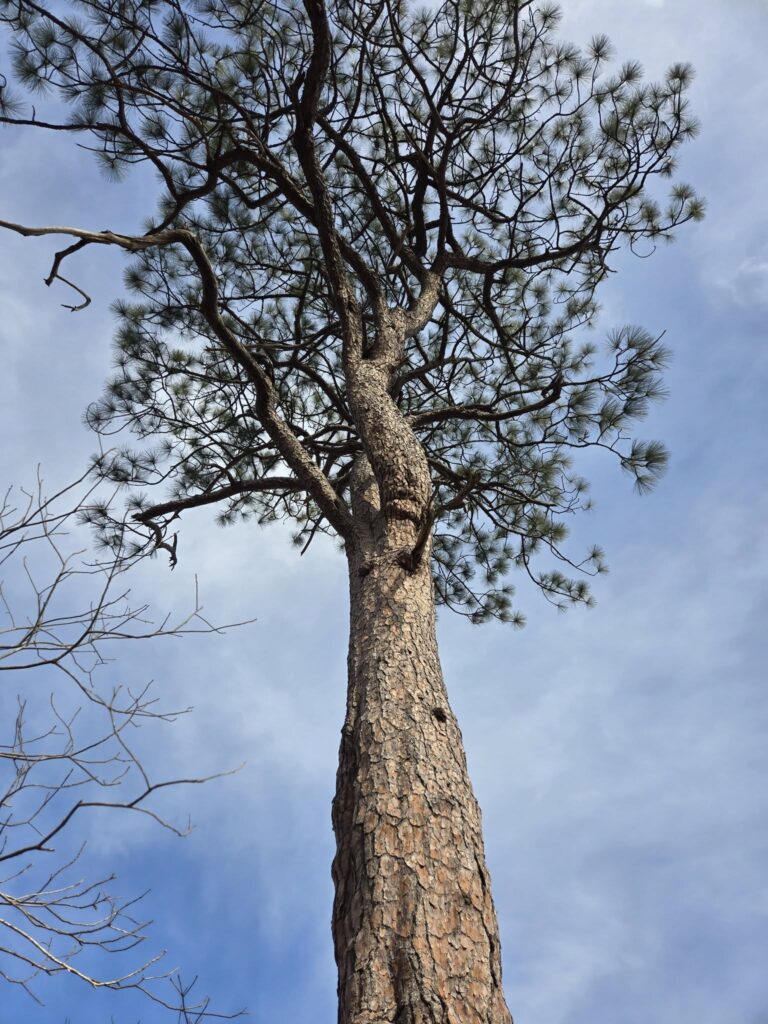
This is Alabama’s official state tree, a title it received through state legislation. The longleaf pine can live for 300 to 500 years, making it one of the longest-living trees in the South.
Young seedlings pass through a “grass stage” that can last several years before the trunk starts growing upward. This odd habit protects the bud from frequent wildfires, which the species actually depends on to thrive.
Mature trees reach heights between 100 and 150 feet, with long needles bundled in groups of three. The longleaf pine ecosystem once covered close to 90 million acres across the Southeast; today, only a small fraction of that original range survives.
I find something almost humbling about a tree that needs fire to reproduce. It is a reminder that nature’s systems are more complex than they first appear.
2. Southern Magnolia (Magnolia grandiflora)
Few trees say “the South” quite like this one. Its glossy, dark green leaves stay on the tree year-round, and its enormous white flowers can measure up to a foot across.
Southern magnolia typically grows 60 to 80 feet tall, with a wide, pyramidal crown. The flowers release a strong lemon-like fragrance that many people find unforgettable during late spring.
This tree prefers moist, well-drained soil and does best with plenty of room to spread. Its lower branches often reach the ground, giving it a full, stately shape without much pruning.
Homeowners love it for shade and beauty, but it does need space. Plant one too close to a house, and you will be trimming branches for decades.
3. Flowering Dogwood (Cornus florida)
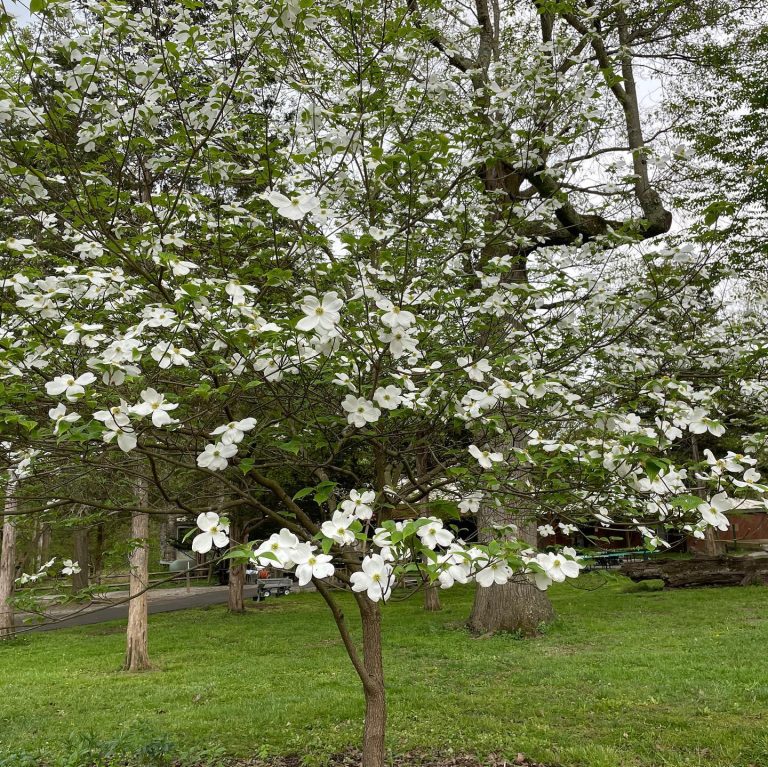
The flowering dogwood is an understory tree, meaning it grows happily beneath taller trees in the forest canopy. Its white spring blooms are actually modified leaves called bracts, not true petals.
This tree rarely exceeds 25 feet in height, which makes it perfect for smaller yards. In autumn, its leaves turn a deep reddish-purple, and bright red berries follow.
Dogwoods do face challenges from anthracnose, a fungal disease that has reduced wild populations in humid areas. Choosing disease-resistant cultivars helps if you plan to plant one at home.
I always think of dogwoods as the tree that announces spring is truly here. Nothing else quite matches that shock of white against bare branches.
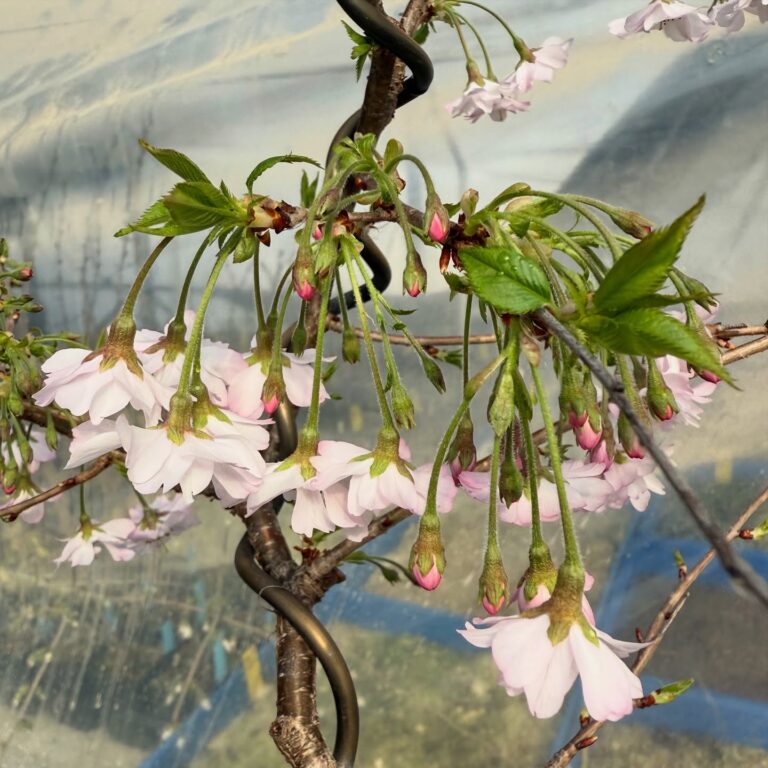
4. Eastern Redbud (Cercis canadensis)
Before the leaves appear, redbud branches burst into clusters of small pink-purple flowers. It is one of the first signs of spring across Alabama’s woodlands.
This small tree usually grows between 20 and 30 feet tall, with a rounded, spreading crown. Its heart-shaped leaves emerge shortly after the flowers fade.
Redbuds tolerate a wide range of soils and light conditions, from full sun to partial shade. That flexibility makes them a common choice for landscaping projects across the state.
Bees rely heavily on redbud flowers as an early nectar source. If you want to support pollinators, this tree is a smart, low-maintenance pick.
5. Sweetgum (Liquidambar styraciflua)
Sweetgum is easy to identify by its star-shaped leaves and spiky, round seed pods that many people call “gumballs.” Those pods can be a nuisance on lawns but a treat for wildlife.
This tree grows fast, often reaching 60 to 80 feet at maturity. Its fall color ranges from yellow to deep red and purple, sometimes all on the same tree.
Sweetgum wood has commercial value for furniture and plywood production. It also produces a fragrant resin once used in traditional medicine and adhesives.
Despite the messy pods, I appreciate sweetgum for its sheer toughness. It grows in wet or dry soil and rarely complains about tough conditions.
6. Tulip Poplar (Liriodendron tulipifera)
Also called yellow-poplar, this tree is actually a member of the magnolia family, not a true poplar. Its tulip-shaped flowers bloom high in the canopy, so they often go unnoticed from the ground.
Tulip poplar is one of the tallest hardwoods in eastern North America, frequently exceeding 100 feet in mature forests. Its straight trunk made it a favorite for early log cabins and canoes.
The distinctive leaves have a flat top edge and four lobes, unlike almost any other tree in the region. Fall color turns a clear, bright yellow.
This species grows quickly and thrives in the rich, moist soils found throughout much of Alabama. It is a strong choice for reforestation projects.
7. Live Oak (Quercus virginiana)
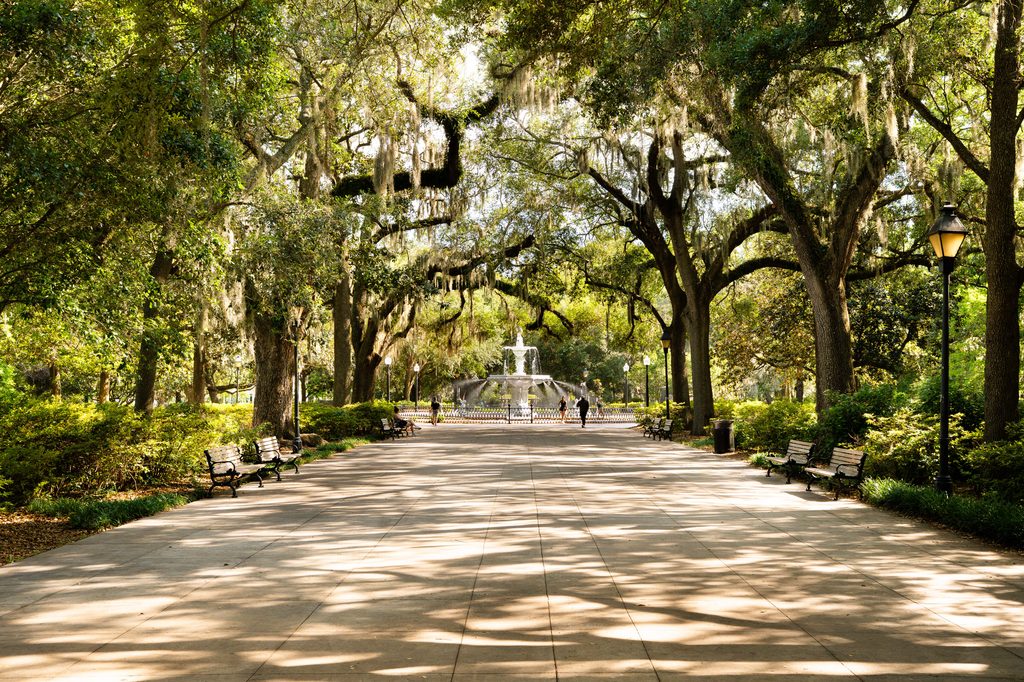
Live oaks are famous for their wide, sprawling canopies and evergreen leaves. Some specimens in southern Alabama have branches that stretch further sideways than the tree is tall.
This oak can live for centuries, and some individual trees are believed to be over 300 years old. Spanish moss often drapes from its limbs, adding to its dramatic look.
Live oak wood is extremely dense and durable, historically prized for shipbuilding, including for the USS Constitution. It resists rot and insect damage better than most native hardwoods.
Standing under a mature live oak feels like standing under a living monument. Few trees carry that same sense of history and permanence.
8. White Oak (Quercus alba)
White oak is one of the most valuable hardwoods in North America, both ecologically and commercially. Its light gray, scaly bark and rounded leaf lobes make it fairly easy to spot.
This species can live 300 years or more and often reaches heights of 80 to 100 feet. Its acorns are an important food source for deer, turkey, and squirrels.
Whiskey barrels, flooring, and fine furniture all commonly use white oak wood because of its strength and tight grain. It is genuinely one of the most useful trees in the state.
Growth is slow but steady. Anyone who plants a white oak today is really planting a gift for future generations.
9. Southern Red Oak (Quercus falcata)
Southern red oak thrives on dry, sandy ridges throughout Alabama’s uplands. Its deeply lobed leaves have a distinctive bell shape near the base.
This tree typically grows 70 to 80 feet tall, with a straight trunk and an open, rounded crown. Bark on mature trees develops deep furrows and dark coloring.
It provides food for wildlife through its acorns, though they take two years to mature on the tree. That slower reproductive cycle is common among red oak group species.
Southern red oak handles poor, dry soils better than many other oaks. That toughness makes it valuable for restoring degraded land.
10. Willow Oak (Quercus phellos)
Despite its name, willow oak is a true oak with narrow, willow-like leaves rather than the typical lobed oak leaf. This unusual foliage makes identification simple once you know what to look for.
Willow oak grows quickly for an oak, often reaching 60 to 100 feet. It tolerates wet soils well, which explains its common presence along Alabama’s rivers and floodplains.
This species is one of the most widely planted street trees in the southeastern United States because of its fast growth and attractive form. Cities across Alabama line boulevards with it.
Its small, round acorns feed ducks, songbirds, and small mammals throughout fall and winter. It is a quietly important part of the wetland food web.
11. Water Oak (Quercus nigra)
Water oak grows fast and adapts to a wide variety of soil conditions, from wet bottomlands to drier upland sites. Its leaves are variable in shape, which can confuse even experienced foresters.
This tree usually lives 60 to 80 years, a shorter lifespan than many other native oaks. It reaches heights of 50 to 80 feet with a rounded crown.
Water oak is semi-evergreen in the Deep South, holding onto some leaves well into winter. Its wood is used for pulp and firewood rather than fine lumber.
Because it grows quickly and produces a dense canopy, water oak is common in both natural forests and suburban landscapes across Alabama.
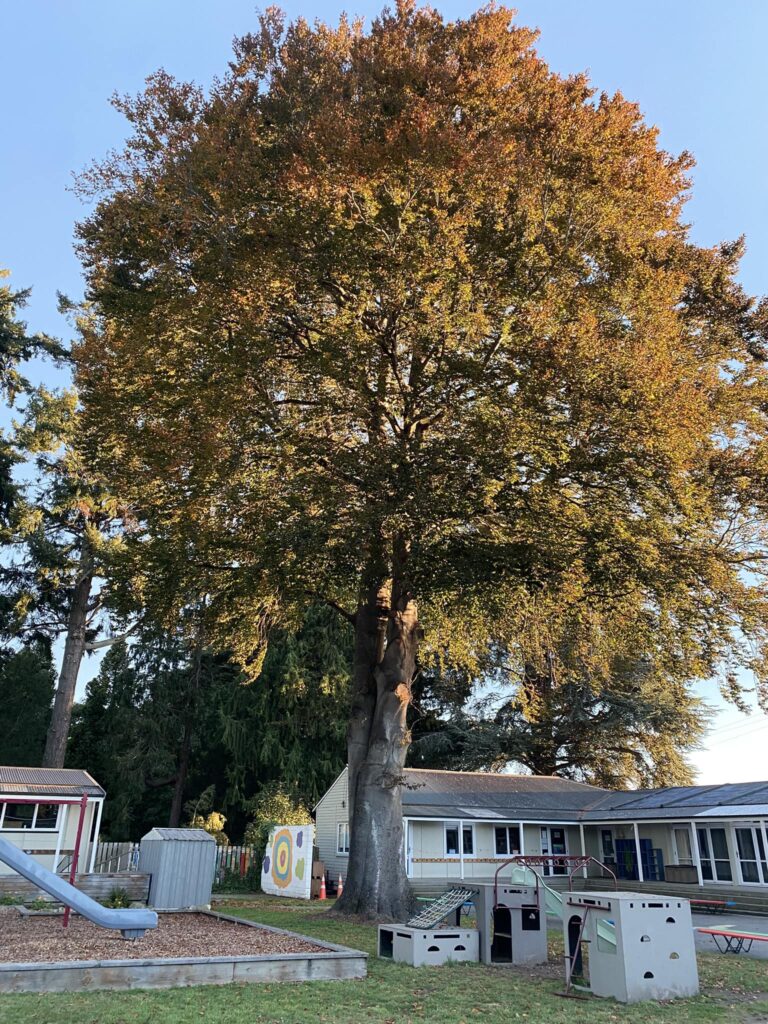
12. American Beech (Fagus grandifolia)
American beech has one of the most recognizable barks in the forest: smooth, light gray, and almost elephant-like in texture. Many people carve initials into it, though that habit harms the tree.
This species can live over 300 years and reaches heights of 50 to 80 feet in favorable conditions. Its leaves turn a warm golden bronze in autumn and often persist through winter.
Beechnuts provide a critical food source for wild turkey, black bears, and numerous small mammals. The tree spreads through both seeds and root suckers, sometimes forming dense colonies.
Beech forests have a distinct, peaceful quality. The smooth trunks and filtered light beneath the canopy create one of Alabama’s most photogenic woodland scenes.
13. Bald Cypress (Taxodium distichum)
Bald cypress is one of the few conifers that drops its needles every fall, which is where the “bald” name comes from. It thrives in swamps, river edges, and standing water.
This tree produces distinctive “knees,” woody projections that rise from the roots above the waterline. Scientists still debate their exact function, though they may aid in oxygen exchange.
Bald cypress can live for over a thousand years in the right conditions, making it one of the longest-lived trees in eastern North America. Its wood resists rot exceptionally well.
Alabama’s swamps and river deltas, including the Mobile-Tensaw Delta, depend heavily on this species for shoreline stability and wildlife habitat.
14. American Holly (Ilex opaca)
American holly is instantly recognizable by its spiky, evergreen leaves and bright red winter berries. It is a popular choice for holiday decorations across the country.
This tree usually grows 15 to 50 feet tall and thrives as an understory species in mixed hardwood forests. Only female trees produce the familiar red berries, and they need a male tree nearby for pollination.
Birds rely on holly berries as a critical winter food source when other options run scarce. Robins, cedar waxwings, and mockingbirds frequently feed on them.
Its dense, prickly foliage also provides excellent cover for nesting birds and small mammals throughout the colder months.
15. Black Walnut (Juglans nigra)
Black walnut is valued for two very different reasons: its rich, dark wood and its edible nuts. Woodworkers consider the timber among the finest in North America.
This tree releases a chemical called juglone from its roots, which can suppress the growth of nearby plants like tomatoes and azaleas. Gardeners need to plan around this carefully.
Black walnut can grow over 100 feet tall given enough space and good soil. It prefers deep, fertile ground and is often found along stream banks and rich bottomlands.
The nuts have a strong, distinctive flavor and were a traditional food source for both wildlife and early settlers throughout the region.
16. Shagbark Hickory (Carya ovata)
Shagbark hickory earns its name from bark that peels away in long, loose strips, giving mature trees a shaggy, unkempt look. It is one of the easiest hickories to identify at a glance.
This tree can live for 200 years or more, growing slowly to heights of 70 to 90 feet. Its nuts are sweet and edible, favored by squirrels, turkeys, and foraging humans alike.
Shagbark hickory wood is exceptionally strong and shock-resistant, historically used for tool handles and, more famously, for smoking meat.
I always tell people that shagbark hickory smoke gives barbecue its classic Southern flavor. That connection between tree and table is part of Alabama’s culinary identity.
17. Mockernut Hickory (Carya tomentosa)
Mockernut hickory gets its unusual name from its thick shell, which makes the small kernel inside difficult to extract. Early settlers found the effort often was not worth the reward.
This species commonly reaches 60 to 100 feet tall and grows in a wide range of upland forest types. Its compound leaves typically have seven leaflets with a fragrant scent when crushed.
Mockernut hickory wood ranks among the hardest and densest of all North American hardwoods. That density makes it ideal for axe handles and other tools that need to absorb shock.
Wildlife still values the nuts despite the thick shells, and squirrels in particular spend considerable effort cracking them open.
18. Eastern Redcedar (Juniperus virginiana)
Despite the name, eastern redcedar is actually a juniper, not a true cedar. Its reddish, aromatic wood has made it a favorite for closets and chests for generations.
This tree is remarkably adaptable, growing in poor soil, along fence rows, and in old fields where other species struggle. It is often one of the first trees to colonize abandoned farmland.
Eastern redcedar berries are technically small cones, and they provide essential winter food for cedar waxwings and other birds. The tree’s dense evergreen foliage also offers year-round shelter.
Its wood naturally repels moths, which explains why cedar chests remain popular for storing wool and other fabrics.
19. River Birch (Betula nigra)
River birch stands out because of its peeling, curling bark, which ranges from salmon-pink to reddish-brown. It is one of the few birches that thrives in the warm, humid conditions of the Deep South.
This tree grows quickly, often reaching 40 to 70 feet within a few decades. It naturally grows along riverbanks, floodplains, and other consistently moist areas.
River birch tolerates flooding better than most trees, making it a smart choice for low-lying yards prone to standing water. It also handles Alabama’s summer heat well compared to northern birch species.
Its ornamental bark makes it a popular landscaping choice, adding visual interest even during the winter months when many trees look bare.
20. American Sycamore (Platanus occidentalis)
American sycamore is famous for its mottled, peeling bark that reveals patches of white, gray, and green underneath. Mature trees are among the largest hardwoods in eastern North America by trunk diameter.
Some sycamores develop trunks over 10 feet in diameter, with heights reaching 100 feet or more. Hollow, old trunks have historically served as shelter for wildlife and even early settlers.
This tree grows naturally along rivers and streams, where its extensive root system helps stabilize eroding banks. Its large leaves resemble maple leaves but grow much bigger.
Sycamores drop distinctive round seed balls each year, which slowly break apart to release seeds carried on the wind.
21. Black Cherry (Prunus serotina)
Black cherry produces small white flowers in spring, followed by dark purple-black fruit that ripens in late summer. Birds and mammals eat the fruit avidly, though the leaves and seeds contain compounds toxic to livestock.
This tree can reach 60 to 80 feet tall and is valued commercially for its reddish-brown wood, often used in fine furniture and cabinetry.
Black cherry bark has a distinctive scaly texture, sometimes compared to burnt potato chips. It thrives in a variety of soil types across the state’s forests.
Historically, the bark was also used in traditional folk remedies for coughs, though modern herbal use requires caution due to the plant’s cyanide-related compounds.
22. Sassafras (Sassafras albidum)
Sassafras is easy to identify because a single tree can produce three different leaf shapes: oval, mitten-shaped, and three-lobed, sometimes all at once. Crushed leaves release a distinctive spicy fragrance.
Roots from this tree were historically used to flavor root beer, though safrole, a compound once used in that process, was later restricted due to health concerns.
This tree typically grows 30 to 60 feet tall and spreads readily through root suckers, often forming small colonies in old fields and forest edges.
Fall color is spectacular, ranging from yellow to orange and deep red, sometimes all on the same tree at once.
23. Sourwood (Oxydendrum arboreum)
Sourwood is best known for its drooping clusters of white, bell-shaped flowers that bloom in mid-summer, well after most other trees have finished flowering. Bees produce a prized, distinctly flavored honey from its nectar.
This tree rarely exceeds 50 feet in height, and it often grows with a leaning or slightly curved trunk in forest understories.
Its fall color is among the earliest and most vivid in Alabama’s forests, turning brilliant red weeks before most other hardwoods change.
Sourwood honey has developed something of a cult following among Southern beekeepers and food lovers, prized for its smooth, caramel-like taste.
24. Black Tupelo (Nyssa sylvatica)
Black tupelo, also called blackgum, is one of the first trees to show fall color, often turning a brilliant scarlet red in early autumn. This early transformation makes it easy to spot from a distance.
Tupelo trees can live over 650 years, and some of the oldest known hardwood trees in eastern North America belong to this species. Growth rings reveal a remarkably slow, steady pace.
Its small, dark blue fruits provide critical food for songbirds, black bears, and other wildlife heading into winter. The tree thrives in both wet bottomlands and drier upland forests.
Tupelo honey, produced from a closely related species in southern swamps, has become well known thanks to popular music and Southern food culture.
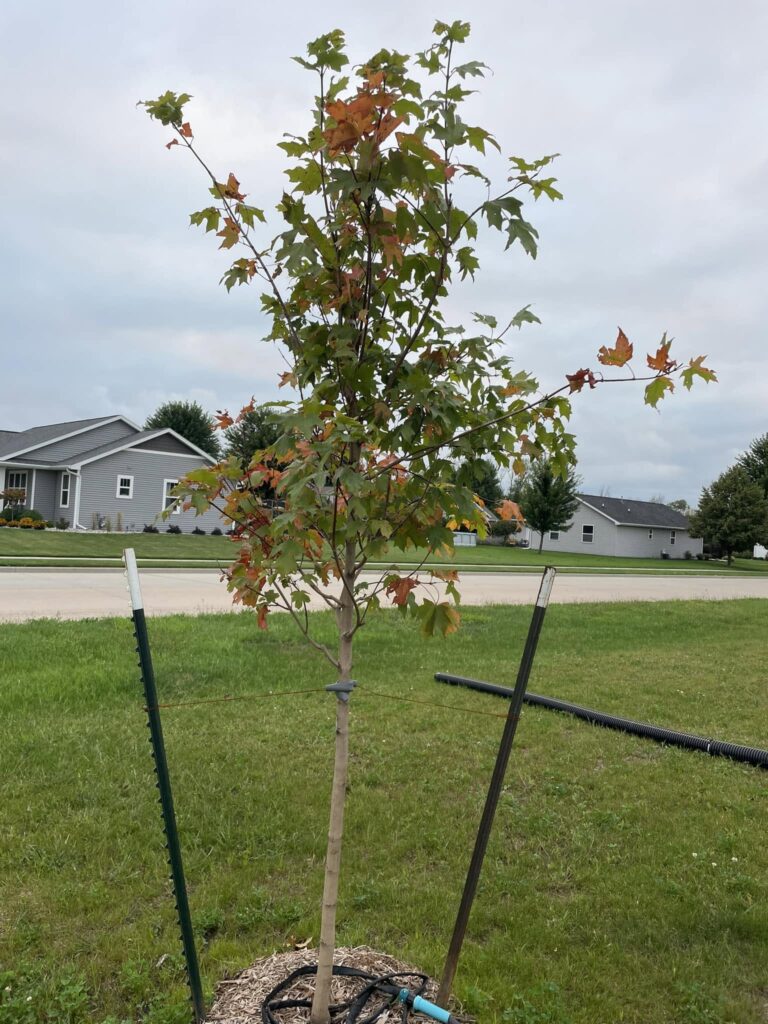
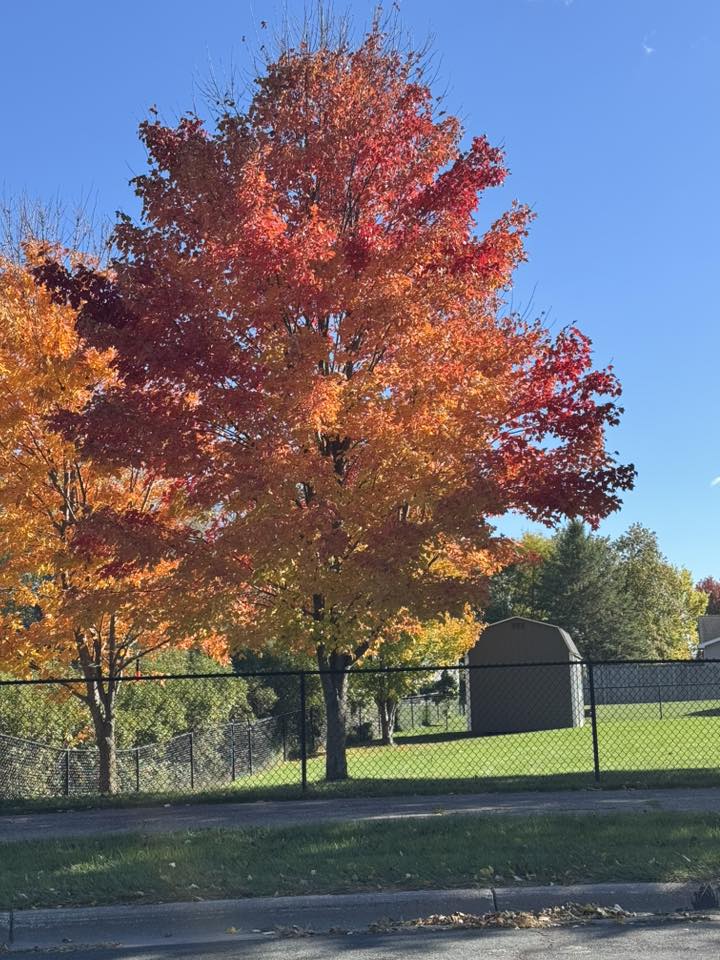
25. Red Maple (Acer rubrum)
Red maple might be the most adaptable native tree in all of Alabama, thriving in swamps, dry ridges, and everywhere in between. Its flowers, twigs, and fall leaves all show shades of red.
This tree is one of the most abundant species in eastern North American forests, according to Forest Service inventory data. It grows moderately fast and reaches 40 to 70 feet tall.
Red maple provides an early spring nectar source for bees before most other trees have even budded. Its brilliant fall foliage also makes it a favorite for home landscaping.
Few trees offer this much beauty across every season while asking so little in return regarding soil or care.
Final Thoughts
Alabama’s native trees tell a story that stretches back thousands of years, long before the state had a name. Every species on this list plays a role, whether feeding wildlife, stabilizing soil, or simply providing shade on a hot summer day.
Planting native trees is one of the simplest ways to support local ecosystems. They need less water, resist pests better, and feed the birds and insects that evolved alongside them.
Next time you walk through an Alabama forest, or even your own backyard, take a moment to notice these species. Once you learn to recognize them, you will start seeing them everywhere.
References
- Alabama Cooperative Extension System – A Key to Common Native Trees of Alabama https://www.aces.edu/blog/topics/forestry/a-key-to-common-native-trees-of-alabama/
- USDA Forest Service, Southern Research Station – Forests of Alabama, 2016 (Resource Update RU-FS-122) https://www.srs.fs.usda.gov/pubs/ru/ru_srs122.pdf
- Alabama Forestry Commission – Alabama Forest Facts https://www.forestry.alabama.gov/Pages/Education/PDFs/ForestFacts.pdf
- The University of Alabama Arboretum – Longleaf Pine (Pinus palustris) https://arboretum.ua.edu/whats-growing-on/longleaf-pine-pinus-palustrus/
- Alabama Legislature – Code of Alabama, Section 1-2-12: State Tree https://alison.legislature.state.al.us/code-of-alabama?section=1-2-12
- NC State Extension Gardener Plant Toolbox – Cornus florida (Flowering Dogwood) https://plants.ces.ncsu.edu/plants/cornus-florida/
- NC State Extension Gardener Plant Toolbox – Magnolia grandiflora (Southern Magnolia) https://plants.ces.ncsu.edu/plants/magnolia-grandiflora/

Tim M Dave is a gardening expert with a passion for houseplants, particularly cacti and succulents. With a degree in plant biology from the University of California, Berkeley, he has vast experience in gardening. Over the years, he has cultivated a vast collection of desert plants and learned a great deal about how to grow and care for these unique companions.