25 Stunning Bushes That Attract Butterflies (With Pictures, and Care Tips)
Butterflies need more than pretty flowers. They need reliable nectar, larval host plants, and shelter from wind, all wrapped into one dependable planting.
The stakes are higher than most gardeners realize. According to the U.S. Fish and Wildlife Service, the eastern monarch population dropped by 88 percent between 1996 and 2020, while the western population has fallen more than 99 percent since the 1980s.
That decline is not just about monarchs. A 2025 study published in the journal Science found that overall butterfly numbers across 554 species in the United States fell by 22 percent in just two decades.
The good news is that home gardens genuinely help. The USDA’s Natural Resources Conservation Service actively promotes shrub and wildflower plantings on private land specifically to reverse these losses.
Below are 25 bushes that bring butterflies back, one bloom at a time.
Now, let us go through the 25 best butterfly bushes, one at a time.
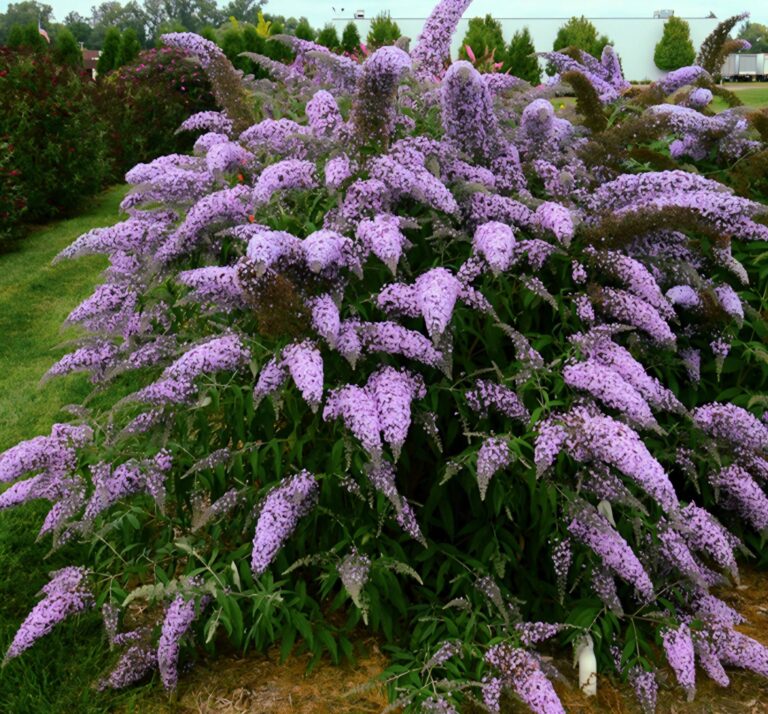
1. Butterfly Bush (Buddleja davidii)
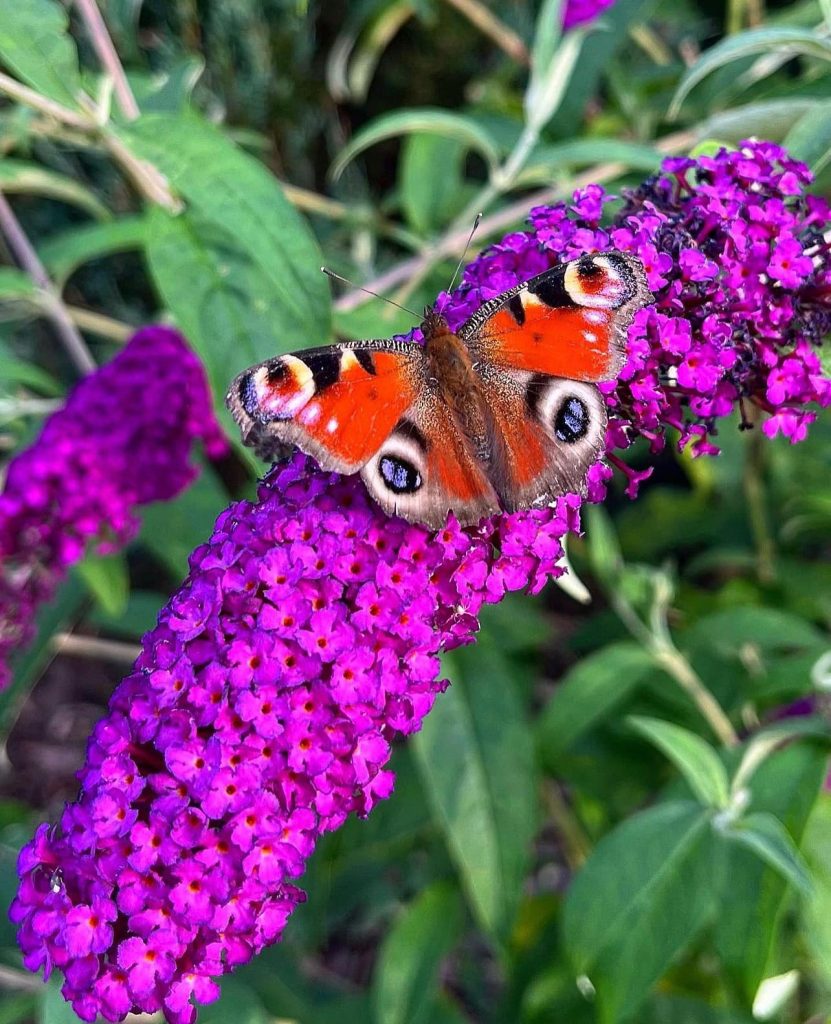
Few shrubs carry a more fitting name. Butterfly bush’s long, cone-shaped flower spikes bloom continuously from midsummer through the first frost.
Swallowtails, painted ladies, and skippers all gather here in large numbers. The fragrance alone seems to pull butterflies from across the yard.
It thrives in full sun and well-drained soil, tolerating drought once established. Deadheading spent blooms encourages continuous flowering all season long.
One important caution: buddleja is considered invasive in several states, including Oregon and Washington. Choose a sterile cultivar, and always check with your local extension office before planting.
2. Summersweet (Clethra alnifolia)
This native shrub earns its nickname honestly. The vanilla-like fragrance of its bottlebrush flower spikes can be noticed from several feet away.
Blooming from July into August, summersweet fills a critical nectar gap between spring shrubs and fall asters. Butterflies, bees, and hummingbirds all visit its blooms.
It prefers moist, acidic soil and tolerates shade better than most flowering shrubs. That makes it valuable for damp, partly shaded corners where other options struggle.
Because it flowers on new growth, a light pruning in late winter keeps the plant vigorous without sacrificing next season’s blooms.
3. Buttonbush (Cephalanthus occidentalis)
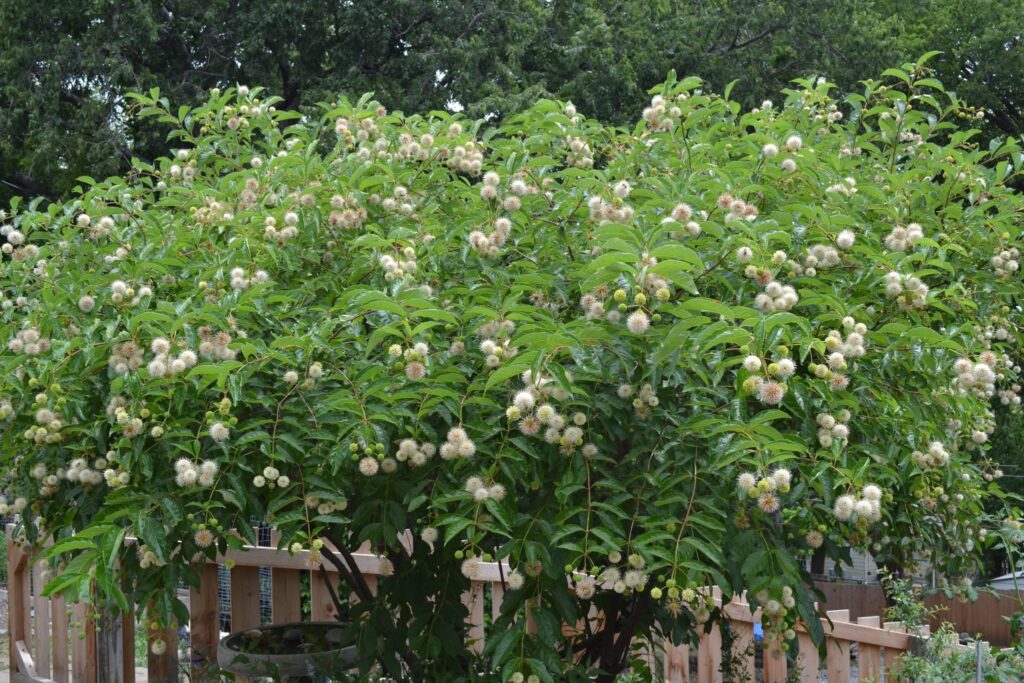
Round, pincushion-like flower globes make buttonbush instantly recognizable. Each sphere is packed with nectar that draws swallowtails and fritillaries throughout summer.
This native wetland shrub tolerates standing water better than almost any other bush on this list. It suits pond edges, rain gardens, and low-lying yard corners beautifully.
Give it full sun to partial shade and consistently moist soil. It rarely needs fertilizer once it settles into the right spot.
Bees and other pollinators visit alongside butterflies, making this one of the most ecologically productive shrubs available to home gardeners.
4. Arrowwood Viburnum (Viburnum dentatum)
Flat-topped clusters of creamy white flowers appear in late spring, followed by deep blue berries in fall. Butterflies visit the blooms heavily during their short bloom window.
This native shrub also serves as a larval host for several moth species, extending its ecological value beyond nectar alone. Birds rely on the berries once the flowers fade.
It adapts to full sun or partial shade and handles a wide range of soil types. Few native shrubs are this forgiving of imperfect growing conditions.
Light shaping right after flowering keeps its naturally rounded form neat without removing next year’s flower buds.
5. Ninebark (Physocarpus opulifolius)
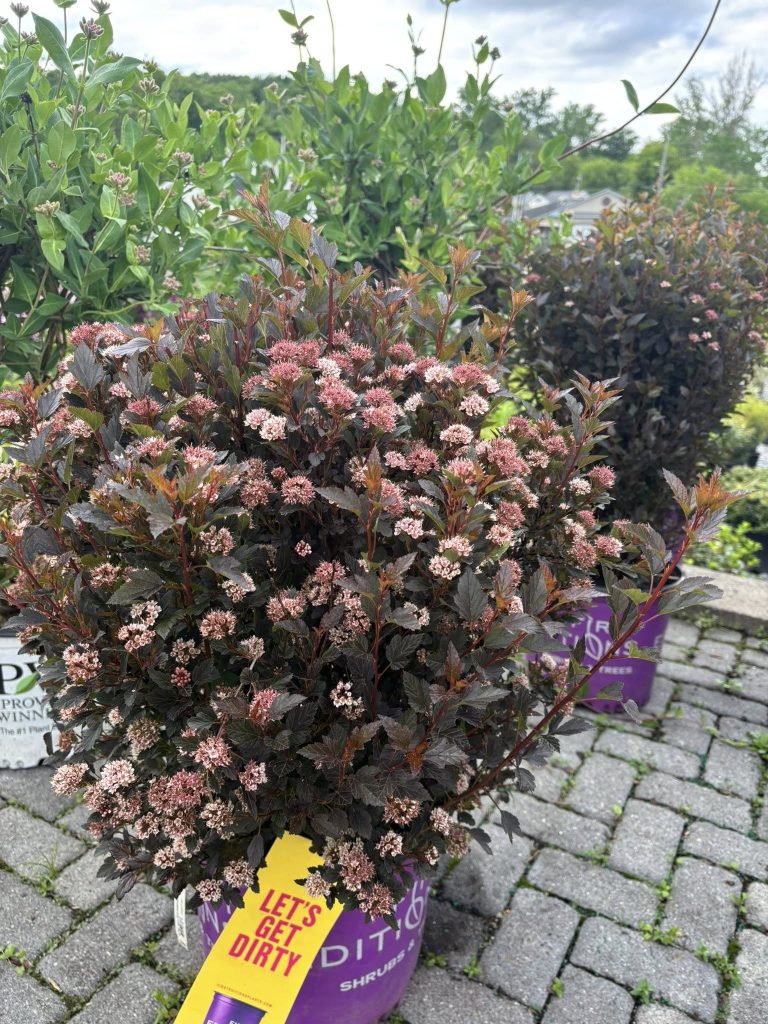
Clusters of small white or pink flowers cover ninebark in late spring, offering a brief but generous nectar source. Its peeling, textured bark adds four-season interest even after blooms fade.
Purple-leaved cultivars like ‘Diabolo’ are popular, though straight species tend to offer slightly better nectar value. Butterflies and native bees both visit regularly.
This tough native shrub tolerates drought, poor soil, and urban pollution with ease. It works well in mixed borders or as an informal hedge.
Renewal pruning every few years, removing the oldest stems at ground level, keeps the shrub full and floriferous.
6. Japanese Spirea (Spiraea japonica)
Flat clusters of pink or white flowers bloom heavily in early summer, often reblooming lightly through fall if deadheaded. Skippers and small butterflies favor its shallow, accessible blooms.
Its compact, mounded habit fits easily into foundation plantings and mixed borders. Most cultivars stay under four feet without any special pruning.
Full sun brings out the best flower production and the richest fall foliage color. Well-drained soil prevents root problems in wetter climates.
A hard cutback in late winter, right to a few inches above ground, keeps the plant tidy and encourages a fuller bloom the following summer.
7. New Jersey Tea (Ceanothus americanus)
Small, fluffy white flower clusters cover this native shrub in early summer. Hairstreaks, duskywings, and sulfur butterflies all visit its blooms regularly.
This nitrogen-fixing shrub actually improves the soil it grows in, a rare trait among ornamental plants. It thrives in lean, sandy, or rocky ground where richer soil would cause floppy, leggy growth.
Full sun and excellent drainage are essential. Avoid supplemental irrigation once the plant is established, since overwatering leads to weak, sparse flowering.
Its deep taproot makes it drought resistant but also intolerant of transplanting, so choose its permanent spot carefully from the start.
8. Rose of Sharon (Hibiscus syriacus)
Large, trumpet-shaped flowers bloom continuously from midsummer through early fall. Swallowtails and skippers frequent the blooms, and hummingbirds often join them.
Available in shades of white, pink, lavender, and blue, this shrub adds serious color to a summer garden. It can be trained as a small tree or kept as a rounded, multi-stemmed bush.
Full sun and moist, well-drained soil bring out the heaviest bloom production. It tolerates urban conditions and light drought once established.
Prune immediately after flowering ends, since Rose of Sharon sets next year’s buds on the current season’s new growth.
ALSO READ: 25 Varieties of Rose of Sharon (Different Types, With Pictures)
9. Firebush (Hamelia patens)
Tubular orange-red flowers bloom nonstop in warm climates, drawing swallowtails and hummingbirds with equal enthusiasm. Growth is remarkably fast, often reaching five to eight feet in a single season.
In colder zones, firebush is typically grown as an annual, since it cannot tolerate hard frost. Gardeners in warmer regions enjoy it as a true perennial shrub.
Full sun and well-drained soil keep it blooming heavily. Regular watering during dry spells supports continuous flower production.
Because flowers form at branch tips, occasional pinching encourages bushier growth and an even greater number of blooms.
10. Common Lilac (Syringa vulgaris)
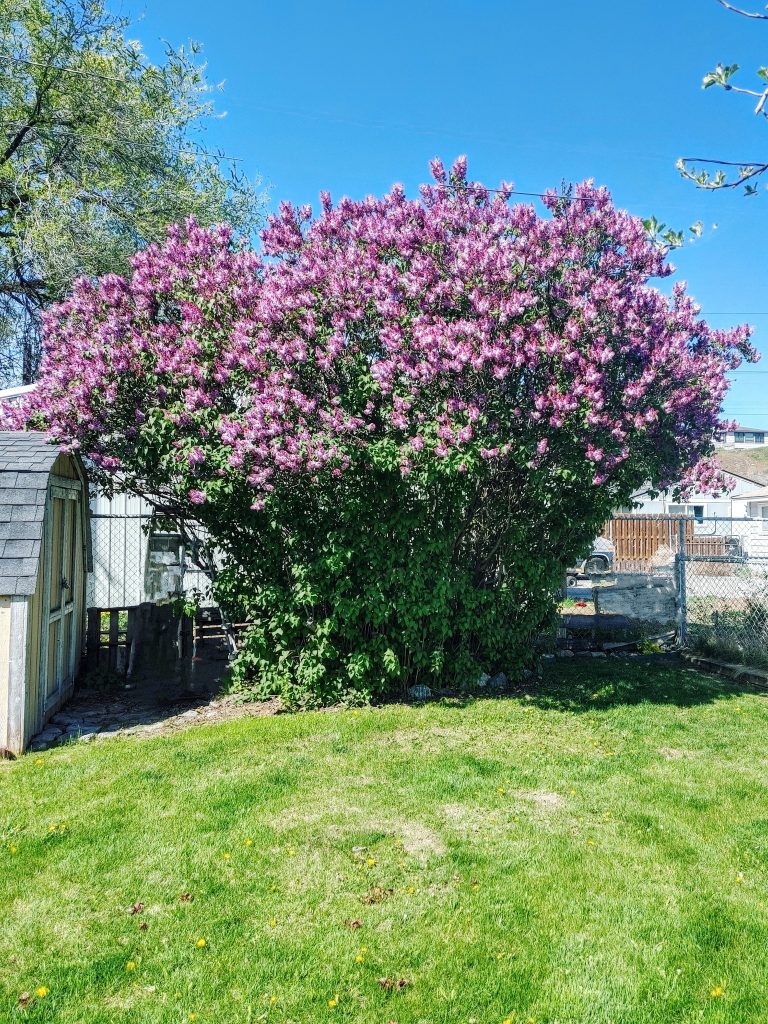
Fragrant purple, white, or pink flower clusters bloom in mid-spring, attracting early-season swallowtails alongside bees. Few shrubs offer this level of fragrance from a single bloom period.
Lilacs need a proper winter chill to flower well, making them a poor fit for the warmest climates. Cooler regions see the heaviest bloom production.
Full sun and well-drained, slightly alkaline soil suit lilacs best. Good air circulation between plants helps prevent powdery mildew in humid summers.
Prune right after flowering finishes, since lilacs set next year’s buds during the summer following bloom.
ALSO READ: 35 Types of Lilac Shrubs and Trees (Names With Pictures)
11. Glossy Abelia (Abelia x grandiflora)
Small, trumpet-shaped pink-white flowers bloom from midsummer clear into fall, one of the longest bloom windows on this list. Red admirals and silver-spotted skippers visit frequently.
Semi-evergreen in milder climates, abelia holds attractive glossy foliage well beyond the bloom season. Its arching branches give it a graceful, informal shape.
It tolerates full sun to partial shade and adapts to most soil types. Once established, it handles heat and moderate drought without much fuss.
Light shaping in early spring, before new growth emerges, maintains its natural form without sacrificing summer flowers.
12. Spicebush (Lindera benzoin)
This native shrub matters more for caterpillars than nectar. It serves as the primary host plant for spicebush swallowtail larvae, which cannot develop without it.
Small yellow flowers appear before the leaves in early spring, offering a modest early nectar source for emerging pollinators. Female plants produce red berries later in the season.
It thrives in partial shade and moist, well-drained soil, often growing naturally along woodland edges. Full sun locations tend to stress the plant in hot climates.
Because it is dioecious, both a male and female plant are needed nearby if berry production is a goal.
13. Winterberry Holly (Ilex verticillata)
Inconspicuous green flowers bloom quietly in late spring, yet they produce high-quality nectar that butterflies, bees, and other pollinators seek out. Henry’s elfin butterfly relies on it as a larval host.
Bright red berries follow in fall, persisting through winter once leaves drop. Male and female plants are both required nearby for the berries to form.
It tolerates wet soil better than most hollies and adapts to shade or full sun. Naturally found near wetlands, it suits low, damp garden areas well.
Minimal pruning is needed. Simply remove dead or crossing branches in late winter to maintain an open form.
14. Pussy Willow (Salix discolor)
Soft, fuzzy catkins appear in very early spring, well before most other shrubs even show buds. That early bloom timing makes it a lifeline for the first pollinators of the season.
It serves as a larval host plant for viceroy and mourning cloak butterflies, among the earliest species to emerge each year. Bees and flies also depend on its early pollen.
Site pussy willow in full sun and consistently moist soil. It grows vigorously and benefits from renewal pruning every few years to stay full and shapely.
Its multi-stemmed form can reach twenty feet if left unpruned, so plan for its eventual size when choosing a planting spot.
15. Highbush Blueberry (Vaccinium corymbosum)
Small, bell-shaped white flowers bloom in mid-spring, offering both nectar for butterflies and food for the gardener later in summer. Few shrubs multitask this effectively.
Its foliage also supports several butterfly and moth caterpillars, adding ecological value beyond the fruit itself. Fall color turns a striking red-orange.
Acidic, well-drained soil is essential for healthy growth. Full sun produces the heaviest flowering and the sweetest berries.
Planting at least two different cultivars nearby improves pollination and increases both fruit and flower yield.
16. Black Chokeberry (Aronia melanocarpa)
Clusters of small white flowers bloom in spring, drawing early-season butterflies and bees. Dark purple-black berries follow, prized more by birds than people, though both can eat them.
This tough native shrub tolerates wet soil, drought, and poor growing conditions with equal ease. Its adaptability makes it a reliable choice for difficult yard corners.
Full sun brings out the best fall foliage color, typically a deep, glowing red. Partial shade is tolerated but reduces flowering somewhat.
Little pruning is required beyond removing occasional suckers if a tidier, non-spreading form is preferred.
17. Dwarf Bottlebrush (‘Little John’)
Bright red, bristly flower spikes bloom heavily and repeatedly through the warm season. Swallowtails and hummingbirds both visit with striking regularity.
This compact cultivar stays under three feet, unlike standard bottlebrush, which can grow into a small tree. That makes it a smart choice for smaller butterfly gardens.
Full sun and well-drained soil keep it blooming reliably. It tolerates heat, drought, and coastal salt exposure quite well.
It is less frost tolerant than many shrubs on this list, so gardeners in colder climates should treat it as a container plant or seasonal accent.
18. Kalm’s St. John’s Wort (Hypericum kalmianum)
Bright yellow, star-shaped flowers bloom throughout summer, offering pollen rather than significant nectar. Butterflies and native bees still visit regularly for the pollen reward.
This compact, semi-evergreen native shrub rarely exceeds three feet, fitting neatly into small borders and foundation plantings. Its blue-green foliage adds subtle color even between bloom cycles.
It tolerates poor, sandy, or rocky soil and handles drought well once established. Full sun produces the heaviest flowering.
Very little pruning is required, beyond an occasional light shaping in early spring to maintain a neat form.
19. Weigela (Weigela florida)
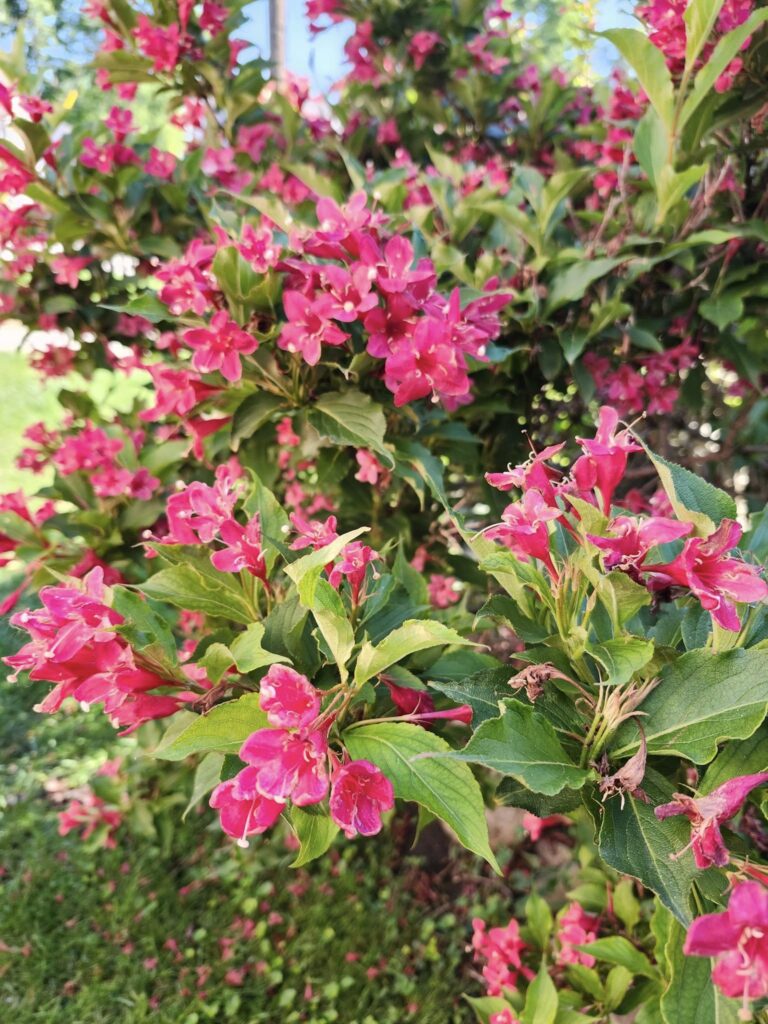
Trumpet-shaped pink or red flowers bloom heavily in late spring, drawing swallowtails alongside hummingbirds. A light rebloom sometimes follows in midsummer.
Dark-leaved cultivars like ‘Wine and Roses’ pair the flowers with striking burgundy foliage, adding contrast throughout the growing season. Older varieties can reach six feet, while newer dwarf types stay much smaller.
Full sun brings out the richest bloom and leaf color. Well-drained soil prevents root issues in wetter regions.
Prune immediately after flowering, since next year’s buds form on growth produced later in the same season.
20. Shrubby Cinquefoil (Potentilla fruticosa)
Bright yellow, white, or pink flowers bloom continuously from early summer through fall, one of the longest flowering windows among small shrubs. Skippers and small butterflies visit steadily throughout that stretch.
Michigan State University Extension notes it as one of the few shrubs that flower all summer without pause. That reliability makes it a dependable nectar source in home gardens.
It tolerates drought, salt, and poor soil exceptionally well. Full sun keeps flowering at its heaviest.
A hard cutback every two or three years, down to a few inches above ground, rejuvenates plants that begin to look sparse or straggly.
21. American Beautyberry (Callicarpa americana)
Small pink flowers bloom quietly in summer, easily overshadowed by the shrub’s real showstopper: clusters of vivid purple berries that wrap around the stems in fall. Butterflies visit the blooms while birds handle the berries later.
This native shrub thrives in partial shade, unlike most butterfly plants that demand full sun. That makes it valuable for gardens with limited direct light.
Moist, well-drained soil suits it best, though established plants tolerate occasional dry spells. Its arching, informal form suits naturalized garden areas well.
A hard prune in late winter encourages fuller growth and a heavier berry display by autumn.
22. Virginia Sweetspire (Itea virginica)
Drooping, bottlebrush-like flower spires bloom from late spring into early summer, opening gradually from base to tip over several weeks. That extended bloom period keeps nectar available longer than many shrubs manage.
This native shrub tolerates wet soil and even brief flooding better than almost anything else on this list. Fall color turns a deep, wine-red that rivals any ornamental shrub.
Full sun for at least part of the day produces the best flowering, though it tolerates shade reasonably well. Morning sun exposure is ideal.
Its suckering habit forms a slowly spreading colony over time, useful for erosion control on damp slopes.
23. Dwarf Fothergilla (Fothergilla gardenii)
Honey-scented, bottlebrush-shaped white flowers bloom in early spring before the leaves fully emerge. Early butterflies and native bees both rely on this early nectar source.
This native shrub stays compact, generally under three feet, fitting easily into small butterfly gardens. Fall color rivals any shrub available, often combining yellow, orange, and red on the same plant.
Well-drained, slightly acidic soil suits it best. Partial shade to full sun both work, though full sun intensifies fall color.
Very little pruning is needed. Simply remove dead or damaged wood in late winter before new growth begins.
24. Bluebeard (Caryopteris x clandonensis)
Clusters of small blue flowers bloom from late summer into fall, a season when many other nectar sources have already faded. That late timing makes it valuable for migrating monarchs passing through in September.
This compact shrub, often called blue mist spirea, rarely exceeds three feet. Its silvery, aromatic foliage adds texture even before flowering begins.
Full sun and well-drained soil are essential. It struggles in heavy, wet clay and performs best in lean, dry conditions.
Because it blooms on new wood, a hard cutback in early spring, down to about six inches, produces the fullest and most floriferous plant.
25. Azalea (Rhododendron species)
Large, showy flower clusters bloom in mid-spring, drawing great spangled fritillaries, eastern tiger swallowtails, and palamedes swallowtails in good numbers. Few shrubs deliver this much color in such a short window.
Many cultivars exist, so choosing single-flowered types over heavily doubled ones improves nectar accessibility for visiting butterflies. Doubled blooms often provide less usable nectar despite their showier appearance.
Acidic, well-drained soil and partial shade suit azaleas best. Full sun in hot climates can scorch the foliage.
Prune immediately after flowering, since azaleas set next year’s flower buds during the summer that follows.
ALSO READ: 25 Shrubs That Stay Small (Dwarf Varieties, With Pictures)
Why Bushes Matter More Than Flowerbeds Alone
Annual flowers get most of the attention in butterfly gardening articles. Shrubs deserve equal credit, and often more.
A single mature shrub can outproduce a dozen annuals. Its size, root system, and bloom volume simply generate more nectar per square foot of garden space.
Shrubs also provide something flowers cannot: structure. Woody stems offer shelter from wind and rain, along with safe overnight roosting spots.
Many bushes double as larval host plants, not just nectar sources. That distinction matters, since Pennsylvania State University Extension notes that native shrubs are often essential food for caterpillars, not only adult butterflies.
Without host plants, there are no future generations of butterflies to enjoy. Nectar alone keeps adults fed, but host plants keep the species alive.
How to Design a Butterfly-Friendly Bush Border
Choose native species whenever possible. Native shrubs typically provide more nectar and serve as host plants, unlike many ornamental imports bred purely for showy flowers.
Stagger bloom times deliberately. Pairing early bloomers like pussy willow and fothergilla with late bloomers like bluebeard keeps nectar available from spring through fall.
Plant in clusters, not single specimens. The USDA’s Natural Resources Conservation Service recommends grouping shrubs in patches of five to ten plants per species, since massed plantings are easier for butterflies to locate.
Provide sun and wind shelter together. Colorado State University Extension notes that butterflies need open, sunny areas balanced with some shelter from strong wind.
Common Mistakes That Keep Butterflies Away
Relying only on nectar plants. Adult butterflies need nectar, but their caterpillars need host plants. A garden without host species will never sustain a resident population.
Using pesticides too freely. Colorado State University Extension warns that most garden insecticides kill caterpillars and can also kill adult butterflies that land on treated surfaces.
Choosing overly manicured plants. Gardening Know How notes that heavily bred double-flowered cultivars often sacrifice nectar production for showier blooms.
Ignoring regional native status. A shrub that thrives in one region may offer little value elsewhere. Checking a local university extension plant list before buying prevents this common error.
Skipping water sources. Male butterflies often gather at damp soil or shallow puddles to absorb minerals, a behavior called puddling. A small damp patch nearby supports this need.
The Real Benefits of Planting for Butterflies
Butterfly gardens are not just decorative. They provide measurable ecological value well beyond their visual appeal.
They support pollination services. Butterflies contribute to pollinating many garden vegetables, fruits, and native wildflowers alongside bees.
They provide backyard conservation impact. With monarch populations facing up to a 99 percent chance of extinction in the western population by 2080, according to Fish and Wildlife Service assessments, individual gardens genuinely matter at scale.
They extend seasonal interest. Many butterfly shrubs bloom in sequence, keeping color and movement in the garden from April through October.
They connect fragmented habitat. Suburban and urban plantings link isolated natural areas, giving migrating species like monarchs safer corridors to travel through.
Bushes Grouped by Special Purpose
Best larval host plants: Spicebush, pussy willow, and winterberry holly all support specific butterfly or moth caterpillars directly.
Best for wet or poorly drained soil: Buttonbush, virginia sweetspire, and winterberry holly tolerate standing water far better than most shrubs.
Best for late-season nectar: Bluebeard, glossy abelia, and rose of Sharon keep blooming into early fall, supporting late migrating monarchs.
Best for early spring nectar: Pussy willow, dwarf fothergilla, and common lilac bloom before most other nectar sources appear.
Best for small gardens: Dwarf bottlebrush, Kalm’s St. John’s wort, and shrubby cinquefoil all stay compact and manageable.
Best drought-tolerant options: New Jersey tea, ninebark, and bluebeard handle dry spells with minimal watering once established.
Frequently Asked Questions About Butterfly Bushes
Is butterfly bush actually good for butterflies?
It offers excellent nectar, but it is not a host plant and can be invasive in some regions. Pairing it with native host shrubs gives a more complete, responsible garden.
How many bushes do I need to attract butterflies?
Even one or two well-chosen shrubs can draw visitors, though grouping three to five plants of the same species improves visibility and detection for passing butterflies.
Do butterfly bushes need full sun?
Most do, since sunlight both boosts flowering and provides the warmth butterflies need to fly. A few, like spicebush and beautyberry, tolerate partial shade well.
Can container gardens attract butterflies?
Yes. Compact shrubs like dwarf bottlebrush or Kalm’s St. John’s wort perform well in large pots on patios and balconies.
Are pesticides ever safe to use near butterfly bushes?
Use them sparingly, if at all. Even organic insecticides can harm caterpillars and adult butterflies that come into contact with treated foliage.
Seasonal Care for Butterfly-Friendly Bushes
Spring planting gives roots time to establish before summer heat arrives. This is also when early bloomers like pussy willow and fothergilla put on their show.
Summer care focuses on deadheading spent blooms to extend flowering and watering deeply during dry spells, especially for younger plants.
Fall is the right time to plant most native shrubs in milder climates, giving roots a head start before winter dormancy.
Winter pruning suits shrubs that bloom on new wood, such as butterfly bush and bluebeard, while spring bloomers like lilac and azalea should wait until after flowering.
Final Thoughts
I have watched a bare corner of yard turn into a steady stopping point for swallowtails and skippers, simply by adding two or three of the right shrubs. It rarely takes more than that.
Choose a mix of nectar-rich bloomers and true host plants, stagger the bloom times, and skip the pesticides. The butterflies will find their own way to the rest.
Given how steeply monarch and broader butterfly populations have fallen in recent decades, every well-chosen shrub in a home garden counts for more than it might seem.
References
- U.S. Fish & Wildlife Service – Plight of the Monarch: https://www.fws.gov/story/2021-08/plight-monarch
- U.S. Fish & Wildlife Service – Save the Monarch: https://www.fws.gov/initiative/pollinators/save-monarch
- USDA Natural Resources Conservation Service – Monarch Butterflies: https://www.nrcs.usda.gov/programs-initiatives/monarch-butterflies
- Colorado State University Extension – Attracting Butterflies to the Garden: https://extension.colostate.edu/resource/attracting-butterflies-to-the-garden/
- Pennsylvania State University Extension – Native Shrubs for Pollinators: https://extension.psu.edu/native-shrubs-for-pollinators
- University of Minnesota Extension – Trees and Shrubs for Pollinators: https://extension.umn.edu/lawns-and-landscapes/trees-and-shrubs-pollinators
- USDA Climate Hubs – Monarch Butterfly and Milkweed Conservation Resources: https://www.climatehubs.usda.gov/hubs/northeast/topic/monarch-butterfly-and-milkweed-conservation-resources

Tim M Dave is a gardening expert with a passion for houseplants, particularly cacti and succulents. With a degree in plant biology from the University of California, Berkeley, he has vast experience in gardening. Over the years, he has cultivated a vast collection of desert plants and learned a great deal about how to grow and care for these unique companions.