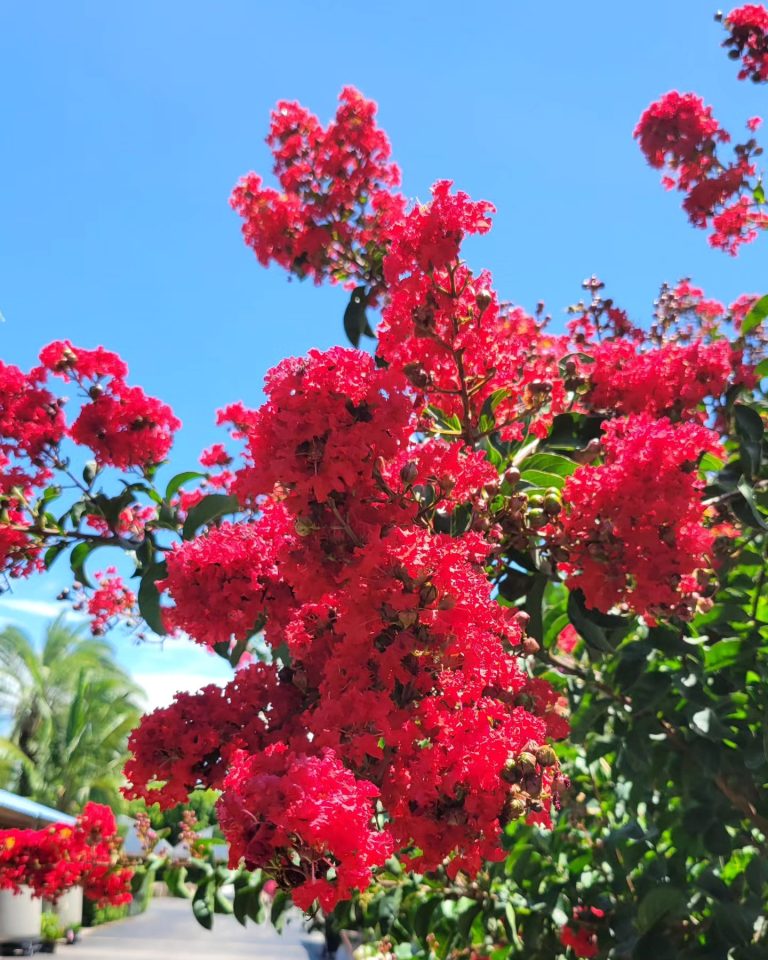
25 Shrubs That Stay Small (Dwarf Varieties, With Pictures)
Space is shrinking in modern landscapes. Suburban lots have gotten smaller over the decades, and many gardeners now work with patios, townhomes, or compact yards.
Small shrubs solve a real problem. They add structure and color without demanding a large footprint.
They also save money and labor. A shrub that stays put means fewer pruning sessions, less green waste, and a landscape that looks intentional rather than overgrown.
There is a practical energy benefit too. The U.S. Department of Energy notes that a well-placed tree, shrub, or vine can deliver effective shade and act as a windbreak, and carefully positioned plantings can save up to 25% of a household’s energy use.
Compact shrubs near foundations create insulating dead-air pockets that moderate indoor temperatures in both summer and winter, according to University of Missouri Extension research.
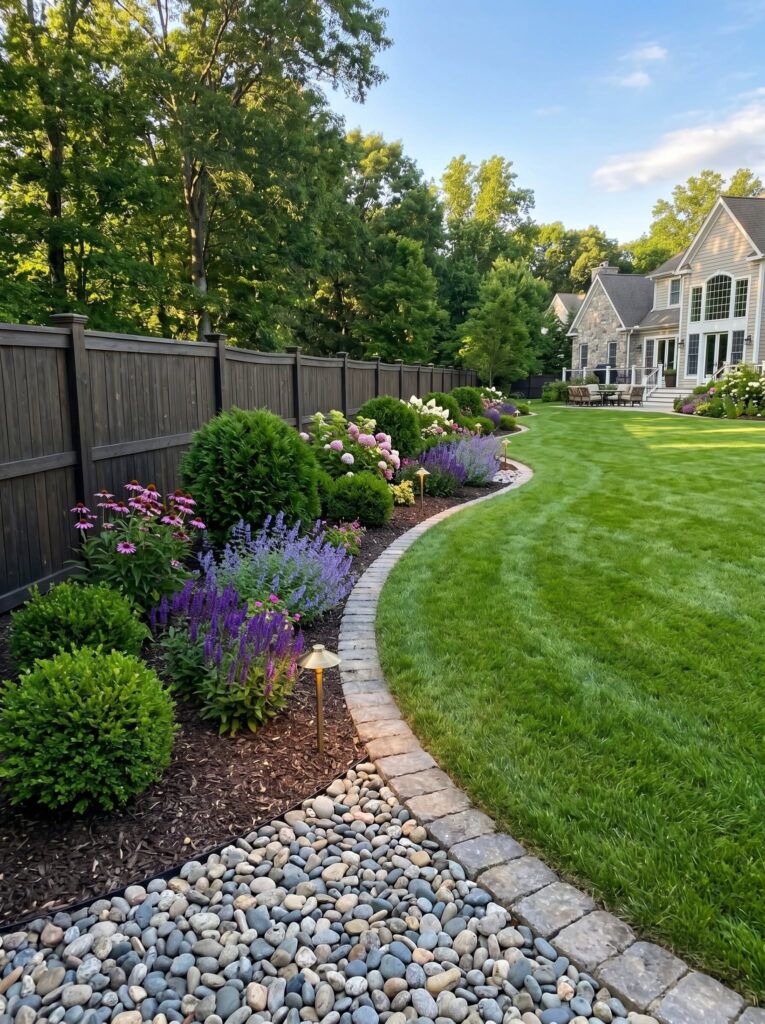
Small shrubs, generally defined as those reaching 4 feet or less in height, are ideal for foundation plantings, narrow borders, and tight urban yards. According to Iowa State University Extension, small shrubs work beautifully near sidewalks, driveways, and rock gardens where space is limited.
Now, let us go through the 25 best small shrubs, one by one.
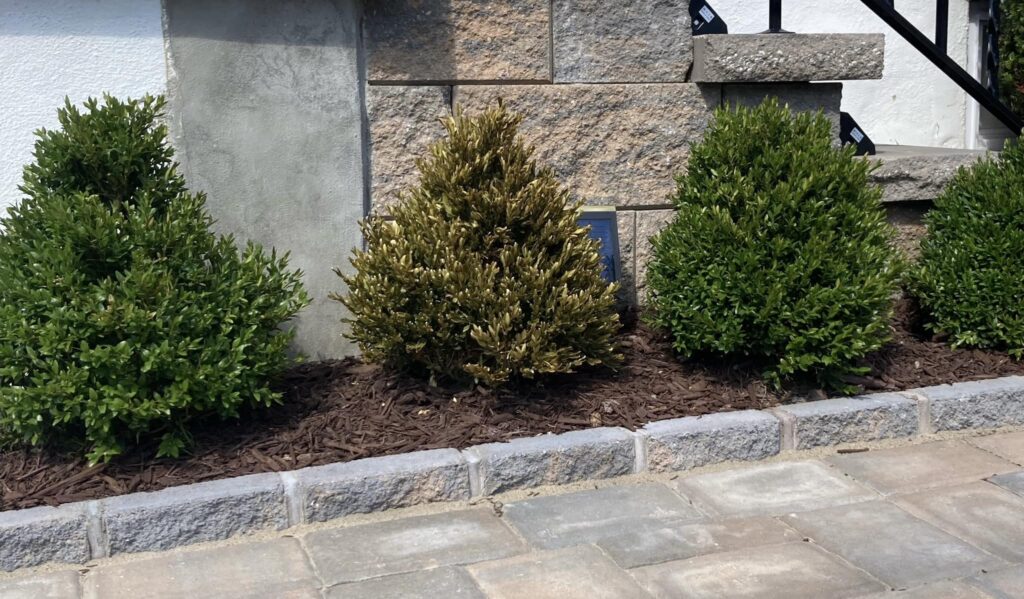
1. Dwarf Boxwood (‘Green Gem’)
Mature size: 2 to 3 feet tall and wide.
This little evergreen holds a tight, rounded shape naturally. I like it because it barely needs shaping.
Its compact habit comes from slow, dense branching rather than aggressive pruning. Left alone for years, it still keeps roughly the same silhouette it had at planting.
It thrives in full sun to partial shade and tolerates a range of soils. Use it for low hedges or as an anchor in a mixed border.
One practical note: boxwood can be sensitive to boxwood blight in humid regions. Good air circulation between plants and avoiding overhead watering both reduce that risk considerably.
2. Crimson Pygmy Barberry
Mature size: Around 2 feet tall.
Deep reddish-purple foliage makes this shrub a standout accent plant. It holds its color from spring through fall.
Its size stays predictable because it is a true dwarf sport, not a shrub kept small through hard pruning. That genetic trait is why nurseries can promise such a reliable mature height.
It handles heat, drought, and poor soil without complaint. Just watch for thorns when pruning.
Some states restrict or discourage barberry planting due to invasive seedling spread. Checking with your local extension office before planting is a smart precaution.
3. Dwarf Fothergilla
Mature size: 2 to 3 feet tall.
This native shrub offers honey-scented white spring flowers and brilliant fall color. The University of Iowa Extension lists it among top small deciduous shrubs for northern climates, hardy to USDA Zone 5.
Unlike its larger cousin, the standard fothergilla, this compact form was selected specifically for tight garden beds. The bottlebrush-shaped flowers appear before the leaves fully emerge, giving an early hit of fragrance.
Plant it in well-drained, slightly acidic soil. Partial shade to full sun suits it well.
Fall color intensity often depends on sun exposure. Plants grown in brighter light tend to produce deeper oranges and reds compared to those tucked into heavier shade.
4. Shrubby Cinquefoil (Potentilla)
Mature size: 2 to 3 feet tall.
Potentilla blooms all summer long, which is rare among small shrubs. Michigan State University Extension calls it one of the few plants that flower continuously through the warm months.
Its tidy, mounded form comes from fine-textured leaves and dense branching. Even without pruning, most plants keep a neat, rounded outline for years.
It tolerates drought and salt exposure with ease. This makes it a smart pick for roadside or coastal plantings.
Older plants can look tired after two or three seasons. A hard cutback to a few inches above ground in late winter restores vigor and keeps the size in check.
5. Little Princess Spirea
Mature size: 2 to 3 feet tall.
Soft pink flower clusters appear atop compact mounds each summer. The plant blooms on new growth, so a hard prune in late winter refreshes it nicely.
This cultivar was bred specifically to stay dwarf, unlike older spirea varieties that can reach five feet or more. That built-in compactness is what makes it so dependable for small beds.
Full sun and well-drained soil keep this spirea happy. It rarely exceeds its expected height.
Deadheading spent blooms sometimes triggers a light second flush of color later in summer. It is a small effort with a noticeable payoff.
6. Dwarf Korean Lilac
Mature size: 4 to 5 feet tall, sometimes kept smaller with pruning.
I love this shrub for its fragrance. Fewer people expect lilacs to stay compact, but this cultivar does exactly that.
Its dense, twiggy growth habit naturally limits size compared to common lilac, which can tower well past ten feet. That difference alone makes it worth seeking out for small yards.
Lavender-pink flowers cover the plant in late spring. It needs full sun for the best bloom show.
Good air circulation helps prevent powdery mildew, a common issue for lilacs in humid climates. Spacing plants generously solves most of that problem.
7. Shamrock Inkberry Holly
Mature size: 3 to 4 feet tall.
This is a compact, non-invasive alternative to boxwood. Its dense, dark green foliage stays attractive through every season.
Older inkberry varieties often lose leaves near the base over time, leaving bare legs. The Shamrock cultivar was selected specifically to stay full and dense from top to bottom.
It handles wet soil better than most evergreens. That makes it useful in low-lying garden spots.
Because it is native to much of the eastern United States, it also supports local pollinators and songbirds better than many imported evergreen alternatives.
8. Dwarf Yaupon Holly (‘Bordeaux’)
Mature size: 2 to 3 feet tall.
According to University of Florida IFAS Gardening Solutions, this native cultivar maxes out at just two to three feet. It is sterile, meaning it will not produce messy berries.
Its size stability comes from being a true dwarf selection rather than a pruned-down standard yaupon, which can otherwise reach fifteen feet or taller. That distinction matters when planning long-term garden layouts.
It tolerates heat, drought, and a wide range of soil types. Few shrubs are this forgiving.
New reddish foliage in spring gradually matures to deep green, giving it subtle seasonal interest without any flowers at all.
9. Carissa Holly
Mature size: 3 to 5 feet tall.
Spiny, glossy leaves give this holly year-round texture. UF/IFAS Extension notes it as a favorite dwarf variety for southern landscapes.
Because it lacks the typical pointed holly leaf shape, it reads as softer and more rounded in a bed. That makes it easier to blend with flowering perennials without looking harsh.
It works well as a low hedge or foundation planting. Light pruning once a year is usually enough.
It also tolerates salt spray reasonably well, which explains its popularity in coastal Gulf Coast landscapes.
10. Little John Dwarf Bottlebrush
Mature size: 3 feet tall.
Bright red, bristly blooms attract hummingbirds and butterflies all season. Despite its small size, the flower show is dramatic.
Compared to standard bottlebrush trees, which can reach fifteen feet, this dwarf form was bred purely for compact garden use. Flower size and color intensity remain unchanged, just packed onto a smaller frame.
Give it full sun and well-drained soil. It handles drought and salt but dislikes hard frost.
In colder microclimates, a layer of mulch over the root zone in winter helps protect it through occasional cold snaps.
11. Miniature Roses
Mature size: 8 to 24 inches tall.
These tiny roses produce full-size blossoms in miniature form, according to UF/IFAS Gardening Solutions. Colors span nearly the entire rainbow.
Breeders developed miniature roses through selective crossing over many decades, gradually shrinking plant size while keeping bloom quality intact. The result looks like a full rose bush viewed through the wrong end of a telescope.
They fit containers, borders, and rock gardens equally well. Regular deadheading keeps blooms coming.
Good airflow around the base reduces black spot and powdery mildew, two common rose ailments that spread quickly in crowded plantings.
12. Cranberry Cotoneaster
Mature size: 2 to 3 feet tall.
Low and spreading, this shrub produces cranberry-red berries that persist into winter. Iowa State University Extension recommends it for moist, partially shaded sites.
Its horizontal branching habit keeps height low while still covering significant ground width. That growth pattern makes it useful for slopes where erosion control matters as much as appearance.
Its glossy leaves turn maroon in fall. Birds appreciate the berries when food gets scarce.
Light shearing after flowering keeps the plant tidy without sacrificing the berry display later in the season.
13. Dwarf Bush Honeysuckle
Mature size: 3 feet tall.
This shade-tolerant shrub suckers freely, forming a natural groundcover on slopes. Small yellow, trumpet-shaped flowers bloom in early summer.
Its suckering habit is actually a size-management advantage rather than a drawback. Individual stems stay short, while the colony spreads outward, so no single plant ever grows tall or leggy.
It works well where grass struggles to grow. Copper-toned new foliage adds extra interest.
Occasional thinning of old stems in early spring keeps the colony looking fresh rather than tangled.
14. Dwarf Japanese Plum Yew (‘Prostrata’)
Mature size: 2 to 3 feet tall.
Needle-like evergreen foliage gives year-round structure to shady corners. Deer generally avoid it, which is a real bonus in many neighborhoods.
Unlike the upright species form, which can reach ten feet, this prostrate cultivar spreads horizontally instead of growing tall. That habit makes it especially useful as a low, textured groundcover beneath taller trees.
Plant it in well-drained, slightly acidic soil. It prefers cooler climates but survives as far south as Zone 9B.
Its slow growth rate, often just a few inches per year, means it rarely needs pruning to stay within bounds.
ALSO READ: 30 Best Shrubs That Grow in Shade (Identification, With Pictures)
15. Gumpo Dwarf Azalea
Mature size: 1 to 2 feet tall.
Large flowers on a small frame make this azalea a favorite for tight spaces. Blooms arrive later than most azaleas, extending the color season.
Its low, spreading habit comes from naturally short internodes between leaves, a trait bred specifically into the Gumpo line. That density is why the flowers appear to cover the entire plant at once.
It needs acidic, well-drained soil and partial shade. Avoid overly wet or compacted ground.
Light pruning right after flowering, rather than in fall or winter, preserves next year’s bud set.
16. New Jersey Tea
Mature size: 3 feet tall and wide.
This native shrub produces fragrant white flower clusters in mid-summer. Michigan State University Extension highlights it as ideal for mixed borders and foundation plantings.
Its compact size is partly a survival strategy from its native prairie and rocky-slope habitat, where deep roots matter more than tall top growth. That deep taproot also makes it notably drought resistant once established.
It thrives in sandy or rocky, well-drained soil. Pollinators and birds both benefit from this plant.
Because it resents transplanting once mature, it is best planted while young and left undisturbed afterward.
17. Little Lime Hydrangea
Mature size: 3 to 5 feet tall.
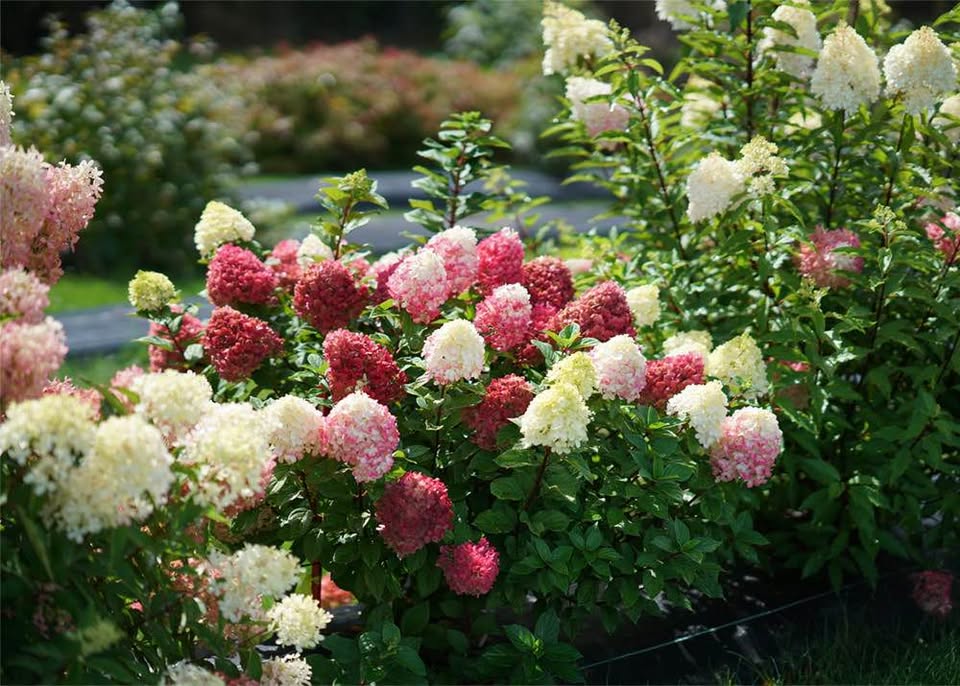
A compact version of the popular panicle hydrangea, this shrub produces lime-green blooms that age to pink. It holds its shape without staking, unlike many larger hydrangeas.
Standard panicle hydrangeas can reach eight feet with floppy stems that often need support. This dwarf selection was bred with sturdier, shorter stems that hold the flower heads upright without any staking at all.
Full sun to partial shade works best. Consistent moisture keeps the blooms full.
Because it blooms on new wood, an annual late-winter prune to about a third of its size keeps flowering strong without letting the plant creep taller each year.
18. Lo and Behold Dwarf Butterfly Bush
Mature size: 2 to 3 feet tall.
Traditional butterfly bushes can reach eight feet or more, but this series stays remarkably compact. It still draws butterflies and hummingbirds in large numbers.
Breeders bred this series to be both smaller and largely sterile, addressing concerns about butterfly bush seeding into wild areas. That makes it a more responsible choice than older, larger varieties.
It tolerates heat and drought once established. Deadheading extends the bloom period.
A late-winter cutback to a few inches above ground each year keeps the plant compact and encourages fuller, more floriferous new growth.
19. Firepower Nandina
Mature size: 2 feet tall.
This dwarf nandina turns vivid red in cooler months, adding color when little else is blooming. It stays neat and rounded without any pruning.
Its extremely dense, compact growth habit sets it apart from standard nandina, which can reach six feet or more and often looks leggy at the base. Firepower keeps foliage low and full from the ground up.
It handles sun or shade equally well. Poor soil rarely bothers it.
Because some nandina varieties are considered invasive in certain states, choosing a sterile or low-fruiting cultivar like this one is a responsible landscaping decision.
20. Midnight Wine Weigela
Mature size: 1 to 2 feet tall.
Dark burgundy foliage contrasts beautifully with pink spring flowers. This is one of the smallest weigela cultivars available.
Older weigela varieties commonly reach four to six feet, so this dwarf selection represents a significant size reduction bred specifically for small-space gardening. The foliage color also holds better in full sun than many other dark-leaved shrubs.
Full sun brings out the richest leaf color. It fits neatly into small borders or containers.
Very little pruning is needed beyond removing the occasional wayward stem after flowering ends.
21. Chardonnay Pearls Deutzia
Mature size: 2 to 3 feet tall.
Golden-yellow foliage brightens shady spots throughout the growing season. White, bell-shaped flowers appear in late spring.
Its compact, mounded form stays consistent year after year, a trait bred intentionally to distinguish it from older, larger deutzia varieties. This makes it easier to place confidently in a small border without worrying about future crowding.
It prefers partial shade in hot climates to avoid leaf scorch. Well-drained soil suits it best.
Light shaping right after the spring bloom period keeps the mound tidy without sacrificing next year’s flowers.
22. Little Henry Sweetspire
Mature size: 2 to 3 feet tall.
Fragrant white flower spikes droop gracefully in early summer. Fall color turns a deep burgundy-red, extending seasonal interest.
This native shrub tolerates wet soil and even light flooding. It is a strong choice for rain gardens.
Its suckering, colony-forming habit keeps individual stems low even as the planting spreads sideways over time. That makes it a practical groundcover for damp, low-lying areas where other shrubs struggle.
Because it flowers on old wood, any pruning should happen right after blooming rather than in early spring.
23. Blue Star Juniper
Mature size: 2 to 3 feet tall.
Silvery-blue, star-shaped foliage stays dense and low all year. This conifer rarely needs pruning to maintain its shape.
Its naturally slow, mounded growth habit is what keeps it so predictably compact, unlike many junipers that sprawl aggressively over several years. That slow pace also means fewer surprises down the road.
It thrives in full sun and well-drained soil. Drought tolerance makes it useful for xeriscaping.
Avoid heavy mulch piled against the trunk, since junipers are prone to rot when moisture collects at the base.
24. Gro-Low Fragrant Sumac
Mature size: 2 feet tall, spreading wider.
This low, spreading shrub controls erosion on slopes while offering glossy summer foliage. Fall brings shades of orange and red.
Its rhizomatous, spreading roots hold soil in place while the top growth stays low and horizontal, rarely climbing beyond two feet. That combination makes it a favorite for banks and slopes where mowing is impractical.
It tolerates poor, dry soil better than almost any shrub on this list. Full sun to partial shade both work.
Because it spreads by underground runners, an edging barrier helps keep it contained within a defined bed.
25. Dwarf Mugo Pine
Mature size: 3 to 4 feet tall.
Though technically a conifer, this compact pine behaves like a shrub in the landscape. Its dense, rounded form fits foundation plantings and rock gardens alike.
Standard mugo pine can eventually reach fifteen feet, so choosing a true dwarf selection matters if space is limited. Pinching new candles by half each spring also helps control size without harming the plant’s shape.
It prefers full sun and well-drained soil. Very little maintenance is required once established.
Its dense needles provide winter structure long after deciduous neighbors have dropped their leaves.
ALSO READ: 15 Stunning Dwarf Japanese Maple Varieties (With Pictures and Growing Tips)
How to Choose the Right Small Shrub for Your Yard
Consider your hardiness zone first. The USDA Plant Hardiness Zone Map remains the standard reference for matching plants to climate. A shrub rated for Zone 7 may struggle or die in Zone 4.
Check the light requirements. Full sun plants often stretch and thin out in shade, losing their compact form.
Think about soil drainage. Many small shrubs, especially dwarf conifers and hollies, resent standing water around their roots.
Match the mature width, not just height. A shrub listed as “small” can still spread wide, crowding out neighboring plants.
I always recommend reading the plant tag twice before buying. Nursery labels sometimes describe size at five years, not full maturity.
Ask about growth rate too. A shrub can technically be “small,” yet still take a decade to reach that size, while another hits full maturity in three years. Knowing this helps set realistic expectations for how quickly your garden will fill in.
Factor in your climate’s rainfall pattern. Shrubs suited to humid southeastern gardens, like inkberry holly, may struggle in arid western states without supplemental irrigation. Matching origin and adaptability to your regional weather patterns prevents years of frustration.
Common Mistakes Gardeners Make With Small Shrubs
Planting too close together. Even compact shrubs need airflow between them to resist fungal disease.
Ignoring mature spread. Oklahoma State University Extension notes that width, not just height, determines how a shrub interacts with walkways and structures.
Over-fertilizing. Excess nitrogen pushes leggy growth, which undermines the tidy form you wanted in the first place.
Skipping soil testing. Many small shrubs, like fothergilla and azalea, demand specific pH ranges to thrive.
Choosing based on photos alone. A shrub’s appearance changes dramatically between spring growth, summer bloom, and winter dormancy. Reading the full plant description avoids disappointment later in the year.
Forgetting mulch. A two- to three-inch layer of mulch around small shrubs conserves moisture, moderates soil temperature, and reduces competition from weeds, according to guidance shared by multiple state extension offices.
The Real Benefits of Staying Small
Small shrubs are not a compromise. They are often the smarter design choice.
They reduce maintenance time. Less pruning means more weekends free for other things.
They improve curb appeal. A tidy, proportionate landscape photographs and sells better, according to real estate landscaping studies referenced by university extension programs.
They support pollinators. Many compact shrubs, including potentillas and New Jersey tea, bloom heavily and attract bees and butterflies.
They fit modern lot sizes. As suburban yards shrink, compact plants let homeowners still enjoy layered, textured gardens.
Small Shrubs Grouped by Purpose
Sometimes the fastest way to choose is by function rather than scrolling through a long list. Here is a quick breakdown.
Best for full shade: Dwarf Fothergilla, Little Henry Sweetspire, Dwarf Bush Honeysuckle, and Chardonnay Pearls Deutzia all tolerate low light without stretching or thinning out.
Best for drought and dry soil: Crimson Pygmy Barberry, Gro-Low Fragrant Sumac, Blue Star Juniper, and Potentilla handle extended dry spells with minimal watering.
Best evergreen options: Dwarf Boxwood, Shamrock Inkberry Holly, Carissa Holly, and Dwarf Mugo Pine keep their foliage through winter, offering structure when deciduous shrubs go bare.
Best for pollinators: New Jersey Tea, Little Lime Hydrangea, Lo and Behold Butterfly Bush, and Little John Bottlebrush draw bees, butterflies, and hummingbirds throughout the growing season.
Best for wet or poorly drained soil: Shamrock Inkberry Holly and Little Henry Sweetspire both tolerate occasional standing water better than most compact shrubs.
Best for winter color: Firepower Nandina and Midnight Wine Weigela hold vivid foliage color even after the growing season ends.
I find this grouping approach useful when designing a bed from scratch. Match the site conditions first, then choose the shrub, rather than the other way around.
Frequently Asked Questions About Small Shrubs
What counts as a “small” shrub?
Most horticulturists, including Iowa State University Extension, define small shrubs as those reaching 4 feet or less at maturity. Anything taller usually falls into the medium or large category.
Do small shrubs need less pruning?
Generally, yes. Compact cultivars are bred to hold a tight, natural shape, so they need far less shearing than standard-sized shrubs planted in tight spaces.
Can small shrubs still provide privacy?
Not on their own, but grouped in rows they create low screening around patios, walkways, and property edges. For true privacy screens, pair them with taller plantings.
Are dwarf shrubs more expensive than regular ones?
Sometimes, since breeding compact cultivars takes years of selection. However, the long-term savings on pruning, disposal, and replacement often balance the higher upfront cost.
Do small shrubs work in containers?
Many do exceptionally well. Miniature roses, dwarf boxwood, and Blue Star juniper are common choices for pots on patios and balconies.
Seasonal Care Tips for Compact Shrubs
Spring is the best time to plant most small shrubs on this list. Soil is workable, and roots get months to establish before summer heat arrives.
Summer care mostly means watering during dry stretches. Even drought-tolerant varieties like potentilla and sumac benefit from deep watering in their first year.
Fall is ideal for a light shaping prune on flowering shrubs that bloom on old wood. Wait until after bloom time for spring bloomers like azaleas.
Winter protection matters most for borderline-hardy shrubs like dwarf Korean lilac in colder zones. A layer of mulch around the base helps insulate roots.
Pairing Small Shrubs With Other Plants
I like grouping shrubs with contrasting textures rather than planting one variety alone. A fine-textured juniper next to a broadleaf holly creates visual interest without any extra size.
Layer by height, not just species. Place the shortest shrubs, like Firepower nandina or Midnight Wine weigela, along the front edge of a bed.
Repeat colors, not just plants. Using burgundy foliage in two or three spots ties a garden bed together far better than scattered single specimens.
Leave room to walk around each shrub. Even compact varieties need clearance for occasional hand-pruning and inspection for pests.
A Quick Word on Sourcing Healthy Plants
Buy from a nursery that lists the cultivar name, not just the common species. “Spirea” alone tells you little, but “Spirea japonica ‘Little Princess'” confirms the mature size you are expecting.
Inspect roots before buying whenever possible. A shrub that is rootbound in its container often struggles to establish properly after transplanting.
Ask your local Cooperative Extension office for zone-specific recommendations. These offices, run through land-grant universities across the United States, offer free, research-based advice tailored to your exact region.
Final Thoughts
I have replaced more overgrown shrubs than I care to admit. That experience taught me one lesson: read the mature size before you dig the hole.
Every shrub on this list rewards patience with a shape that holds. Choose based on your zone, your light, and your soil, and you will rarely need a pruning saw again.
Small shrubs, chosen well, can carry an entire landscape design. They just need the right introduction, and now you have it.
References
- University of Florida IFAS Gardening Solutions – Dwarf Shrubs: https://gardeningsolutions.ifas.ufl.edu/plants/trees-and-shrubs/shrubs/dwarf-shrubs/
- Iowa State University Extension and Outreach – Small, Deciduous Shrubs for the Landscape: https://yardandgarden.extension.iastate.edu/article/2003/2-21-2003/shrubs.html
- Oklahoma State University Extension – Selecting Shrubs for the Landscape: https://extension.okstate.edu/fact-sheets/selecting-shrubs-for-the-landscape.html
- Mississippi State University Extension Service – Selecting Landscape Shrubs: https://extension.msstate.edu/publications/selecting-landscape-shrubs-special-comments-invasive-and-native-plants
- University of Minnesota Extension – Trees and Shrubs: https://extension.umn.edu/find-plants/trees-and-shrubs
- Michigan State University Extension – Native Plants for Michigan Landscapes: Shrubs: https://www.canr.msu.edu/news/native_plants_for_michigan_landscapes_shrubs
- U.S. Department of Energy – Energy-Efficient Landscaping: https://www.energy.gov/energysaver/energy-efficient-landscaping

Tim M Dave is a gardening expert with a passion for houseplants, particularly cacti and succulents. With a degree in plant biology from the University of California, Berkeley, he has vast experience in gardening. Over the years, he has cultivated a vast collection of desert plants and learned a great deal about how to grow and care for these unique companions.