35 Flowers That Bloom in Spring (March, April, and May)
After a long winter, the first spring flower feels like a small miracle. A single crocus pushing through cold soil can lift a whole week. I have never grown tired of that moment.
Spring is also a busy time for wildlife. Early bees and butterflies wake up hungry, and they need food right away. So the flowers you plant matter for more than looks.
This guide covers 35 flowers that bloom in spring, including bulbs, perennials, woodland wildflowers, and shrubs and trees.
A few rules help with almost all of them. Plant spring bulbs the autumn before. Choose plants for your hardiness zone. Mix early, middle and late bloomers so the show never stops.
Many spring plants are short-lived above ground. Their leaves fade by summer. So plan some summer flowers nearby to fill the gaps.
Spring Bulbs
1. Tulip (Tulipa)
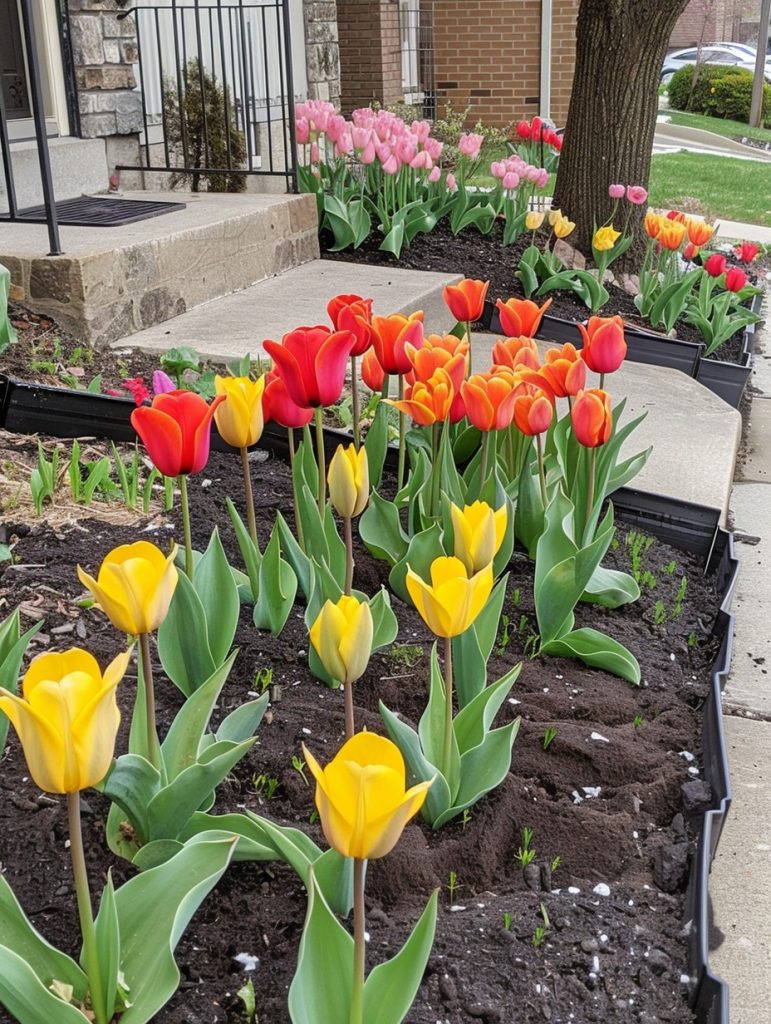
Tulips are the symbol of spring. They come in almost every color and many shapes. University of Nevada Extension notes that tulips and hyacinths bloom in April and May, after the smaller bulbs.
Plant bulbs in autumn. University of Nebraska Extension advises planting from late September through October, when soil temperatures fall below 60°F. Large bulbs like tulips go about 6 to 8 inches deep, according to Iowa State University.
Rabbits and deer love tulips. Iowa State warns that tulips and crocus are especially tempting to animals. Plant them near the house, or use wire cages over the bed. Remove faded flowers, but leave the leaves until they turn brown.
2. Daffodil (Narcissus)
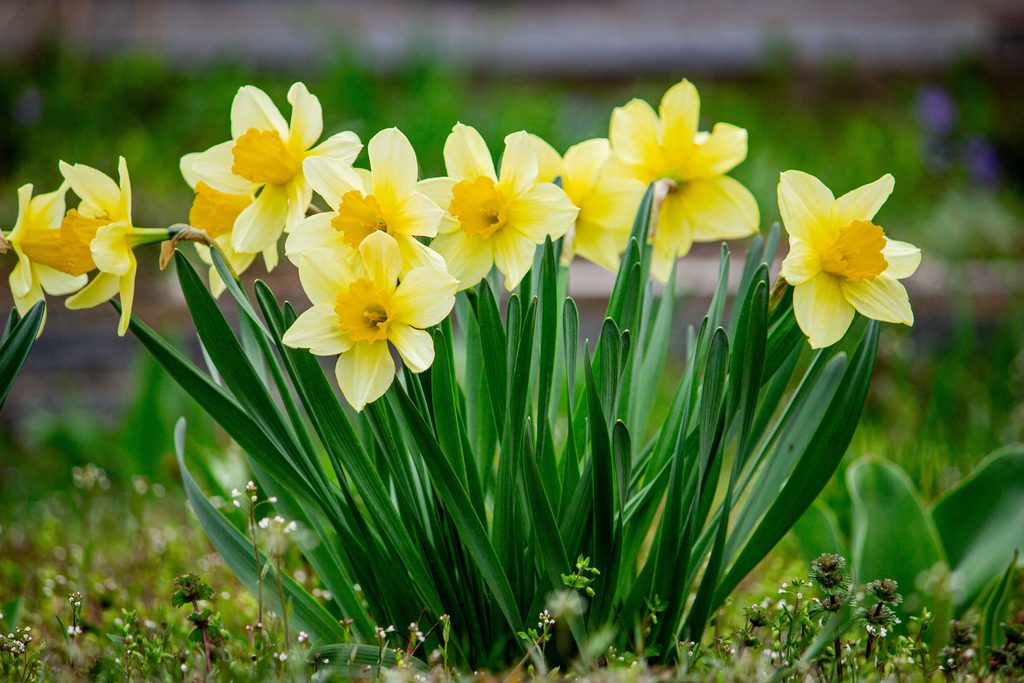
Daffodils are the friendliest spring bulbs. They are reliable, cheerful and usually left alone by deer and rodents. University of Nevada Extension says daffodils bloom in March and April.
Colors range from classic yellow to white, cream and orange. Some are fragrant. They come back and multiply year after year. That makes them one of the best values in the garden.
Plant in full sun to part shade with good drainage. Let the leaves die back naturally, since they feed the bulb. University of Nebraska Extension adds that removing faded flowers prevents seed formation, and deadheading some tulips and daffodils can lengthen bloom time for up to two months.
3. Crocus (Crocus)
Crocus is often the first real color of the year. The cup-shaped flowers open in purple, yellow, white and striped forms. Rutgers Master Gardeners list snow crocus among the early-spring bloomers, with Dutch crocus following.
Small bulbs go in shallower than large ones. Iowa State suggests 3 to 4 inches deep for crocus. Plant them in drifts of 20 or more for a natural look. They are beautiful scattered through a lawn.
Flowers close on cloudy days and open in the sun. Do not mow until the leaves fade. Protect bulbs from squirrels and voles with a layer of mesh if needed.
4. Hyacinth (Hyacinthus)
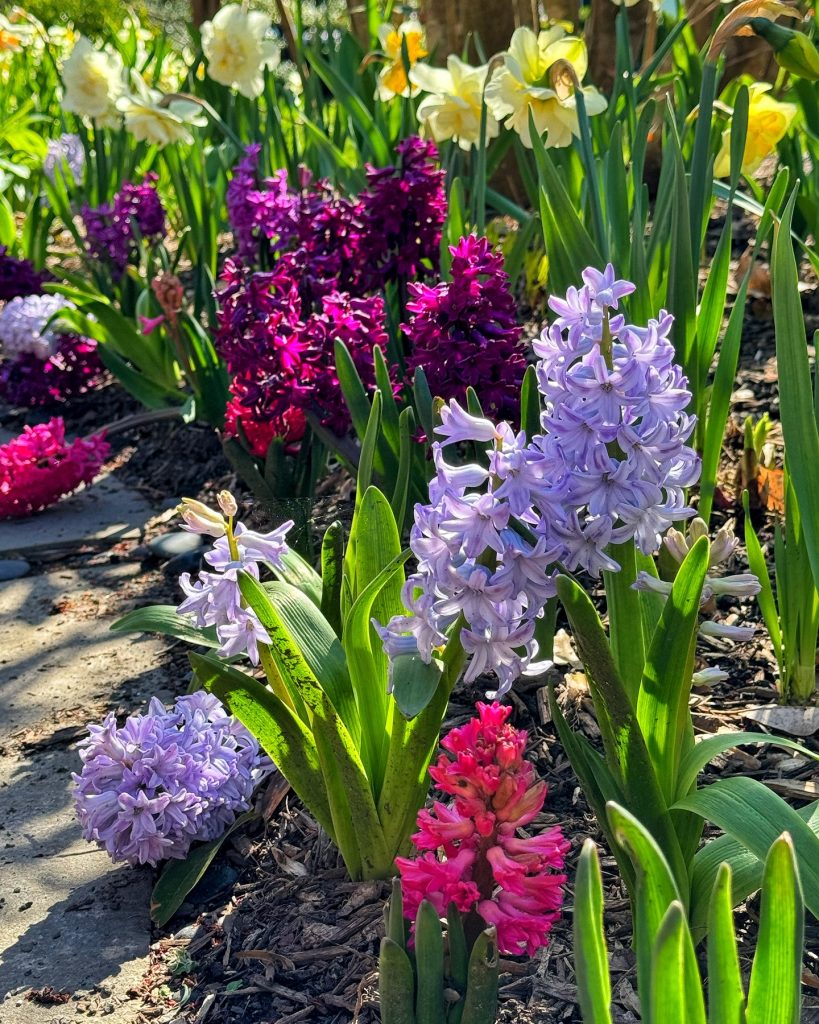
Hyacinths bring thick flower spikes and a strong, sweet fragrance. Colors include blue, purple, pink, white and yellow. They bloom in April and May in most regions.
They look formal and neat, so they suit borders and pots. Plant bulbs 6 to 8 inches deep in autumn. Pairing them with tulips and daffodils creates a layered effect.
Wear gloves when handling bulbs, since the skin can itch. Flowers often get smaller after a few years. Many gardeners replace them every few seasons.
5. Snowdrop (Galanthus)
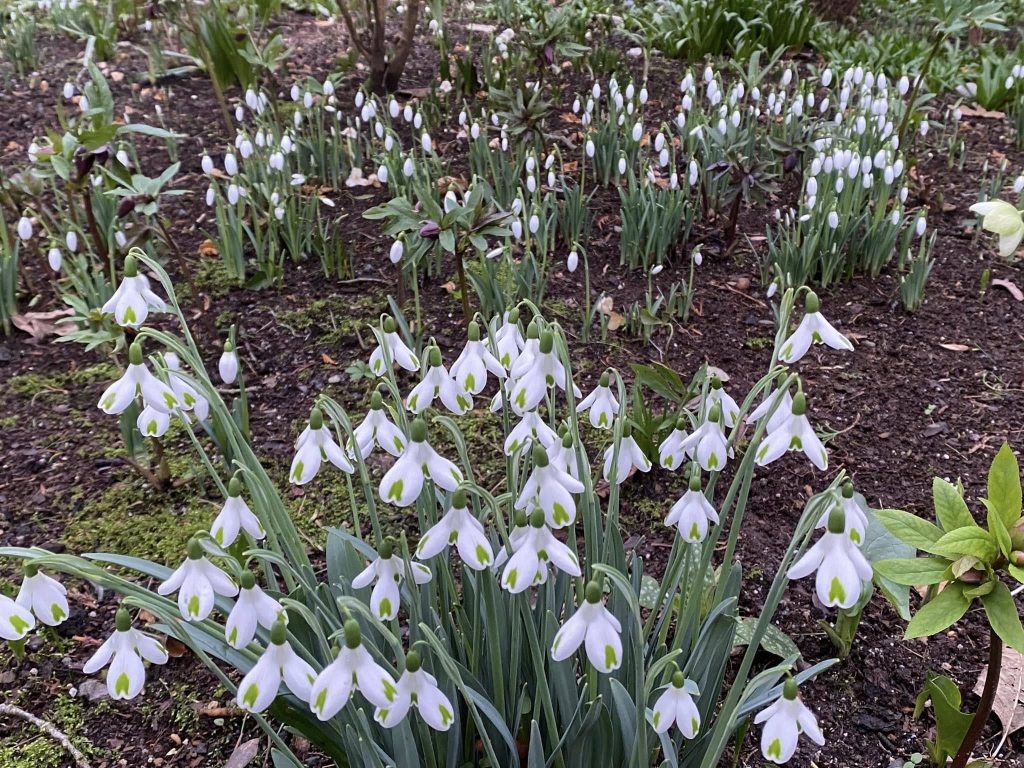
Snowdrops are tiny white flowers that nod on slender stems. They often appear in late winter, even through snow. Rutgers lists snowdrop among early-spring bulbs.
They are not showy, but they are deeply loved. I find them almost moving, since they arrive when everything else is asleep. Early bees sometimes visit them on mild days.
Plant them “in the green” or as bulbs in early autumn. They prefer cool, moist soil and light shade. Once established, they spread into charming clumps.
6. Grape Hyacinth (Muscari)
Grape hyacinths produce small spikes of blue-purple flowers that look like tiny bunches of grapes. They bloom in early to mid-spring. They are easy, cheap and long-lived.
Nebraska Extension notes they are among the popular spring bulbs. Planted in front of taller flowers, they create a blue carpet beneath tulips and daffodils. Iowa State suggests this layering too.
Plant 3 to 4 inches deep in sun or part shade. They spread by seed and offsets. In some gardens they spread too much, so watch where you put them.
7. Ornamental Onion (Allium)
Alliums have round, globe-shaped flower heads on tall stems. Colors include purple, white and pink. They bloom in late spring, when many bulbs have finished.
Kansas State University Extension lists allium among the popular bulbs beyond tulips and daffodils. Deer and rabbits usually avoid them, thanks to the onion scent. Bees love the flowers.
Plant in full sun and well-drained soil. The leaves often fade before the flowers open, so hide them with companion plants. Dried seed heads look attractive in the garden and in arrangements.
8. Winter Aconite (Eranthis hyemalis)
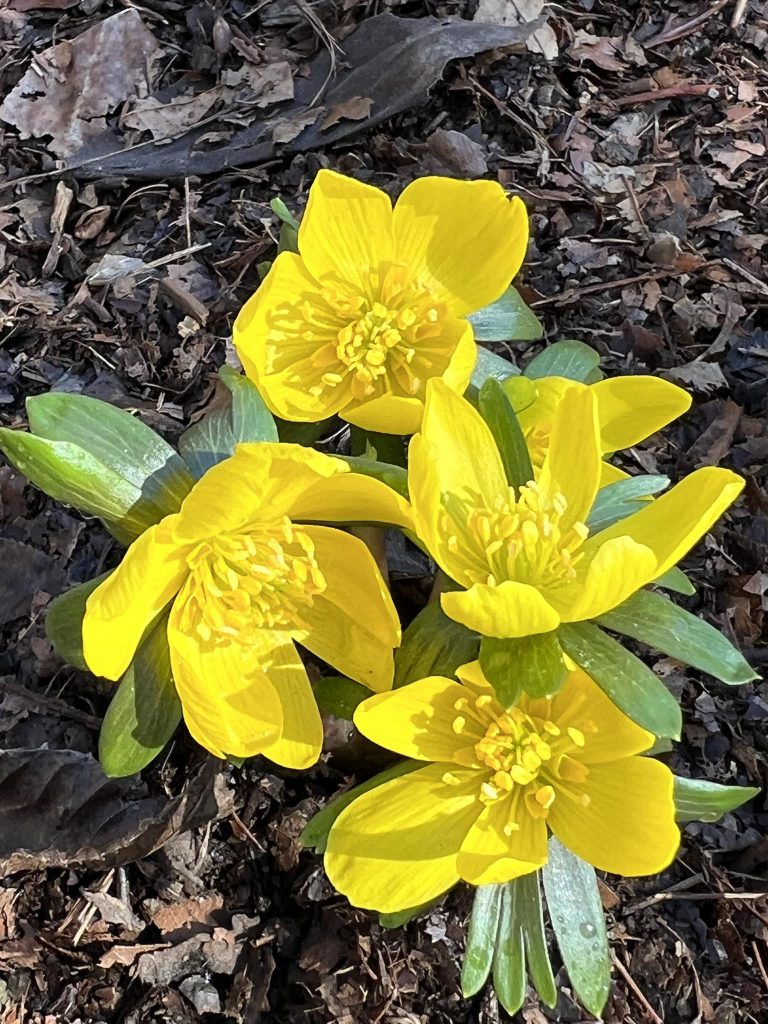
Winter aconite has buttercup-yellow flowers that sit on a green ruff. It blooms in late winter and early spring. It is one of the earliest flowers you can grow.
Rutgers lists winter aconite among the first bulbs to bloom. It thrives under deciduous trees, where it gets sun before the leaves appear. It spreads slowly to form a golden carpet.
Soak the tubers overnight before planting in autumn. Choose a spot with moist, humus-rich soil. Be patient, since colonies take a few seasons to settle.
9. Siberian Squill (Scilla siberica)
Siberian squill produces small, bright blue, bell-shaped flowers. It blooms in early spring and creates a carpet of intense blue. The color is rare among early flowers.
Oklahoma State University Extension recommends Siberian squill among other early bulbs such as snowdrops, hyacinths and crocus. It naturalizes easily in lawns and woodland edges. Early bees visit it.
Plant bulbs 3 to 4 inches deep in autumn. It handles sun and part shade. Since it can spread widely, plant it where a wandering colony will not bother you.
10. Grecian Windflower (Anemone blanda)
Grecian windflower has daisy-like blooms in blue, pink and white. It stands only 4 to 6 inches tall. The flowers open fully on sunny days and close at night.
Nebraska Extension lists anemones among the minor hardy bulbs. It looks charming beneath trees and shrubs. It forms a low, colorful mat that suits rock gardens.
Soak the tubers for several hours before planting. Choose well-drained soil. The plants disappear by early summer, so mark the spot.
11. Dwarf Iris (Iris reticulata)
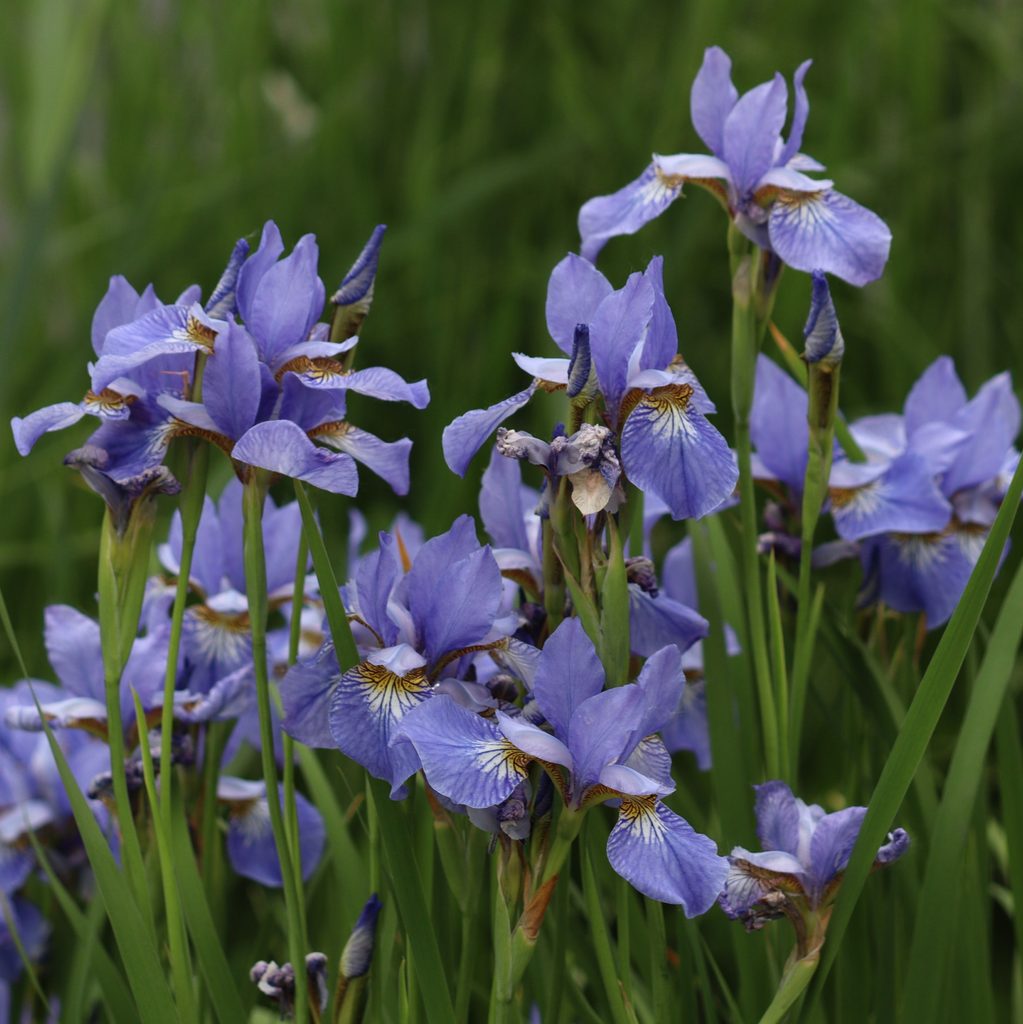
Dwarf iris is a small bulb with big charm. The flowers are deep blue, purple or yellow, often with golden markings. They appear in late winter and early spring.
UMass Extension suggests pairing daffodils, dwarf iris and wild blue phlox for spring color. The plants are only 4 to 6 inches tall, so place them near paths and doorways where you can enjoy them.
Plant bulbs in autumn in full sun and well-drained soil. They dislike wet winters. Flowers do not last long, but they are worth the wait.
Spring Perennials and Cool-Season Annuals
12. Hellebore (Helleborus)
Hellebore, or Lenten rose, blooms in late winter and early spring. Nodding flowers come in white, pink, plum and green. The glossy leaves often stay green through winter.
It prefers part shade and rich, well-drained soil. Deer and rabbits generally leave it alone. Flowers last for weeks, so it gives a long show.
Cut old leaves back in late winter, so the flowers show clearly. Be patient, since young plants may take a year to settle. Wear gloves, since the sap can irritate skin.
13. Primrose (Primula)
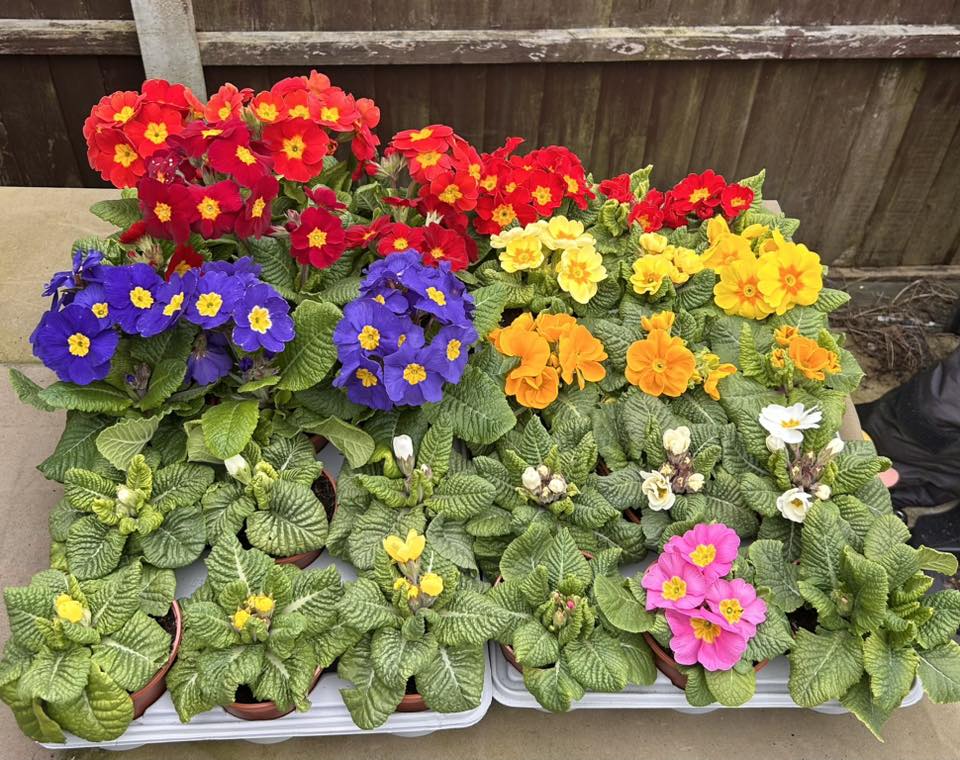
Primroses give cheerful clusters of flowers in yellow, pink, red, purple and blue. They bloom early and thrive in cool weather. They are classic woodland edge plants.
Give them part shade and moist, humus-rich soil. Hot, dry summers damage them. Mulch helps keep the roots cool. In warm regions, treat them as short-term plants.
Divide crowded clumps after flowering. Watch for slugs, which love the tender leaves. Primroses also grow well in pots and window boxes.
14. Bleeding Heart (Lamprocapnos spectabilis)
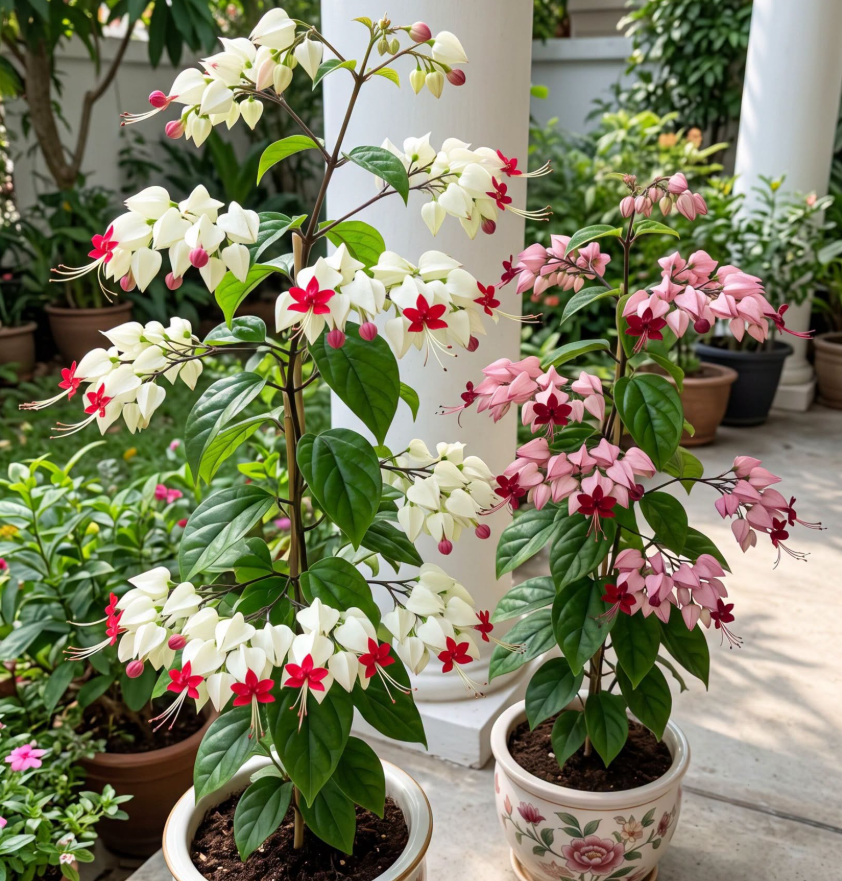
Bleeding heart has arching stems with dangling, heart-shaped pink and white flowers. University of Connecticut lists it as blooming from early to late spring and reaching up to 36 inches. It prefers full to partial shade.
Weber Basin Water Conservancy District lists it as hardy in zones 3 to 9. UMass Extension recommends it among late spring bloomers, together with cranesbill and peony. It is one of the most romantic spring flowers.
The foliage fades by midsummer. Plant hostas and ferns nearby to fill the gap. Keep soil evenly moist and add compost each spring.
15. Columbine (Aquilegia)
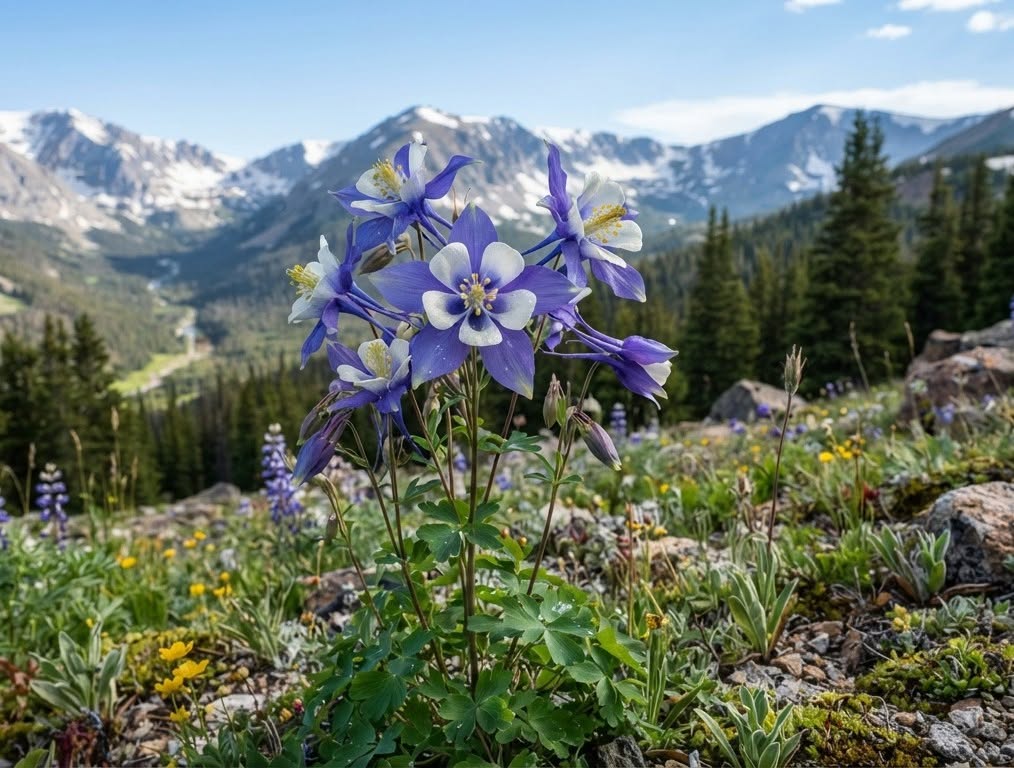
Columbine has spurred, bonnet-like flowers that seem to float above lacy leaves. University of Missouri Extension lists it as blooming from April to June. Colors cover red, yellow, blue, purple, white and pink.
It is a favorite with hummingbirds and bumblebees. It reseeds easily, so you may find new seedlings each year. Missouri Extension describes it as fairly short-lived but easy to reseed.
Plant in sun or part shade. Leafminers may leave squiggly lines on the leaves. Simply cut the foliage back after flowering, and it will regrow.
16. Peony (Paeonia)
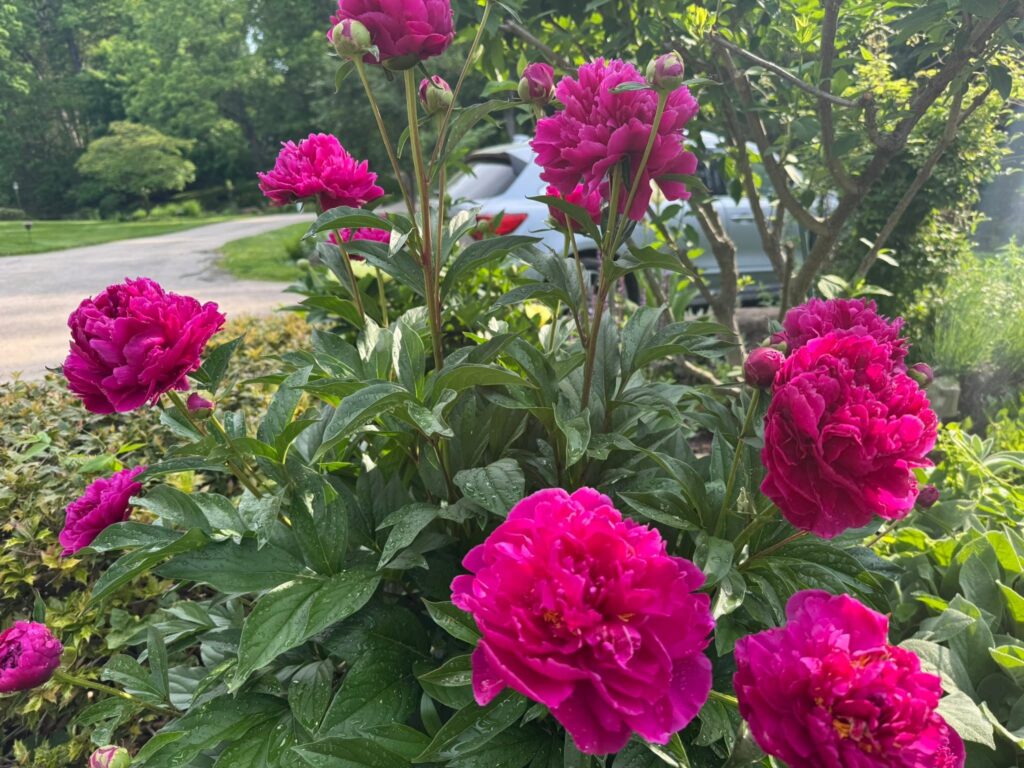
Peonies give huge, fragrant flowers in pink, white, red and coral. UMass Extension lists peony among the great late spring perennials. A well-planted peony can live for decades.
They need full sun and good drainage. Do not plant them too deep. Eyes that are buried more than about two inches below the surface often fail to bloom.
Use a ring support before the heavy blooms arrive. Ants on the buds are harmless. Cut flowers when buds are soft like marshmallows, and they will last well in a vase.
17. Creeping Phlox (Phlox subulata)
Creeping phlox forms a dense carpet of pink, purple, blue or white flowers. It blooms in mid-spring and covers slopes, walls and rock gardens. The flowers are so thick the foliage nearly vanishes.
UMass Extension suggests wild blue phlox in spring color combinations. Creeping phlox thrives in sun and well-drained soil. Bees and butterflies visit it often.
Shear it back by about half after blooming. This keeps the plant tidy and dense. It tolerates poor soil, but it dislikes wet feet.
18. Bearded Iris (Iris germanica)
Bearded iris gives tall, ruffled flowers in nearly every color. It blooms in late spring. The sword-shaped leaves look good even after the flowers fade.
Plant the thick rhizomes just at the soil surface, with the top exposed to sun. Full sun and good drainage are key. Deep planting leads to rot and poor bloom.
Divide clumps every three to four years in late summer. Remove old leaves in autumn to reduce iris borer problems. Water lightly in the first season.
19. Lupine (Lupinus)
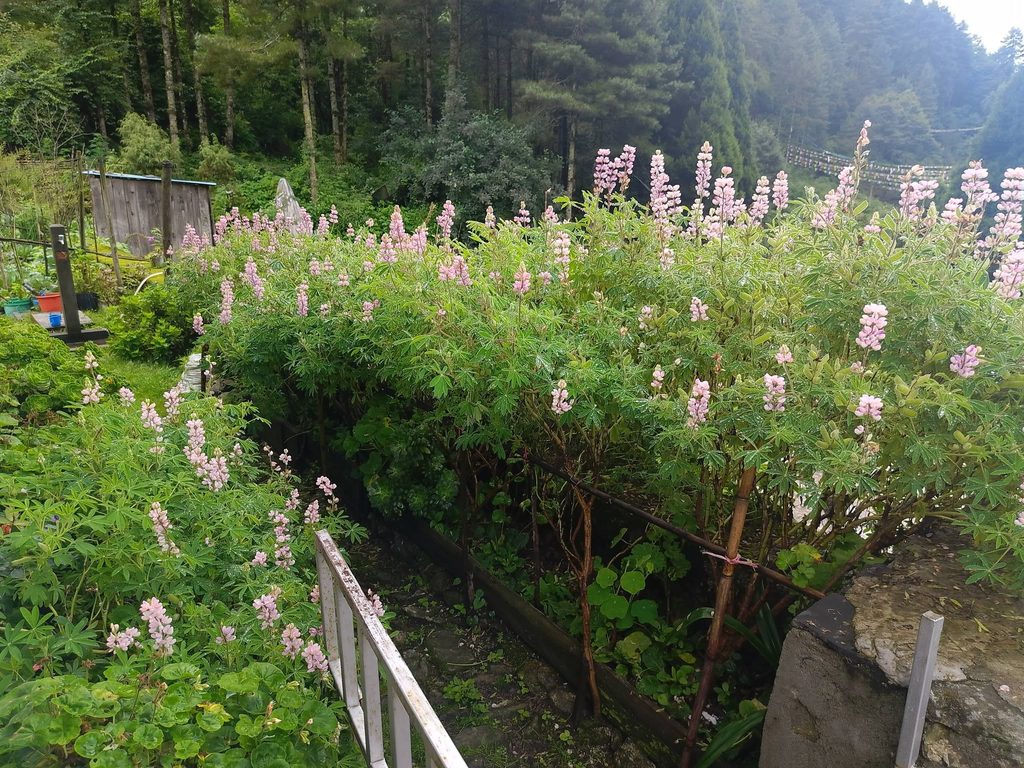
Lupines send up tall spikes of pea-like flowers in blue, pink, purple, yellow and white. Weber Basin lists lupine as hardy in zones 4 to 8, at 3 to 4 feet tall, with bloom from early to late spring.
The spikes look dramatic in cottage borders. Bees visit them in large numbers. They prefer cool climates and often struggle in hot, humid summers.
Plant in full sun and well-drained soil. Avoid rich soil and heavy fertilizer. Deadhead after bloom to encourage a second flush.
20. Lungwort (Pulmonaria)
Lungwort has silver-spotted leaves and clusters of flowers that change from pink to blue as they age. It blooms in early spring, when little else does. Bees adore it.
It thrives in shade, where many plants struggle. The foliage stays attractive all season. Slugs usually leave it alone, which is rare for a shade plant.
Plant in moist, rich soil with part to full shade. Cut back tired leaves after bloom, and fresh growth will appear. It grows well beneath trees.
21. Siberian Bugloss (Brunnera macrophylla)
Brunnera forms clouds of tiny sky-blue flowers that resemble forget-me-nots. It blooms in mid-spring. The heart-shaped leaves are large and often silver-patterned.
It prefers part to full shade and moist soil. Slugs and deer generally avoid it. It pairs beautifully with bleeding heart, hellebore and ferns.
Keep soil moist, especially in summer. Hot sun scorches the leaves. Divide in early spring if clumps get too large.
22. Cranesbill (Geranium)
Hardy geraniums, or cranesbills, are not the same as the potted geranium. They form mounded plants with saucer-shaped flowers in blue, pink, magenta and white. UMass Extension recommends cranesbill among late spring perennials.
They are tough, easy and often rebloom if sheared. Deer usually leave them alone. Many types also give nice fall leaf color.
Plant in sun or part shade, in average, well-drained soil. Cut back after the first flush for fresh growth. They spread slowly into neat clumps.
23. Pansy and Viola (Viola)

Pansies and violas are cool-season annuals. They have small, friendly faces in nearly every color. They bloom in early spring and often through cool weather.
They tolerate light frost, which most annuals cannot. They thrive in cool temperatures and fade when summer heat arrives. Edible flowers also brighten salads and cakes.
Plant in sun to part shade. Deadhead often to keep blooms coming. Replace them with heat-loving annuals when temperatures rise.
Woodland Wildflowers and Spring Ephemerals
24. Virginia Bluebells (Mertensia virginica)
Virginia bluebells bring clusters of pink buds that open into sky-blue bells. They bloom in mid-spring. They are among the loveliest woodland natives.
They are spring ephemerals. The U.S. Fish and Wildlife Service describes ephemerals as woodland wildflowers that develop early in spring, bloom quickly and produce seed. The leaves vanish by early summer.
Plant in part shade and rich, moist soil. Mark the spot, so you do not dig them up later. Pair with ferns and hostas that fill in once the bluebells go dormant.
25. Trillium (Trillium)
Trillium has three leaves, three petals and a calm, elegant presence. Flowers may be white, red or maroon. It blooms in mid-spring on the forest floor.
Friends of the Mississippi River notes that trillium is an important pollen source for early-season bees. Buy only nursery-propagated plants. Digging wild trillium harms natural populations.
Trilliums grow slowly and may take years to flower. Give them rich, moist, shaded soil. Leave them undisturbed, and they will reward you for decades.
26. Bloodroot (Sanguinaria canadensis)
Bloodroot opens a pure white flower with a golden center. The bloom is short-lived, often lasting only a day or two. The leaf is large, rounded and deeply lobed.
According to a regional conservation group, the flowers feed mason and carpenter bees, and ants later spread the seeds. That is a lovely partnership between plant and insects. It shows why native plants matter.
Plant in part shade and humus-rich soil. It spreads slowly into colonies. The orange-red sap gives the plant its name, so handle with care.
27. Spring Beauty (Claytonia virginica)
Spring beauty is a delicate native wildflower. Small white or pink flowers carry darker pink stripes. It blooms in early spring, often in lawns and woodland edges.
Conservation sources note that it attracts bumblebees, mason bees and many small native bees. The Massachusetts government explains that spring ephemerals provide the first nectar and pollen for over-wintering pollinators. That early food can matter greatly.
It needs only light shade and moist soil. Let it bloom before mowing lawn areas. It disappears quickly, so enjoy it while you can.
Spring Flowering Shrubs, Trees and Vines
28. Forsythia (Forsythia × intermedia)
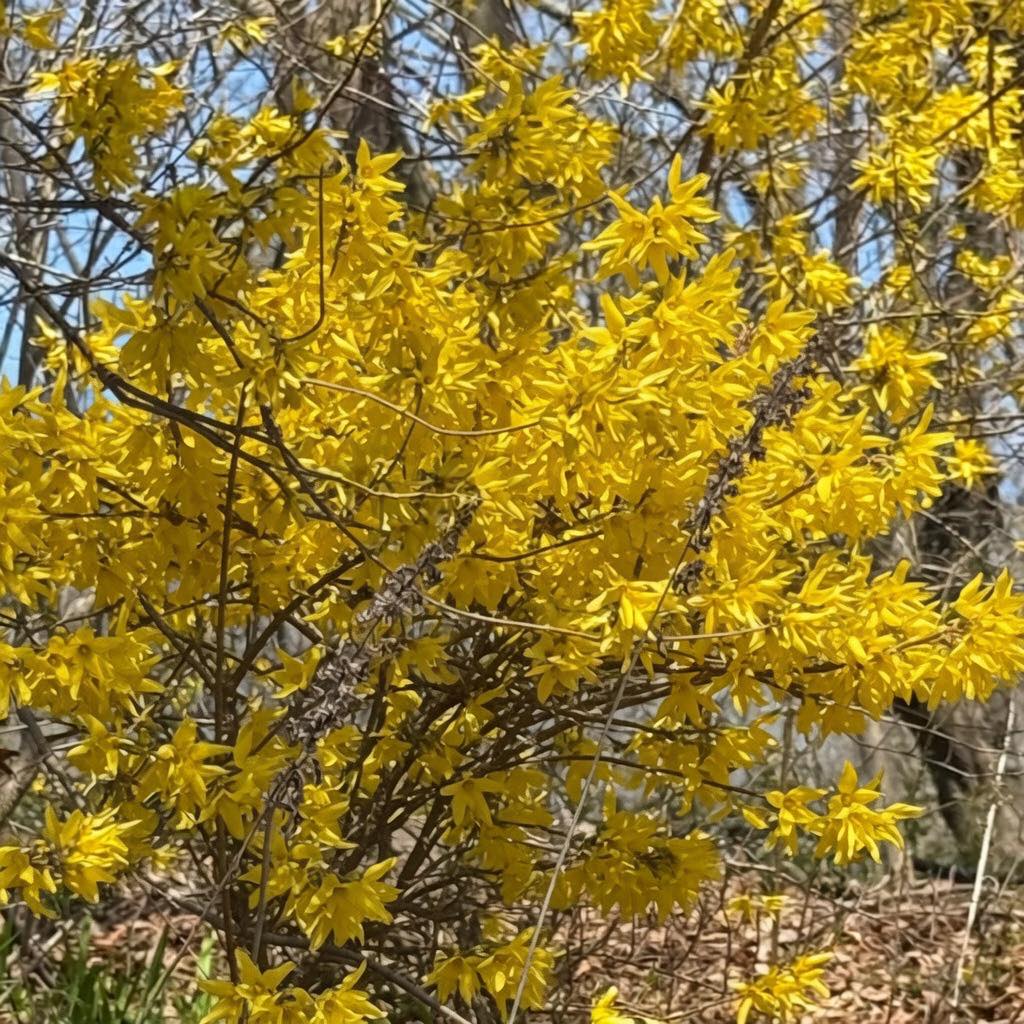
Forsythia explodes in golden-yellow flowers before the leaves appear. Purdue Extension calls it the traditional first-flowering plant of spring. It is hardy and easy to grow.
The branches bloom along their entire length, creating a bright yellow cloud. It tolerates poor soil and city conditions. Birds use it for shelter, too.
Prune right after flowering, not later. Cutting in winter removes the buds. Give it full sun for the best bloom. Allow space, since many varieties grow large.
29. Lilac (Syringa vulgaris)
Lilac brings fragrance that fills the whole garden. Flower clusters come in purple, lavender, pink and white. It blooms in mid to late spring.
It needs full sun and well-drained soil. In shade, flowering drops sharply. Choose mildew-resistant types, such as Korean lilac, for humid areas. Bees and butterflies visit the flowers.
Prune right after bloom, since next year’s buds form soon after. Do not overfeed with nitrogen. A little lime helps in very acidic soil.
30. Azalea (Rhododendron)
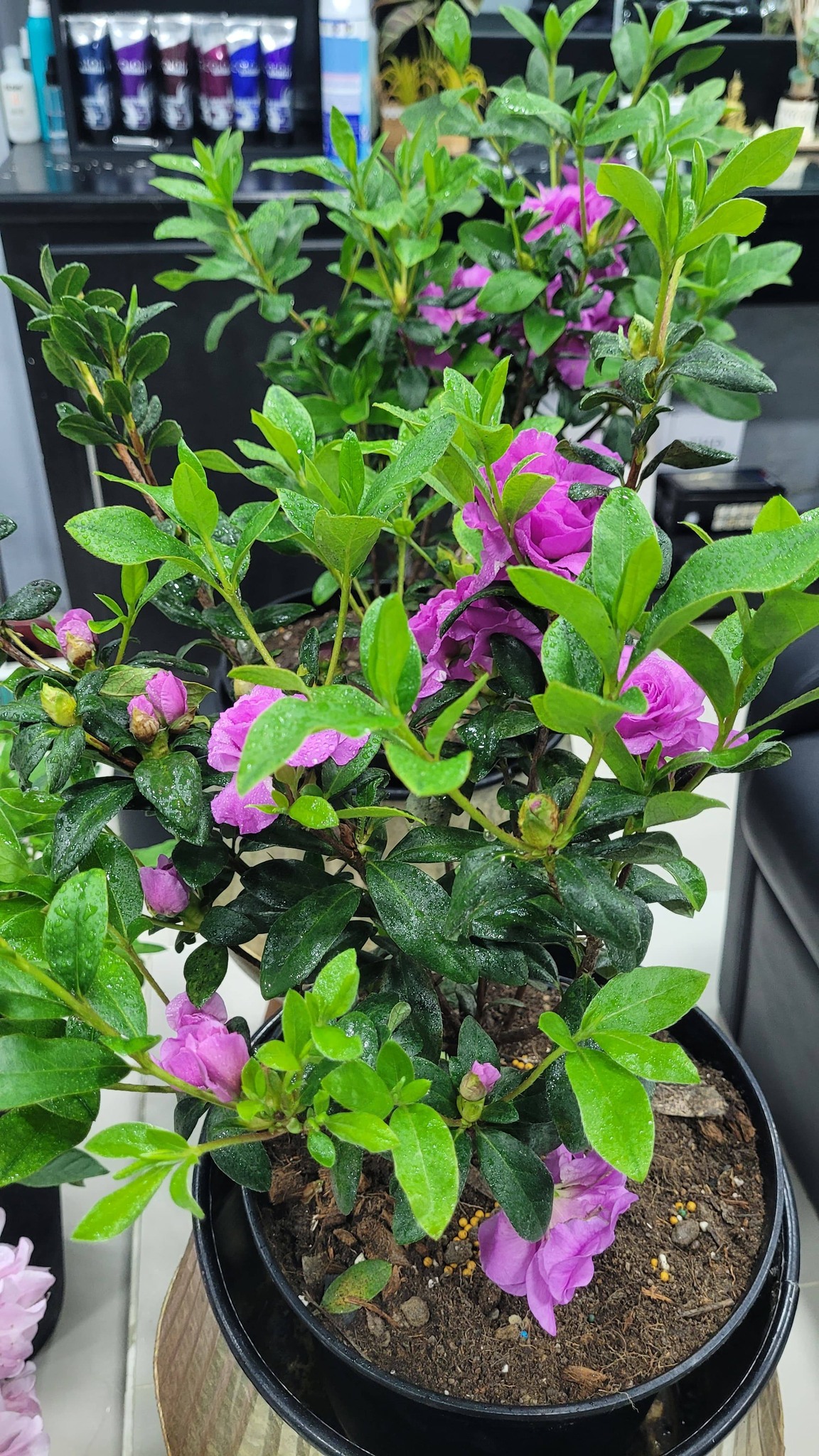
Azaleas cover the landscape in pink, red, white, orange and purple. They bloom from early to late spring, depending on type. In full bloom, they hide the leaves completely.
They like acidic, well-drained soil and filtered light. Morning sun and afternoon shade suit most. Mulch with pine bark to keep roots cool and moist.
Prune just after flowering. Test your soil before planting, since high pH causes yellow leaves. Native azaleas support early bees and hummingbirds.
31. Magnolia (Magnolia)
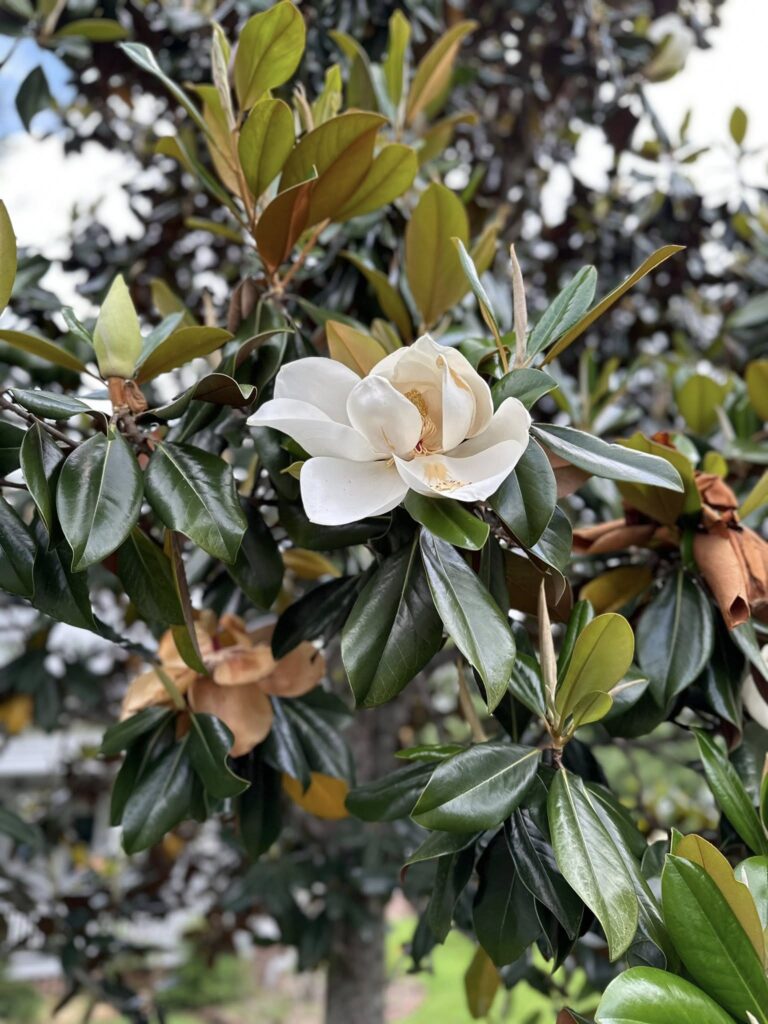
Magnolias bear large, showy flowers in white, pink and purple. Saucer magnolia and star magnolia bloom in early spring, often before the leaves emerge. The effect is breathtaking.
A late frost can brown the open flowers, which is a real heartbreak. Plant them in a spot protected from cold winds. Late-blooming varieties may avoid frost damage.
Give them rich, well-drained soil and room to grow. Prune only lightly. Many magnolias live for decades and become signature trees.
32. Eastern Redbud (Cercis canadensis)
Redbud is a small native tree with clusters of pink to lavender pea-like flowers. It blooms along bare branches in early spring. The heart-shaped leaves appear afterward.
An arborist guide notes that it reaches 20 to 30 feet tall and belongs to the legume family. It suits small yards and woodland edges. Early bees visit the flowers.
Plant in full sun to part shade and well-drained soil. It tolerates a range of conditions. Avoid heavy pruning, and remove only dead or crossing branches.
33. Flowering Cherry (Prunus)
Flowering cherries give clouds of pink or white blossoms. They are famous in spring festivals around the world. The display lasts only a week or two.
That short bloom makes it precious. Plant them where you can see them from a window. Fallen petals make pink carpets beneath the tree.
Cherries prefer sun and well-drained soil. Avoid wet, heavy ground. Prune lightly in summer, not in wet spring weather, to reduce disease risk.
34. Flowering Dogwood (Cornus florida)
Dogwood has white or pink bracts that look like petals. It blooms in mid to late spring, often with the leaves emerging. The layered branches look graceful.
It grows best in part shade and moist, well-drained soil. Stress from drought or sun can invite disease. Mulch the root zone, but keep it away from the trunk.
Choose disease-resistant selections where anthracnose is common. Red berries and fall color add extra seasons of interest. Birds enjoy the fruit.
35. Wisteria (Wisteria)
Wisteria drips with long, fragrant clusters of purple, white or pink flowers. It blooms in mid to late spring. A mature vine over a pergola is unforgettable.
It can be very vigorous and heavy. Asian types can become invasive in some regions. Consider American wisteria or the ‘Amethyst Falls’ variety, which is better behaved.
Plant it in full sun and give it a very strong support. Young plants can take several years to bloom. Prune twice a year to control growth and encourage flowers.
ALSO READ: 35 Stunning Flowers That Bloom in Summer (From June to September)
Tips for a Garden That Blooms All Spring
A little planning gives you months of color.
- Plant bulbs in autumn. University of Illinois Extension notes that bulbs need a cold period in winter to bloom.
- Layer bloom times. Rutgers lists early, mid and late-spring bulbs, so choose from each group.
- Plant in groups. Clusters of ten or more look better than single bulbs, according to Iowa State.
- Help early pollinators. USDA Agricultural Research Service scientists note that most spring bulbs offer slim pickings for native bees, so add shrubs, trees and wildflowers too.
- Include shrubs. USDA Forest Service research found bees rely heavily on flowering shrubs in early spring, even though shrubs were under 7% of available blooms at the study site.
- Let the leaves die back. Bulb leaves feed next year’s flowers.
Final Thoughts
Spring flowers are more than decoration. They are a signal that the year is turning, and they feed insects that wake up hungry. Even a few well-chosen plants can make a difference.
If you are a beginner, start with daffodils, crocus, hellebore and forsythia. They are tough and forgiving. Add tulips, peonies and lilacs once you feel confident.
Most importantly, plan ahead. Many of the best spring flowers go in the ground the autumn before. Next fall, kneel down, plant a few bulbs and trust the process. Spring will repay you.
References
- University of Nebraska–Lincoln Extension. Spring Flowering Bulbs (G1742): https://extensionpubs.unl.edu/publication/g1742/na/pdf/view
- Iowa State University Extension and Outreach. Selecting and Planting Spring-Blooming Bulbs: https://yardandgarden.extension.iastate.edu/how-to/selecting-and-planting-spring-blooming-bulbs
- University of Nevada Cooperative Extension. Spring Miracles: Planting Spring-Blooming Bulbs: https://extension.unr.edu/publication.aspx?PubID=2107
- University of Massachusetts Amherst Extension. Perennials for Continuous Color: https://www.umass.edu/agriculture-food-environment/home-lawn-garden/fact-sheets/perennials-for-continuous-color
- Purdue University Extension. Top 10 Spring Shrubs in the Purdue Landscape Report: https://www.purdue.edu/fnr/extension/top-10-spring-shrubs-purdue-landscape-report
- USDA Forest Service. Beyond the Bloom: Creating Opportunities for Healthy Ecosystems and Native Bees: https://research.fs.usda.gov/treesearch/69326
- U.S. Fish and Wildlife Service. Highlighting Spring Ephemerals: https://fws.gov/story/highlighting-spring-ephemerals

Tim M Dave is a gardening expert with a passion for houseplants, particularly cacti and succulents. With a degree in plant biology from the University of California, Berkeley, he has vast experience in gardening. Over the years, he has cultivated a vast collection of desert plants and learned a great deal about how to grow and care for these unique companions.