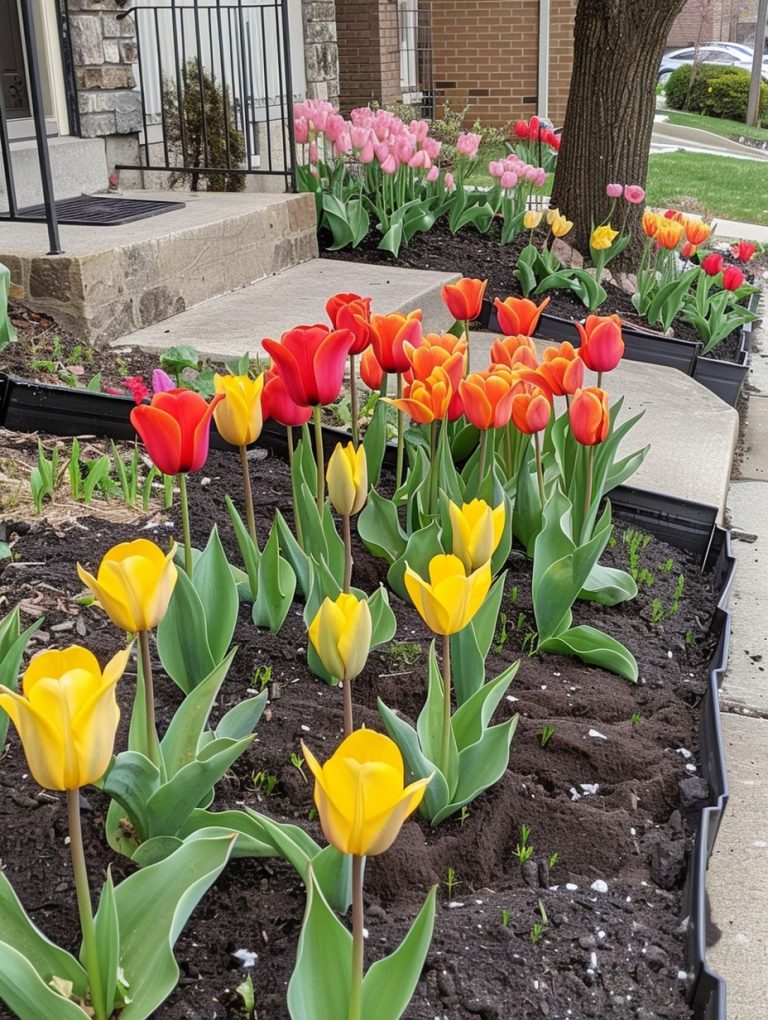
35 Beautiful Poisonous Flowers (Stunning Yet Deadly Blooms)
There is something unsettling about a flower that can kill. I remember standing in a botanical garden once, admiring a cluster of deep purple monkshood, completely unaware of what I was looking at until a placard warned me not to touch it bare-handed.
That contradiction is exactly what makes this topic so fascinating. Beauty and danger sit side by side in the plant world far more often than most people realize. Some of the most photographed garden flowers on earth are also capable of stopping a human heart.
According to poison control data compiled in peer-reviewed toxicology research, plant exposure accounts for roughly 5% of all human poisoning cases reported to poison centers across North America and Europe each year. That is not a rare, obscure risk. It is a steady, ongoing one.
In this guide, I have gathered 35 flowers that combine remarkable beauty with genuine toxicity. Some are famous killers with centuries of history behind them. Others are common garden plants that most people walk past without a second thought.
The Complete List: 35 Beautiful but Poisonous Flowers
1. Oleander
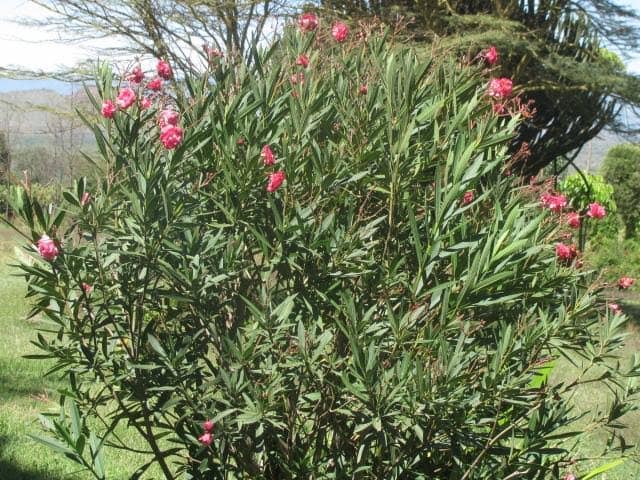
Oleander is often named the single most dangerous common ornamental plant grown worldwide. Its clusters of pink, white, and red flowers line highways and gardens across warm climates with almost no one suspecting the danger inside.
Every part of this shrub, from root to sap, contains potent cardiac glycosides. Even the smoke from burning oleander branches has reportedly caused illness in people nearby, which says a great deal about its potency.
I find it remarkable that something planted so casually along freeway medians could be lethal if a single leaf were chewed and swallowed. That gap between perception and reality is what makes oleander so genuinely dangerous.
2. Foxglove
Foxglove produces tall spikes of bell-shaped flowers in pink, purple, and white, making it a cottage garden favorite for generations. It is also the original botanical source of digitalis, a compound still used in modern heart medicine.
The line between a therapeutic dose and a fatal one is remarkably thin. Children who mistake the flowers for something harmless to nibble on are, unfortunately, the most common victims of accidental poisoning.
Symptoms include nausea, vomiting, and dangerously irregular heart rhythms. Even prolonged skin contact followed by touching the face can cause irritation, so gardeners are wise to wear gloves when handling this plant.
ALSO READ: 35 Flowers Poisonous to Cats (Info, With Pictures)
3. Monkshood
Monkshood, also called wolfsbane or aconite, produces striking hood-shaped flowers in deep blue and purple. Its dramatic appearance has made it a garden favorite despite, or perhaps because of, its dark reputation.
Historical accounts describe monkshood as a weapon of choice for centuries, from ancient poison arrows to more discreet uses in royal courts. Even today, cases of accidental poisoning through skin contact continue to be documented.
The toxin, aconitine, can be absorbed directly through the skin, which means gardeners handling this plant without gloves are taking a real risk. Symptoms include numbness, tingling, and in severe cases, cardiac arrest.
4. Lily of the Valley
Lily of the valley charms with tiny, fragrant, bell-shaped white flowers that have appeared in royal wedding bouquets for generations, including that of Catherine Middleton. Its gentle appearance hides a serious cardiac threat.
The plant contains more than 30 different cardiac glycosides, including convallatoxin, one of the most potent naturally occurring toxins of its kind. Even the water left in a vase after the flowers are removed remains dangerous.
Symptoms of ingestion include nausea, vomiting, dizziness, and irregular heartbeat. In severe cases, cardiac arrest can follow, which is a sobering fact given how often this flower appears in romantic settings.
5. Autumn Crocus
Autumn crocus blooms in late summer with delicate lilac petals that closely resemble the harmless spring crocus, creating a genuine identification hazard for gardeners and foragers alike.
Its toxin, colchicine, works by disrupting normal cell division at the microscopic level. This mechanism makes recovery particularly difficult once a significant dose has been absorbed into the body.
Symptoms often appear gradually, sometimes hours after exposure, which delays treatment and worsens outcomes. Ingestion can lead to severe gastrointestinal distress, organ failure, and abnormal bleeding.
6. Angel’s Trumpet
Angel’s trumpet, part of the Brugmansia genus, produces enormous, drooping, trumpet-shaped flowers in white, pink, or yellow. The name carries a heavy dose of irony given what the plant is capable of.
All five species within this genus contain powerful tropane alkaloids, compounds known to cause intense hallucinations, disorientation, and dangerously elevated heart rate when ingested in any meaningful quantity.
Cases of recreational misuse have led to hospitalizations and, in some instances, death. The sheer size and fragrance of the blooms make them tempting to handle, which only adds to the risk.
ALSO READ: 35 Flowers Safe for Cats (Pet Friendly Blooms, With Pictures)
7. Datura
Datura, sometimes called jimsonweed or devil’s trumpet, produces similarly shaped flowers to angel’s trumpet but tends to grow as a wild, weedy plant rather than a cultivated ornamental.
Like its relative, datura contains tropane alkaloids such as scopolamine and atropine. These compounds interfere with the nervous system, producing confusion, rapid heartbeat, and severe hallucinations.
Poison control centers regularly report cases involving teenagers who deliberately ingest datura seeds seeking a hallucinogenic effect, often without understanding how narrow the margin is between a psychoactive dose and a fatal one.
8. Deadly Nightshade
Deadly nightshade, or belladonna, produces small, bell-shaped purple flowers followed by glossy black berries that look deceptively similar to blueberries or cherries to an untrained eye.
The name belladonna, meaning “beautiful woman” in Italian, references its historical use in eye drops that dilated pupils for cosmetic effect. That same compound, atropine, is what makes the berries so dangerous.
As few as two to five berries have reportedly been enough to kill a child. Adults have survived larger doses, but severe hallucinations, rapid heartbeat, and respiratory failure remain very real risks.
9. Castor Bean
Castor bean plants produce striking, spiky seed pods alongside their feathery flower clusters, and they remain surprisingly popular in ornamental landscaping despite widespread awareness of their danger.
The seeds contain ricin, a protein toxin so potent that eating just three or four seeds could be enough to kill an adult, according to horticultural extension sources. There is currently no known antidote.
The U.S. Centers for Disease Control and Prevention notes that ricin works by entering the body’s cells and blocking protein production, which eventually leads to cell death and, without treatment, multisystem organ failure.
10. Rosary Pea
Rosary pea produces small pink flowers followed by strikingly beautiful red-and-black seeds that have long been used decoratively in jewelry and prayer beads across parts of Asia and Africa.
Those same seeds contain abrin, a toxin closely related to ricin in how it disrupts cellular function. Intact seeds may pass through the digestive system harmlessly, but any cracked or chewed seed changes that entirely.
I find rosary pea particularly unsettling precisely because of its decorative use. A single damaged seed used in a bracelet or necklace has been documented as sufficient to cause death.
11. Larkspur
Larkspur, a relative of monkshood within the buttercup family, produces tall spikes of blue, purple, pink, or white flowers that are a familiar sight in cottage and cutting gardens.
The plant contains diterpenoid alkaloids concentrated most heavily in young growth and seeds. These compounds interfere with normal nerve and muscle function throughout the body.
Symptoms of poisoning include drooling, muscle tremors, and weakness, occasionally progressing to difficulty breathing. Larkspur is more frequently linked to livestock poisoning, but its presence in home gardens still warrants caution.
12. Water Hemlock
Water hemlock is widely regarded by toxicologists as one of the most acutely poisonous plants native to North America. Its small clusters of white flowers resemble those of several edible wild plants, which is exactly the problem.
The toxin, cicutoxin, attacks the central nervous system directly and can trigger violent seizures within minutes of ingestion. There is no effective antidote once a significant amount has been consumed.
Because the roots resemble wild parsnip or wild carrot, foragers occasionally mistake water hemlock for something edible. That single identification error has proven fatal on numerous documented occasions.
13. Poison Hemlock
Poison hemlock produces delicate clusters of small white flowers atop tall, hollow, purple-spotted stems, often growing along roadsides, ditches, and disturbed soil throughout much of the world.
Historically, this plant is best known as the substance used to execute the philosopher Socrates. Its toxins, primarily coniine, cause progressive paralysis that eventually reaches the muscles responsible for breathing.
Even brushing against the plant and later touching your face can introduce enough toxin to cause symptoms in sensitive individuals, making it one of the more insidious entries on this list.
14. Bloodroot
Bloodroot produces a single, delicate white flower in early spring before its leaf even fully unfurls, making it a favorite among native plant enthusiasts in woodland gardens.
The toxin, sanguinarine, interferes directly with normal enzyme and cell function. On contact, it can cause necrosis, meaning the death of skin and tissue cells at the site of exposure.
Despite this risk, bloodroot’s red sap has a long history of use in dyes and folk remedies, a reminder that many toxic plants carry both a therapeutic and a dangerous side.
15. Daphne
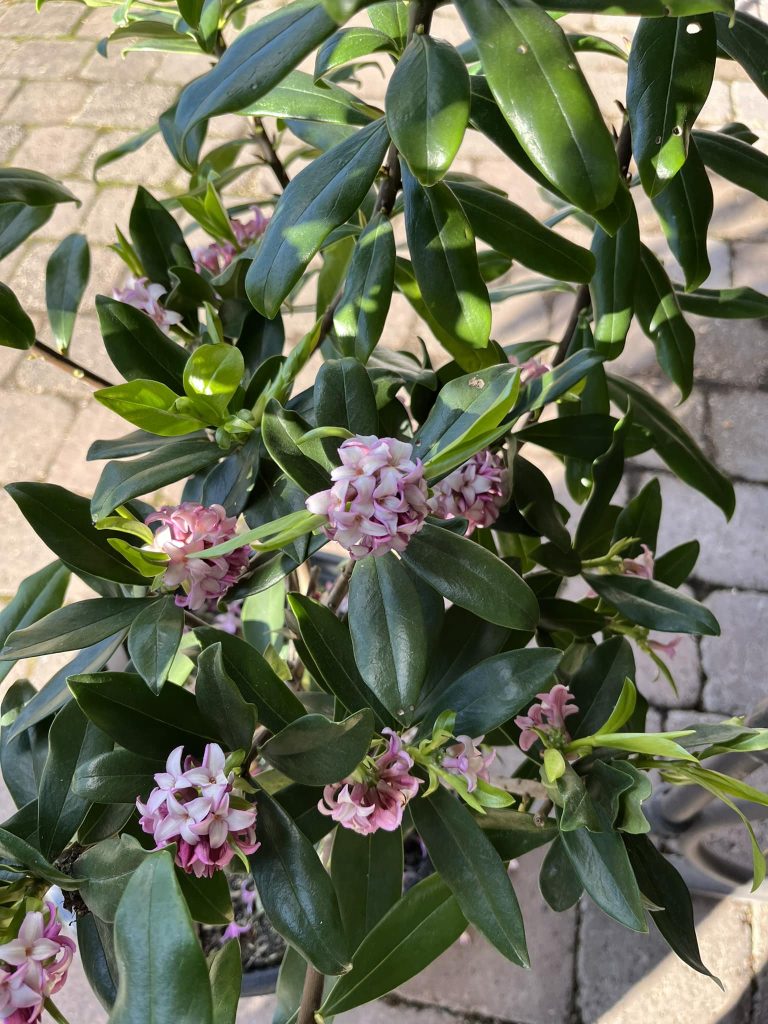
Daphne shrubs produce intensely fragrant clusters of small pink or white flowers in early spring, often positioned near entryways specifically so their scent can be enjoyed up close.
Nearly every part of the plant, including the attractive red or orange berries that follow the blooms, contains toxic compounds that irritate the mouth, throat, and digestive tract severely.
A small number of berries has reportedly been enough to cause serious illness in children. Given how ornamental and fragrant daphne is, it deserves more caution than its charming reputation suggests.
16. Opium Poppy
The opium poppy, easily recognized by its papery, vividly colored petals, is the natural source of morphine, codeine, and several related alkaloids used in modern pain medicine.
The highest toxin concentration sits within the milky sap found inside the unripe seed pod, rather than in the seeds themselves once they are cleaned and dried for food use.
Poppy seeds sold commercially for baking are generally safe because they contain only trace alkaloid amounts. The rest of the plant, however, should never be consumed or handled carelessly.
17. Hydrangea

Hydrangeas produce enormous, rounded clusters of blue, pink, or white blooms that rank among the most popular flowering shrubs in home landscaping across temperate climates worldwide.
Their toxicity comes from cyanogenic glycosides, compounds that release small amounts of cyanide-related substances when the plant material is broken down during digestion.
Fortunately, the concentration found naturally in hydrangea tissue is usually too low to be fatal. Still, ingestion commonly causes vomiting, diarrhea, and lethargy, particularly in children and pets.
18. Azalea
Azaleas bloom in spectacular waves of pink, red, white, and purple each spring, making them one of the most beloved flowering shrubs across gardens in temperate regions.
Every part of the plant contains grayanotoxins, compounds that interfere with normal cell function in the heart and nervous system. Even honey made from azalea nectar has historically caused illness.
Ingestion can lead to nausea, vomiting, depression, breathing difficulties, and in severe cases, coma. Given how common azaleas are in residential landscaping, this risk deserves far more attention than it typically receives.
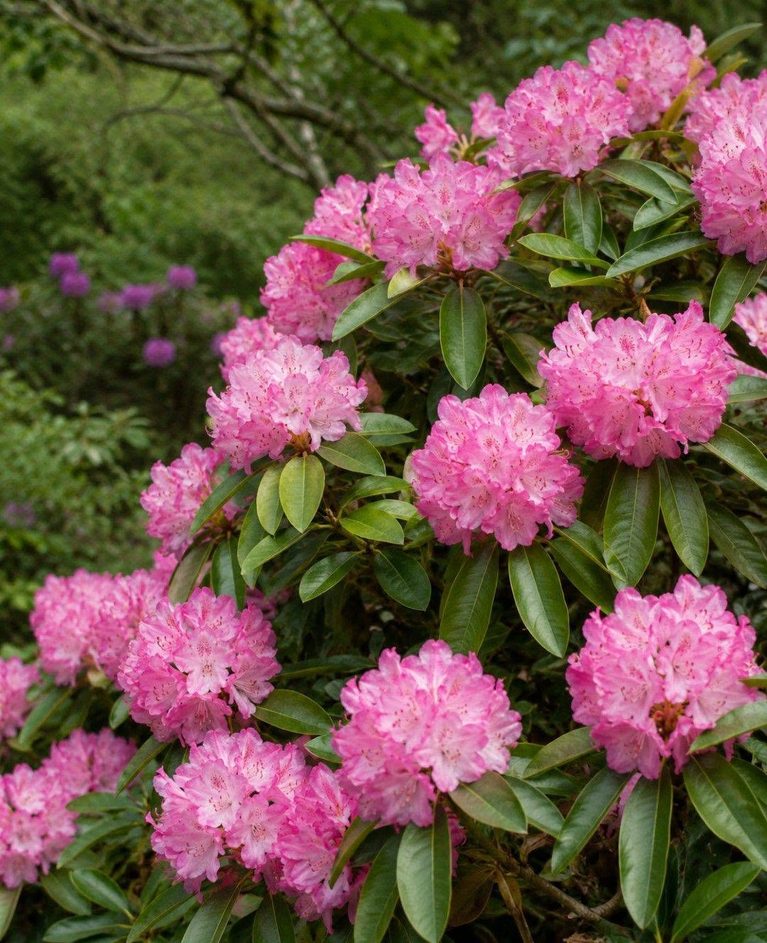
19. Rhododendron
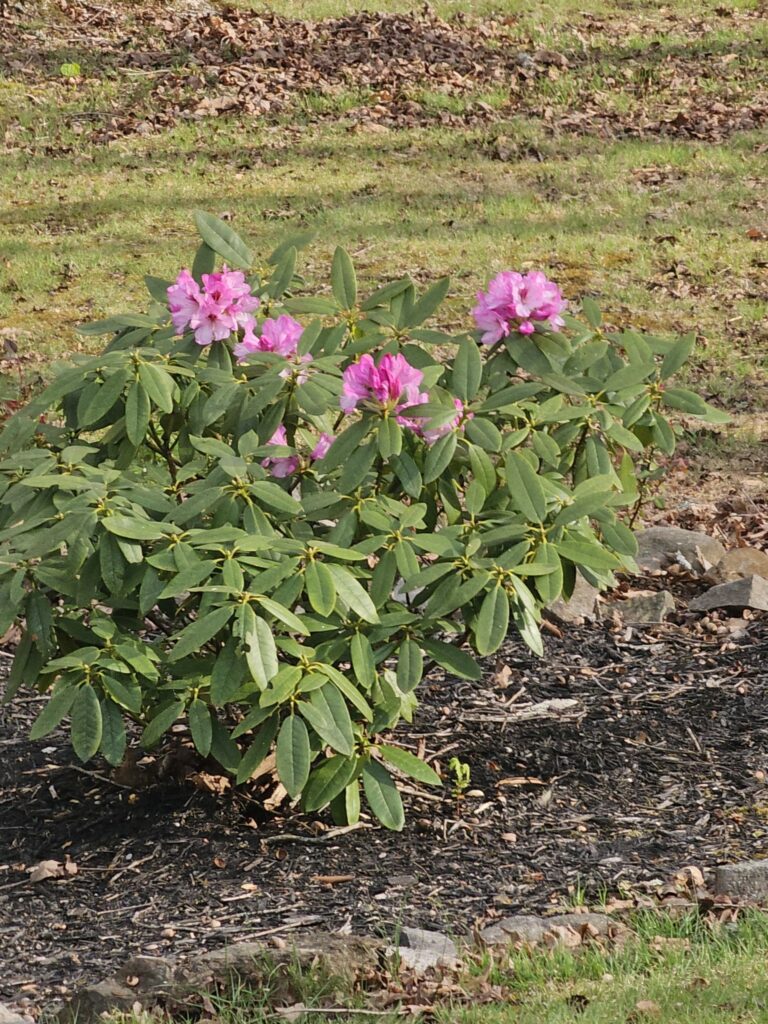
Rhododendrons, close botanical relatives of azaleas, share the same grayanotoxin compounds and the same general risk profile, though their larger leaves can deliver a bigger dose in a single bite.
These shrubs are especially popular in shaded, woodland-style gardens throughout the Pacific Northwest, the United Kingdom, and much of temperate Europe and Asia.
Symptoms of poisoning include drooling, vomiting, weakness, and an unusually slow heart rate. Any suspected ingestion, particularly involving children or pets, warrants a prompt call to poison control.
20. Daffodil
Daffodils announce spring with their unmistakable trumpet-shaped yellow and white blooms, and few flowers carry a more cheerful reputation despite the toxin hiding within their bulbs.
The compound responsible, lycorine, is most concentrated in the bulb, though the flowers and stems carry some toxicity too. Gardeners planting bulbs in autumn face the highest risk of accidental exposure.
Symptoms range from vomiting and drooling to, in more severe cases, irregular heart rhythms. Mistaking daffodil bulbs for onions in the kitchen remains a surprisingly common cause of accidental poisoning.
21. Hyacinth
Hyacinths fill spring gardens with dense spikes of intensely fragrant flowers in shades of blue, pink, purple, and white, prized for both their color and their remarkable scent.
Like daffodils and tulips, hyacinths concentrate their toxic alkaloids most heavily within the bulb rather than the flower itself, making bulb-planting season the period of greatest risk.
Ingesting a significant amount of bulb material can cause intense vomiting, diarrhea, and drooling, occasionally severe enough to require supportive medical care for young children.
22. Tulip
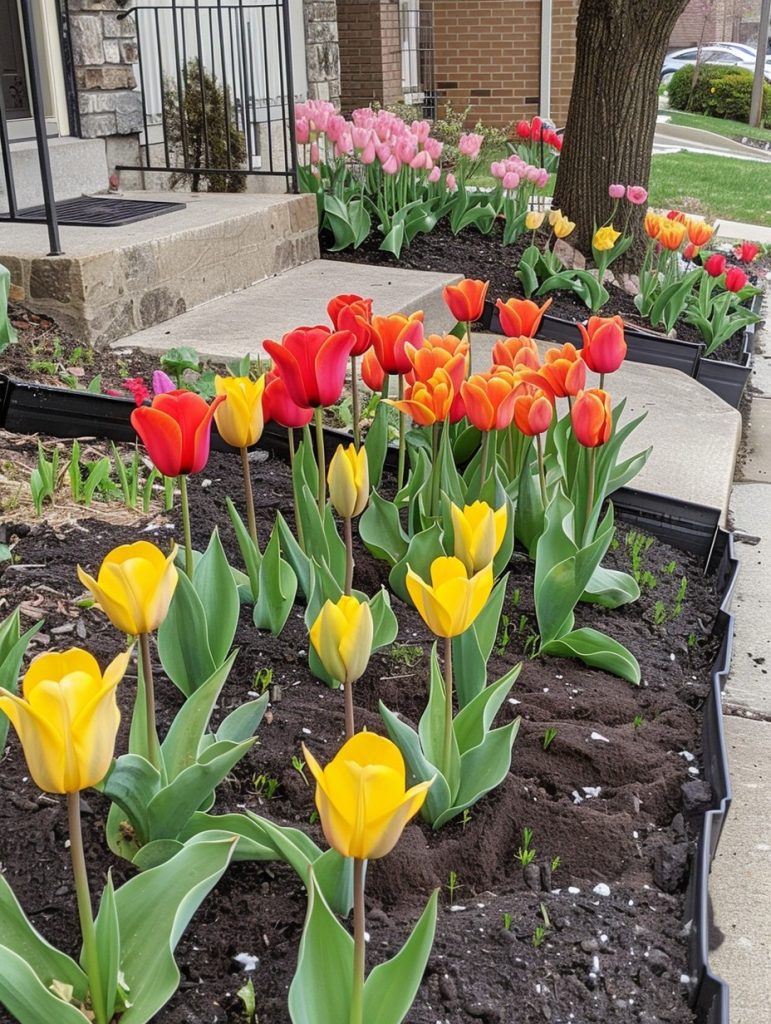
Tulips are, without question, one of the most commercially significant flowers in the world, with an entire economic frenzy once built around their bulbs in seventeenth-century Holland.
The plant’s toxins, tulipalin A and B, sit primarily within the bulb rather than the petals or leaves, which is why most exposures involving cut tulips cause only mild irritation.
Gardeners handling large quantities of bulbs sometimes develop a contact dermatitis nicknamed “tulip fingers.” Ingesting the bulb itself, however, can bring on more significant oral and digestive discomfort.
23. Amaryllis
Amaryllis, with its enormous trumpet-shaped blooms in red, pink, and white, has become a beloved winter gift plant sold widely as an easy bulb-growing kit during the holiday season.
Nearly every part of the plant carries some toxicity, with the bulb containing both lycorine and sharp raphide oxalate crystals capable of causing significant tissue irritation on contact.
Ingestion can bring on vomiting, drooling, abdominal pain, and a drop in blood pressure. Given how often amaryllis arrives as a festive gift, checking its placement in a home with curious children is worthwhile.
24. Calla Lily
Calla lilies feature a single, elegant, trumpet-shaped white, yellow, or purple bloom that has become a staple of modern wedding arrangements and minimalist floral design.
Despite the name, calla lily is not part of the true lily family and does not carry the same kidney-related risks associated with genuine lilies. Its danger comes from a different mechanism entirely.
The plant contains insoluble calcium oxalate crystals that cause immediate, sharp irritation to the mouth and throat upon biting into any part of the leaf or stem.
25. Peace Lily
Peace lily, with its glossy green leaves and elegant white flower spathe, ranks among the most common houseplants in offices and homes around the world thanks to its low light tolerance.
Like calla lily, its toxicity stems from calcium oxalate crystals rather than the compounds found in true lilies, meaning the danger is immediate irritation rather than delayed organ damage.
A person or pet chewing peace lily foliage typically experiences instant mouth pain, drooling, and difficulty swallowing. Symptoms are uncomfortable but generally resolve without lasting harm.
26. Cyclamen
Cyclamen produces distinctive, upswept flower petals in pink, red, and white above patterned, heart-shaped leaves, making it a favorite potted plant during the cooler months of the year.
The plant’s saponins are concentrated most heavily in the tuber and root structure below the soil, with the flowers and leaves posing comparatively less risk if nibbled.
Digging into and consuming the tuber, however, can cause significant vomiting, diarrhea, and in rare cases of large ingestion, changes to heart rhythm that require medical evaluation.
27. Kalanchoe
Kalanchoe is a compact, easy-care succulent topped with clusters of small, star-shaped flowers in vivid pink, orange, red, or yellow, frequently sold in grocery store floral sections.
The plant contains bufadienolides, a family of cardiac glycosides similar in mechanism to those found in foxglove and lily of the valley, though generally present in smaller concentrations.
Ingestion of a significant amount can cause vomiting, cardiac irregularities, and in severe cases, seizures. Because kalanchoe is so inexpensive and widely available, it often enters homes without any safety consideration.
28. Wisteria
Wisteria’s cascading purple or white flower clusters rank among the most photographed spring blooms in the world, often draping dramatically over archways, pergolas, and old stone walls.
The beauty of the flowers, however, gives way to genuine risk once the plant sets its seed pods. These pods contain lectins and a glycoside called wisterin capable of causing significant digestive distress.
Chewing on wisteria pods commonly leads to vomiting, abdominal pain, and diarrhea. Seasonal pruning and pod removal are worthwhile habits for any gardener who wants to enjoy the blooms safely.
29. Lantana
Lantana produces small, densely packed flower clusters that shift color as they age, often displaying yellow, orange, pink, and red simultaneously on the same plant, a trait that makes it a pollinator magnet.
Its unripe berries and foliage contain triterpenoid acids capable of causing liver damage with repeated or significant exposure, a slower and less obvious danger than many other entries on this list.
Symptoms include vomiting, diarrhea, weakness, and in cases of heavy exposure, jaundice from liver stress. Increased skin sensitivity to sunlight has also been documented following lantana exposure.
30. Mountain Laurel
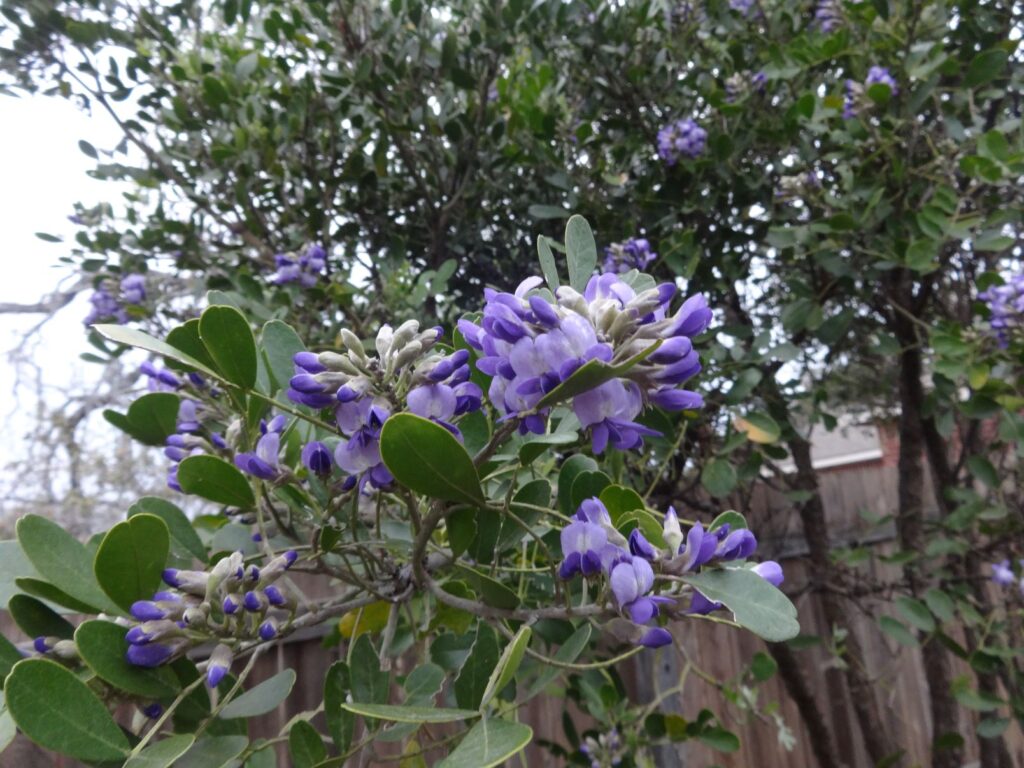
Mountain laurel produces clusters of intricate, cup-shaped pink and white flowers each spring, and it holds the honor of being the official state flower of both Pennsylvania and Connecticut.
Like azaleas and rhododendrons, this plant contains grayanotoxins that interfere with normal cellular function in the heart and nervous system when ingested in sufficient quantity.
Historical accounts describe honey made from mountain laurel nectar, sometimes called “mad honey,” as capable of causing dizziness, vomiting, and irregular heart rhythms in people who consume it unknowingly.
31. Yellow Jessamine
Yellow jessamine, also called Carolina jasmine, produces a profusion of bright yellow, trumpet-shaped, fragrant flowers each spring across the southeastern United States, where it also serves as the state flower of South Carolina.
Every part of this climbing vine contains gelsemine and related alkaloids, compounds that affect the nervous system and, in significant doses, can suppress normal breathing function.
Children have occasionally been poisoned after mistaking the flowers for honeysuckle and attempting to suck nectar from the blossom, a habit that is far safer with true honeysuckle than with jessamine.
32. Star of Bethlehem
Star of Bethlehem produces charming, star-shaped white flowers with a green stripe running down each petal, often naturalizing in lawns and meadows where it can spread quite readily.
The bulb contains cardiac glycosides similar in category to those found in foxglove and lily of the valley, though generally considered somewhat less potent overall.
Ingestion can cause nausea, vomiting, and abdominal discomfort, with more significant exposure carrying the potential for cardiac symptoms. Livestock grazing on large patches have shown more severe reactions than typical human cases.
33. Snowdrop
Snowdrops are often celebrated as the first flower to bloom after winter, pushing their small, nodding white blossoms through late snow with a resilience that has made them a symbol of hope.
Despite that gentle reputation, snowdrops contain alkaloids, including galantamine, which in careful pharmaceutical doses is actually used to treat certain memory-related conditions in medicine today.
In uncontrolled quantities, however, ingestion of the bulb or flower can cause nausea, vomiting, and abdominal pain. The gap between medicinal dose and toxic dose is, once again, a recurring theme.
34. Iris
Iris flowers display some of the most intricate, sculptural petal structures in the plant world, blooming in nearly every color across bearded, Siberian, and Japanese varieties found in gardens worldwide.
The plant’s toxicity, caused by compounds including irisin, concentrates most heavily in the rhizome, the thick underground stem from which the flower grows each season.
A person or pet digging into and chewing the rhizome typically experiences drooling, vomiting, and lethargy. Symptoms are generally uncomfortable rather than life-threatening, though supportive care is still recommended.
35. Bird of Paradise
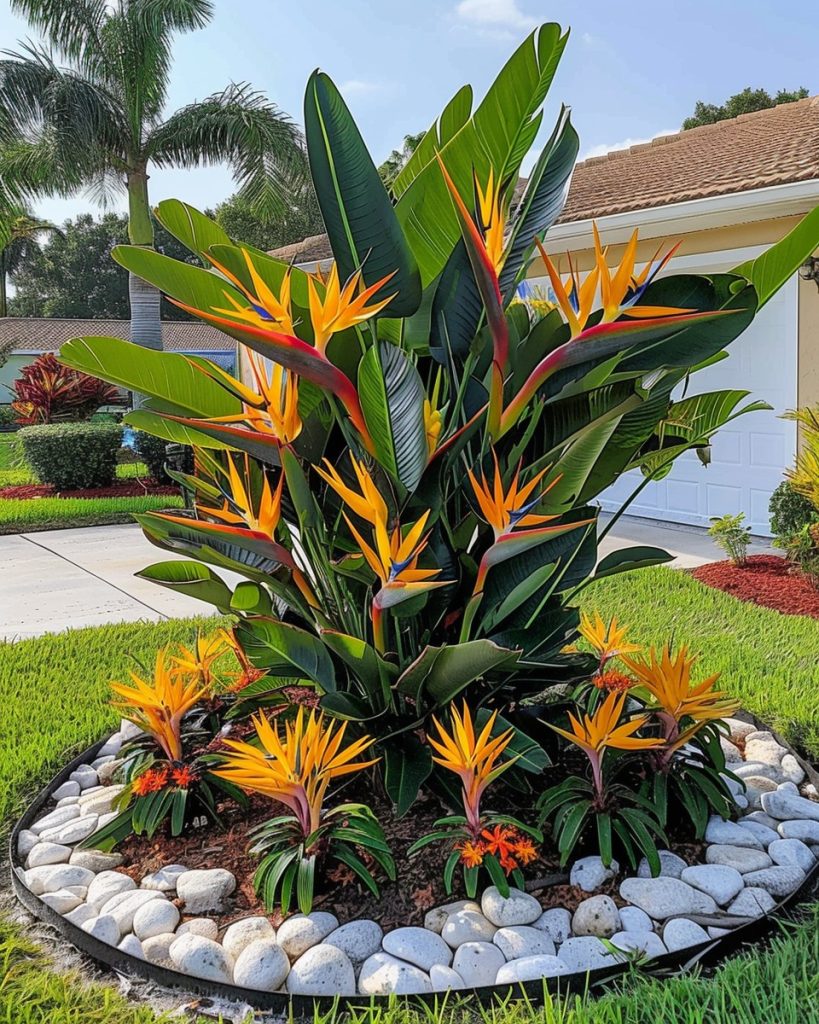
Bird of paradise earns its name honestly, with vivid orange and blue blooms shaped remarkably like a tropical bird’s crest, making it one of the most recognizable ornamental flowers grown today.
The seeds and pods carry the highest toxin concentration on the plant, while the flowers themselves pose comparatively less risk to anyone simply admiring or lightly handling them.
Ingestion of the seeds commonly causes vomiting, diarrhea, and drowsiness. While rarely life-threatening in typical exposures, the plant’s exotic appearance often tempts curious children and pets to investigate it closely.
Why Do Beautiful Flowers Evolve to Be Poisonous?
Toxicity in plants is rarely random. It is usually a defense mechanism, built over millions of years to discourage insects, grazing animals, and fungi from destroying the plant before it can reproduce.
Bright colors and toxicity often travel together in nature. A vivid bloom draws in pollinators while its bitter or poisonous compounds warn off anything trying to eat the leaves, stems, or roots.
Humans, unfortunately, do not always read those warning signs. Children are drawn to bright berries. Foragers occasionally mistake a toxic root for an edible one. Gardeners sometimes handle sap without gloves.
The Numbers Behind the Beauty
Statistics from established toxicology sources help frame just how often these encounters happen. In the United States alone, more than 100,000 plant exposures are reported to poison control centers every year, according to peer-reviewed toxicology research published on PubMed.
A more recent analysis found that plant-related calls account for nearly 8%, or roughly 50,000 cases, of all annual incoming calls to poison control centers, based on data drawn from the American Association of Poison Control Centers.
The good news within that data is reassuring. Most cases, particularly those involving young children, result in mild symptoms rather than severe outcomes, largely because ingested quantities tend to be small.
Still, researchers note that the small number of severe or fatal cases tends to cluster around a familiar handful of plants, including monkshood, water hemlock, autumn crocus, and oleander, all of which appear on this very list.
How to Enjoy These Flowers Without the Risk
None of this means you need to avoid beautiful flowers altogether. It simply means treating certain plants with the same respect you would give any other household hazard.
Wear gloves when handling monkshood, foxglove, oleander, or daphne, especially during pruning or transplanting, since several toxins in this list can absorb directly through the skin.
Keep bulb plants like daffodils, hyacinths, and tulips away from areas where young children or pets are likely to dig. The bulb is almost always the most concentrated source of danger.
If you suspect a poisoning has occurred, contact your local poison control center immediately rather than waiting to see if symptoms develop. Early treatment consistently produces better outcomes across nearly every plant on this list.
Final Thoughts
Putting this list together left me with a strange kind of appreciation for these plants. Their danger is not a flaw. It is simply the price of admission for admiring something this striking.
Respect, rather than fear, feels like the right response. Learn which plants in your own garden carry a hidden edge, handle them sensibly, and you can still enjoy every one of these remarkable blooms.
Frequently Asked Questions
Are all beautiful flowers potentially dangerous? No. Most cultivated garden flowers, including roses, sunflowers, and marigolds, are considered safe. Toxicity tends to concentrate in specific plant families, particularly those containing cardiac glycosides or alkaloids.
Which flower on this list is considered the most dangerous? Toxicologists frequently point to monkshood, oleander, and water hemlock as among the most acutely dangerous, given how small a dose can cause severe or fatal outcomes without prompt treatment.
Can touching a poisonous flower alone cause harm? For most flowers on this list, ingestion poses the greater risk. However, monkshood, daphne, and foxglove can cause symptoms through skin absorption alone, which is why gloves are recommended when handling them.
References
- Cornell Cooperative Extension — Kingsbury, J.M. Common Poisonous Plants. Cornell University eCommons. https://ecommons.cornell.edu/entities/publication/d5e6620c-9c49-4116-9517-4a7134bcff23
- University of Florida IFAS Extension — Deadly Plants. Gardening Solutions. https://gardeningsolutions.ifas.ufl.edu/design/outdoor-living/deadly-plants/
- U.S. Centers for Disease Control and Prevention — Questions and Answers About Ricin. CDC Stacks. https://stacks.cdc.gov/view/cdc/60214/cdc_60214_DS1.pdf
- National Institutes of Health, National Library of Medicine — Fatal and Dangerous Plant Poisoning. PubMed. https://pubmed.ncbi.nlm.nih.gov/17482026
- National Institutes of Health, National Library of Medicine — Toxidromes in Plant Poisoning: A Clinical Overview. PubMed Central. https://pmc.ncbi.nlm.nih.gov/articles/PMC12031007
- Montana State University Extension — Moore-Gough, C. Poisonous Plants in the Home Landscape. MontGuide MT199902AG. https://extension-store.montana.edu/montguides/poisonous-plants-in-the-home-landscape
- University of Georgia Cooperative Extension — Westerfield, R.R. Poisonous Plants in the Landscape, Circular 957. https://fieldreport.caes.uga.edu/publications/C957/poisonous-plants-in-the-landscape/

Tim M Dave is a gardening expert with a passion for houseplants, particularly cacti and succulents. With a degree in plant biology from the University of California, Berkeley, he has vast experience in gardening. Over the years, he has cultivated a vast collection of desert plants and learned a great deal about how to grow and care for these unique companions.