35 Types of Peperomia Plants (Different Varieties, With Pictures)
Peperomia is one of the friendliest houseplant groups I know. The plants are small, tidy and easy to place. Many look like they belong in a design magazine.
The genus is huge, with more than 1,000 species, though only a handful appear in garden centers. Most are native to tropical and subtropical parts of Central and South America, Africa, Southeast Asia and Australia.
This guide covers 35 types of peperomia, including popular cultivars. You will see what each one looks like, how it grows and what it needs.
What Is a Peperomia?
Peperomia belongs to the Piperaceae, or black pepper family. Despite the name, it has nothing to do with the peppers you cook with.
Many peperomias are epiphytes. In the wild, they grow on other plants for support, like orchids do, and they do not harm the host. This explains why they dislike soggy soil.
The leaves vary a lot. Some are thick and succulent. Others are thin, ridged or patterned. That variety is the main reason collectors love them.
35 Types of Peperomia
1. Peperomia obtusifolia (Baby Rubber Plant)
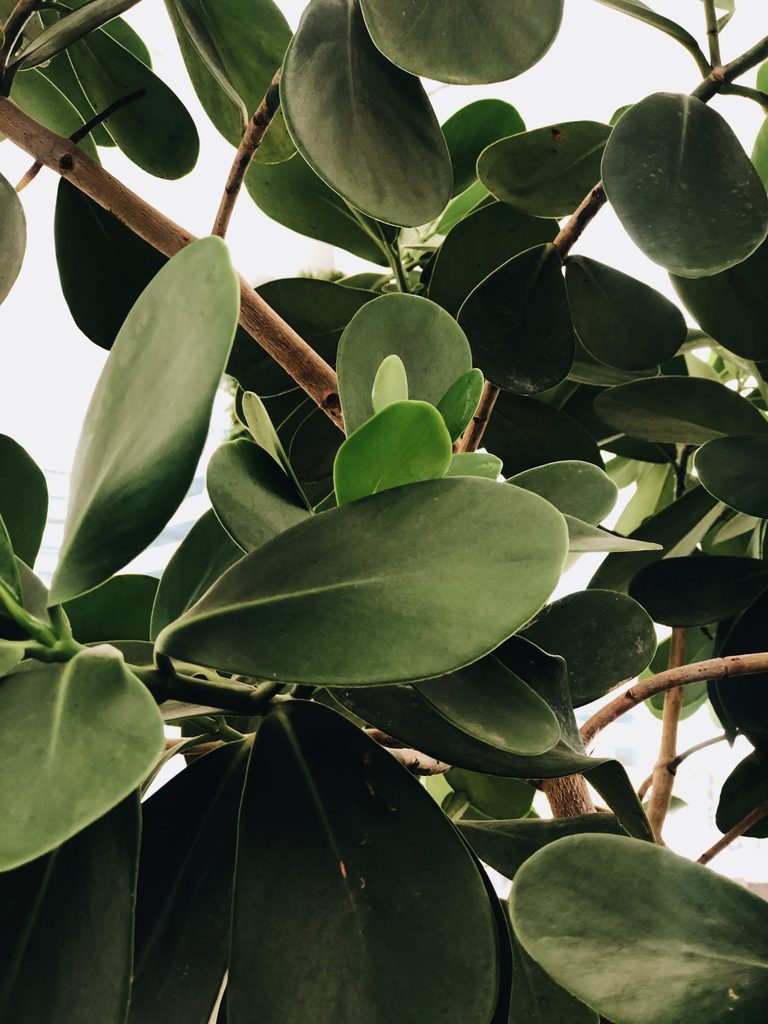
This is the most widely grown peperomia. It has thick, glossy, oval leaves on upright stems. UF/IFAS lists it by the name “baby rubber plant” and rates it for USDA zones 10 to 11.
It grows about 8 to 12 inches tall indoors. The plant is semi-succulent, so it stores water in its leaves and stems.
Give it medium to bright light. Water only when the top inch is dry. If I had to recommend one peperomia to a beginner, this would be it.
2. Peperomia caperata (Emerald Ripple)
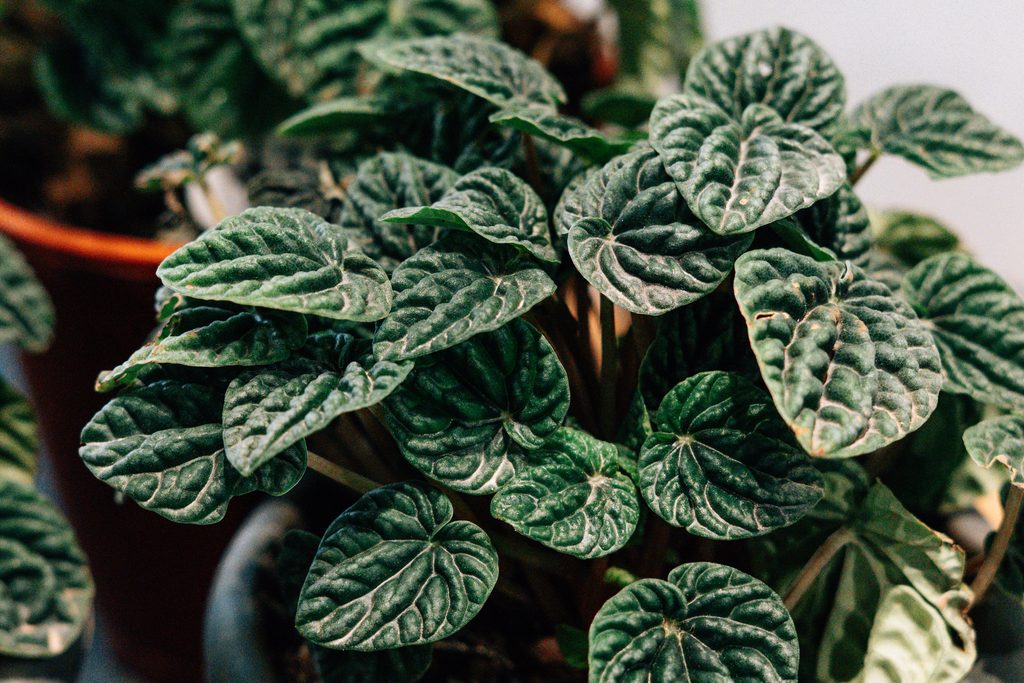
Emerald ripple is famous for its deeply wrinkled, heart-shaped leaves. They are dark green, sometimes with a purple or bronze tint. The texture is what makes it special.
It forms a compact mound, usually under 10 inches tall. In spring and summer, it sends up thin, pale flower spikes that look like mouse tails.
Provide medium light and a free-draining mix. Do not let it sit in water. NC State Extension notes that it propagates easily from leaf cuttings.
3. Peperomia argyreia (Watermelon Peperomia)
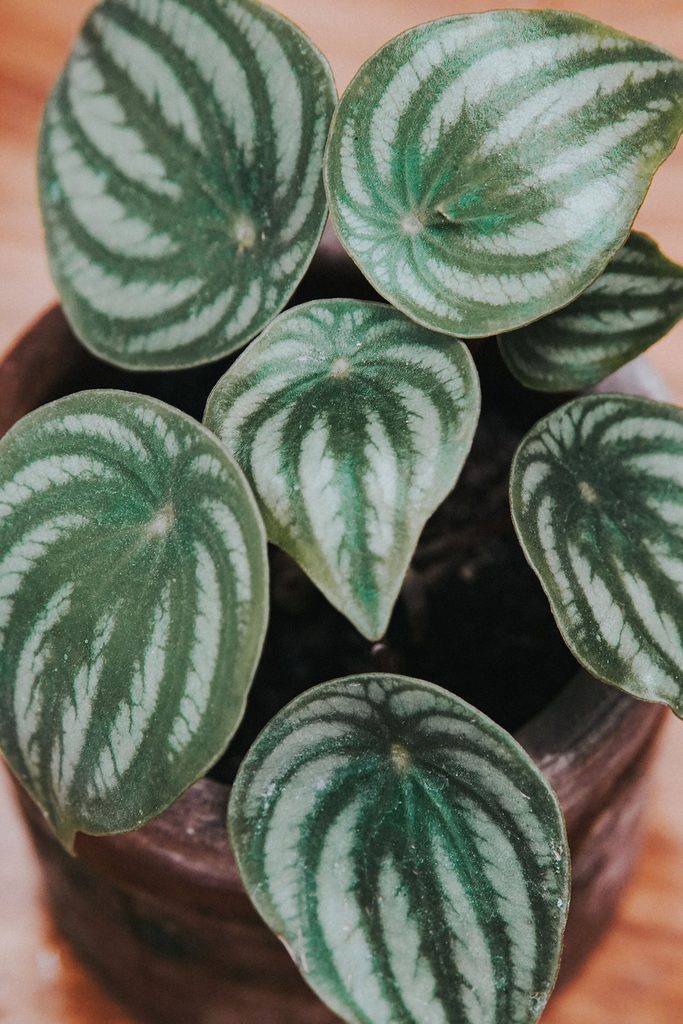
The leaves of this plant resemble a watermelon rind, with silver stripes on dark green. The stems are reddish and the leaves are rounded. It is native to Brazil.
It grows about 8 inches tall. NC State Extension lists it as non-toxic for dogs, cats and horses, which many pet owners appreciate.
Keep it in bright, indirect light. Direct sun can fade the stripes. Water lightly and avoid soggy soil.
4. Peperomia polybotrya (Raindrop Peperomia)
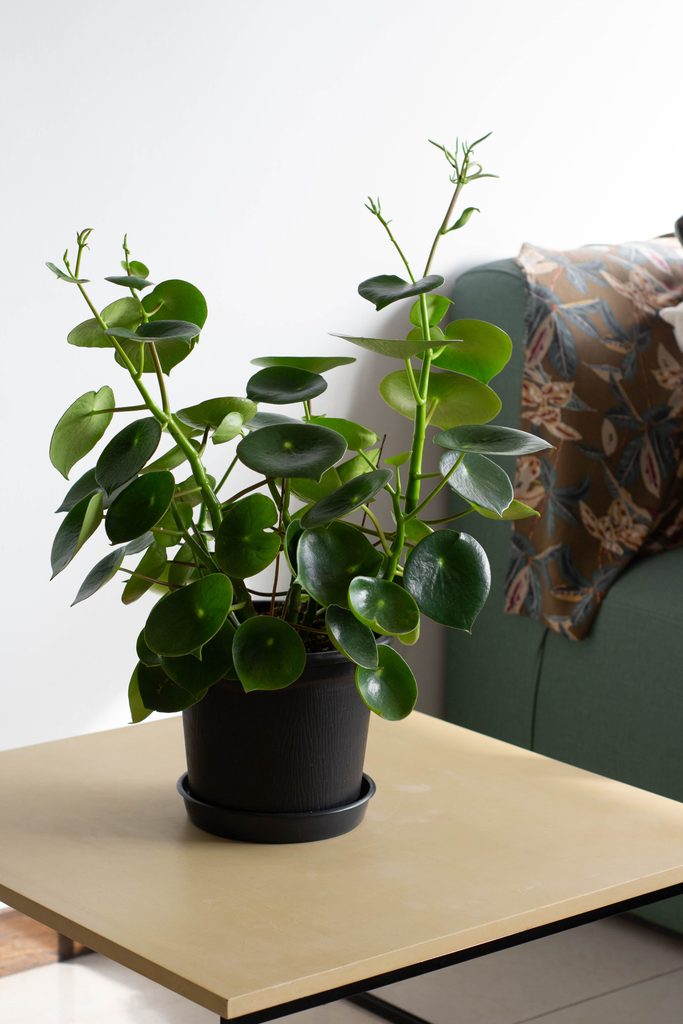
Raindrop peperomia has thick, glossy, heart-shaped leaves with a pointed tip. The shape looks like a falling drop of water. It is native to Colombia, Ecuador and Peru, according to NC State.
People often confuse it with the Chinese money plant. The two do look similar, but this one has a different leaf attachment and growth habit.
It likes warm, humid air and bright, filtered light. Let the soil dry between waterings. It is a good choice for a bright shelf.
5. Peperomia prostrata (String of Turtles)

This trailing plant has tiny, round leaves with dark green veining that look like turtle shells. The stems are thin and creeping. It is a favorite for hanging pots.
It stays small, but the vines can spill over the edge and reach 2 or 3 feet. The leaves are only about half an inch wide.
String of turtles prefers humidity and bright, indirect light. Keep the soil lightly moist, but never wet. In my experience, it dislikes very dry air.
6. Peperomia rotundifolia (Trailing Jade)
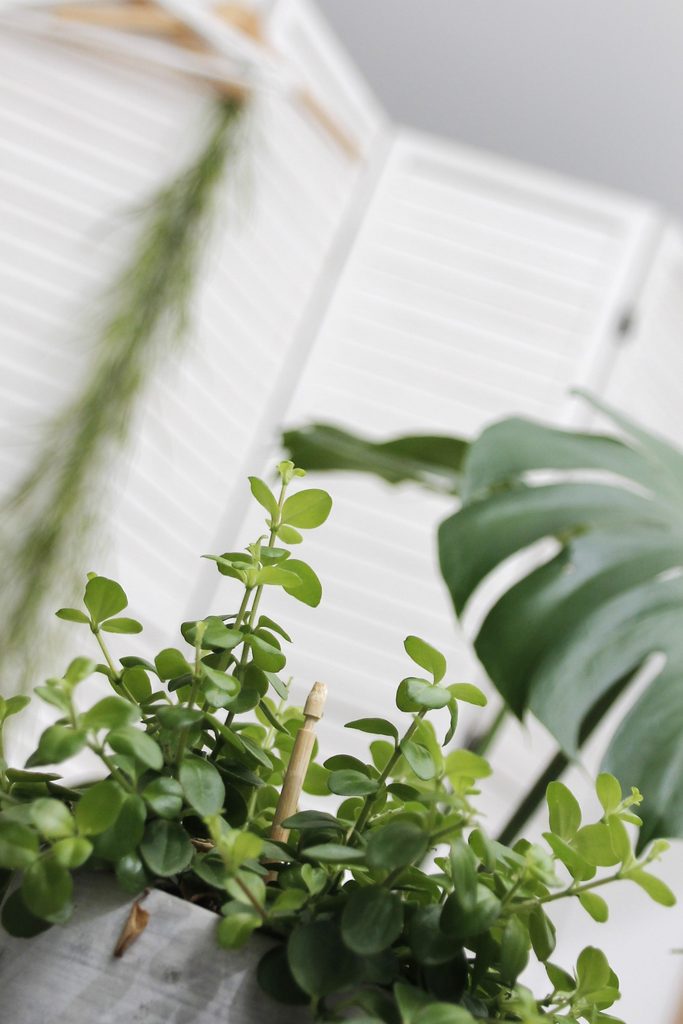
Trailing jade has small, round, plump leaves on creeping stems. NC State Extension describes the plant as ideal for hanging baskets and as an easy houseplant. It is also listed as non-toxic to pets.
The leaves are bright green and shiny. The plant is epiphytic in nature.
Give it bright, indirect light and a light, airy mix. Water when the soil feels dry. It forms a dense, soft cascade over time.
7. Peperomia serpens (Vining Peperomia, Cupid Peperomia)
This vining species has glossy, heart-shaped leaves. Clemson Extension notes that it closely resembles a philodendron. The stems trail or climb gently.
It is sold under older names such as Peperomia scandens. The plain green form is hardy and fast.
Place it in a hanging pot or let it climb a small support. Bright, indirect light works best. Pinch the tips to keep it full.
8. Peperomia clusiifolia (Jelly Peperomia)
The jelly peperomia is known for its colorful leaves. They are thick and green, often edged in red or pink. Clemson Extension notes that the foliage stands out from solid green plants.
It grows upright and can reach about a foot. Stems are sturdy and often reddish.
Bright light helps the color stay strong. In low light, the red fades. Let the soil dry well between waterings.
9. Peperomia griseoargentea (Ivy Leaf, Silver Leaf Peperomia)
This plant forms rosettes of silver-gray, heart-shaped leaves with deep, curved veins. The University of Missouri describes the look as metallic.
It is similar to emerald ripple, but the color is cooler and shinier. Care is nearly identical.
Provide medium light and good drainage. Water when the top of the soil is dry. It looks lovely in a small ceramic pot.
10. Peperomia ‘Hope’ (Hope Peperomia)
Hope is a hybrid, widely believed to come from P. deppeana and P. quadrifolia. It has round, fleshy leaves that grow in small groups along trailing stems.
The look is neat and bead-like. It stays small and works well in a hanging planter.
Give it bright, indirect light. Water only when the soil is dry. This plant needs very little attention.
11. Peperomia verticillata (Red Log)
This species grows its leaves in whorls, or rings, around the stem. The leaves are green on top and often reddish underneath. The stems may take a reddish tone in bright light.
It grows upright at first, then trails as it matures. It does well in a medium-sized pot.
Provide bright, indirect light and a light mix. Allow the soil to dry between drinks. It makes a good conversation piece.
12. Peperomia tetraphylla (Acorn Peperomia)
Acorn peperomia has small, round, thick leaves, usually in groups of four. The leaves have faint, translucent “windows” along the veins. NC State lists it among the common species.
It grows in a small, spreading mound and trails slowly. It suits shelves and small hanging baskets.
Keep it in bright, filtered light. Water sparingly. It is quite forgiving of busy owners.
13. Peperomia incana (Felted Peperomia)
This plant is covered in fine, silvery hairs, which give the leaves a soft, felted look. The leaves are heart-shaped and slightly curled. It comes from Brazil.
It grows upright and bushy. Small flower spikes appear in summer.
It prefers bright light and a pot with big drainage holes. Water lightly and keep the leaves dry. The felt can rot if it stays wet.
14. Peperomia magnoliifolia (Spoonleaf Peperomia)
This species has thick, oval leaves that remind many growers of magnolia leaves. The foliage is glossy, and some forms are cream-edged. The stems are fleshy.
It grows upright and spreads slowly. It is closely related to the baby rubber plant, and the care is similar.
Provide bright, indirect light. Allow the top inch of soil to dry. Protect it from cold, as it enjoys steady warmth.
15. Peperomia graveolens (Ruby Glow)
Ruby glow has fleshy leaves folded lengthwise like small canoes. The tops are green, and the undersides are deep red. The stems also have a reddish tone.
The flowers are yellow-green and appear on tall spikes. The color contrast makes the plant unusual.
It needs strong, bright light for the best color. Water lightly. Ensure the soil drains fast.
16. Peperomia dolabriformis (Prayer Peperomia)
The leaves of this species fold upward, like hands in prayer. They are thick, pale green and slightly waxy. The shape resembles a small axe head.
It grows slowly and stays compact. It is a semi-succulent and stores water well.
Give it bright light and very dry soil between waterings. Too much water will quickly harm it. I find it one of the most unusual-looking types.
17. Peperomia columella (Column Peperomia)
This plant has tiny, thick leaves stacked tightly along upright stems. The look resembles a small green column or a cluster of short stalks.
It grows slowly and forms a low, dense clump. It is a favorite among collectors.
Provide bright light and a gritty soil mix. Water sparingly. It likes warmth and stable conditions.
18. Peperomia ferreyrae (Happy Bean)
Happy bean has long, narrow leaves that look like green pea pods. Each leaf has a translucent strip along the top. This “window” lets light reach the inner tissue.
The plant comes from Peru. It forms upright, then slightly arching stems.
Give it bright, indirect light. Let the soil dry fully between waterings. It is very sensitive to overwatering.
19. Peperomia maculosa (Radiator Plant)
This plant has dark green leaves with silvery-white stripes along the veins. The stems are speckled with red or purple. Its flower spikes are long and thin.
It grows upright and can reach about a foot. The leaves are thick and slightly waxy.
Provide medium to bright light and warm air. Water when the top of the soil is dry. It enjoys humidity but adapts well to normal rooms.
20. Peperomia puteolata (Parallel Peperomia)
The name comes from the leaf pattern. Pale, parallel lines run along each dark green leaf. The stems are reddish and trail as the plant ages.
It is a moderate grower. The look is clean and graphic.
Bright, indirect light keeps the stripes sharp. Let the soil dry slightly between drinks. It suits hanging pots and tall shelves.
21. Peperomia quadrifolia (Jayde Peperomia)
Jayde is a small trailing plant with thick, rounded leaves. They grow in groups on thin stems. The leaves often have a slight reddish edge in strong light.
It is a Caribbean species and relatively compact. It is closely related to the Hope hybrid.
Give it bright, filtered light. Water lightly. A hanging basket shows it off best.
22. Peperomia angulata (Beetle Peperomia)
Beetle peperomia has dark green leaves with silvery veins. The undersides are reddish brown. The vines trail and can be trimmed for a fuller look.
The leaves are small and slightly pointed. They create a striking, striped pattern.
Provide moderate light and keep the soil lightly moist. Avoid waterlogging. It enjoys humid rooms, such as bright bathrooms.
23. Peperomia orba (Teardrop Peperomia)
This species has small, rounded, slightly pointed leaves. The foliage is soft and fleshy. Popular cultivars include ‘Pixie Lime’ and ‘Pepperspot.’
It grows upright, then arches or trails with age. It tends to stay small and neat.
Provide bright, indirect light. Let the soil dry slightly. Variegated forms need more light to hold their color.
24. Peperomia caperata ‘Rosso’
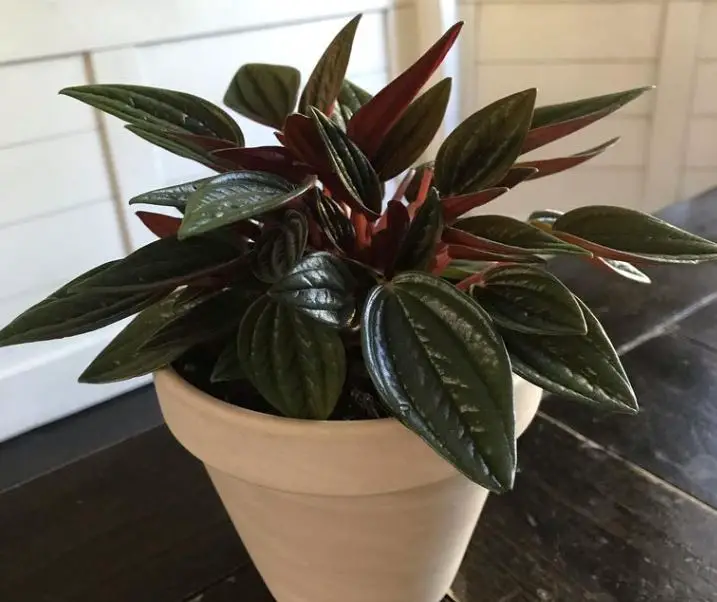
This cultivar shows green leaves on the upper side and deep burgundy on the underside. The ripples are bold and the leaves are glossy. The mounded shape is compact.
It grows a little larger than some other ripple types. The contrast makes it eye-catching.
Give it medium light and a well-drained mix. Water when the top inch is dry. It rewards steady care.
25. Peperomia albovittata ‘Piccolo Banda’
The leaves of this variety are thick and rounded. They are dark green with silver bands running across. It grows in a tight, low rosette.
It is a slow, tidy plant. Many collectors find it a very pretty desk plant.
Bright, indirect light keeps the stripes bold. Water sparingly and ensure good drainage. Keep it warm.
26. Peperomia glabella (Cypress Peperomia)
This small trailing plant has glossy, oval leaves on thin stems. A variegated form with creamy edges is also common. It stays small and light.
It works well in terrariums and hanging pots. It grows steadily without being aggressive.
Provide bright, indirect light. Water when the soil is dry on top. Trim long stems to encourage branching.
27. Peperomia fraseri (Flowering Peperomia)
Most peperomias are grown for their leaves, but this one is also valued for its flowers. The spikes are white and fluffy, and they rise above the foliage in clusters.
The leaves are heart-shaped and slightly hairy. The plant is low and bushy.
It likes bright, indirect light and moderate humidity. Water lightly. Warmth and good air flow help it bloom.
28. Peperomia peruviana (Peruvian Peperomia)
This lesser-known species has fleshy leaves and a spreading habit. It is a good option for collectors who want something less common.
It prefers conditions similar to other semi-succulent types. It does well in small pots.
Provide bright light and a gritty mix. Water sparingly. Allow the soil to dry out between waterings.
29. Peperomia clusiifolia ‘Ginny’ (Rainbow Peperomia)
The ‘Ginny’ cultivar has green leaves with cream and pink edges. In strong light, the pink gets stronger. The stems are reddish.
It grows about 8 to 12 inches tall. It is one of the most colorful peperomias you can buy.
Give it bright, indirect light for the best hues. Water when the top soil is dry. Avoid cold air.
30. Peperomia serpens ‘Variegata’ (Variegated Vining Peperomia)
This form of the vining peperomia has green leaves with cream edges. The stems trail gently. It looks lovely in a hanging basket.
It grows faster than many other variegated types. The variegation can revert to plain green in low light.
Provide bright, indirect light. Water lightly. Prune off all-green shoots to keep the pattern.
31. Peperomia pereskiifolia (Pereskia-Leaf Peperomia)
This is a less common species with thick leaves that grow in whorls. The stems are fleshy and often reddish. The plant stays compact.
It is suited to small pots or hanging planters. It is a collector’s plant.
Bright, indirect light and well-drained soil work well. Let it dry between waterings. Avoid cold, wet conditions.
32. Peperomia nivalis (Snow Peperomia)
This succulent-style species has small, rounded, fleshy leaves on slender stems. The foliage is light green and plump. It forms a gentle, trailing mound.
It looks similar to some other jade-like peperomias. It is an uncommon find.
Give it bright light and very fast drainage. Water sparingly. This plant resents soggy soil.
33. Peperomia metallica (Metallic Peperomia)
This upright plant has small, narrow leaves with a coppery, metallic shine. A pale stripe runs down the middle of each leaf. The stems are reddish.
It grows slowly and reaches about 8 inches. The color is quite rich in good light.
Provide bright, indirect light. Let the soil dry between waterings. It does well in terrariums.
34. Peperomia caperata ‘Frost’ (Frost Peperomia)
The ‘Frost’ cultivar has ripples like emerald ripple, but with a silvery, frosted sheen. The leaves look lightly dusted with ice.
It grows in a neat, low mound. It is a softer, brighter alternative to darker types.
Give it medium light and moderate warmth. Water when the soil feels dry. It is easy to propagate from leaf cuttings.
35. Peperomia obtusifolia ‘Variegata’ (Marble Peperomia)
The marble peperomia has thick, glossy leaves splashed with cream, green and gray. The University of Missouri calls the variegated baby rubber plant an all-around winner for its ease of care.
It grows about a foot tall and holds its shape well. It adapts to many indoor conditions.
Provide medium to bright light. Water only after the soil dries. I think it is a fitting last pick, because it is both beautiful and forgiving.
ALSO READ: How to Propagate String of Pearls Plant (From Stem Cuttings)
How to Choose the Right Peperomia
Start by thinking about your space. Trailing types such as string of turtles, trailing jade and Hope suit hanging pots. Upright types such as the baby rubber plant fit desks and shelves.
Next, look at your light. Dark, thick-leaved plants tolerate less light. Variegated and red-toned plants need brighter spots to keep their color.
Finally, think about how often you water. If you forget often, choose a semi-succulent type like the happy bean or baby rubber plant. If you like regular care, try a thin-leaved type.
Peperomia Care Basics
Most peperomias follow the same simple rules. Clemson Extension suggests bright, indirect light, well-drained soil and watering only after the soil dries. Overwatering is the most common problem.
- Light: Bright, indirect light suits most types. Dark-leaved ones tolerate less.
- Water: Let the top of the soil dry first. Thick-leaved types need even less.
- Soil: Use a light, well-drained houseplant or cactus mix.
- Warmth: Keep them above about 50°F (10°C). They dislike cold drafts.
- Repotting: Rarely needed. They enjoy being slightly root-bound.
They are also easy to propagate. Depending on the species, you can use leaf cuttings, stem cuttings or division.
Common Peperomia Problems
The biggest issue is overwatering. Soft, mushy stems and drooping leaves usually mean the roots are too wet. Clemson Extension also lists fungus gnats, scale and whiteflies as possible pests.
Keep leaves dry when you water to prevent fungal leaf spots. Use a pot with drainage holes. Check each plant’s pet safety before you buy, since details can differ by species.
Frequently Asked Questions
How many types of peperomia are there? Plant references list more than 1,000 species. Add hybrids and cultivars, and the number grows much higher.
Which peperomia is easiest to grow? The baby rubber plant (P. obtusifolia) and emerald ripple (P. caperata) are good starting points.
Are peperomias pet-friendly? NC State Extension tags several species, including watermelon and trailing jade, as non-toxic to cats, dogs and horses. Always confirm the exact species first.
Do peperomias need a lot of light? No. Most prefer bright, indirect light. Many tolerate medium light for long periods.
Final Thoughts
Peperomias prove that small plants can have big personality. Some have stripes, some have ripples, and some look like beans or turtles. There is a plant here for nearly every home.
My advice is to begin with one or two easy types. Learn their water habits, then try something rarer. With 35 types to explore, the fun lasts a long time.
References
- Clemson University Cooperative Extension, Home & Garden Information Center. Peperomia (Peperomia spp.) Indoor Plant Care and Growing Guide. https://hgic.clemson.edu/factsheet/peperomia/
- NC State Extension Gardener Plant Toolbox. Peperomia (genus overview). https://plants.ces.ncsu.edu/plants/peperomia
- University of Missouri Integrated Pest Management. Peperomia: The Plant, not the Pizza. https://ipm.missouri.edu/MEG/2022/2/peperomia-DT
- UF/IFAS Extension. Peperomia obtusifolia: Peperomia, Baby Rubber Plant (FPS466). https://edis.ifas.ufl.edu/publication/FP466/pdf
- NC State Extension Gardener Plant Toolbox. Peperomia argyreia (Watermelon Peperomia). https://plants.ces.ncsu.edu/plants/all/peperomia-argyreia
- NC State Extension Gardener Plant Toolbox. Peperomia polybotrya (Raindrop Peperomia). https://plants.ces.ncsu.edu/plants/peperomia-polybotrya
- Oklahoma State University Extension. Pepper-Face (Peperomia obtusifolia). https://extension.okstate.edu/programs/plant-id/plant-profiles/pepper-face

Tim M Dave is a gardening expert with a passion for houseplants, particularly cacti and succulents. With a degree in plant biology from the University of California, Berkeley, he has vast experience in gardening. Over the years, he has cultivated a vast collection of desert plants and learned a great deal about how to grow and care for these unique companions.