36 Types of Nut Trees (Identification, With Pictures)
Nut trees are woody plants that produce edible, hard-shelled seeds. Common examples include almond, walnut, pecan, pistachio, hazelnut, chestnut and macadamia. Some, like pine nuts and cashews, are botanically seeds or drupes, but cooks and growers still call them nuts.
I have grown fond of this plant group over the years. Nut trees feed people, support wildlife, give shade and often provide fine timber. A single mature tree can serve a family or a farm for decades.
This guide covers 36 types of nut trees, explaining the tree’s origin, how it grows and how people use it.
35 Types of Nut Trees
1. Almond (Prunus dulcis)
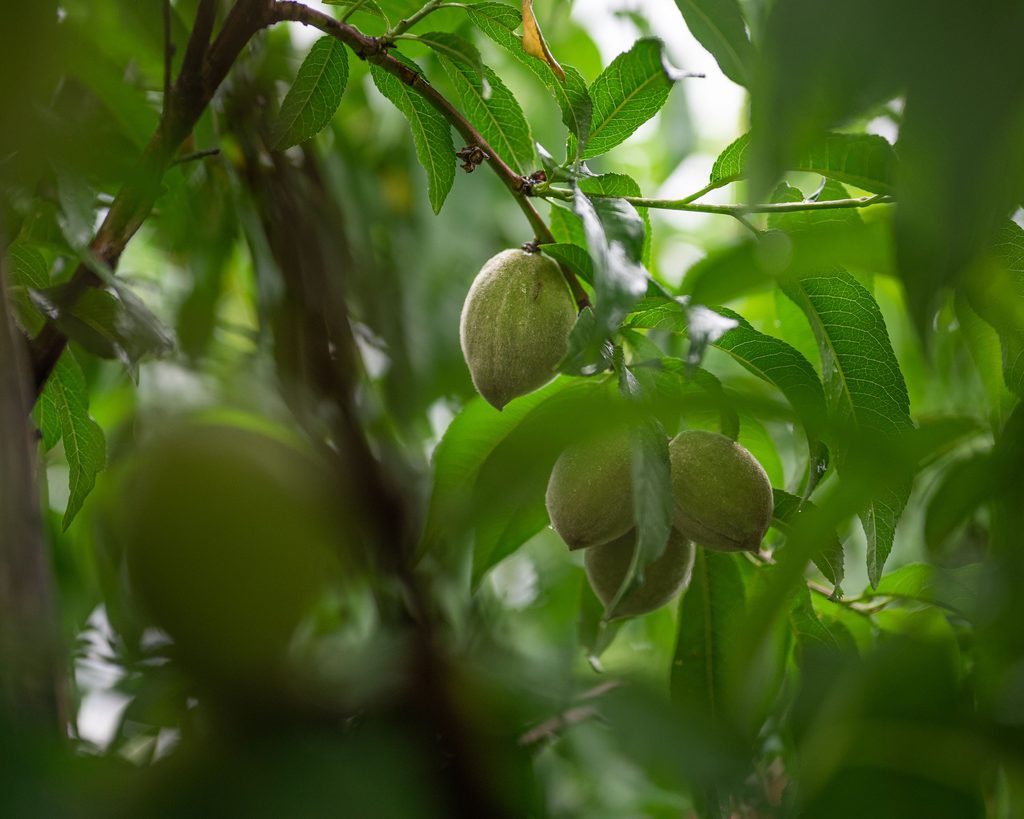
The almond is a close relative of the peach. Its tender kernel sits inside a hard shell, which is wrapped in a leathery hull. It blooms early, and the pink-white flowers are a joy to see.
California leads the world. The California Department of Food and Agriculture reports that bearing orchards there produced about 2.02 billion pounds in 2011/12. That was roughly 84 percent of global output.
Almonds are largely self-sterile, so growers plant compatible varieties and bring in bees. Choose a climate with hot, dry summers and mild winters. Expect a first crop within a few years.
2. English (Persian) Walnut (Juglans regia)
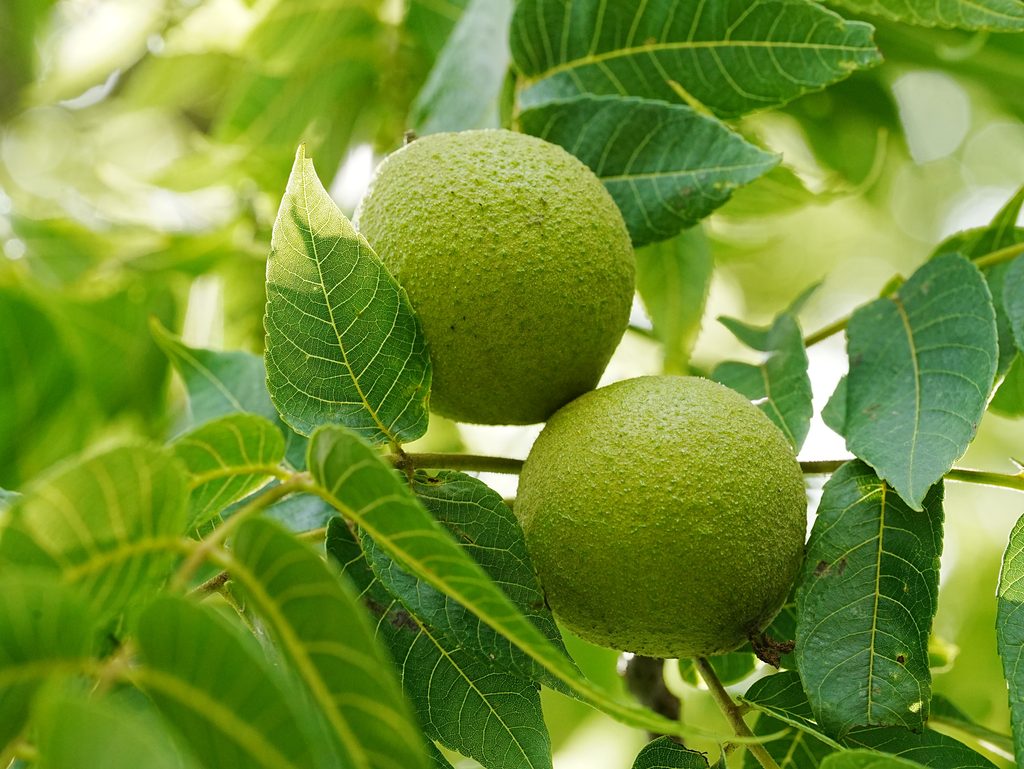
This is the walnut most people buy in shops. Despite the name, it came from Central Asia and the Middle East. The tree grows large, with a wide crown and smooth, pale bark.
It belongs to the same family as pecan, black walnut and hickory. The University of Florida’s extension service confirms this shared family, called Juglandaceae. The kernels are rich in oil and have a mild, slightly bitter edge.
Plant it where winters are cool and summers are warm. Give it deep, well-drained soil and plenty of space. Mature trees need room to spread, so avoid crowded sites.
3. Black Walnut (Juglans nigra)
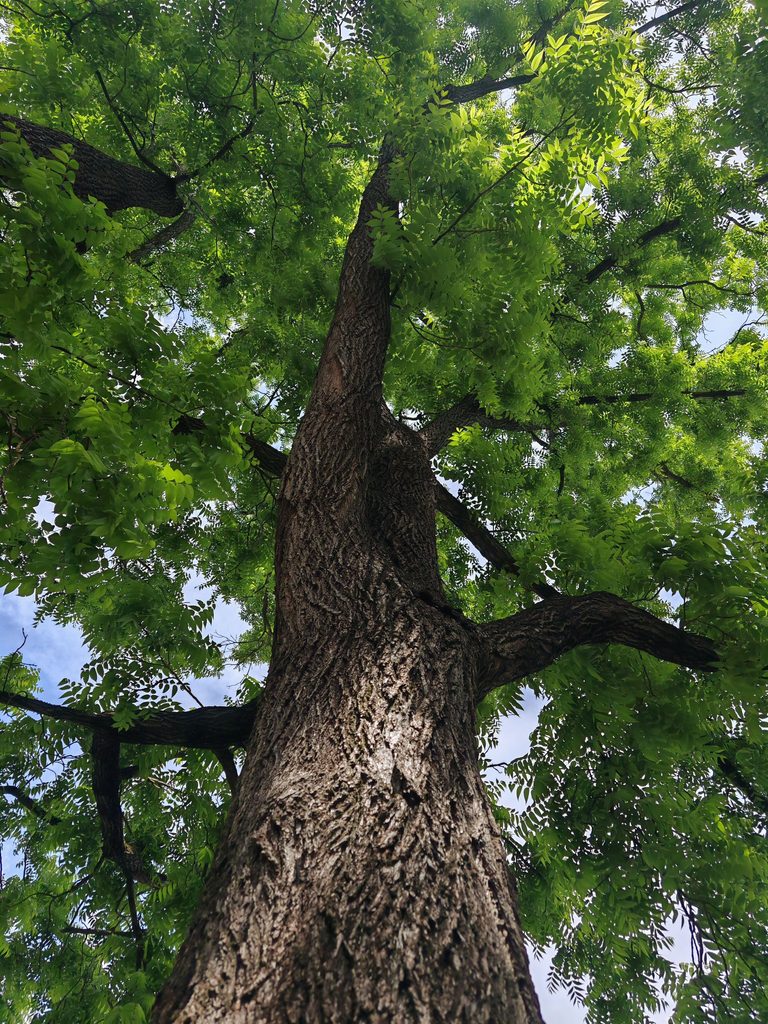
Black walnut is native to eastern North America. The USDA Forest Service calls it one of the scarcest and most coveted native hardwoods. The wood is deep brown and prized for furniture and gunstocks.
The nut has a strong, earthy flavor and a very hard shell. UF/IFAS lists it for USDA hardiness zones 5A through 9A. Hulls stain hands dark, so I always wear gloves when harvesting.
One warning is important. Black walnut roots release a chemical called juglone, which can harm tomatoes, apples and other plants nearby. Plant it well away from your garden beds.
4. Pecan (Carya illinoinensis)
The pecan is a large, graceful tree native to the south-central United States and northern Mexico. UF/IFAS reports a height of 70 to 100 feet. It is also the state tree of Texas.
The name comes from an Algonquin word for nuts that need a stone to crack. Pecans thrive in zones 5B through 9A with deep, fertile soil. They need long, warm summers to fill the kernels properly.
Patience is essential here. UF/IFAS notes that the juvenile period can last 10 to 12 years in some trees. Plant two compatible varieties to improve pollination and yield.
5. Pistachio (Pistacia vera)
The pistachio is a hardy desert tree from Central and Western Asia. It tolerates heat and drought well. The nuts grow in grape-like clusters, and the shell splits naturally when ripe.
California produces about 99 percent of the U.S. crop. The first commercial harvest there came in 1976 and totaled 1.5 million pounds, according to CDFA. Today the industry is far larger.
Pistachios are slow. UC research notes five to six years before the first crop. Trees are either male or female, and the wind carries pollen, so bees are not required.
6. Cashew (Anacardium occidentale)
The cashew is a tropical evergreen from northeastern Brazil. It grows as a spreading tree with leathery leaves. The nut hangs from the bottom of a fleshy, colorful “cashew apple.”
The shell contains an irritating oil, so processors must remove it carefully. This is why cashews are never sold raw in the shell. Always leave the shelling to trained hands.
Today, Vietnam, India and West African countries are leading names in cashew trade. The tree needs a warm, frost-free climate with a clear dry season. It suits tropical smallholders well.
7. European Hazelnut (Corylus avellana)
Hazelnuts, also called filberts, grow on multi-stemmed shrubby trees. They are loved for chocolate spreads, baking and roasting. The flavor is sweet and rich.
Turkey is the world’s largest producer. In the United States, Oregon’s Willamette Valley grows nearly all of the commercial crop. Cool, wet winters and mild summers suit the plant.
The main threat is Eastern filbert blight, a fungal disease. Growers now choose resistant varieties. I recommend checking local extension advice before buying any hazelnut plants.
8. Turkish Tree Hazel (Corylus colurna)
Unlike most hazels, this one grows as a true single-trunk tree. It can reach a stately size and has a neat, pyramid shape. Cities often plant it along streets.
The nuts are small, with thick shells and a pleasant flavor. They are not the main commercial choice. However, the species resists blight and is useful in breeding programs.
This tree handles cold, drought and poor soil better than many nut trees. It suits larger gardens where you want shade, structure and a modest harvest.
9. Macadamia (Macadamia integrifolia)
Macadamia is native to the rainforests of eastern Australia. Hawaii later became famous for it. The nuts are buttery, creamy and among the most expensive in the world.
The shell is extremely hard, so special crackers are needed. The evergreen tree prefers warm, frost-free conditions and well-drained, slightly acidic soil. Expect seven to ten years for full production.
A safety note for pet owners: macadamias are toxic to dogs. Keep fallen nuts out of reach. The tree itself is attractive, with glossy leaves and long flower sprays.
10. Brazil Nut (Bertholletia excelsa)
This giant grows wild in the Amazon rainforest. It can tower well above the canopy and live for centuries. The big woody pods hold roughly a dozen or more seeds each.
Brazil nuts are still mostly harvested from wild forests, not plantations. The tree depends on large forest bees for pollination and on rodents called agoutis to open pods and spread seeds. This web of life is hard to copy on farms.
The nuts are known for their selenium content. Eating a small number is enough, since too much selenium can be harmful. It is a nut that connects food directly to forest protection.
11. European (Sweet) Chestnut (Castanea sativa)
Sweet chestnut is native to southern Europe and the Mediterranean. The tree grows large and lives very long. Its nuts are starchy and sweet, unlike most oily nuts.
People roast them in winter, mill them into flour or boil them for stuffing and desserts. In parts of Italy, France and Spain, chestnuts have been a staple food for centuries.
The tree likes deep, acidic to neutral, well-drained soil. It dislikes limestone-heavy ground. Spiny burs protect the nuts, so wear thick gloves at harvest.
12. Chinese Chestnut (Castanea mollissima)
Chinese chestnut is a smaller, rounder tree than its European cousin. It resists chestnut blight, the disease that devastated American forests. This makes it the top choice for North American orchards.
The nuts are sweet and reliable, and trees bear early, often within a few years. Many growers use it as a parent in breeding programs for blight-resistant hybrids.
Plant at least two trees for cross-pollination. Choose a sunny site with good drainage. I find this one of the best nut trees for a small family orchard.
13. American Chestnut (Castanea dentata)
Once, this was the king of eastern North American forests. It grew tall and straight, and its nuts fed people and wildlife. Then chestnut blight, introduced in the early 1900s, killed billions of trees.
Sprouts still grow from old root systems, but they usually die back before bearing nuts. It is a sad story. Still, restoration programs are working to breed resistant trees.
You can still find the species in a few places, and its history is a powerful lesson. Protecting native trees from imported disease matters. If you see a mature wild specimen, you are lucky.
14. Shagbark Hickory (Carya ovata)
The shagbark is easy to recognize. Its gray bark peels in long, curling strips. The nuts are sweet and have a rich, almost maple-like flavor.
This tree grows slowly and lives long. It develops a deep taproot, so it dislikes transplanting. The wood is strong and is used for tool handles and for smoking meat.
Squirrels often beat people to the harvest. I suggest gathering nuts soon after they fall. Plant it for the long term, because your grandchildren may enjoy it most.
15. Shellbark Hickory (Carya laciniosa)
Shellbark hickory produces the largest nuts of any native hickory. They are sweet and plump, with a thick husk. The tree grows well in moist river bottoms and rich soils.
It looks a lot like shagbark, but the leaves have more leaflets and the twigs are stouter. The bark is also shaggy, though plates are often broader.
Cracking the thick shell takes effort. Even so, the reward is a large, tasty kernel. It is a fine choice for wildlife plantings and large rural properties.
16. Mockernut Hickory (Carya tomentosa)
The mockernut gets its name from its small kernel, which hides inside a very thick shell. The nuts are edible and sweet, but the effort is high.
The tree is common across the eastern United States. It tolerates dry, upland soils better than some hickories. Autumn brings a bright golden-yellow leaf color.
Its main value is timber, fuel and wildlife food. Deer, bears and squirrels all depend on its nuts. For people, it is more of a forest tree than a kitchen crop.
17. Butternut (Juglans cinerea)
Butternut, also called white walnut, is a native North American tree. Its nuts are oily, rich and have a sweet, buttery taste. Many cooks prefer them to black walnut.
Sadly, the species is in trouble. A disease called butternut canker has killed large numbers of trees. Conservation groups now track survivors and look for resistant individuals.
If you want to grow it, source seedlings carefully from a trusted nursery. Plant only disease-free stock and give it full sun and rich, moist, well-drained soil.
18. Heartnut (Juglans ailantifolia var. cordiformis)
The heartnut is a type of Japanese walnut. Its nuts are shaped like small hearts. The shell is thinner than black walnut, and the kernel often comes out in whole halves.
That makes it much easier to crack. The flavor is mild, sweet and similar to English walnut. The tree is also more tolerant of cold than many walnuts.
Heartnut trees are suited to home gardeners in cooler regions. They bear fairly early and handle some disease pressure well. Give them sun and room to grow.
19. Hican (Carya × illinoinensis)
A hican is a natural hybrid between pecan and hickory. It appears rarely in the wild. Breeders have also made hybrids on purpose, hoping to join pecan’s size with hickory’s toughness.
The nuts vary widely. Some taste like pecan, while others lean toward hickory. Shell thickness and kernel quality differ from tree to tree.
This is a curiosity more than a commercial crop. Still, it shows how closely related these trees are. Hybrids can unlock cold hardiness or disease resistance for future growers.
20. Stone Pine (Pinus pinea)
Stone pine is the classic Mediterranean umbrella tree. You see it along Italian coasts and in Portuguese woodlands. Its seeds, the pine nuts used in pesto, hide inside large cones.
The cones need about three years to mature. Harvest is slow and labor-heavy, which explains the high price of pine nuts. The tree prefers sandy soil and full sun.
It is also drought-tolerant and handles salt spray. For warm climates, it is a striking shade and nut tree in one.
21. Korean Pine (Pinus koraiensis)
Korean pine grows in northeastern Asia, including Korea, northeast China and Russia’s Far East. It is a major source of commercial pine nuts. The nuts are larger and richer than many other pine seeds.
The tree handles very cold winters well. It grows slowly and may take many years to bear cones. Forest management keeps these woodlands productive.
Pine nuts from this tree appear in many world markets. They add a sweet, buttery flavor to salads, breads and sauces.
22. Piñon Pine (Pinus edulis)
Piñon pine is a small, hardy tree of the American Southwest. It is the state tree of New Mexico. Native peoples have gathered its nuts for countless generations.
The seeds are rich and slightly resinous. Good crops come only in some years, so harvests are irregular. Dry weather and insect pests can also reduce yields.
I think of piñon as the flavor of the desert Southwest. Roasted over a fire, the nuts are a treat. The tree grows slowly on dry, rocky soils.
23. Bunya Pine (Araucaria bunya)
Bunya pine is a tall, dome-crowned conifer from southeastern Queensland, Australia. Its huge cones can weigh as much as 10 kilograms. Take care when walking beneath mature trees.
For Aboriginal peoples, bunya nuts were a seasonal feast that drew many groups together. The seeds are starchy and taste like a mix of chestnut and potato. They are eaten boiled or roasted.
The tree is now grown as an ornamental in warm regions. Never park or sit under it during cone season. The nuts are worth the caution.
24. American Beech (Fagus grandifolia)
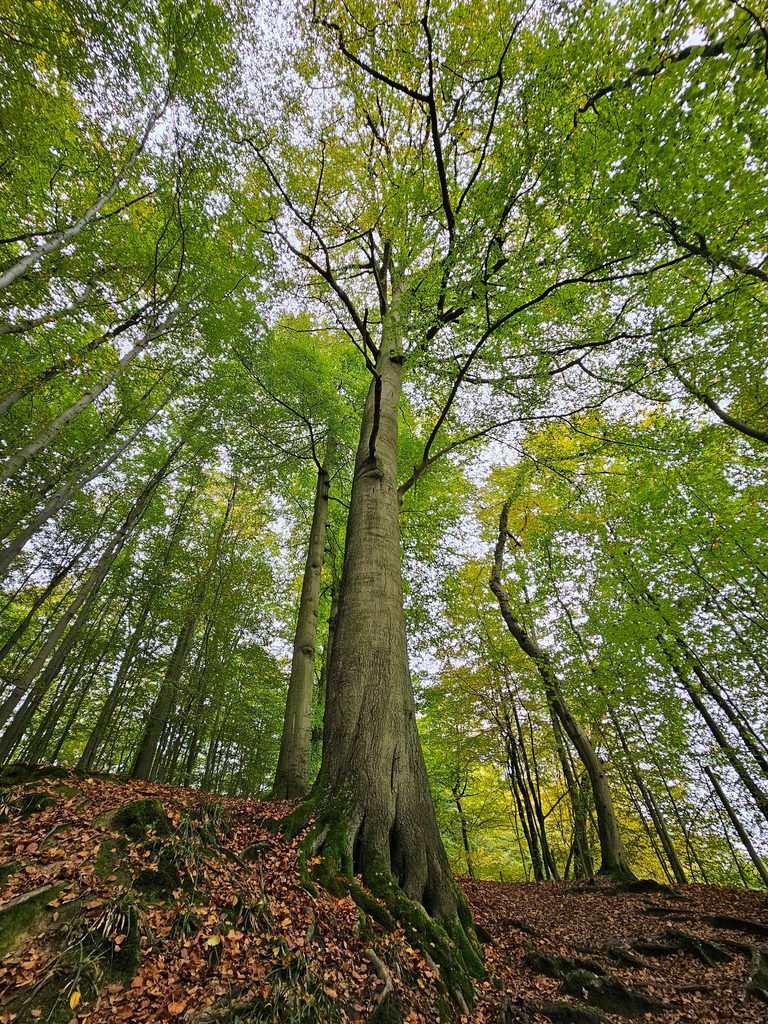
American beech is a handsome forest tree with smooth, pale gray bark. It grows across eastern North America. Its small, triangular nuts, called beechnuts, are enclosed in prickly husks.
The nuts are edible and sweet when roasted. They are tiny, though, so gathering a meal takes patience. Wildlife such as deer, bears and turkeys rely on them heavily.
Beech grows best in rich, moist, well-drained soils. It casts deep shade and keeps its golden leaves into winter. It is a valuable tree for habitat more than for the table.
25. Bur Oak (Quercus macrocarpa)
Bur oak produces some of the largest acorns of any North American oak. The cups have a distinctive fringed edge. The tree is tough and can handle drought, fire and cold.
Acorns are edible, but raw ones taste bitter because of tannins. People must leach them in water first. After that, they can be ground into flour or roasted.
Indigenous peoples used acorns as a staple for ages. Bur oak lives for centuries. Planting one is a gift to the future.
26. Ginkgo (Ginkgo biloba)
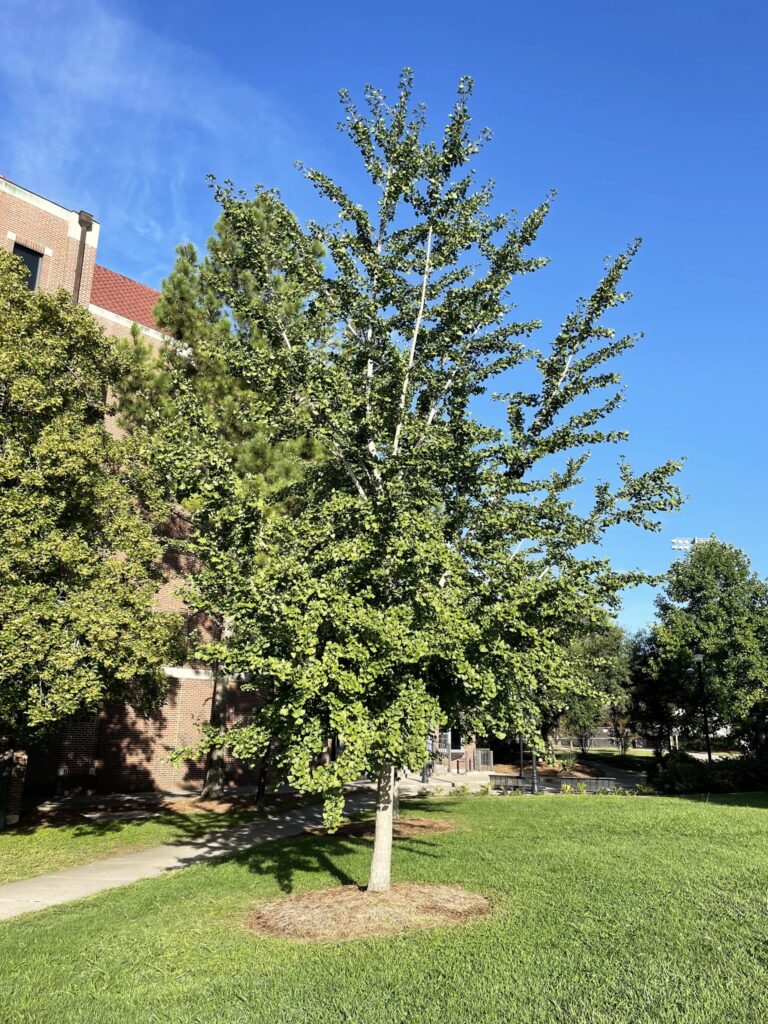
Ginkgo is often called a living fossil. Its fan-shaped leaves turn brilliant yellow each autumn. The tree is native to China and has been cultivated in East Asia for centuries.
Cooks in China, Japan and Korea use the roasted seeds. They are soft and slightly sweet. However, they contain compounds that can be harmful in large amounts, so eat only small portions.
Female trees drop smelly fruit pulp. For that reason, city planners prefer male trees. Handle the fruit with gloves because it can irritate the skin.
27. Candlenut (Aleurites moluccana)
Candlenut is a fast-growing tropical tree, known as kukui in Hawaii, where it is the state tree. Its pale green leaves shimmer in the wind. The oily nuts once served as torches.
In Indonesian and Malaysian kitchens, cooks grind the nuts to thicken curries and sauces. The raw nut is toxic, so it must always be cooked before eating.
The tree thrives in warm, humid regions. Its oil also goes into cosmetics and hair care. It is a plant with many uses and one firm rule: cook it first.
28. Pili Nut (Canarium ovatum)
The pili nut comes from the Philippines, especially the Bicol region. The tree is tall and evergreen, with a resin-rich trunk. The nut has a soft, buttery texture.
Unlike most nuts, pili can be eaten raw, roasted or in sweets. The kernel has a high oil content. The fruit’s pulp is also edible once cooked.
This is a growing specialty crop. Farmers value it because it grows in warm, wet tropics where few nut trees succeed. It may well become a global favorite.
29. Malabar Chestnut (Pachira aquatica)
Many people know this tree as the “money tree” sold as a houseplant. In the wild, it is a tropical wetland tree from Central and South America. It grows large, with showy flowers.
The seeds taste like a mild chestnut or peanut when roasted. They are also eaten raw in some regions, and some people grind them into flour.
It adapts well to wet soils. As a landscape tree, it gives shade and an interesting food crop. It suits warm, frost-free gardens.
30. Tropical Almond (Terminalia catappa)
The tropical almond is a tall tree common on beaches across Asia, Africa and the Pacific. Its layered branches and large leaves provide excellent shade. The leaves turn red before dropping.
The seed inside the hard fruit tastes similar to true almond. It is edible raw or roasted. Extracting it is difficult, so most people gather them only in small numbers.
The tree handles salt and sandy soil well. It is often planted for coastal protection. Despite the name, it is unrelated to the true almond.
31. Paradise Nut (Lecythis zabucajo)
Paradise nut, also called sapucaia, is a close relative of the Brazil nut. It grows in the forests of northern South America. The woody pods open with a lid, dropping the nuts.
The shell is thinner than a Brazil nut’s, and the flavor is richer and sweeter. Many people say it is superior. Even so, it remains rare outside its home region.
The tree is large and slow to mature. Because of habitat loss, wild populations are under pressure. It is a good reminder of how much forest diversity we have yet to appreciate.
32. Baru (Dipteryx alata)
Baru is a tree of the Brazilian Cerrado, a vast tropical savanna. The nuts are crunchy and taste like a mix of peanut and cashew. They are high in protein and healthy fats.
Local communities collect the fruit from wild trees and sell the seeds. Interest is rising in international markets. Roasting is required to remove an unpleasant taste.
The tree supports bats, monkeys and other animals. Sustainable harvesting protects both people and the savanna. Baru shows how nuts can support rural incomes.
33. Chilean Hazel (Gevuina avellana)
Chilean hazel is an evergreen tree from the temperate rainforests of Chile and Argentina. Its leaves are glossy, and its clustered white flowers attract many bees. It makes a lovely ornamental.
The round nuts turn from green to black when ripe. After roasting, they taste like hazelnuts. Local communities have eaten them for generations.
It prefers cool, moist climates and acidic soil. Gardeners in mild coastal regions sometimes grow it. It is a rare and rewarding tree for collectors.
34. Kola Nut (Cola nitida)
Kola is a rainforest tree from West Africa. The nuts contain caffeine and are chewed fresh as a stimulant. They also play a central role in social and ceremonial life in many communities.
Offering a kola nut is a sign of respect and welcome. It appears at weddings, naming ceremonies and meetings. Its early use as a flavoring in cola drinks is also well known.
The tree needs warm, humid conditions and rich soil. Kola is a cultural crop as much as a food crop. It reminds us that trees carry meaning beyond calories.
35. Marula (Sclerocarya birrea)
Marula is a deciduous tree of the southern African savanna. It grows tall and has a rounded crown. The fruit is juicy and rich in vitamin C, and the kernel inside is edible.
People eat the nuts raw or roast them. They also press oil from the kernels. The fruit is fermented into drinks, and a well-known cream liqueur is made from it.
The tree is drought-tolerant and valued by communities across the region. Elephants love the fruit too. Marula is a resilient source of food and income in dry lands.
36. Shea (Vitellaria paradoxa)
Shea grows across the savanna belt of West and Central Africa. Women in rural villages collect and process the nuts into shea butter. This work provides income for many families.
Shea butter is used in cooking, soap and skin care. It is among Africa’s most important tree products. The nut itself is not eaten fresh like other nuts but is valued for its fat.
The tree is slow to bear, often taking many years. People rarely plant it, and most trees are protected on farmland. Shea shows how a nut tree can support whole communities.
Why Nut Trees Matter Today
Nut crops are serious agriculture. The USDA National Agricultural Statistics Service publishes a yearly Noncitrus Fruits and Nuts summary that tracks acreage, yield and value for almonds, pecans, walnuts, pistachios, hazelnuts and macadamias.
Prices are watched closely as well. The USDA Economic Research Service reported that its index of prices received by growers for fruit and tree nuts stood at 175 in July 2026 (2011 = 100). That was 0.5 percent higher than July 2025.
Nut trees also demand patience. Many need five to twelve years before a strong harvest, so choosing the right species matters. Let us begin with the most familiar ones.
How to Choose the Right Nut Tree
Start with your climate. Check your USDA hardiness zone or local equivalent, since many trees listed above need either cold winters or tropical warmth. Matching the tree to the region avoids most failures.
Next, think about space and time. Pecans, walnuts and hickories grow large, and many need a decade or more to bear. Chinese chestnut, heartnut and hazelnut often reward growers sooner.
Finally, plan for pollination. Many nut trees need a second compatible tree nearby. Always ask your local nursery or extension office for varieties that suit your area.
Frequently Asked Questions
Which nut tree grows fastest? Chinese chestnut and hazelnut tend to bear earlier than pecan, black walnut or hickory. Exact timing depends on variety and care.
Can I grow a nut tree in a small yard? Yes. Hazelnut, Chinese chestnut and heartnut are often more manageable than large pecans or walnuts.
Are all nuts safe to eat? No. Raw candlenuts and large amounts of ginkgo seeds are harmful, and acorns need leaching. Always confirm preparation methods first.
Final Thoughts
Nut trees are among the most rewarding plants anyone can grow. They give food, shade, timber and a link to the land. From the almond orchards of California to the shea parklands of West Africa, each species tells its own story.
I hope this list of 36 types of nut trees helps you pick wisely. Choose a tree that suits your climate, plant it with care and be patient. The harvest, when it comes, is worth the wait.
References
- USDA National Agricultural Statistics Service. Noncitrus Fruits and Nuts. https://esmis.nal.usda.gov/publication/noncitrus-fruits-and-nuts?date=2025-05
- USDA Economic Research Service. Fruit and Tree Nuts Outlook: September 2026 (FTS-386). https://ers.usda.gov/media/29687/fts-386.pdf
- USDA Forest Service. Silvics of North America: Juglans nigra, Black Walnut. https://srs.fs.usda.gov/pubs/misc/ag_654/volume_2/juglans/nigra.htm
- University of Florida IFAS Extension. The Pecan Tree (HS229). https://edis.ifas.ufl.edu/HS229
- University of Florida IFAS Extension. Juglans nigra: Black Walnut (ST320). https://edis.ifas.ufl.edu/pdffiles/ST/ST32000.pdf
- California Department of Food and Agriculture. Almond Production in California. https://www.cdfa.ca.gov/is/ffldrs/frep/FertilizationGuidelines/pdf/Almond_Production_CA.pdf
- University of California Agriculture and Natural Resources. Nut Crops: Pistachios. https://ucanr.edu/site/nut-crops/pistachios

Tim M Dave is a gardening expert with a passion for houseplants, particularly cacti and succulents. With a degree in plant biology from the University of California, Berkeley, he has vast experience in gardening. Over the years, he has cultivated a vast collection of desert plants and learned a great deal about how to grow and care for these unique companions.