17 Winter Hardy Bamboo Plants (Details, With Pictures)
Many gardeners believe bamboo only grows in warm, tropical places. I used to think the same. The truth is quite different.
Dozens of bamboo species can handle snow, ice and deep freezes. Many of them withstand temperatures as low as -10°F to -20°F. Some go even lower.
This guide covers 17 winter hardy bamboo plants for cold-climate gardens, with their hardiness ratings, mature sizes and best uses.
Clumping vs. Running Bamboo: The Choice That Matters Most
Bamboo grows in two main ways. Clumping bamboo forms a tight, slowly expanding clump. Running bamboo sends rhizomes far underground and pops up new canes at a distance.
This difference matters for safety and for your neighbors. Several running species are invasive in the United States and can spread into nearby yards and natural areas. Large species such as golden bamboo can spread 15 feet in a single year.
Cold hardiness adds a twist. Running types are generally hardier than clumping types. Fargesia is the happy exception: a clumping genus that is also very cold hardy.
My honest advice is simple. Choose clumping bamboo when you can. If you plant a runner, install a strong barrier on day one. Also check local rules, since some places restrict running bamboo.
Cold Hardy Clumping Bamboo (Fargesia)
Fargesia bamboos come from the cool mountain forests of China. They dislike heat but love cold, shade and moisture. Panda bamboo (Fargesia) tolerates temperatures as low as -25°F.
1. Umbrella Bamboo (Fargesia murielae)
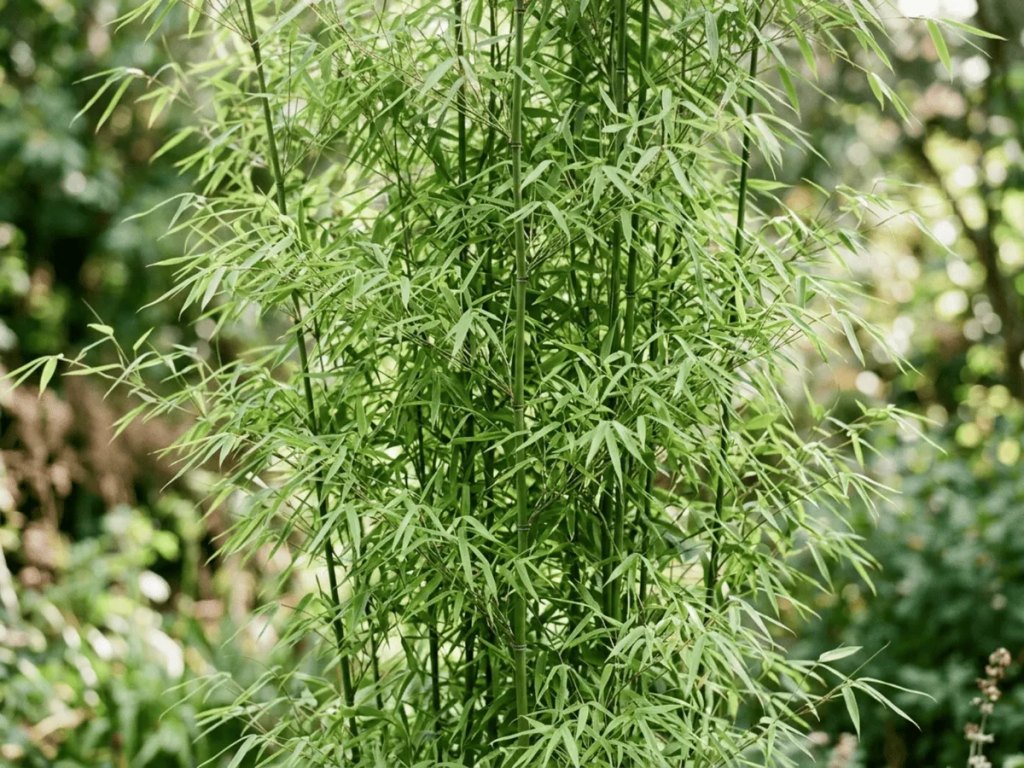
Umbrella bamboo is one of the most popular hardy bamboos in the world. It forms an arching, fountain-like clump with soft green leaves. Its canes often show a bluish tint.
The cultivar ‘New Umbrella’ is cold hardy to about -20°F. That is a serious level of toughness for such a graceful plant. Standard forms grow taller, while compact cultivars stay small.
It works well as a screen, a patio accent or a woodland garden plant. Give it partial shade and steady moisture. Hot afternoon sun can scorch the leaves, and dry soil makes it sulk.
2. Fountain Bamboo (Fargesia nitida)
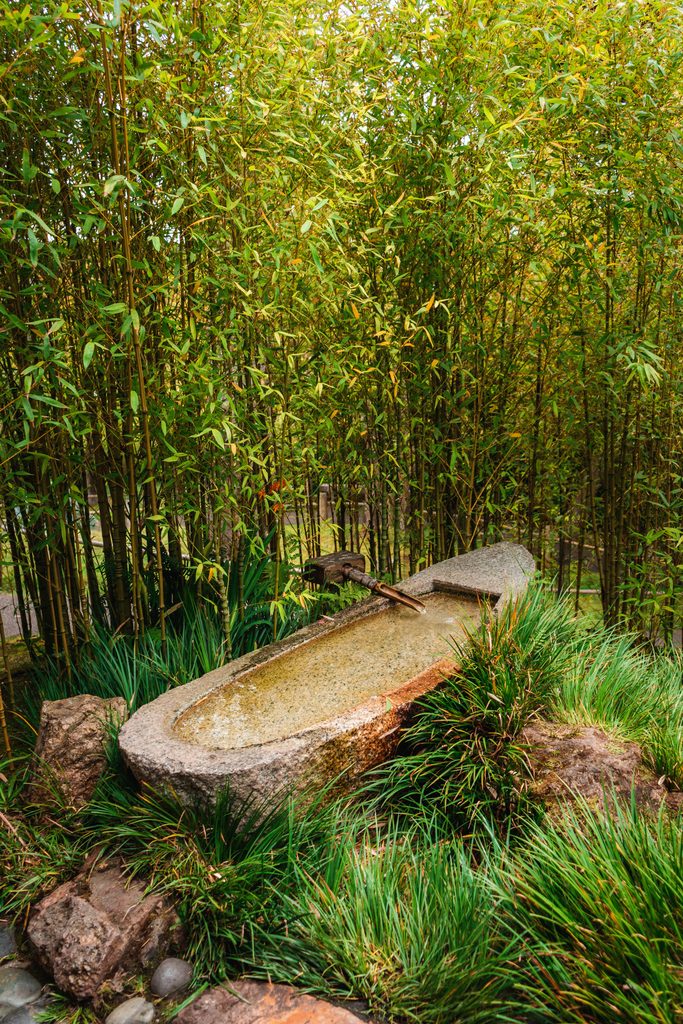
Fountain bamboo has thin, dark purplish canes and fine leaves. The canes arch outward as the plant matures. The look is airy and elegant.
It is listed among bamboos suited to zone 5. That makes it a reliable choice for cold northern gardens. I like it for its refined texture beside stone or water.
Plant it where it gets afternoon shade. It prefers cool summers and moist, well-drained soil. In hot, dry regions it struggles.
3. Green Panda Bamboo (Fargesia rufa)
‘Green Panda’ is compact, bushy and very dense. It grows 6 to 8 feet tall and is cold hardy to -15°F. It keeps its leaves through most winters.
This plant suits small gardens and tight spaces. Its thick foliage makes a good low privacy hedge. It also grows well in pots if the container is large.
Shelter it from harsh afternoon sun. A light layer of mulch protects the roots in the coldest months. In my view, this is one of the best “first bamboos” for beginners.
4. Green Screen Bamboo (Fargesia robusta)
Need height? Green Screen is a strong choice. It reaches 15 to 18 feet and is hardy to -10°F. The upright canes bend gracefully under their leaves.
Unlike many Fargesias, it handles full sun better. It also tolerates summer heat as far south as zone 9. That flexibility is rare among cold hardy bamboos.
Use it for a fast privacy screen along a fence line. It grows in a clump, so it will not wander into your neighbor’s lawn. Water it well in its first two summers.
5. Dragon’s Head Bamboo (Fargesia dracocephala)
Dragon’s head bamboo has thick canes and a weeping leaf canopy. It grows to about 10 feet and is hardy to around -10°F. The New York Botanical Garden lists it as hardy to -20°F.
The two figures differ because growers rate hardiness differently. I suggest planning around the lower number if you live in a very cold area. A sheltered spot helps a lot.
This bamboo makes a dense hedge with a soft, flowing shape. It does not like hot, humid summers. Choose it for cool northern or mountain gardens.
ALSO READ: 15 Popular Types of Bamboo Plants: Identification, Uses, Growth, and More
6. Fargesia denudata
This species is less famous, but I find its arching form beautiful. It is cold hardy to zone 5. The canes lean outward and create a graceful, open shape.
It grows well in cool, moist locations. Think of woodland edges, north-facing walls and shaded courtyards. It brings a calm look to a garden.
Keep the soil evenly moist but never soggy. Add compost each spring. Because it is a clumper, it stays politely in place.
7. Fargesia ‘Jiuzhaigou’
The Jiuzhaigou group includes some colorful cultivars, such as ‘Red Dragon’ and ‘Black Cherry’. Their canes show red or dark tones, which adds winter interest. Plants grow to around 10 feet and tolerate temperatures down to -20°F.
That color stands out beautifully against snow. I think it is the best choice for gardeners who want more than plain green. The foliage is fine and delicate.
Treat it like other Fargesias. Give it cool roots, partial shade and regular water. Avoid hot, windy sites.
8. Fargesia utilis
Fargesia utilis is the fastest of its group to reach a good size. It grows to about 13 feet and is hardy to around 0°F. That makes it less hardy than its cousins.
I recommend it for zone 6 and warmer. It suits cool, moist spots with some protection from wind. In colder areas, grow it in a sheltered corner.
It makes a quick screen when conditions are right. Water it deeply in dry spells. Add mulch before the first hard freeze.
9. Fargesia demissa ‘Gerry’
‘Gerry’ is a lesser-known clumper with a strong hardiness record. Its rating is about -10°F, possibly down to -15°F. The clump stays tidy and compact.
It is a fine pick for small yards and containers. The foliage stays dense, so it works as a soft divider. It also looks neat in a mixed border.
Like other Fargesias, it prefers shade from hot afternoon sun. Do not let the roots dry out. A thick layer of leaf mulch helps in both summer and winter.
Cold Hardy Running Bamboo (Phyllostachys and Others)
Phyllostachys is the great cold hardy genus for tall, woody canes. It includes about 60 species, and all produce edible shoots. These plants are vigorous, so containment is not optional.
Please read your local rules before planting any of them. New York State, for example, prohibits yellow groove and golden bamboo. Your county extension office can tell you what is allowed.
10. Bisset Bamboo (Phyllostachys bissetii)
Bisset bamboo is one of the hardiest runners. It grows densely, reaches about 20 feet and is hardy to at least -10°F, and to -25°F with good mulching. The New York Botanical Garden lists it at -20°F.
The leafy canopy is thick, so it makes a superb screen. The early shoots are edible. I have always admired how well this bamboo copes with ice.
It spreads more modestly than some giants, but it still needs a barrier. Install a rhizome barrier at planting time. Mulch heavily before deep winter.
11. Phyllostachys nuda
Phyllostachys nuda is a handsome, cold tolerant timber bamboo. Its canes grow 1 to 2 inches thick and 25 to 30 feet tall. The canes are slender yet strong.
It is listed among the bamboos suited to zone 5. That makes it one of the better options for tall screens in cold regions. The foliage is a fresh, deep green.
Because it is a runner, plan for control from the start. A trench barrier and yearly checks are essential. Cut any stray shoots as soon as they appear.
12. Yellow Groove Bamboo (Phyllostachys aureosulcata)
Yellow groove bamboo is one of the most widely planted bamboos in the United States. The green canes carry a bright yellow groove along each internode. It is a striking plant.
It is commonly rated hardy to about -10°F, and many gardeners report good results in zone 5 and 6. Hardiness can vary by cultivar, so ask your nursery. Some forms, such as ‘Spectabilis’, add colorful canes.
This one spreads strongly. Check local laws first, since some areas ban it. If it is legal where you live, use a deep barrier and keep a close eye on it.
13. Phyllostachys vivax ‘Aureocaulis’
‘Aureocaulis’ is a golden-yellow cultivar of a large timber bamboo. The ‘Aureocaulis’ cultivar of Phyllostachys vivax is hardy to -5°F. It makes a bold, tall statement.
The yellow canes glow in winter light. I find that this bamboo gives the strongest visual reward in a snowy garden. It also grows quickly once established.
Give it plenty of space and strong containment. It is best for large properties. In colder zones, expect some leaf burn after harsh winters.
14. Black Bamboo ‘Henon’ (Phyllostachys nigra ‘Henon’)
‘Henon’ is a gray-green cultivar of black bamboo. It is cold hardy to -5°F or -10°F. It is also reliably hardy in zone 6.
Gardeners like its upright, strong canes. It grows well across much of the United States. It is also more adaptable than many other giants.
Choose a sunny, sheltered site with good drainage. Avoid exposed, windy spots in cold regions. Use a barrier, as with any runner.
15. Incense Bamboo (Phyllostachys atrovaginata)
Incense bamboo earns its name from the sweet scent of its fresh canes. It has a pleasant, calm look. The leaves are a rich green.
One nursery lists it at -10°F, while the American Bamboo Society lists it at -15°F. That makes it a solid choice for zone 5 gardens. It is a medium-sized runner.
I like it for gardens where you can enjoy the scent up close. It spreads, so it still needs a barrier. Plant it near a path or seating area.
16. Phyllostachys parvifolia
This runner has thick canes and small leaves. The name means “small-leaved.” It builds a strong, upright grove.
Its hardiness is rated at possibly -5°F to -15°F. That broad range suggests you should plan for the lower end of the scale. A sheltered site makes a big difference.
It suits larger gardens with room to spread. It has good timber quality for stakes and crafts. Control it early, before the rhizomes take over.
17. River Cane ‘Macon’ (Arundinaria gigantea ‘Macon’)
This one is special. River cane is a native North American bamboo. The ‘Macon’ cultivar is exceptionally hardy and does well in wet soil.
That makes it ideal for rain gardens, stream banks and low, damp areas. It supports native wildlife and restores natural habitat. I admire it for being both tough and local.
It spreads much more slowly than Phyllostachys. Even so, give it room to expand. If you want a bamboo with ecological value, start here.
Know Your Hardiness Zone First
Before you buy any plant, check your USDA Plant Hardiness Zone. A zone shows the average yearly lowest temperature in your area over a 30-year period. Each zone is split into “A” and “B” half zones.
The map was updated in 2023. It now uses data from 13,412 weather stations, compared with 7,983 for the 2012 version. About half of the country moved to the next warmer half zone.
Check the new map rather than an old one. Your zone may have changed. Roughly 80 million American gardeners and growers use this map most often.
One more point. Bamboo ratings are usually minimum survival temperatures. A plant that survives at -15°F may still lose leaves. Cold wind and wet soil add to the damage.
Winter Care Tips for Hardy Bamboo
Even the toughest bamboo needs help in the coldest weather. These simple steps make a real difference:
- Mulch deeply. Add 3 to 4 inches of leaves or bark around the base in late fall.
- Water before the freeze. Moist soil protects roots better than dry soil.
- Avoid late fertilizer. It pushes tender growth that frost will damage.
- Shelter from wind. Cold wind burns leaves faster than cold air alone.
- Be patient in spring. Leaves may turn brown, but new canes often emerge.
Container bamboo needs extra care. Roots in pots freeze much faster than roots in the ground. Move pots to a sheltered place or wrap them with insulation.
How to Choose the Right Bamboo for Your Garden
Start with your zone, then decide how much space you have. Small yard? Choose Green Panda or ‘Gerry’. Need a tall screen? Consider Green Screen or, with a barrier, Phyllostachys.
Think about sun and summer heat too. Most Fargesias prefer cool summers and shade. Phyllostachys handles sun better but needs control.
Finally, ask your local extension office. They know which species behave in your area. A short call can save years of trouble.
Final Thoughts
Winter does not have to end your dream of a bamboo garden. Fargesia gives you hardy clumping options, and Phyllostachys offers tall, dramatic canes for those who can control them. Native river cane adds a wildlife-friendly choice.
My favorite advice is also the simplest. Pick a clumping species, match it to your zone, and mulch well. You will enjoy green leaves while the rest of the garden sleeps under snow.
References
- U.S. Department of Agriculture, Agricultural Research Service. “USDA Unveils Updated Plant Hardiness Zone Map.” https://www.ars.usda.gov/news-events/news/research-news/2023/usda-unveils-updated-plant-hardiness-zone-map/
- University of Maryland Extension. “Containing and Removing Bamboo.” https://extension.umd.edu/resource/containing-and-removing-bamboo/
- University of Tennessee Institute of Agriculture. “Bamboo (Phyllostachys spp.),” publication W220. https://utia.tennessee.edu/publications/wp-content/uploads/sites/269/2023/10/W220.pdf
- University of Arizona Cooperative Extension, Yavapai County. “Growing Bamboo.” https://cales.arizona.edu/yavapai/anr/hort/byg/archive/bamboo2019.html
- Alabama Cooperative Extension System. “Bamboo Growth and Control.” https://www.aces.edu/blog/topics/forestry-wildlife/bamboo-growth-and-control/
- University of Connecticut, College of Agriculture, Health and Natural Resources. “Bamboo” fact sheet. https://homegarden.cahnr.uconn.edu/factsheets/bamboo
- NC State Extension. “Fargesia rufa ‘Green Panda’,” Plant Toolbox. https://plants.ces.ncsu.edu/plants/fargesia-rufa-green-panda

Tim M Dave is a gardening expert with a passion for houseplants, particularly cacti and succulents. With a degree in plant biology from the University of California, Berkeley, he has vast experience in gardening. Over the years, he has cultivated a vast collection of desert plants and learned a great deal about how to grow and care for these unique companions.