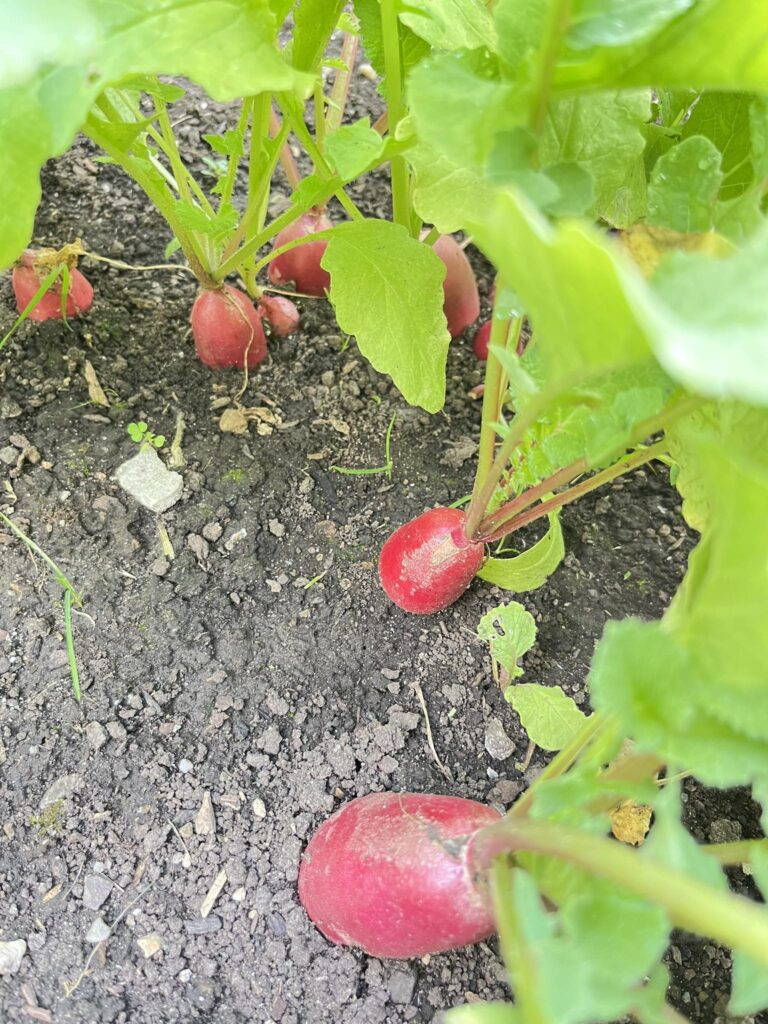
30 Different Types of Beans (Identification, With Pictures)
Walk down any grocery aisle and you will meet dozens of beans. Some are small and black. Others are large, pale and creamy. A few are eaten as green pods, not as dry seeds.
I have cooked with many of them over the years. Each one has its own flavor and texture. Once you know the differences, shopping and cooking become much easier.
Beans are the edible seeds of plants in the legume family. The common bean, Phaseolus vulgaris, started in South and Central America. It later spread across the world and now includes many of the types on this list.
This guide covers 30 different types of beans, grouped by how people use them, and tips on flavor, cooking and growing for each one.
Common Dried Beans
1. Black Beans
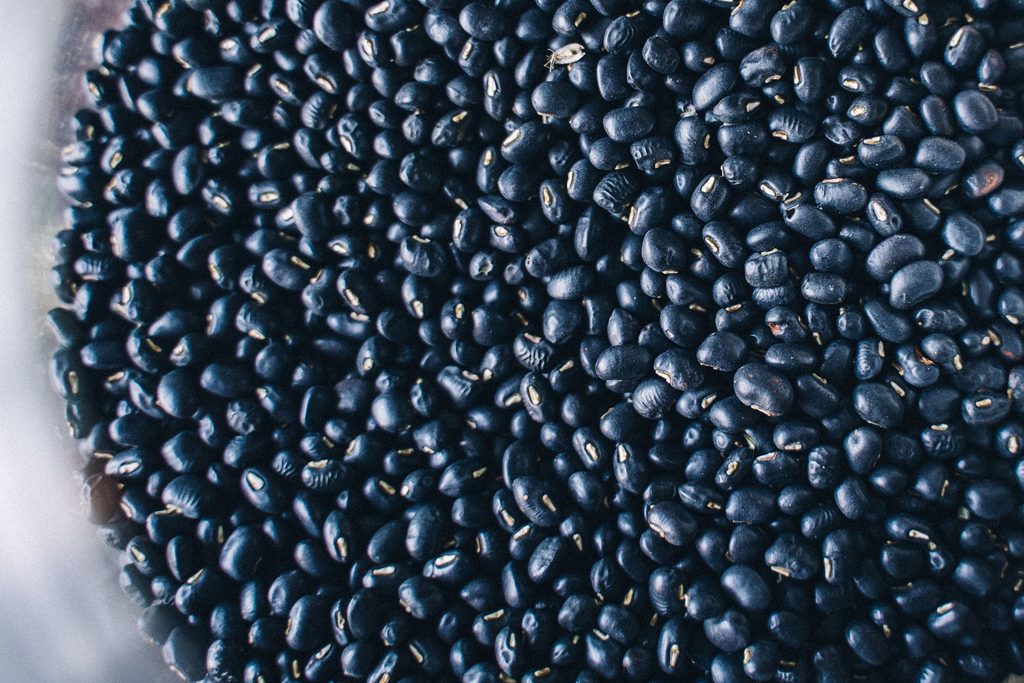
Black beans are small, glossy and deep black. The flavor is earthy and slightly sweet. The texture is soft but holds its shape well.
They are a staple in Central and South America and the Caribbean. You will find them in soups, rice dishes, burritos and tacos. They also make a hearty veggie burger.
Black beans are a major U.S. crop. USDA’s Economic Research Service lists them as the third-largest dry bean class, at 13 percent of production in 2009–13. I always keep a few cans in my cupboard.
2. Red Kidney Beans
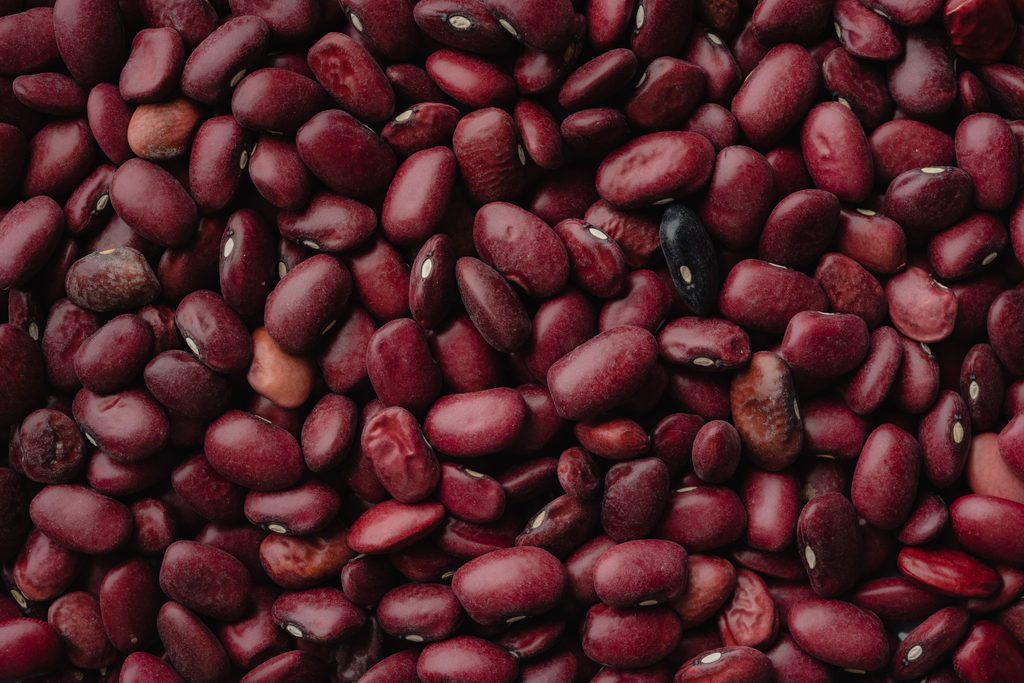
Red kidney beans are large, dark red and shaped like a kidney. They have a firm skin and a rich, savory taste. They keep their shape even in long-cooked chili.
There is one important safety rule. Raw or undercooked red kidney beans are toxic. The FDA reports that as few as four or five raw beans can cause severe nausea and vomiting within one to three hours.
The toxin is called phytohaemagglutinin. Soak the beans for at least five hours, then boil them in fresh water for at least 10 minutes. Many food safety experts suggest 30 minutes to be sure. Avoid slow cookers for dry kidney beans, because they may not get hot enough.
3. Pinto Beans
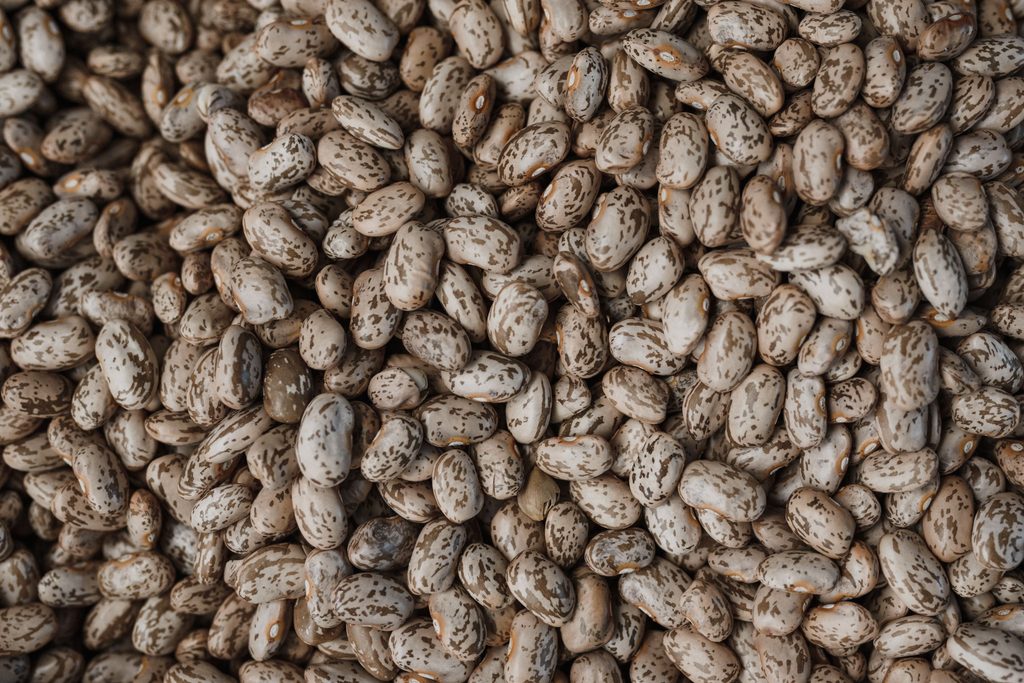
Pinto beans are beige with brown speckles. The spots fade as they cook, and the beans turn a uniform brown. They taste creamy and mild.
They are the star of refried beans and many Mexican dishes. They also work well in chili and pots of slow-simmered beans. Their soft texture makes them easy to mash.
Pinto is the most widely grown dry bean in the United States. ERS data show it made up 39 percent of production in 2009–13. That is nearly three times the share of black beans.
4. Navy Beans
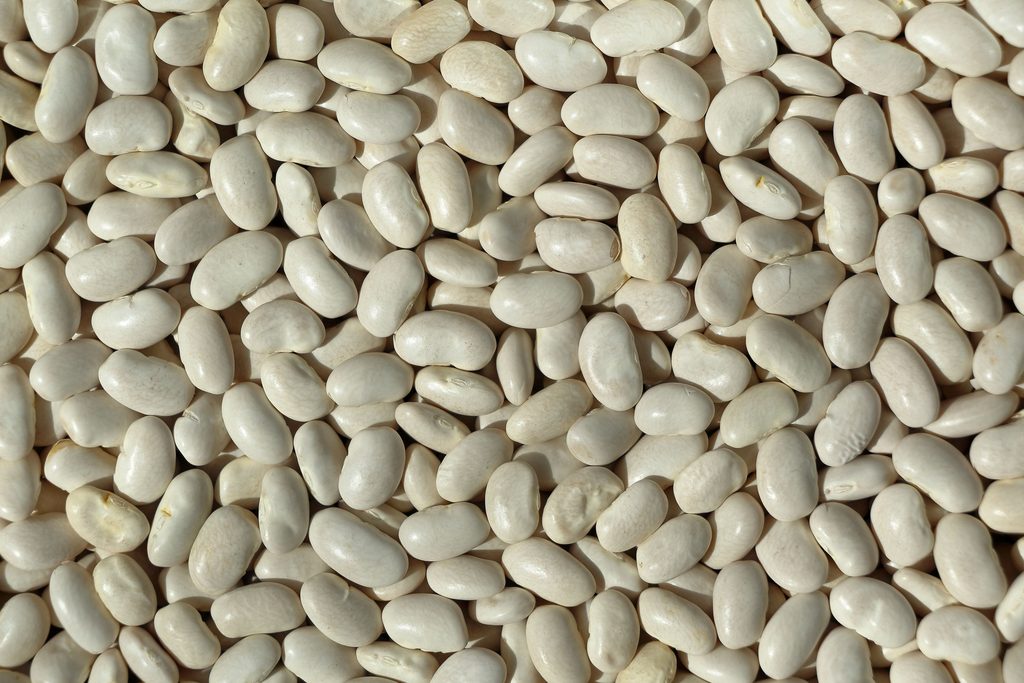
Navy beans are small, white and oval. They are also called pea beans or haricot beans. The flavor is mild, and the texture turns soft and creamy.
They are the classic bean for baked beans and navy bean soup. Because they are so mild, they absorb the flavors of smoky ham, tomato and spices. I find they are perfect for a slow Sunday pot.
Navy beans ranked second among U.S. dry bean classes. ERS reported a 15 percent share of production in 2009–13. They are also a good choice for budget cooking.
ALSO READ: 25 Types of Peas (Common Varieties, With Pictures)
5. Great Northern Beans
Great Northern beans are larger than navy beans but still white. They have a delicate, nutty taste. Their skin is thin, and they hold their shape reasonably well.
They suit soups, stews and casseroles. They also blend smoothly into dips. Try them in place of cannellini beans when you want a lighter bite.
They are a good all-purpose white bean. If a recipe does not name a type, they are usually a safe pick. Soak them overnight for the best texture.
6. Cannellini Beans
Cannellini beans are large, white and kidney-shaped. They are a favorite in Italian cooking. The taste is nutty and mild, and the texture is smooth and creamy.
They appear in minestrone, pasta e fagioli and Tuscan bean soups. They also go well with sage, garlic and olive oil. Cold in a salad, they stay tender but firm.
Cannellini are a type of white kidney bean. The FDA notes that white kidney beans contain about one-third as much of the toxin as red ones. Even so, cook them thoroughly.
7. Cranberry Beans (Borlotti)
Cranberry beans are creamy white with bright red streaks. They are also called borlotti beans in Italy. The pattern is beautiful, but it fades during cooking.
The flavor is sweet and nutty, a little like chestnuts. The texture is smooth and rich. They are excellent in Italian soups and slow-cooked stews.
You can buy them fresh in late summer, in their speckled pods. Shell them yourself for a real treat. Dried ones keep well all year.
8. Flageolet Beans
Flageolet beans are small, pale green and tender. They are harvested young and then dried. This gives them a light, fresh flavor and a very fine texture.
They are a classic French bean. Cooks serve them with roast lamb, sausages and herbs. They also work well in warm salads.
They are harder to find than other beans. Look in specialty shops or order them online. Cook them gently, as they break apart easily.
9. Pink Beans
Pink beans are small and reddish-pink. They turn brownish when cooked. The taste is mild and slightly sweet, with a soft, powdery texture.
They are popular in Latin American and Caribbean cooking. You will see them in stewed beans, rice dishes and chili. They are close in flavor to pinto beans.
Use them when you want a bean that melts into a thick sauce. They are not as common in shops. A pinto bean is a fair substitute.
10. Small Red Beans
Small red beans are deep red, firm and slightly sweet. They are smaller than kidney beans. They hold their shape well during long cooking.
They are best known in red beans and rice, a Louisiana classic. The beans cook slowly with onion, pepper and sausage until creamy. The result is rich and comforting.
They should not be mixed up with adzuki beans, which are also small and red. The two have different flavors. Adzuki beans are sweeter and used in Asian desserts.
Large and Specialty Beans
11. Lima Beans (Butter Bean)
Lima beans are flat, wide and either pale green or creamy white. They taste buttery and mild, which is why many people call them butter beans. Baby limas are smaller and a little more delicate.
University of Georgia Extension notes that lima beans have much more protein, carbohydrate and calories than snap beans. Their pods are tough and fibrous, so you shell them before cooking. They are a staple in succotash and southern stews.
Limas grow as bush or pole plants. University of Maryland Extension says bush limas mature in 65 to 75 days, and pole limas in 85 to 110 days. Soil must be about 65°F for the seeds to germinate well.
12. Fava Beans (Broad Bean)
Fava beans are large, flat and green, and they grow in thick, padded pods. The taste is rich, nutty and a little bitter. They are a spring favorite in Mediterranean and Middle Eastern cooking.
Fresh favas usually need two steps. First shell them from the pod. Then blanch them and peel off the tough skin. It takes time, but the bright green bean inside is worth it.
Fava is the cool-weather exception among beans. Cornell Cooperative Extension notes that every other bean type is sensitive to frost and cold soil. Fava also has a safety note: raw favas contain only about 5 to 10 percent of the lectin found in red kidney beans, but cooking is still wise. People with a rare enzyme condition called G6PD deficiency should avoid them.
ALSO READ: 20 Types of Mustard Greens (With Pictures, and Growing Tips)
13. Runner Beans
Runner beans are long, rough-textured pods with large purple or black-and-pink seeds. They are a different species from the common bean, Phaseolus coccineus. The vines climb vigorously and carry bright red or orange flowers.
They are very popular in the United Kingdom. Cooks slice the young pods thinly and boil them. The flavor is rich and slightly meaty, stronger than a common green bean.
Virginia Cooperative Extension describes scarlet runner beans as both ornamental and productive. They grow best in cooler weather. Prolonged heat reduces both yield and pod quality.
14. Tepary Beans
Tepary beans are small and often white, tan or brown. They come from the dry Southwest of the United States and northern Mexico. The flavor is sweet and nutty, with a dense texture.
They are among the most drought-tolerant beans in the world. Native growers have raised them for centuries in desert conditions. That makes them a useful crop as climates become hotter and drier.
Teparies are a good choice for soups and baked dishes. They are harder to find than other beans. Look for them from specialty growers and heritage seed companies.
Fresh and Snap Beans
15. Green Beans (Snap Bean)
Green beans are the most familiar fresh bean. You eat the whole pod, along with the small seeds inside. They taste fresh and grassy, and they stay crisp when lightly cooked.
They are also called snap beans, because a good pod snaps cleanly in two. Older varieties had tough strings along the seams. Plant breeders have reduced that fiber, so modern pods are much more tender.
University of Georgia Extension explains that snap beans grow as bush or pole types. Bush plants stand 1 to 2 feet tall. Pole types are vines that need a trellis. Bush snap beans usually mature in 50 to 60 days, according to University of Maryland Extension.
16. Wax Beans
Wax beans are yellow snap beans. The pods look waxy and pale, but the plant is the same species as the green bean. The flavor is milder and a little sweeter.
Virginia Tech Extension notes that although wax beans look different, their flavor is only slightly different from green beans. I like them mixed with green beans in a summer salad. The two colors look lovely together.
Cook them just as you would green beans. Steam, sauté or blanch them briefly. Overcooking makes them dull and soft.
17. French Beans (Haricots Verts)
French beans, or haricots verts, are thin, long and tender. They are picked young, so the pods are slim and the seeds are tiny. The taste is delicate and sweet.
University of Maryland Extension lists the French filet type among the popular snap beans. These are available in both bush and pole forms. Their slim shape makes them popular in restaurants.
Cook them for only a few minutes. A quick blanch keeps the green color bright. Toss them with butter, almonds or lemon.
18. Romano Beans (Italian Flat Bean)
Romano beans have broad, flat pods. They are meatier than regular green beans. The flavor is rich and slightly sweet, and the pods stay tender even when large.
They are common in Italian cooking. Cooks braise them slowly with tomato and olive oil. Long cooking makes them soft and full of flavor.
The University of Idaho lists Romano beans, also called Italian beans, among the most popular types for home gardens. They come in both bush and pole forms. They are a reliable and productive choice.
19. Yardlong Beans (Asparagus Bean)
Yardlong beans are very long, thin pods. They often reach 12 to 18 inches, and sometimes more. The name is a little exaggerated, but not by much.
Virginia Cooperative Extension notes that the yardlong bean is related to the black-eyed pea. The taste is mild and a bit like green beans, but with a slightly chewy bite. They love heat.
They are popular in Chinese, Thai and Indian dishes. Cut them into short lengths for stir-fries and curries. They hold their texture well in a hot wok.
20. Edamames
Edamame are young soybeans, picked while the pods are still green. They are usually sold in the pod or already shelled. The taste is sweet, nutty and fresh.
They are a classic Japanese snack. Boil the pods in salted water for about five minutes. Then squeeze the beans out and eat them. I find them hard to stop eating.
Edamame are a good source of protein among vegetable foods. University of Idaho Extension refers to them as vegetable soybeans. They are available frozen all year, which makes them an easy pantry choice.
Asian and African Beans
21. Mung Beans
Mung beans are tiny, green and round. They cook quickly and need no long soak. The flavor is mild and slightly sweet, and the texture turns soft.
They are widely used across South and East Asia. Cooks make them into dal, porridge, noodles and desserts. They are also the seeds that sprout into the crunchy bean sprouts used in stir-fries.
Skinned and split mung beans, called moong dal, cook even faster. I often use them when I need a quick, light meal. They are easy to digest.
22. Adzuki Beans
Adzuki beans are small, deep red and glossy. They have a sweet, nutty taste and a fine, smooth texture. They are a favorite in East Asian cooking.
In Japan, cooks turn them into sweet red bean paste. This paste fills pastries, dumplings and ice cream. Adzuki beans also appear in rice dishes and soups.
They cook faster than many larger beans. Simmer them for about 45 to 60 minutes after soaking. Add sugar only at the end of cooking, so the skins stay tender.
23. Black-Eyed Peas
Black-eyed peas are not true peas. They are a type of cowpea, from the species Vigna unguiculata. The small cream-colored bean has a black spot, like an eye.
They are a staple of southern U.S. and West African cooking. Many American families eat them on New Year’s Day for luck. They cook faster than most dry beans, often in about an hour, with no soak needed.
Virginia Cooperative Extension lists black-eyed, cream and crowder peas as the most common southern pea types. They grow in both bush and pole forms. They also love heat, unlike garden peas.
24. Soybeans
Soybeans are small, round and usually pale yellow, though black and green types exist. Cooked plain, they taste a little bland and beany. Their real value is in what they become.
They are the source of tofu, tempeh, miso, soy sauce and soy milk. These foods are central to East Asian cuisine. Soybeans also give more protein than most other beans.
They need long cooking. Soak them overnight and simmer for two to three hours. Most home cooks prefer to buy them in processed forms, or as edamame.
25. Urad Beans (Black Gram)
Urad beans are small and black on the outside, and creamy white when the skin is removed. The cooked beans are soft and slightly slimy, which gives dishes a rich body. They are widely used in India.
Split and skinned urad is called urad dal. Cooks use it in dal makhani, a creamy, buttery lentil dish. They also grind it into the batter for idli and dosa.
The flavor is earthy and a little nutty. It takes patience to cook, so soaking is helpful. The reward is a deep, comforting taste.
Lesser-Known and Global Beans
26. Moth Beans
Moth beans are very small, brown and slightly oval. They are grown mostly in the dry regions of India, especially in the west. The taste is earthy and mildly nutty.
The plant tolerates heat and drought better than most beans. That is why it thrives where other crops fail. Farmers value it as a reliable food and a soil-improving crop.
Cooks use whole moth beans in curries and sprouted salads. They also make a snack called bhujia. You will usually find them in Indian grocery stores.
27. Hyacinth Beans (Lablab)
Hyacinth beans have glossy purple pods and cream or black seeds with a white ridge. The vine is also a popular ornamental, with fragrant purple flowers. Gardeners often grow it for its looks alone.
In parts of Africa and Asia, people eat the young pods, leaves and seeds. The flavor is mild and slightly nutty. It is an important food in several tropical regions.
There is a caution. The raw seeds and pods are toxic and must be cooked well. Traditional methods use boiling and changes of water. If you are unsure, eat only dishes made by experienced cooks.
28. Chickpea (Garbanzo Beans)
Chickpeas are round, beige and slightly bumpy. They are also called garbanzo beans. The flavor is nutty and the texture is firm yet creamy.
They are used in hummus, falafel, curries and salads. Chickpea flour is also popular in baking and in gluten-free dishes. Roasted chickpeas make a crunchy snack.
Chickpeas are a major U.S. crop. ERS data show garbanzo beans made up a larger share of production in 2009–13 than a decade earlier. They need a long soak and 1 to 2 hours of simmering.
29. Lupini Beans
Lupini beans are flat, yellow and slightly round. They are a traditional snack in Italy and across the Mediterranean. Shops often sell them in brine, in jars.
Raw lupini beans are very bitter, because they contain natural alkaloids. They must be soaked and rinsed for days before eating. That is why you should buy them already prepared.
The taste is salty, tangy and a little like an olive. The texture is firm. They are high in protein and fiber, and they make a good bar snack.
30. Winged Beans
Winged beans have four frilly “wings” running along each pod. They grow in hot, humid regions, especially in Southeast Asia and Papua New Guinea. The pods look like small green ribbons.
Almost every part of the plant is edible. People eat the pods, leaves, flowers, seeds and even the roots. The taste is like a cross between green beans and asparagus.
Slice the pods thinly for salads or stir-fries. In Thai cuisine, cooks pair them with coconut and chili. They are rare outside the tropics, but worth looking for in Asian markets.
Why Beans Deserve Your Attention
Beans are a major farm crop. The USDA’s Economic Research Service reports that U.S. dry bean production averaged about 1.2 million metric tons a year in 2009–13, from roughly 605,000 hectares. Pinto beans made up 39 percent of that output, navy beans 15 percent and black beans 13 percent.
Beans are also good for you. The Dietary Guidelines for Americans 2020–2025 recommend about 1.5 cups of beans, peas and lentils each week. Yet a 2025 study of national survey data found that only 19.9 percent of Americans ate that amount in 2017–2018.
Beans are naturally low in fat and contain no cholesterol. They are rich in fiber and plant protein. That makes them one of the most useful foods in any pantry.
How to Choose and Cook Beans
The best bean depends on the dish. For creamy soups and dips, choose white beans such as navy, Great Northern or cannellini. For chili and stews, pick kidney, pinto or black beans.
For quick meals, try mung beans, black-eyed peas or canned beans. For fresh side dishes, choose green, wax or French beans. For snacks, try edamame or lupini.
Here are my basic cooking rules:
- Sort and rinse dry beans to remove stones and damaged seeds.
- Soak most large dry beans for several hours or overnight. Discard the soaking water.
- Simmer gently until tender. Add salt and acid, such as tomato, near the end.
- Boil kidney beans hard for at least 10 minutes. Avoid slow cookers for dry kidney beans.
- Store dry beans in a sealed jar, in a cool, dark place.
Canned beans are a fine shortcut. They are already cooked and safe to eat. Rinse them to reduce extra salt.
Conclusion
Beans are far more varied than most people expect. From the creamy cannellini to the crisp green bean, each type brings its own taste and use. Together they offer fiber, plant protein and great value.
I hope this list helps you try something new. Start with one bean you have never cooked. You may find, as I did, that your favorite is still waiting on the shelf.
References
- University of Maryland Extension. Beans. https://extension.umd.edu/resource/beans
- University of Georgia Cooperative Extension. Snap and Lima Bean Production in Georgia (B 1369). https://fieldreport.caes.uga.edu/publications/B1369/
- Virginia Cooperative Extension. Beans (SPES-676). https://pubs.ext.vt.edu/content/dam/pubs_ext_vt_edu/426/426-402/SPES-676.pdf
- University of Idaho Extension. Beans and Peas for the Home Garden (PNW 495). https://www.uidaho.edu/-/media/UIdaho-Responsive/Files/Extension/publications/pnw/pnw0495.pdf?la=en
- Ohio State University Extension. Chow Line: Dry kidney beans need to be boiled. https://cfaes.osu.edu/news/articles/chow-line-dry-kidney-beans-need-be-boiled
- USDA Economic Research Service. Vegetables and Pulses Outlook: Commodity Highlight: Dry Beans (VGS-354-SA1). https://primary.ers.usda.gov/webdocs/outlooks/39541/49186_vgs-354-sa1.pdf
- National Institutes of Health, PubMed Central. Pulse consumption trends in the US, NHANES 1999–2018. https://pmc.ncbi.nlm.nih.gov/articles/PMC12408265

Tim M Dave is a gardening expert with a passion for houseplants, particularly cacti and succulents. With a degree in plant biology from the University of California, Berkeley, he has vast experience in gardening. Over the years, he has cultivated a vast collection of desert plants and learned a great deal about how to grow and care for these unique companions.